This is the first of six resources in the series: ‘Drawing for Science, Invention & Discovery Even If You Can’t Draw‘ by Paul Carney, educational consultant and author. The projects enable teachers of both art and science to approach drawing from a new perspective. You can see all of the resources here.
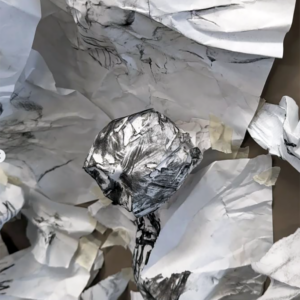
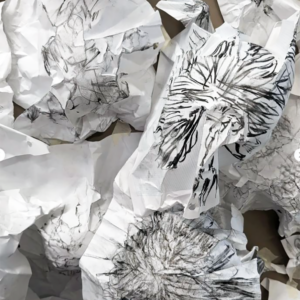
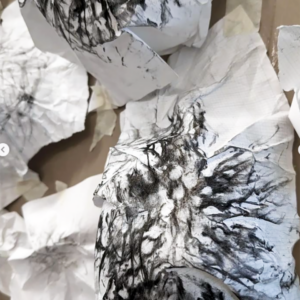
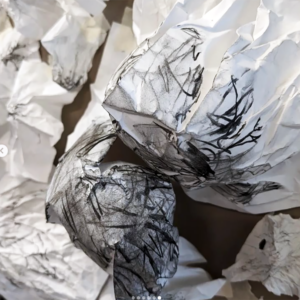
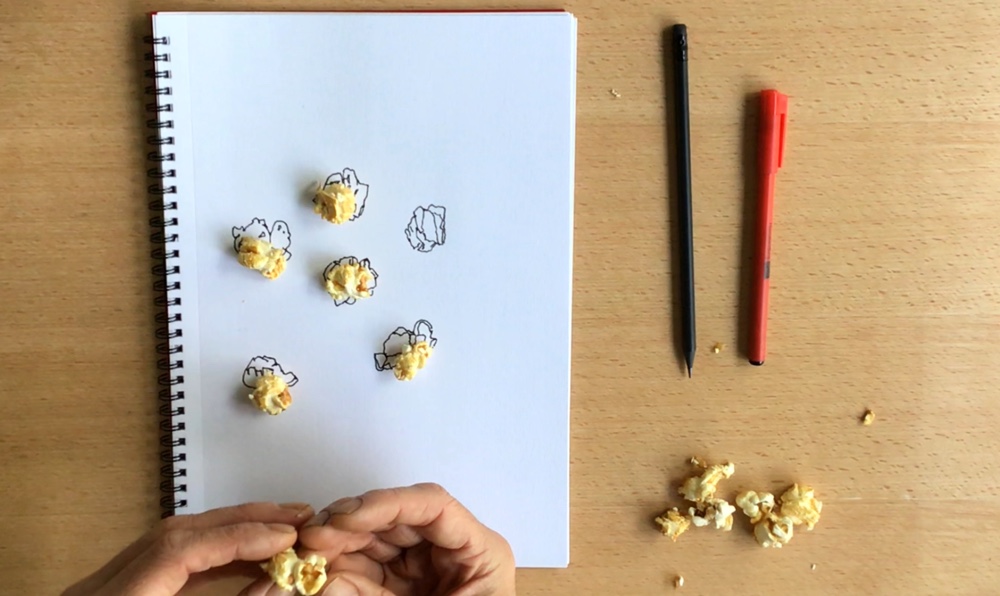
Introduction: This activity demonstrates why scientists need to record and catalogue large amounts of complex information. It also shows you how and why drawing can help us to better understand the objects we are studying and the importance of organising and sorting information.
Notes for Teachers
-
Learning Objectives
- To understand that large amounts of complex information must be organised.
- To learn how drawing can help us better understand things we are studying.
-
Age Range
The activity is suitable for 7-16 years.
-
Time Required
The activity takes approximately one hour
-
National Curriculum Targets: Art & Design
Key stage 2: Pupils should be taught to develop their techniques, including their control and their use of materials, with creativity, experimentation and an increasing awareness of different kinds of art, craft and design. Pupils should be taught to:
- create sketch books to record their observations and use them to review and revisit ideas.
- improve their mastery of art and design techniques, including drawing.
Key stage 3: Pupils should be taught to:
- increase proficiency in their execution. They should develop a critical understanding of artists, architects and designers, expressing reasoned judgements that can inform their own work.
- Use a range of techniques to record their observations.
-
National Curriculum Targets: Science
Lower Key Stage 2: Making systematic and careful observations.
Upper Key Stage 2: Recording data and results of increasing complexity using scientific diagrams and labels, classification keys, tables, scatter graphs, bar and line graphs.
Key Stage 3:
- Make and record observations and measurements using a range of methods for different investigations; and evaluate the reliability of methods and suggest possible improvements.
- Present observations and data using appropriate methods, including tables and graphs.
- Recording findings using simple scientific language, drawings, labelled diagrams, keys, bar charts, and tables.
GCSE and A Level Science subject content: Develop and demonstrate a deep appreciation of the skills, knowledge and understanding of scientific methods.
-
Things You’ll Need
Plain paper, fineliner pens or pencils, popcorn.
-
Extending The Lesson
Increase the challenge by adding more popcorn to study.
-
Supporting The Lesson
Limit the number of popcorn and suggest working on squared paper.
-
Assessment Guidance
How can you tell if they have correctly identified the popcorn to the correct drawing? Maybe peer review would help this process.
-
Artist Links
Look at the drawings of contemporary artist Becky Allen
-
Cross-Curricular
Ask them to think about how complex data is recorded in other subject areas. Can they think of where this technique may be useful? (Such as Geography when studying rock formations).
To access all content, I would like to join as…
AccessArt is a UK Charity and we believe everyone has the right to be creative. AccessArt provides inspiration to help us all reach our creative potential.