How can we use marks and materials to respond to the world around us as we experience it?
By cutting up, rearranging and reassembling physical maps, Shaheen Ahmed creates new connections and explores a collective, shared narrative linking people around the world.
Through reimagined borders, her collaged maps highlight the shared experiences of people across the world, encouraging us to reflect on the connections we share. By changing the way we view borders, distances and landscapes, her work expresses empathy and concern for others.
Using the links and images below, followed by the questions, begin a discussion about the work of Shaheen Ahmed.
Please Note:
This page includes links and videos from external sites, verified at publication but subject to change.
Teachers should review all content for classroom suitability.
Report any issues, and check school firewall settings if videos don’t play.




Shaheen Ahmed
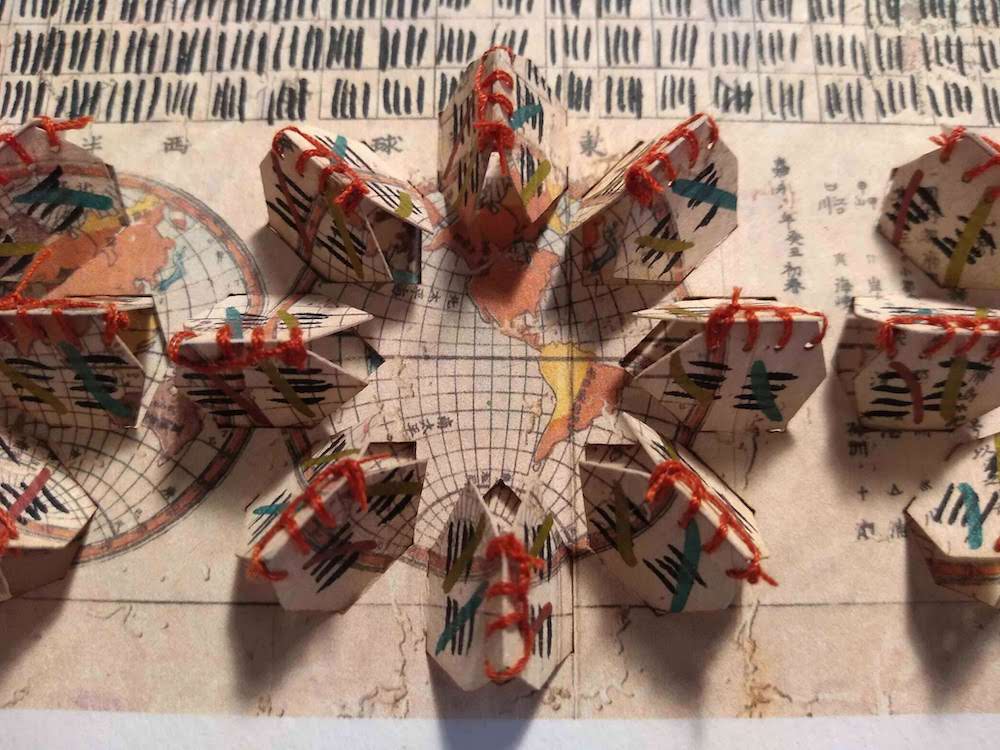
Primordial Sanctuary by Shaheen Ahmed
“When countries are at war, when people are suffering, that is the time to reach out. The very least we should do is empathise.”
“Craftivist” Shaheen Ahmed lives and works in the West Midlands where she manipulates maps and paper using Kirigami to connect her passion for Islamic art, and exploration of social justice.
The concept of empathy is central to Shaheen’s work. Her manipulation of maps, over-writing with pattern and marks, is Shaheen’s way of commenting upon and mending the destruction and fear caused by boundaries and borders. The meditative actions she performs become Shaheen’s blessings outwards for a better world.
www.shaheenahmed.com/
Mapping Empathy by Shaheen Ahmed
Craft Council Exhibition
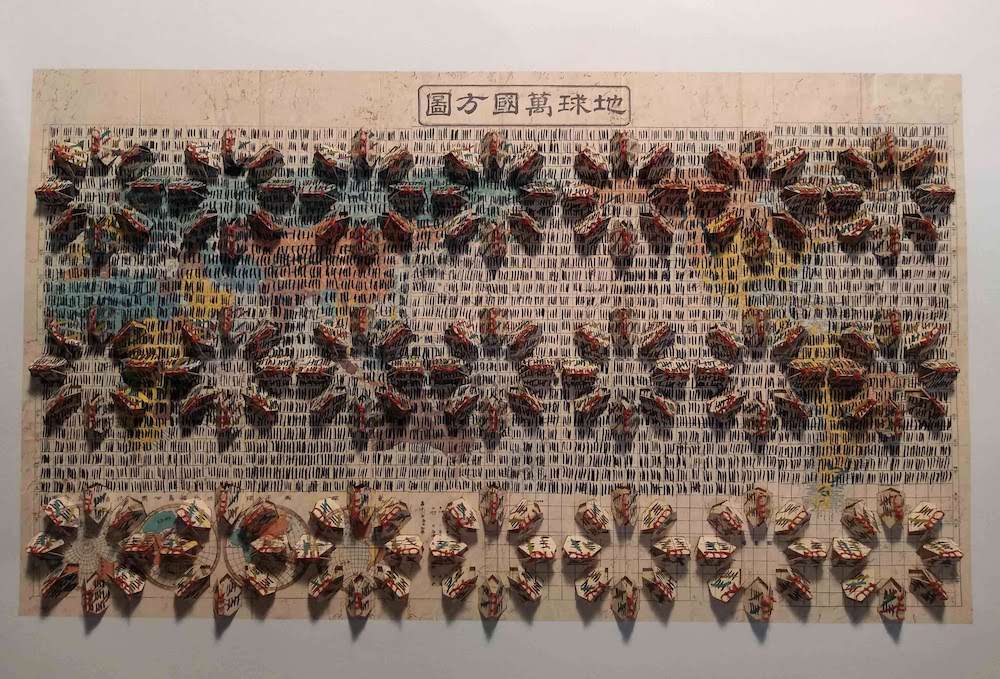
Primordial Sanctuary by Shaheen Ahmed
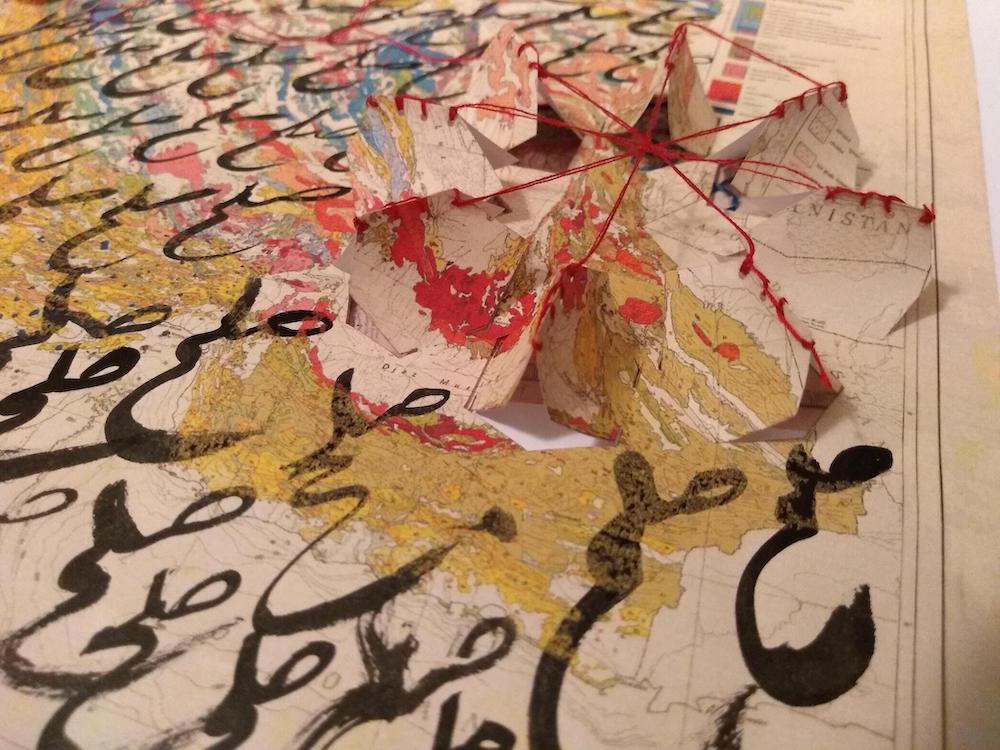
Persia by Shaheen Ahmed
Questions to Ask Children
Look carefully at Shaheen’s artwork. How would you describe it to someone who couldn’t see it?
Do you think the processes Shaheen uses and the final outcome contribute to Shaheen’s wellbeing?
How do you feel when you look at the artwork? Are you thinking about the painstaking processes Shaheen uses, or the final outcome? Or are you thinking about the people in the places she makes art about? Or something else?
Shaheen describes herself as a “Craftivist”. What do you think that means?
This Talking Points Is Used In…
Pathway: Exploring pattern
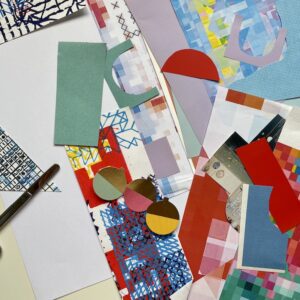
This is featured in the ‘Exploring Pattern’ pathway
using sketchbooks to make visual notes
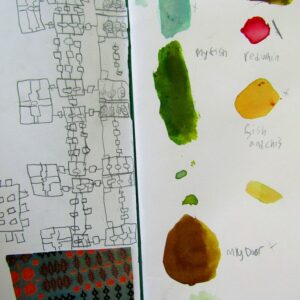
Show me what you see