Now We Are Back

By Stephanie Cubbin

Art educator and writer Stephanie Cubbin reflects on the changes and challenges following the return to the Art classroom, and the way that current events and world issues have affected students’ developing artistic practice.


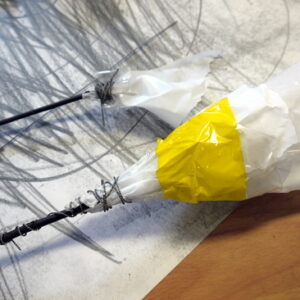
Classroom Setup 3 by Stephanie Cubbin

Now we are back – what does it feel like for you?

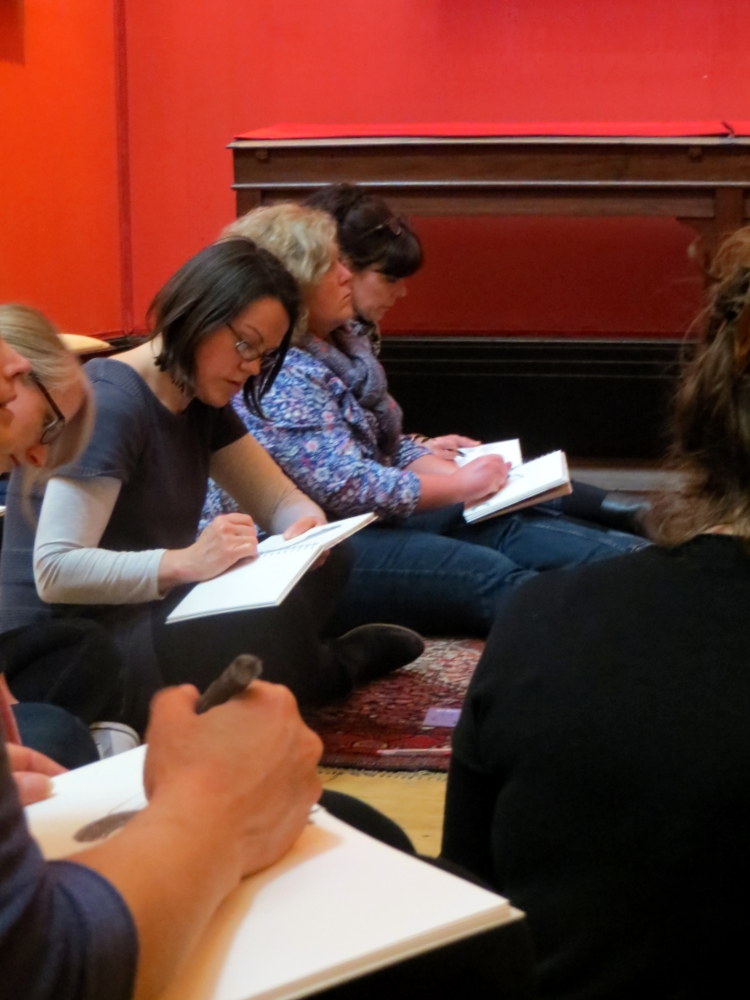
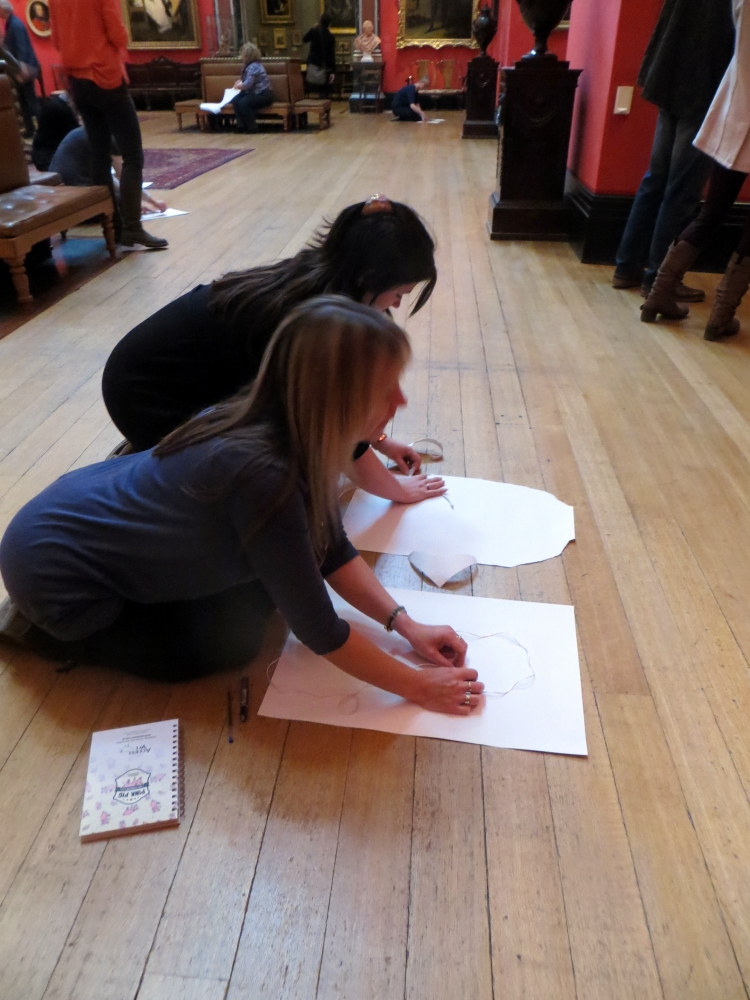
We’ve done a lot to welcome back our classes – now each student in every Key Stage has an art folder, with a set of watercolours, two brushes, a 4B drawing pencil, an art sketchbook and more. Teachers are distanced at the front, in what I like to call our own studio space. We are planning blended learning, which means, in reality, we are making lots of practical responses in the classroom, and then students log into Google Classroom to complete their online portfolio for homework. We are taking lots of photos of their work and uploading on to drives for them to access.


Classroom Setup 1 by Stephanie Cubbin


Although it seems very turbulent at the moment, we at least have the chance to prepare our students for working at home this time. I want to use every little bit of classroom time to make and draw together, concentrating on practices that we think are most important. Over the last term, the students working at home generally became less risk-taking, reverted to styles that were tight, and focused on attempting photographic realism, losing expressiveness, and the gestural mark-making that they had developed in school. A braveness that comes from seeing their peers trying and succeeding in their experimentation was a little lost.


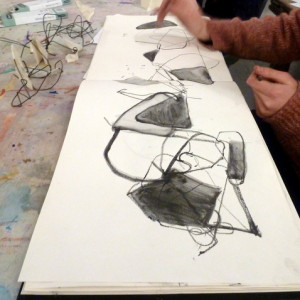
Students' ink portrait and hand drawing by Stephanie Cubbin


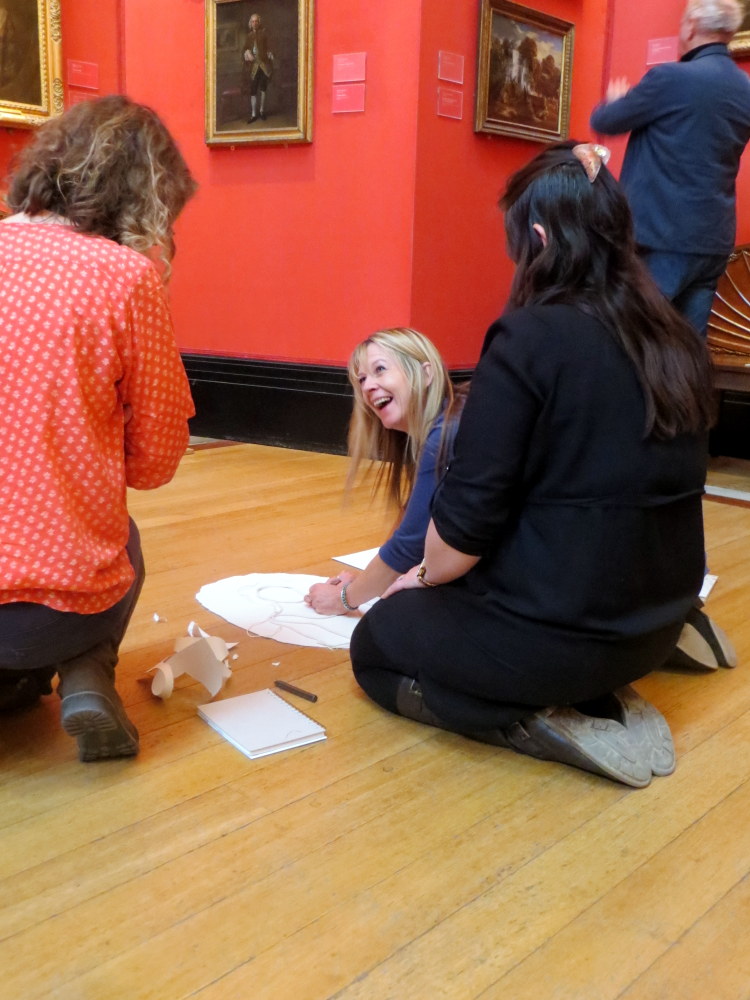
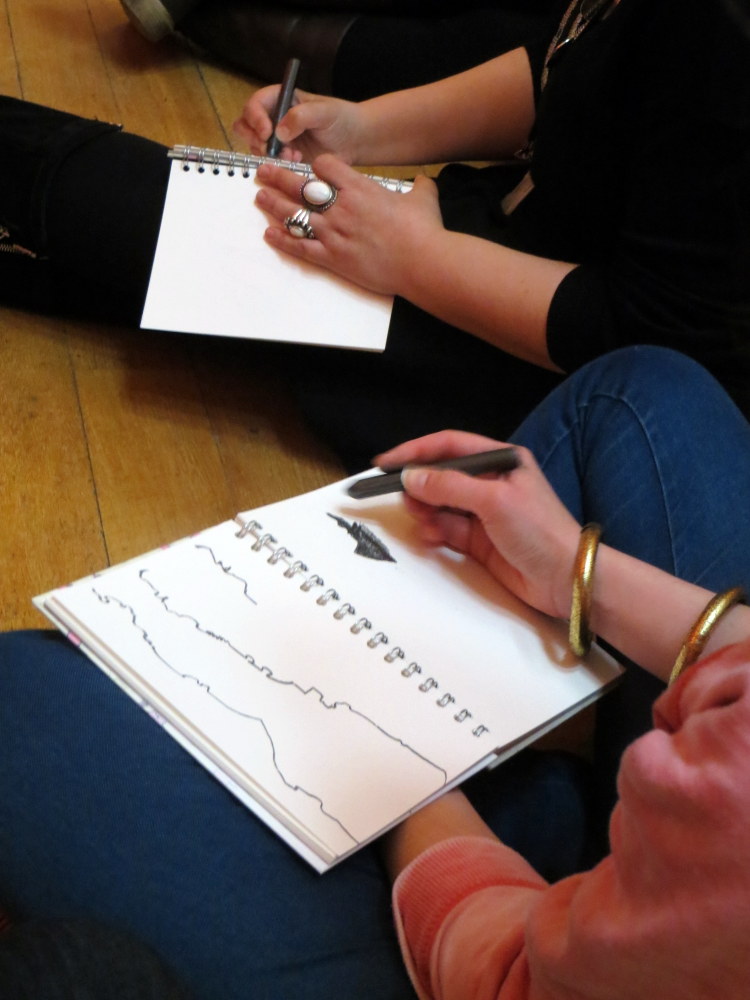
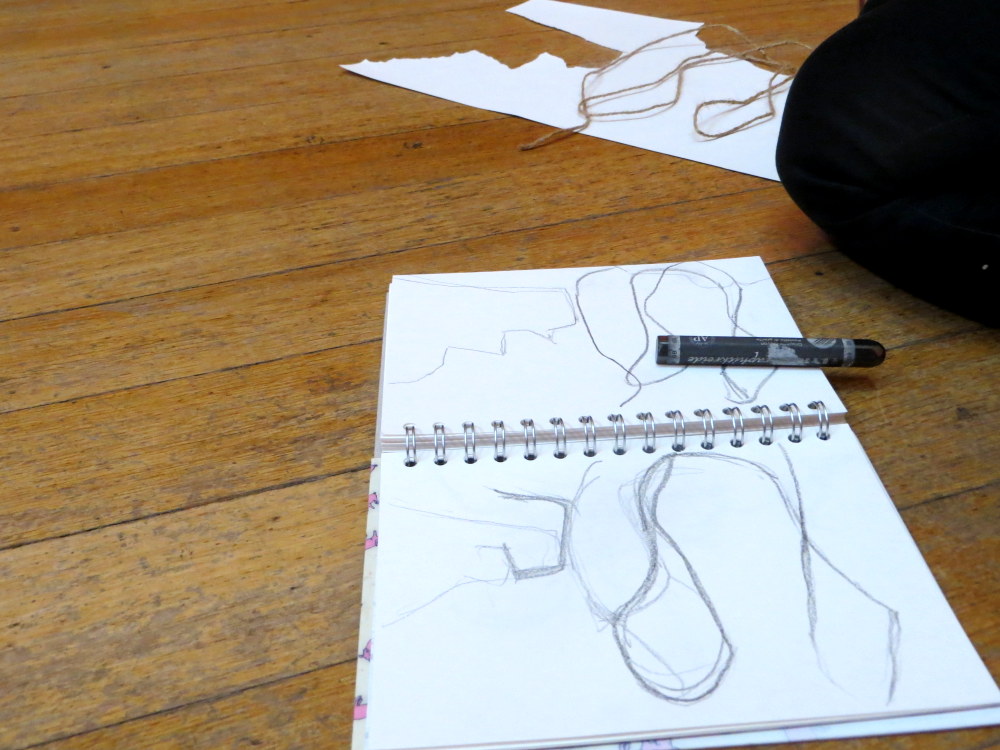
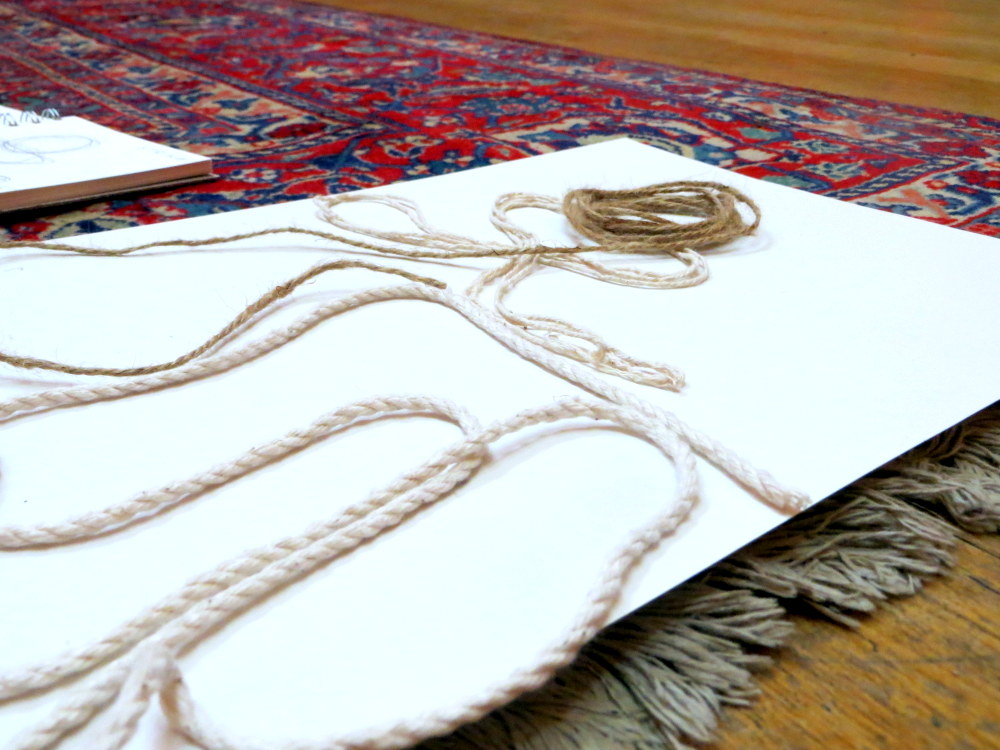
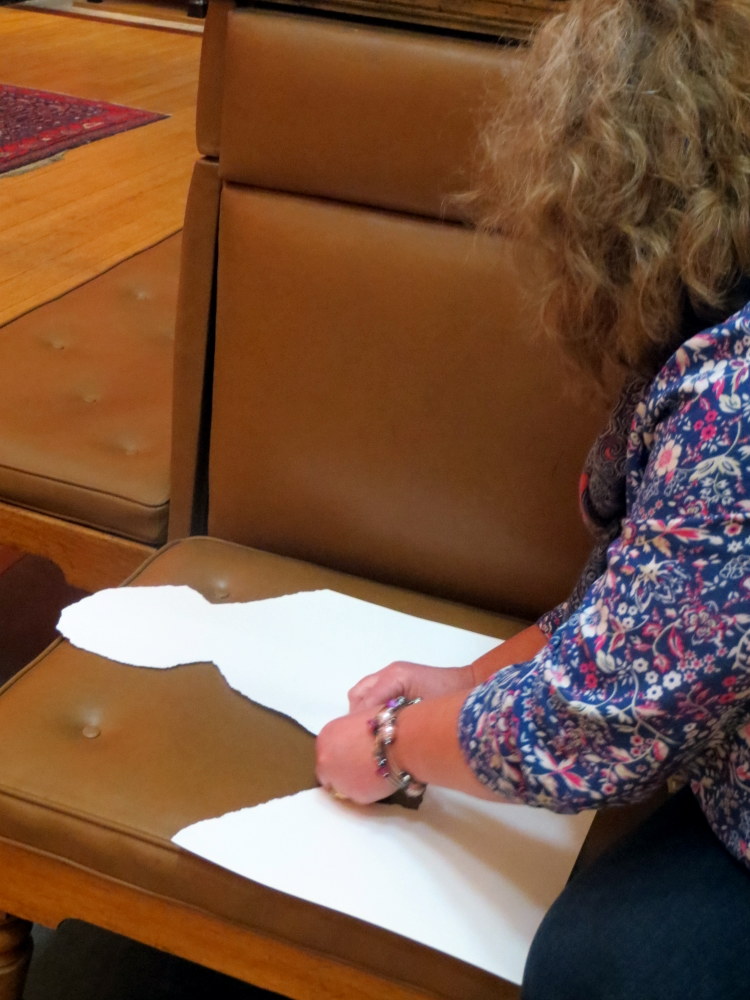
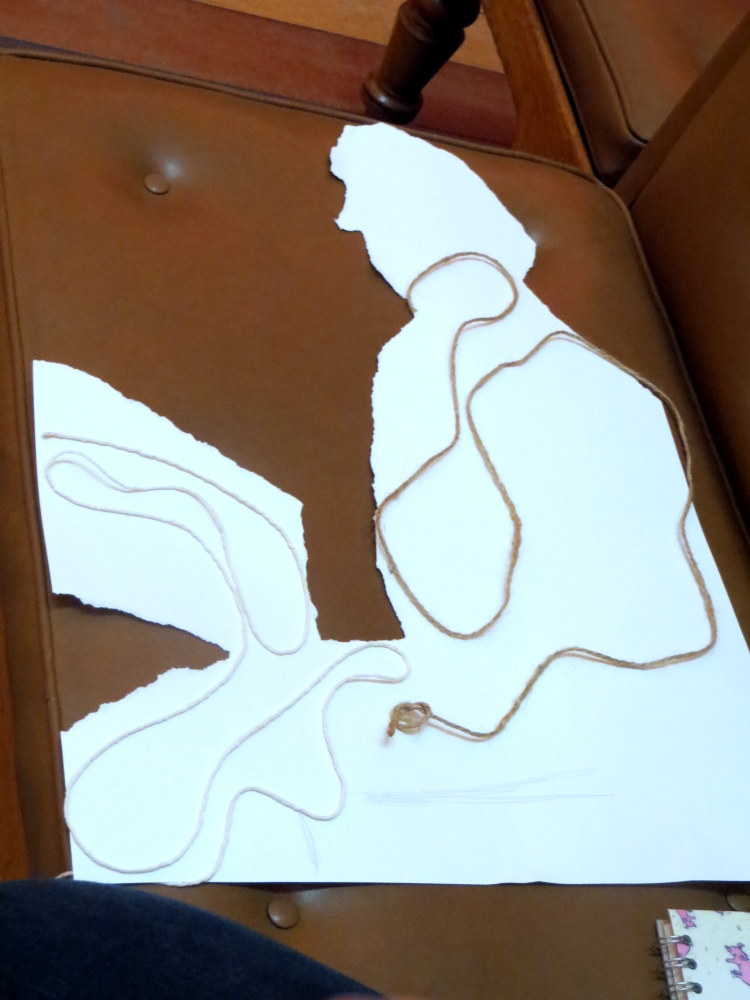
So now that we are back together, we are focussing on being expressive, loose and free with our drawing styles. We are using ink pens to take a line for a walk, to allow the line to take its own direction, using broken lines, twisting the line, taking the line through areas of water on the surface, so the line will move without control. Moments where the ink dripped added to the sense of movement. We worked intuitively and without drawing what we see. We looked at how painters like Jessie Makinson draw shapes randomly on canvases, and then build a narrative from these shapes. We painted what we could hear, by listening to some music, laying down abstract marks. We drew with scissors, to learn that allowing the freedom of not copying really does help our relationship with the materials. We explored, and played with materials learning how they could be manipulated.


A student's ink work by Stephanie Cubbin

We discussed the limitations that we have that affect our students’ ability to make exciting artwork, from a large working space to time. Then with the students, students planned how we can build strategies to circumvent those barriers. One strategy is to used looseness and mark-making in the background, and add one or two areas of detail. This way, one can start a painting or drawing, and build the detail until the time is complete, the piece just grows.. and at whatever point you stop, it looks like it was always meant to be.

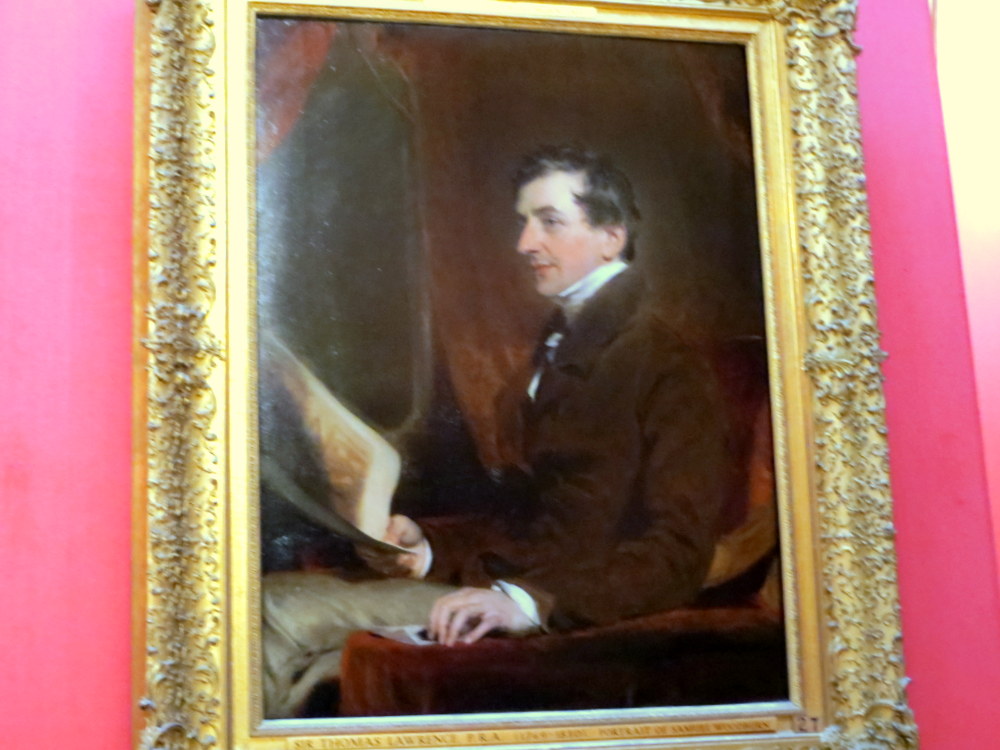
There are some inspirational artists that use loose sketches and detailed painting together. There are many artists that have unfinished qualities, that students can be directed to. It lowers the anxiety and allows the space for good quality.

There are some inspirational artists that use loose sketches and detailed painting together. There are many artists that have unfinished qualities, that students can be directed to. It lowers the anxiety and allows the space for good quality.

More importantly, we have been thinking about the curriculum we teach and if it encourages our young people to reflect on the world that they are part of. I am inspired by the list of projects that my Y11 have chosen… from COVID and pandemics, climate change and meat production, #BlackLivesMatter, lost property and the narrative that comes with found objects, weather, the migrant crisis, sorrow and religion… None of these are easy topics, and all require an intellectual approach to research and making, students are looking in newspapers, art galleries and more importantly artists that are engaged in socially engaged practice.


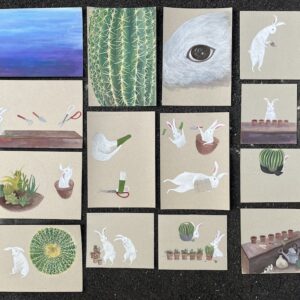
Portrait by Stephanie Cubbin


This reflects a general turn in the mainstream art world towards projects that explicitly support social practice and social justice. If we look at Turner Prize nominees such as the group Forensic Architecture, who use visual methods to mount cases with groups like Amnesty International, or the prominence of artists like Theaster Gates, who builds social housing in Chicago, or Tania Bruguera, who named a gallery in Tate Modern after a local community organiser, as well as in the significant increase in young people’s participation in social struggles like the climate strike and #BlackLivesMatter, we can see a strong interest in socially and ecologically oriented art taking hold. This does not replace a focus on material practice, as we are encouraging on both aspects of their art education but poses questions about how we might better orient art teaching and art students towards the world students will inherit.


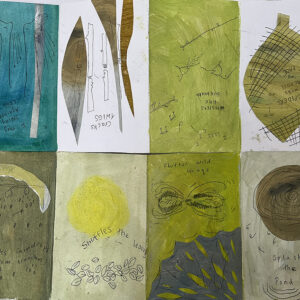
Extinction Rebellion research sheet by Stephanie Cubbin


This is a sample of a resource created by UK Charity AccessArt. We have over 1500 resources to help develop and inspire your creative thinking, practice and teaching.

AccessArt welcomes artists, educators, teachers and parents both in the UK and overseas.

We believe everyone has the right to be creative and by working together and sharing ideas we can enable everyone to reach their creative potential.


Early Primary Sketchbook Exploration


Join Us for an August Creative Challenge!


Creativity Session at Spinney Primary School


Using Monoprinting and Sketchbooks to Explore GCSE English Literature Poetry

You May Also Like…

Visual Arts Planning Collections: Literacy

Units Painted on Paper by Yu-Ching Chiu

A Visual Poetry Zine with Monotype

Drawing feathers

session recording: Drawing and Poetry

The other poem Off Aberystwyth by K.Russel-Jones is about the misery of feeling seasick in a small boat out to sea


Drawing for Science, Invention & Discovery Even If You Can’t Draw by Paul Carney


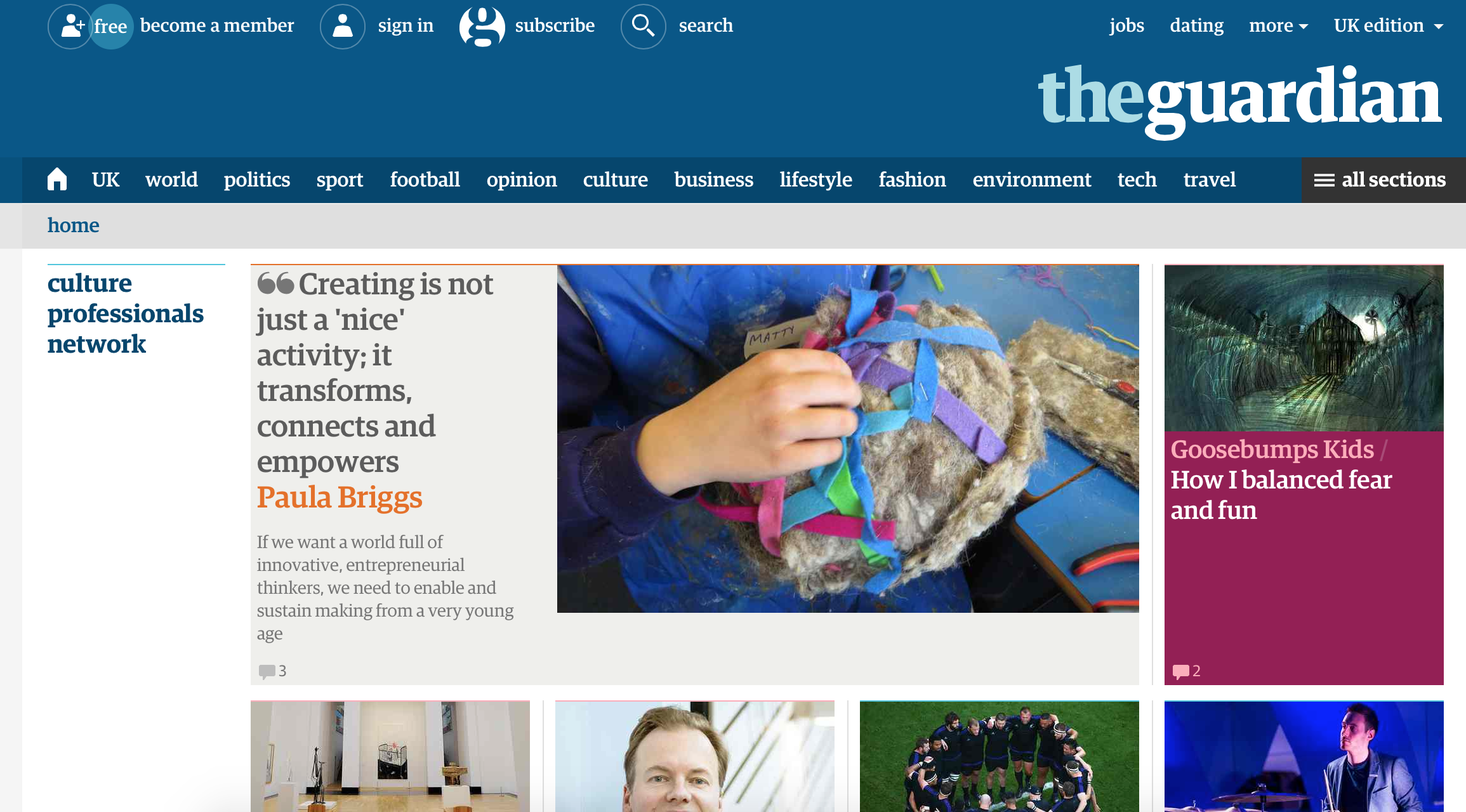
AccessArt & The Guardian

“If we want a world full of innovative, entrepreneurial thinkers, we need to enable and sustain making from a very young age”

Paula Briggs from AccessArt writes about the importance enabling making in schools.

Screen Shot 2016-03-17 at 19.34.47


#CreativeJourneys


Art Rooms in KS1&2 Schools: Battyeford Primary School


What Did Your Child Make With Their Hands This Week? (and why it is important)

By Paula Briggs and Sheila Ceccarelli

If you are a parent of a primary-aged child, please ask yourself “What did my child make with their hands this week?

For many years, AccessArt has been actively inspiring making through the sharing of excellent practice. However small the making journey, and whether the outcome leans towards craft, fine art or design, the very act of transforming the materials of the world is one of empowerment, and the skills involved need time, space and input just like any other area of learning.

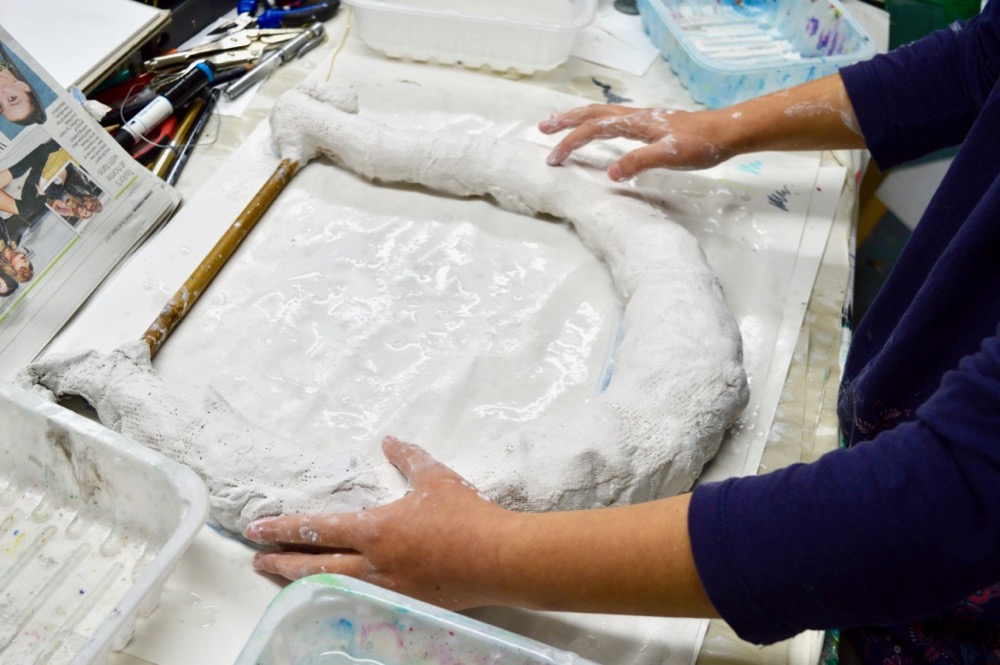
Working the Modroc with fingers and hands to create the form and smooth the texture - Portia lyre SC

We are always so grateful to be in contact with the many thousands of inspirational supporters of visual arts education – the advocates, teachers, artist-educators, facilitators, parents, arts organisations and of course the learners themselves, who all understand the value of visual arts education, and all of whom work so hard to help nurture creativity.

However, now more than ever AccessArt is becoming aware that many children are not being given the opportunities to explore making. Schools face great time pressure to deliver “more academic” subjects, and there is a shortage of specialist teachers. Whilst many children do benefit from fantastic art teaching, others do not have art lessons on a regular basis, and the teaching can be less rigorous than in other subjects.

Evidence suggests that in 2012, 1 in 12 people worked in the creative industries, and the cultural and creative industries are the fastest growing industries in the UK*. If we do not provide our children with the opportunity to develop their creativity, and we as parents do not demand a place for creativity within our schools, then we are failing to enable our children to meet their potential, and we are not preparing them adequately for the future:

“The pipeline to the creative industries begins at preschool, continues through primary school, through to secondary school and into HE and FE. At each of these stages, and every time we fail to provide an opportunity for children and young people to explore their relationship with the world through making and drawing, we weaken this pipeline, and potentially prevent the next generation of creative individuals from helping build the creative industries of the future.” Paula Briggs, AccessArt

As parents, we want to support our schools and our children’s education, and we recognise teachers work very hard to deliver the best education possible. However, if you feel your school might do more to support your child’s creativity, then there are some simple positive things which can be done:

Show your Support and Interest

You probably know what your child is learning about in maths and english, but what about in art?

Take an active interest in art in school and find out what your child is learning about. How often do they have art lessons? What are the lessons like? What are they learning about? Which materials are they experiencing?

Ask!

Time spent making, or time spent drawing, is never time wasted: it is an investment. Art should have an equal weight to other curriculum areas, and in fact there is a body trying to move away from a focus on STEM (Science, Technology, English, Maths) towards STEAM (Science, Technology, English, Art, Maths).

If you do feel your child would benefit from more time spent on creativity, then do express your concerns to the school. There may be many reasons for the perceived lack:

  • Priority given to other subject areas/time pressure on the school day. Some schools choose not to timetable art for a short time each week and instead choose to run art weeks. If a school offers pupils 1 hour art per week, that equates to approximately 39 hours of art per year. Find out how your school timetables art lessons, and if art seems thin on the ground due to time pressure, request art as a subject is given more weight. You might also want to contact the school governors with your concern.
  • Lack of specialist teaching/knowledge. Most primary schools have an art or creativity coordinator who will help teachers plan the curriculum in this area. Subject knowledge can be built through organisations such as AccessArt, which aims to inspire and enable schools through the sharing of resources, or NSEAD, who have regional networks to support teachers. Make sure your school knows about these organisations and about how they support art teachers.

Please get in touch if you would like more help as a parent to help support creativity in children.

Bob and Roberta Smith Message from Sophie Leach Nsead on Vimeo.

You May Also Like…

Make, Build, Create: Sculpture Projects for Children by Paula Briggs

Published by Black Dog Books

Published by Black Dog Books

#WHATDIDMYCHILDMAKE

A collection of resources to consider how you can increase opportunities for making

A collection of resources to consider how you can increase opportunities for making


Transformation Project: Snippets of Inspiration

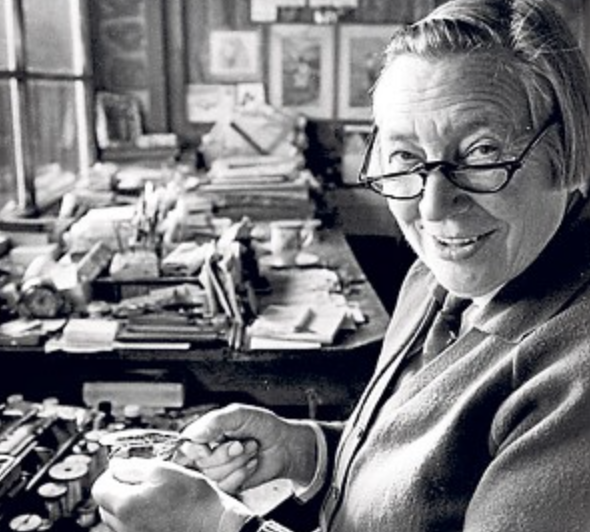
Megan Boyd


In a cottage in northern Scotland, Megan Boyd twirled bits of feather, fur, silver and gold into elaborate fishing flies -- at once miniature works of art and absolutely lethal. Wherever men and women cast their lines for the mighty Atlantic salmon, her name is whispered in mythic reverence, and stories about her surface and swirl like fairy tales. With breathtaking cinematography and expressive, hand painted animation, Kiss the Water adheres to and escapes from traditional documentary form, spinning the facts and fictions of one woman's life into a stunning film about craft, devotion, love, and its illusions.
Enjoy the preview of Kiss the Water below - the film is sure to inspire.


Scottish Fishing Fly Maker

In a cottage in northern Scotland, Megan Boyd twirled bits of feather, fur, silver and gold into elaborate fishing flies — at once miniature works of art and absolutely lethal. Wherever men and women cast their lines for the mighty Atlantic salmon, her name is whispered in mythic reverence, and stories about her surface and swirl like fairy tales. With breathtaking cinematography and expressive, hand painted animation, Kiss the Water adheres to and escapes from traditional documentary form, spinning the facts and fictions of one woman’s life into a stunning film about craft, devotion, love, and its illusions.
Enjoy the preview of Kiss the Water below – the film is sure to inspire.

Hubert Duprat


French artist Hubert Duprat worked in partnership with caddis fly larvae to create these wonderful living works of art.


Caddis Fly Larvae

French artist Hubert Duprat worked in partnership with caddis fly larvae to create these wonderful living works of art.

Cornelia Parker


British sculptor and installation artist Cornelia Parker transforms ordinary objects into something compelling and extraordinary.


Manipulating Matter

British sculptor and installation artist Cornelia Parker transforms ordinary objects into something compelling and extraordinary.

Cornelia Parker @ 5×15 from 5×15 on Vimeo.

pink ticket300louloufrouweb200logo


Drawing as Support Activity


Looking, Talking and Celebrating


Experimental Drawing – Process over Outcome


Thinking and Making


Colour Composition and Ben Nicholson


Taking Creative Risks


Reflect and Discuss: Crits in the Classroom


Sewing Circuits – Where Art, Science and D&T Meet


Making Maps Magical with Thermochromic Paint – Where Art, Science and D&T Meet