Home: The Little House on West Street LockDown Project

By Paula Briggs & Rowan Briggs Smith

This post shares the progress of a family project undertaken during Lockdown 2020. 
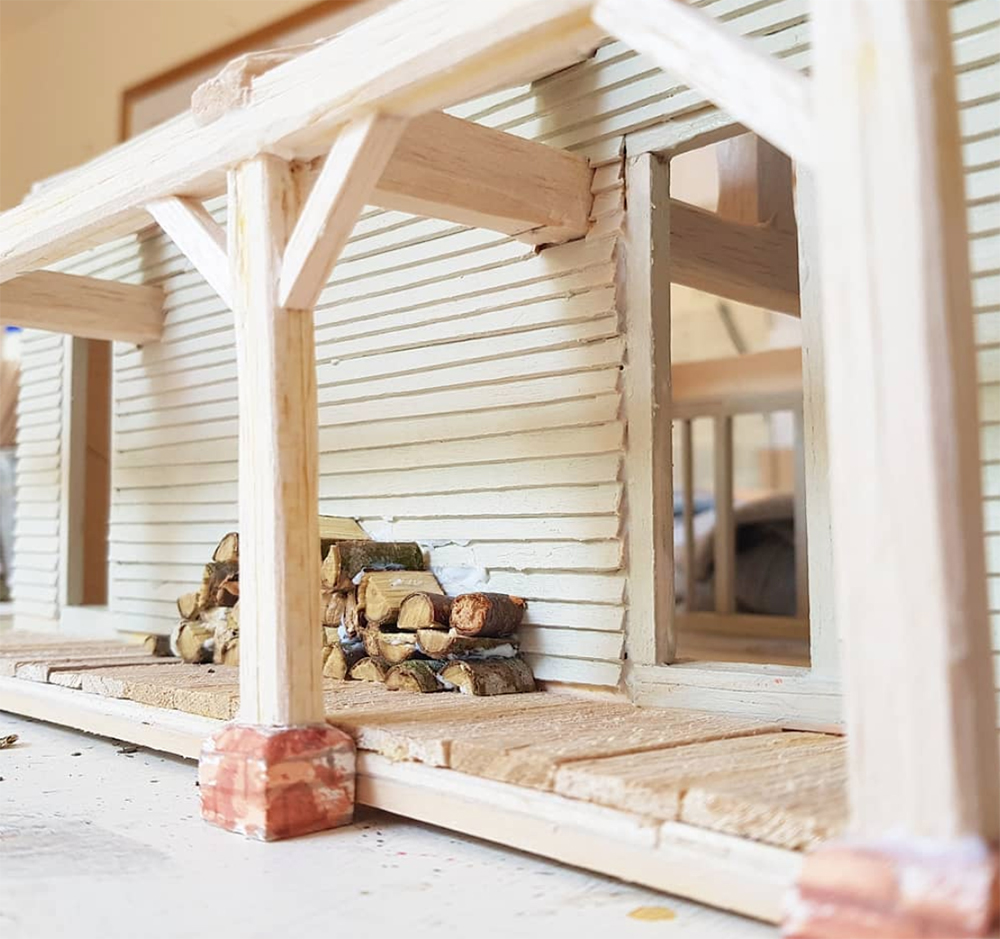
Scale Model of Home
Scale Model. What Makes Home?


If you are one of the lucky ones, (and we know we are very lucky), then lockdown provides the opportunity to shrink down the world a little bit into something more manageable and controllable. It also provides the opportunity, again if you are lucky, to enjoy being home. 

Making things has for us as a family always been a way to calm the body and occupy the mind. There is something so elemental about taking a material, shaping it with your hands, and making something new. And while the hands are busy, and the mind is challenged with problem solving, the body can relax. 

Given that we were to spend the vast majority of our time in our home, for who knows how long, we decided we needed a making project to bring us together for a part of each day, and to occupy our head and hands. Given also that we were to spend most of our time within the walls of our house, we decided to really study those walls; to measure, to plot, to understand and appreciate those walls. How did they fit together? What was the relationship of parts? What are the “essential” items of our home? What do we love? Which spaces do we most enjoy? What makes this our home?

And so the idea for our scale model of home and garden came about on Day 5 of lockdown. We hope you enjoy watching its progress on Instagram at LittleHouseOnWestStreet.

And a big thank you to all those delivery drivers who have fed us with plywood and balsa wood and sandpaper and wood filler, whilst we squirrel ourselves away making our version of our home. And to all those people who are working so hard during lockdown to help make things right, and who cannot stay home surrounded by the people and things they love, thank you. 
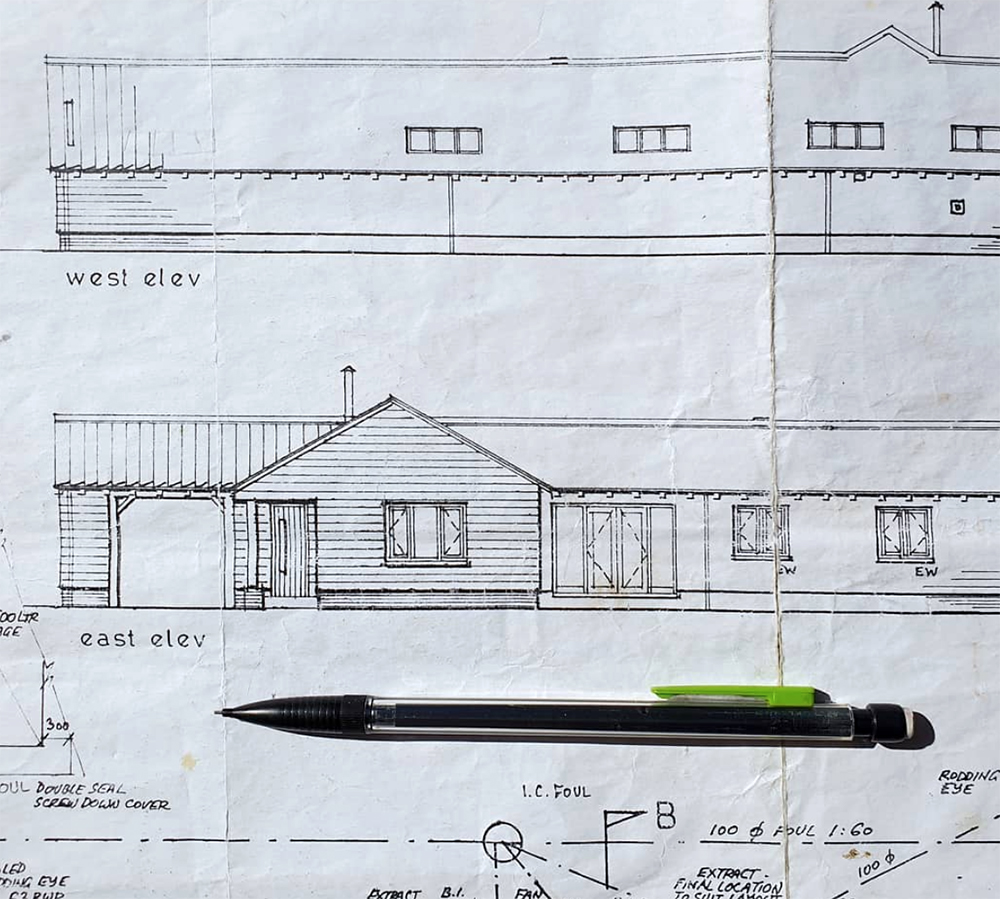
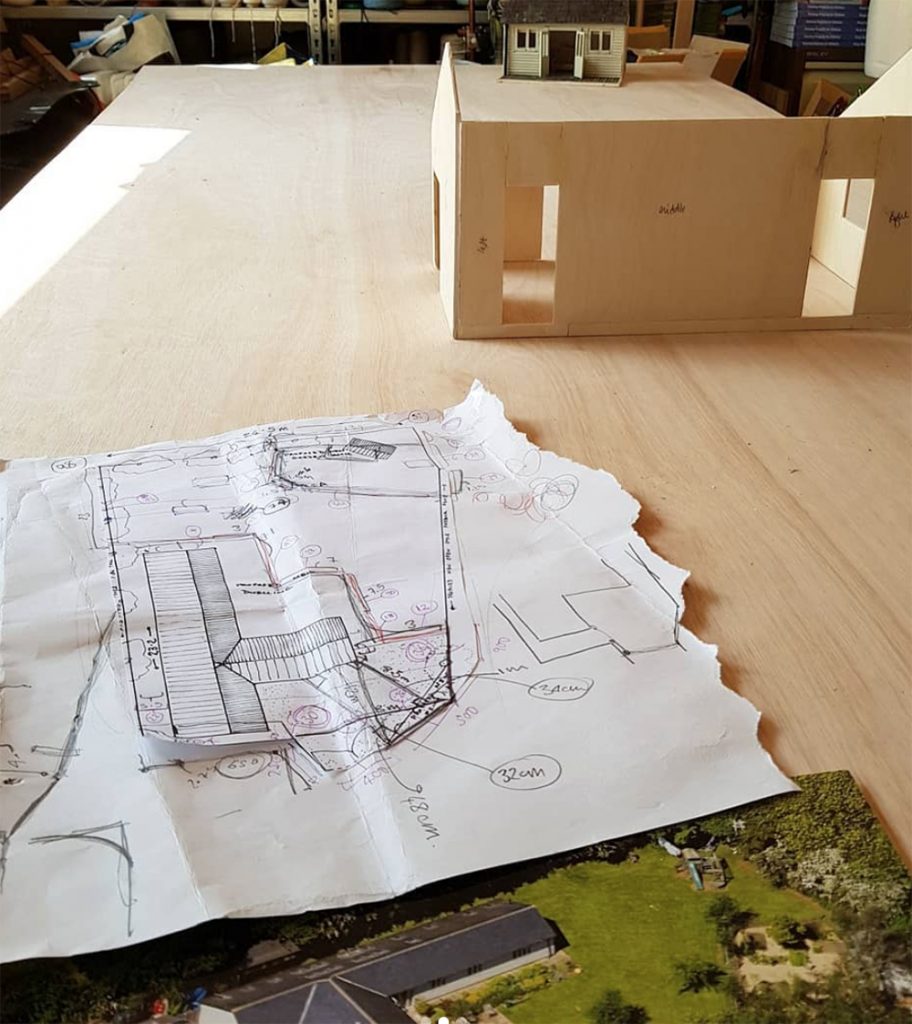
Plan Drawings
Plan Drawings


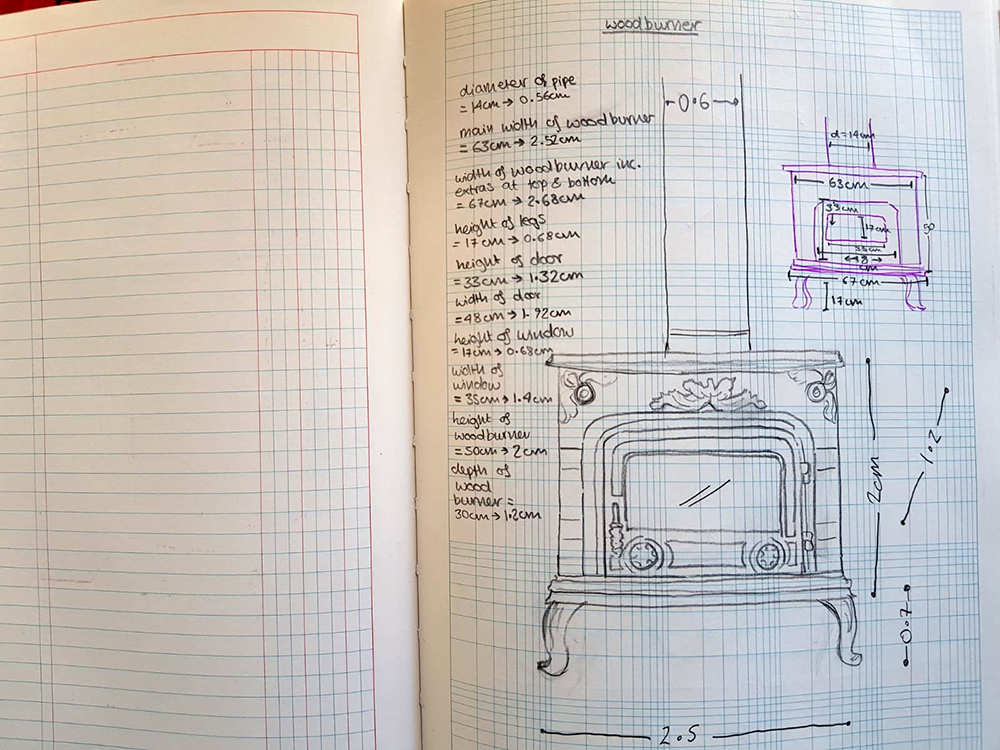
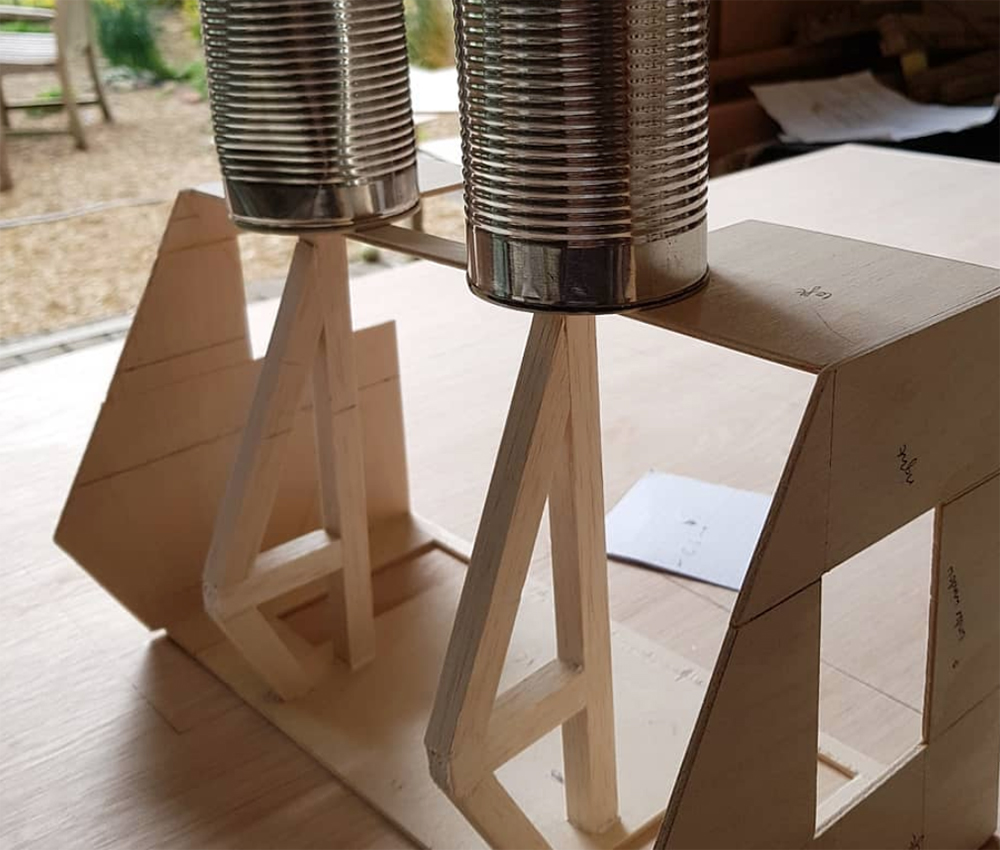
scale model of wood burner
Figuring out the scale. Finally settled on 1:25
 

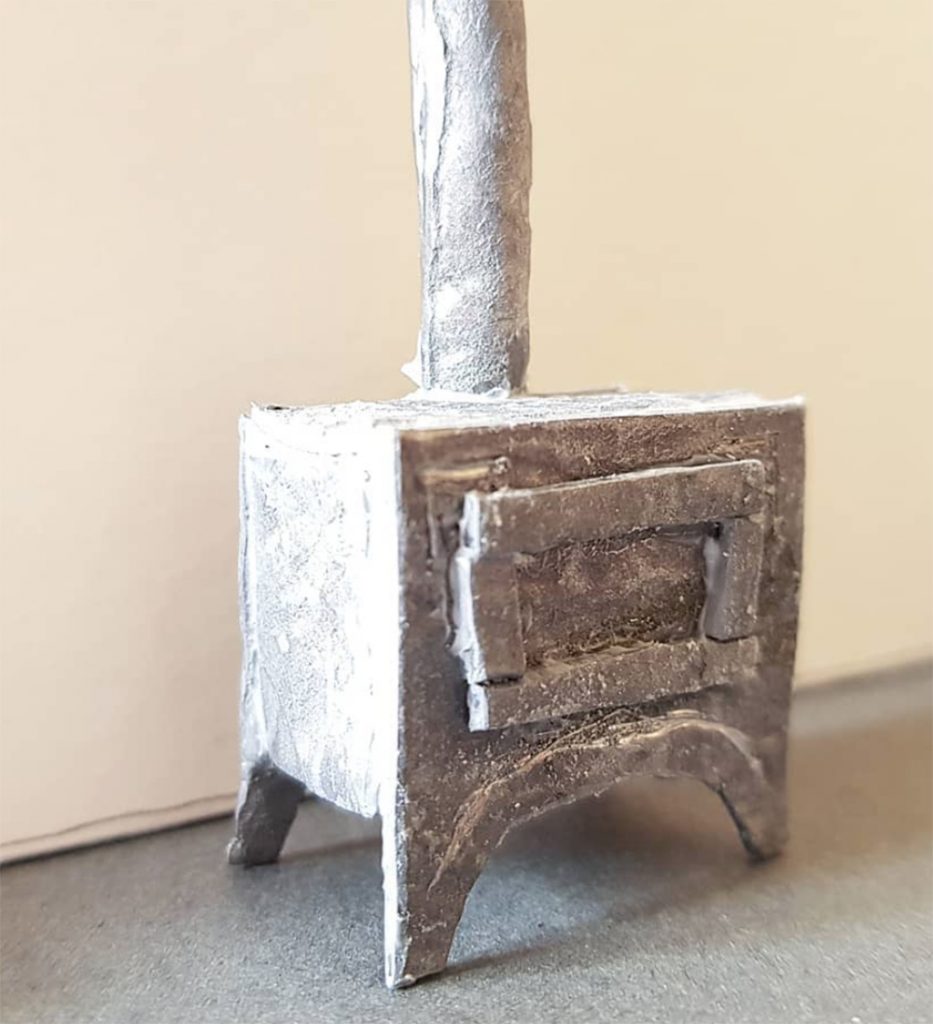
wood burner
Lead wood burner (3cm)


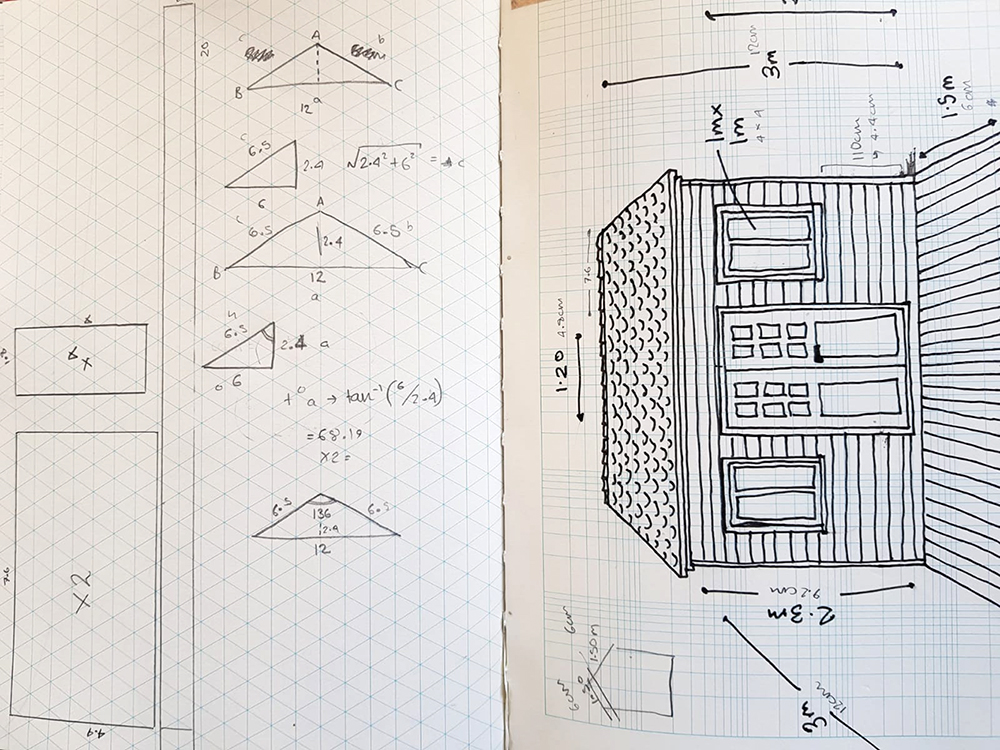
measuring shed
Measuring and scaling the summer house where the model is being built


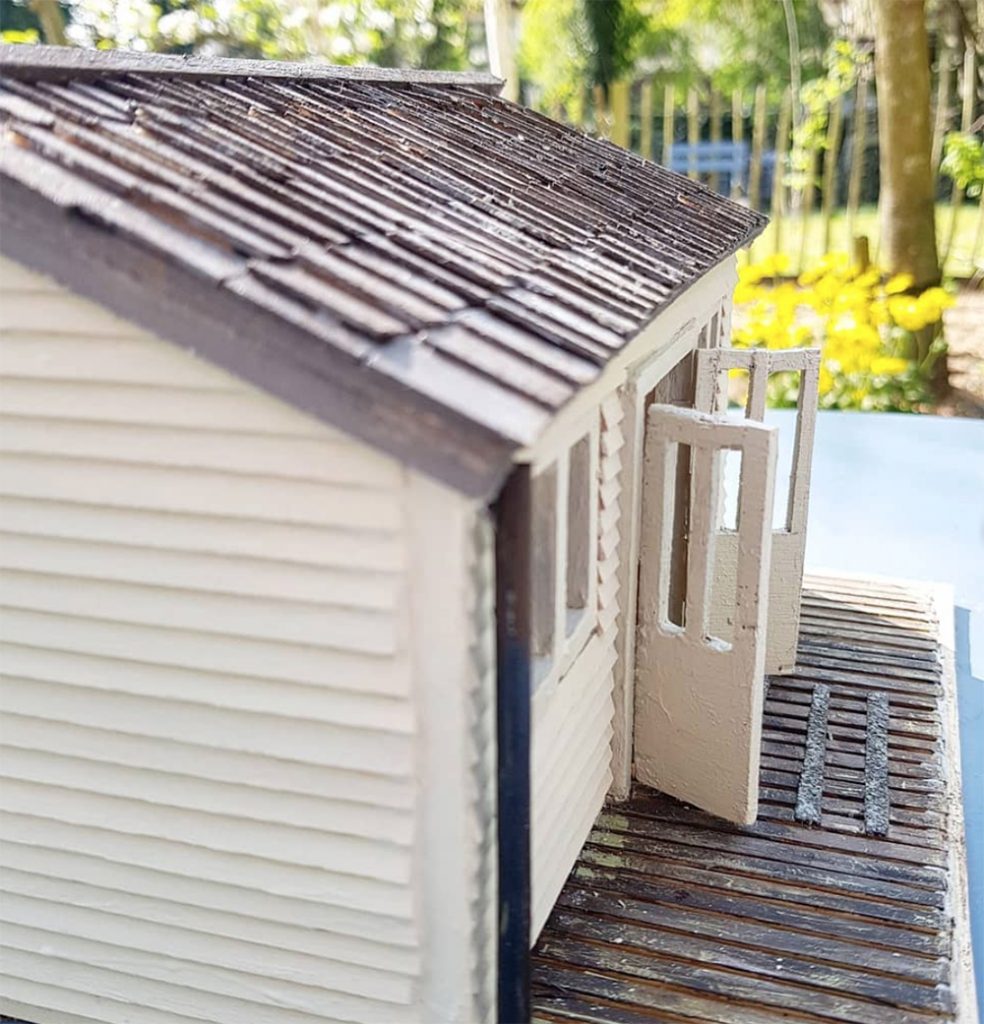
Plywood, coffee stirrer, balsa wood
Summer House (20 cm long): Plywood, coffee stirrer, balsa wood, roofing felt


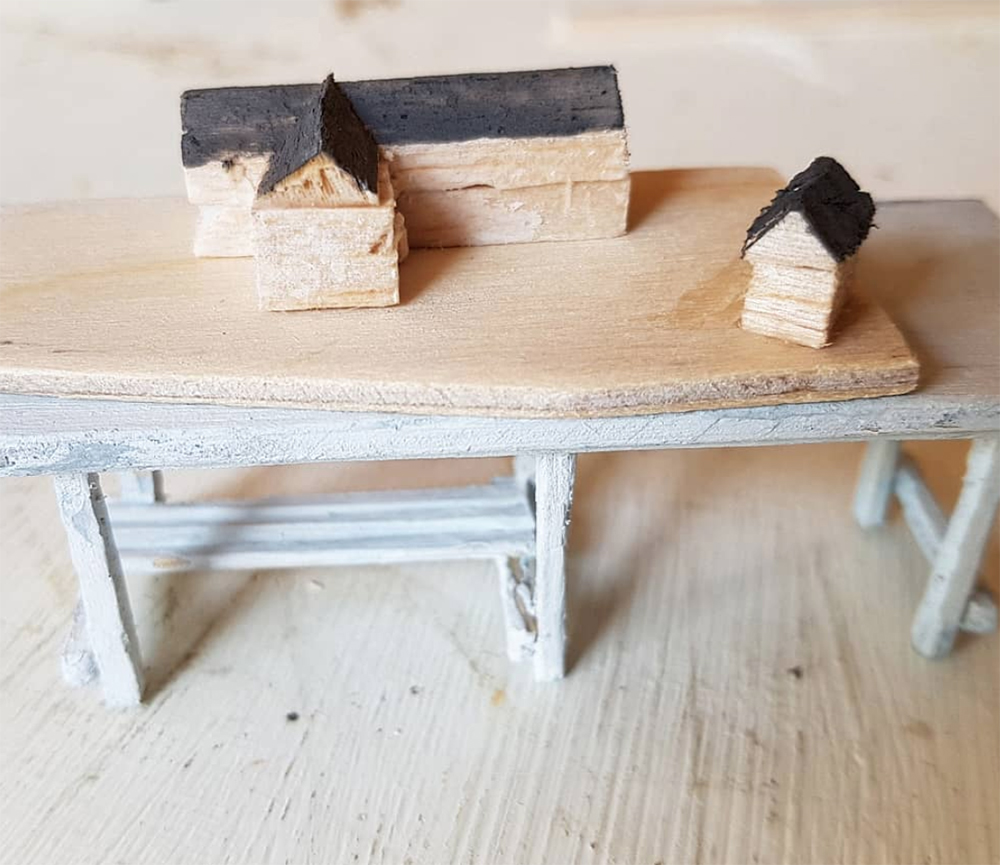
inside the shed
Inside the summer house, model of the work table containing super small model of the model


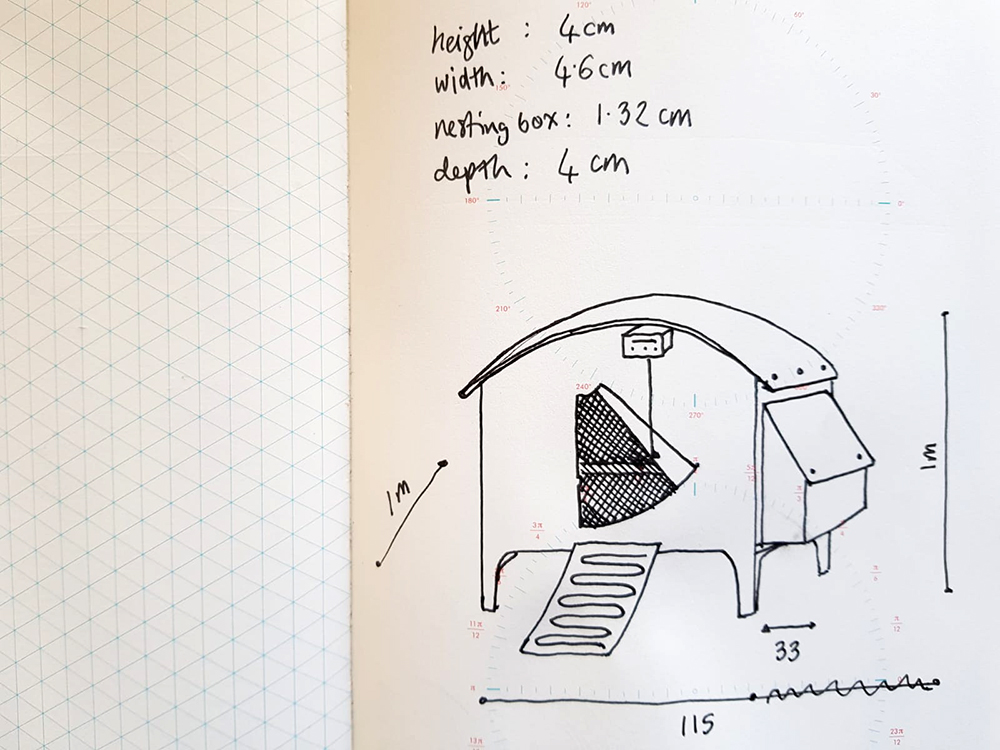
hen house
Plan of hen house


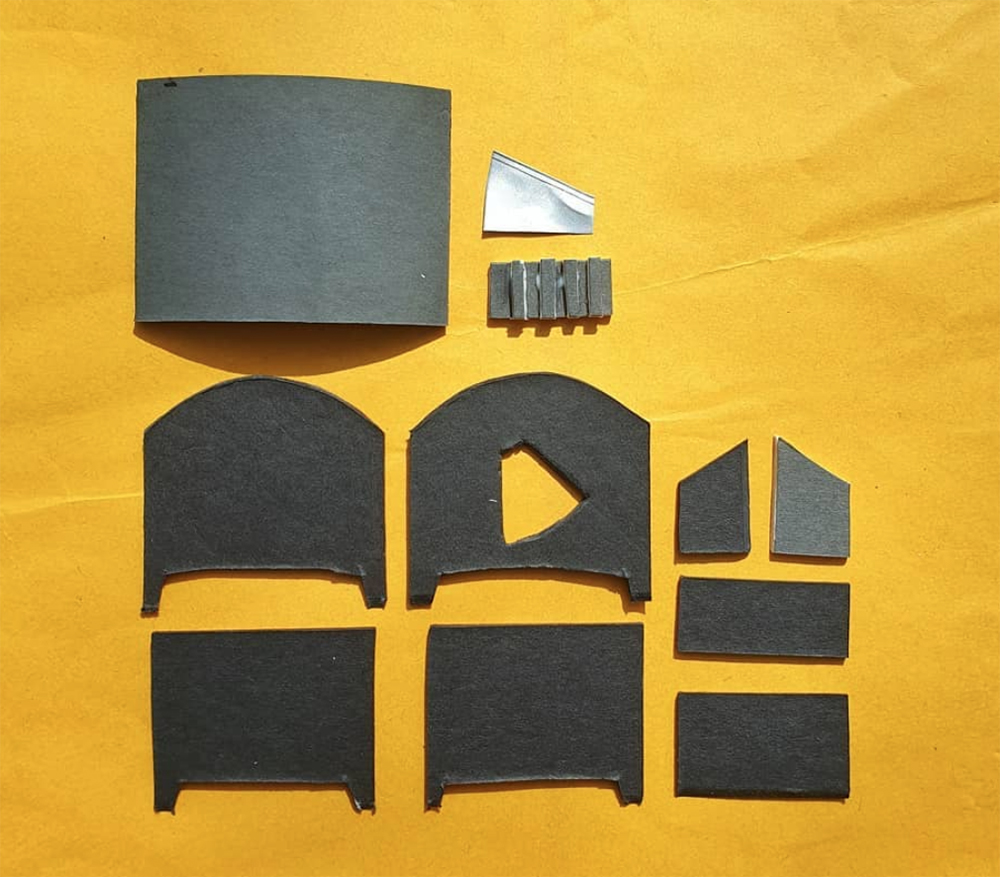
parts for hen house
Parts for hen house (cardboard)


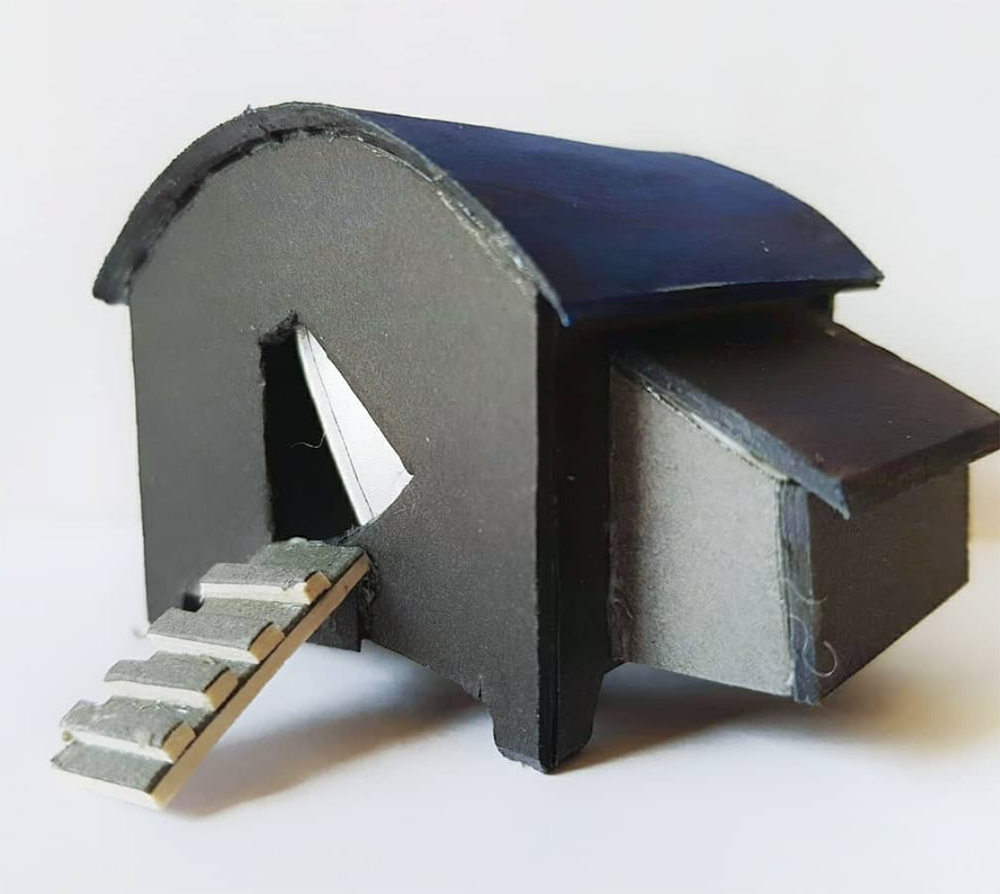
Scaled down hen house (5cm)


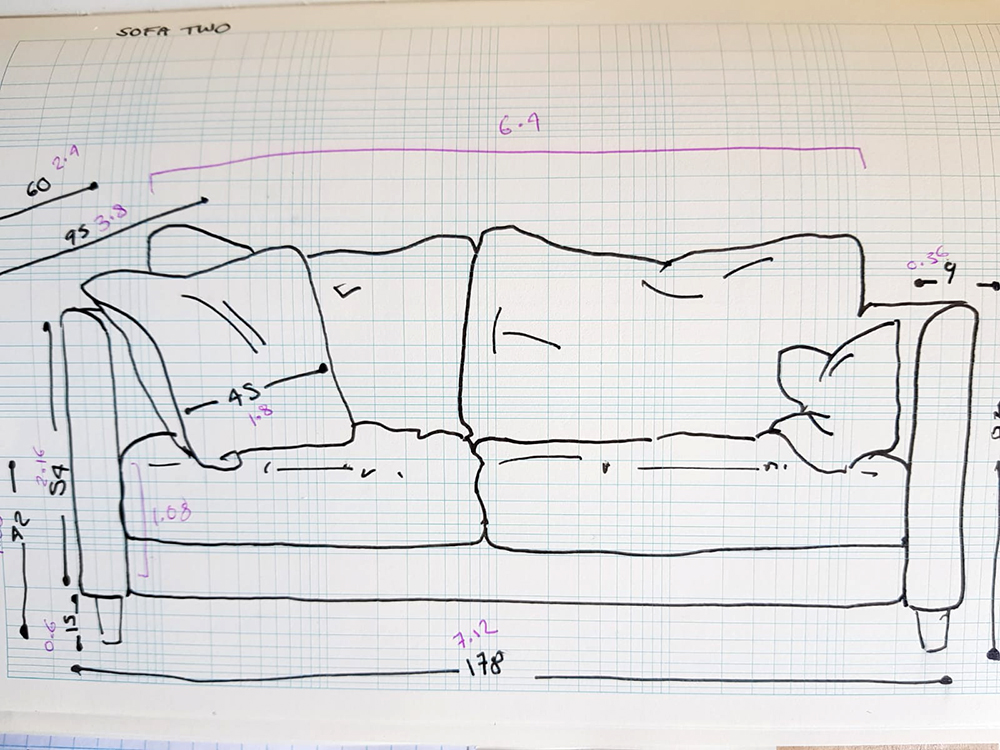
Drawing of Sofa


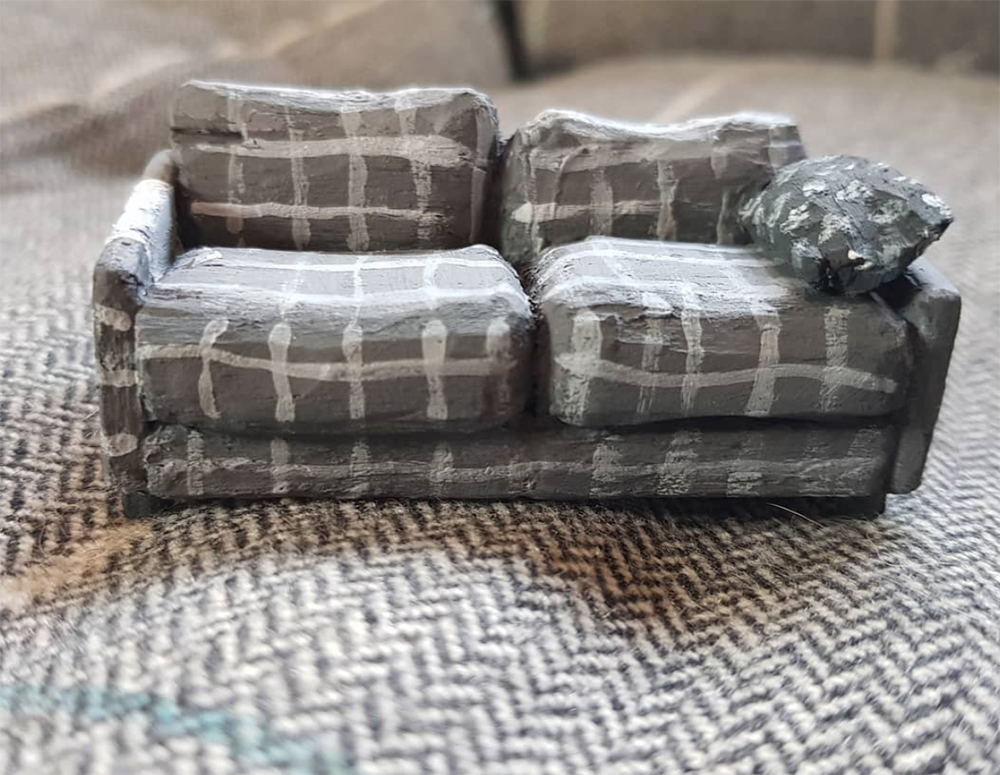
Sofa: Balsa wood, 5cm


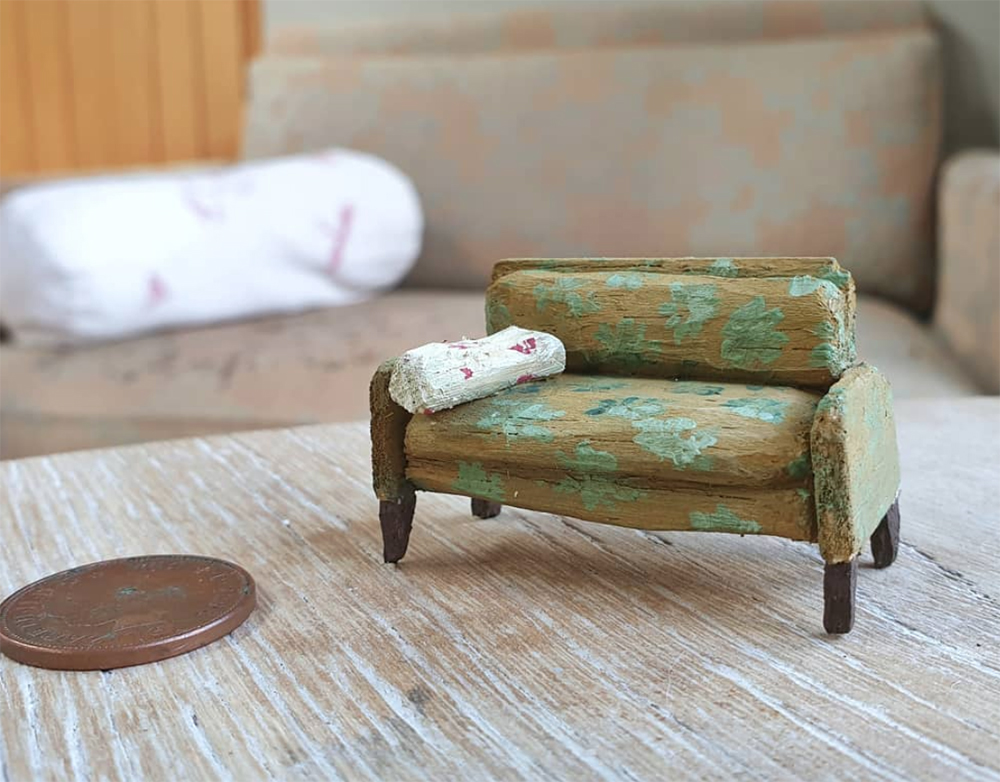
small sofa
Small balsa wood sofa


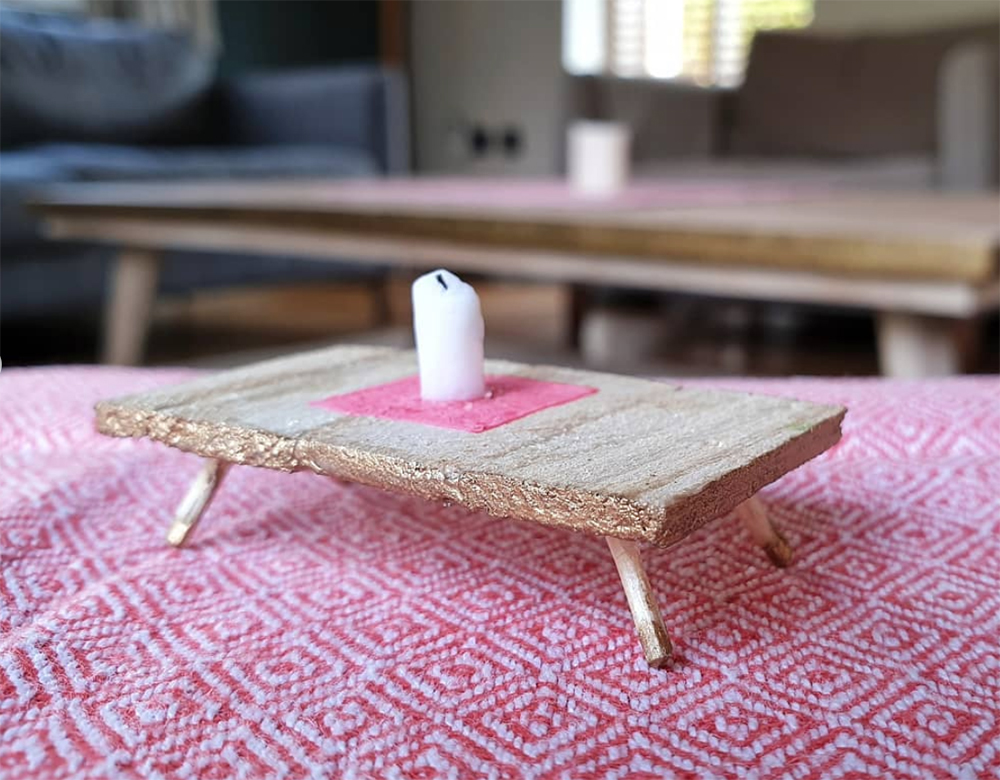
coffee table
Coffee table


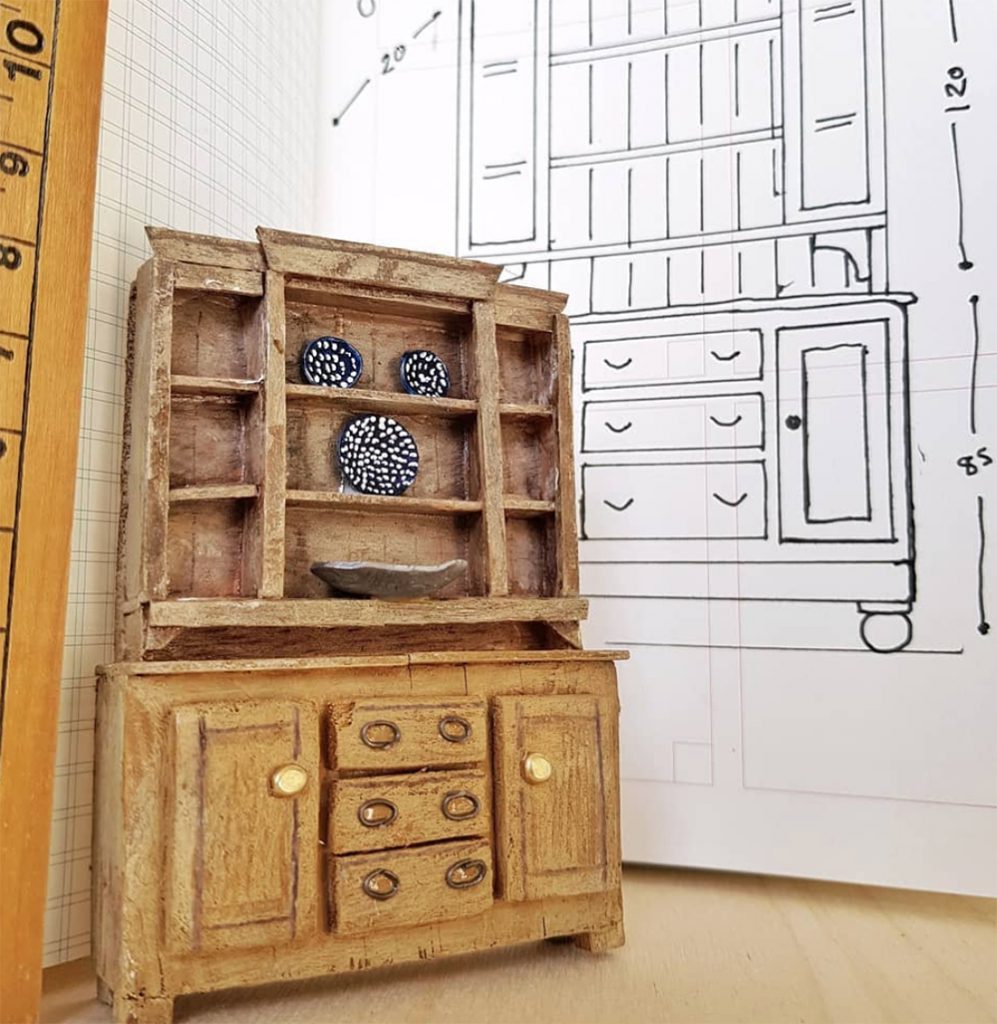
Dresser
Dresser


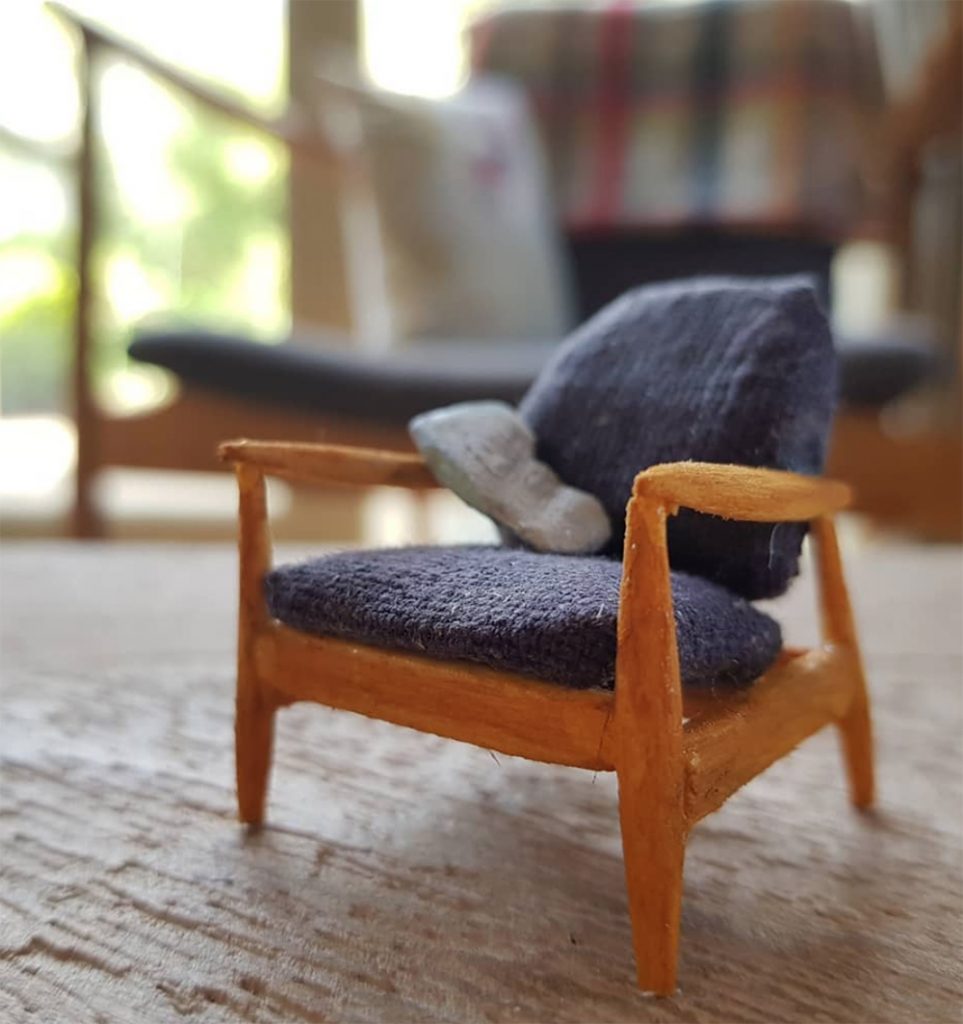
Chair
Chair


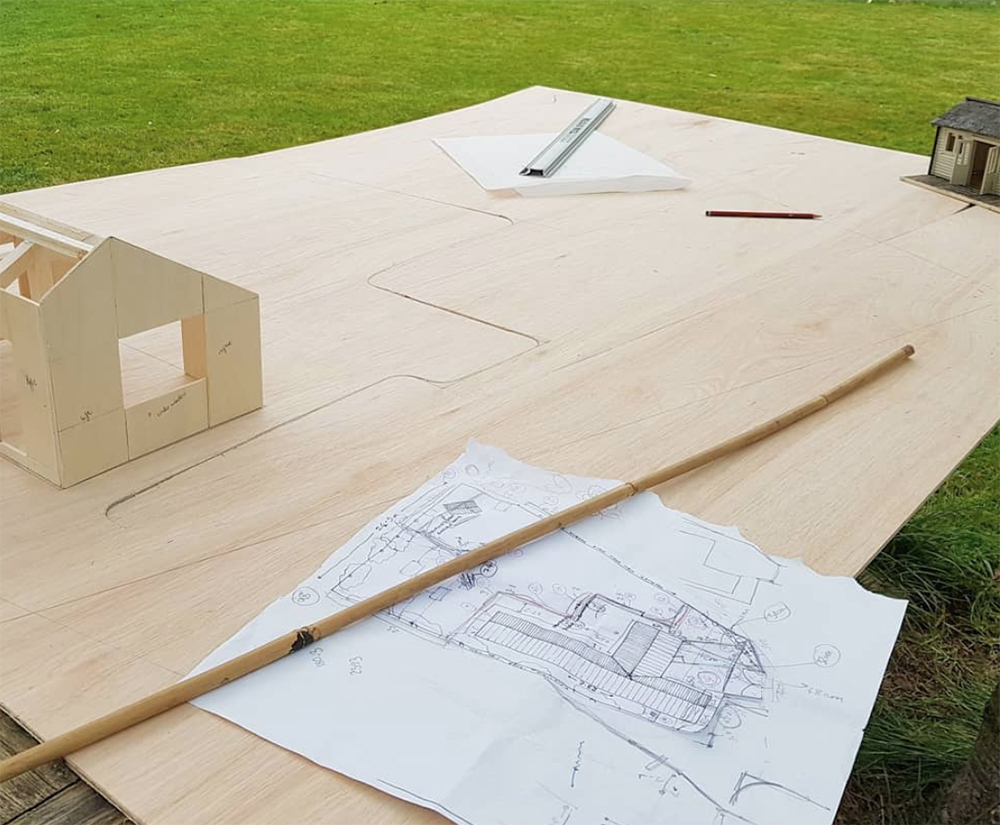
Creating the base
Measuring a plywood base


plywood base
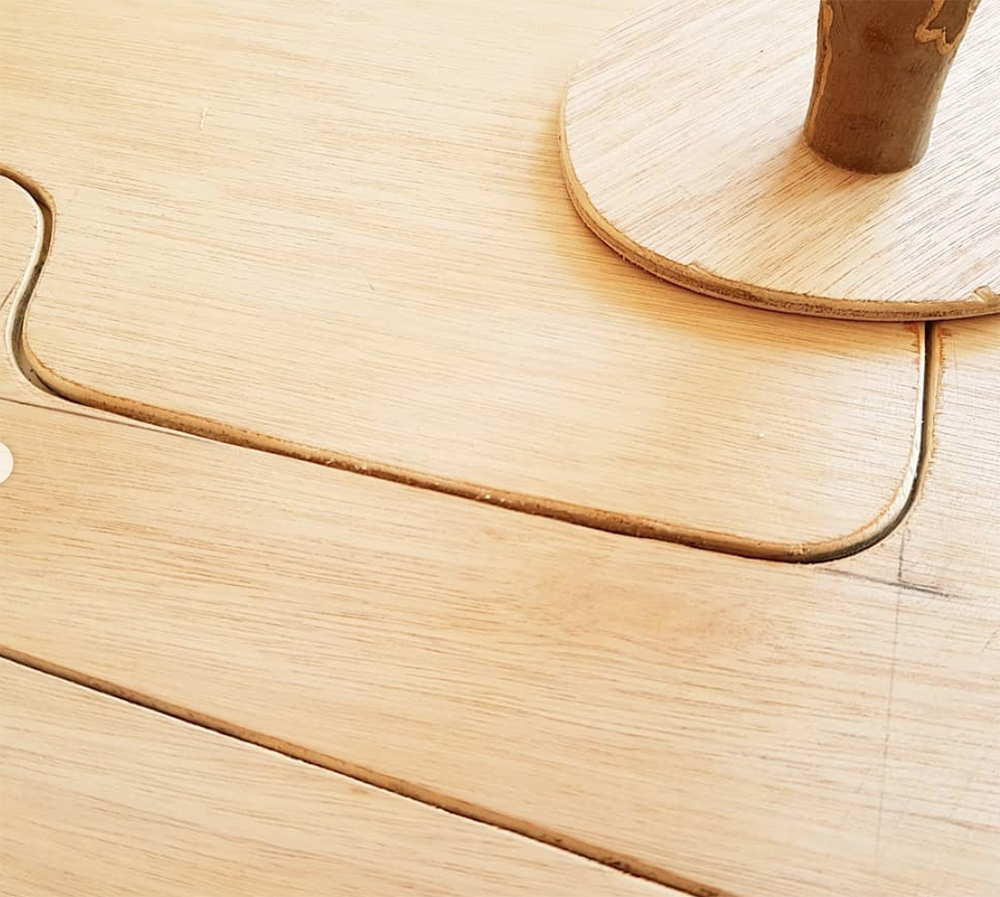
Creating sections to jigsaw to make the plywood base more manageable


plywood base
Jigsaw lines and base for trees


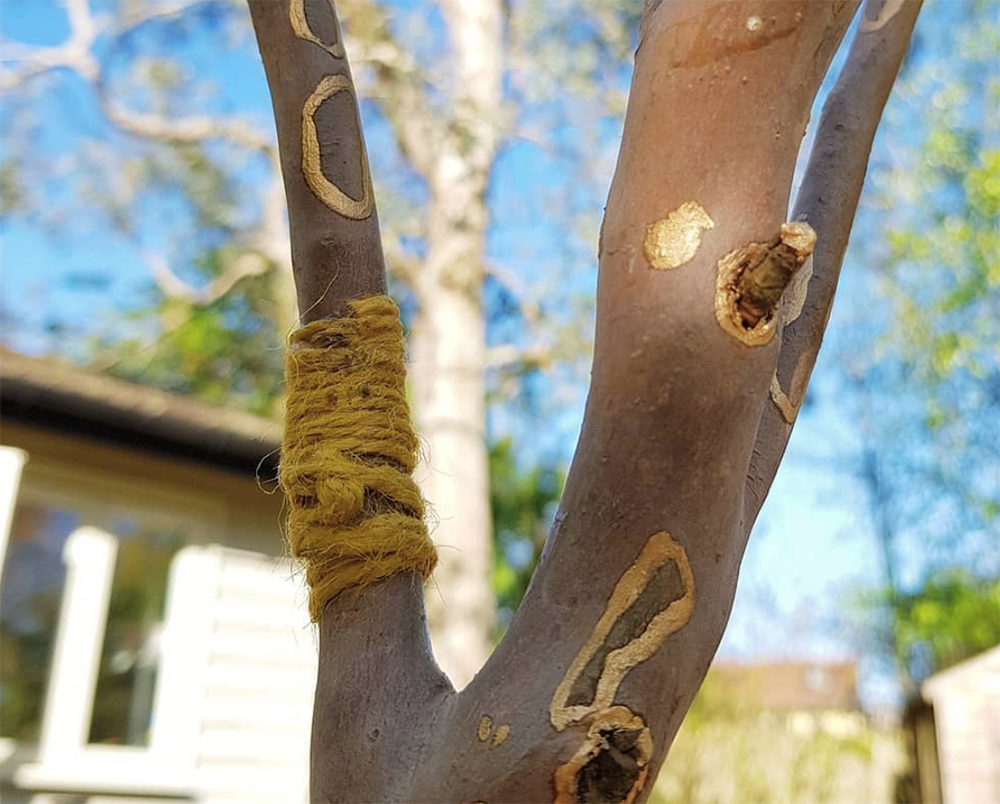
Tree
Adding trees for structure


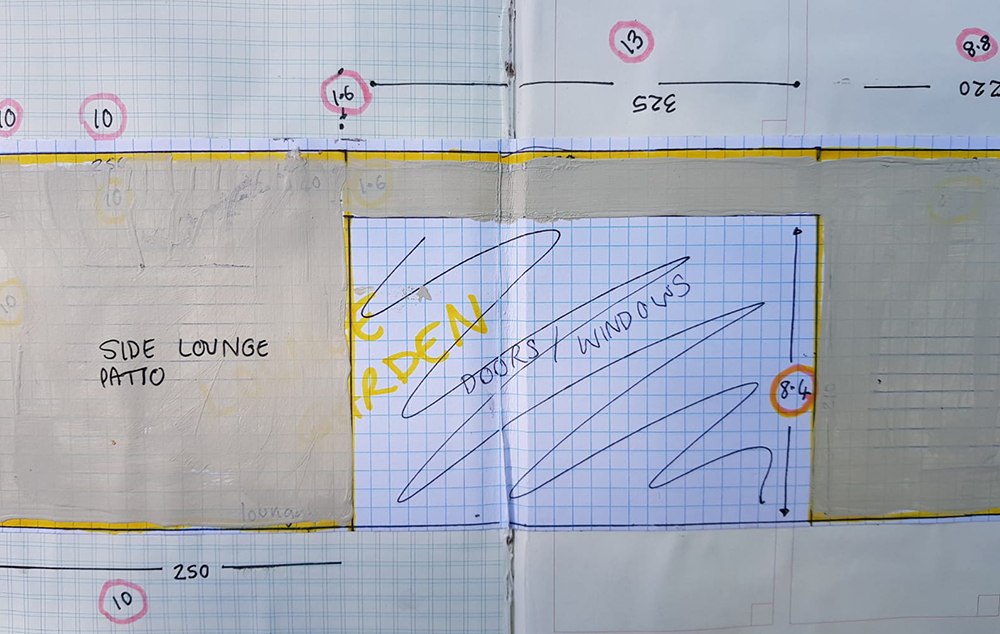
measuring for structure
Measuring for the structure of the house in the project sketchbook


Building a section of the house
Building a section of the house (plywood)


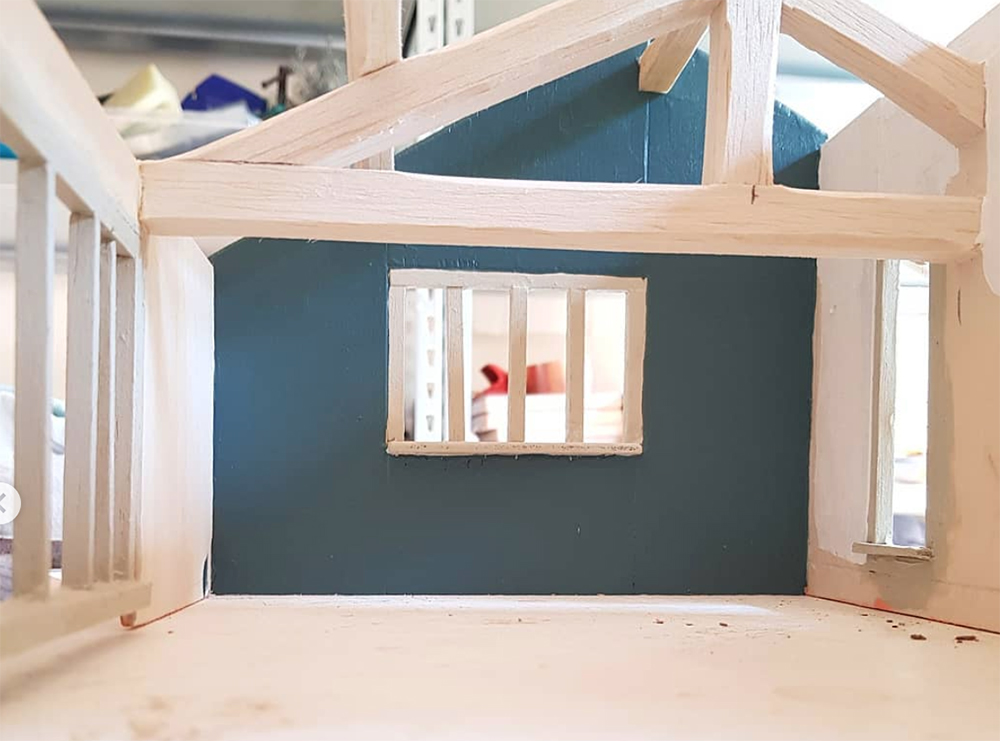
adding roof beams
Adding roof beams (balsa wood)


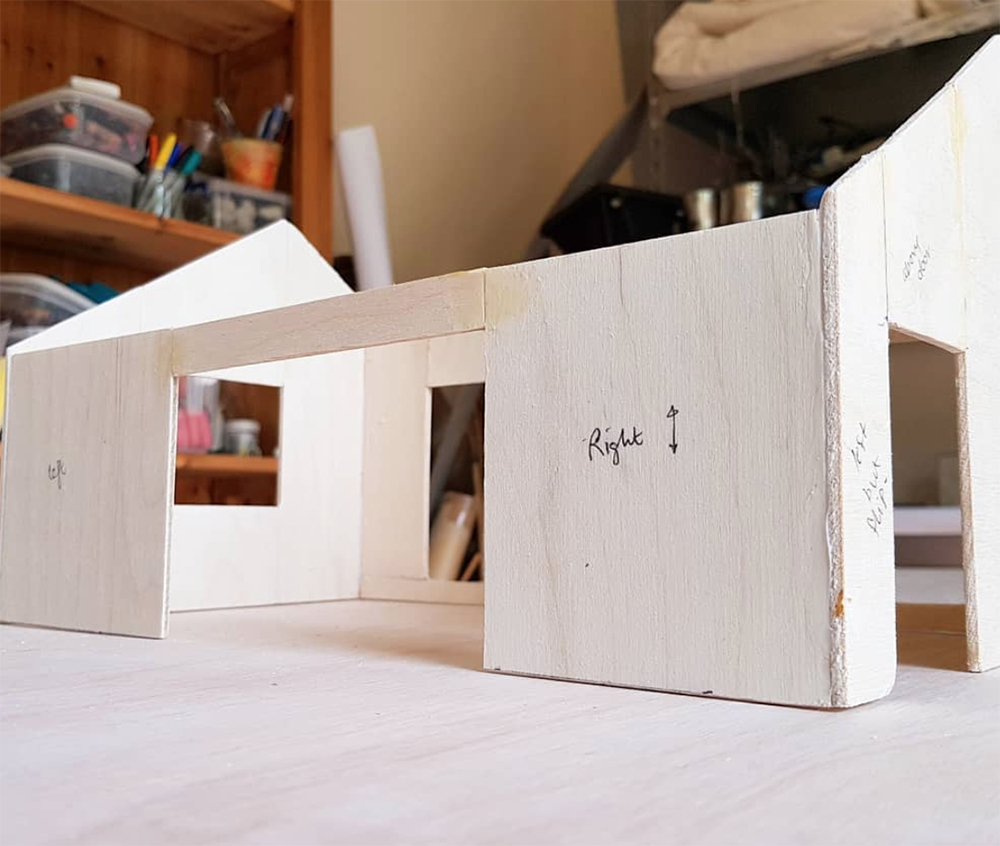
windows and interior walls
Windows and interior walls


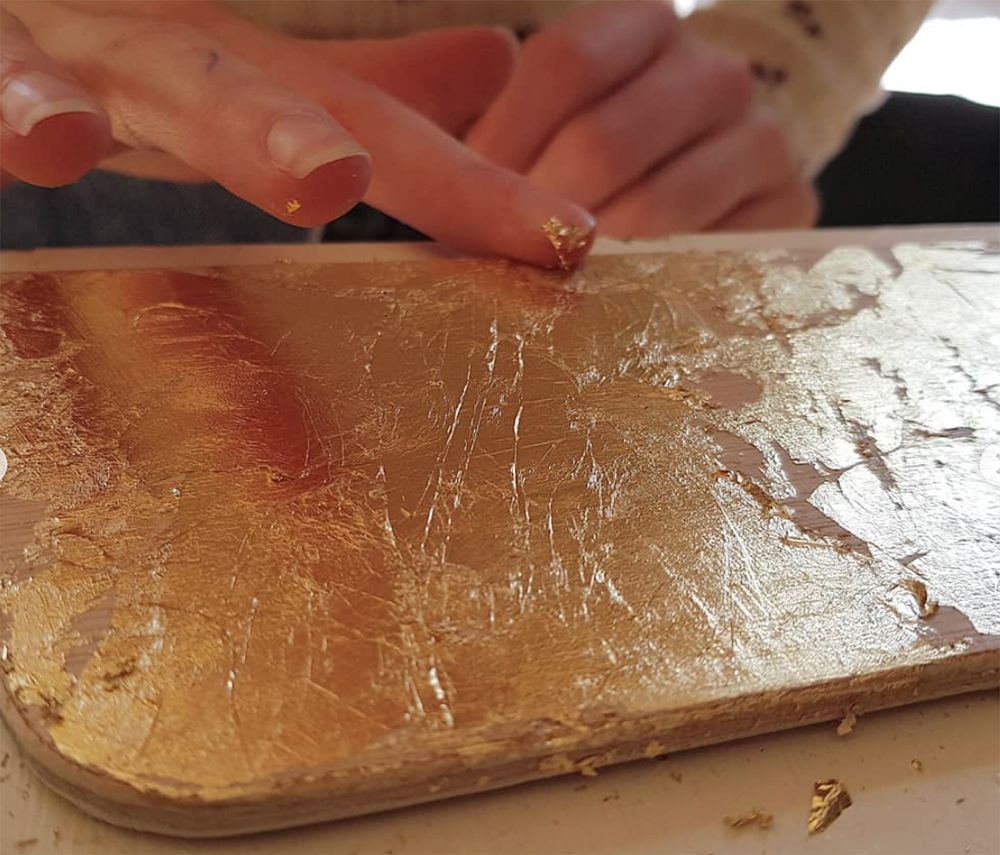
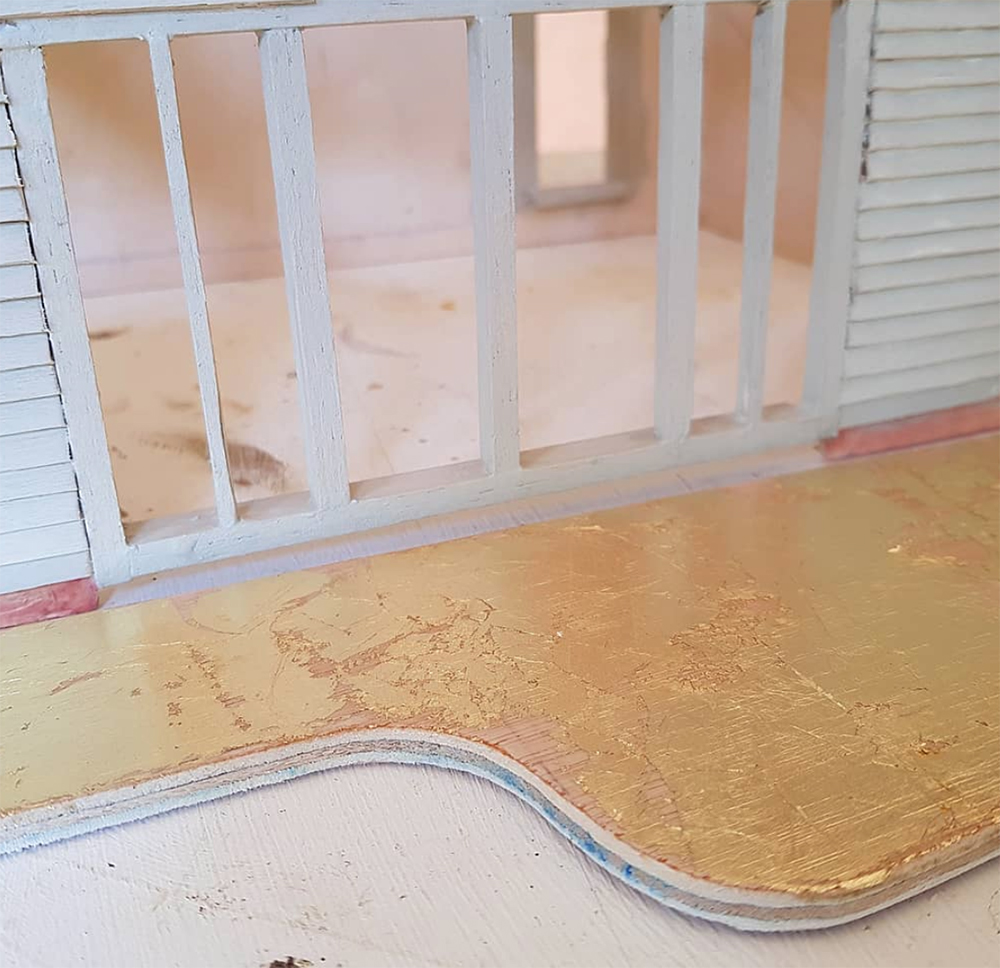
goldleaf instead of grass
We decided to switch grass for gold leaf. We all need cheering along and we like the idea that “there is gold everywhere if you look for it”


House Structure

To Be Continued!

Please share your #lockdown projects with us


This is a sample of a resource created by UK Charity AccessArt. We have over 1500 resources to help develop and inspire your creative thinking, practice and teaching.

AccessArt welcomes artists, educators, teachers and parents both in the UK and overseas.

We believe everyone has the right to be creative and by working together and sharing ideas we can enable everyone to reach their creative potential.


Sculptural Challenge No 1: Colourful Walls

A sculptural challenge encouraging the exploration of colour.

ages 9-11
ages 11-14

Artwork by Krijn de Koning

Questions for Children

How would it feel to be in the spaces Krijn creates?

How do you think he chooses the colour for each wall? How do you think the shape and size of the wall affects the colour too?

Find more of Krijn’s work here.

Sculptural Challenge! 

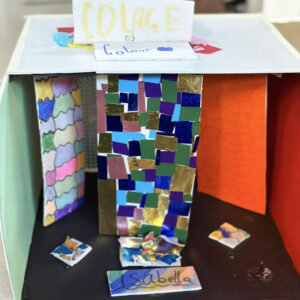
Use Krijn’s work as your inspiration, think about how you might make a series of colourful walls. You won’t be building a life-size sculptural installation (not today anyway!) but instead you can either make a model or create a piece of 2d artwork which shares your vision. Remember, because you are not creating the artwork then you can really be imaginative and dream!

Here are some clues, but you may have your own ideas too:

Use your sketchbook to “collect” colours that you like. Find them in magazines by cutting swatches out, find them by mixing paints, find them by mixing other materials. Record them, test them, label them, make notes (what colours did you mix?), name them (the names you give them might help you to describe the affect they have on you).

Next think about what the “walls” would be like. What shape? What size? Would they enclose? Would they have holes? Would there be a roof? How do they connect? How would the person get in to the space? How would you want the person to feel? Again, use your sketchbook to plot and plan. 

Think too about the location or context you would like your sculptural installation to be in. Would you like it to be in the Antarctic? The jungle? The high street? Again, use your sketchbook. 

Think about how you would apply your colours to the walls? Would each wall be one colour? Would you introduce pattern? Images? Again, use your sketchbook.

Finally, either make a model using card, paint, fabric etc to share your vision, or make a 2d artwork. 

See This Resource Used In Schools…

Year 6, Whitchurch Primary School

You May Also Like…

Pathway: Brave Colour

This is featured in the 'Brave colour' pathway

This is featured in the ‘Brave colour’ pathway

Talking Points: Yinka Ilori

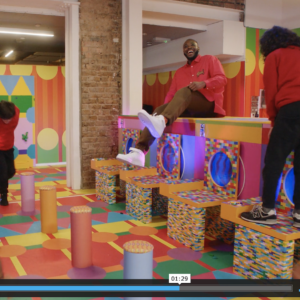
The Laundrette of Dreams Project by Yinka Ilori https://vimeo.com/649907702

Talking Points: Morag Myerscough

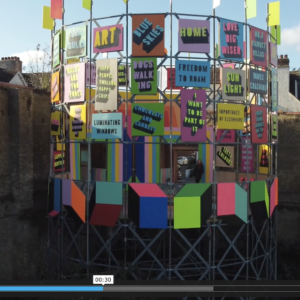
Flock of Seagulls Bag of Stolen Chips by Morag Myerscough https://vimeo.com/666728598


Sculptural Challenge No 2: Colour, Light and Form

A sculptural challenge to encourage the exploration of colour, light and form.

ages 9-11
ages 11-14

Questions for Children:

Can you imagine what it would be like to be in a room with the installations in the videos above? How would it make you feel? What do they remind you of?

How do you think the colour affects the mood?

Sculptural Challenge! 

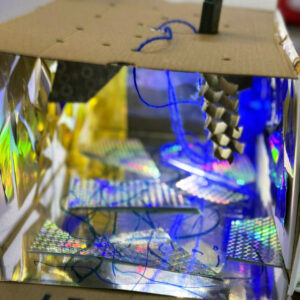
Using the artwork in the videos above as your inspiration, think about how you might design a sculptural installation which involves light, form and colour. 

You won’t be building a life-size sculptural installation (not today anyway!) but instead you can either make a model or create a piece of 2d artwork which shares your vision. Remember, because you are not creating the artwork then you can really be imaginative and dream!

Here are some clues, but you may have your own ideas too:

Use your sketchbook to “collect” colours that you like. Find them in magazines by cutting swatches out, find them by mixing paints, find them by mixing other materials. Record them, test them, label them, make notes (what colours did you mix?), name them (the names you give them might help you to describe the affect they have on you).

Think about the kinds of forms (shapes) you would like the coloured light to fall on to. Would you like the coloured light to surround a person, or would you like the person to pass near the objects? How would the person enter the space? Would the space be very small or very large? How would you want the person to feel? Again, use your sketchbook to plot and plan. 

Think too about the space you would like the coloured light to be in. Would you like it to be a dark space so that the lights show up against the darkness, or would you prefer a light space, so that it feels floaty and ephemeral? 

Think about how you would apply your colours to the walls? Would each wall be one colour? Would you introduce pattern? Images? Again, use your sketchbook.

Finally, either make a model using card, paint, fabric etc to share your vision, or make a 2d artwork. If you make a small space, you might like to be inspired by the Mini Art World Resource and use coloured filters and torches to replicate the space. 

You May Also Like…

Pathway: Brave Colour

This is featured in the 'Brave colour' pathway

This is featured in the ‘Brave colour’ pathway

Which Artists: Liz West

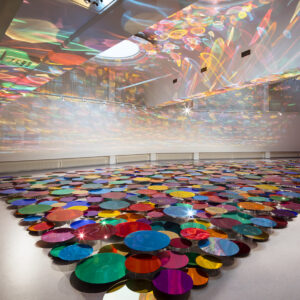
Liz West, Our Colour Reflection, 2020 © Jussi Tiainen : Hyvinkää Art Museum

Talking Points: Carnovsky

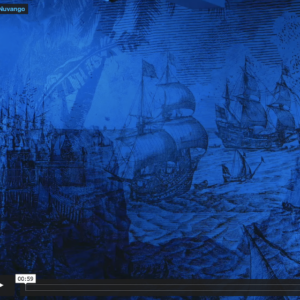
Nuvango Gallery: Carnovsky Opening https://vimeo.com/152368545

Talking Points: Olafur Eliasson

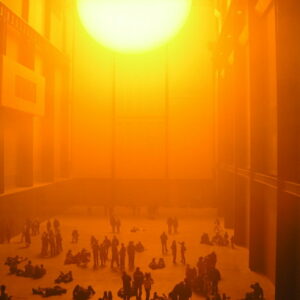
Olafur Eliasson Exhibition at The Tate by Paula Briggs


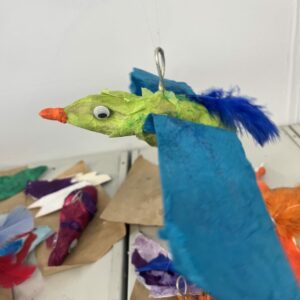
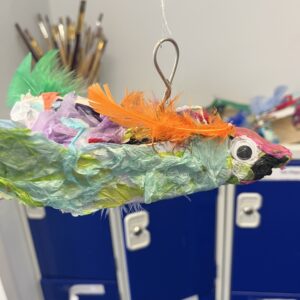
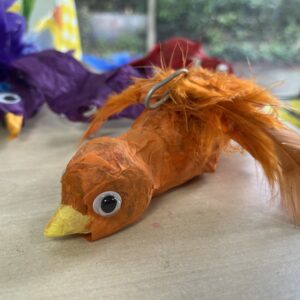
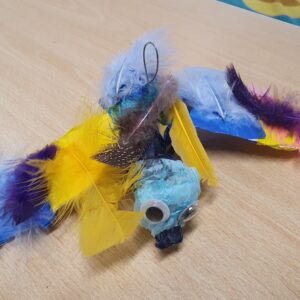
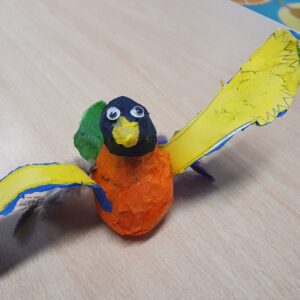
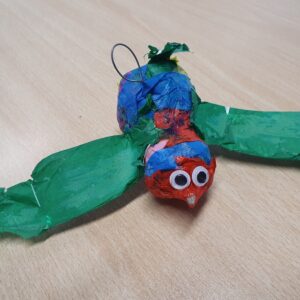
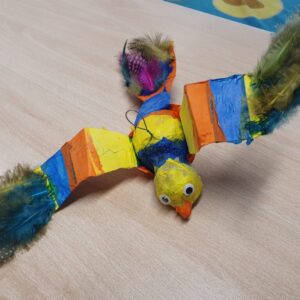
Flying Minpin Birds

See This Resource Used In Schools…

Nine Mile Ride Primary School in Finchampstead in collaboration with South Hill Park Arts Centre
Year 3, St Mary's Hampton Primary School

You Might Also like…

Pathway: Telling Stories through drawing and making

This is featured in the 'Drawing Stories Through Drawing and Making' pathway

This is featured in the ‘Drawing Stories Through Drawing and Making’ pathway

Visual Arts Planning Collections: Birds

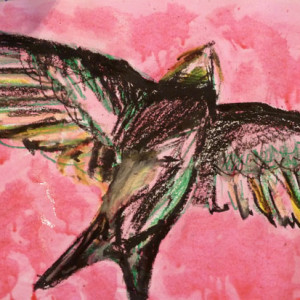
Drawing Birds with Oil Pastels and Washes

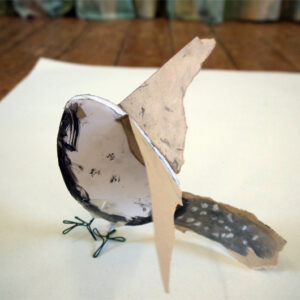
MAKING BIRDS FROM CARD, PAPER AND WIRE

Drawing feathers


Classical Inks


Inspire: Teachers


Tall Skinny


‘Meet and Make’ Teacher CPD Event and Resource Share


Simple Casting Techniques – by Melissa Pierce Murray


Hand Casts


Clay Moulds


Alginate Casting


Modelling The Head in Clay – by Melissa Pierce Murray


Modelling the Head in Clay Part 4 – Features


Modelling the Head in Clay Part 2 – Preparations


Modelling the Head in Clay Part 1 – Armature


Pimp That Snack! Large Scale Food Sculptures


Inspired by Edgar Degas: Printmaking, Drawing & Sculpture at the Fitzwilliam Museum Cambridge with AccessArt


From Bones and Body to Structure and Form – by Melissa Pierce Murray


Sensing Form: Using Feel to Manipulate Clay with Linda Green