The statements below can be used by primary schools to check that the offering the school provides to pupils covers key concepts in drawing.
By the end of UK Year 4 (age 9) these statements should resonate with the majority of pupils (and form the basis of opportunities provided by school, covering key concepts in drawing).
-
I have enjoyed exploring different drawing activities, and I have found ideas, techniques or materials which I like.
-
I have had the opportunity to work on a variety of scales. Not all the drawing I have done has taken place at a desk.
-
I understand key words relating to drawing, and have gained this understand through practical experience.
-
I have used a variety of drawing media and been given the opportunity to practice my skills. I have also drawn on a variety of drawing surfaces.
-
I have made drawings from observation, and imagination, and I have felt increasingly able to experiment.
-
I have drawn alone and I have also created drawings as part of a group.
-
I have been introduced to some of the reasons we might draw: drawing for its own sake, drawing to share ideas, drawing to build my understanding.
-
I have drawn from a variety of subject matter, including drawing from life (including people and places), as well as drawing from photographs and film.
-
I have been inspired by the drawings of other artists, craftspeople, designers and architects, and I understand the role of drawing to my world.
-
I feel I have been able to develop my creativity through drawing.
This is a sample of a resource created by UK Charity AccessArt. We have over 1500 resources to help develop and inspire your creative thinking, practice and teaching.
AccessArt welcomes artists, educators, teachers and parents both in the UK and overseas.
We believe everyone has the right to be creative and by working together and sharing ideas we can enable everyone to reach their creative potential.
What We Like About This Resource…
“This is a great activity for really tuning into colour and shape. The process is ultimately quite a refined one (ie making a pattern balanced and repeated ‘correctly’) – but there’s plenty of scope for exploring pattern in a more experiential way prior to the refinement page. Try one of the recommended resources below to introduce pattern and begin with some open ended activities to build skill and confidence.” – Andrea, AccessArt
You Might Also Like…
Pathway: Exploring pattern
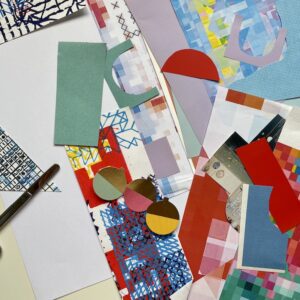
Talking points: Andy Gilmore
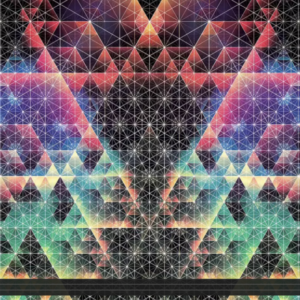
talking points: Louise Despont
Inspired by Rachel Parker
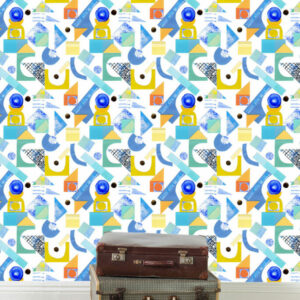
Teachers Explore Pattern, Shape and Texture
Block Printing Repeat Patterns
You Might Also Like…
Pathway: Music and art
Pathway: Playful Making
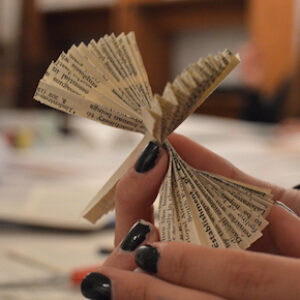
Manipulating Paper
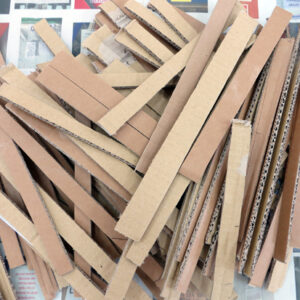
Cardboard Sculptures
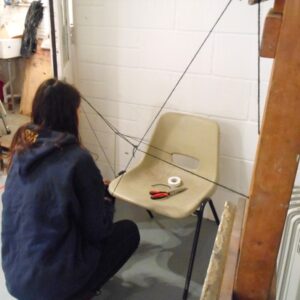
The Chair and Me
What We Like About This Resource….
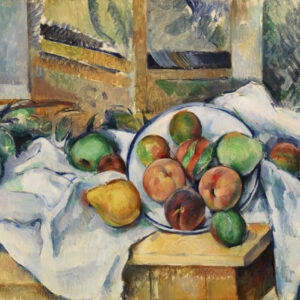
“This activity walks through a number of different processes and taps into multiple skills.This provides a rich exploratory project for children to fully immerse themselves in. Cezanne was the focus artist for this project, but other contemporary still life painters could be used as starter inspiration. We actually advocate showing the work of more than one artist as this builds knowledge of how approaches to painting, drawing etc differ. This also helps children move towards a personal response rather than creating a ‘copy’ of one particular artist’s work” – Rachel, AccessArt
You Might Also Like….
Pathway: Exploring Still Life
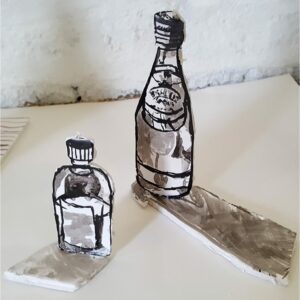
Talking Points: Paul Cezanne
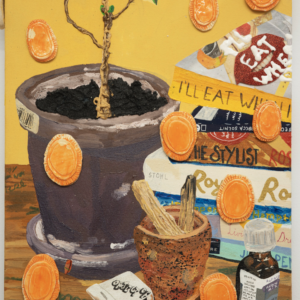
talking points: Contemporary still life
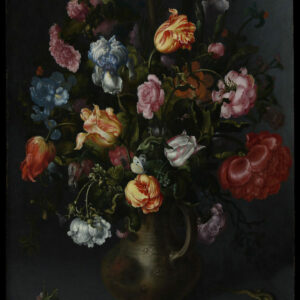
talking points: Flemish and Dutch Still Life Painters
What We Like About This Resource….
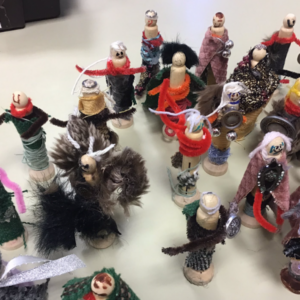
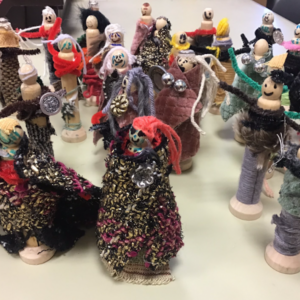
“It’s great to see a different approach to thinking about remembrance day. These peg soldiers are a refreshing alternative to artwork inspired by poppies. The processes involved encourage children to focus on fine motor skills: wrapping embroidery thread around the peg and creating small detailed clothes and helmets. These dolls look particularly effective when standing as a collection and would make a poignant alternative to a standard display board” – Rachel, AccessArt
See This Resource Used In Schools…
You Might Also Like….
What We Like About This Resource….
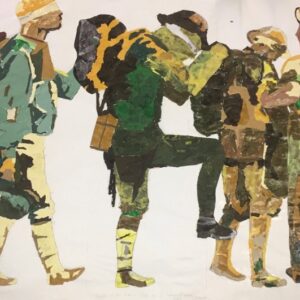
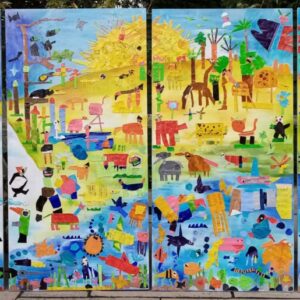
Working collaboratively towards a shared aim provides an alternative experience to working on individual projects. Creating together encourages listening, peer feedback and creative problem solving – all of which are hugely valuable in all areas of education” – Rachel, AccessArt
You May Also Like….

What We Like About This Resource….
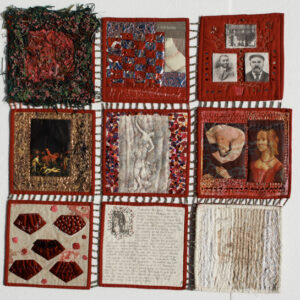
“The life of Madge Gill that Sophie Dutton recounts here gives us real insight into the challenges that Madge Gill experienced, and how these challenges would have been common among women at the time. When we study the work of Artists, it adds a rich context to our experience of their work to consider their personal history, and helps us ask questions like ‘why do you think the Artist painted in this way or was inspired by this subject matter?’ If you introduce your class to Madge Gill, begin with looking back over her younger life to try and better understand her motivations as an Artist” – Rachel, AccessArt
You May Also Like….
See This Resource Used in a Pathway…
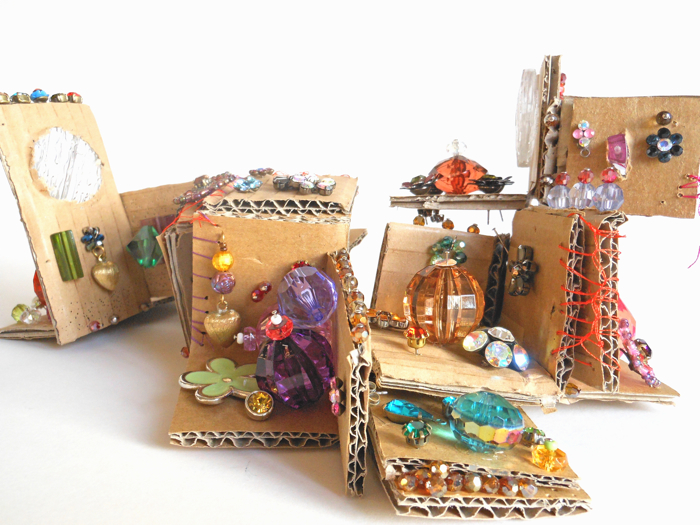
Transforming Materials into Sculpture
This pathway shares how teachers might take inspiration from El Anatsui and encourage pupils to think how they might disassemble objects around them to transform them into sculptural pieces. Read More.
You May Also Like…
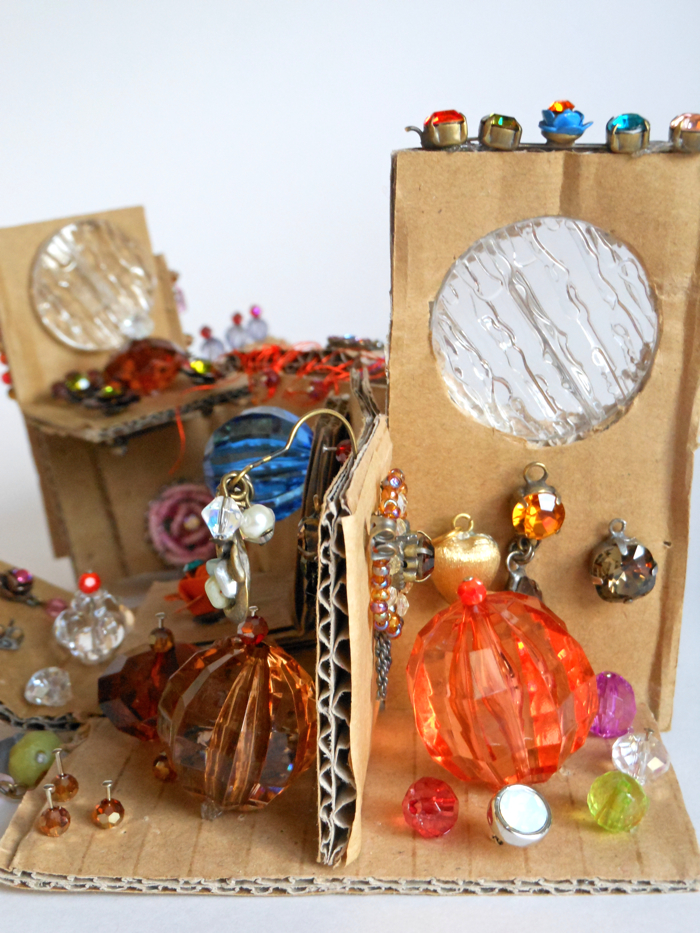
Transforming Cardboard with Andrea Butler
Artist Andrea Butler shows how to explore simple design and construction using cardboard and jewellery. Read More