Dragons & Birds in Eggs: Hidden and Revealed

By Paula Briggs

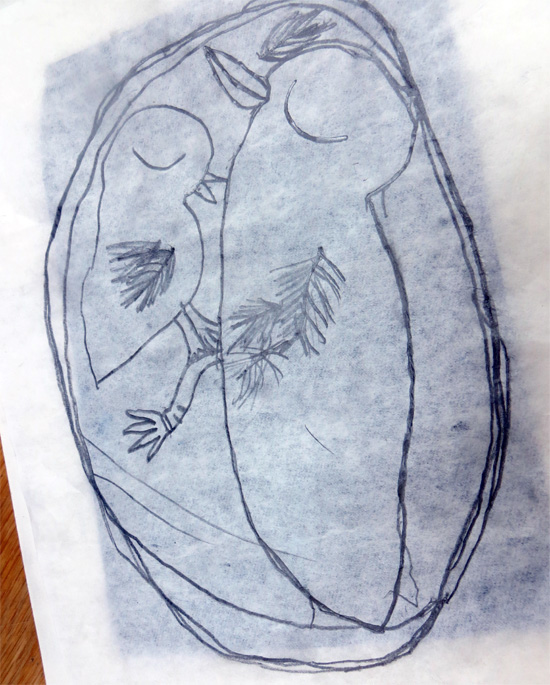
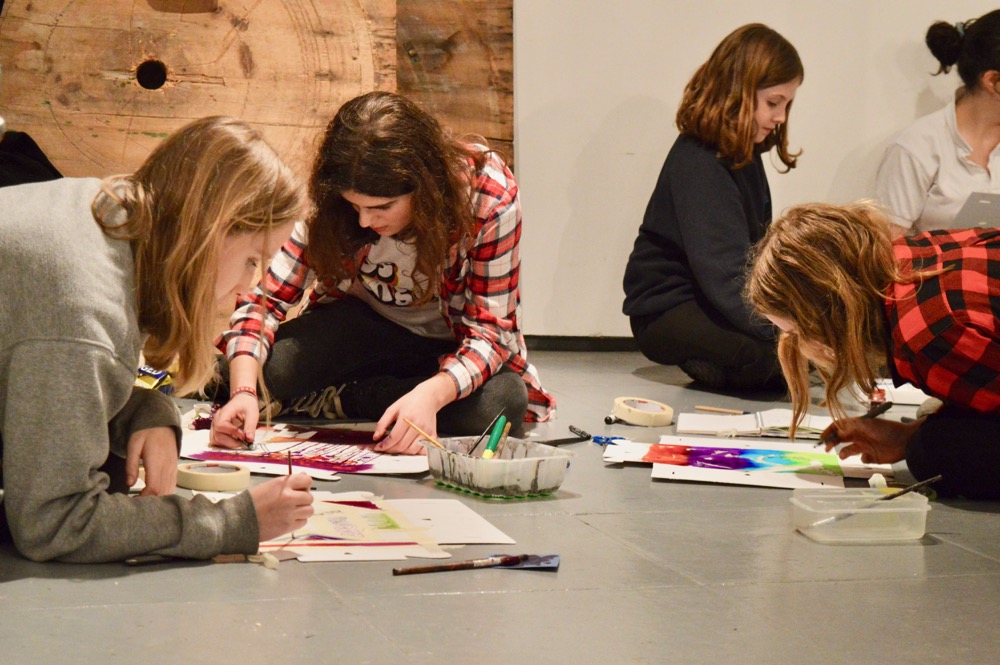
In one of our art sessions for ages 7, 8 and 9, we had twenty minutes to spare. We were in the process of casting plaster eggs, and we had to wait for the plaster to set, so we enjoyed this very brief project, which I’m sure lots of teachers of primary-aged children could enjoy developing further. I think the “hidden / revealed” element of both the process and the theme could be interesting.

Birds and eggs
Birds and eggs

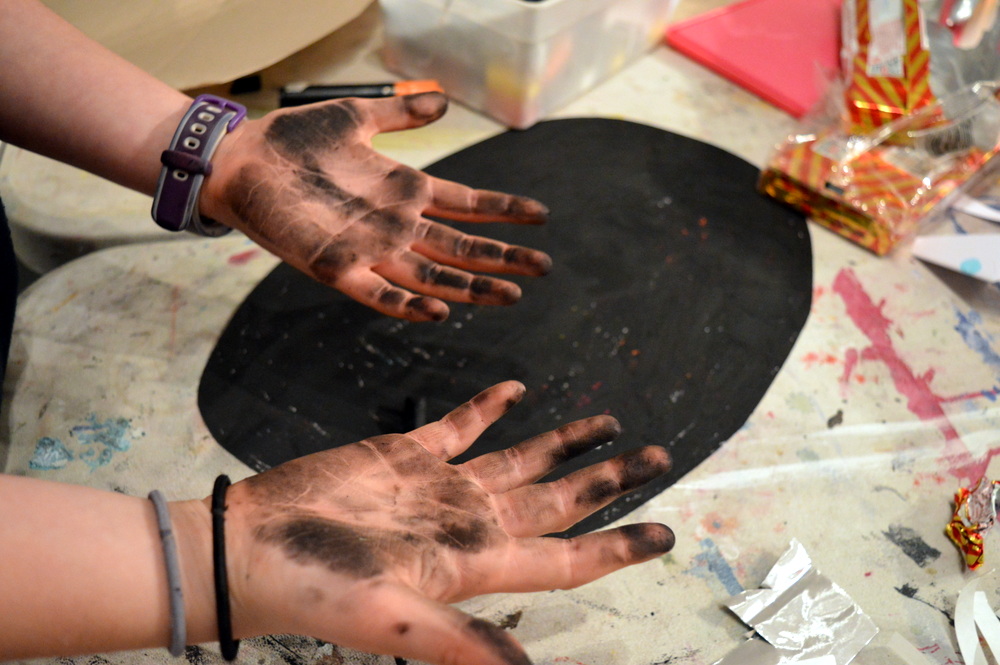
We gathered together A4 paper, tracing paper, coloured card or sugar paper, carbon copy paper, glue sticks and pencils.

To Begin


Please log in here to access full content.

Username
Password


Remember me
Forgot Password


To access all content, I would like to join as…

An Individual

Creative practitioners, educators, teachers, parents, learners…


An Organisation…

Schools, Colleges, Arts Organisations: Single and Multi-Users


AccessArt is a UK Charity and we believe everyone has the right to be creative. AccessArt provides inspiration to help us all reach our creative potential.


You May Also Like….

Visual Arts Planning Collections: Birds

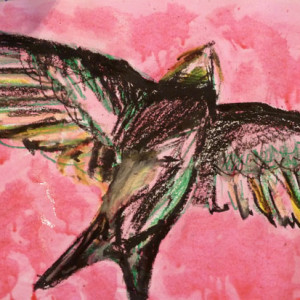
Drawing Birds with Oil Pastels and Washes

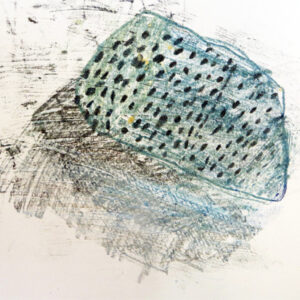
monoprinting with carbon copy paper

Drawing feathers


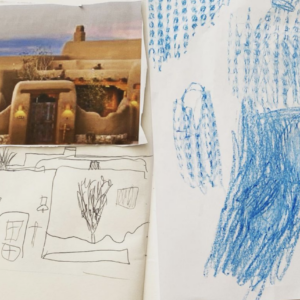
Inspired by Google Earth: Making


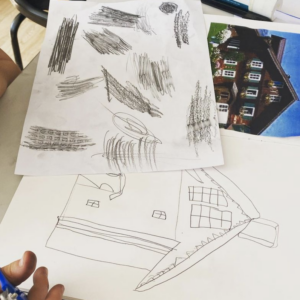
Houses from Around the World: International Day at Monkfield Primary School

See This Resource Used In Schools…

Year 2, Sydenham High School Prep
The Radstone Primary School in Brackley, Northants, Hawksmoor Learning Trust


Recording & Communicating through Narrative with Degree Level Contemporary Craft Students by Vanessa Marr


Exploring Materials: Merino Wool and Water and Making Felt


Talking Points: The Story of Cupid and Psyche by Jacopo del Sellaio

<< Back To: Inspire: Fitzwilliam Museum

An exploration of the painting ‘The Story of Cupid and Psyche’ by Jacapo del Sellaio, written by Kate Noble.

Please note that this page contains links to external websites and has videos from external websites embedded. At the time of creating, AccessArt checked all links to ensure content is appropriate for teachers to access. However external websites and videos are updated and that is beyond our control. 

Please let us know if you find a 404 link, or if you feel content is no longer appropriate. 

We strongly recommend as part of good teaching practice that teachers watch all videos and visit all websites before sharing with a class. On occasion there may be elements of a video you would prefer not to show to your class and it is the teacher’s responsibility to ensure content is appropriate. Many thanks. 

ages 5-8
ages 9-11
ages 11-14
ages 14-16

This is one in a series of resources created in collaboration with Kate Noble from the Fitzwilliam Museum. The ‘Inspire 2020’ project aims to encourage teachers to use collections in local galleries and museums as a source for exploration in art lessons.

The Story of Cupid and Psyche by Jacopo del Sellaio (1442 – 1493)  

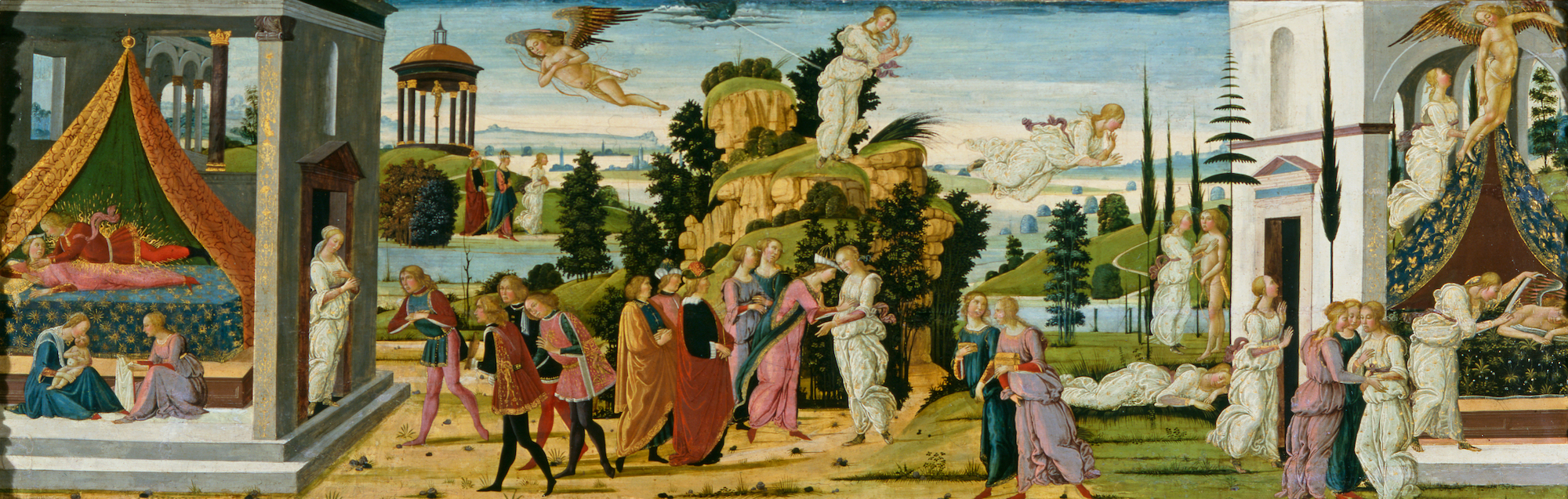
The Story of Cupid and Psyche. Sellaio, Jacopo del (Italian, 1441/2-1493). Egg tempera with gold on panel, height 59cm, width 178.8cm. Florentine School. One of a pair of cassone panels.

The Story of Cupid and Psyche. Sellaio, Jacopo del (Italian, 1441/2-1493). Egg tempera with gold on panel, height 59cm, width 178.8cm. Florentine School. One of a pair of cassone panels.

The painting above tells the first half of the ancient Greek story of a human princess, Psyche, who marries the god of love, Cupid. It was painted for a very grand bedroom in fifteenth-century Florence, which doubled as an entertaining space for the wife’s friends. The bedchamber was furnished at the time of a wedding, with a bed and chests but also painted stories that celebrated the love of a newly married couple. This story highlights the loyalty of the bride to the groom, as was expected in the fifteenth century. 

The Story of Cupid and Psyche 

The story is read from left to right like a cartoon strip. 

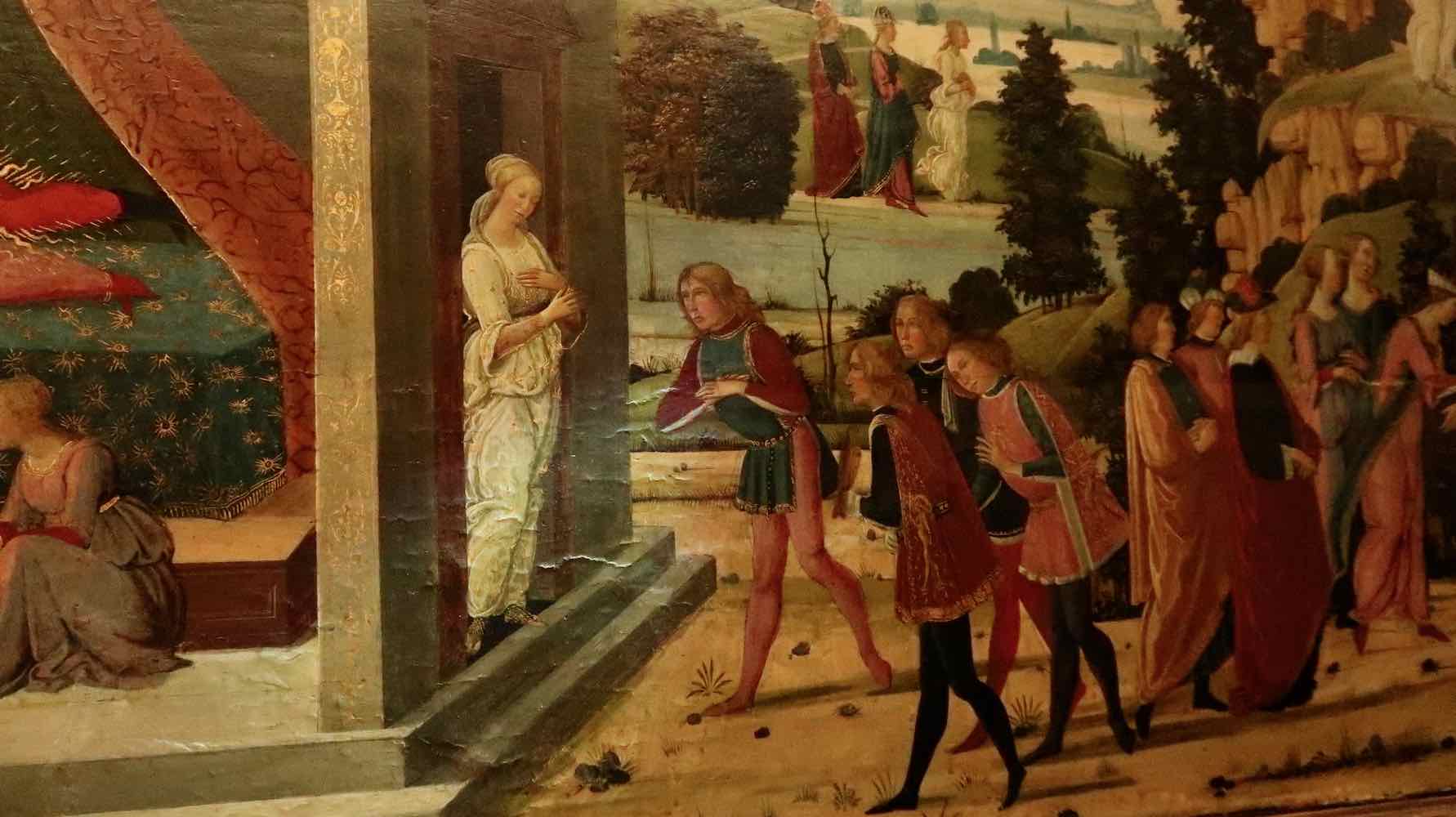
Young Psyche with her courtiers when Cupid first sets eyes on her - a close up of Del Sellaio's Cupid and Psyche painted in 1473 in the Fitzwilliam Museum, Cambridge

‘Young Psyche with her courtiers when Cupid first sets eyes on her – a close up of Del Sellaio’s Cupid and Psyche painted in 1473 in the Fitzwilliam Museum, Cambridge.’

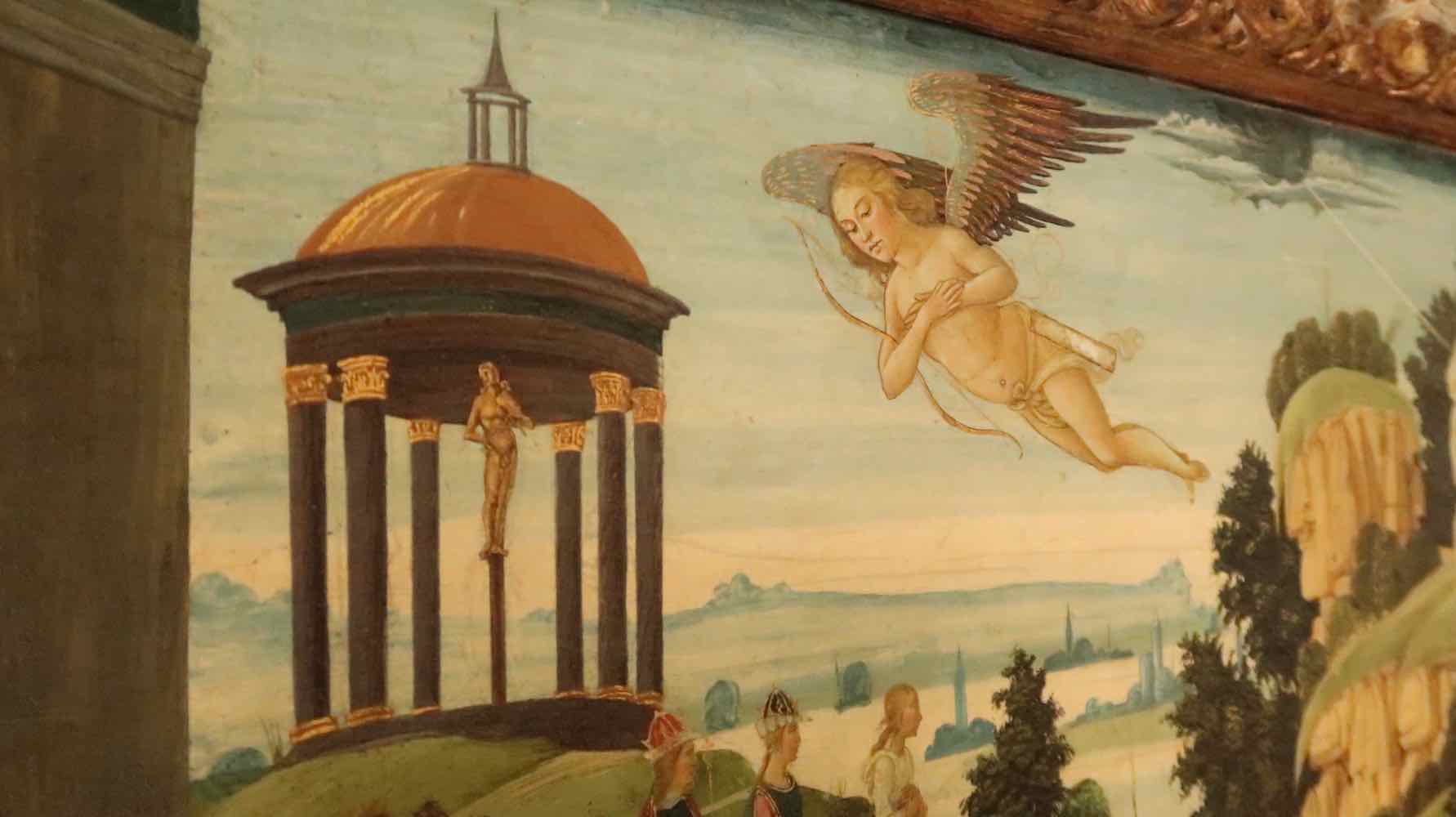
Cupid is sent to cast a spell on Psyche by his mother Venus, who is jealous of Psyche’s beauty.

Cupid sets eyes of Psyche and cannot follow through his mother, Venus's, evil plan - close up of Cupid and Psyche by Del Sellaio 1473 at the Fitzwilliam Museum, Cambridge

‘Cupid sets eyes of Psyche and cannot follow through his mother, Venus’s, evil plan – close up of Cupid and Psyche by Del Sellaio 1473 at the Fitzwilliam Museum, Cambridge’

Cupid falls in love with Psyche and is unable to carry out Venus’ evil plan.

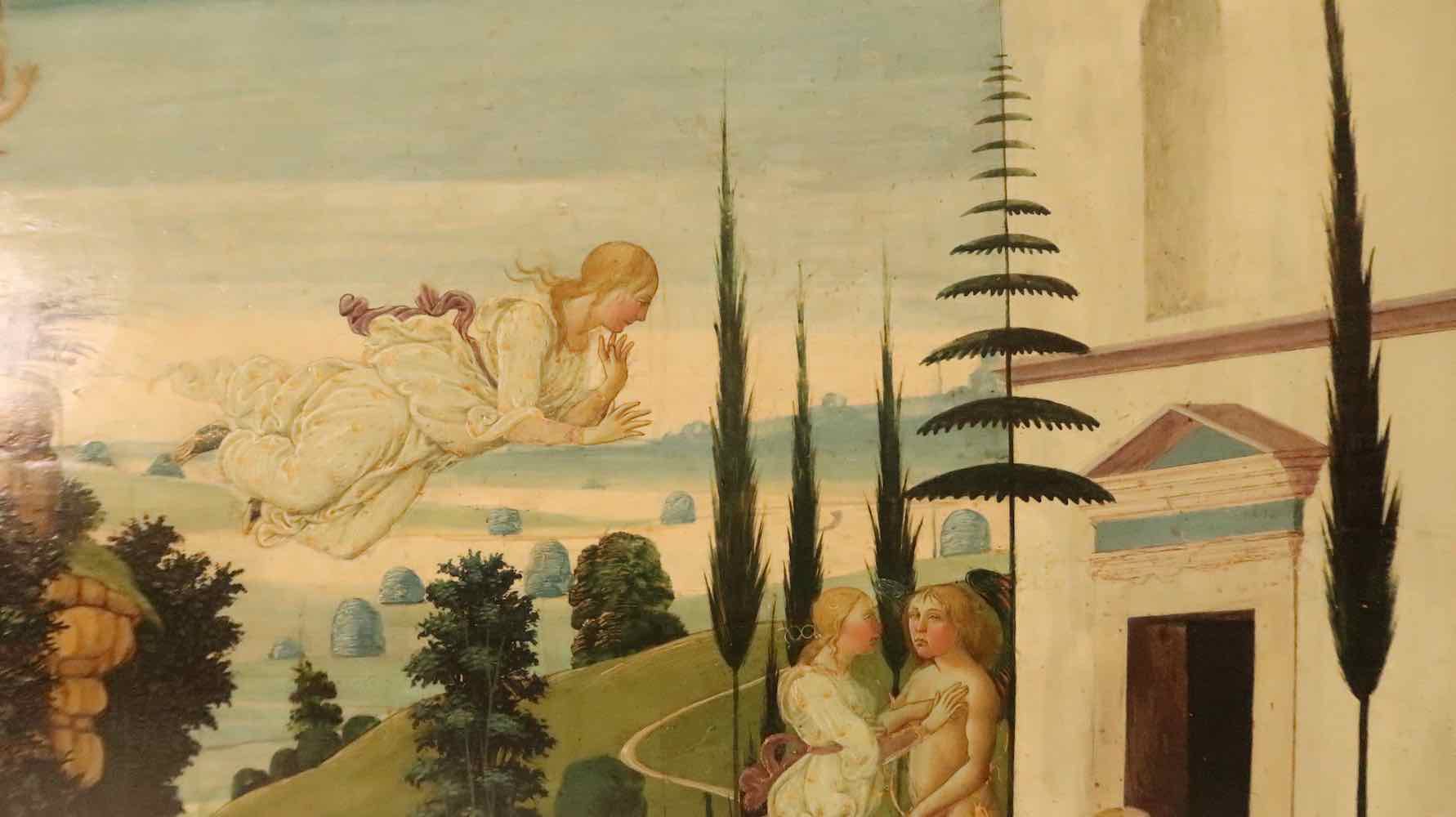
Psyche is blown off the hill by Zephyrus the wind - a detail in a painting by Del Sellaio of Cupid and Psyche painted in 1473

‘Psyche is blown off the hill by Zephyrus the wind – a detail in a painting by Del Sellaio of Cupid and Psyche painted in 1473’

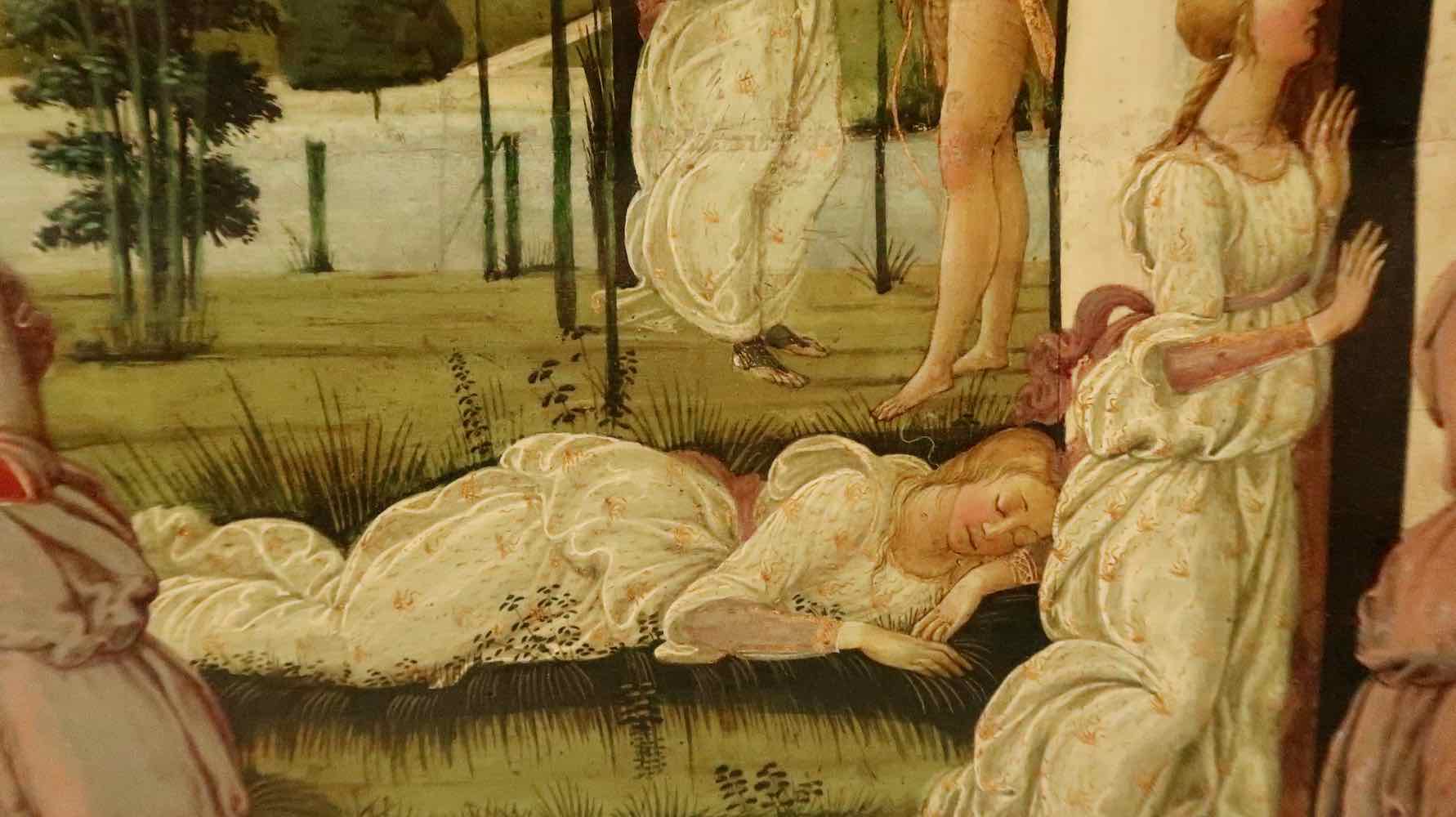
Psyche is blown off the top of a mountain by the god Zephyr who carries her safely down to rest in a soft bower.

Psyche lands on a soft bower - a detail in a painting by Del Sellaio of Cupid and Psyche painted in 1473

‘Psyche lands on a soft bower’ – a detail from Cupid and Psyche by Del Sellaio painted in 1473

When she awakes, she finds herself at a beautiful palace where she is welcomed by an invisible, but kind, master (Cupid, in hiding from his mother). He invites Psyche to live with him on the condition that she will never ask his true identity. They are happy for a while but then Psyche’s sisters persuade her to look at him whilst he sleeps. A drop of oil lands on his skin, he wakes up and is angered by Psyche’s lack of trust.   

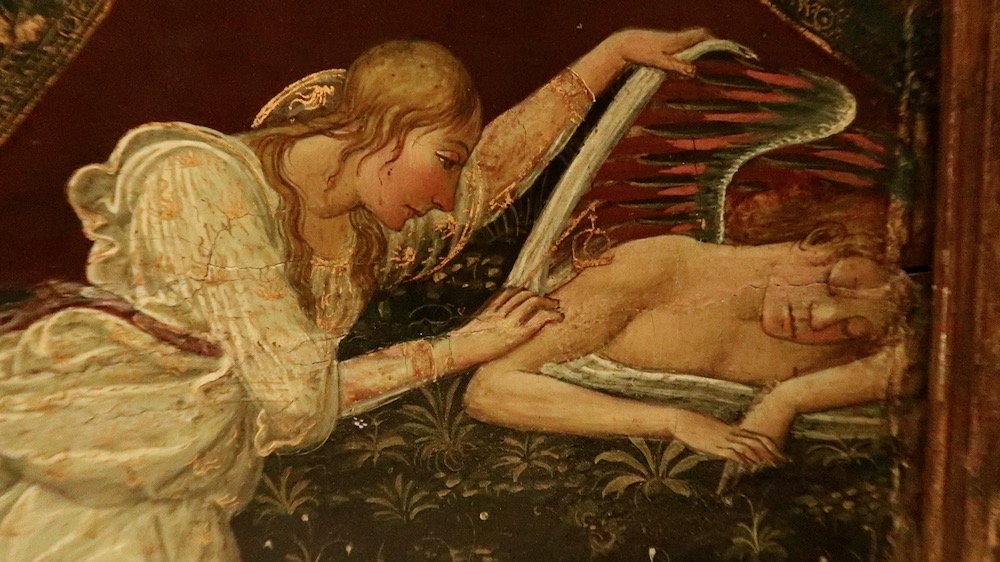
This is an image from a Renaissance painting painted in the 15th Century by a painter named Jacopo Del Sellaio. This is a close up of the character Psyche lifting Cupids wing. Follow this link to find out How this painting became loved by primary school children in Cambridgeshire

Detail: Psyche lifting Cupid’s wing; The Story of Cupid and Psyche c.1473; Sellaio, Jacopo del; painter; Italian artist, 1441/2-1493; Tempera and gold on a wooden panel

The story continues in a second panel (in a private collection). Cupid returns to his mother, Psyche searches for him and is captured and enslaved by Venus. Cupid pleads with Jupiter, king of the gods, to free Psyche. He agrees, and Cupid and Psyche are married.  

Questions to Ask Children 

Does this story remind you of any other fairy tales you know?


Exploring Materials: Plaster and String


Printing Patterns on Jewellery Pieces


Inspired by Google Earth: Drawing


Flat Yet Sculptural? Drawing, Collage, Construction

See This Resource Used In Schools…

Dean CE Primary School
Greenlands Community Primary School, Preston, Year 6.
Year 5, Cathedral Primary School, Bristol

You May Also Like…

Pathway: 2D Drawing to 3D Making

This is featured in the '2D Drawing to 3D Making' pathway

This is featured in the ‘2D Drawing to 3D Making’ pathway

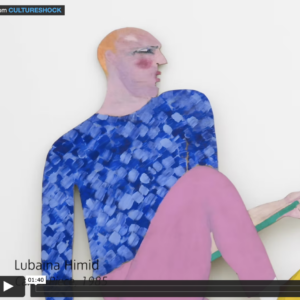
Talking Points: Lubaina Himid

Lubaina Himid


Exploring Materials: Paper and Water and Making Paper


Exploring Three Dimensions with Lego: Drawing and Collage

You May Also Like…

Pathway: Exploring Form Through Drawing

This is featured in the 'Exploring Form Through Drawing' pathway

This is featured in the ‘Exploring Form Through Drawing’ pathway

Adapting AccessArt: From 2D to 3D

Drawings of Paper Sculptures by Yu-Ching Chiu


Exploring Materials: Clay and Water


The Friendship Tower by Rachel Scanlon


The Paint Swing-O-Meter


Gothic Revival: Craft Techniques for the Class Room Inspired by the Leach Firm of Cambridge

How to Make a Tessellated Design
‘Pouncing’: A Simple Technique to Transfer Patterns onto Plaster Tablets
Gilding and a ‘Touch of Gold’
Painting on glass

The Firm

In 1862 Frederick Leach started F. R. Leach & Sons, artist-decorators who worked with the best-known Victorian architects/designers including William Morris, Charles Kempe and George Bodley.

Their expertise led the firm to work on ecclesiastical and civic arts, crafts and decoration as well as domestic architecture and interiors.

If their workshops could talk they would have told of stained glass being designed, painted and fired; stone statues carved; wooden decorations turned; panels chiselled, decorated and gilded; furniture crafted; metal forged; and tiles painted. In fact they could create anything that a well-decorated house, church or college would need.


Pouncing

Wall painting was a popular decoration for churches during the neo-gothic revival in the mid to late Victorian era.

The paint colour was mixed by hand and then often applied straight to the wall or ceiling. The design was often painted freehand or using stencils which included a technique called ‘Pouncing’.

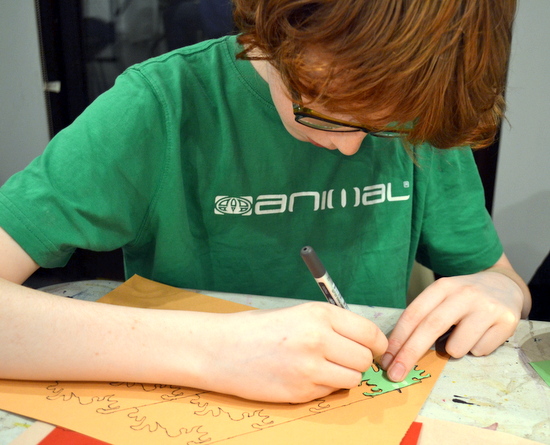
This technique is where the design is drawn out on paper and the outline is pricked all around to produce small holes.

Click on the image above to see How to Make a Tessellated Design.

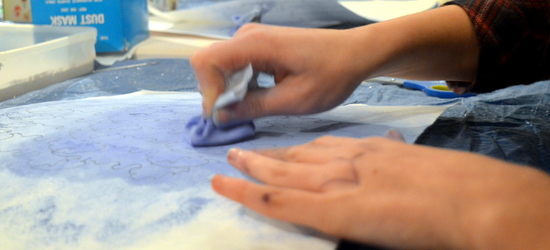
This is then placed on the wall and dabbed all over with a small bag of fabric filled with powdered graphite or chalk. The powder is forced through the holes so that when the paper is removed it leaves an outline of the pattern on the walls.

Click on the image above to see how teenagers used ‘Pouncing’ to Transfer Designs onto Plaster Tablets


Gilding

Gilding was a popular finish for the ornaments that decorated the ceilings of neo-gothic churches.

These ornaments were made of lead or plaster and were often start that shone down from their great height once gilded in gold.

The first stage to gilding is when gold is pounded until it becomes as thin as tissue paper (25g can be beaten out to cover an area of 3m square).

The surface of the ornament to be gilded is prepared by brushing it all over with a glue called size.

This is left to dry until it reaches a ‘tacky’ state.

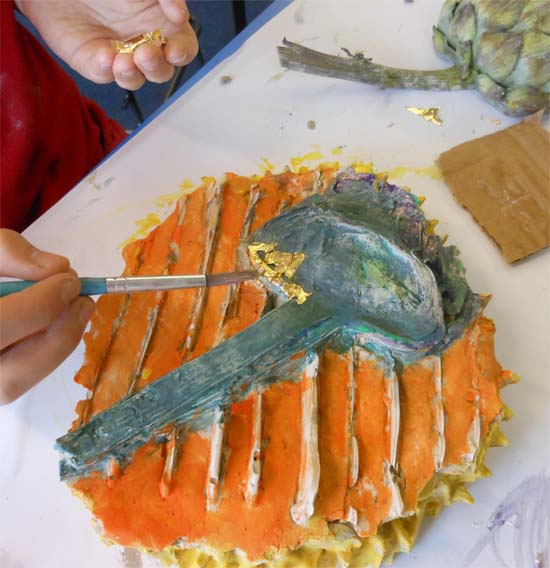
The gold sheets are then carefully laid onto the surface of the ornament and the size sticks it to the surface.

The gold is then worked into all the areas of the ornaments using a brush to push it down. There were special brushes made for doing this including one made from squirrel’s fur.

Click on the image below to see how to apply gold leaf to a plaster relief sculpture Gilding and a Touch of Gold


Stained Glass

The neo-gothic revival saw a resurgence in stained glass design for churches and domestic architecture of the day.

One technique used was that of Silver Staining Glass. This is where silver nitrate is painted onto clear glass and fired until the silver paint becomes part of the molecular structure of the glass and produces colours from a pale yellow to a rich orangey-amber.

Follow the link above to see How to Print on Glass.

Motifs or designs were painted onto glass ‘quarries’ or shapes of glass that would be could together to form a leaded window.

For this reason diamonds, squares or other shapes that would tessellate were popular. This type of stained glass window also allowed a lot of light into the building which went well with the decoration of a neo-gothic church where the walls were decorated and deserved to be seen.
Gilding and a ‘Touch of Gold’


‘Pouncing’: A Simple Technique to Transfer Patterns onto Plaster Tablets


Using Negative Space to Believe What You See ( & Scaling Up)

You May Also Like…

Pathway: 2D Drawing to 3D Making

This is featured in the '2D Drawing to 3D Making' pathway

This is featured in the ‘2D Drawing to 3D Making’ pathway

Talking Points: Lubaina Himid

Lubaina Himid


Jo Allen and Rachael Causer: Relief Printmaking at Ridgefield Primary School