Printmaking using Packaging

By Karen Wicks

Karen Wicks is a printmaker and ex-art teacher who is inspired by derelict buildings and captures the presence and intrigue of these abandoned structures using intaglio print techniques. In this resource, Karen demonstrates how these buildings can be brought to life with the use of discarded packaging.
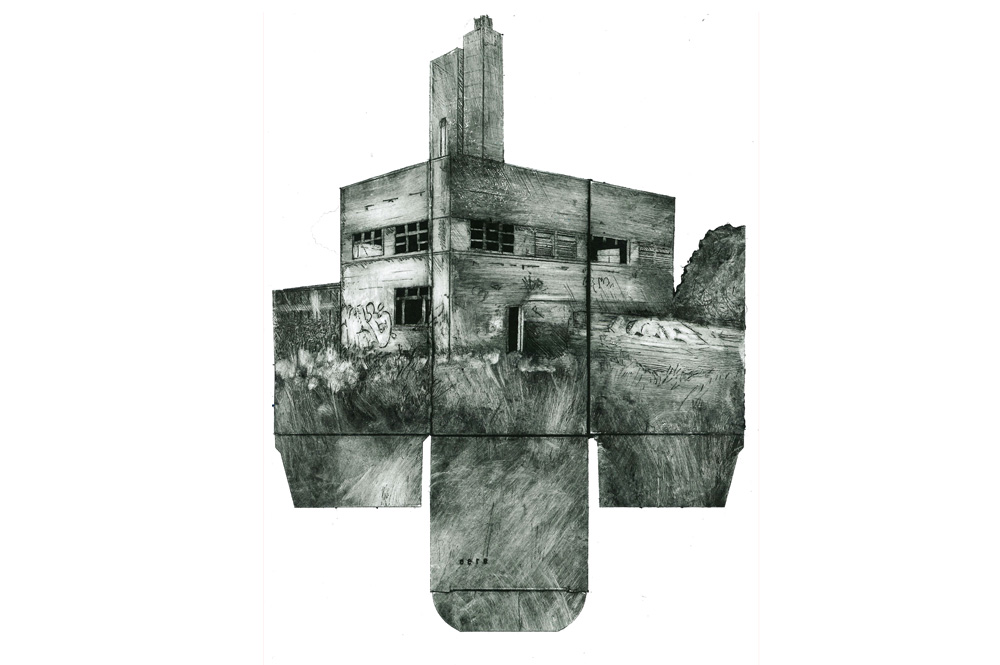
 

Collagraph by Karen Wicks

Notes for Teachers

  • What is the aim of this exercise?

    The aim is to use recycled packaging to create a print, and to use a range of mark-making techniques to create different surface textures.

  • What materials will I need?


    • Packaging suitable for making a plate: mount board off-cuts, orange juice carton or Oatly milk carton (silver lined), medicinal or perfume packaging with no raised logos on it, cereal box cardboard, takeaway foil lids
    • Scalpel, engineers scribe or drypoint needle, ruler, pencil, biro
    • French polish (shellac) and an old paintbrush
    • Small natural treasures (flowers, small shells, small feathers etc.)
    • Caligo Safewash relief ink
    • Scrim and jersey t-shirt off-cuts
    • Tissue paper and newsprint
    • 300gsm watercolour paper or card to print onto
    • Water spray bottle
    • Pasta press and thick felt pieces or craft press with felt blanket (X Cut Xpress)
  • What age range is it suitable for?

    This activity would be suitable for young people aged 11+.

  • How long does the activity take?

    1-2 hours for making a plate and 24 hours for the varnish to dry and 1-2 hours to print.

  • What can we do after this activity or how can we extend our learning?

    Experiment with different types of materials to create other collograph plates, for example masking tape, nail varnish, acrylic paint, sellotape, wire wool, silver foil.

  • What artists might we look at?

    There are many printmaking artists who use collagraphy in their work who may be a source of inspiration but you may want to look also at how artists use mark-making in their drawings as I find this helps me to think about the marks that I use when I make a plate, for example take a look at Van Gogh’s sketches of cottages and the variety of line that he uses.


Please log in here to access full content.

Username
Password


Remember me
Forgot Password


To access all content, I would like to join as…
An Individual

Creative practitioners, educators, teachers, parents, learners…


An Organisation…

Schools, Colleges, Arts Organisations: Single and Multi-Users


AccessArt is a UK Charity and we believe everyone has the right to be creative. AccessArt provides inspiration to help us all reach our creative potential.
Roots & Shoots: A Sculptural Challenge

See This Resource Used In Schools…

Year 2, St Clare's Primary School, Coalville, Leicestershire
Year 2, Whitchurch Primary

You May Also Like…

Pathway: Stick Transformation project

This is featured in the 'Stick Transformation Project' pathway

This is featured in the ‘Stick Transformation Project’ pathway


Nature Kaleidoscope


Patterns with Nature

You May Also Like…

Pathway: Explore and Draw

Featured in the 'Explore and Draw' Pathway

Featured in the ‘Explore and Draw’ Pathway

Talking Points: Artists as Collectors and explorers

artists as collectors

AccessArt Digital Resources

Painting patterns using Draw and Tell digital painting tool.


Looking for Hope in the Small Things


Unesco: Celebrating the Power of Making!


David Parr House – “What’s Your Space?”


The Making of: “Everyone Else is Better Than Me!”


All That Glitters…

See This Resource Used in Schools…

Philippa McDonald, Creative Days


Making A Creative Response – Physical to Aural

Many Thanks to AccessArt Young Artist Alex Tunstall

AccessArt Young Artists
aleximage2


Simple Casting Techniques – by Melissa Pierce Murray


Japan: Making Sushi – Recycled Style!

See This Used In Schools

Rossington St Michael's CE Primary School


Making Sculpture Inspired by Degas


To Construct…

You May Also Like…

Talking Points: Linda BEll

Explore how Linda Bell creates sculptures

Explore how Linda Bell creates sculptures

Talking Points: Nnena Kalu

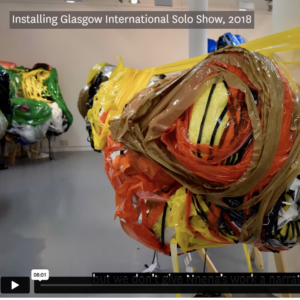
Explore artist Nnena Kalu

Explore artist Nnena Kalu


To Colour….


One Material: Sea Sculptures from Plastic Bottles


Exploring the Sculptural Possibilities of Plastic Milk Bottles


Sensory Spaces: An Autism-Friendly Project

To Connect


At the beginning of the project it was important to take time getting used to each other, the learning space and the surrounding environment. Below is a list of considerations you may find helpful to use in your own learning spaces. Be aware of the daily sounds, smells and other textures of life in your learning space; a constant humming noise or flickering light may be stressful for a child with autism. Allow time for everyone to feel their way in the space; connections may be made through the use of different senses and body parts.

At the beginning of the project it was important to take time getting used to each other, the learning space and the surrounding environment. Below is a list of considerations you may find helpful to use in your own learning spaces. Be aware of the daily sounds, smells and other textures of life in your learning space; a constant humming noise or flickering light may be stressful for a child with autism. Allow time for everyone to feel their way in the space; connections may be made through the use of different senses and body parts.

To Conceal


During the six week project, the group explored different themes and actions, some of these were displayed through learning schemas. In week 2 we experimented with different ways to conceal ourselves and objects; schemas such as enveloping and enclosure were exhibited by the group.

During the six week project, the group explored different themes and actions, some of these were displayed through learning schemas. In week 2 we experimented with different ways to conceal ourselves and objects; schemas such as enveloping and enclosure were exhibited by the group.

To Colour

Two of the sessions explored the theme of colour. The first was rather abstract, I asked questions such as; What does colour smell like? What does colour feel like?
For a child on the autistic spectrum, a question like this may be confusing, some autistic people think and understand literally. So instead of directing these questions at the children, I answered and speculated on them myself. These abstract questions became vehicles for the workshops documented below.

Two of the sessions explored the theme of colour. The first was rather abstract, I asked questions such as; What does colour smell like? What does colour feel like?
For a child on the autistic spectrum, a question like this may be confusing, some autistic people think and understand literally. So instead of directing these questions at the children, I answered and speculated on them myself. These abstract questions became vehicles for the workshops documented below.

To Construct


In my final post on the project, I want to reflect on the theme of To Construct… looking at the different ways we constructed during the project. Please remember this is a personal and artistic reflection, based on the ideas I presented and the (emotional and physical) reactions and responses of the children and their families, who inspired changes and the development of the project as we experienced it.

In my final post on the project, I want to reflect on the theme of To Construct… looking at the different ways we constructed during the project. Please remember this is a personal and artistic reflection, based on the ideas I presented and the (emotional and physical) reactions and responses of the children and their families, who inspired changes and the development of the project as we experienced it.


To Conceal….

You May Also Like…

Talking Points: Linda BEll


Explore how Linda Bell creates sculptures


Explore how Linda Bell creates sculptures

Talking Points: Nnena Kalu


Explore artist Nnena Kalu


Explore artist Nnena Kalu


Making a Pocket Gallery

You May Also Like…

Pathway: The Art of Display

This is featured in the 'The Art of Display' pathway

This is featured in the ‘The Art of Display’ pathway

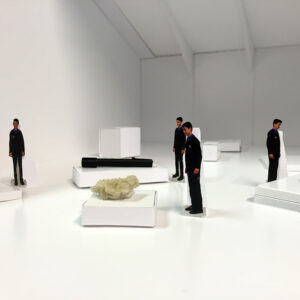
talking points: What is a plinth

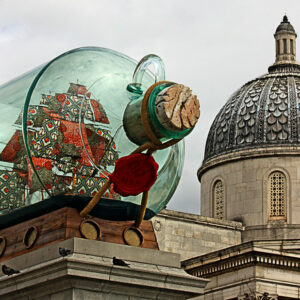
Yinka Shonibare's message in a bottle, Photograph by Feggy Art

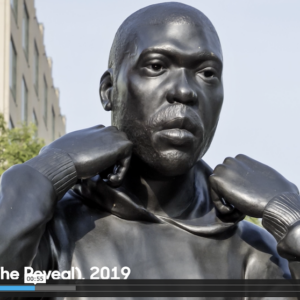
talking points: Thomas J Price

Ordinary Men: Interview with Thomas J Price https://vimeo.com/366788282