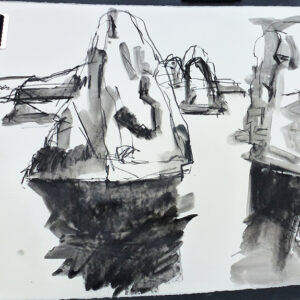
The word Aesthetic refers to how we perceive and appreciate beauty. It can also be used to reference principles underlying artistic movements or artists.
We all have our own preferred aesthetic, shaped by our experiences, likes, dislikes, and by our personalities, too.
As a teacher facilitating art with pupils, we need to be aware of when we allow our own aesthetic to weigh too heavily on the experience we offer the children. The best and most inspirational art teachers are usually those who nurture a sense of openness in children that crosses a wide range of styles, aesthetics, cultures, and opinions.
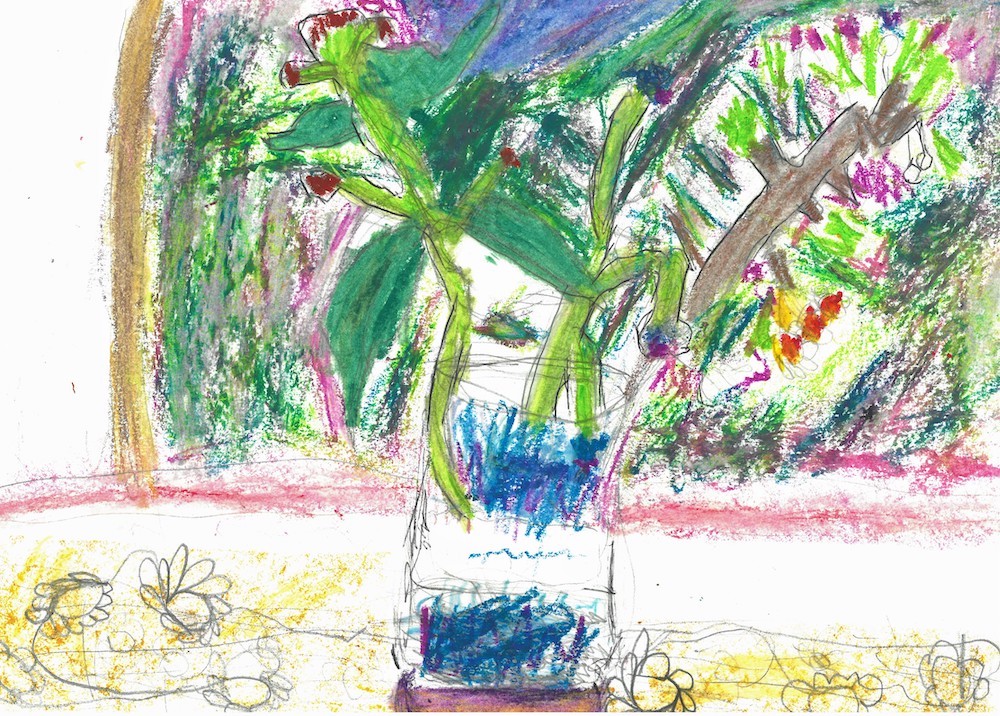
The Trouble With Aesthetics…
In our experience, the following areas can become problematic when a teacher has too strong a sense of their own aesthetic, which they project onto the pupils:
-
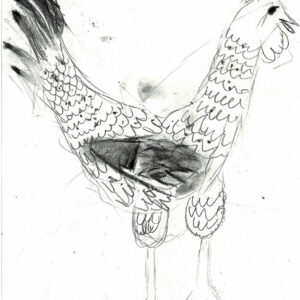
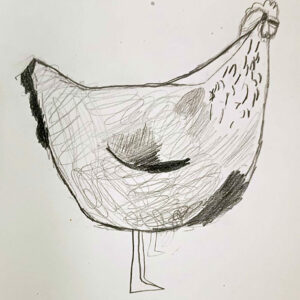
The messy scribbly child v the neat, accurate child
-
Assessment
-
Rigid outcomes
-
Fixed teaching as a result of fixed thinking
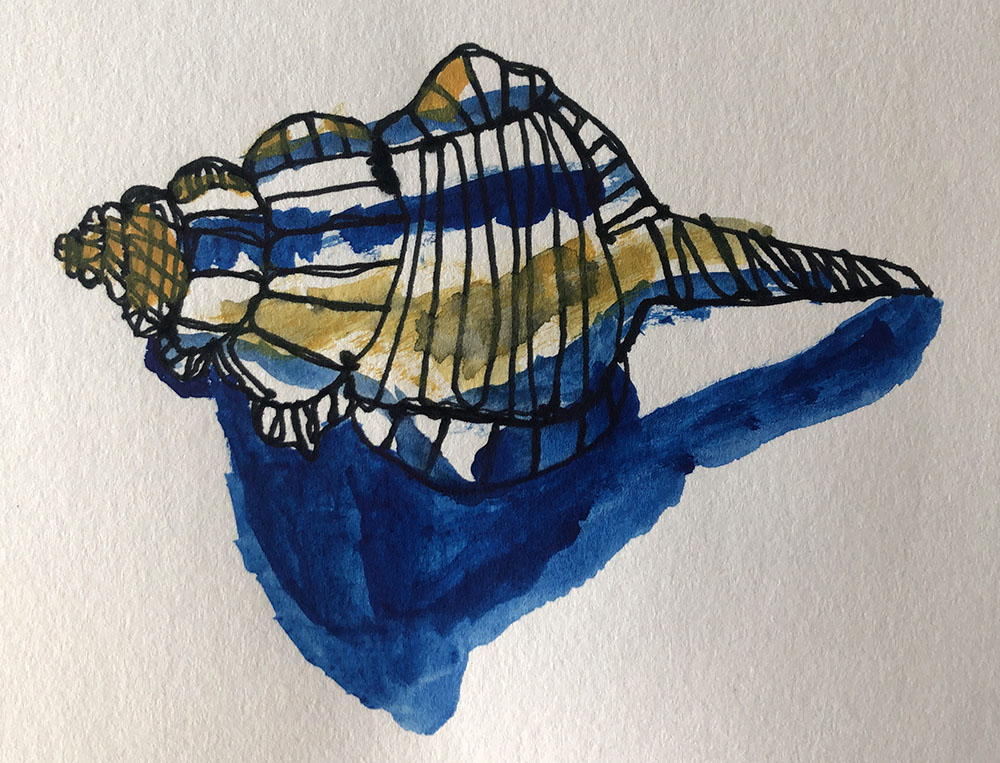
How Do We Make Sure We Facilitate With Openness?
Here are some important points to consider:
-
Attend InSet and visit galleries to build your own experience and confidence. This will widen your perspectives.
-
If you use tools like Pinterest, you will already be familiar with the kind of words you type in. Try to widen your keywords. Deliberately challenge yourself to expose yourself to new ways of working.
-
Always try the activity you are proposing before delivering it to others. Which bits do you enjoy? Where did you struggle? Why?
-
Help children understand that there are many different ways of being an artist. How might they experiment with materials? Are they a precise realist? Or an experimental mark-maker? Discipline skillsets also vary, and the benefit of giving them a range of opportunities is that they can find a way of working that works for them.
-
Devise and use warm-up exercises as a way of opening minds and establishing new ways of thinking about something – yourself included. Generally, when we experience, we begin a new understanding…
This is a sample of a resource created by UK Charity AccessArt. We have over 1500 resources to help develop and inspire your creative thinking, practice and teaching.
AccessArt welcomes artists, educators, teachers and parents both in the UK and overseas.
We believe everyone has the right to be creative and by working together and sharing ideas we can enable everyone to reach their creative potential.
You Might Enjoy…
“The Walls Are Dancing” By Architect Anna Heringer.
Anna share the thinking behind a community created building in Bangladesh.
You May Also Like…
Pathway: Architecture- Dream big or small?
Talking Points: Tiny houses
Drawing Source Material: Amazing Architectural Homes
See This Resource Used In Schools…
You Might Also Like….
Pathway: Exploring Still Life
Talking Points: Paul Cezanne
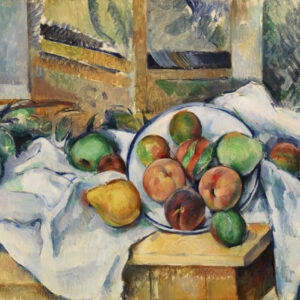
talking points: Contemporary still life
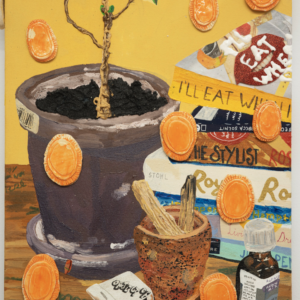
talking points: Flemish and Dutch Still Life Painters

You May Also Like….
Pathway: Playful Making
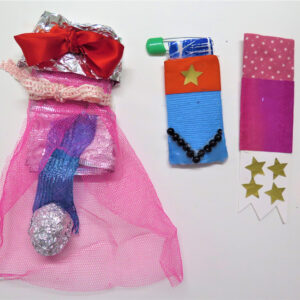
Talking Points: Linda BEll
Talking Points: Nnena Kalu
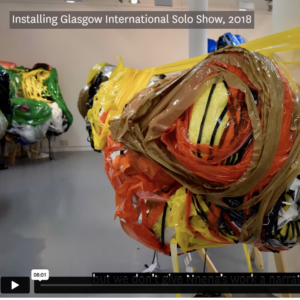
Talking Points: Introduction to sculpture
You May Also Like…
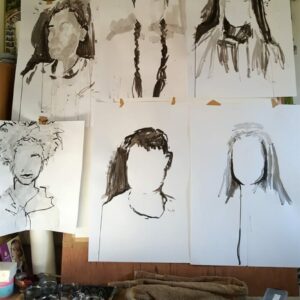
Visual Arts Planning Collections: Portraits
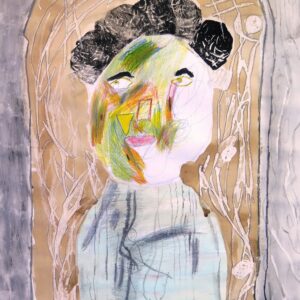
project 13
See This Resource Used In Schools…
You May Also Like…
Pathway: Mixed Media Land and city scapes
Talking Points: Vanessa Gardiner
Talking Points: The Shoreditch Sketcher
Talking Points: Kittie Jones