Ofsted are Coming Tomorrow!

By Sue Brown

The words every teacher dreads….. Ofsted are coming tomorrow! As an art teacher, the dread was even more real now that the Ofsted Framework has changed to include more of a focus on Foundation subjects! Our school had been expecting an imminent visit since the summer, so, to be honest, I was quite relieved when we finally got the call so we could show what a great school we were, and that the wait would be over. Obviously I was less relieved when I heard they would be doing a Deep Dive into Art! So along with History, PSHE, Maths and Reading, we braced ourselves.
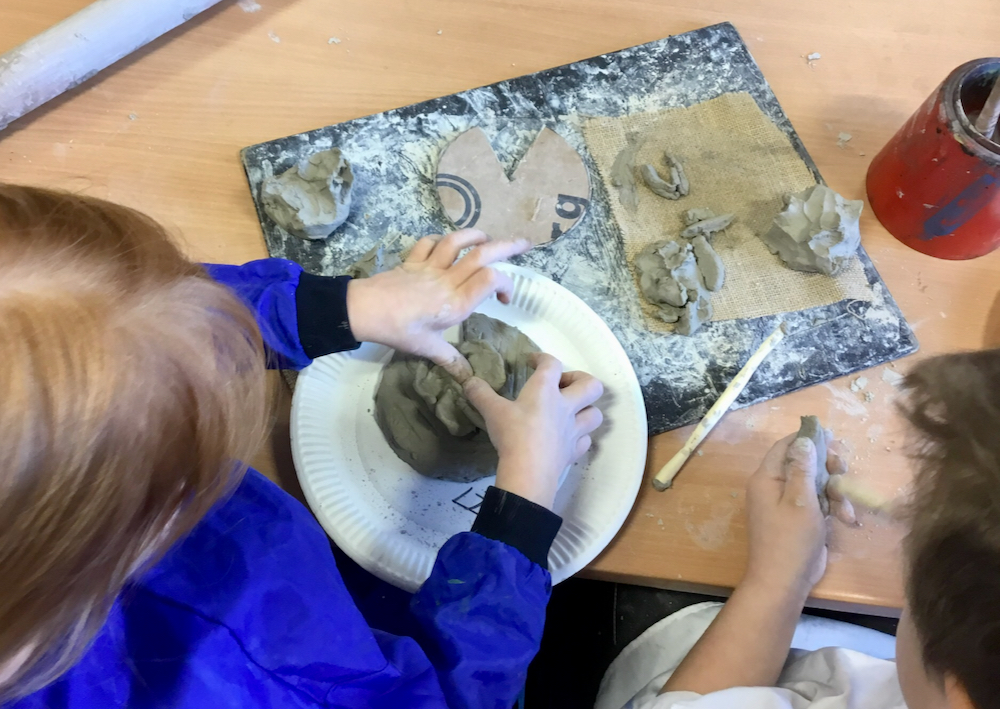
Image of a year one pupil's hands working with grey school clay pushing their thumbs into the damp clay
Year One Waterlilies using a template

Being part of a large academy primary school our staff work closely together to ensure that our Long Term Plan is full of cross-curricular enrichment, as well as core subjects. Working closely with our music lead, I plan and deliver the Art and Design curriculum to 560 students a week from Y1 to Y6 streamlining with the topic focus. Lessons last for 1 hour and can range from one-off technical skills to 3-4 week projects. We try as much as possible to create lessons that will embed the classroom learning – whether it’s literacy, history, geography, RE, maths, and science. We start by looking at the skills and knowledge from our progression maps, sometimes linking them with the Power of Reading books to gain inspiration for art and music, such as The Firebird in Y3 or Shackleton’s Journey in Y5. The ideas are combined to create an engaging curriculum. Although I am not a DT specialist, I do integrate some DT skills within every year group.
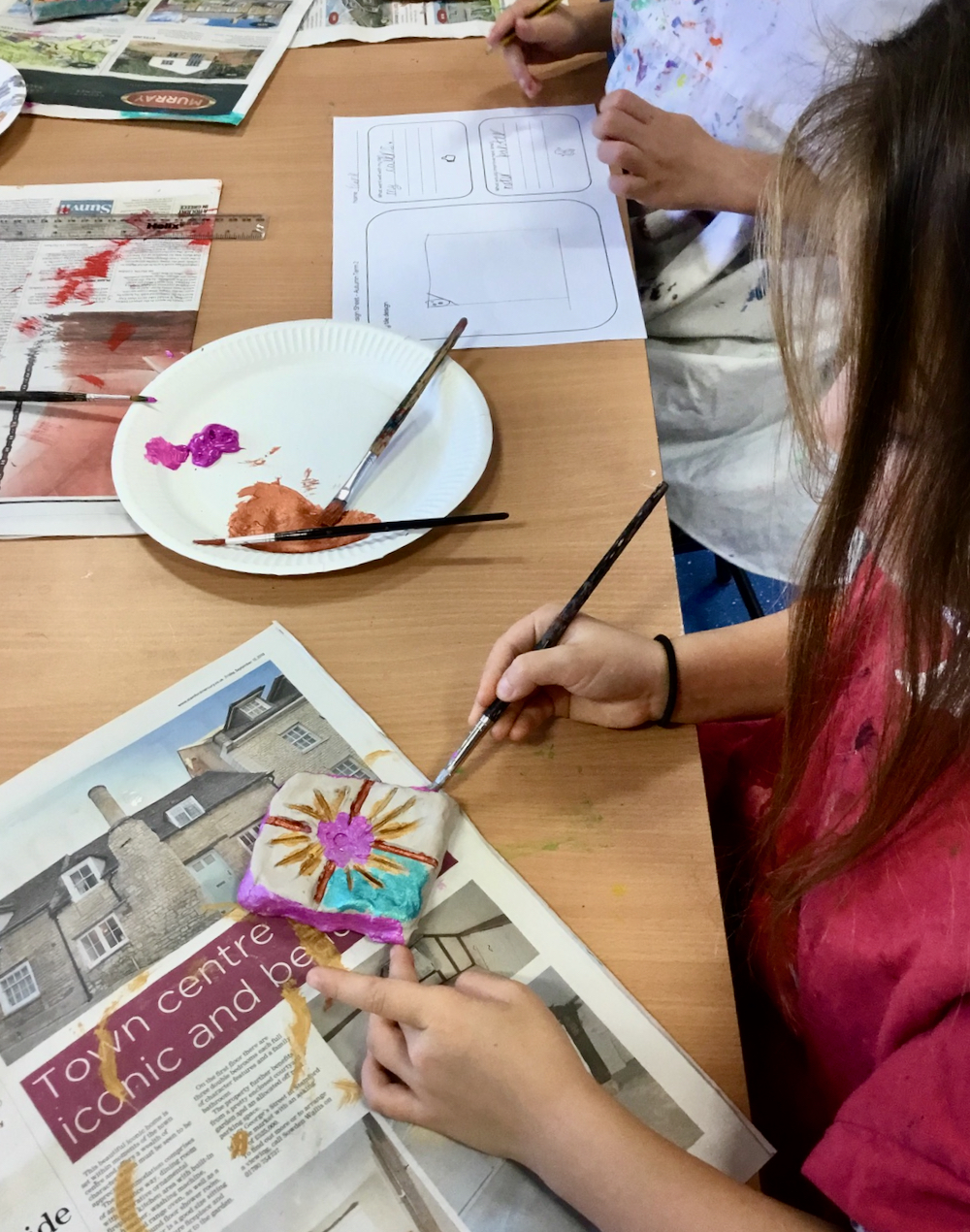
A Year Two Pupil painting with school paint on unfired clay in a classroom taught by Sue Brown
Year Two Pupils at work

So, having given our timetables to the inspectors, we were allocated interview and observation timings. I was interviewed for about 40 minutes in the morning, was observed in my teaching of Y3 creating clay Diva lamps and interviewed again at lunchtime about the lesson. A group of Y3 children were also interviewed separately and I met with an inspector again after school when she looked at a selection of artwork and sketchbooks from other year groups.

In the first interview there were general questions about the art curriculum and how it fits in with the wider school but mainly questions about how the curriculum develops the children’s skills and knowledge throughout the year and also throughout their wider school life. She wanted to know how lessons were planned to include age-appropriate skills (as per my progression map) and how they were implemented. I referred to my progression map in the interview to show how each year group’s skills were built on each year.
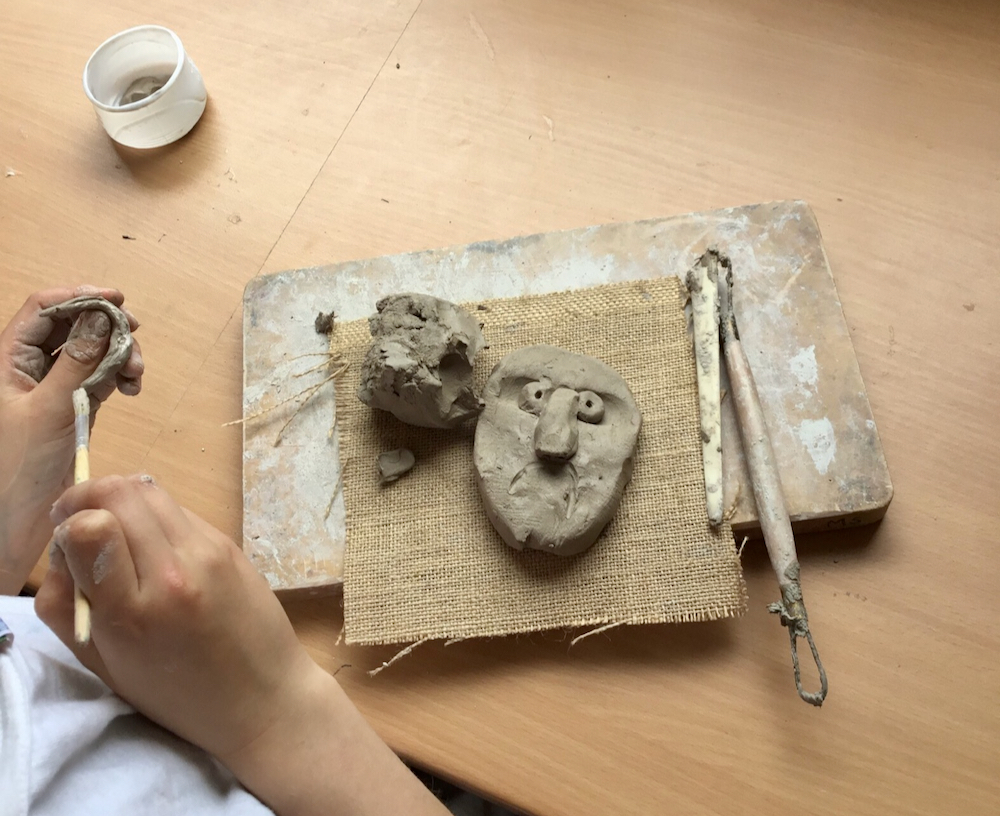
A clay head being created on a school table top by a Year Four pupil with school clay and wooden tools
A Year Four pupil at work

As we were using clay that day, I discussed the progression from simple waterlilies using templates and tree faces using natural materials in Y1 to thumb pot owls and impress patterned tiles in Y2 to moulded and decorated Diva lamps and coiled Wassail Cups in Y3. Older children then use their knowledge of moulding and joining clay in later years to create, for example, Viking heads, pots with lids and model figures.
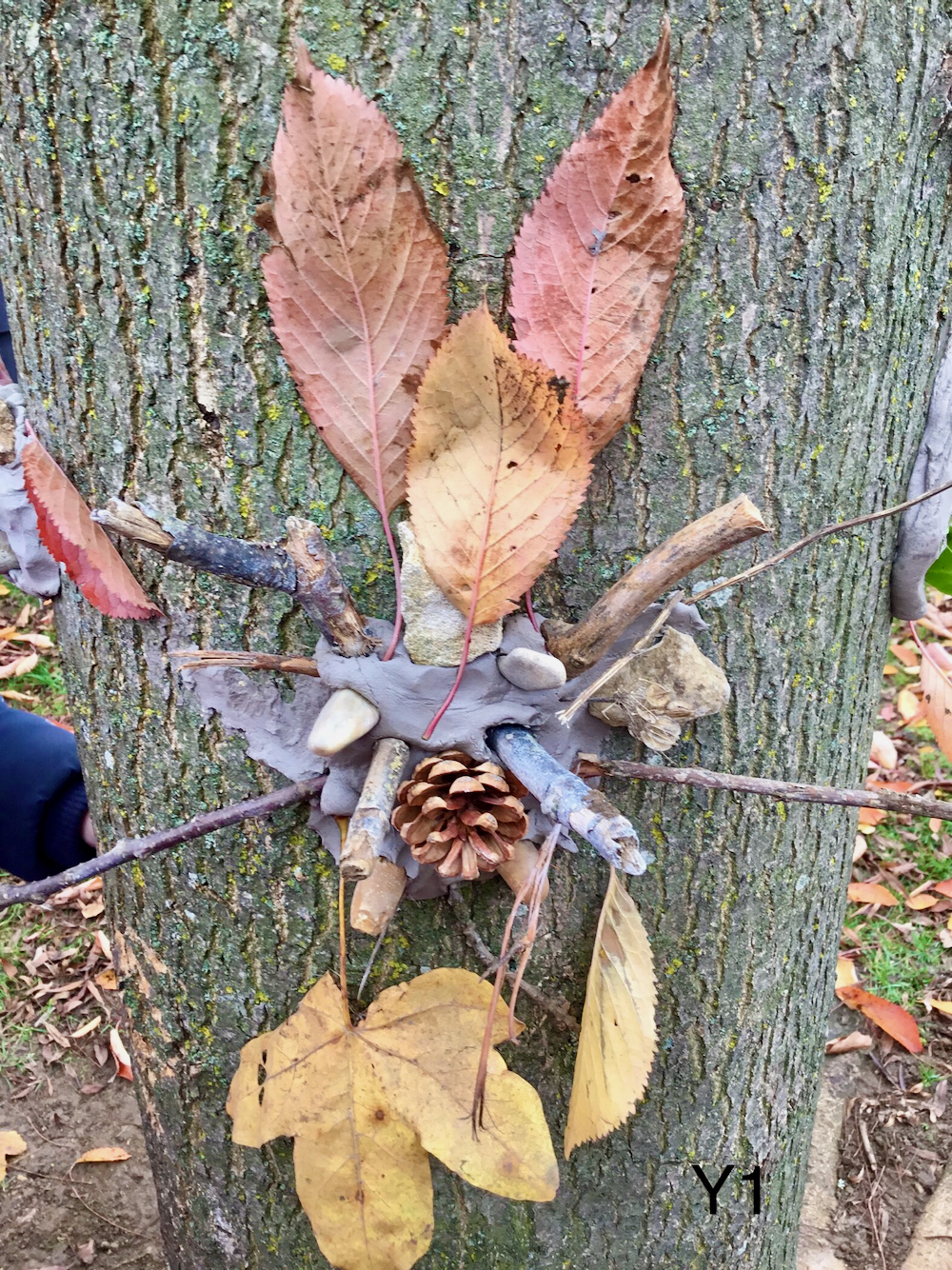
Nature art made with clay, leaves and sticks stuck to a tree with clay by a year One pupil being taught by teacher Sue Brown
Year One Tree faces using natural materials

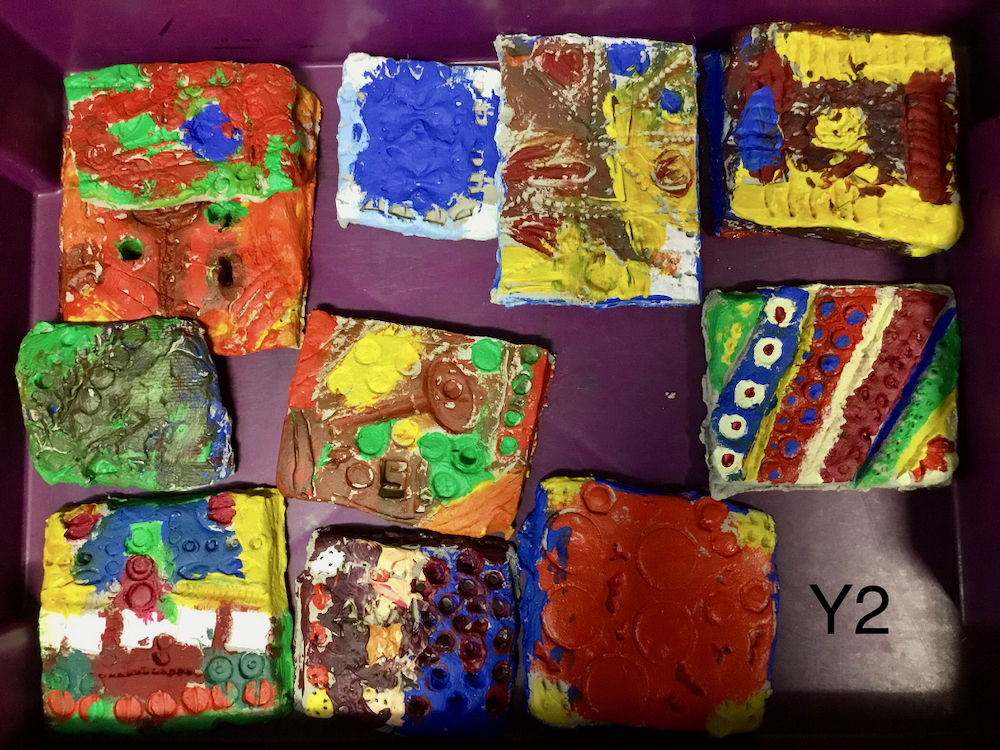
A selection of clay tiles which has been colourfully painted by Year Two Pupils
Year Two impress patterned tiles

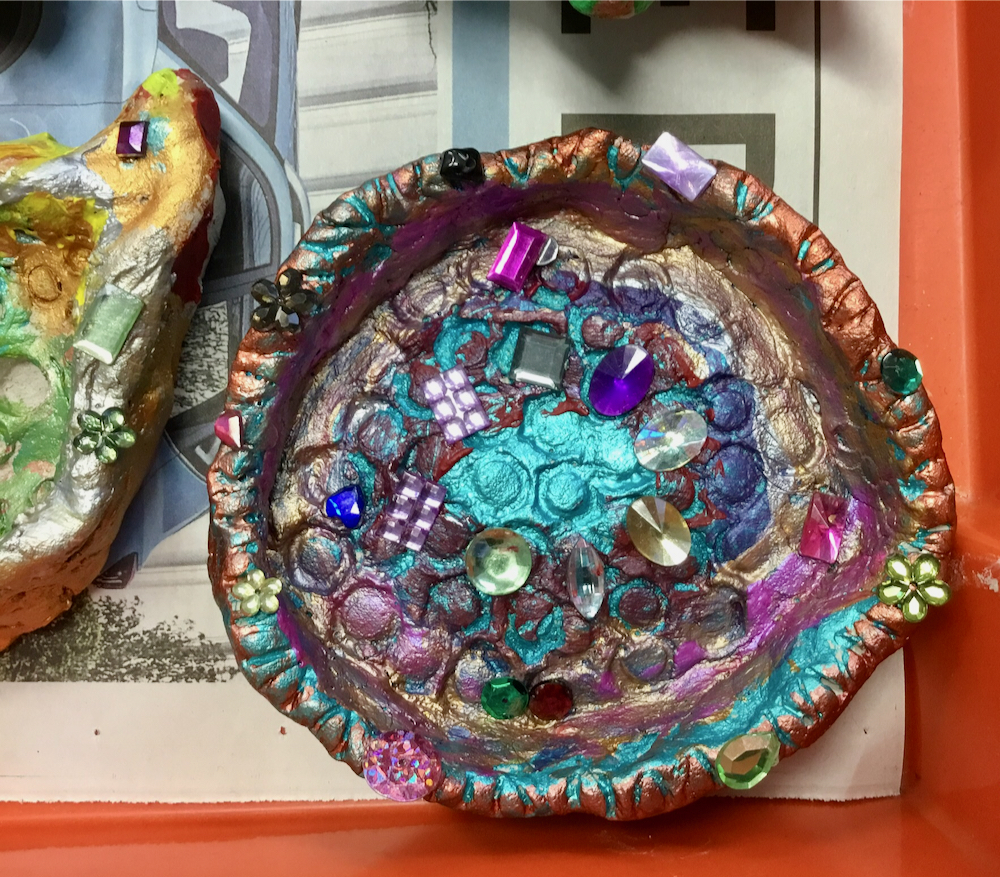
Colourful clay tray decorated with paint and coloured jewels made by a year three pupil
Year Three Diva lamps

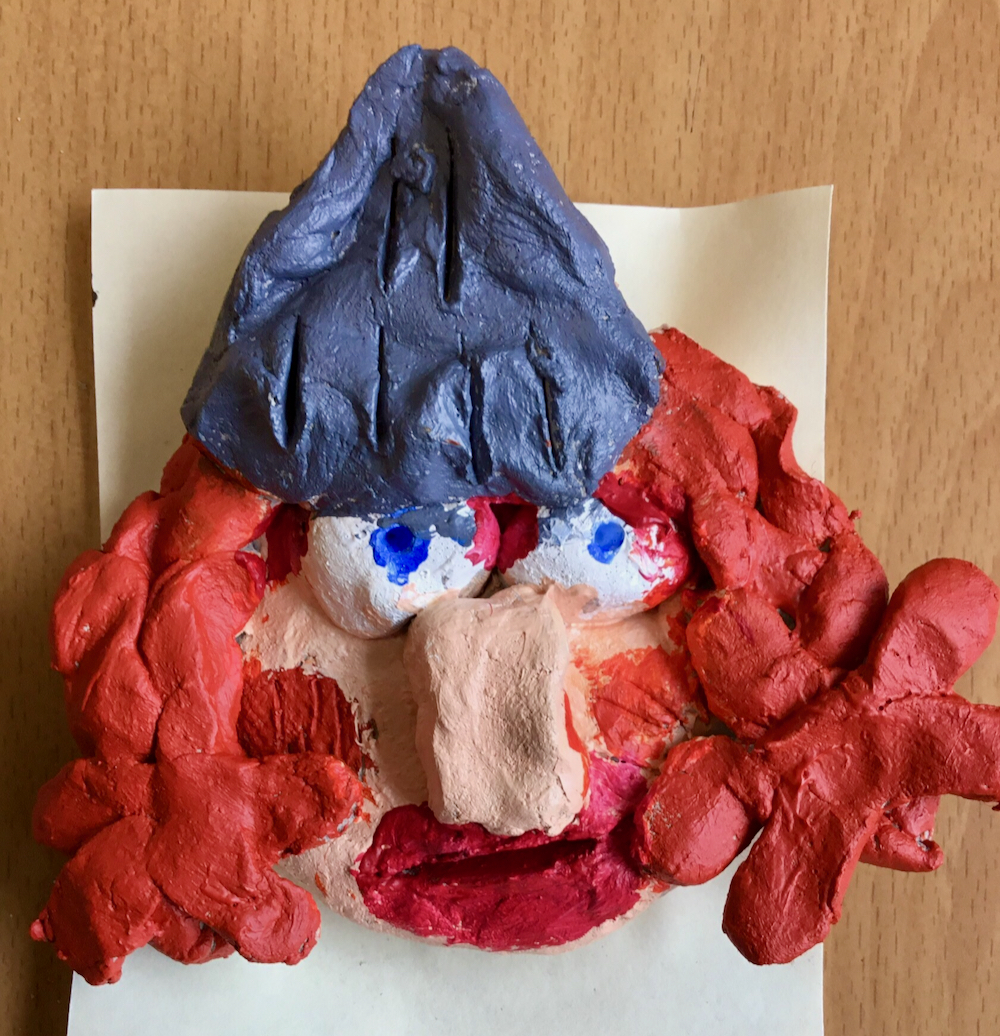
A clay Viking made in clay and painted with orange, curly hair, a large, pink nose, blue eyes and metallic, grey helmet, made by a year four pupil taught by art teacher Sue Brown
Year Four Viking heads

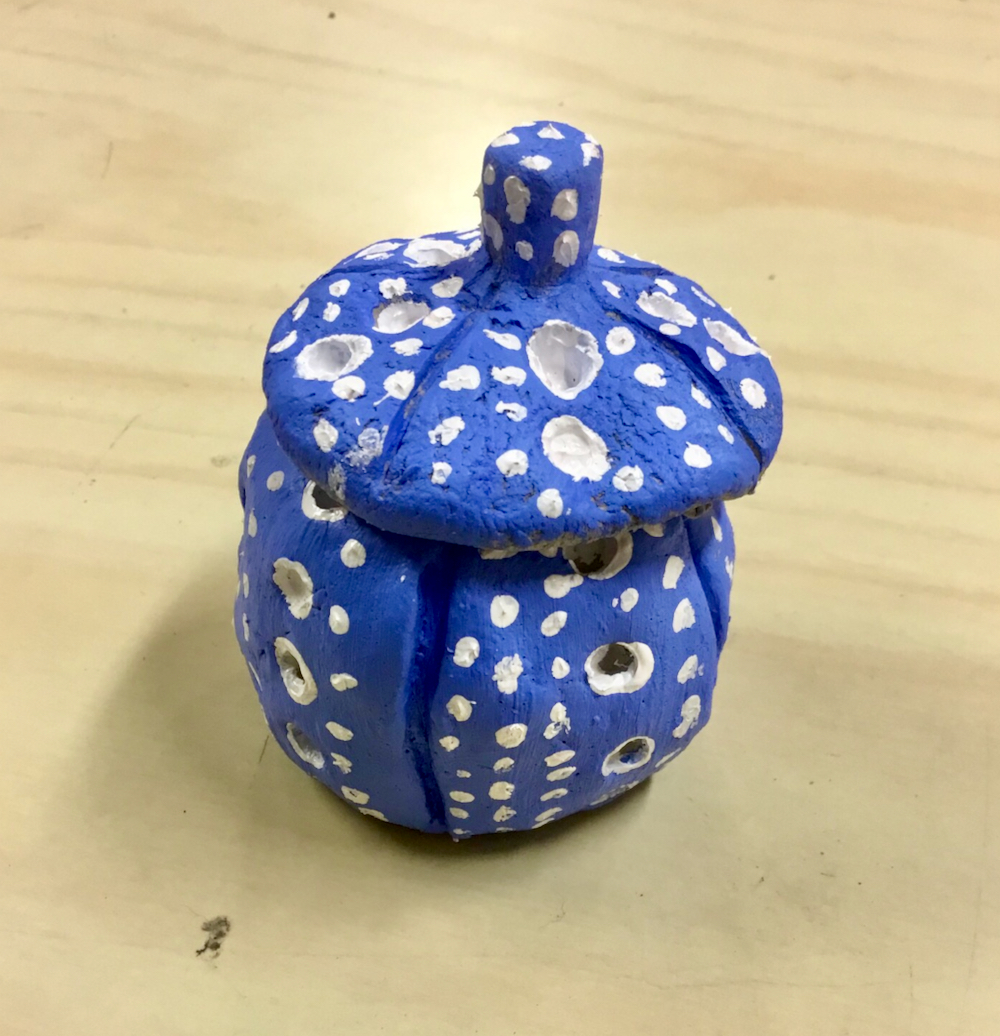
A blue pot with a lid painted with a shiny, light blue background decorated with white spots by a Year Six pupil
Year Six pots with lids


We discussed briefly how I assess the children’s work through metacognitive discussion during the lesson, giving guidance and advice. We also self-assess and peer assess during and at the end of larger projects.

I talked a lot about my role and how I had developed the art curriculum over the past year or so, where I got ideas (AccessArt, NSEAD, Gomersal Primary School and Paul Carney Arts), and how I knew that skills and knowledge were being retained.

During the lesson observation, she talked briefly to the children and then met with me afterwards. She asked why this lesson was at this particular time in the term, how it linked to clay work they had previously done and what skills I thought they would gain to progress forwards to the next project. She asked if I differentiated for the SEND child in the class and if TA’s had any training on the techniques I was teaching.
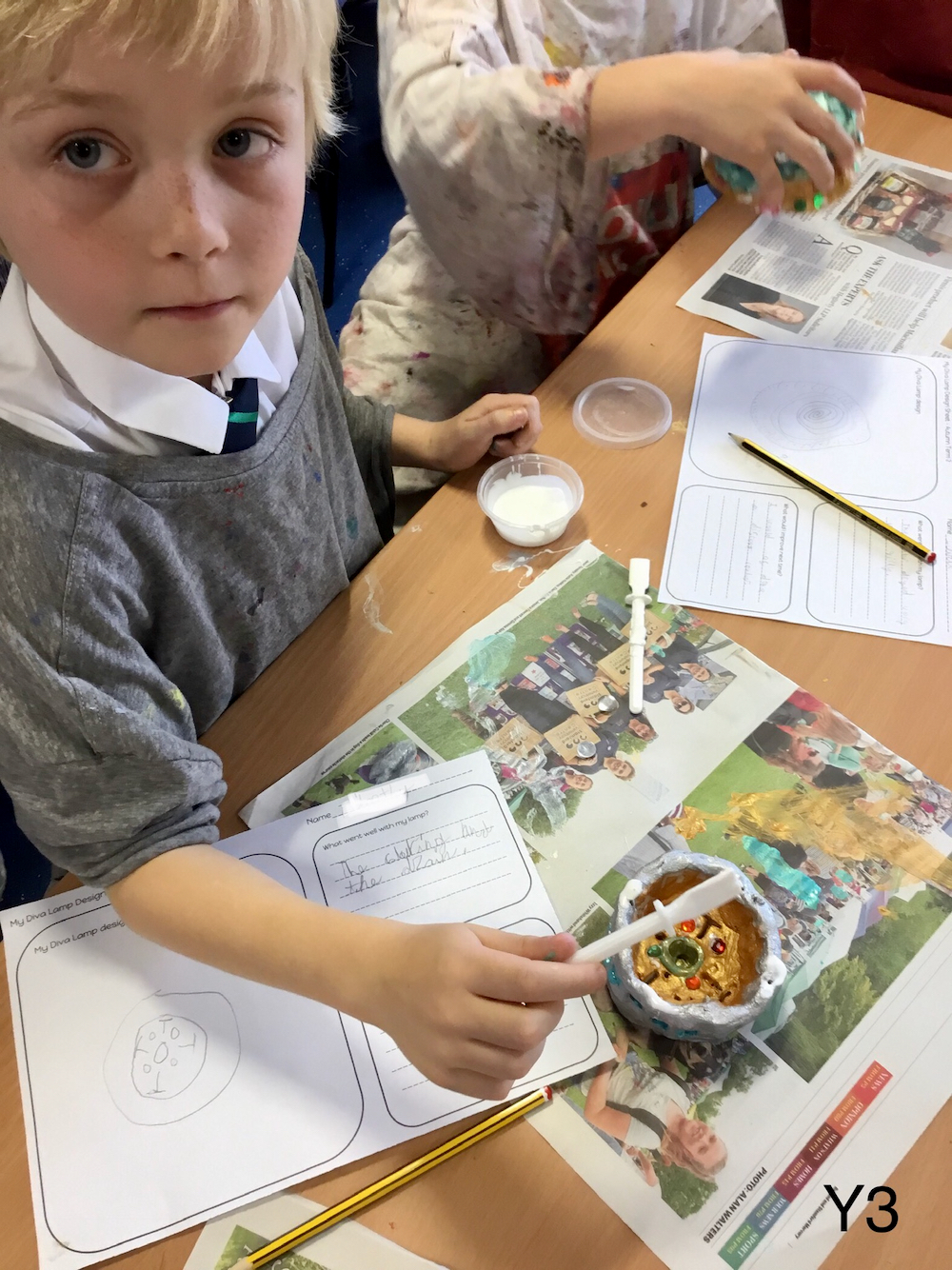
An unknown boy working with glue and paint to decorate a clay pot that he has made with sketchbook pages with his design ideas
A Year Three pupil at work

She took 5 children from the class I had taught along with their sketchbooks and interviewed them separately. She asked them about the observed lessons and about art lessons in general but I had no feedback on what the children said!

I then selected a variety of work that had been stored from our Exhibition last summer and current sketchbooks. I discussed the reasoning behind certain pieces, how ideas were driven by skills knowledge and then enhanced by cross-curricular links. Particularly, I focussed on the teaching of colour theory as certain pieces showed how this is developed over year groups. Everything from cool and warm colours with Y1, using inks for autumn colours with Y3, to how many greens can you make in Y5.
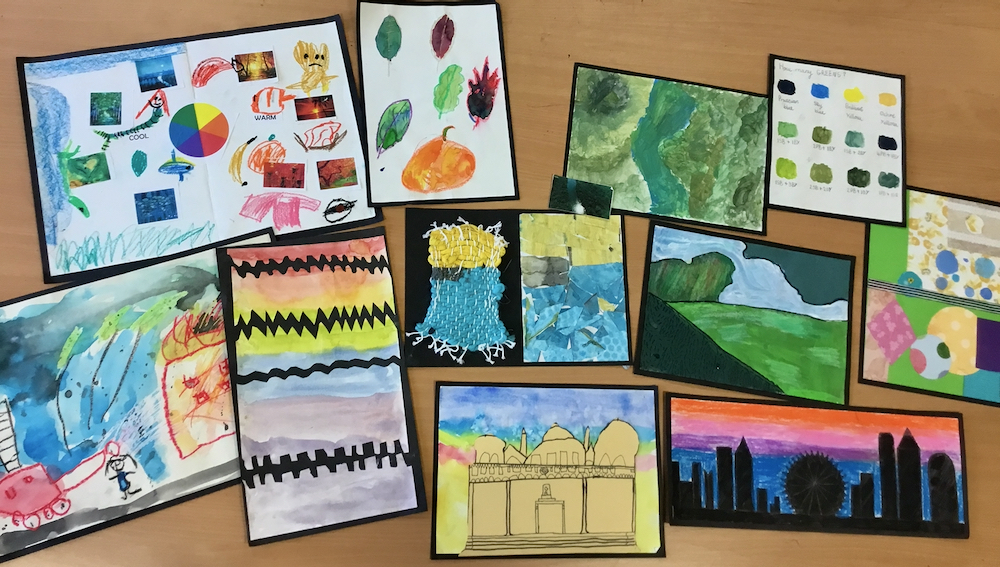
A selection of colourful paintings by children from years two until five of varying ability
Colour work from Year One to Year Six

If I was to offer advice as to how you could prepare for an Ofsted Deep Dive, I would recommend that you are well prepared for the comprehensive questioning about specific skills, progression and have to hand what you might need to evidence this. Make sure you have your Long Term Plan and that you can discuss how it is cross-curricular, have your Progression Map (showing skills, knowledge, and sequential learning), your Medium Term Plan (or lesson plans) and examples of work from several year groups. Most of all breathe, be passionate about your subject and good luck!


About Sue Brown

“I have been Head of Art and Design at Malcolm Sargent Primary School for 2 years, after sharing the job with colleagues previously. I actually started working at the school as a volunteer in 2003, when my children were beginning their school life subsequently qualifying as a TA and then achieving HLTA status in 2008. I was nominated by the school for HLTA of the Year and after winning the East Midlands regional competition I went on to be awarded overall national winner in 2016. Although I loved my job as an HLTA within school, it was time for a change and when the possibility came up for me to help teach Art and Design, I jumped at the chance. Since then I have built the department, curriculum, planning and progression to what it is today – a fun, exciting, cross-curricular subject for all the children from Y1 to Y6. I am learning all the time and although my formal art qualification only reached A’ level, I have always been passionate about the subject and how I can make it accessible to my pupils so that they may enjoy art and be inspired by artists, as I have, throughout their lives.” Sue Brown


About Our School

Malcolm Sargent Primary School is a large Primary School based in the historic market town of Stamford, Lincolnshire. We aim to provide the best all round education for children. Collectively, Our approach is called “The Malcolm Sargent Way” and is centred on our three core values:

·Engage & Inspire: Our pupils are inspired and motivated by the learning opportunities which have been created for them.

·Nurture & Growth: Everyone seeks to improve, develop and share; not because we are not good enough, but because we can all be even better!

·Pride & Joy: We take pride in our achievements and this is evident in what we do and how we do it.

The staff team strives to provide an exciting and engaging curriculum, rich in opportunities for children, to further their interests and expertise. Of particular note is our emphasis on music, sport, and art. Unusually, for a primary school, we are proud to be able to employ specialist staff in these areas, similar to a secondary school, and the standards we achieve in these more vocational subjects, together with the core curriculum subjects, is exceptional.

Most of all, however, we recognise that all of our children are unique; each possessing different skills and abilities. Our values help us to nurture each individual child to be happy, to achieve, and to have fun during their seven years with us, helping each of our pupils to achieve their full potential and to grow up as happy and balanced individuals.
This is a sample of a resource created by UK Charity AccessArt. We have over 1500 resources to help develop and inspire your creative thinking, practice and teaching.

AccessArt welcomes artists, educators, teachers and parents both in the UK and overseas.

We believe everyone has the right to be creative and by working together and sharing ideas we can enable everyone to reach their creative potential.


Teaching Art to Year Three by Jan Miller: Collection Page


A Year of Art Lessons with Year 3 – Introduction


Guided Sessions: Benefits and Practicalities


Gathering Marks and Tearing Paper to Appreciate Prints by Goya, Turner and Cornelius at the Fitzwilliam Museum, Cambridge

Related Posts

Teachers Explore ‘Line and Shape’ at the Fitzwilliam Museum, Cambridge with AccessArt

See all the blog posts from AccessArt's InSET in collaboration with the Fitzwilliam Museum. Find top Museum Education practice with practical, hands on learning in Fine Art disciplines including: drawing, printmaking, sketchbooks, collage and sculpture. See all the blog posts from AccessArt’s InSET in collaboration with the Fitzwilliam Museum. Find top Museum Education practice with practical, hands on learning in Fine Art disciplines including: drawing, printmaking, sketchbooks, collage and sculpture.

Monoprinting with Oil Pastel and Carbon Copy Paper

Join Paula Briggs to see how children enjoy the element of surprise when monoprints made with carbon paper paper are revealed. Join Paula Briggs to see how children enjoy the element of surprise when monoprints made with carbon paper paper are revealed.

Using Sketchbooks to Inform Larger Work

See how teenagers make large, torn collages on A1 paper with Sheila Ceccarelli See how teenagers make large, torn collages on A1 paper with Sheila Ceccarelli


Making Sculptural Interpretations of 18th Century Portraits at the Fitzwilliam Museum, Cambridge

Related Posts and Resources

Teachers Explore ‘Line and Shape’ at the Fitzwilliam Museum, Cambridge with AccessArt

See all the blog posts from AccessArt's InSET in collaboration with the Fitzwilliam Museum. Find top Museum Education practice with practical, hands on learning in Fine Art disciplines including: drawing, printmaking, sketchbooks, collage and sculpture. See all the blog posts from AccessArt’s InSET in collaboration with the Fitzwilliam Museum. Find top Museum Education practice with practical, hands on learning in Fine Art disciplines including: drawing, printmaking, sketchbooks, collage and sculpture.

Launched! Make, Build, Create: Sculpture Projects for Children!

Published by Black Dog London (April 2016), Make, Build, Create aims to remind us of the importance and pleasure of making. Make, Build, Create is a practical, beautiful and uplifting book which contains 24 fully illustrated sculpture projects for children, plus information on tools and materials that will enable a creative and open-ended exploration of key sculptural ideas. Published by Black Dog London (April 2016), Make, Build, Create aims to remind us of the importance and pleasure of making. Make, Build, Create is a practical, beautiful and uplifting book which contains 24 fully illustrated sculpture projects for children, plus information on tools and materials that will enable a creative and open-ended exploration of key sculptural ideas.


Using Drawing to Get Closer to 18th Century Portraits at the Fitzwilliam Museum, Cambridge

You May Also Like…

Teachers Explore ‘Line and Shape’ at the Fitzwilliam Museum, Cambridge with AccessArt

fitz-making-18

Drawing and Making Flowers

Turning drawings into flowers using mixed media

Drawing and Making: Drawing to Feed Making – Making to Feed Drawing

Drawing and Making: processes feeding each other


Making Sketchbooks at the Fitzwilliam Museum, Cambridge

Related Posts

Teachers Explore ‘Line and Shape’ at the Fitzwilliam Museum, Cambridge with AccessArt

See all the blog posts from AccessArt's InSET in collaboration with the Fitzwilliam Museum. Find top Museum Education practice with practical, hands on learning in Fine Art disciplines including: drawing, printmaking, sketchbooks, collage and sculpture. See all the blog posts from AccessArt’s InSET in collaboration with the Fitzwilliam Museum. Find top Museum Education practice with practical, hands on learning in Fine Art disciplines including: drawing, printmaking, sketchbooks, collage and sculpture.

Making Sketchbooks: An Introduction

Simple Approaches to Making Sketchbooks by Paula Briggs Simple Approaches to Making Sketchbooks by Paula Briggs

Artist Aurora Cacciapuoti Introduces Japanese Bookbinding

Artist Aurora Cacciapuoti demonstrates, step by step, how to bind a sketchbook Artist Aurora Cacciapuoti demonstrates, step by step, how to bind a sketchbook


Thoughtful Drawing and Mark Making in the Armoury at the Fitzwilliam Museum, Cambridge

Related Posts and Resources

See all the blog posts from AccessArt's InSET in collaboration with the Fitzwilliam Museum. Find top Museum Education practice with practical, hands on learning in Fine Art disciplines including: drawing, printmaking, sketchbooks, collage and sculpture.

Teachers Explore ‘Line and Shape’ at the Fitzwilliam Museum, Cambridge with AccessArt

See all the blog posts from AccessArt’s InSET in collaboration with the Fitzwilliam Museum. Find top Museum Education practice with practical, hands on learning in Fine Art disciplines including: drawing, printmaking, sketchbooks, collage and sculpture.

Thoughtful Mark Making

Look at this post to see how pupils aged 6 to 10 respond to a similar mark making exercise led by Paula Briggs. Look at this post to see how pupils aged 6 to 10 respond to a similar mark making exercise led by Paula Briggs.

Drawing Projects for Children by Paula Briggs

Published by Black Dog Publishing London, Drawing Projects for Children is a beautifully illustrated collection of activities that will expand the mark making abilities and imagination of children of all ages, and help fuel their passion for drawing. The book features a collection of drawing exercises and projects taken from the AccessArt website, presenting them in a beautiful and inspirational format. Published by Black Dog Publishing London, Drawing Projects for Children is a beautifully illustrated collection of activities that will expand the mark making abilities and imagination of children of all ages, and help fuel their passion for drawing. The book features a collection of drawing exercises and projects taken from the AccessArt website, presenting them in a beautiful and inspirational format.


Jan Miller: Our “Talented Art Teacher” Winner!

In 2016 AccessArt launched the Children’s Art Competition, supported by Cass Art. Amongst the categories for children we had one for teachers, to acknowledge all the hard work and dedication we know you put in to inspiring and enabling children.

Thank you to all the teachers who entered – you filled us full of enthusiasm and passion!

We’re very pleased to announce the winner: Jan Miller from Moreton Hall School in Oswestry. Congratulations Jan!

Jan impressed us with the sheer energy and range of her work with the children – we’re sure the snapshot of images below will give you a flavour of the work she submitted. We hope Jan will be collaborating with AccessArt very soon to create some resources for us, so watch this space!

Jan Miller – Talented Teacher Award


“I completed my degree in Illustration at Kingston University followed by a PGCE at UCL. I have almost 20 years experience of teaching Art, across the full primary and secondary age spectrum. My interests particularly lie in the students’ development of observational drawing and mixed media. I strongly believe in the use of personal sketchbooks at all levels. I expect the older students to have the same confidence and spontaneity as their younger counterparts. Similarly, I encourage the younger pupils to develop large work, over several sessions, alongside the older students. For several years I have been the Art Editor for SATIPS, a prep school magazine, to inspire Art teachers nationwide. I have recently developed Able, Gifted and Talented sessions for my own students and have extended this to a biannual event to other schools.”


Now We Are Back


Creativity Session at Spinney Primary School


Doppleganger Drawing


Drawing for Science, Invention & Discovery Even If You Can’t Draw by Paul Carney


Visualisation Drawing


Adaptation Drawing


Trial and Error Drawing


Methodical Drawing


Serendipity Drawing


#CreativeJourneys