A Visual Poetry Zine with Monotype

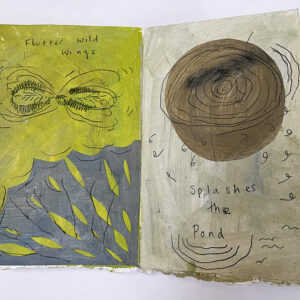
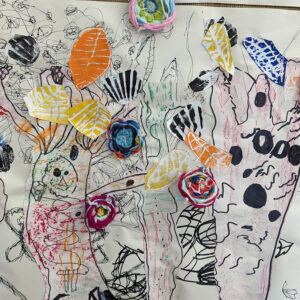
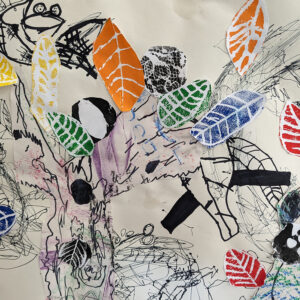
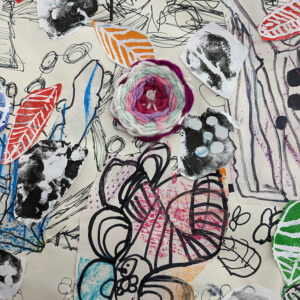
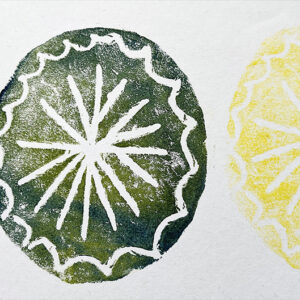
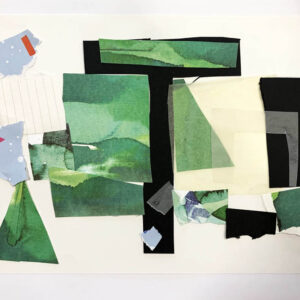
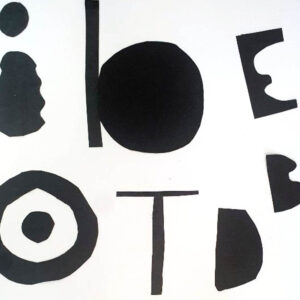
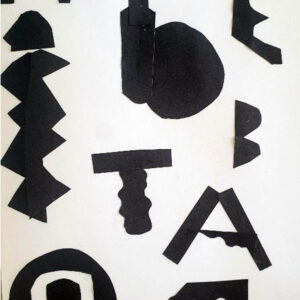
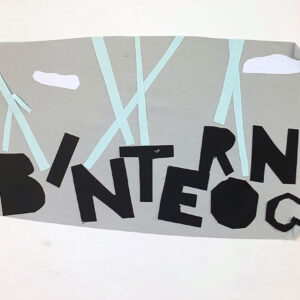
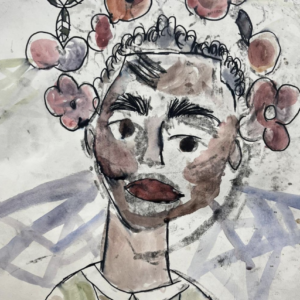
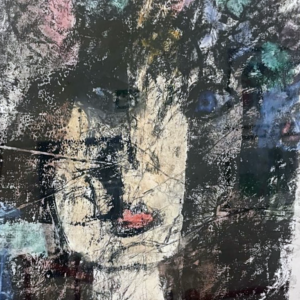
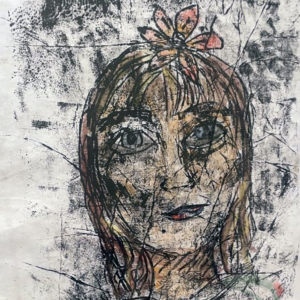
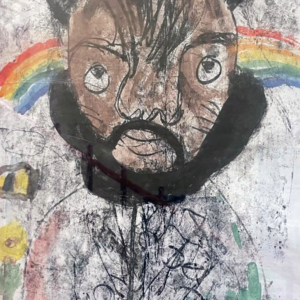
This post shares the making of a visual poetry zine, using collage and monotype.

The activity provides lots of space for visual interpretation/personal creative response to poetry or even film. It also provides an opportunity for a more intuitive exploration of colour, line and shape, as well as space for an exploration of the relationship between text and image on the page.
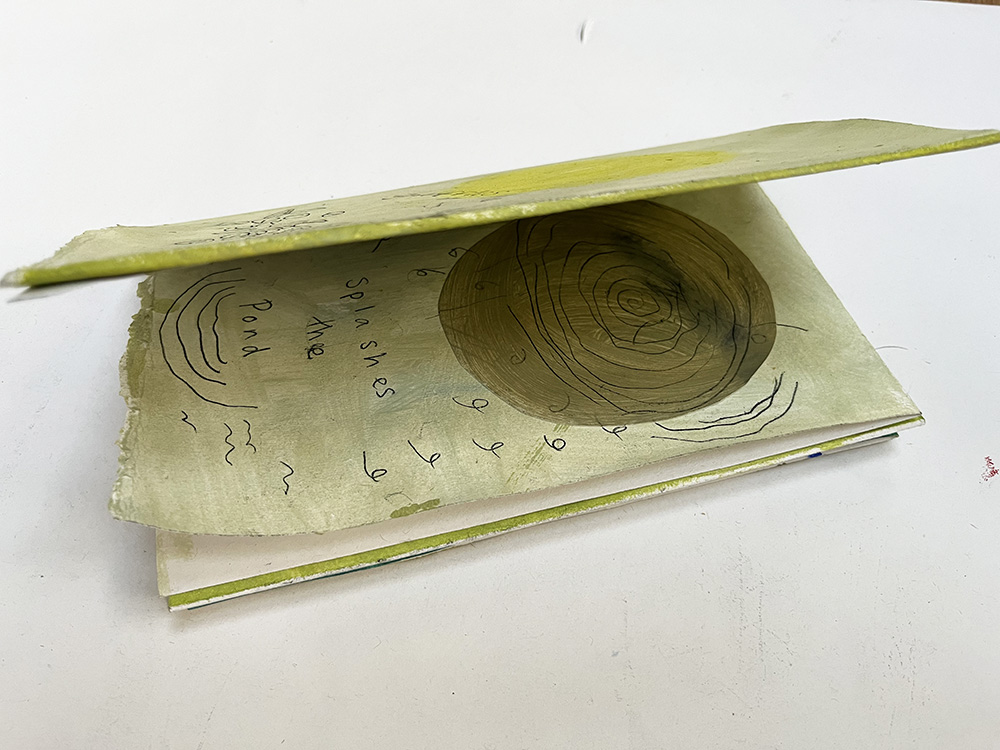
 

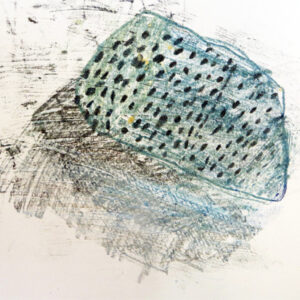
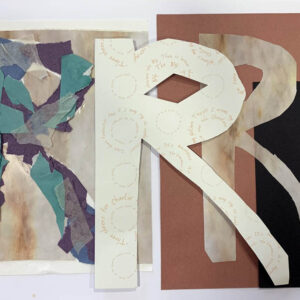
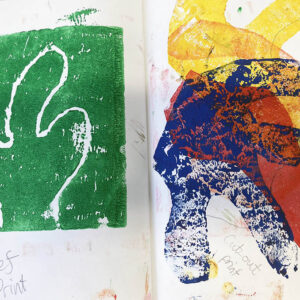
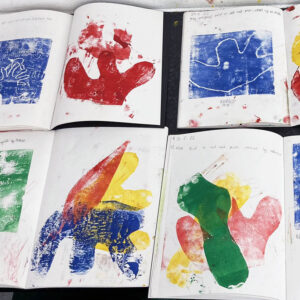
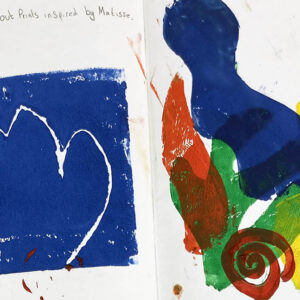
Monoprinted pages folded into zine

Materials

You will need:

  • A1 sheets of cartridge paper (1 per pupil).

  • Smaller sheets of paper (any type, such as cartridge or sugar paper, but not thin printer paper). These sheets are used to collage with.

  • Printer paper, to use to ink the monotype OR Carbon Copy paper.

  • Acrylic paints.

  • Printing ink (black or dark blue)*

  • Newsprint to protect the table.*

  • Rollers.*

  • Recycled cardboard as paint palettes.

  • Brushes, water.

  • PVA or glue stick.

  • * not needed if you use Carbon Copy paper method


To Begin


Please log in here to access full content.

Username
Password


Remember me
Forgot Password


To access all content, I would like to join as…
An Individual

Creative practitioners, educators, teachers, parents, learners…


An Organisation…

Schools, Colleges, Arts Organisations: Single and Multi-Users


AccessArt is a UK Charity and we believe everyone has the right to be creative. AccessArt provides inspiration to help us all reach our creative potential.


See This Resource Used In Schools…
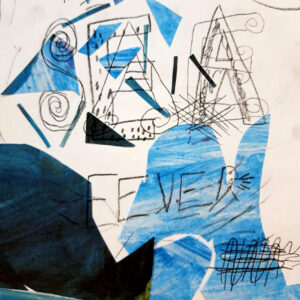
Littleport Community Primary School Year 5 Making Monotypes - these were inspired by Sea Fever the poem by John Masefield
Year 5, Heaton St Barnabas' C of E Primary School

You May Also Like…

Pathway: Making Monotypes

This is featured in the 'Making Monotypes' pathway

This is featured in the ‘Making Monotypes’ pathway

Talking points: What is a monotype?

Monotype Vimeo Screenshot

Talking Points: Kevork Mourad

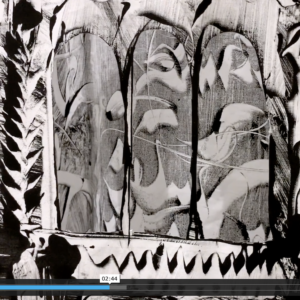
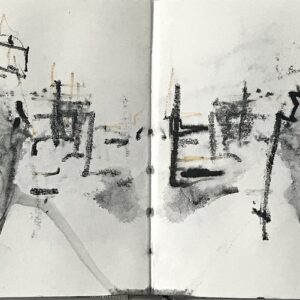
Kevork Mourad: the making of Seeing Through Babel https://vimeo.com/347106795


Print Foam – Making Relief Prints: Incised & Additive

See This Resource Used In Schools…
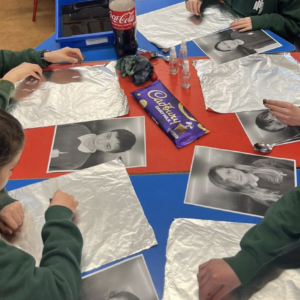
Year 1, Combs Ford Primary School
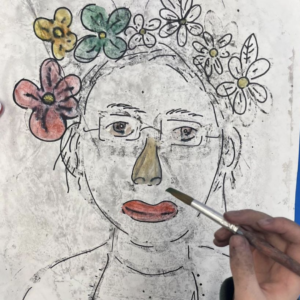
Ruth at Carden Primary School, Brighton

You May Also Like….

Pathway: Simple Printmaking

Featured in the 'Simple Printmaking' pathway

Featured in the ‘Simple Printmaking’ pathway


Osakana


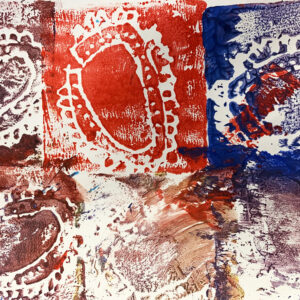
Trace Monotype

You May Also Like…

Pathway: Exploring the world though mono print

This is featured in the 'Exploring The World Through Mono print' pathway

This is featured in the ‘Exploring The World Through Mono print’ pathway

Talking Points: Xgaoc’o Xare

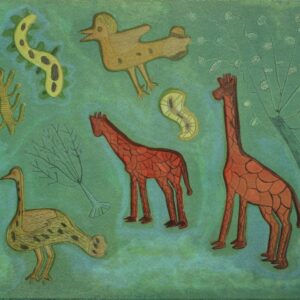
Two giraffe and two birds II 50x65sm by Qhaqhoo Xgaoc'o X'are

Video enabled monoprint resources

Final Monotype by Tobi Meuwissen


Light-field Monotype


Light-field Monotype with Acrylic Paint


Dark-Field Monotype: Masking


Dark-field Monotype


Cut Out Typography

See This Resource Used In Schools…

Year 5
Year 5
Oxley Primary School Typography @oxley_primary
Year 5, Bramber Primary School, Worthing
Year 5, Selborne Primary School
St Hilary School, Year 5

You May Also Like…

Pathway: Typography and Maps

This is featured in the 'Typography and Maps' pathway

This is featured in the ‘Typography and Maps’ pathway

Talking Points: What is typography?

What is typography

Talking Points: Louise Fili

Louise Fili video


Screen Printing In The Classroom

See the Pathway Used in Schools…

By @QuintaElsinor Screen Printing Hack, Year 4
@QuintaElsinor Screen Printing Hack, Year 4

You May Also Like…

Pathway: working with shape and colour

This is featured in the 'Working with Shape and Colour' pathway

This is featured in the ‘Working with Shape and Colour’ pathway

Pathway: Print & Activism

This is featured in the 'Print & Activism' pathway

This is featured in the ‘Print & Activism’ pathway

Talking Points: What is a Screenprint?

Screenprinting Screen Work in Progress by Theresa Easton


Which Artists: Tatyana Antoun

What We Like About This Resource….

“The research phase of a creative project can be presented in many different ways, and can even be an art form in itself. Here, Tatyana demonstrates how her sketchbooks became a medium through which she expressed her thoughts, refined her ideas and explored materials. We believe sketchbooks to be a powerful tool for children to take ownership of their ideas and travel on their own creative journey, without necessarily knowing the destination. Take a look at our sketchbook journey for more sketchbook inspiration” – Rachel, AccessArt.

You Might Also Like….

Sketchbooks and Thinking Skills

Sketchbooks and Thinking Skills

Sketchbooks for Designers - an Introduction for Children

Sketchbooks for Designers – an Introduction for Children

Using Sketchbooks to Take Ownership of Ideas

Using Sketchbooks to Take Ownership of Ideas


Which Artists: Merlin Evans

What We Love About This Resource…

So often, we hear talk of the distinction between science and art, and no more so when teenagers proceed through their education and they are encouraged to choose one route or another. In reality, creative thinking helps scientific understanding and a scientific approach can inform and inspire art.

It’s so refreshing to read and see Merlin’s experience and understand how she works between these two areas – in her words “mixing subjects, and seeing how they work and intersect is where inventions take place!
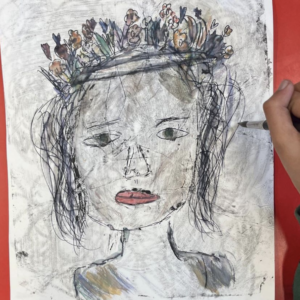
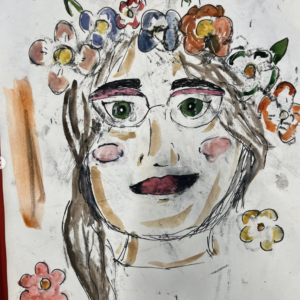
We also love the way her work embraces the felt world of being human, as well as the known world. We’re sure many young people will find Merlin’s work of interest and reassuring when they are pressured to choose “art or science“. 

You May Also Like…

Drawing for Learning

Drawing for Learning

Drawing as a Way of Understanding

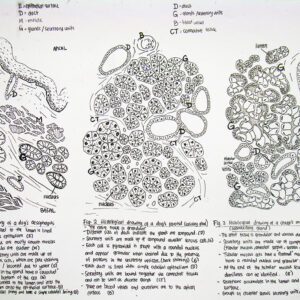
Histological drawing by Tashia Anindwita, © University of Liverpool

Drawing as a Way of Understanding

Walking Drawing


Exploring, Associating & Connecting – a Sketchbook Exercise


Home Made Inks


Printmaking By Scarlett Rebecca


How I Use Sketchbooks & Drawing


Kitchen Lithography

See This Resource Used In Schools…

St Saviour’s Primary School W9 Artist in Residence: Mrs De Perlaky
Year 6, St Saviour's Primary


What Is A Drawing Tool?


How Do We Look At Contemporary Sculpture: Meg Klosterman


Making is Hard