Simple Animation: Making a Flick Book

By Paula Briggs

This resource is part of the #BeACreativeProducer series of resources.

One of the simplest ways to make an animation is to make a flick book, and then film it on your phone. 

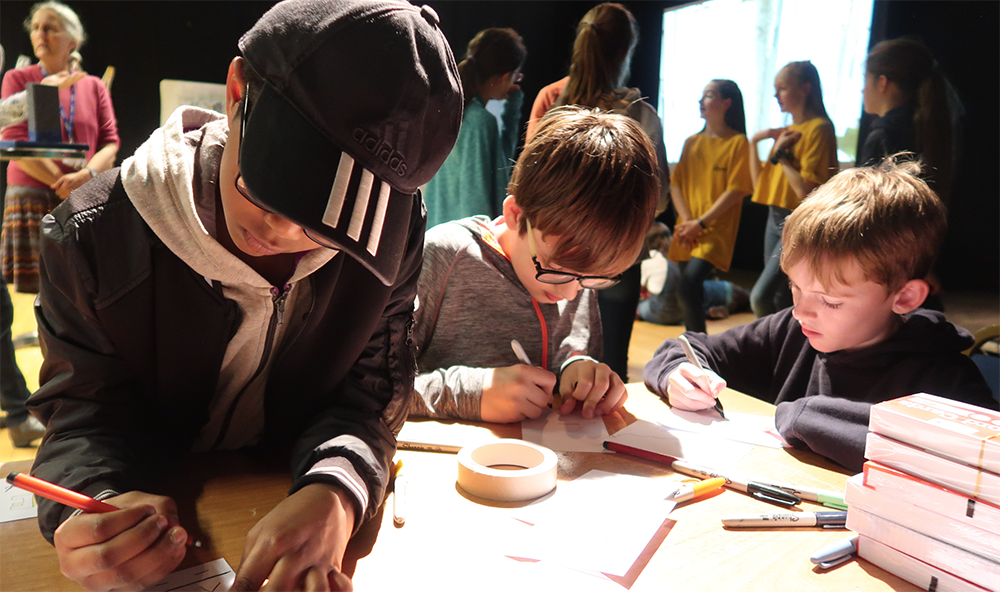
In the video below, Alex, member of the #BeACreativeProducer team, shares how to make a flick book. Thanks to #BeACreativeProducer’s Rowan, Immy and Amelia for the artwork, and Alex for the music. Thanks to Lluis for leading the flick book workshop at Cambridge Junction. 

Flick Book Animation Tips!

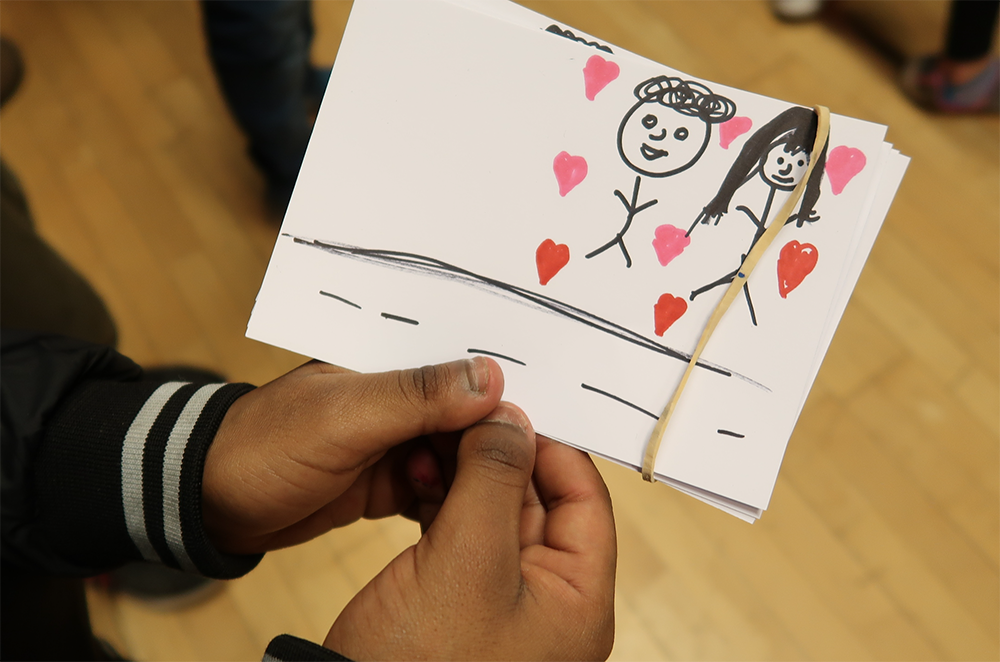
  • Use Flash Cards (or Index Cards) to make your flick book. You can secure the pages with an elastic band or a bulldog clip.
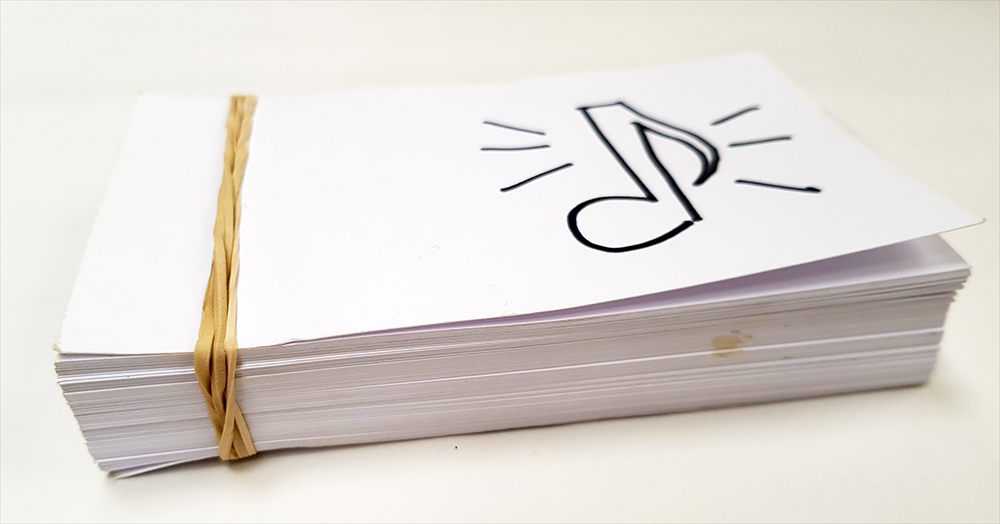
Flick Book Animation

  • Start with the last drawing in your sequence. You might like to make 4 or 5 cards with the same image on, as when you flick the pages it takes the eye 4 or 5 pages to register the first image.
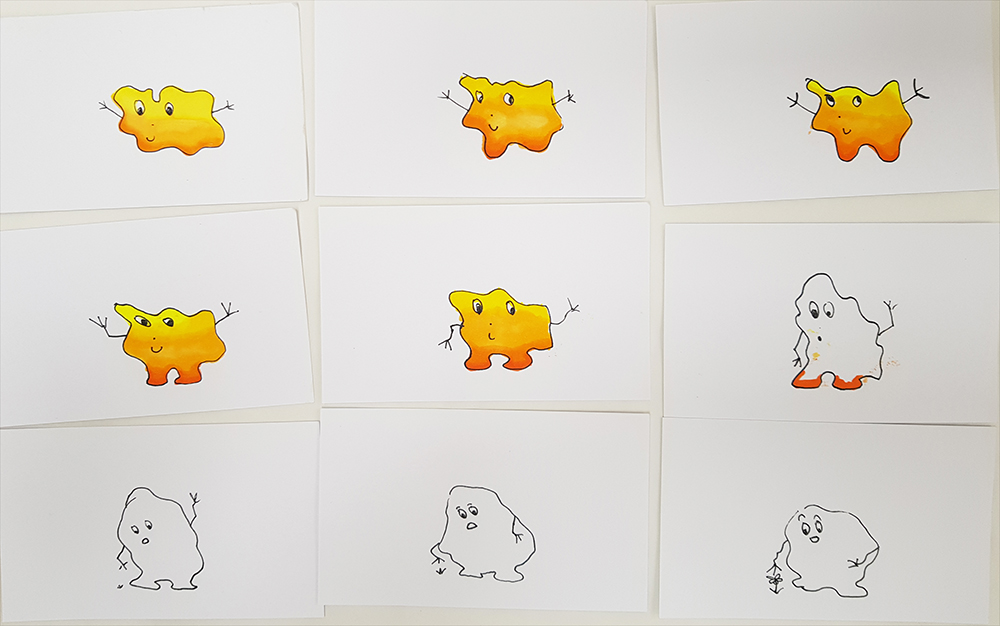
Flick Book Animation: Sequence your Drawings

  • Lay a blank card over the last drawing, and vary your drawing very slightly. You might want to hold your cards up against a window or lightbox to help you see your last drawing.
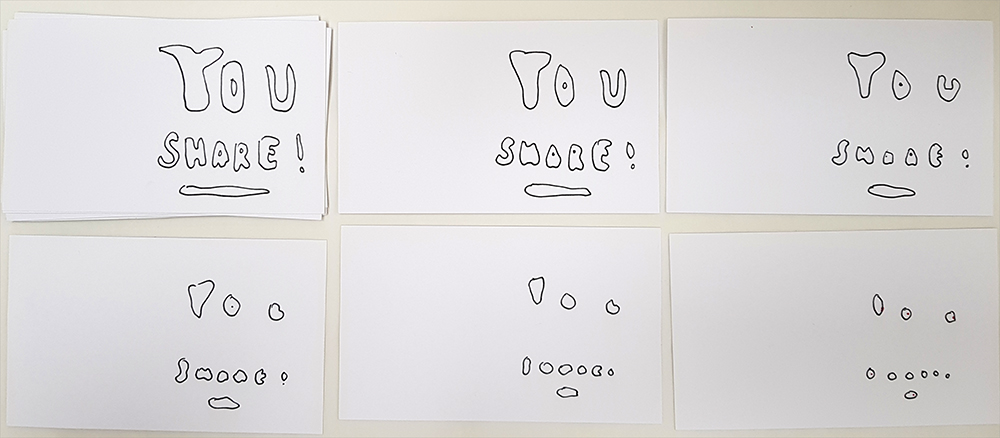
Flick Book Animation: Sequence your Drawings

  • Aim for 20 or more drawings. The more the better! But keep your storyline simple.
  • When you flick your book, including extra blank cards at the end will help you flick the book.
  • Ask a friend for help in filming your animation on a phone camera, or use a small tripod. 
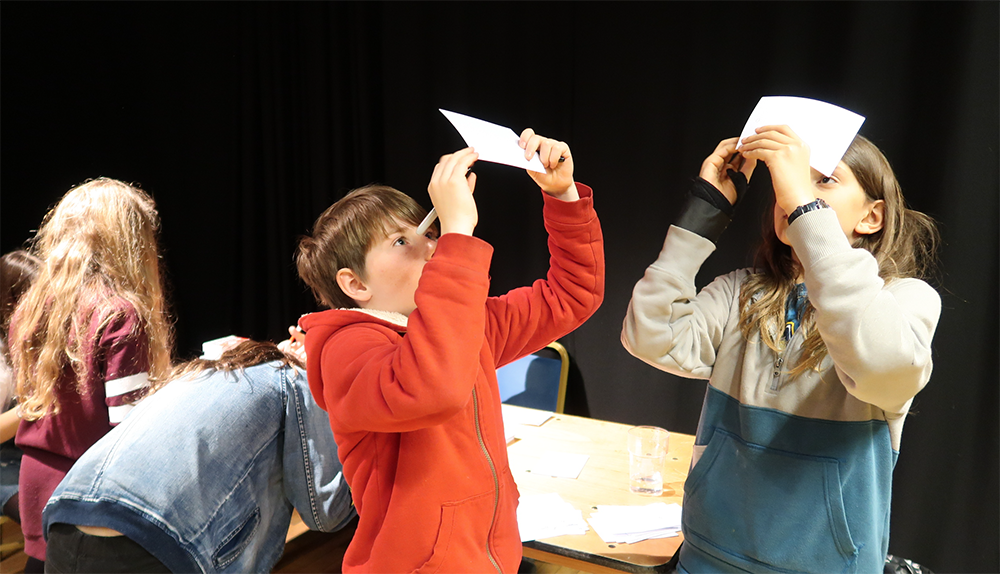
Making a Flick Book

Making a Flick Book

Making a Flick Book


This is a sample of a resource created by UK Charity AccessArt. We have over 1500 resources to help develop and inspire your creative thinking, practice and teaching.

AccessArt welcomes artists, educators, teachers and parents both in the UK and overseas.

We believe everyone has the right to be creative and by working together and sharing ideas we can enable everyone to reach their creative potential.


Journeys


The Making of: “Being Creative Helps You Tackle Challenges in All Areas of Life”


Taking on the Inktober Challenge


The Making of: “Creativity is a Process” and Comebacks to the Ogres”


Animating with a Green Screen


An Exploration of Artwork by Shepard Fairey


Find Your Message (To The World)


You May Also Like…

Pathway: Print & Activism

This is featured in the 'Print & Activism' pathway

This is featured in the ‘Print & Activism’ pathway

Talking Points: Luba Lukova

Luba Lukova Vimeo Screenshot https://vimeo.com/34541872

Talking Points: Faith Ringgold

Faith Ringgold Youtube Screenshot

Talking Points: Kate DeCiccio

Adobe- Art As Activism Vimeo Screenshot

Talking Points: Shepard Fairey

Shepard-ProtectEachOther


Teenagers Make Propaganda Art Inspired by Shepard Fairey


See This Resource Used In Schools…

Year 6, Hill Top Primary Academy
Work produced by 12-14 year olds. Philippa McDonald of Creative Days
Jo Wilson and Beecroft Garden Primary School
Mr Ashley Larter and Mrs Emma Webster, Year 6, St Hilary's School

You May Also Like…

Pathway: Print & Activism

This is featured in the 'Print & Activism' pathway

This is featured in the ‘Print & Activism’ pathway

Talking Points: Luba Lukova

Luba Lukova Vimeo Screenshot https://vimeo.com/34541872

Talking Points: Faith Ringgold

Faith Ringgold Youtube Screenshot

Talking Points: Kate DeCiccio

Adobe- Art As Activism Vimeo Screenshot

Talking Points: Shepard Fairey

Shepard-ProtectEachOther


Screen Prints Inspired by Shepard Fairey


#BeACreativeProducer Workshop with Primary-Aged Children


To Construct…

You May Also Like…

Talking Points: Linda BEll

Explore how Linda Bell creates sculptures

Explore how Linda Bell creates sculptures

Talking Points: Nnena Kalu

Explore artist Nnena Kalu

Explore artist Nnena Kalu


Beginning with Bones


Dancing Bones


To Colour….


The AccessArt Village and How a Small Idea can be Big

See how primary school pupils responded to the AccessArt Village in Mansfield Central Library

This was a very special day for Sheila Ceccarelli from AccessArt, as she got to meet and work with sixty, year five pupils from Berry Hill Primary School in Mansfield Central Library, with colleagues from Inspire Arts Service, who had previously facilitated the development of the AccessArt Village across Nottinghamshire.

Making an Ink and Wax Village with Pupils in Mansfield

This was a very special day for Sheila Ceccarelli from AccessArt, as she got to meet and work with sixty, year five pupils from Berry Hill Primary School in Mansfield Central Library, with colleagues from Inspire Arts Service, who had previously facilitated the development of the AccessArt Village across Nottinghamshire.


Sensory Spaces: An Autism-Friendly Project

To Connect


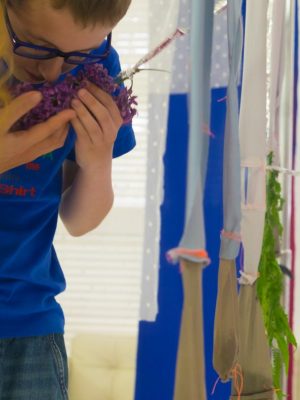
At the beginning of the project it was important to take time getting used to each other, the learning space and the surrounding environment. Below is a list of considerations you may find helpful to use in your own learning spaces. Be aware of the daily sounds, smells and other textures of life in your learning space; a constant humming noise or flickering light may be stressful for a child with autism. Allow time for everyone to feel their way in the space; connections may be made through the use of different senses and body parts.

At the beginning of the project it was important to take time getting used to each other, the learning space and the surrounding environment. Below is a list of considerations you may find helpful to use in your own learning spaces. Be aware of the daily sounds, smells and other textures of life in your learning space; a constant humming noise or flickering light may be stressful for a child with autism. Allow time for everyone to feel their way in the space; connections may be made through the use of different senses and body parts.

To Conceal


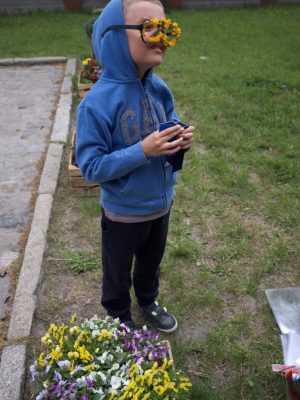
During the six week project, the group explored different themes and actions, some of these were displayed through learning schemas. In week 2 we experimented with different ways to conceal ourselves and objects; schemas such as enveloping and enclosure were exhibited by the group.

During the six week project, the group explored different themes and actions, some of these were displayed through learning schemas. In week 2 we experimented with different ways to conceal ourselves and objects; schemas such as enveloping and enclosure were exhibited by the group.

To Colour

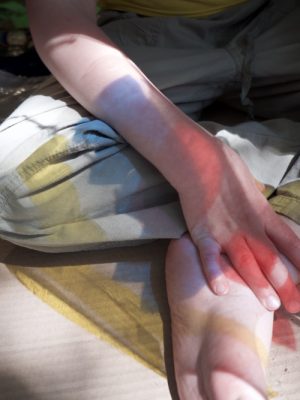
Two of the sessions explored the theme of colour. The first was rather abstract, I asked questions such as; What does colour smell like? What does colour feel like?
For a child on the autistic spectrum, a question like this may be confusing, some autistic people think and understand literally. So instead of directing these questions at the children, I answered and speculated on them myself. These abstract questions became vehicles for the workshops documented below.

Two of the sessions explored the theme of colour. The first was rather abstract, I asked questions such as; What does colour smell like? What does colour feel like?
For a child on the autistic spectrum, a question like this may be confusing, some autistic people think and understand literally. So instead of directing these questions at the children, I answered and speculated on them myself. These abstract questions became vehicles for the workshops documented below.

To Construct


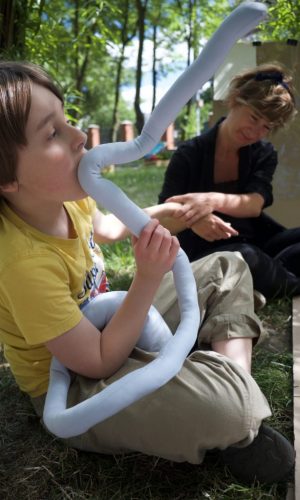
In my final post on the project, I want to reflect on the theme of To Construct… looking at the different ways we constructed during the project. Please remember this is a personal and artistic reflection, based on the ideas I presented and the (emotional and physical) reactions and responses of the children and their families, who inspired changes and the development of the project as we experienced it.

In my final post on the project, I want to reflect on the theme of To Construct… looking at the different ways we constructed during the project. Please remember this is a personal and artistic reflection, based on the ideas I presented and the (emotional and physical) reactions and responses of the children and their families, who inspired changes and the development of the project as we experienced it.


Explore and Draw


To Connect…

You May Also Like…

Talking Points: Linda BEll


Explore how Linda Bell creates sculptures


Explore how Linda Bell creates sculptures

Talking Points: Nnena Kalu


Explore artist Nnena Kalu


Explore artist Nnena Kalu


Drawing as a Tool for Wellbeing at Chesterton Community College, Cambridge