Osakana

By Rowan Briggs Smith

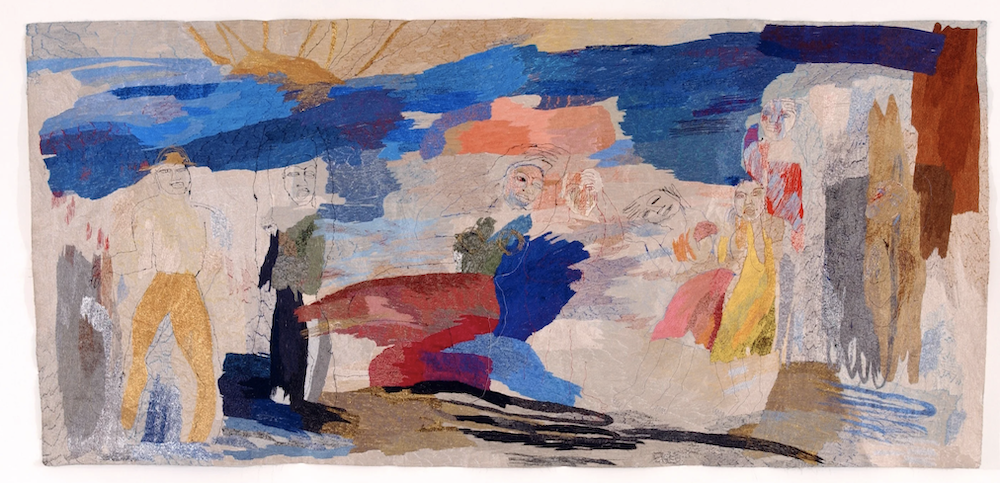
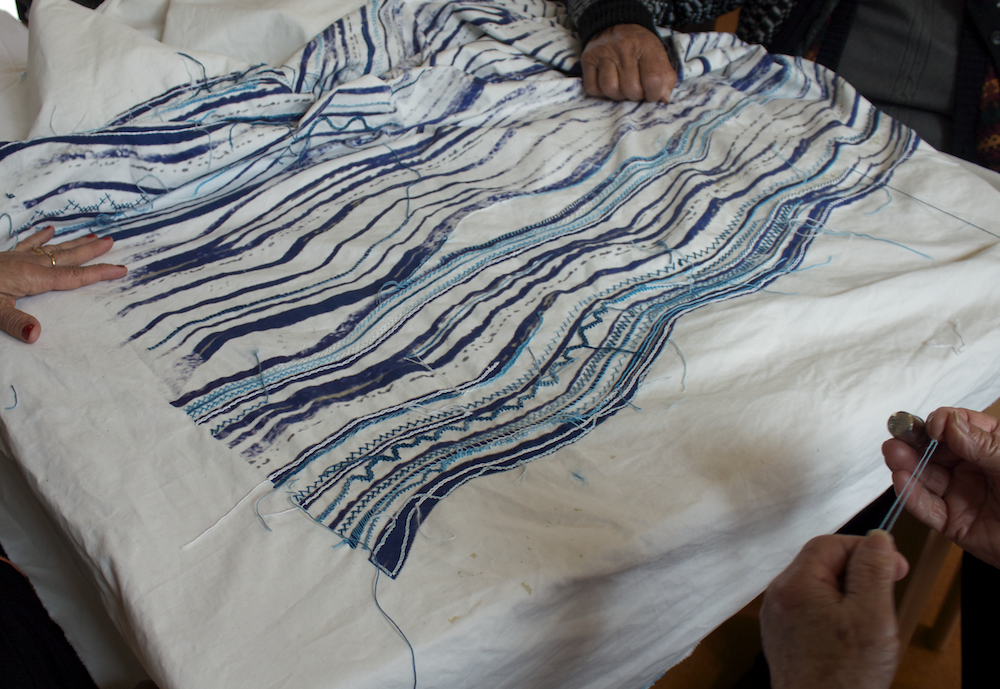
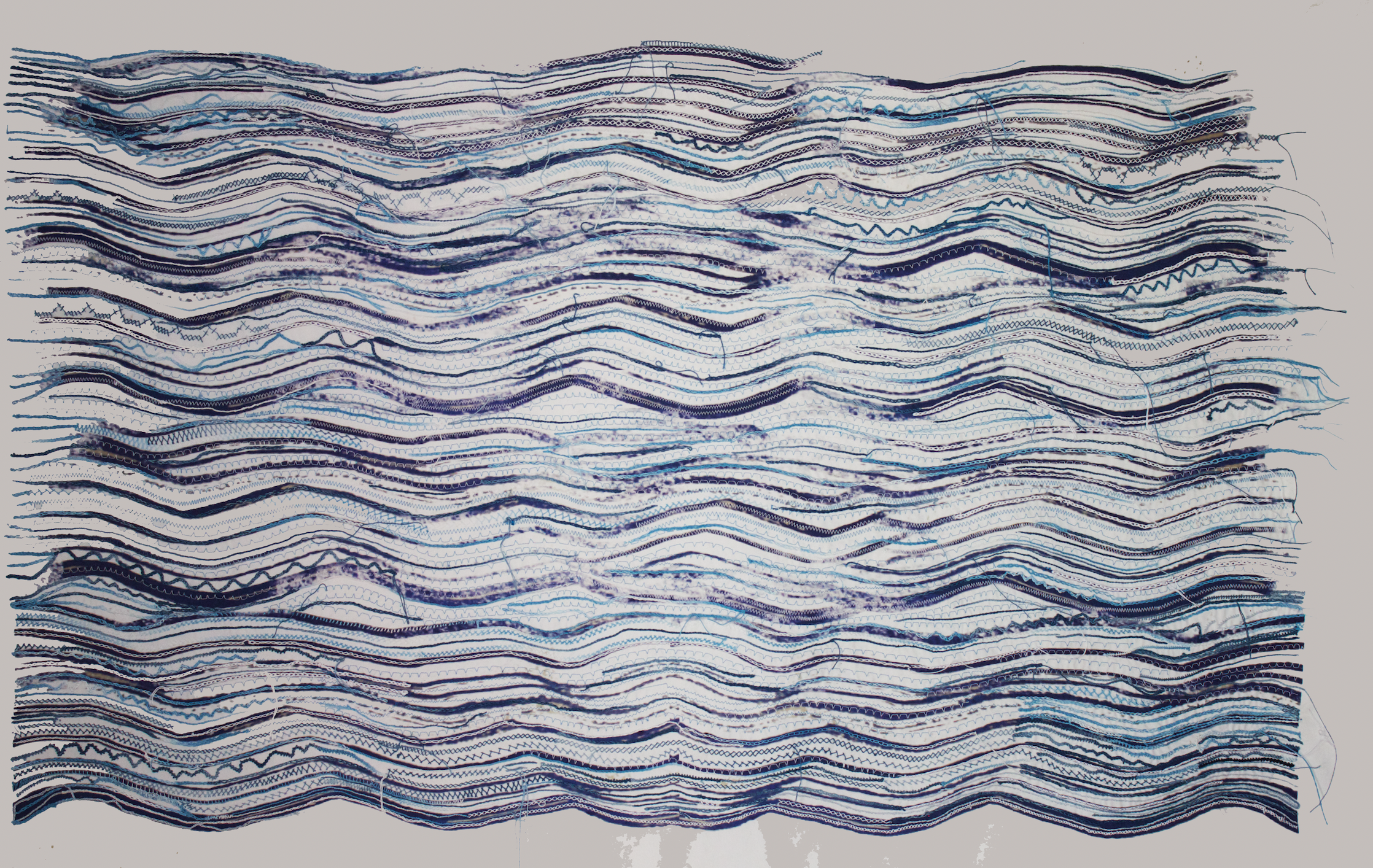
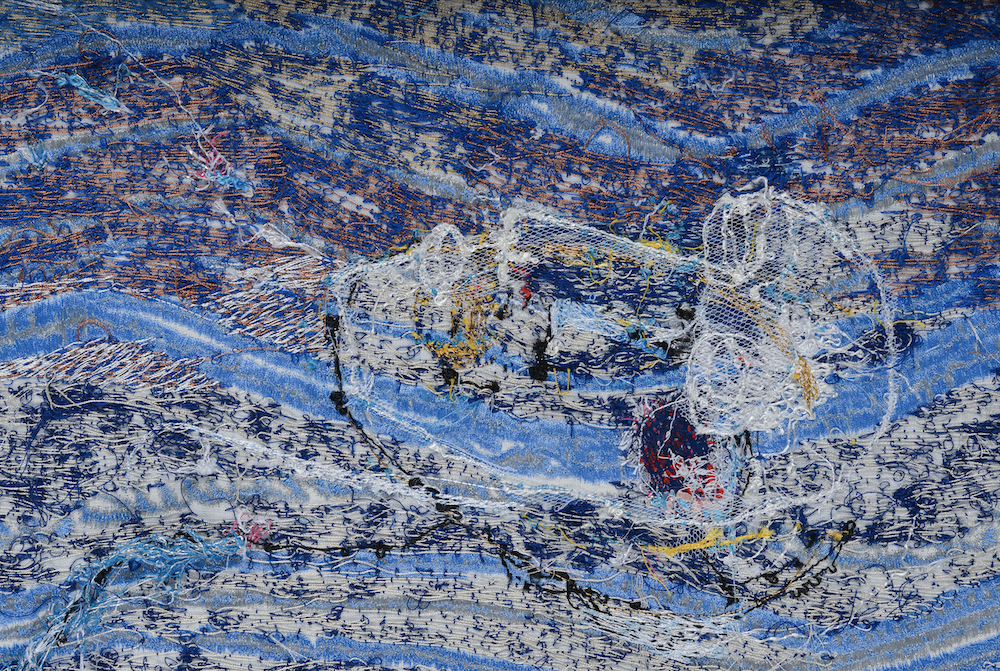
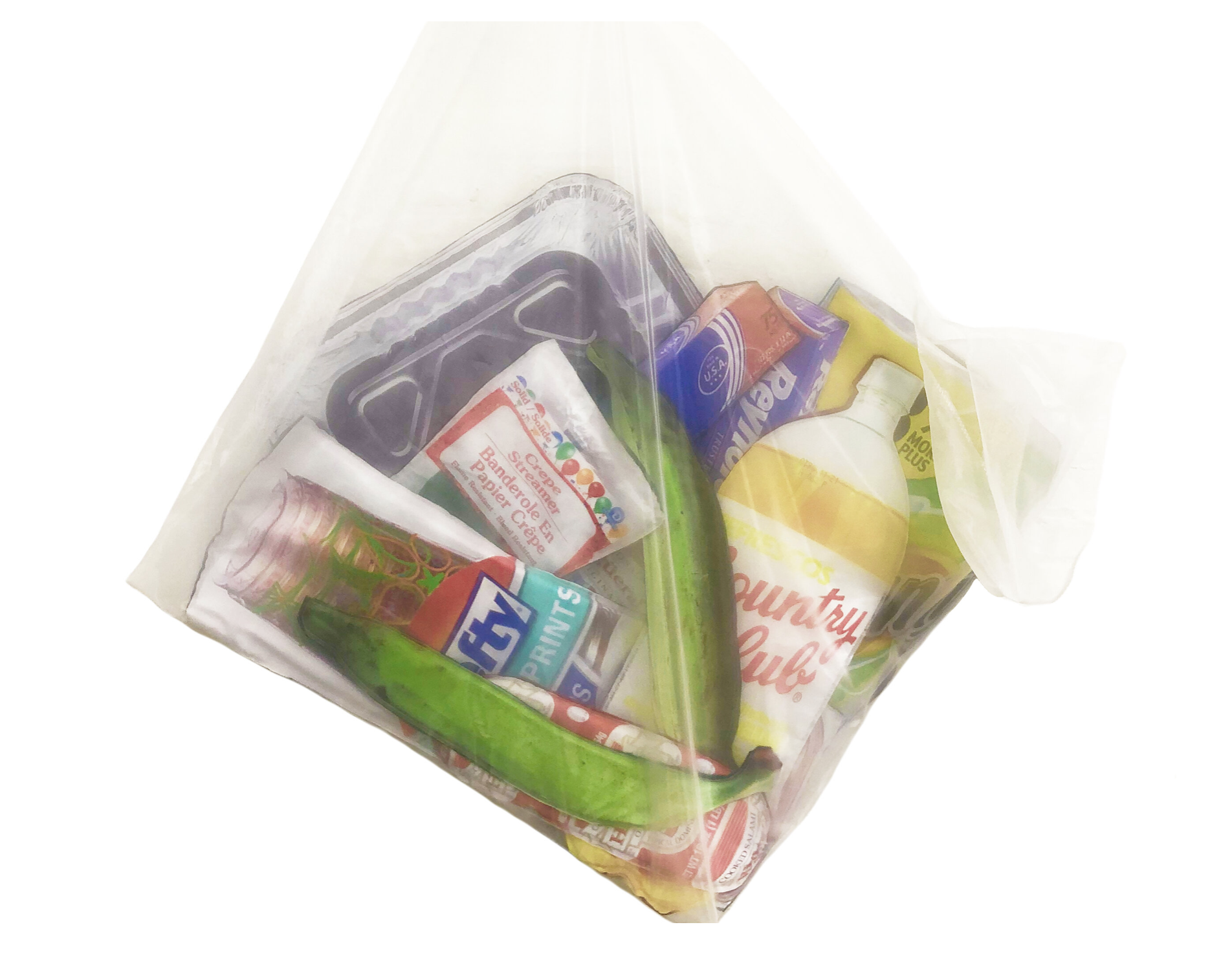
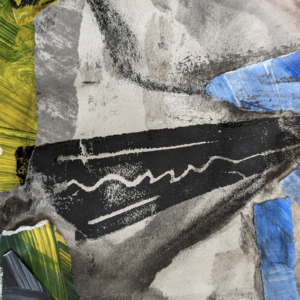
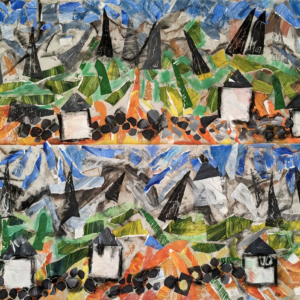
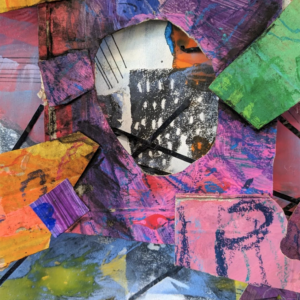
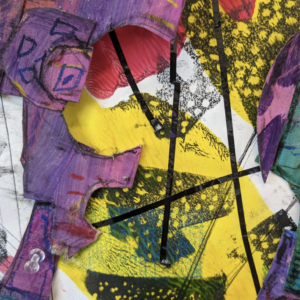
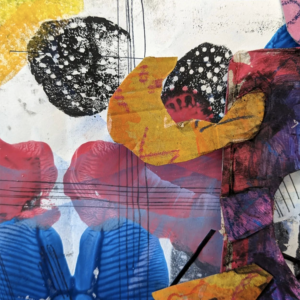
In this post, Rowan Briggs Smith shares the making of a painted dress, combining an interest in packaging and oceans.

Osakana


Please log in here to access full content.

Username
Password


Remember me
Forgot Password


To access all content, I would like to join as…

An Individual

Creative practitioners, educators, teachers, parents, learners…


An Organisation…

Schools, Colleges, Arts Organisations: Single and Multi-Users


AccessArt is a UK Charity and we believe everyone has the right to be creative. AccessArt provides inspiration to help us all reach our creative potential.


Talking Points: Making Drawings With Your Whole Body – Molly Haslund

How can we blend installation and performance?


Molly Haslund’s The Circle Project involves drawing large circles on the ground in a variety of locations using a human size compass, with a focus on physical movement, patterns and collaboration. 

Watch the video below and discuss why she draws these circles and the impact they might have in a space you use yourself. 

Please Note:

This page includes links and videos from external sites, verified at publication but subject to change.

Teachers should review all content for classroom suitability.

Report any issues, and check school firewall settings if videos don’t play.

ages 5-8
ages 9-11
free to access

The Circle Project by Molly Haslund

Teacher’s Notes

“Molly Haslund ventures out into the city wearing grey: a grey suit, grey socks and grey shoes so that she blends in with the tarmac and the pavement. She carries a huge pair of compasses much taller than herself. She stops somewhere and starts drawing a white circle on the ground. She completes the first circle and then moves the pair of compasses and starts drawing a new circle that overlaps the first one. She draws a third circle and stands in her grey shoes in the middle of the circle for a moment before snapping the pair of compasses together and moving on.” https://www.mollyhaslund.com/circles-2013-2

“… The focus is on the physical action, on the movement of the circles, and the patterns emerging and disappearing again – and of course the effect grows with the number of participants. on the other hand, if you want to draw alone, you can just withdraw a little from the rest. A bit like on the dance floor.”  Molly Haslund 

Watch the video with the pupils, and look at the images below. Find questions to prompt discussion at the end of this resource. 

Molly Haslund Circles, 2015 New York, Peekskill Project #6, Hudson Valley MOCA

Circles, Molly Haslund, 2015, New York, Peekskill Project #6, Hudson Valley MOCA, Photo by Joe Orangias

Molly Haslund Circles (2013) Museum of Contemporary Art, Roskilde, Denmark Photo by Matilde Haaning

Circles (2013), Molly Haslund, Museum of Contemporary Art, Roskilde, Denmark, Photo by Matilde Haaning

Molly Haslund Circles, 2014 Art Week, Superkilen, Copenhagen, Denmark Photo by Matilde Haaning

Circles, Molly Haslund, 2014, Art Week, Superkilen, Copenhagen, Denmark, Photo by Matilde Haaning

Molly Haslund Circles, 2014 Art Week Superkilen, Copenhagen, Denmark Photo by Matilde Haaning

Circles, Molly Haslund, 2014, Art Week, Superkilen, Copenhagen, Denmark, Photo by Matilde Haaning

Questions to Ask Children

How would you feel if you came across these circles in your street or playground, without knowing who had made them or why? What would you do? Would they change the way you move?

How do you think Molly, the artist, chooses where to make her circles?

How could you make similar circles in your playground, using chalk tied to sticks? 

How would the circles you make join up with the circles your friends make?

What would other pupils in your school think if they discovered your circles? What do you think they would do?

What other shapes could you make with your body in the playground? Would you need tools? 

If music played would you make different shapes? How would the shapes be different? 

This Talking Points Is Used In…

Pathway: Spirals

This is featured in the 'Spirals' pathway

This is featured in the ‘Spirals’ pathway

using sketchbooks to make visual notes

An open page spread of a child's sketchbook

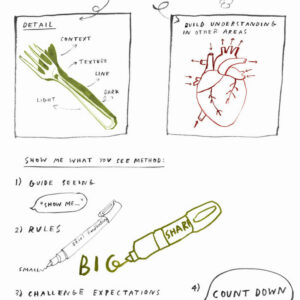
Show me what you see

Show Me What You See Method 250 Words by Tobi Meuwissen

See This Resource Used In Schools…

Year 1, Goose Green Primary School


Paint Your Corner Shop

See This Resource Used in Schools…

Years 3 & 4, Artivity Studios

You May Also Like…

Pathway: Festival Feasts

This is featured in the 'Festival Feasts' pathway

This is featured in the ‘Festival Feasts’ pathway

Talking Points: Claes Oldenburg

Claes Oldeburg Sculptures https://www.youtube.com/watch?v=3rHKorwuxco&t=36s

Talking Points: Nicole Dyer

Cupcake Sculpture by Nicole Dyer

Talking Points: Lucia Hierro

@Fountainhead: Lucia Hierro https://vimeo.com/185142596

Drawing source material: Food

Drawing Source Material Food


Talking Points: Brush Work of Van Gogh & Cezanne

A collection of imagery and sources designed to stimulate an exploration of the brushwork of Van Gogh and Cezanne.

Please note that this page contains links to external websites and has videos from external websites embedded. At the time of creating, AccessArt checked all links to ensure content is appropriate for teachers to access. However external websites and videos are updated and that is beyond our control. 

Please let us know if you find a 404 link, or if you feel content is no longer appropriate. 

We strongly recommend as part of good teaching practice that teachers watch all videos and visit all websites before sharing with a class. On occasion there may be elements of a video you would prefer not to show to your class and it is the teacher’s responsibility to ensure content is appropriate. Many thanks. 

*If you are having issues viewing videos it may be due to your schools firewall or your cookie selection. Please check with your IT department.*

This resource is free to access and is not a part of AccessArt membership.

ages 5-8
ages 9-11
ages 11-14
ages 14-16
free to access

Exploring the Brushwork of Van Gogh and Cezanne

If we zoom in and look closely at the brushwork of both Cezanne and Van Gogh you’ll see how they applied paint using fluid loose marks with complex colours, and yet when you stand back, the brush marks and the colours find their place to help tell the story of the painting.

In this resource we have zoomed in on sections of paintings to help pupils see the kinds of marks made by the painters. 

Use the questions at the end to help guide an exploration. 

deatil: Wheat Field with Cypresses (1889) by Vincent Van Gogh. Original from the MET Museum.
Wheat Field with Cypresses (1889) by Vincent Van Gogh. Original from the MET Museum.

Top: Detail: Wheat Field with Cypresses (1889) by Vincent Van Gogh. Original from the MET Museum.

Detail: Three Apples (Deux pommes et demie) (ca. 1878–1879) by Paul Cézanne. Original from Original from Barnes Foundation.
Three Apples (Deux pommes et demie) (ca. 1878–1879) by Paul Cézanne. Original from Original from Barnes Foundation.

Top: Detail: Three Apples (Deux pommes et demie) (ca. 1878–1879) by Paul Cézanne. Original from Original from Barnes Foundation.

Detail: Houses and Figure (1890) by Vincent Van Gogh. Original from the Barnes Foundation.
Houses and Figure (1890) by Vincent Van Gogh. Original from the Barnes Foundation.

Top: Detail: Houses and Figure (1890) by Vincent Van Gogh. Original from the Barnes Foundation. 

Deatil: Houses in Provence: The Riaux Valley near L'Estaque (ca. 1883) by Paul Cézanne.
Houses in Provence: The Riaux Valley near L'Estaque (ca. 1883) by Paul Cézanne.

Top: Detail: Houses in Provence: The Riaux Valley near LEstaque (ca. 1883) by Paul Cézanne.

Detail: The Bedroom (1889) by Vincent Van Gogh.
The Bedroom (1889) by Vincent Van Gogh.

Top: Detail: The Bedroom (1889) by Vincent Van Gogh.

Questions to Ask Children

“Impasto” describes paint when it is applied so thickly onto the canvas that it remains raised. Can you see areas of impasto in the paintings above?

Can you find an area of a painting where the artist has let the colour of the canvas show through?

Can you find examples of where the artist hasn’t mixed the colour on a palette – instead he has applied wet paint of one colour over wet paint of another colour and you can see where it mixes on the canvas?

Think about direction of brush strokes – can you find an area of canvas where the brush strokes go a particular direction? How do the artists’ change the direction of the brush strokes according to the subject matter of what they are painting? 

How would you describe some of the brush strokes? Restful? Busy? Rhythmical? Chaotic? 

Can you see areas of the paintings where the artist uses outlines? Doesn’t use outlines?

How many different colours can you spot in a particular area of canvas? Do you think the artist gives those colours names?

What kinds of tools or brushes do you think the artist might have used? 

This Talking Points Is Used In…

Pathway: Expressive Painting

This is featured in the 'Expressive Painting' pathway

This is featured in the ‘Expressive Painting’ pathway

using sketchbooks to make visual notes

Sketchbooks used for observations, research drawing and experimentation.

Show me what you see

Show Me What You See Method 250 Words by Tobi Meuwissen

See This Resource Used In Schools

Stourfield Infant School, Year 2


Talking Points: Charlie French

A collection of imagery and sources designed to stimulate conversation around the work of Charlie French.

Please note that this page contains links to external websites and has videos from external websites embedded. At the time of creating, AccessArt checked all links to ensure content is appropriate for teachers to access. However external websites and videos are updated and that is beyond our control. 

Please let us know if you find a 404 link, or if you feel content is no longer appropriate. 

We strongly recommend as part of good teaching practice that teachers watch all videos and visit all websites before sharing with a class. On occasion there may be elements of a video you would prefer not to show to your class and it is the teacher’s responsibility to ensure content is appropriate. Many thanks. 

*If you are having issues viewing videos it may be due to your schools firewall or your cookie selection. Please check with your IT department.*

This resource is free to access and is not a part of AccessArt membership.

SEND badge by Tobi Meuwissen
ages 5-8
ages 9-11
ages 11-14
ages 14-16
free to access

Charlie French

“I embrace a blank canvas with a sense of wonder and adventure.”

Charlie French is an abstract painter, living in London. 

Website

Instagram

Charlie French

In the Fathoms Below, copyright Charlie French

Charlie French

“What inspires you?”

“I am asked that question a lot. And I think there are obvious ones you see in my series: Disney movies, music, the ocean, the beautiful world I see, my happy memories and an imagination that cracks me up.

And lots of times I am inspired simply by my love of COLORS and SHAPES. I pick my colour palette and just paint.

The truth is that every day is different. But I am most happy when I can walk up to a canvas and let go. I am free. Freedom in life is very important. Don’t you think, Friends???”

Copyright Charlie French

Charlie French

Copyright Charlie French

Questions to Ask Children

How would you describe Charlie’s work?

How does it make you feel?

How would you describe the colours?

Charlie thinks it’s important to feel free and have the space to explore in your artwork. Would you agree? Have you ever felt like that? How do you think he lets himself feel like that?

When Charlie puts the paint on the canvas, what kinds of movements does he make with his body? Can you do “air painting” and move your arm as you think he did to apply the paint? Stand up! 

This Talking Points Is Used In…

Pathway: Expressive Painting

This is featured in the 'Expressive Painting' pathway

This is featured in the ‘Expressive Painting’ pathway

using sketchbooks to make visual notes

Sketchbooks used for observations, research drawing and experimentation.

Show me what you see

Show Me What You See Method 250 Words by Tobi Meuwissen


Talking Points: Marela Zacarías

A collection of imagery and sources designed to stimulate conversation around the work of Marela Zacarías.

Please note that this page contains links to external websites and has videos from external websites embedded. At the time of creating, AccessArt checked all links to ensure content is appropriate for teachers to access. However external websites and videos are updated and that is beyond our control. 

Please let us know if you find a 404 link, or if you feel content is no longer appropriate. 

We strongly recommend as part of good teaching practice that teachers watch all videos and visit all websites before sharing with a class. On occasion there may be elements of a video you would prefer not to show to your class and it is the teacher’s responsibility to ensure content is appropriate. Many thanks. 

*If you are having issues viewing videos it may be due to your schools firewall or your cookie selection. Please check with your IT department.*

This resource is free to access and is not a part of AccessArt membership.

ages 5-8
ages 9-11
ages 11-14
ages 14-16
free to access

Marela Zacarías

“My pieces are sculptural paintings. I make the piece take your eye into spaces you wouldn’t think to look.”

Marela is a painter/sculptor who creates undulating painted forms which explore movement and colour. The majority of Marela’s pieces are site specific (created for a particular location). 

Marela lives between Brooklyn and Mexico City

Website

Questions to Ask Children

How would you describe Marela’s artwork to someone who couldn’t see it?

How does it make you feel? How would you react if you were in the same space?

What does it remind you of?

Does your eye stay still when you look at it?

Can you imagine how Marela works out how the pieces join together? 

Is it like anything you have seen before?

What kinds of colours does she use?

This Talking Points Is Used In…

Pathway: Expressive Painting

This is featured in the 'Expressive Painting' pathway

This is featured in the ‘Expressive Painting’ pathway

using sketchbooks to make visual notes

Sketchbooks used for observations, research drawing and experimentation.

Show me what you see

Show Me What You See Method 250 Words by Tobi Meuwissen


Talking Points: What is Screenprint?

A collection of imagery and sources designed to introduce children to the process of screenprint.

Please note that this page contains links to external websites and has videos from external websites embedded. At the time of creating, AccessArt checked all links to ensure content is appropriate for teachers to access. However external websites and videos are updated and that is beyond our control. 

Please let us know if you find a 404 link, or if you feel content is no longer appropriate. 

We strongly recommend as part of good teaching practice that teachers watch all videos and visit all websites before sharing with a class. On occasion there may be elements of a video you would prefer not to show to your class and it is the teacher’s responsibility to ensure content is appropriate. Many thanks. 

*If you are having issues viewing videos it may be due to your schools firewall or your cookie selection. Please check with your IT department.*


This resource is free to access and is not a part of AccessArt membership.

 

ages 5-8
ages 9-11
ages 11-14
free to access

Screenprint

Teachers Notes

Screen print is a printing process in which a mesh (silk screen) is used to transfer ink to a surface such as paper or fabric. An image is exposed into the mesh with UV light. Once exposed some areas of the mesh will be blocked and some will allow ink to pass through.

Watch the video below to show children the process in action before trying our Screen Print Classroom Hack.

Screenprinting Work by Theresa Easton

Theresa Easton, Screenprints and Silk Screen

This Talking Points Is Used In…

Pathway: working with shape and colour

This is featured in the 'Working with Shape and Colour' pathway

This is featured in the ‘Working with Shape and Colour’ pathway

using sketchbooks to make visual notes

Sketchbooks used for observations, research drawing and experimentation.

Show me what you see

Show Me What You See Method 250 Words by Tobi Meuwissen


Talking Points: What is Monotype?

A collection of imagery and sources designed to introduce children to the process of monotype.

Please note that this page contains links to external websites and has videos from external websites embedded. At the time of creating, AccessArt checked all links to ensure content is appropriate for teachers to access. However external websites and videos are updated and that is beyond our control. 

Please let us know if you find a 404 link, or if you feel content is no longer appropriate. 

We strongly recommend as part of good teaching practice that teachers watch all videos and visit all websites before sharing with a class. On occasion there may be elements of a video you would prefer not to show to your class and it is the teacher’s responsibility to ensure content is appropriate. Many thanks.

*If you are having issues viewing videos it may be due to your schools firewall or your cookie selection. Please check with your IT department.*


This resource is free to access and is not a part of AccessArt membership.

 

ages 5-8
ages 9-11
ages 11-14
free to access

Monotype 

A monotype is a simple printmaking process that is used to create one off prints. Sometimes artists will create a ‘ghost’ print from whatever is left on the printing plate after an initial print has been taken. 

There are many ways that a monotype can be made. A metal or plastic plate is painted onto with any material that will transfer marks to paper under pressure. 

A monotype is a stand alone print whereas a monoprint is a print that is part of a series.


Find our collection of monotype resources here.

This Talking Points Is Used In…

Pathway: Making Monotypes

This is featured in the 'Making Monotypes' pathway

This is featured in the ‘Making Monotypes’ pathway

using sketchbooks to make visual notes
Sketchbooks used for observations, research drawing and experimentation.

Show me what you see

Show Me What You See Method 250 Words by Tobi Meuwissen


Talking Points: Faith Ringgold

Introducing you to the work of Faith Ringgold.

Please note that this page contains links to external websites and has videos from external websites embedded. At the time of creating, AccessArt checked all links to ensure content is appropriate for teachers to access. However external websites and videos are updated and that is beyond our control. 

Please let us know if you find a 404 link, or if you feel content is no longer appropriate. 

We strongly recommend as part of good teaching practice that teachers watch all videos and visit all websites before sharing with a class. On occasion there may be elements of a video you would prefer not to show to your class and it is the teacher’s responsibility to ensure content is appropriate. Many thanks. 

*If you are having issues viewing videos it may be due to your schools firewall or your cookie selection. Please check with your IT department.*


This resource is free to access and is not a part of AccessArt membership.


ages 9-11
ages 11-14
ages 14-16
free to access

Faith Ringgold

Faith Ringgold is an artist and activist who grew up during the Harlem Renaissance. Ringgold communicates personal narratives, history and politics through her painted quilts.

In this video Faith Ringgold discusses how she fought to get women and African-American artists into museums.

Watch this video to see how Ringgold combines cloth, paint and thread to make her quilts.

Faith Ringgold on Google Arts & Culture

See more at Ringgold’s website 

Questions to Ask Children

Faith emphasises the importance of focussing upon personal experience through art; How does she do this and why do you think this is important?

Are there things you care about that you’d like to make art about to help you share your thoughts/views? What’s important to you?

“When they’re looking at my work, they’re looking at a painting and they’re able to accept it better because it is also a quilt.” – Faith Ringgold

Why do you think people are more accepting of a quilt than a painting? What do you associate with quilts?


This Talking Points Is Used In…

Pathway: Print & Activism

This is featured in the 'Print & Activism' pathway

This is featured in the ‘Print & Activism’ pathway

using sketchbooks to make visual notes

Sketchbooks used for observations, research drawing and experimentation.

Show me what you see

Show Me What You See Method 250 Words by Tobi Meuwissen


Talking Points: Shepard Fairey

Introducing you to the work of artist and activist Shepard Fairey.

Please note that this page contains links to external websites and has videos from external websites embedded. At the time of creating, AccessArt checked all links to ensure content is appropriate for teachers to access. However external websites and videos are updated and that is beyond our control. 

Please let us know if you find a 404 link, or if you feel content is no longer appropriate.

We strongly recommend as part of good teaching practice that teachers watch all videos and visit all websites before sharing with a class. On occasion there may be elements of a video you would prefer not to show to your class and it is the teacher’s responsibility to ensure content is appropriate. Many thanks. 

*If you are having issues viewing videos it may be due to your schools firewall or your cookie selection. Please check with your IT department.*

This resource is free to access and is not a part of AccessArt membership.


ages 9-11
ages 11-14
ages 14-16
free to access

Shepard Fairey

Shepard Fairey is a contemporary street artist and activist. In his work he tackles topics such as political power and propaganda. Fairey uses stencils and screen print to make his work.

Large_Fairey_BlackHills_Indigenous_Amplifier-1

The Black Hills Are Not For Sale, Screen Print, 18 x 24 inches, July 2012

See more at Faireys website and Instagram feed

Questions to Ask Children

How many processes can you identify in the first video? Why do you think Shepard uses so many different processes/mediums?

When you look at Fairey’s ‘The Black Hills Are Not For Sale’ what do you see?

If you don’t know about the Black Hills can you still figure out what this artwork might be trying to communicate?

Why is it important for artists to create work that questions what is going on in the world?

Do you think that Faireys work is successful in communicating important messages? Why do you think this?

This Talking Points Is Used In…

Pathway: Print & Activism

This is featured in the 'Print & Activism' pathway

This is featured in the ‘Print & Activism’ pathway

using sketchbooks to make visual notes

Sketchbooks used for observations, research drawing and experimentation.

Show me what you see
Show Me What You See Method 250 Words by Tobi Meuwissen


Talking Points: Grayson Perry A Map of Days

A collection of imagery and sources designed to introduce pupils to “A Map of Days” by Grayson Perry.

Please note that this page contains links to external websites and has videos from external websites embedded. At the time of creating, AccessArt checked all links to ensure content is appropriate for teachers to access. However external websites and videos are updated and that is beyond our control. 

Please let us know if you find a 404 link, or if you feel content is no longer appropriate. 

We strongly recommend as part of good teaching practice that teachers watch all videos and visit all websites before sharing with a class. On occasion there may be elements of a video you would prefer not to show to your class and it is the teacher’s responsibility to ensure content is appropriate. Many thanks. 

*If you are having issues viewing videos it may be due to your schools firewall or your cookie selection. Please check with your IT department.*


This resource is free to access and is not a part of AccessArt membership.


ages 9-11
ages 11-14
ages 14-16
free to access

A Map of Days by Grayson Perry

“Grayson Perry RA created this map of a walled city as a self-portrait for an exhibition at the National Portrait Gallery. He said ‘I thought the walled city was a good metaphor – the wall, I suppose, can roughly be interpreted as your skin. But like any city, it’s dependent on the landscape it sits in as well.’ “ RA

See the Map on Google Arts & Culture.

Interview about the making of the map. 

Note for teachers on adult content: Please be advised that from 0.24 to 0.39 and 1.34 until 1.57 of this video, there is inappropriate language shown on the map. You may wish to show up to this point or to skip past the shot of the language in question.

Questions to Ask Children:

How does Grayson Perry use text in the map?

Can you find text on buildings as well as street names? How do you think he decides which text to make small, and which to make larger?

How much does Grayson Perry reveal about himself through the map?

Can you spot any symbols or visual metaphors? 

This Talking Points Is Used In…

Pathway: Typography and Maps

This is featured in the 'Typography and Maps' pathway

This is featured in the ‘Typography and Maps’ pathway

using sketchbooks to make visual notes

Sketchbooks used for observations, research drawing and experimentation.

Show me what you see
Show Me What You See Method 250 Words by Tobi Meuwissen


Talking Points: Hogwarts Maps

A collection of imagery and sources to explore the Hogwarts Maps.

Please note that this page contains links to external websites and has videos from external websites embedded. At the time of creating, AccessArt checked all links to ensure content is appropriate for teachers to access. However external websites and videos are updated and that is beyond our control. 

Please let us know if you find a 404 link, or if you feel content is no longer appropriate. 

We strongly recommend as part of good teaching practice that teachers watch all videos and visit all websites before sharing with a class. On occasion there may be elements of a video you would prefer not to show to your class and it is the teacher’s responsibility to ensure content is appropriate. Many thanks. 

*If you are having issues viewing videos it may be due to your schools firewall or your cookie selection. Please check with your IT department.*


This resource is free to access and is not a part of AccessArt membership.


ages 5-8
ages 9-11
ages 11-14
ages 14-16
free to access

Hogwarts Maps

There are many maps inspired by Hogwarts, the most famous of course is the Marauders map.

Use the sources below to focus a conversation with children about the typography and design of the highly visual maps. 

Questions to Ask Children:

Why do you think the designers chose the typography they did for the diary and map?

What kind of feeling are they trying to create?

How do you feel when you look at the map?

This Talking Points Is Used In…

Pathway: Typography and Maps

This is featured in the 'Typography and Maps' pathway

This is featured in the ‘Typography and Maps’ pathway

using sketchbooks to make visual notes

Sketchbooks used for observations, research drawing and experimentation.

Show me what you see
Show Me What You See Method 250 Words by Tobi Meuwissen


Talking Points: Paula Scher

A collection of imagery and sources designed to introduce pupils to the work of graphic designer Paula Scher.

Please note that this page contains links to external websites and has videos from external websites embedded. At the time of creating, AccessArt checked all links to ensure content is appropriate for teachers to access. However external websites and videos are updated and that is beyond our control. 

Please let us know if you find a 404 link, or if you feel content is no longer appropriate. 

We strongly recommend as part of good teaching practice that teachers watch all videos and visit all websites before sharing with a class. On occasion there may be elements of a video you would prefer not to show to your class and it is the teacher’s responsibility to ensure content is appropriate. Many thanks. 

*If you are having issues viewing videos it may be due to your schools firewall or your cookie selection. Please check with your IT department.*


This resource is free to access and is not a part of AccessArt membership.


ages 9-11
ages 11-14
ages 14-16
free to access

Paula Scher

Paula Scher is an American graphic designer, painter and art educator in design. 

Paula creates branding, but she also created a series of “maps” which contain “errors and mistakes”. Explore in the video and link below. 

“Paula Scher painted two 9-by-12-foot maps that resembled patchwork quilts from afar, but contain much textual detail. She created lines that represented the separation of political allies or borders dividing enemies. Scher created the maps into layers that reference what we think when we think of Japan, Kenya, or the Upper East Side.

For instance, The United States (1999) was painted in blocky white print and full with a list of facts that we comprehend when we think about cities. Africa (2003) is represented in a stark black and white palette, hinting at a tortured colonial past. The land of the red rising sun is represented when we think of Japan (2004).

Scher decided to produce silk-screened prints of The World that contained large-scale images of cities, states, and continents blanketed with place names and other information. It is full of mistakes, misspellings, and visual allusions to stereotypes of places such as South America, painted with hot colours and has two ovaries on the sides. It was not created to be a reliable map but convey a sense of the places that are mediated and mangled.” Wiki

www.pentagram.com/news/paula-scher-maps

Abstract: Art of the Design/ Paula Scher 

Please Note: At timecode 8.00 Paula Scher talks about her maps. 

Questions to Ask Children:

How would you describe one of Paula’s maps to someone who couldn’t see them?

In what ways do Paula’s maps differ from regular maps?

How would these maps change if you held them in your hand?

This Talking Points Is Used In…

Pathway: Typography and Maps

This is featured in the 'Typography and Maps' pathway

This is featured in the ‘Typography and Maps’ pathway

using sketchbooks to make visual notes

Sketchbooks used for observations, research drawing and experimentation.

Show me what you see
Show Me What You See Method 250 Words by Tobi Meuwissen


Talking Points: Louise Fili

A collection of imagery and sources designed to introduce pupils to the work of Typographer Louise Fili.

Please note that this page contains links to external websites and has videos from external websites embedded. At the time of creating, AccessArt checked all links to ensure content is appropriate for teachers to access. However external websites and videos are updated and that is beyond our control. 

Please let us know if you find a 404 link, or if you feel content is no longer appropriate. 

We strongly recommend as part of good teaching practice that teachers watch all videos and visit all websites before sharing with a class. On occasion there may be elements of a video you would prefer not to show to your class and it is the teacher’s responsibility to ensure content is appropriate. Many thanks. 

*If you are having issues viewing videos it may be due to your schools firewall or your cookie selection. Please check with your IT department.*


This resource is free to access and is not a part of AccessArt membership.


ages 9-11
ages 11-14
ages 14-16
free to access

Louise Fili

Founded in 1989, Louise Fili Ltd is an award-winning New York-based graphic and digital design firm specialising in strategic brand development and packaging for speciality food products.

Enjoy the video below where Louise shares how she made a poster for the New York Subway. 

Louise Fili Website

Subway Series: Louise Fili

Watch this video in Vimeo here.

This Talking Points Is Used In…

Pathway: Typography and Maps

This is featured in the 'Typography and Maps' pathway

This is featured in the ‘Typography and Maps’ pathway

using sketchbooks to make visual notes

Sketchbooks used for observations, research drawing and experimentation.

Show me what you see
Show Me What You See Method 250 Words by Tobi Meuwissen


Making Sculptural Birds

See This Resource Used In Schools…

Birds made by Year 3 Selbourne Primary School
Year 4
Year 1
Year 2 Trumpington Park Primary School
Year 2, Aboyne Lodge Primary School
Year 1 at Sydenham High Prep School
Year 2, Ruth at Carden Primary School

You May Also Like…

Pathway: Making Birds

Featured in the 'Making Birds' pathway

Featured in the ‘Making Birds’ pathway

Talking Points: Inspired by Birds

Fulmar Petrel from Birds of America (1827) by John James Audubon


Talking Points: Bridge Design

A collection of imagery and sources designed to explore bridge design.

Please note that this page contains links to external websites and has videos from external websites embedded. At the time of creating, AccessArt checked all links to ensure content is appropriate for teachers to access. However external websites and videos are updated and that is beyond our control. 

Please let us know if you find a 404 link, or if you feel content is no longer appropriate. 

We strongly recommend as part of good teaching practice that teachers watch all videos and visit all websites before sharing with a class. On occasion there may be elements of a video you would prefer not to show to your class and it is the teacher’s responsibility to ensure content is appropriate. Many thanks.

*If you are having issues viewing videos it may be due to your schools firewall or your cookie selection. Please check with your IT department.*

This resource is free to access and is not a part of AccessArt membership.

ages 5-8
ages 9-11
ages 11-14
ages 14-16
free to access

Bridge Design

Architects often use bridge design as a way to showcase their innovation. Many bridge designs entered for competitions never get built – but the ideas behind them move forward ideas about contemporary architecture. 

Explore the videos below to focus a discussion about what is possible. 

The Garden Bridge by Heatherwick Studios

The worlds first 3D printed bridge with robots by Joris Laarman

The Bouncing Bridge by AZC

Zaha Hadid Architects, Conceptual Bridge Project

Questions to Ask Children

What do bridges do?

How can bridges represent the communities they connect?

Are bridges just about destinations? Or are they about journeys?

Is there a limit to what a bridge can be?

Is there a limit to the materials you can use?

This Talking Points Is Used In…

Pathway: Be an architect

This is featured in the 'Be an Architect' pathway

This is featured in the ‘Be an Architect’ pathway

using sketchbooks to make visual notes

Sketchbooks used for observations, research drawing and experimentation.

Show me what you see
Show Me What You See Method 250 Words by Tobi Meuwissen


Talking Points: Hundertwasser the Architect

How can the way we design buildings better suit our natural environment?

Hundertwasser the Architect was an Austrian architect and artist who believed that straight lines were unnatural, instead preferring to design and construct buildings which were colourful and irregular in shape. 

Use the below resources and questions as a starting point to further explore Hundertwasser’s work.

Please Note:

This page includes links and videos from external sites, verified at publication but subject to change.

Teachers should review all content for classroom suitability.

Report any issues, and check school firewall settings if videos don’t play.

ages 5-8
ages 9-11
ages 11-14
free to access

Hundertwasser the Architect

Use the following images and videos to introduce children to the work of Austrian artist Friedrich Stowasser, better known by his pseudonym Friedensreich Regentag Dunkelbunt Hundertwasser (1928 – 2000).

Hundertwasser was a visual artist and architect and he also worked in the field of environmental protection.

“Hundertwasser stood out as an opponent of “a straight line” and any standardization, expressing this concept in the field of building design. ” Wiki

Explore The Inventive Architecture of Friedensreich Hundertwasser – Google Arts & Culture

www.kunsthauswien.com/en/

https://hundertwasser.com/en

Hundertwasser House by Studio Sarah Lou

Hundertwasser House
by Studio Sarah Lou

Hundertwasser's Beer Tower by AlexDROP

Hundertwasser’s Beer Tower by AlexDROP

Hundertwasser Tower in Abensberg

hundertwasser by twicepix

Hundertwasser by twicepix

Usine d'incinération décorée par F. Hundertwasser (Vienne)

Usine d’incinération décorée par F. Hundertwasser (Vienne) by dalbera

Hundertwasser in Altenrhein. This video is not in English – you may wish to watch it silently and use the opportunity to talk as teacher. 

Questions to Ask Children

What words would you use to describe Hundertwasser’s architecture to those who can’t see it?

How does it make you feel?

What would it be like to be inside the buildings?

What kinds of materials does he use? 

How does he use colour in his buildings?

How important is the relationship of detail to big structures?

Can you see any straight lines?

This Talking Points Is Used In…

Pathway: Be an architect

This is featured in the 'Be an Architect' pathway

This is featured in the ‘Be an Architect’ pathway

using sketchbooks to make visual notes

Sketchbooks used for observations, research drawing and experimentation.

Show me what you see
Show Me What You See Method 250 Words by Tobi Meuwissen


Talking Points: Thinking About Architecture

A collection of imagery and sources designed to introduce the idea of architecture to primary aged children.

Please note that this page contains links to external websites and has videos from external websites embedded. At the time of creating, AccessArt checked all links to ensure content is appropriate for teachers to access. However external websites and videos are updated and that is beyond our control. 

Please let us know if you find a 404 link, or if you feel content is no longer appropriate. 

We strongly recommend as part of good teaching practice that teachers watch all videos and visit all websites before sharing with a class. On occasion there may be elements of a video you would prefer not to show to your class and it is the teacher’s responsibility to ensure content is appropriate. Many thanks. 

*If you are having issues viewing videos it may be due to your schools firewall or your cookie selection. Please check with your IT department.*

This resource is free to access and is not a part of AccessArt membership.

ages 5-8
ages 9-11
free to access

Thinking About Architecture

Use the following videos to introduce the idea of architecture to young children. 

Architecture According to Pigeons, Illustrated by Natsko Seki. 

Imagine A World Without Architecture

Questions to Ask Children

What would birds see as they flew over the place you live in? 

Which buildings would stand out? 

Would they see patterns and shapes?

Can you imagine architecture from other perspectives? How would a dog see your local environment? How do YOU see your local environment?

This Talking Points Is Used In…

Pathway: Be an architect

This is featured in the 'Be an Architect' pathway

This is featured in the ‘Be an Architect’ pathway

using sketchbooks to make visual notes

Sketchbooks used for observations, research drawing and experimentation.

Show me what you see
Show Me What You See Method 250 Words by Tobi Meuwissen


Drawing Source Material: Exploring Architecture

A collection of embedded google maps at chosen locations to help you explore architecture through drawing and discussion.

Please note that this page contains links to external websites and has videos from external websites embedded. At the time of creating, AccessArt checked all links to ensure content is appropriate for teachers to access. However external websites and videos are updated and that is beyond our control. 

Please let us know if you find a 404 link, or if you feel content is no longer appropriate. 

We strongly recommend as part of good teaching practice that teachers watch all videos and visit all websites before sharing with a class. On occasion there may be elements of a video you would prefer not to show to your class and it is the teacher’s responsibility to ensure content is appropriate. Many thanks. 

This resource is free to access and is not part of AccessArt membership.

free to access

Navigate around the building to explore. 

  • Draw from different angles and perspectives

  • Invite children to make drawings of different timed length: 10 minutes, 5 minutes, 2 minutes.

  • Try various challenges:

    • Make a drawing in one continuous line.

    • Make a drawing using only straight lines.

    • Make a drawing using different line weights.

    • Make a drawing using charcoal, pen, ink and nib etc

You May Also Like…

Pathway: Be an architect

This is featured in the 'Be an Architect' pathway

This is featured in the ‘Be an Architect’ pathway

using sketchbooks to make visual notes

Sketchbooks used for observations, research drawing and experimentation.

Show me what you see
Show Me What You See Method 250 Words by Tobi Meuwissen


Drawing Source Material: Drone Footage

A collection of imagery and sources which you can use to prompt drawing in schools and community groups. 

Please note that this page contains links to external websites and has videos from external websites embedded. At the time of creating, AccessArt checked all links to ensure content is appropriate for teachers to access. However external websites and videos are updated and that is beyond our control. 

Please let us know if you find a 404 link, or if you feel content is no longer appropriate. 

We strongly recommend as part of good teaching practice that teachers watch all videos and visit all websites before sharing with a class. On occasion there may be elements of a video you would prefer not to show to your class and it is the teacher’s responsibility to ensure content is appropriate. Many thanks. 

This resource is free to access and is not part of the AccessArt membership.

free to access

Drone Footage Over Urban Landscape

Use the film below as source material to enable an exploration of drawing architecture and urban landscapes. You can also try to find drone footage of your own environment, or that of areas relating to projects you are covering in school.

Pause the footage at points which catch your eye and invite the children to make timed drawings – 15 minutes, 10 minutes, 5 minutes, 2 minutes or 1 minute. 

Vary the drawing materials you use and work in sketchbooks or sheets of paper of different sizes and textures. You may also like to make multiple line drawings over one page – each with a different colour or line weight, to describe different pause points in the same film to capture a moving landscape. 

Bergen, Norway

London

La Sagrada Familia, Barcelona

This Source Material Features in…

Pathway: Cloth, thread, paint

This is featured in the 'Cloth, Thread, Paint' pathway

This is featured in the ‘Cloth, Thread, Paint’ pathway

Pathway: Mixed Media Land and city scapes

This is featured in the 'Mixed Media Land and City Scapes' pathway

This is featured in the ‘Mixed Media Land and City Scapes’ pathway

Pathway: Be an architect

This is featured in the 'Be an Architect' pathway

This is featured in the ‘Be an Architect’ pathway

using sketchbooks to make visual notes

Sketchbooks used for observations, research drawing and experimentation.

Show me what you see
Show Me What You See Method 250 Words by Tobi Meuwissen