What Are Drawing Skills?

You might be familiar with the term ‘formal drawing skills’ but do you know about the many other skills involved in drawing? Find out why it’s important to give pupils the opportunity to practise all of the skills involved in drawing in our Pedagogy in 250 Words series.

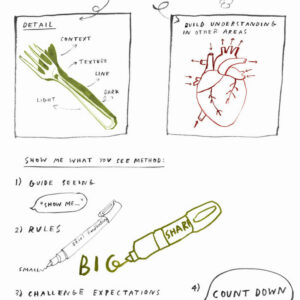
Drawing skills go far beyond formal skills like Line, Shape, Form, Tone, Perspective, Composition, and Proportion.

These skills form just one small part of what “drawing” might be. Many teachers focus disproportionately on these skills, paralysed by teaching them in the right order, and not always familiar with these skills themselves.

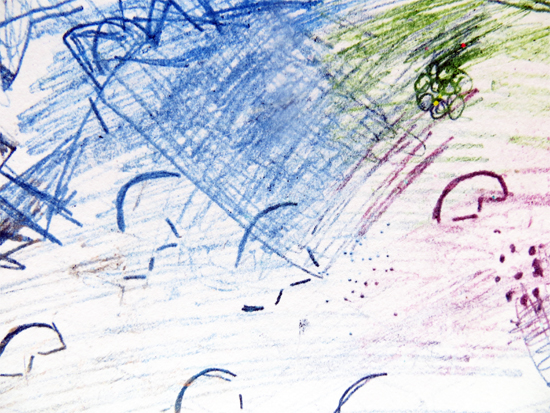
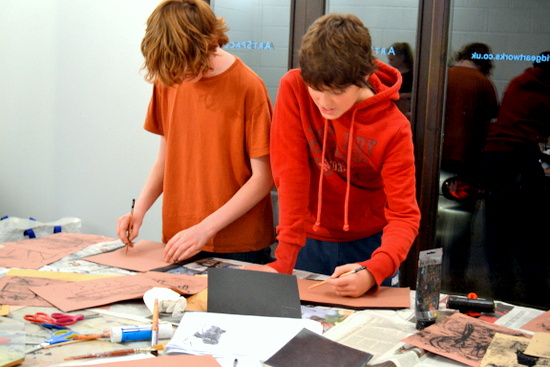
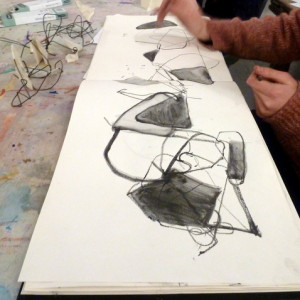
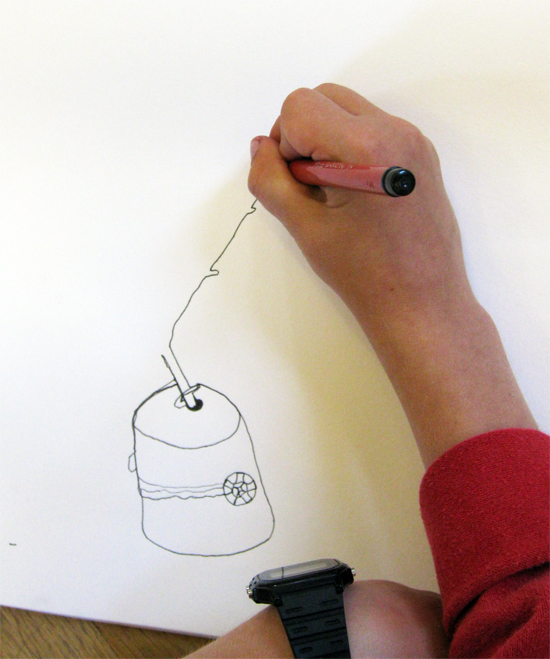
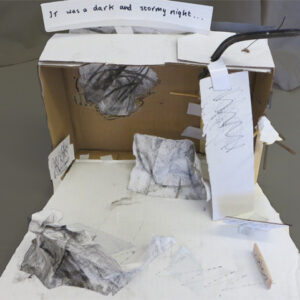
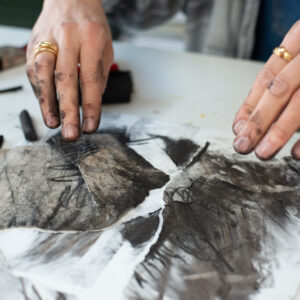
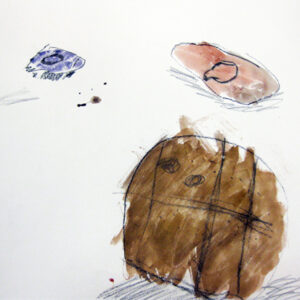
Try to think about the wider skills drawing might involve, before you focus in. Think, for example, about how drawing develops observation skills. About how drawing develops hand eye coordination. How drawing enables us to make exciting marks, and how it encourages us to feel confident to make a creative response to a stimulus.

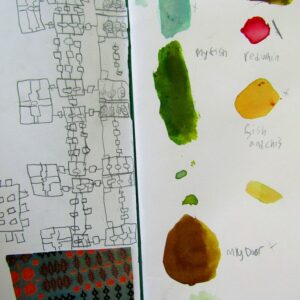
Drawing helps us understand how we might take creative risks. We learn skills which enable us to experiment with different medium. We develop our emotional literacy skills when we tap into how we feel and learn to communicate that on paper. And through making and looking at drawing we learn to be more visually literate, and to share our thoughts and views and listen to others. These are all important skills which we should make time for with an art class.

“Drawing” incorporates so many different skills. One child might favour neat, analytical techniques, another child may be better suited to more imaginative or expressive work. It’s really important we provide opportunities for pupils to practice the full variety of skills, so that each child finds their way into drawing in a way which suits them. This makes drawing as inclusive and accessible as possible.

One last point: There is no hierarchy, there is just the building of drawing intelligence. All children will progress, if given ongoing exciting opportunities and if we keep engaging them along the way. Progression will halt if teaching plateaus, or we fail to engage by closing down opportunities by reducing the drawing skills we offer.

Video Coming Soon.

This is a sample of a resource created by UK Charity AccessArt. We have over 1500 resources to help develop and inspire your creative thinking, practice and teaching.

AccessArt welcomes artists, educators, teachers and parents both in the UK and overseas.

We believe everyone has the right to be creative and by working together and sharing ideas we can enable everyone to reach their creative potential.


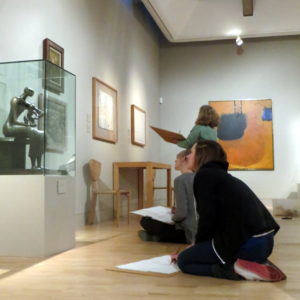
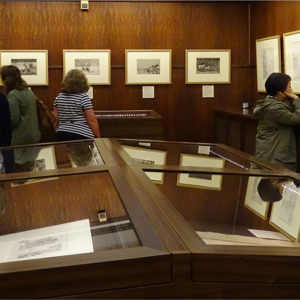
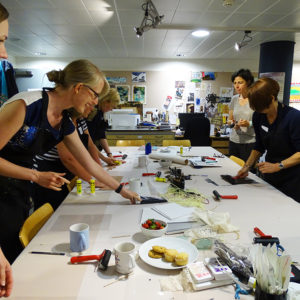
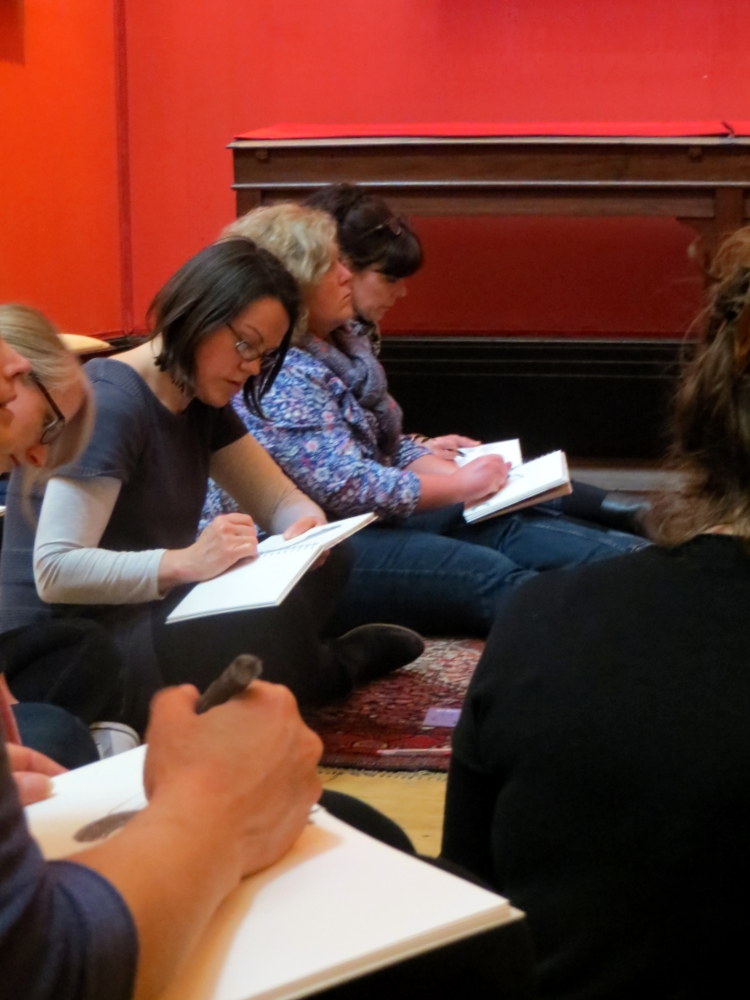
Teachers Explore ‘Line and Shape’ at the Fitzwilliam Museum, Cambridge with AccessArt

explore resources…

THOUGHTFUL DRAWING AND MARK MAKING IN THE ARMOURY

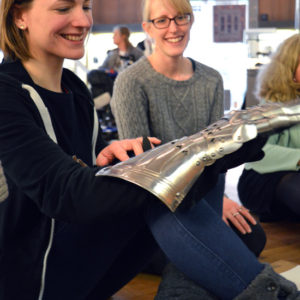
Teachers explore armour with Kate Noble

USING SKETCHBOOKS, DRAWING AND REFLECTIVE TOOLS IN THE 20TH CENTURY GALLERY

fitz-session-1-58 PB

Making Sketchbooks at the Fitzwilliam Museum, Cambridge

Fitz - sketchbooks - Sheila

USING DRAWING TO GET CLOSER TO 18TH CENTURY PORTRAITS

Fitz - painting gallery - PB

MAKING SCULPTURAL INTERPRETATIONS OF 18TH CENTURY PORTRAITS

fitz-making-108 PB

GATHERING MARKS AND TEARING PAPER TO APPRECIATE PRINTS BY GOYA, TURNER AND CORNELIUS

Browsing the Print Collection

MONOPRINTING INSPIRED BY GOYA, TURNER AND CORNELIUS

Teachers begin their Exploration!

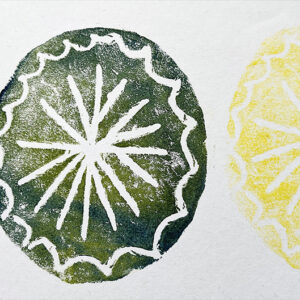
TEACHERS PLAY WITH PLASTICINE TO MAKE PRINTS

Print Revealed


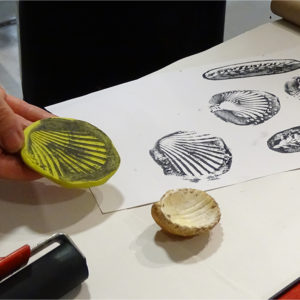
Teachers Play with Plasticine to Make Prints in the Education Room at the Fitzwilliam Museum, Cambridge

See This Resource Used In Schools…

Year 1, Combs Ford Primary School

You May Also Like….

Pathway: Simple Printmaking

Featured in the 'Simple Printmaking' pathway

Featured in the ‘Simple Printmaking’ pathway

PRINTING PROCESSES USING EVERYDAY MATERIALS

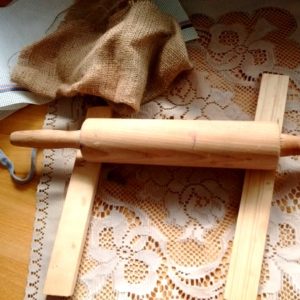
Roll out plasticine on textured surfaces using guides, (lengths of wood of equal depth around half inch thick) - Ruth Purdy

TEACHERS EXPLORE ‘LINE AND SHAPE’ AT THE FITZWILLIAM MUSEUM

fitz-making-18


Gathering Marks and Tearing Paper to Appreciate Prints by Goya, Turner and Cornelius at the Fitzwilliam Museum, Cambridge

Related Posts

Teachers Explore ‘Line and Shape’ at the Fitzwilliam Museum, Cambridge with AccessArt

See all the blog posts from AccessArt's InSET in collaboration with the Fitzwilliam Museum. Find top Museum Education practice with practical, hands on learning in Fine Art disciplines including: drawing, printmaking, sketchbooks, collage and sculpture. See all the blog posts from AccessArt’s InSET in collaboration with the Fitzwilliam Museum. Find top Museum Education practice with practical, hands on learning in Fine Art disciplines including: drawing, printmaking, sketchbooks, collage and sculpture.

Monoprinting with Oil Pastel and Carbon Copy Paper

Join Paula Briggs to see how children enjoy the element of surprise when monoprints made with carbon paper paper are revealed. Join Paula Briggs to see how children enjoy the element of surprise when monoprints made with carbon paper paper are revealed.

Using Sketchbooks to Inform Larger Work

See how teenagers make large, torn collages on A1 paper with Sheila Ceccarelli See how teenagers make large, torn collages on A1 paper with Sheila Ceccarelli


Making Sculptural Interpretations of 18th Century Portraits at the Fitzwilliam Museum, Cambridge

Related Posts and Resources

Teachers Explore ‘Line and Shape’ at the Fitzwilliam Museum, Cambridge with AccessArt

See all the blog posts from AccessArt's InSET in collaboration with the Fitzwilliam Museum. Find top Museum Education practice with practical, hands on learning in Fine Art disciplines including: drawing, printmaking, sketchbooks, collage and sculpture. See all the blog posts from AccessArt’s InSET in collaboration with the Fitzwilliam Museum. Find top Museum Education practice with practical, hands on learning in Fine Art disciplines including: drawing, printmaking, sketchbooks, collage and sculpture.

Launched! Make, Build, Create: Sculpture Projects for Children!

Published by Black Dog London (April 2016), Make, Build, Create aims to remind us of the importance and pleasure of making. Make, Build, Create is a practical, beautiful and uplifting book which contains 24 fully illustrated sculpture projects for children, plus information on tools and materials that will enable a creative and open-ended exploration of key sculptural ideas. Published by Black Dog London (April 2016), Make, Build, Create aims to remind us of the importance and pleasure of making. Make, Build, Create is a practical, beautiful and uplifting book which contains 24 fully illustrated sculpture projects for children, plus information on tools and materials that will enable a creative and open-ended exploration of key sculptural ideas.


Using Drawing to Get Closer to 18th Century Portraits at the Fitzwilliam Museum, Cambridge

You May Also Like…

Teachers Explore ‘Line and Shape’ at the Fitzwilliam Museum, Cambridge with AccessArt

fitz-making-18

Drawing and Making Flowers

Turning drawings into flowers using mixed media

Drawing and Making: Drawing to Feed Making – Making to Feed Drawing

Drawing and Making: processes feeding each other


Making Sketchbooks at the Fitzwilliam Museum, Cambridge

Related Posts

Teachers Explore ‘Line and Shape’ at the Fitzwilliam Museum, Cambridge with AccessArt

See all the blog posts from AccessArt's InSET in collaboration with the Fitzwilliam Museum. Find top Museum Education practice with practical, hands on learning in Fine Art disciplines including: drawing, printmaking, sketchbooks, collage and sculpture. See all the blog posts from AccessArt’s InSET in collaboration with the Fitzwilliam Museum. Find top Museum Education practice with practical, hands on learning in Fine Art disciplines including: drawing, printmaking, sketchbooks, collage and sculpture.

Making Sketchbooks: An Introduction

Simple Approaches to Making Sketchbooks by Paula Briggs Simple Approaches to Making Sketchbooks by Paula Briggs

Artist Aurora Cacciapuoti Introduces Japanese Bookbinding

Artist Aurora Cacciapuoti demonstrates, step by step, how to bind a sketchbook Artist Aurora Cacciapuoti demonstrates, step by step, how to bind a sketchbook


Using Sketchbooks, Drawing and Reflective Tools in the 20th Century Gallery at the Fitzwilliam Museum, Cambridge

Related Posts

Teachers Explore ‘Line and Shape’ at the Fitzwilliam Museum, Cambridge with AccessArt

See all the blog posts from AccessArt's InSET in collaboration with the Fitzwilliam Museum. Find top Museum Education practice with practical, hands on learning in Fine Art disciplines including: drawing, printmaking, sketchbooks, collage and sculpture. See all the blog posts from AccessArt’s InSET in collaboration with the Fitzwilliam Museum. Find top Museum Education practice with practical, hands on learning in Fine Art disciplines including: drawing, printmaking, sketchbooks, collage and sculpture.

Continuous Line Drawings (Squiggle Drawings) of Sticks

Look at this post to see how pupils aged 6 to 10 respond to a continuous line exercise exercise led by Paula Briggs. Look at this post to see how pupils aged 6 to 10 respond to a continuous line exercise exercise led by Paula Briggs.

Teenagers Make Prompts to Overcome White Page Syndrome

See here how teenagers overcome the white page with Sheila Ceccarelli. See here how teenagers overcome the white page with Sheila Ceccarelli.


Thoughtful Drawing and Mark Making in the Armoury at the Fitzwilliam Museum, Cambridge

Related Posts and Resources

See all the blog posts from AccessArt's InSET in collaboration with the Fitzwilliam Museum. Find top Museum Education practice with practical, hands on learning in Fine Art disciplines including: drawing, printmaking, sketchbooks, collage and sculpture.

Teachers Explore ‘Line and Shape’ at the Fitzwilliam Museum, Cambridge with AccessArt

See all the blog posts from AccessArt’s InSET in collaboration with the Fitzwilliam Museum. Find top Museum Education practice with practical, hands on learning in Fine Art disciplines including: drawing, printmaking, sketchbooks, collage and sculpture.

Thoughtful Mark Making

Look at this post to see how pupils aged 6 to 10 respond to a similar mark making exercise led by Paula Briggs. Look at this post to see how pupils aged 6 to 10 respond to a similar mark making exercise led by Paula Briggs.

Drawing Projects for Children by Paula Briggs

Published by Black Dog Publishing London, Drawing Projects for Children is a beautifully illustrated collection of activities that will expand the mark making abilities and imagination of children of all ages, and help fuel their passion for drawing. The book features a collection of drawing exercises and projects taken from the AccessArt website, presenting them in a beautiful and inspirational format. Published by Black Dog Publishing London, Drawing Projects for Children is a beautifully illustrated collection of activities that will expand the mark making abilities and imagination of children of all ages, and help fuel their passion for drawing. The book features a collection of drawing exercises and projects taken from the AccessArt website, presenting them in a beautiful and inspirational format.


AccessArt Announces Partnership with Scola!

AccessArt is pleased to announce partnership with Scola. Based in Cheshire, Scola is a privately owned company formed in 1920. They sell the biggest range of UK manufactured paints, crayons, modelling materials and adhesives in the UK.

For many years AccessArt has been working to promote the importance of visual arts education. Through the creation of inspirational resources to enable creativity. AccessArt has helped inspire many hundreds of thousands of pupils, teachers, parents and artists.

We look forward to working with Scola to produce even more resources to help inspire the next generation of creative people!

Scola


Making Giant Withie Lanterns


Drawing Source Material: Coal Mines

A collection of imagery and sources which you can use to prompt drawing in schools and community groups. 

Please note that this page contains links to external websites and has videos from external websites embedded. At the time of creating, AccessArt checked all links to ensure content is appropriate for teachers to access. However external websites and videos are updated and that is beyond our control. 

Please let us know if you find a 404 link, or if you feel content is no longer appropriate. 

We strongly recommend as part of good teaching practice that teachers watch all videos and visit all websites before sharing with a class. On occasion there may be elements of a video you would prefer not to show to your class and it is the teacher’s responsibility to ensure content is appropriate. Many thanks. 

‘In the 19th century the coal mines of Great Britain provided the primary source of energy for the industrial revolution.  Coal powered the steam locomotives, ships, steam engines in mills etc.  It also generated heat and light in the form of coal gas and later electricity. Coal processed into coke made blast furnace production of iron and other metals possible. Coal did much of the work then that oil and natural gas do now, including as a substitute for the growing chemical industry.’ – Working Class Museum Library

Use the film below to enable children to explore drawing coal-mines. Try to create a sense of momentum – for example you might pause the video 4 times and ask the pupils to make a 1 minute, 2 minute, 3 minute and 4 minute drawing at each pause. 

Encourage close and slow looking by talking as they draw – use your voice to attract their attention to qualities of the coal-mine.

Try some different exercises- 

Cover the page with charcoal, use an eraser to draw detail and capture lighter tonal areas.

Blur the image by squinting your eyes. Using the side of the charcoal, pick out the different areas of tone and loosely block them out on the paper.

Begin the video at 02.50 to avoid showing images of animal carcasses. 

Miner

Click here to watch a 1950s coal-mining documentary made by the British Film Institute.

Watch the first 20 minutes to understand the processes and roles involved in coal-mining.

You May Also Like…

Pathway: An Exploration of coal mining Inspired by henry moore

Featured in the 'An Exploration of Coal Mining' pathway

Featured in the ‘An Exploration of Coal Mining’ pathway

Pathway: How Can I Use Light & Dark To Create A Sense Of Space, Inspired By The Coal Mining Drawings Of Henry Moore?

For ages 11-14, explore this pathway inspired by Henry Moore's coal mining drawings

For ages 11-14, explore this pathway inspired by Henry Moore’s coal mining drawings

Show me what you see

Show Me What You See Method 250 Words by Tobi Meuwissen

using sketchbooks to make visual notes

Sketchbooks used for observations, research drawing and experimentation.


Make a Model Stitched House


Filling a Sketchbook: Ruler Drawings

You May Also Like…

Pathway: Exploring Form Through Drawing

This is featured in the 'Exploring Form Through Drawing' pathway

This is featured in the ‘Exploring Form Through Drawing’ pathway

The drawing journey

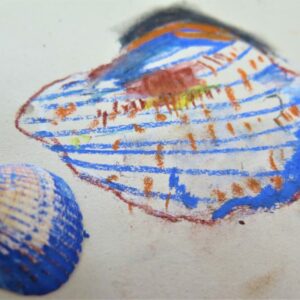
A colour study of a shell.

See Drawing Projects for Children for more Drawing Exercises

Drawing Projects for Children by Paula Briggs


Collage and Construction


50 Minutes Looking and Sketching Autumn Leaves

Monoprinting with Oil Pastel and Carbon Copy Paper

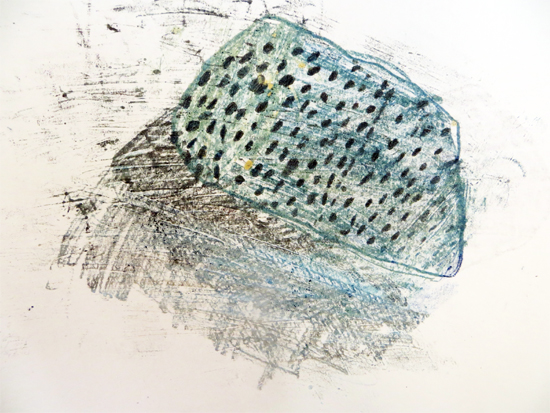
Paula Briggs introduces children in her drawing class , aged 6 - 9 to drawing fossils and carbon paper as a medium for monoprinting. Paula Briggs introduces children in her drawing class , aged 6 – 9 to drawing fossils and carbon paper as a medium for monoprinting.


Teenagers Write A Letter, A Postcard, A Poem or A Narrative in Invented Text


Ten Top Tips to Take Superb Pictures on Your Camera Phone by Ruth Purdy


What is a Canvas? Exploration Activity


Making Felt Sailing Boats by Ruth Purdy