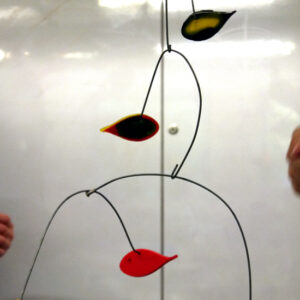
A range of sources designed to help you explore the work of sculptor, Alexander Calder.
Please note that this page contains links to external websites and has videos from external websites embedded. At the time of creating, AccessArt checked all links to ensure content is appropriate for teachers to access. However external websites and videos are updated and that is beyond our control.
Please let us know if you find a 404 link, or if you feel content is no longer appropriate.
We strongly recommend as part of good teaching practice that teachers watch all videos and visit all websites before sharing with a class. On occasion there may be elements of a video you would prefer not to show to your class and it is the teacher’s responsibility to ensure content is appropriate. Many thanks.
This resource is free to access and is not a part of AccessArt membership.
Alexander Calder
Alexander Calder (July 22, 1898 – November 11, 1976) was an American sculptor known both for his innovative mobiles (kinetic sculptures powered by motors or air currents) that embrace chance in their aesthetic, his static “stabiles”, and his monumental public sculptures. Calder preferred not to analyse his work, saying, “Theories may be all very well for the artist himself, but they shouldn’t be broadcast to other people.” – Wikipedia
Watch the video below to introduce children to the idea of “mobiles”. Stop the video frequently and use discussion to help children understand the ideas in the video. In particular draw the children’s’ attention to:
The idea of slowing down
The relationship of the elements to natural objects
The relationship of a moving sculpture to dance and music.
Throughout the process, have sketchbooks open on desks with plenty of drawing materials, and pause during the conversations so that pupils can make visual notes.
Watch the video below to introduce children to the idea of “mobiles”. Stop the video frequently and use discussion to help children understand the ideas in the video. In particular draw the children’s’ attention to the idea of “trial and error” (or as we call is Design through Making) as a way of constructing the mobiles.
Throughout the process, have sketchbooks open on desks with plenty of drawing materials, and pause during the conversations so that pupils can make visual notes.
Sketchbook Development Work
Turn the sound down on the video below, and choose certain frames to stop the video so that pupils can make drawings in their sketchbooks based upon the compositions they see.
At first, you as teacher can choose the freeze frame, but then let the pupils make their own choices.
Encourage them to think of the paper of their sketchbook as the “stage” and invite them to draw the shapes, lines and colours they see, thinking carefully about the white space of the page as well as the shapes they draw.
Invite them to use a variety of different materials to capture the shapes. In particular you might want to invite them to use soft B pencils or graphite sticks in one drawing for example, handwriting pen in another, charcoal or collage in another….
Encourage them to work with momentum – for example tell them the film will be frozen for 1 minute/5 minutes etc. Set a clock and invite them to draw, before moving on.
Spend time looking at the drawings they create and invite them to share their thoughts:
What did they think when they were drawing Calder’s mobiles? How did they make them feel?
What do they think when they see the shapes they have drawn? What do they remind them off?
Talking Points: Artists as Collectors and Explorers
Explore Contemporary Artists, Designers and Makers
Returning to Our Bodies – Poised Between The Slip and The Grub
Talking Points: Dancing to Art
A collection of imagery and sources designed to introduce children to using their whole bodies to respond to paintings.
Please note that this page contains links to external websites and has videos from external websites embedded. At the time of creating, AccessArt checked all links to ensure content is appropriate for teachers to access. However external websites and videos are updated and that is beyond our control.
Please let us know if you find a 404 link, or if you feel content is no longer appropriate.
We strongly recommend as part of good teaching practice that teachers watch all videos and visit all websites before sharing with a class. On occasion there may be elements of a video you would prefer not to show to your class and it is the teacher’s responsibility to ensure content is appropriate. Many thanks.
*If you are having issues viewing videos it may be due to your schools firewall or your cookie selection. Please check with your IT department.*
This resource is free to access and is not a part of AccessArt membership.
Dancing to Art by Tate Gallery
“Corali, a leader in dance created by artists with a learning disability, have worked with Tate since 1998 and are experts in creatively taking up space in our galleries. We invited Paul, Sherri, Bethan and Dj from Corali to design performances in response to four artworks at Tate Britain. We wanted to show what happens when people have the freedom to enjoy the gallery however they want, and how this can open up new ways of responding to art.” – Tate Youtube
Watch the video with the pupils, and look at the images below. Find out how you can respond to art through dance.
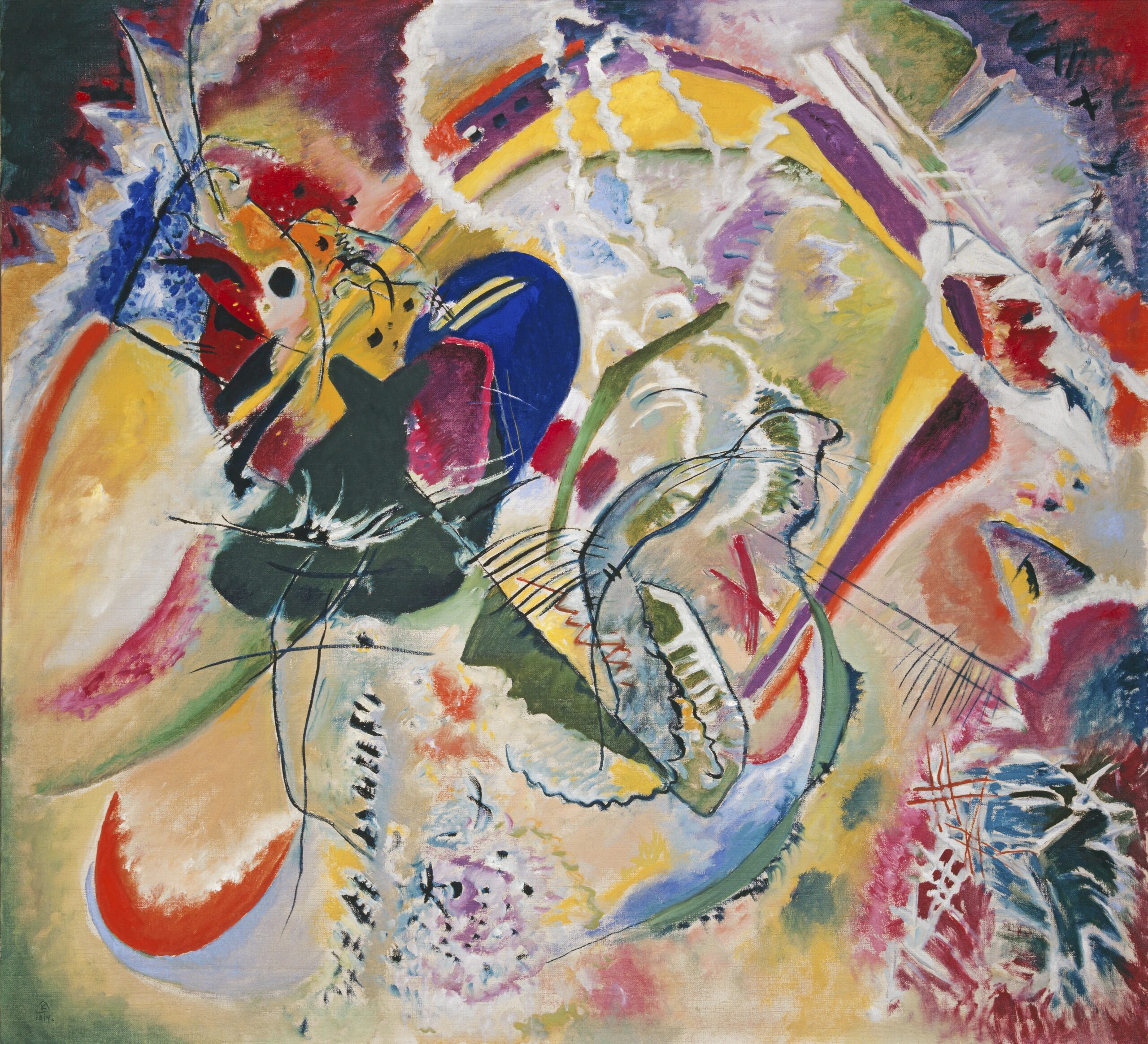
Improvisation 35 (1914) painting by Wassily Kandinsky
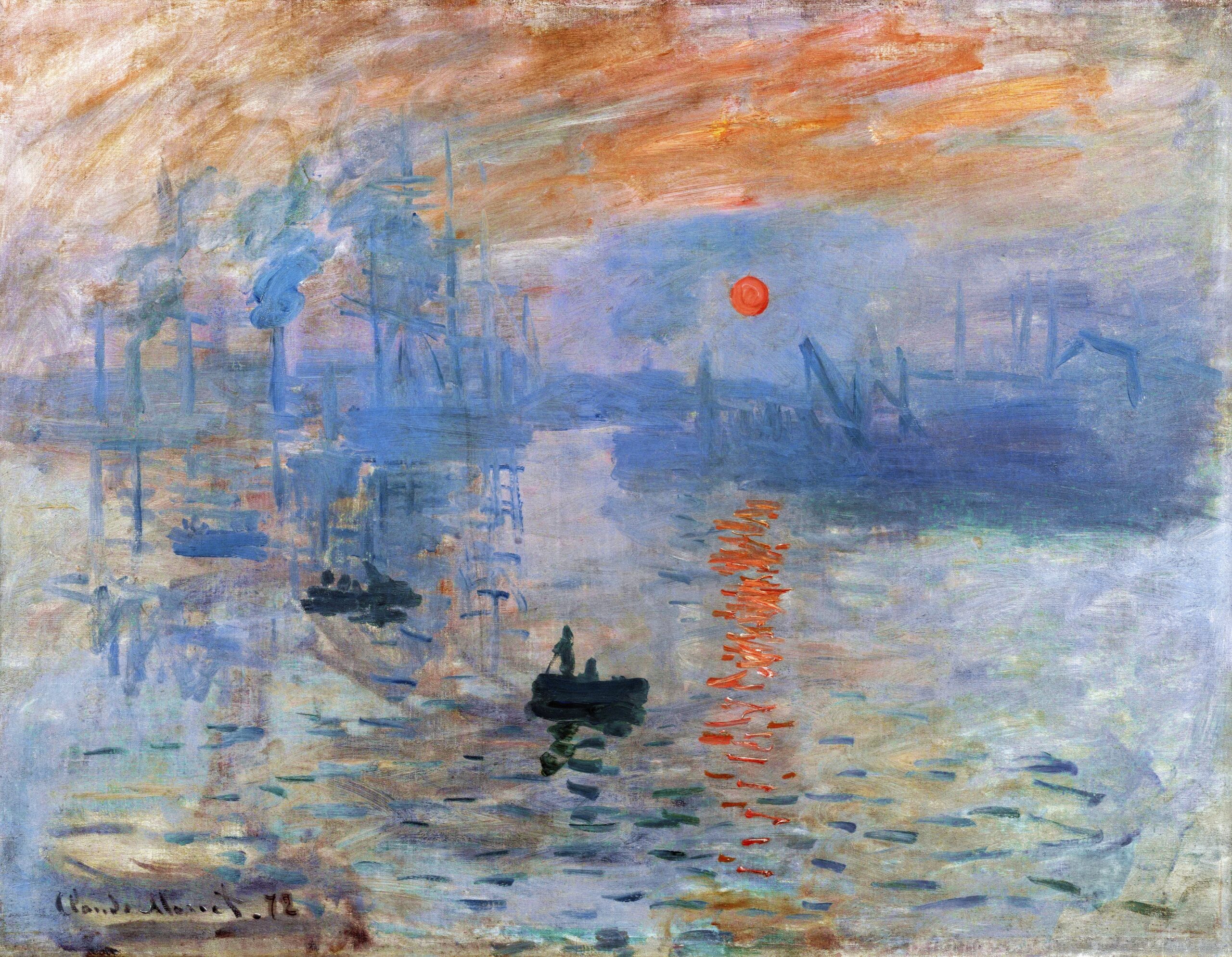
Claude Monet’s Impression, Sunrise (1872) famous painting. Original from Wikimedia Commons.
Questions to Ask Children
What movement might you use to describe a windy day?
What movement would you use in response to the colour red? Blue? Green? Black?
Use your whole body to make a movement that represents an atmosphere or an emotion, such as gloomy, peaceful, excited…
How would you use your body to respond to a spikey / straight / curved line?
Artist Studio Series: Sara Reeve
Talking Points: Paddington Bear
A collection of sources and imagery to explore Paddington Bear.
Please note that this page contains links to external websites and has videos from external websites embedded. At the time of creating, AccessArt checked all links to ensure content is appropriate for teachers to access. However external websites and videos are updated and that is beyond our control.
Please let us know if you find a 404 link, or if you feel content is no longer appropriate.
We strongly recommend as part of good teaching practice that teachers watch all videos and visit all websites before sharing with a class. On occasion there may be elements of a video you would prefer not to show to your class and it is the teacher’s responsibility to ensure content is appropriate. Many thanks.
This resource is free to access and is not a part of AccessArt Membership.
Paddington Bear
Paddington Bear is a fictional character in children’s literature. He first appeared on 13 October 1958 in the children’s book A Bear Called Paddington and has been featured in more than twenty books written by British author Michael Bond, and illustrated by Peggy Fortnum and other artists.
Paddington is also animated in stop motion. Paddington himself is a puppet in a three-dimensional environment, whilst other characters are paper cut-outs. The final television special used a slightly different technique using 2D drawn fully animated characters. Wikipedia
Watch the episode below and ask children some questions about what they can see.
Questions to Prompt Conversation with EYFS
What do you like about Paddington?
What kind of bear do you think Paddington is?
What can you see in the background? How is the background different from the way Paddington is?
What is Paddington wearing? What things does he have around him?
CPD Recording: Class Crit
You May Also Like…
rethinking our approach to assessment
assessment and progression
all recorded cpd sessions
cpd recordings: Disciplines and pedagogy
Talking Points: What Is Form?
A collection of sources and imagery to explore the question ‘What Is Form?’
Please note that this page contains links to external websites and has videos from external websites embedded. At the time of creating, AccessArt checked all links to ensure content is appropriate for teachers to access. However external websites and videos are updated and that is beyond our control.
Please let us know if you find a 404 link, or if you feel content is no longer appropriate.
We strongly recommend as part of good teaching practice that teachers watch all videos and visit all websites before sharing with a class. On occasion there may be elements of a video you would prefer not to show to your class and it is the teacher’s responsibility to ensure content is appropriate. Many thanks.
*If you are having issues viewing videos it may be due to your schools firewall or your cookie selection. Please check with your IT department.*
This resource is free to access and is not a part of AccessArt membership.
What is Form?
Form can be placed into two categories: implied form and actual form.
Implied Form can be found in a 2D artwork that gives the illusion of form through perspective, shape, tone, line and colour.
Real form is a 3D object that exists in space and time, such as architecture or a sculpture.
All forms are either geometric and organic, whether they are real (3D) or implied (2D). Geometric forms are mathematical objects including cubes, pyramids and spheres. Geometric forms appear man made and can suggest something solid, balanced and permanent. Whereas organic forms look natural. They are irregular and may seem flowing and unpredictable. – BBC
Discuss the artwork below to explore the different types of form.
Implied Form
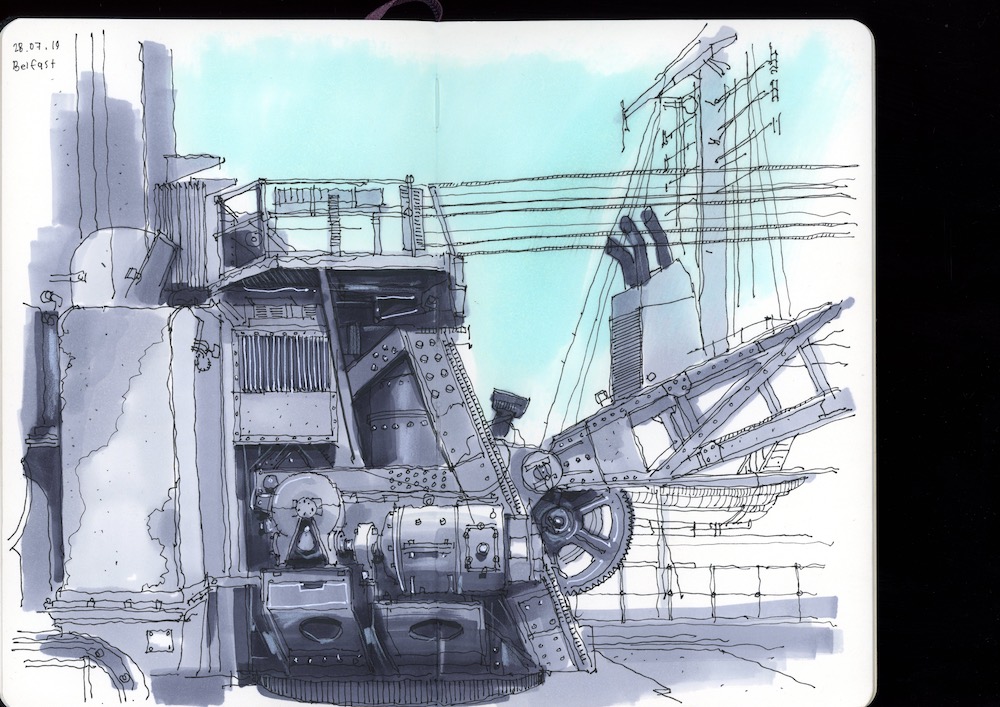
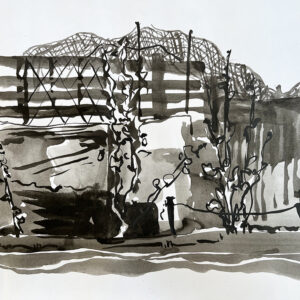
Power Station by Phil Dean
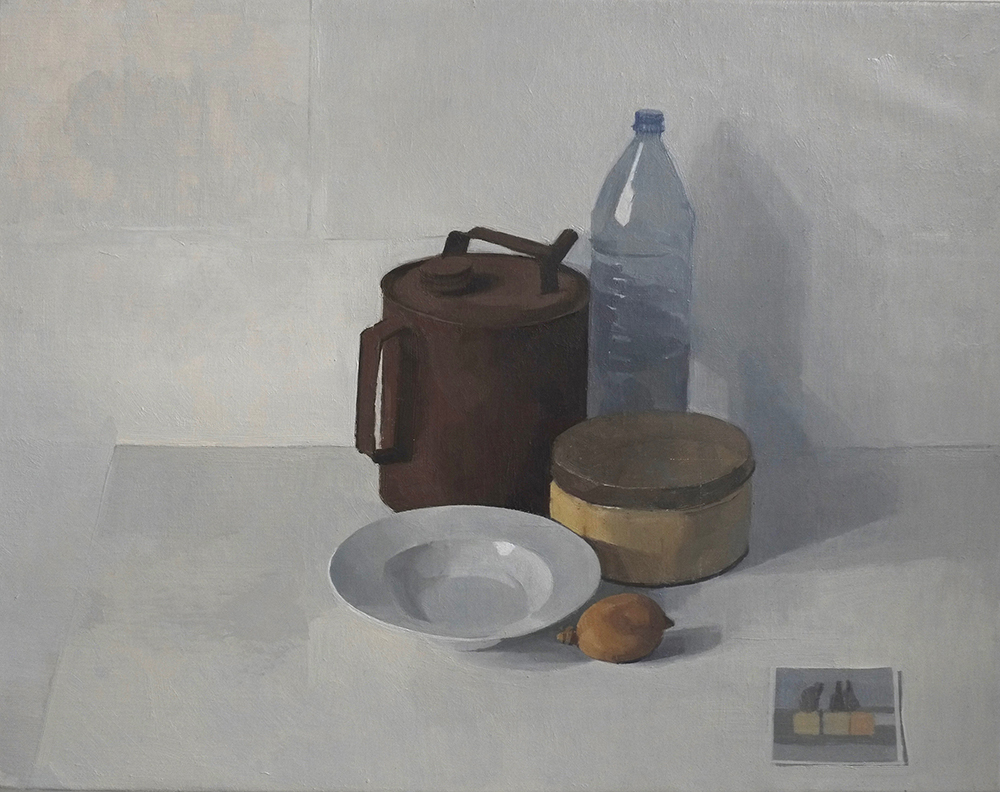
Homage to Morandi by Jason Line
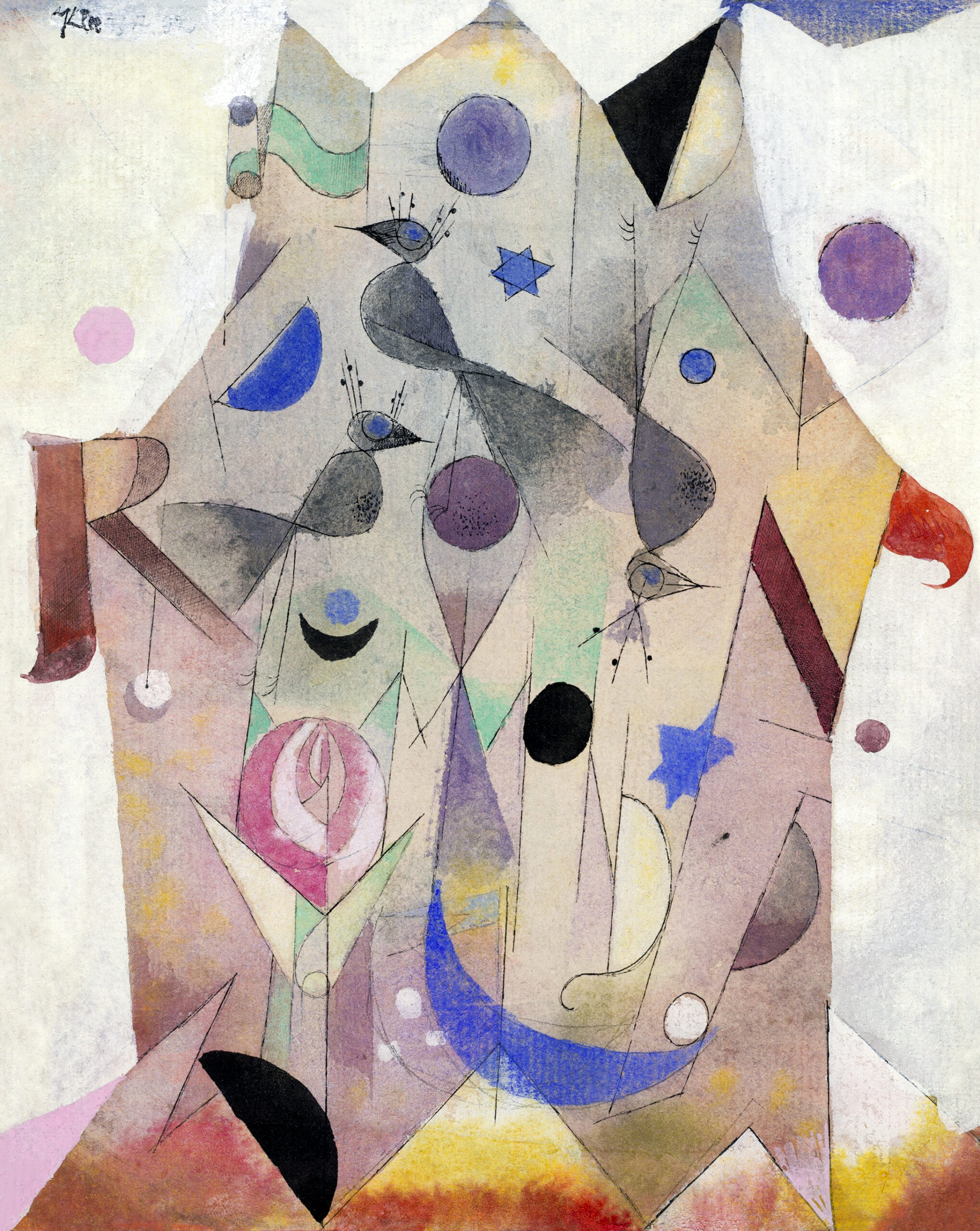
Persische Nachtigallen (Persian Nightingales) (1917) by Paul Klee. Original portrait painting from The Art Institute of Chicago.
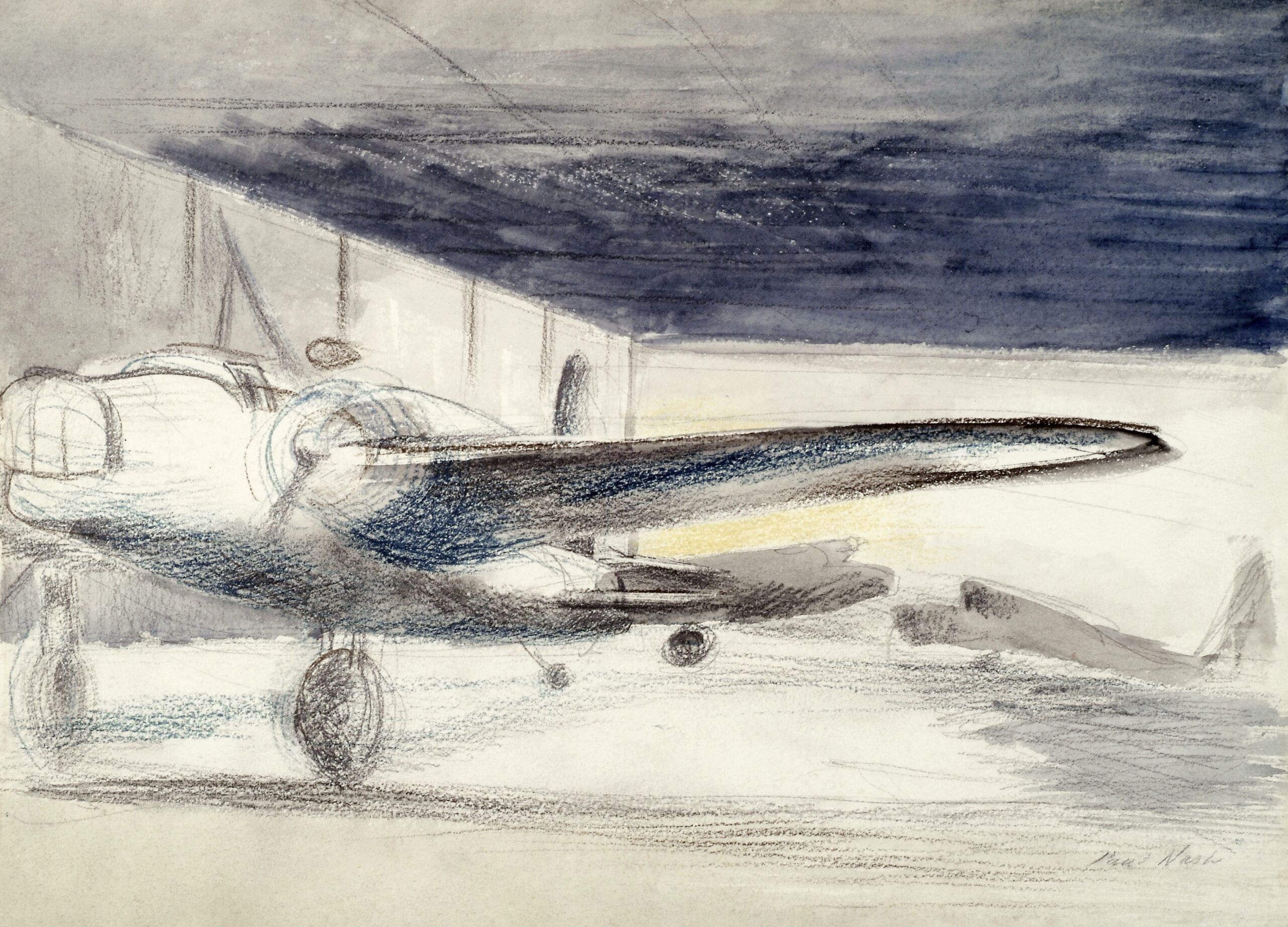
Bomber Lair (1940) painting in high resolution by Paul Nash. Original from The Birmingham Museum.
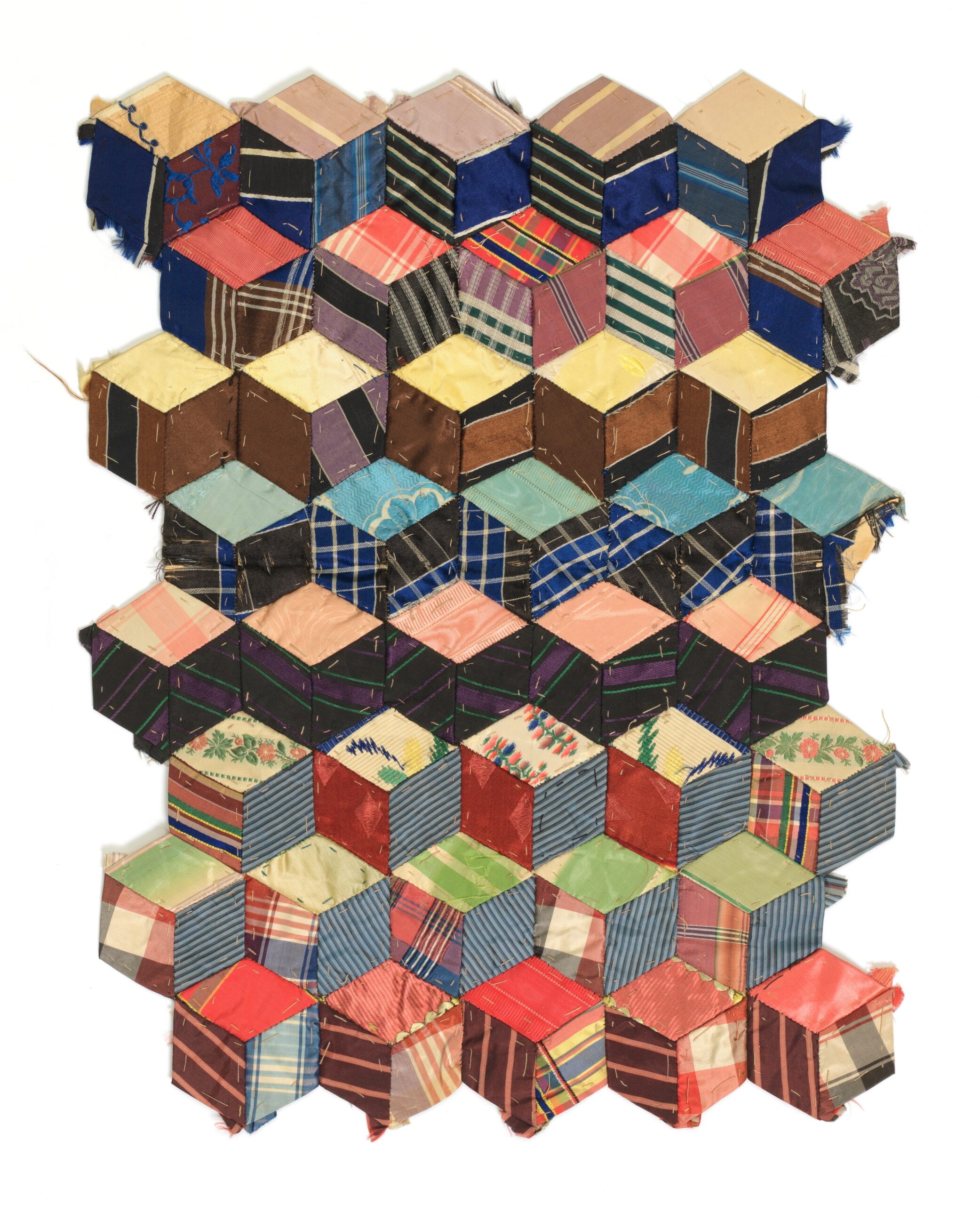
Tumbling Blocks Original public domain image from Smithsonian
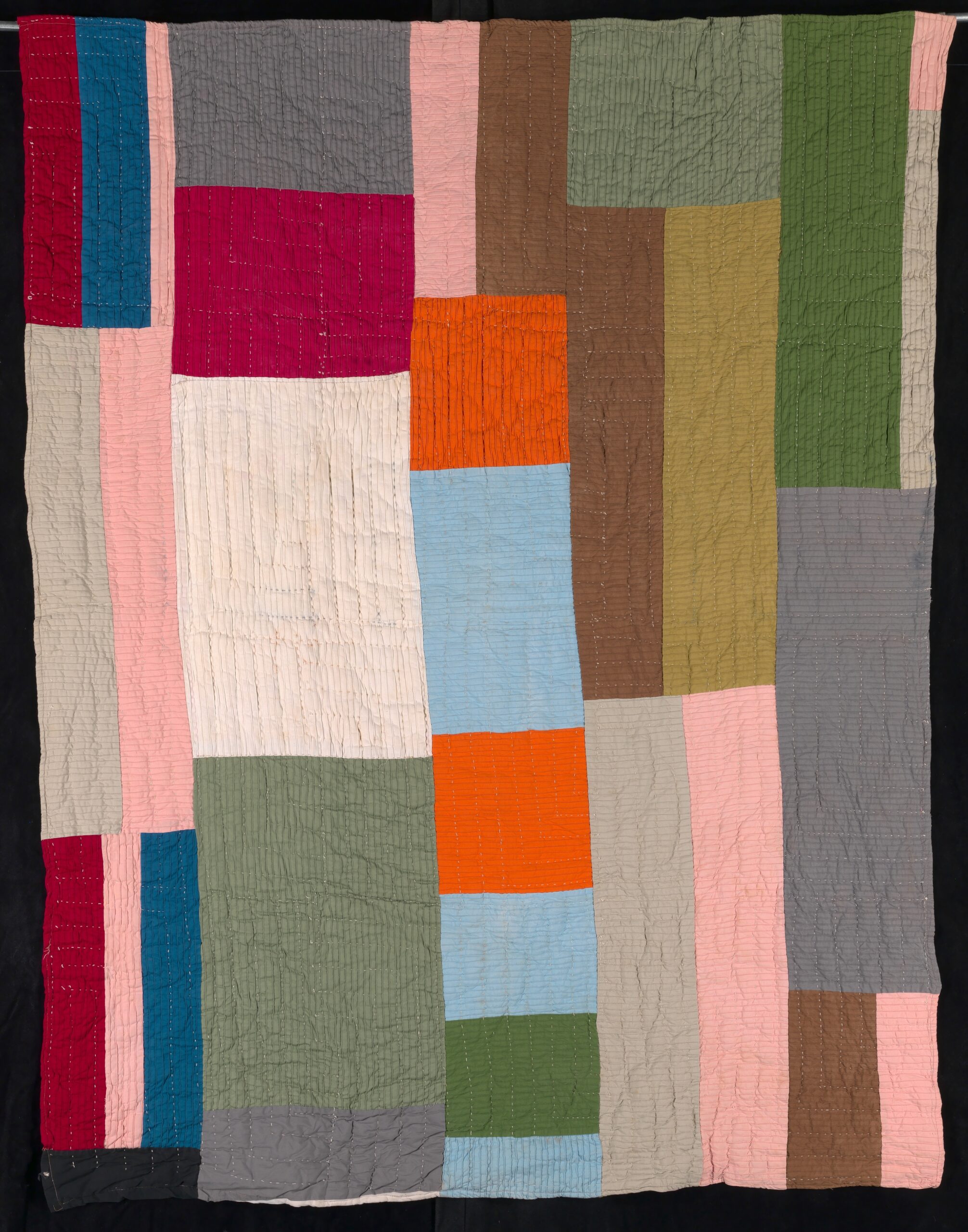
Untitled (Bars and Blocks) Original public domain image from Smithsonian
Questions to Ask Children
Which artworks are made of organic forms? How do you know?
Can you see artworks with geometric forms? How can you tell?
Do any of the images have a combination of geometric and organic forms? Which ones?
Which style of work do you prefer and why?
Does this artwork look heavy or light and why?
How have artists given the illusion of form in this artwork?
Real Form
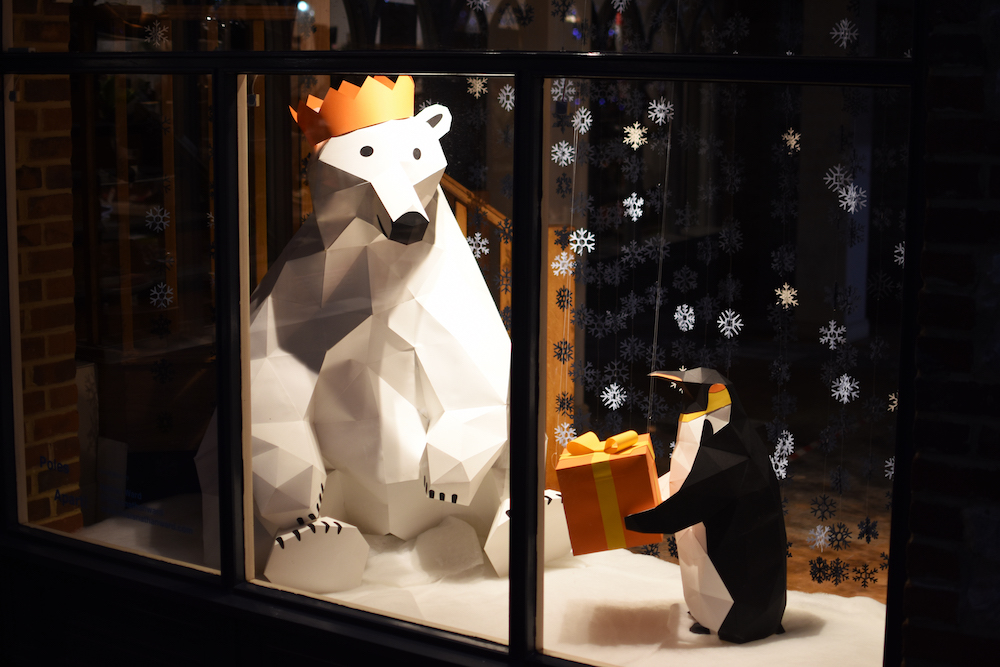
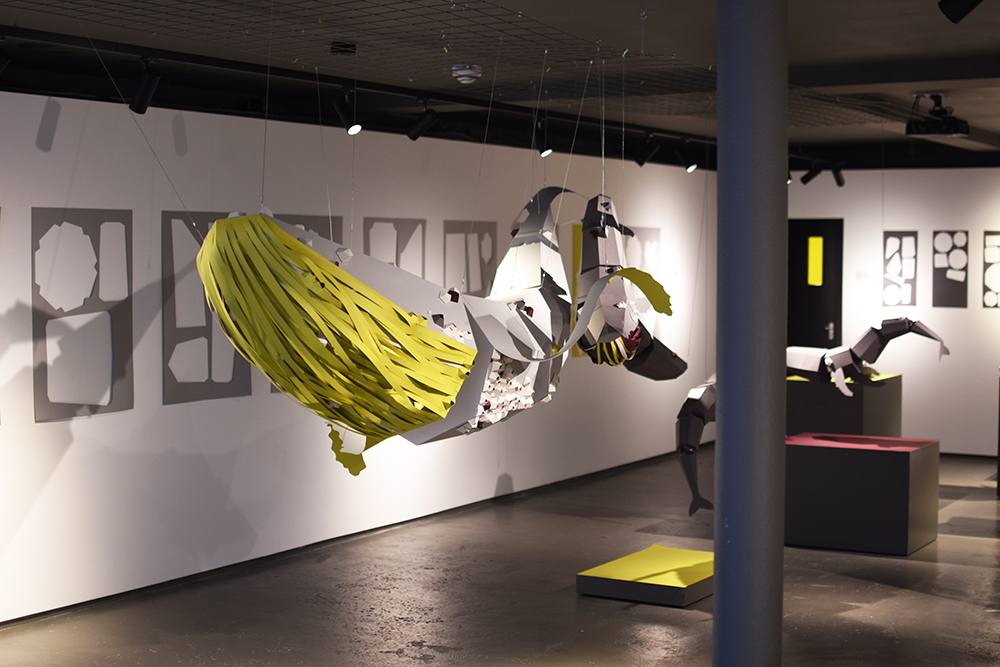
Paper Polar Bear Set by Nathan Ward
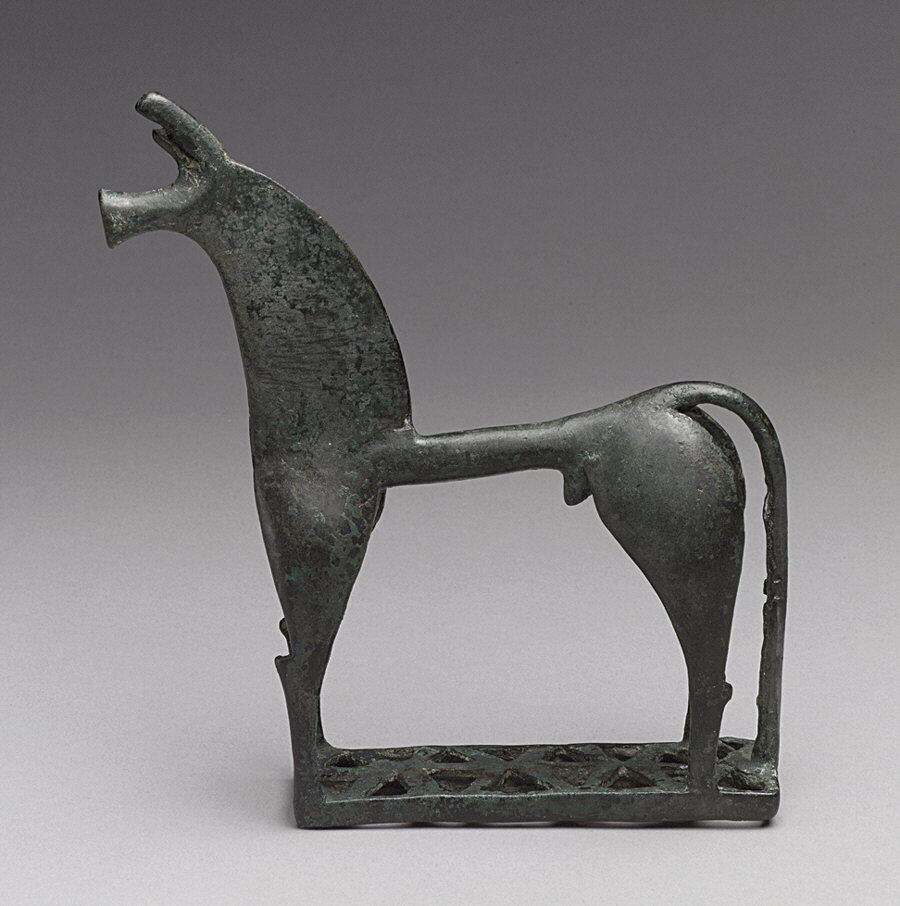
Bronze horse, Greek, Corinthian, MET Museum
Under Water: paper and movement in G.F Smith’s White Space by Nathan Ward
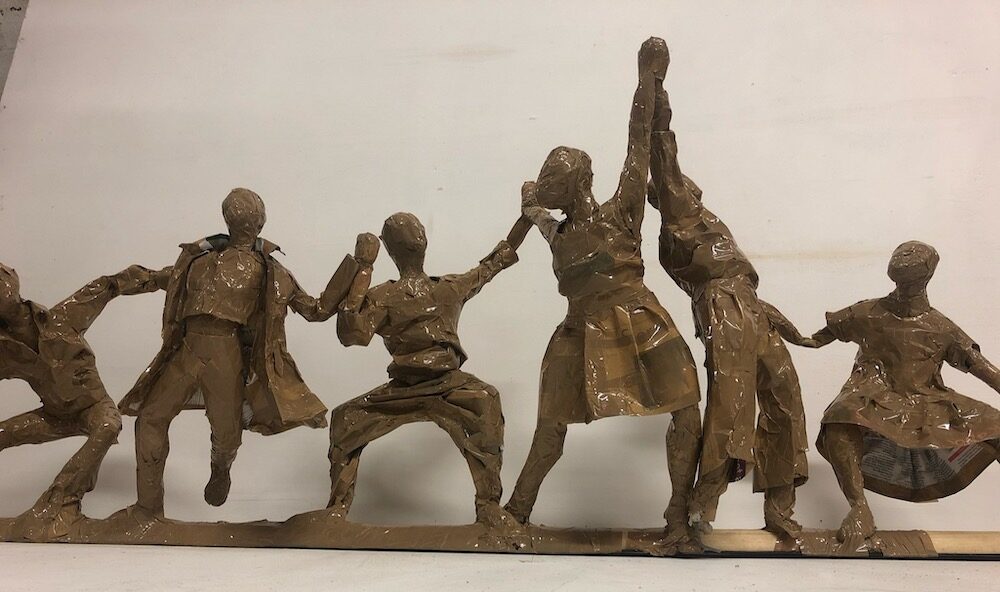
Lets Dance by Faith Bebbington 4 Close Up Of Newspaper Clothing
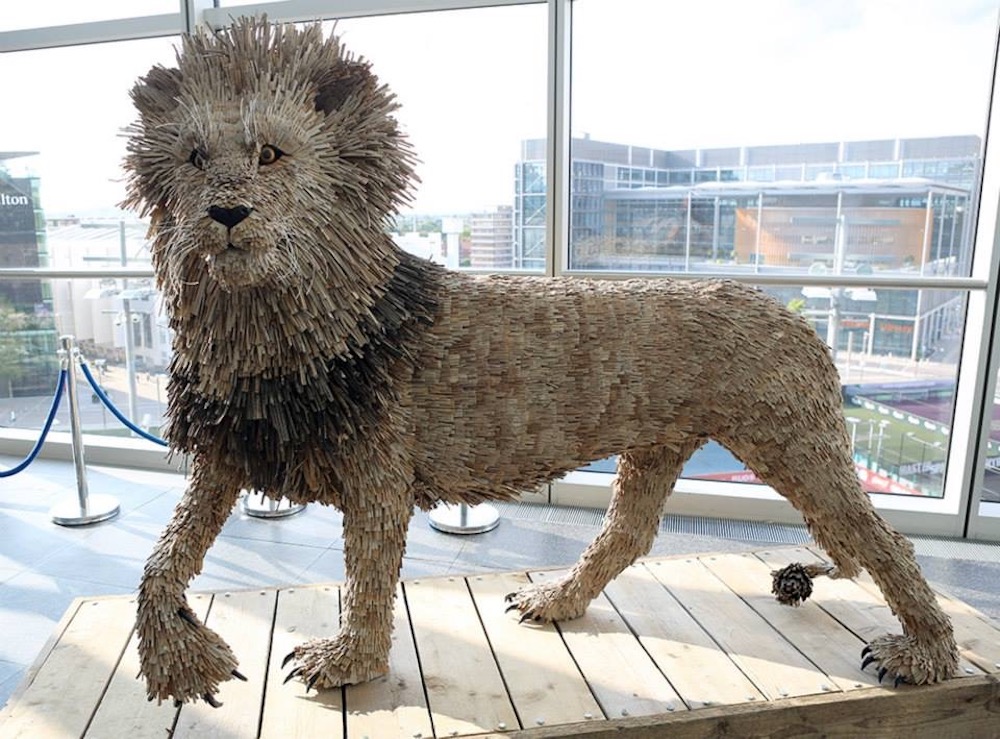
Wembley Lion (Cardboard) by Faith Bebbington
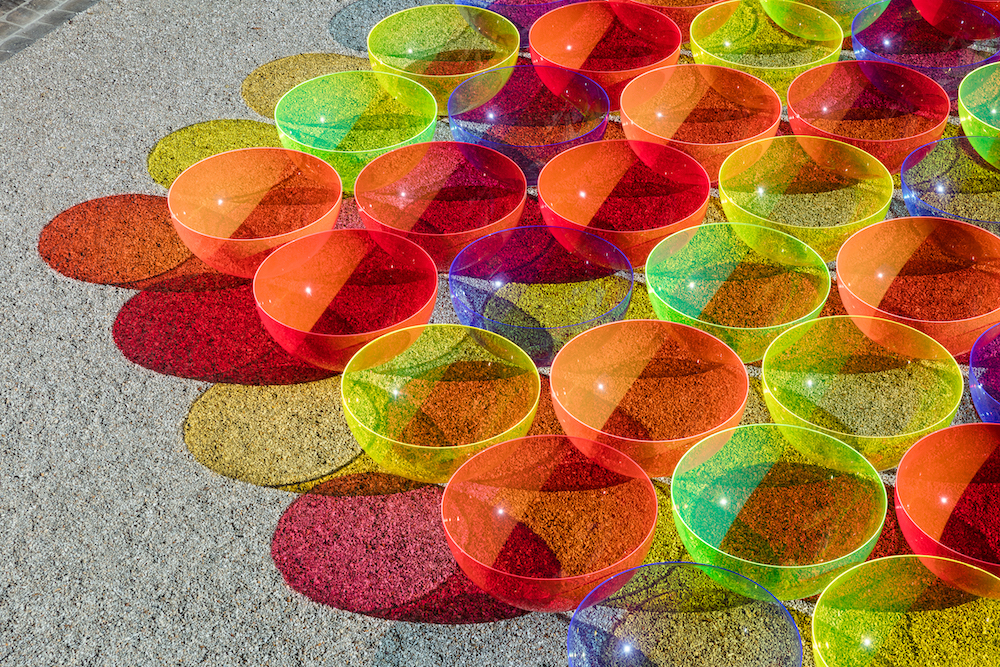
Aglow Liz West Nemozena 2018-9
Questions to Ask Children
What can you see in the sculpture?
Does the sculpture look heavy or light and why?
How does the light and shadow impact the sculpture?
With your finger in the air, draw the shapes you can see in the sculpture…
Which sculptures have geometric forms and which are organic? Which do you prefer?
Talking Points: Saoirse Morgan
A collection of imagery and sources designed to stimulate conversation around the work of Saoirse Morgan.
Please note that this page contains links to external websites and has videos from external websites embedded. At the time of creating, AccessArt checked all links to ensure content is appropriate for teachers to access. However external websites and videos are updated and that is beyond our control.
Please let us know if you find a 404 link, or if you feel content is no longer appropriate.
We strongly recommend as part of good teaching practice that teachers watch all videos and visit all websites before sharing with a class. On occasion there may be elements of a video you would prefer not to show to your class and it is the teacher’s responsibility to ensure content is appropriate. Many thanks.
This resource is free to access and is not a part of AccessArt Membership.
Saoirse Morgan
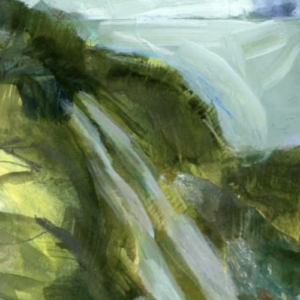
“My paintings explore my connection with familiar landscapes. The subject of my work is my home terrain of West Wales: the landscape, the coast, the ecology. I am inspired by local colour, plant life, atmosphere and weather. I spent my childhood on small islands, surrounded by swirling tide races and wild, wind-blown seas. My terrestrial environment is maritime heath and lowland heath. It’s a warm, familiar colour palette, dominated by bracken, heather and gorse.” – Saoirse
Questions to Ask Children
How does Saoirse’s painting process connect to the sea?
How do the colours, shapes and textures evoke the atmosphere of the sea?
Questions To Ask Children
How does the painting, and process capture the essence of the sea?
What do you like / dislike about the painting?
How does the painting make you feel?
Questions to Ask Children
Are there any animals / insects / plants in your local area that has been suffering the consequences of climate change? How has your local landscape been affected?
Which Artists Should We Look At in Primary School?
Talking Points: The Ancient Art of Drawing Kolam
A collection of sources and imagery to explore the ancient tradition of drawing Kolam.
Please note that this page contains links to external websites and has videos from external websites embedded. At the time of creating, AccessArt checked all links to ensure content is appropriate for teachers to access. However external websites and videos are updated and that is beyond our control.
Please let us know if you find a 404 link, or if you feel content is no longer appropriate.
We strongly recommend as part of good teaching practice that teachers watch all videos and visit all websites before sharing with a class. On occasion there may be elements of a video you would prefer not to show to your class and it is the teacher’s responsibility to ensure content is appropriate. Many thanks.
*If you are having issues viewing videos it may be due to your schools firewall or your cookie selection. Please check with your IT department.*
This resource is free to access and is not a part of AccessArt membership.
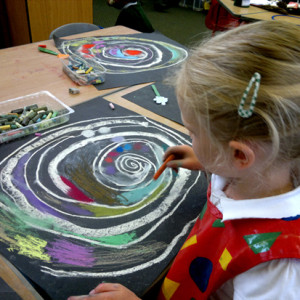
‘Every morning at sunrise all across Southern India women practice the ancient art of drawing kolam on the thresholds of their properties. A physical form of prayer and symbol of protection, a daily exercise, and a moment of intense concentration and meditation, drawing kolam is an important household ritual that has a lot more to it than may first meet the eye.
Two very different women living in Chennai explain their shared passion for kolam, and their involvement in the local kolam competition.’ – BBC
Questions to Ask Children
What do you like/dislike about kolam drawings?
Do they remind you of anything?
What are some of the rituals do you take part in every morning?
A collection of sources and imagery to explore the question ‘what is composition?’
Please note that this page contains links to external websites and has videos from external websites embedded. At the time of creating, AccessArt checked all links to ensure content is appropriate for teachers to access. However external websites and videos are updated and that is beyond our control.
Please let us know if you find a 404 link, or if you feel content is no longer appropriate.
We strongly recommend as part of good teaching practice that teachers watch all videos and visit all websites before sharing with a class. On occasion there may be elements of a video you would prefer not to show to your class and it is the teacher’s responsibility to ensure content is appropriate. Many thanks.
*If you are having issues viewing videos it may be due to your schools firewall or your cookie selection. Please check with your IT department.*
This resource is free to access and is not a part of AccessArt membership.
Composition is the arrangement of different elements in a piece of artwork.
As well as positioning, elements like shapes, lines and colours can have an impact on composition.
Composition addresses the relationship between these different elements. Some artists aim to create a balanced composition in their artwork whilst others may choose to bring things to the viewers attention by creating imbalance.
Why is Composition Important?
Whether it is a painting, drawing, photograph, print or even a piece of sculpture, the way the elements are arranged impact upon how we respond to the piece of art. The artist might be trying to convey an emotion, or communicate a message, and artists use tools they have through composition to help sell those “messages”.
Throughout history, composition can be seen as an indication of the period or artistic movements that a piece of art has been created in.
Focal Point
The focal point is the area of the artwork which your eye is drawn to. The artist might use placement to draw your eye to an object (i.e. where the object is on the page), or they might use colour or value to draw your eye in.
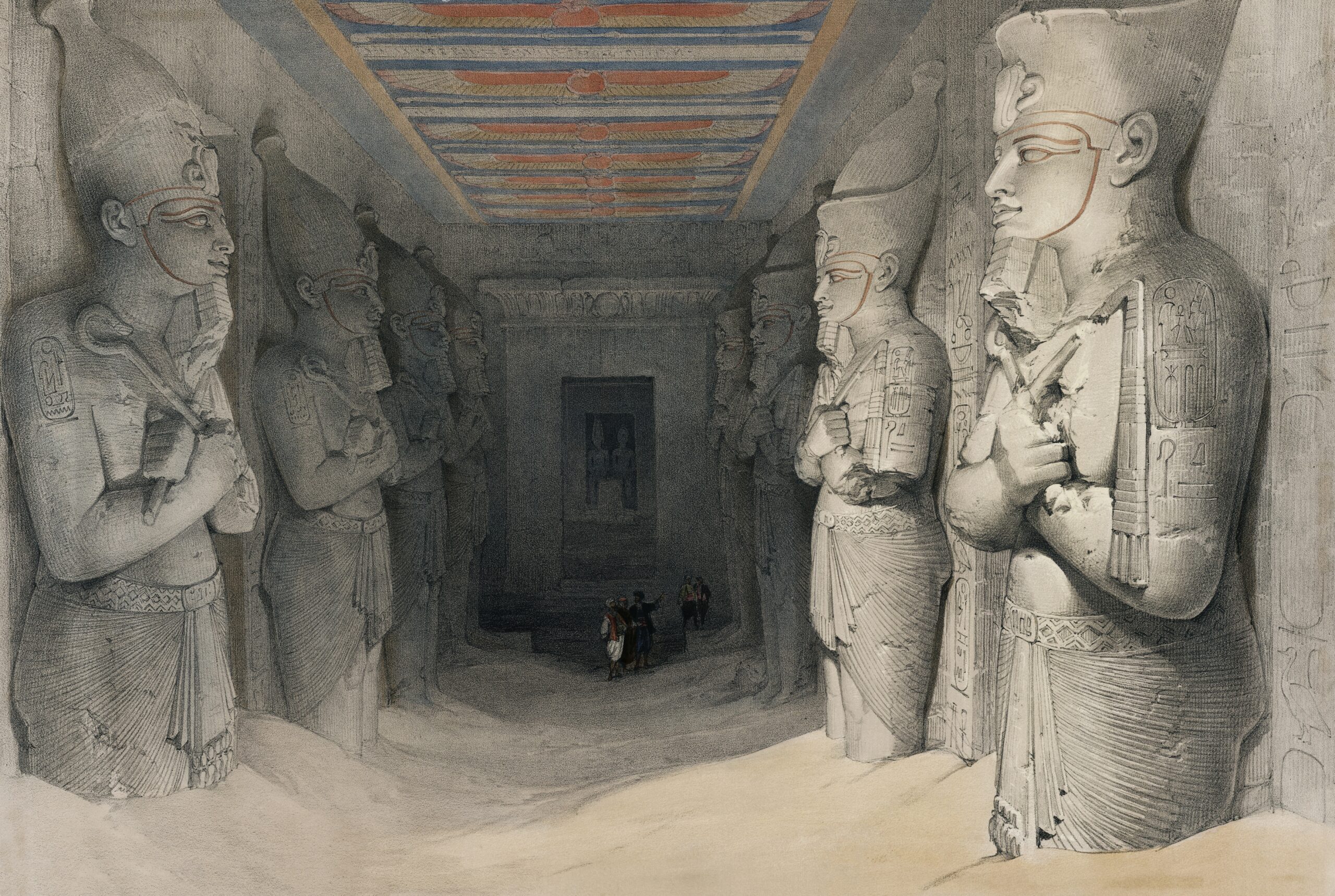
How goes the artist draw your eye to a focal point in the illustration below?
Interior of the Temple of Aboo Simbel Nubia illustration by David Roberts (1796–1864)
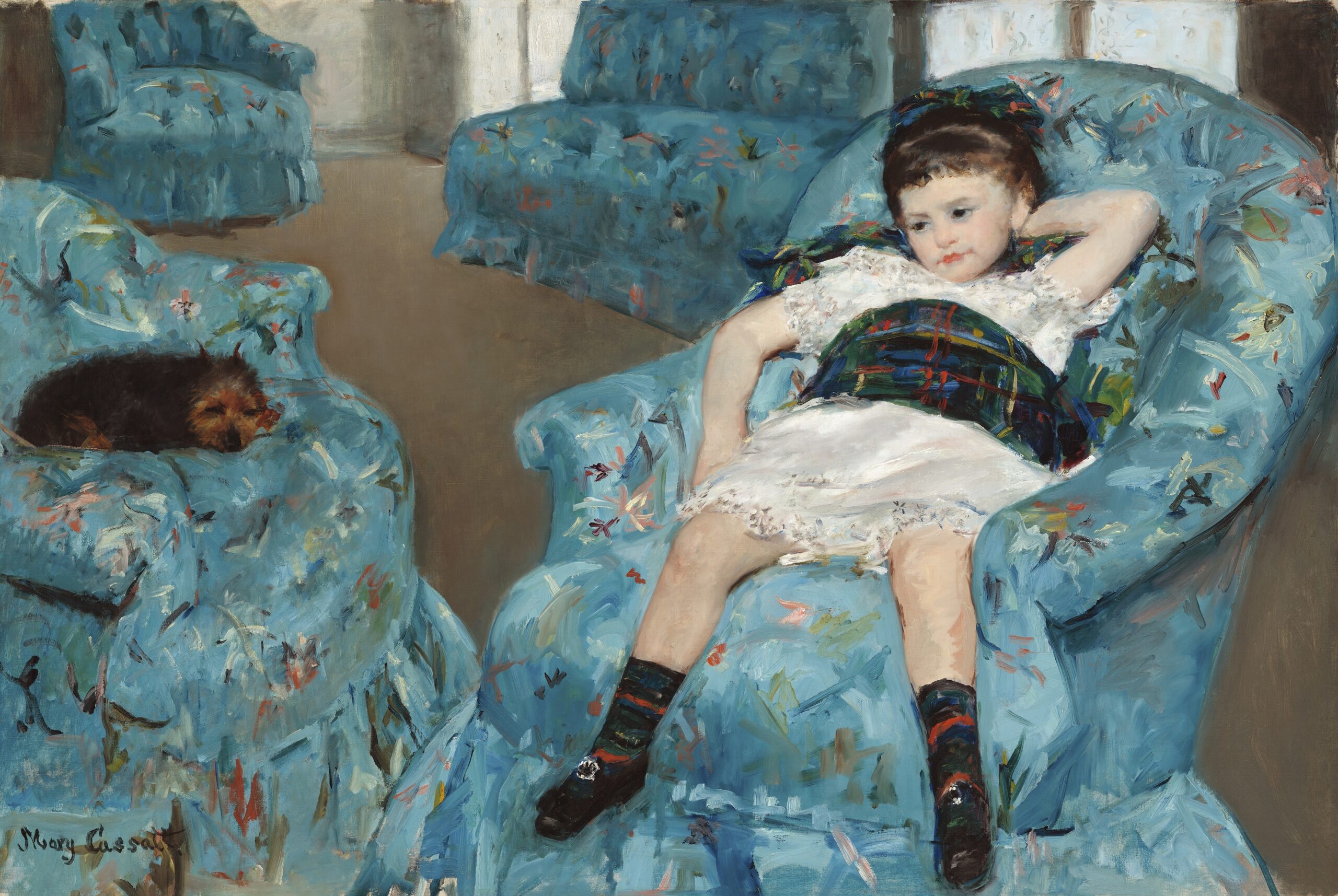
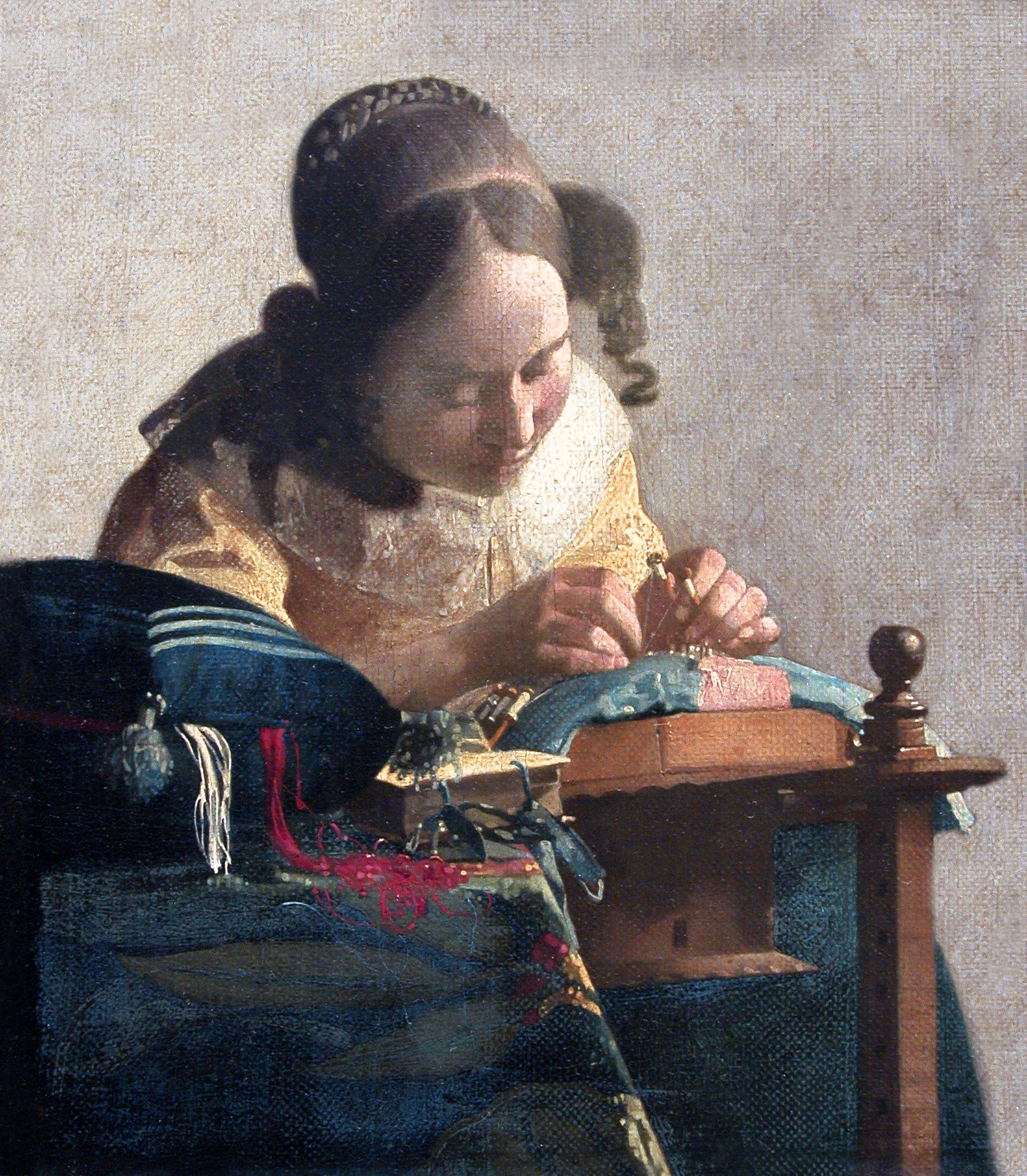
What is the focal point for you in the paintings below? You might have a different focal point to your friends, or you might even have more than one? Where are your eyes drawn?
Little Girl in a Blue Armchair (1878) by Mary Cassatt.
Johannes Vermeer’s The Lacemaker (ca.1669–1671)
Balance / Imbalance
Sometimes the elements of an artwork lend to a sense of calm. This is usually because the artist has intentionally balanced colours, shapes and values.
In other artwork the artist deliberately makes us feel uneasy by throwing us off balance, by creating a sense of chaos…
Improvisation 35 (1914) Wassily Kandinsky
Rule of Thirds
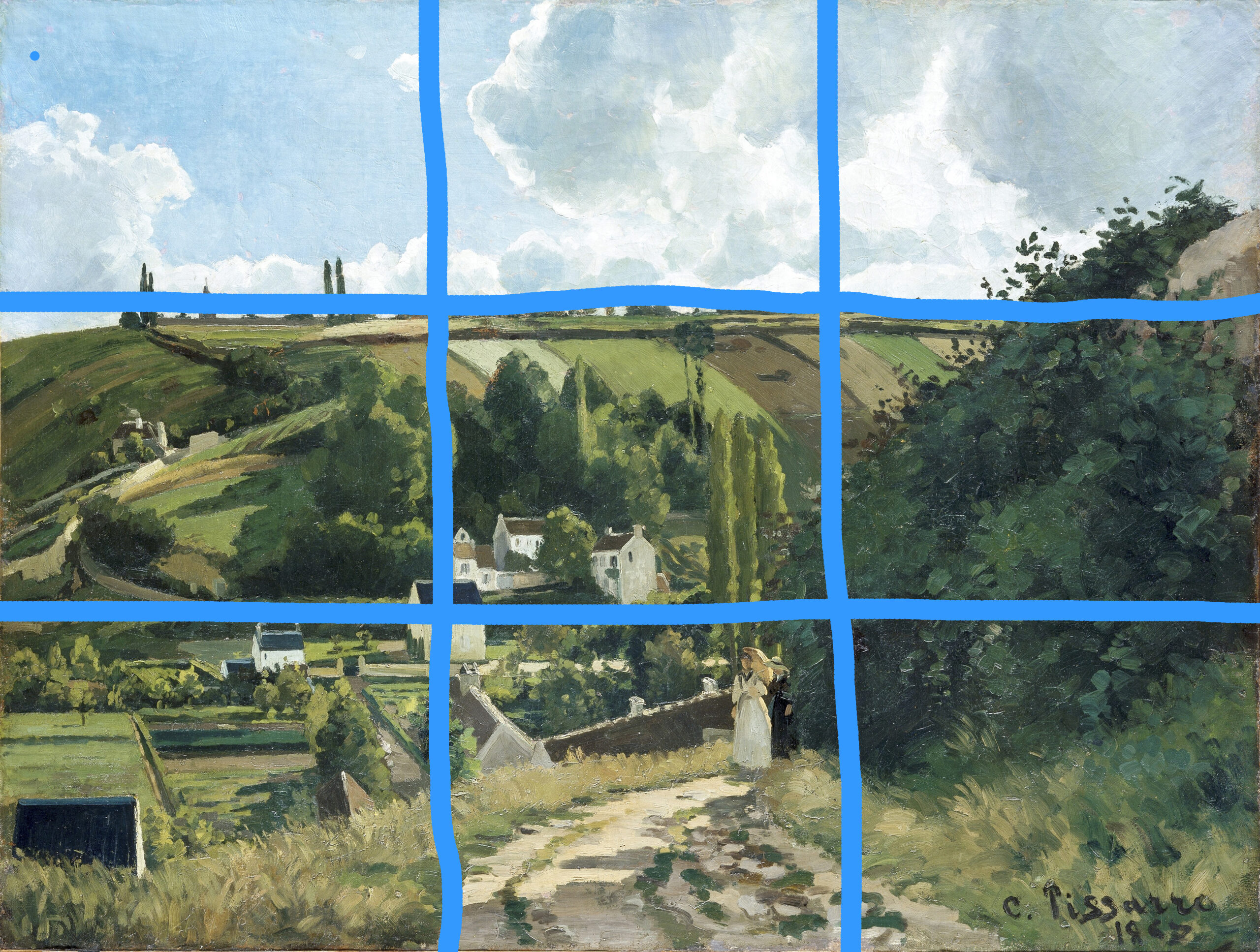
Sometimes artists divide rectangles into a grid of 9 – 3 rows and 3 columns.
When working with landscape for example, artists might choose to place the horizon along one of the grid lines.
Jalais Hill, Pontoise (1867) by Camille Pissarro.
Golden Ratio
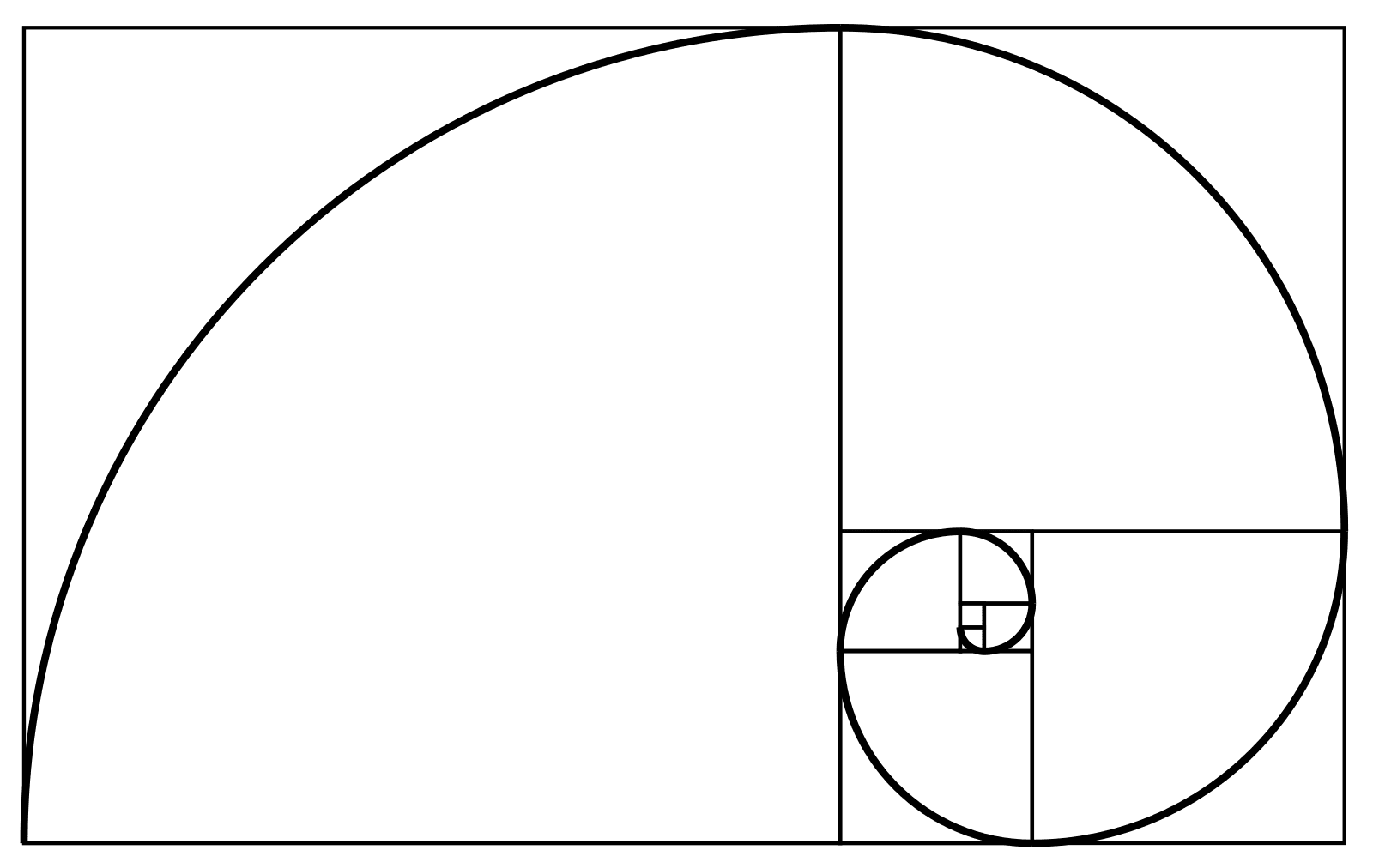
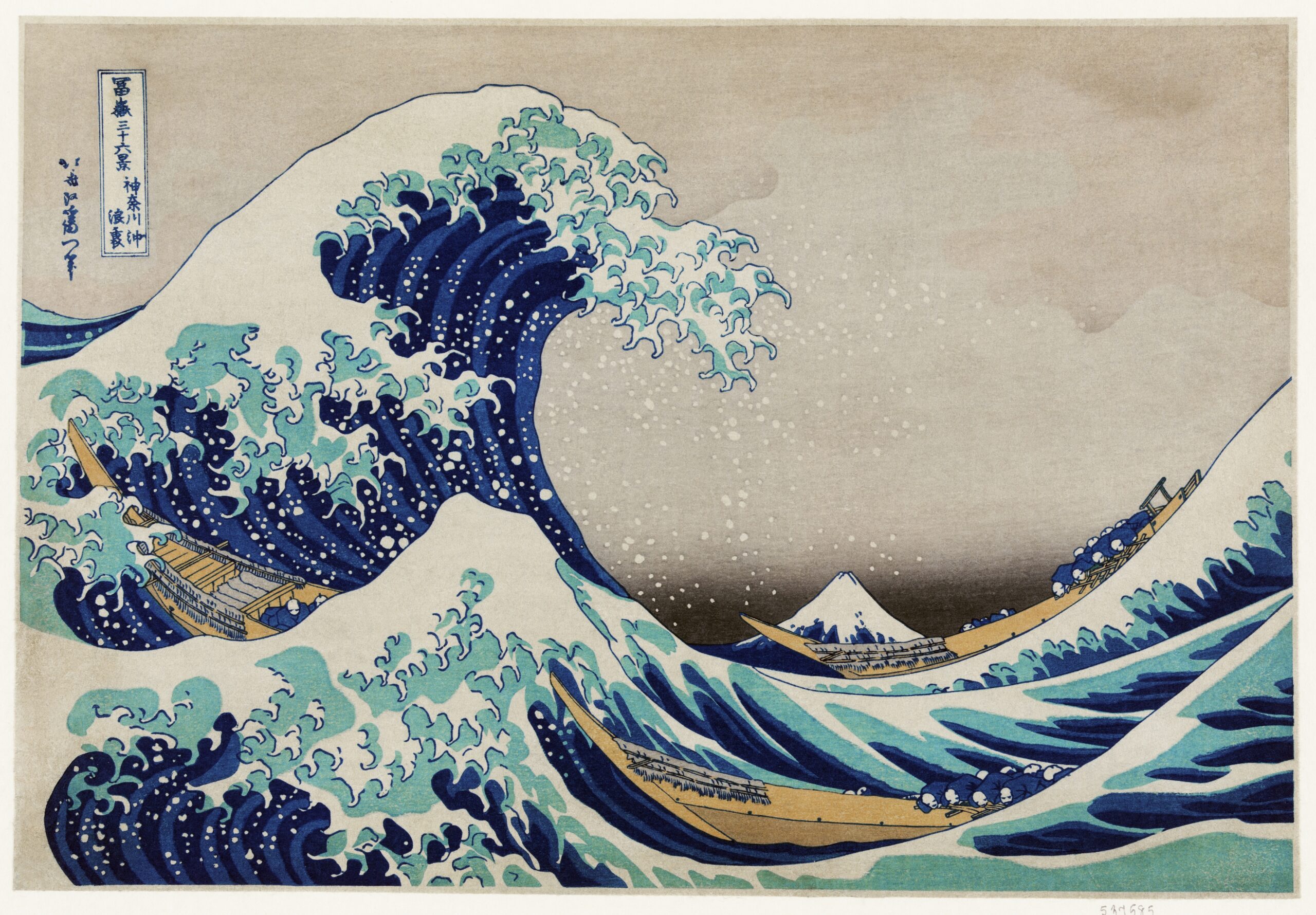
The Golden Ratio is a spiral and it can be found in nature and art.
Can you spot how the Golden Ratio is used in the “Katsushika Hokusai’s The Great Wave” above?
Classical Composition
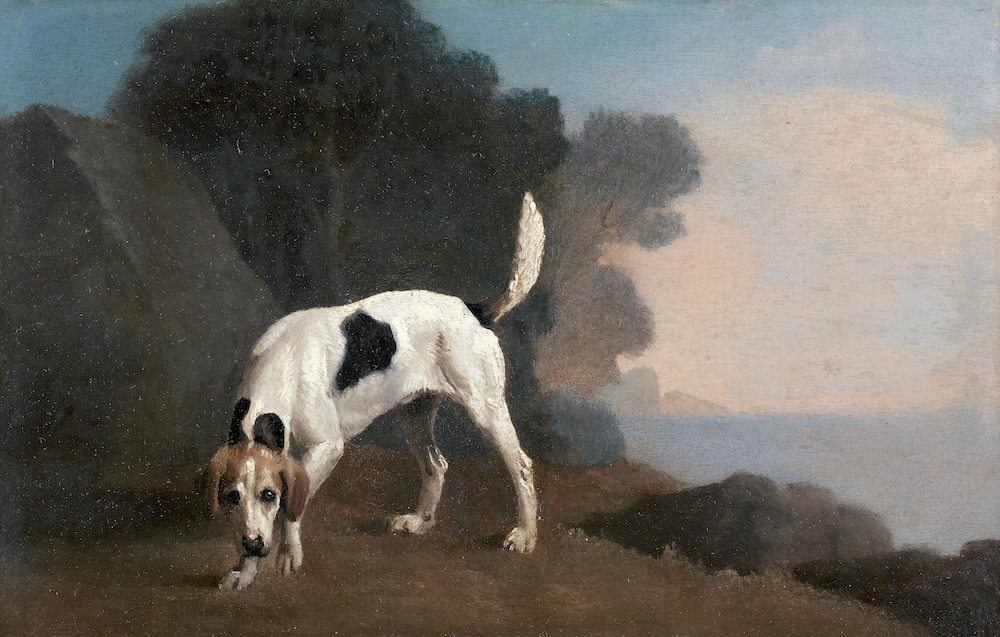
Within the classic tradition, artists would create a sense of balance by arranging elements in geometric shapes such as triangular compositions.
Foxhound (1760) painting in high resolution by George Stubbs. Original from The Yale University Art Gallery.
Questions to Ask Children
What can you see in the foreground/background of the painting?
How do the colours vary from the foreground to the background? Why do you think these choices were made by the artist?
Where is your eye drawn to in this painting? What do you see next?
Can you see any triangles in the composition?
Symmetry
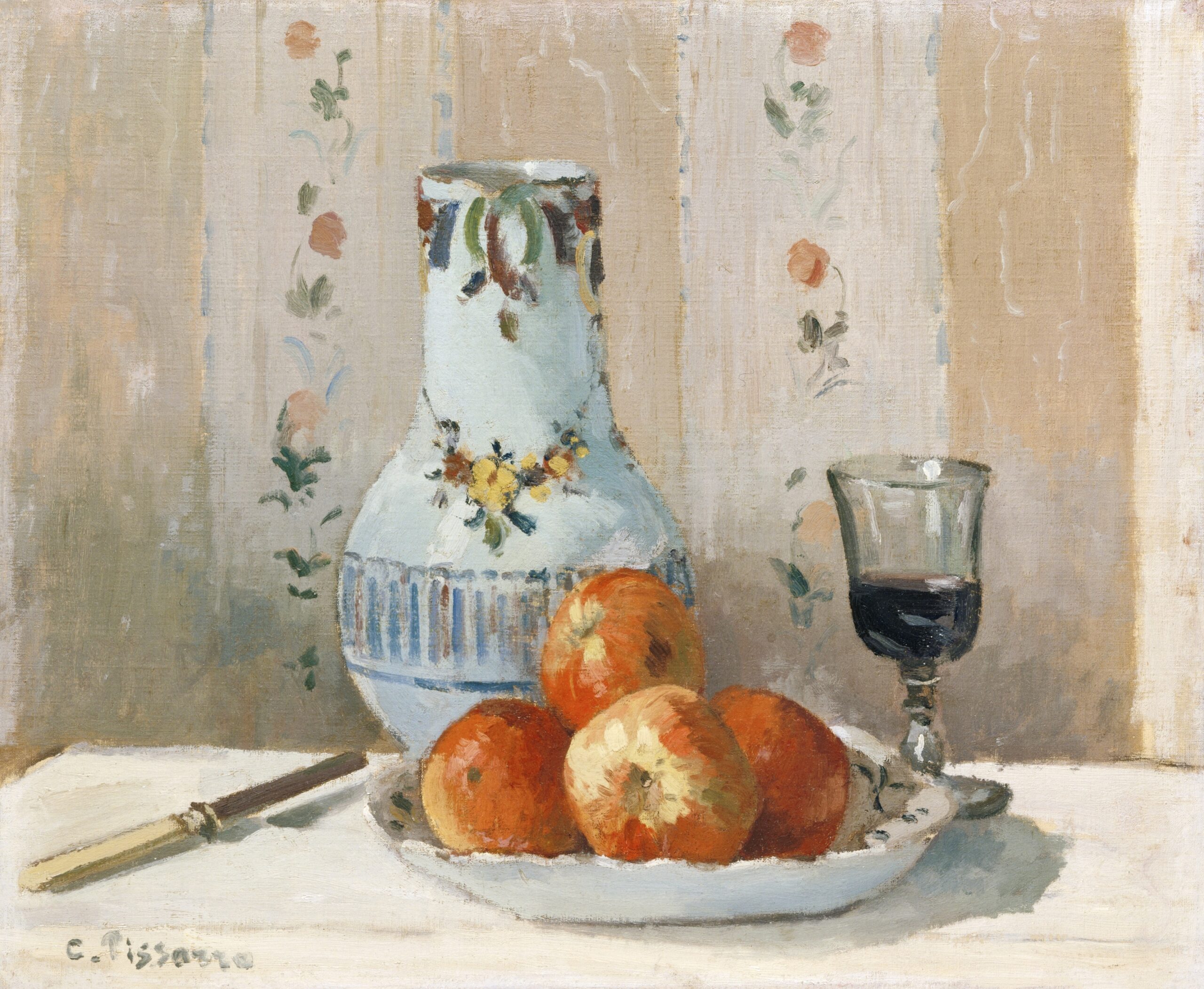
Can you see how symmetry has been used in the still life below by by Camille Pissarro?
How does this image make you feel?
Think about the colours AND the shapes, and where they are placed.
A collection of sources and imagery to explore the sculptures of Thomas J Price.
Please note that this page contains links to external websites and has videos from external websites embedded. At the time of creating, AccessArt checked all links to ensure content is appropriate for teachers to access. However external websites and videos are updated and that is beyond our control.
Please let us know if you find a 404 link, or if you feel content is no longer appropriate.
We strongly recommend as part of good teaching practice that teachers watch all videos and visit all websites before sharing with a class. On occasion there may be elements of a video you would prefer not to show to your class and it is the teacher’s responsibility to ensure content is appropriate. Many thanks.
*If you are having issues viewing videos it may be due to your schools firewall or your cookie selection. Please check with your IT department.*
This resource is free to access and is not a part of AccessArt membership.
Thomas J Price
Thomas J Price is a sculptor who questions the types of people that have traditionally been made into a sculpture and displayed on a plinth. Price is interested in making sculptures of anonymous people – people who are no one and everyone at the same time. By doing this he asks us as viewers to question: What is the purpose of sculpture? How do my figures speak to you?
Reaching Out
The Space In-Between
Ordinary Men
Questions to Ask Children
What do you think that the artist is trying to say with the sculptures?
Do you like the sculptures?
How do you think the artist makes the sculptures?
Describe the different types of plinths that the artist uses.
Why do you think the artist has chosen different plinths for different sculptures?
A collection of sources and imagery to explore the ways in which artists are inspired by birds.
Please note that this page contains links to external websites and has videos from external websites embedded. At the time of creating, AccessArt checked all links to ensure content is appropriate for teachers to access. However external websites and videos are updated and that is beyond our control.
Please let us know if you find a 404 link, or if you feel content is no longer appropriate.
We strongly recommend as part of good teaching practice that teachers watch all videos and visit all websites before sharing with a class. On occasion there may be elements of a video you would prefer not to show to your class and it is the teacher’s responsibility to ensure content is appropriate. Many thanks.
*If you are having issues viewing videos it may be due to your schools firewall or your cookie selection. Please check with your IT department.*
This resource is free to access and is not a part of AccessArt membership.
Artists often draw parallels with other lives/beings to help us learn about ourselves. The resources below explore how artists take inspiration from birds, not so much visually but by drawing parallels between behaviour of birds and ourselves.
Conference for the Birds by Marcus Coates
Conference for the Birds celebrates the lives of the birds Thomas Bewick depicted in his wood engravings. His book ‘A History of British Birds’ first published in 1797 was a comprehensive guide to both the appearance and behaviour of birds.
The birds, played by wildlife experts, discuss topics from migration to predation, with each species speaking about the challenges they face day to day. By exploring the lives of the birds that Bewick studied and depicted, this artwork attempts to reveal how we, when speaking from the position of another animal like a bird, rely on subjective experience to relate across to this alien perspective. – Kate Macgary
Marcus Coates, Conference of the Birds, 2019, (excerpt) Film by Kate MacGarry
Questions to Ask Children
What kinds of challenges might birds face?
How do you think it would feel to be sharing a space with the installation?
How does it make you feel? What does it make you think?
How do you think the artist made the heads?
Migrations: Open Hearts Open Borders
The Migrations project started when word was sent out to illustrators asking them to create an image for the front of a postcard (plus appropriate text on the reverse) on the theme of ‘migration’. The project’s aim was to ‘express support for and solidarity with the hundreds of thousands of human migrants who face immense difficulties and dangers in their struggle to find a better and safer place to live.’ When asking for postcards, the organisers stated ‘Do not be concerned about possible damage to the card that you will mail to us. The stamp, the journey of the mail and all it entails will reflect the fragility and the precarious nature of migration.’ – AOI
Questions to Ask Children
Why do you think that birds were used as a symbol in this project?
What do you like about this project?
Why do you think that they asked lots of illustrators across the world to join in with this project?
How does it make you feel? What does it make you think?
How can sharing your own experiences help you connect with people?
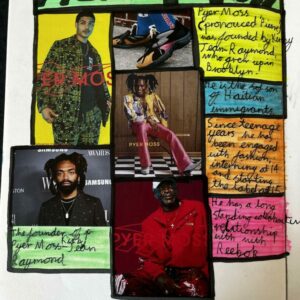
Pyer Moss is a fashion brand started by Kerby Jean-Raymond. The brand celebrates stories of culture and shared experiences, using clothing to show creativity, strength, and style, while also sharing messages about Black American history and community.
Take a look at the below images as well as videos and use the questions to form a discussion around Pyer Moss.
Please Note:
This page includes links and videos from external sites, verified at publication but subject to change.
Teachers should review all content for classroom suitability.
Report any issues, and check school firewall settings if videos don’t play.
Pyer Moss
Pyer Moss (pronounced ‘Pierre’) founder Kerby Jean-Raymond grew up in Brooklyn, the son of Haitian immigrants, and has been engaging with the fashion industry since his teenage years, interning at 14, starting a label at 15. Now in his 30s, Jean-Raymond has been at the helm of Pyer Moss since 2013, naming it for his mother. After a long-standing collaborative relationship with Reebok, Jean-Raymond was announced as the vice president of creative direction for the sportswear behemoth in late September 2020.
Please be aware that the Pyer Moss website contains some inappropriate language for Primary ages so ensure that you check pages and content before showing the class.
Questions to Ask Children
What do you like/dislike about the garments in Pyer Moss’ collection?
Where might you wear these clothes?
How do these clothes differ from the other garments you’ve explored throughout this half term?
Rahul Mishra is a fashion designer based in Delhi. His collections are heavily influenced by traditional Indian craftsmanship, demonstrated by saree-like draped silhouettes and hand-embroidered details that bring history and tradition into modern spaces.
Watch the below video and answer the following questions to begin a discussion around Mishra’s work.
Please Note:
This page includes links and videos from external sites, verified at publication but subject to change.
Teachers should review all content for classroom suitability.
Report any issues, and check school firewall settings if videos don’t play.
Rahul Mishra
Rahul Mishra runs a sustainable couture brand that works with handmade techniques to empower the craftsmen in New Delhi.
Rahul Mishra is the first Indian designer to showcase at the Paris Haute Couture Week.
Tatyana Antoun is a fashion designer from Beirut who responds to social landscapes to express her identity. Inspired by the structured silhouettes of 1980s power dressing and the DIY, over-the-top culture of the Club Kids, she explores how clothing can project confidence and power while celebrating individuality.
Watch the video below and answer the following questions to further explore Antoun’s work.
Please Note:
This page includes links and videos from external sites, verified at publication but subject to change.
Teachers should review all content for classroom suitability.
Report any issues, and check school firewall settings if videos don’t play.
Tatyana Antoun
Tatyana’s collection ‘Vamata’ explores the impact of the social restrictions she experienced growing up in Lebanon and serves as an ‘antidote,’ using colourful panels and bold, unapologetic shapes to create new silhouettes that break free from the structure of the human form.
“It felt like I was welcoming people to finally get a glimpse of the thoughts that had never left the corners of my brain but were now somehow being assembled in reality by thread and needle.”
Find out more about Tatyana’s collection in her “Which Artists?” post.
Questions to Ask Children
Which garment is your favourite? Why?
Why do you think that Tatyana Antoun selected the chosen fabrics for her garments?
What do you think about the shapes that have been created in the garments?
Would you wear any of these garments? Where might you wear them?
Luba Lukova is a graphic artist. Her work breaks down challenging concepts and ideas presenting them as easy to digest designs. Themes are illustrated, communicating ideas through colour and shape with very little text to make complex themes simple.
Watch the videos below and use the following questions to form a discussion around Luba Lukovas work.
Please Note:
This page includes links and videos from external sites, verified at publication but subject to change.
Teachers should review all content for classroom suitability.
Report any issues, and check school firewall settings if videos don’t play.
Luba Lukova
Luba Lukova is a designer who communicates themes of injustice in the world through her work.