Guidance
Back to Curriculum Planning for Art
The resources below are accessible to AccessArt members. Please consider joining AccessArt (£42 for a single user, £96 for a multiuser membership. AccessArt is a UK Charity and all membership fees are used to develop further resources.
Year 1 (age 5) through to Year 6 (age 11)
Accessible Printmaking Techniques PDF
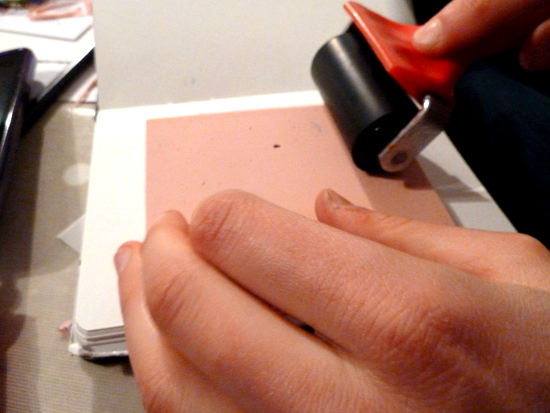 PDF download which describes simple printmaking techniques including block printing, linoprinting, monoprinting and screen printing, which can be explored by pupils with minimal equipment.
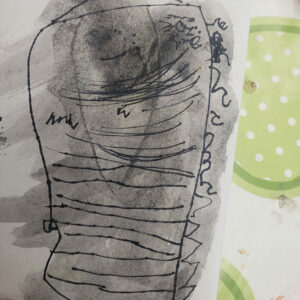
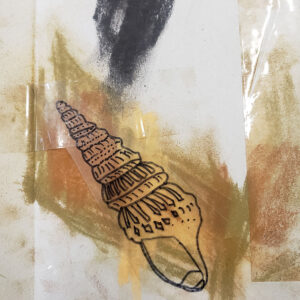
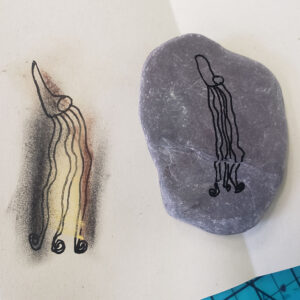
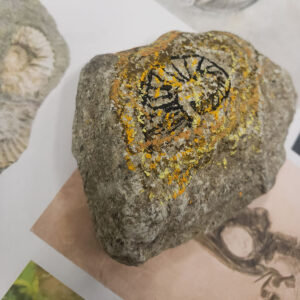
Carbon Paper Monoprints
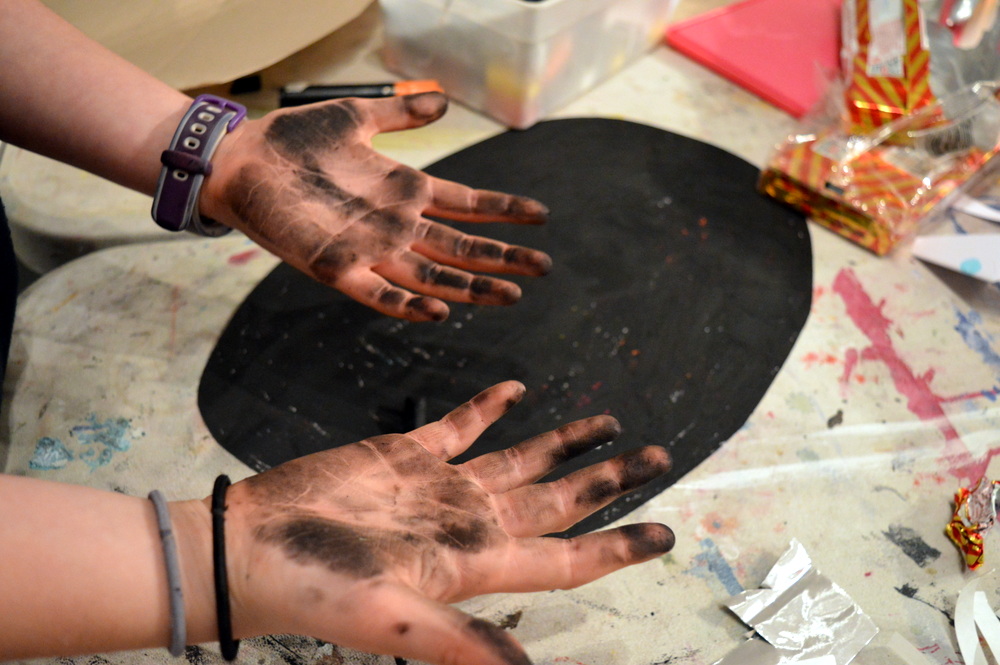
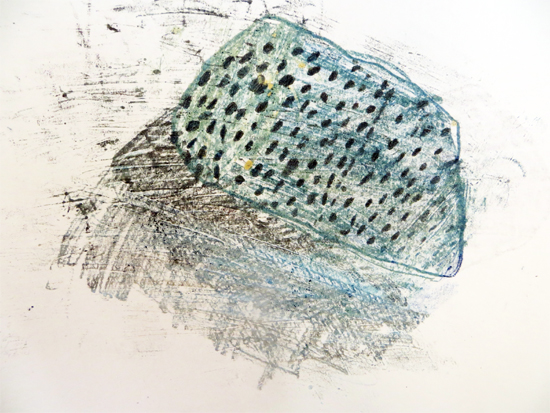 A low tech, low mess, way to make monoprints. Pupils draw through carbon paper to create a monoprint on the paper below. Colour can be added by using oil pastel on the carbon paper. Lots of potential to encourage children to diversify their mark making. Suitable for all year groups.
Printing processes that use everyday materials to develop a creative focus for anyone, anywhere By Ruth Purdy
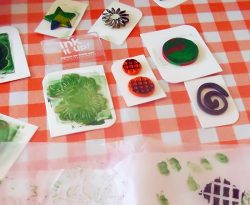 Here are some starting points from which your really accessible printing projects can begin; from printing from plasticine to using everyday objects to make prints. Enjoy!
Painting the Savannah by Chloe Williams
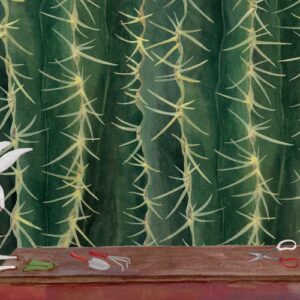
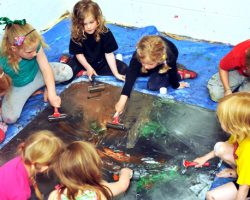 Working on a ambitious scale, artist Chloe Williams shows what can be achieved with printmaking techniques in an early years setting.
Poetry and Printmaking by Ann Bridges
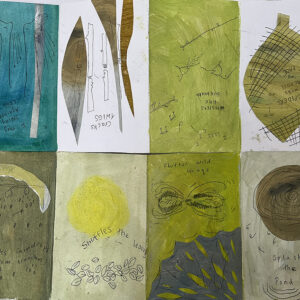
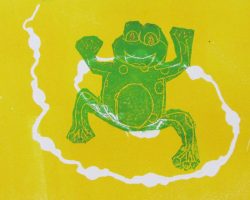 Printmaker Ann Bridges shares her love of poetry and printmaking in this illustrated resource, which enables young children to make imagery inspired by poetry.
Monoprints
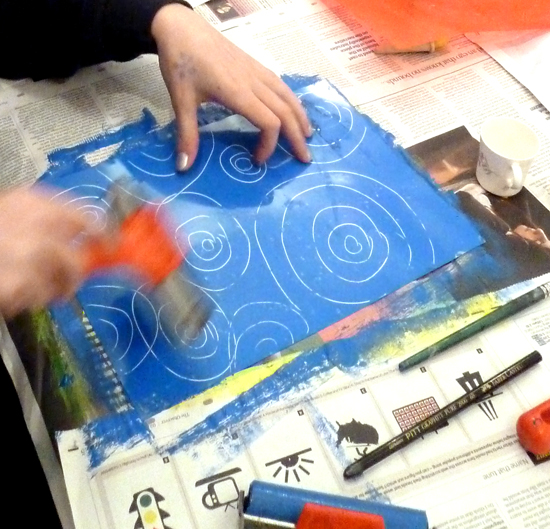 Using monoprints to free up the drawing process. Simple process using acetate, printing ink, rollers. Pupils draw on top of the acetate and the pressure transfers the “print” onto the paper below. Pupils can experiement with layering drawings and varying the presuure of their mark-making. Monoprinting is an inuitive, freeing process which generates lots of experiemental work. Suitable for all year groups.
Aluminium Foil Printing by Paul Carney
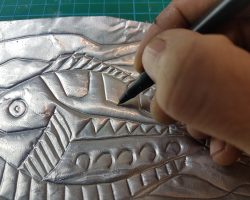 Artist Paul Carney shows us Aluminium printing. Aluminium printing provides a low cost and more manageable alternative to the process of etching and engraving used in industry and throughout history.
Mayan Tabletop Eraser Printing Project
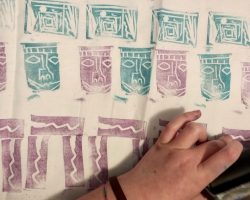 Little hands explore carving with lino-tools to create printing blocks out of erasers to create repetitive designs on fabric.
Making Collagraphs
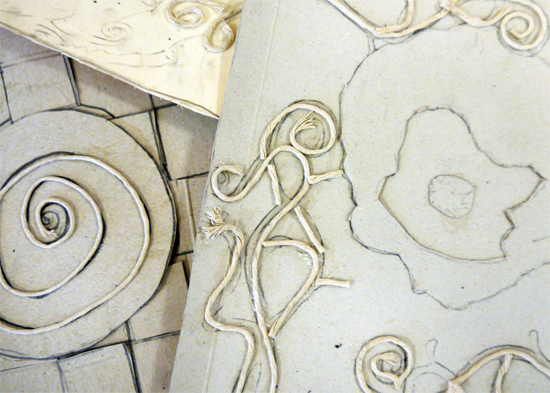 Using cardboard, string, found objects and pva glue to create a “plate” ready for printing. If no printing press is available, you can use the pressure of your hand, or a clean roller. Children can explore one or multi-colour printing. The collagraphic plates are also beautiful objects in their own right. Suitable for all year groups.
Block printing: Creating repeat patterns using letters with Andy McKenzie
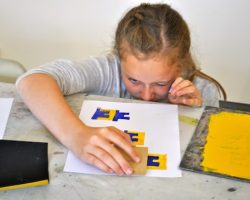 Working with artist Andy McKenzie to create repeat patterns of letters using block printing.
How to Make a Tessellated Design
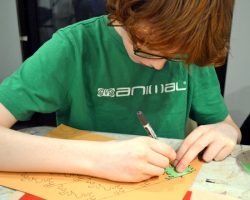 How to make a simple tessellated design using a cardboard stencil.
Printmaking with Salvaged Sticky Back Aluminium Foil, Mixed Media and Cardboard
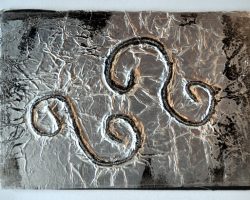 A dynamic printmaking session using sticky-back foil to make printing plates and a car to apply print pressure!
Collagraphs Inspired by Architecture
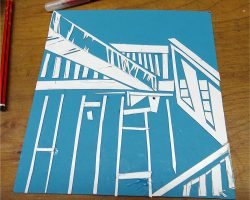 Students create collagraphs inspired by architecture with Paula Briggs.
Year 5 (age 10) and above
Eraser Printmaking
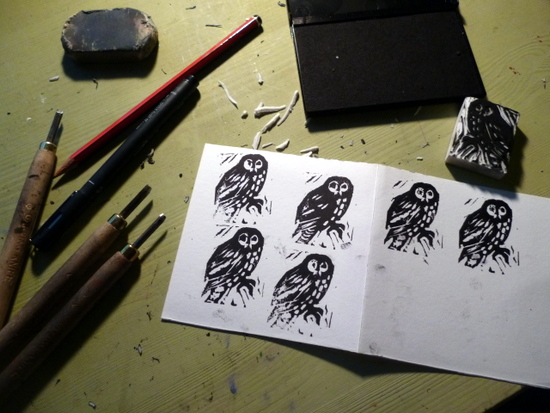 Using linocutting tools to make printing plates from erasers. Simple, repeatable images which can be used to explore pattern or to make logos. Due to the sharp tools suitable for Year 5 children or older.
Collagraph, Collage and Stitch: Make a Image of Your Home on Fabric
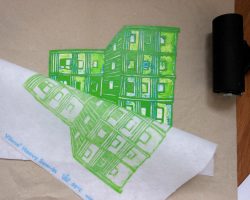 Artist Andrea Butler shares how to create a collagraph and print on fabric.
Making a Collagraph Print by Suzie Mackenzie
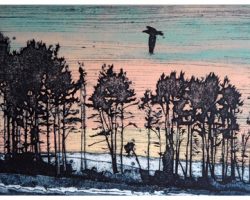 Artist Suzie Mackenzie shares her collagraph process with AccessArt.
Lino Print
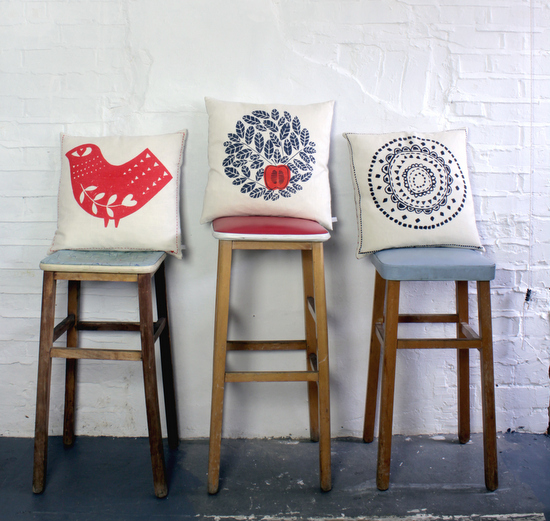 Easy (Speedy) carve lino now means it is easier for children to carve and print with lino. Pupils can print in a single colour, or experiement with more colours. The area carved away does not print, so linoprinting gives pupils the opportunity to explore negative and positive/reverse designs. Due to the sharp tools needed to carve lino prints this activity is more suitable for children in Years 5 (age 10) and above. Ensure you use safety cutting boards to encourage pupils to cut away from themselves.
LinoCut – An Artist’s Perspective
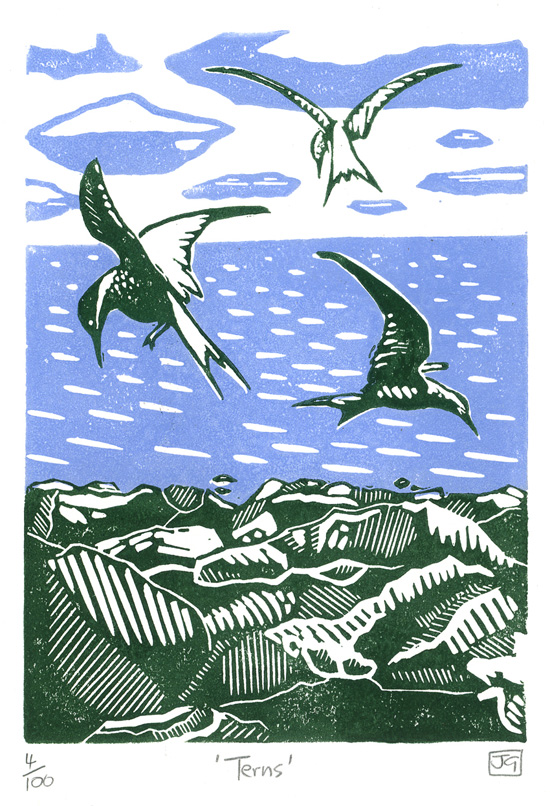 Printmaker James Green shares his passion for making linocuts.
Exploring Cyanotype by Maru Rojas
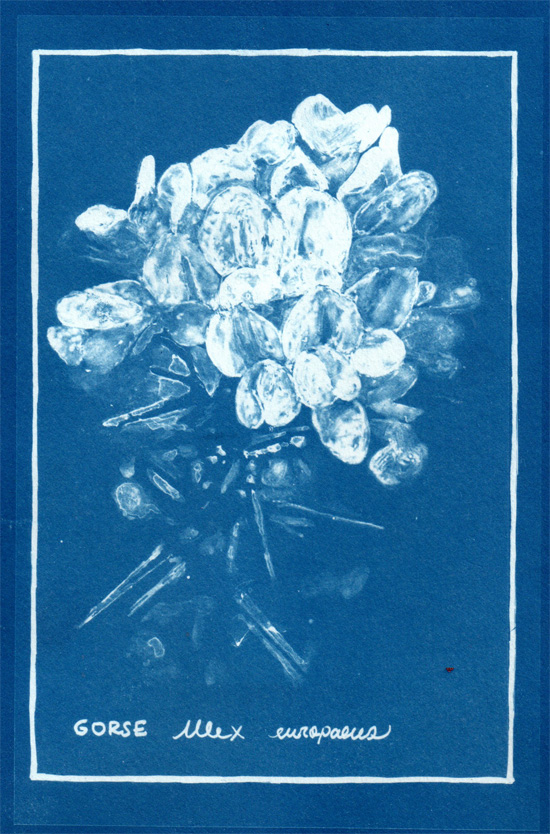 Artist Maru Rojas describes how to make cyanotype prints by resting plant material on senstised paper, or making plates from acetate.
The Intaglio Process: An Artist’s Perspective
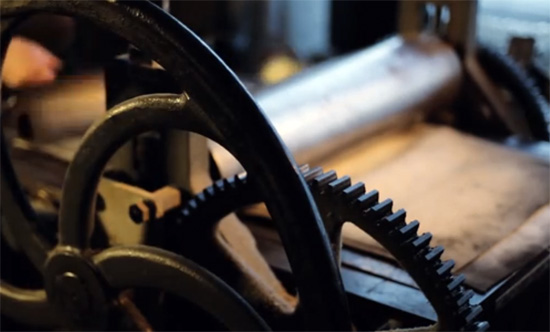 Artist Neil Woodall shares how he makes an intaglio print.
AccessArt Resources to Support Printmaking
AccessArt is an evolving collection of resources and further resources are being added over time. Please register with AccessArt to receive updates.