Key Sketchbook Concepts
What Are Sketchbooks & What Can They Offer Us?
The Sketchbook Journey
The AccessArt Sketchbook Journey is a series of resources designed to help teachers, pupils and learners of all ages navigate their way towards a greater understanding and experience of how sketchbooks can develop our creativity. Paula Briggs, Co-founder and Director of AccessArt explains the thinking behind the project.

AccessArt has been an advocate of the use of sketchbooks as a tool to nurture creativity for many years. Our aim is to enable as many teachers and facilitators as possible (including non-specialist teachers) to feel able to explore the use of sketchbooks with their pupils.
For over 20 years AccessArt has been asking the question:
What kind of mechanisms do artists use to enable their creativity to flourish?
The answers to that question contain clues; clues that might suggest to us new ways we can enable creativity in children and teenagers.
One of the ways many adults develop their creativity is through the use of sketchbooks, and we see that in schools where sketchbook use thrives, creativity thrives too.
The AccessArt Sketchbook Journey aims to share sketchbook knowledge and experience through the following steps:
Step 1: Understand. What is a sketchbook? What happen’s inside a sketchbook? Let’s lift the lid and better understand the potential.
Step 2: Practice & Explore. Make time for sketchbooks and exploresketchbook activities. Experience what a sketchbook journey might look like.
Step 3: Reflect & Discuss. Use sketchbooks as an opportunity to understand more about our creativity, and as a tool for sharing the creativity journey.
Step 4: See Sketchbooks in Action. Be inspired by the sketchbooks of artists, teachers and children.
Throughout all the above stages, the journey for teachers is simple:
We give permission. We show pupils what sketchbooks can be in the widest sense, and we give permission for pupils to embrace that potential in an aspirational way.
We create opportunity for pupils to practice sketchbook skills and explore exciting projects
We nurture ownership, by reminding pupils that they can take control of their journey in and through their sketchbooks.
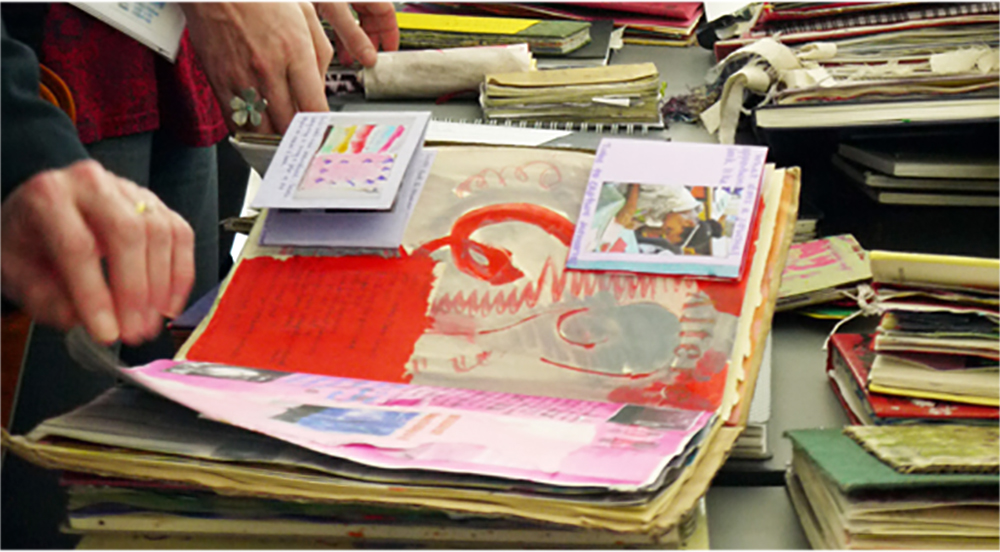
Making Spaces & Places in a Sketchbook
Making a Simple Folded Sketchbook
Making a Hole Punch Sketchbook
Making a Backwards Sketchbook
Making Time for Sketchbooks in Schools
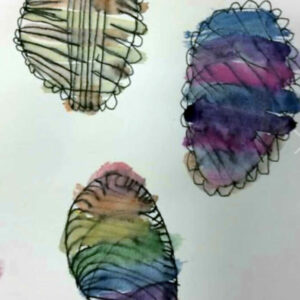
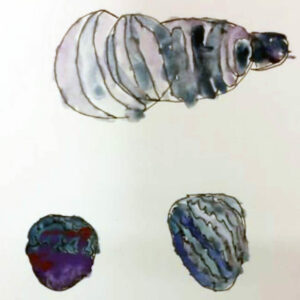
Water Soluble Felt-Tips With Complementary Colours
See How This Resource Is Used in Schools…
You May Also Like…
Pathway: Spirals
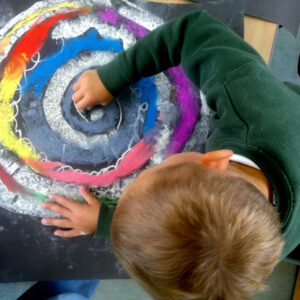
This resource is in the ‘Spirals’ pathway.
the drawing journey
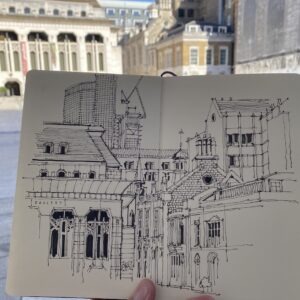
Layered Colour Gestural Drawing
Messages From Creative Adults: How Does Creativity Make You Feel?
Messages From Creative Adults: Our Advice To You
Messages From Creative Adults: Art School Experience
Messages From Creative Adults: What Does Creativity Mean To You?
What Shape is Progression
You May Also Like…
Assessment & Progression
Knowledge Organisers for Art in Primary Schools
You May Also Like
Creativity Connects
Permission to Make
What did my child make this week?
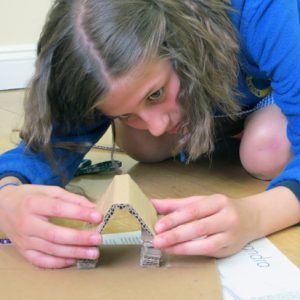
Visual Arts Planning: Light and Dark
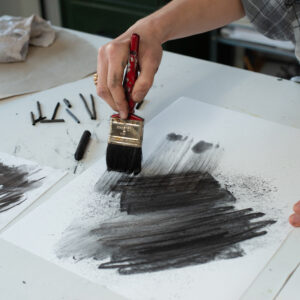
Offering to Teachers to ages 4-11
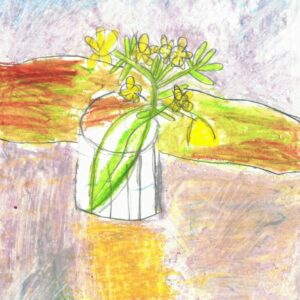
Pedagogy in 250 words

Drawing for Learning in Anatomy, by Dr Fay Penrose
You May Also Like…
University of Liverpool Veterinary Science Schematic Drawing Task
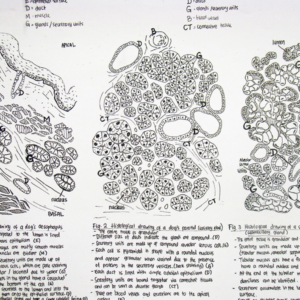
Drawing for Science, Invention and Discovery
Nature Kaleidoscope
Animal Habitats: An Ecological Mural of Planet Earth
Raising Aspirations
You May Also Like…
Assessment & Progression