Working with Ink

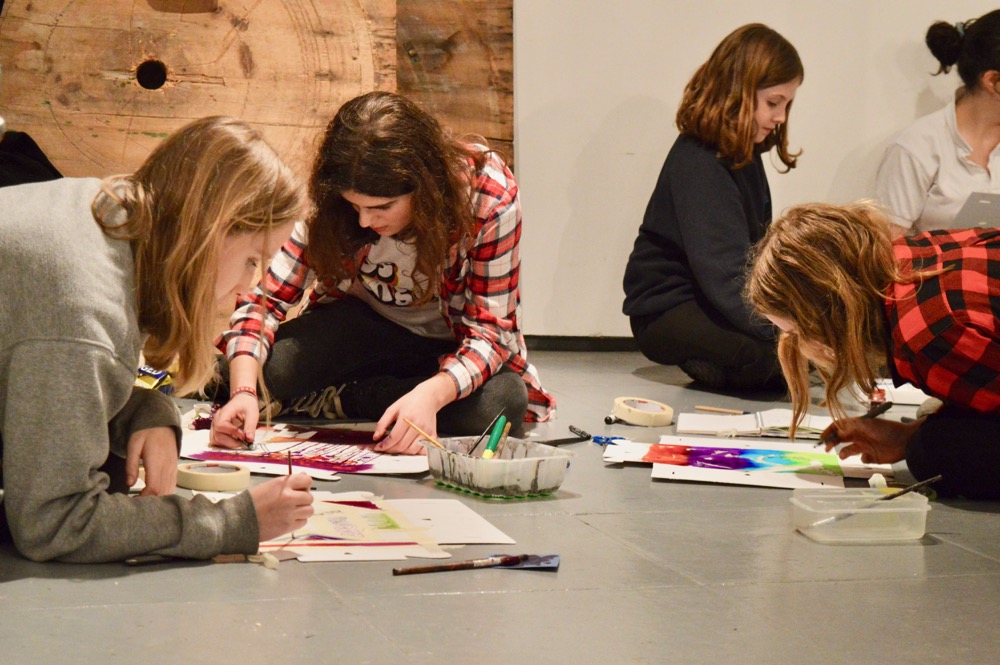
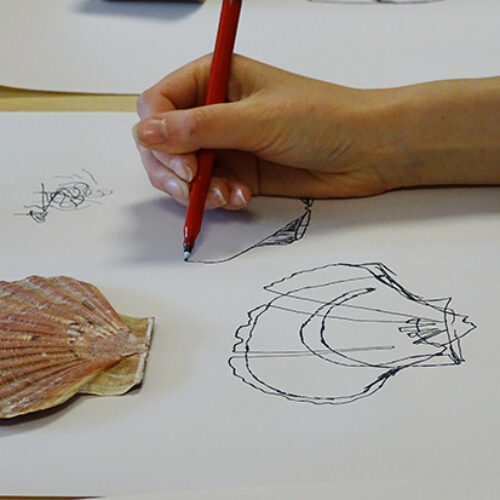
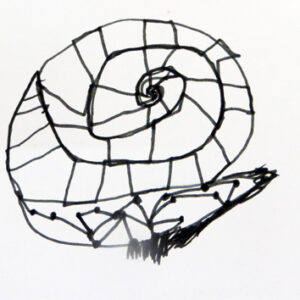
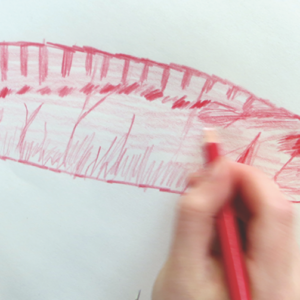
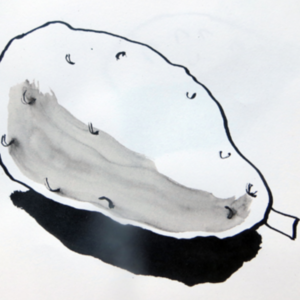
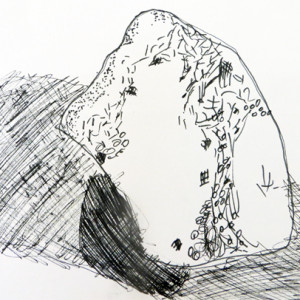
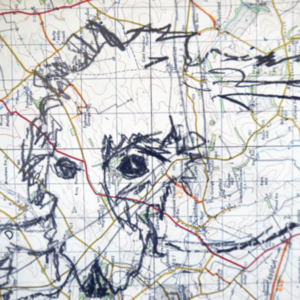
In this one hour session, led by artist Melissa Pierce Murray, students explore techniques and properties of Quink and Black India Inks, and how to build up a drawing using the medium.


By Melissa Pierce Murray

In the past three sessions we’ve focussed on structure, bones and anatomy, working on the floor with large sheets of paper and using the walls to make images and constructions on large scales. For this session we worked more delicately, on a smaller scale, using fluid washes of ink. We gathered around the table, where I had set out Quink and Black India Inks, small brushes and fine ink pens, alongside stacks of  A4 and A5 cartridge paper.
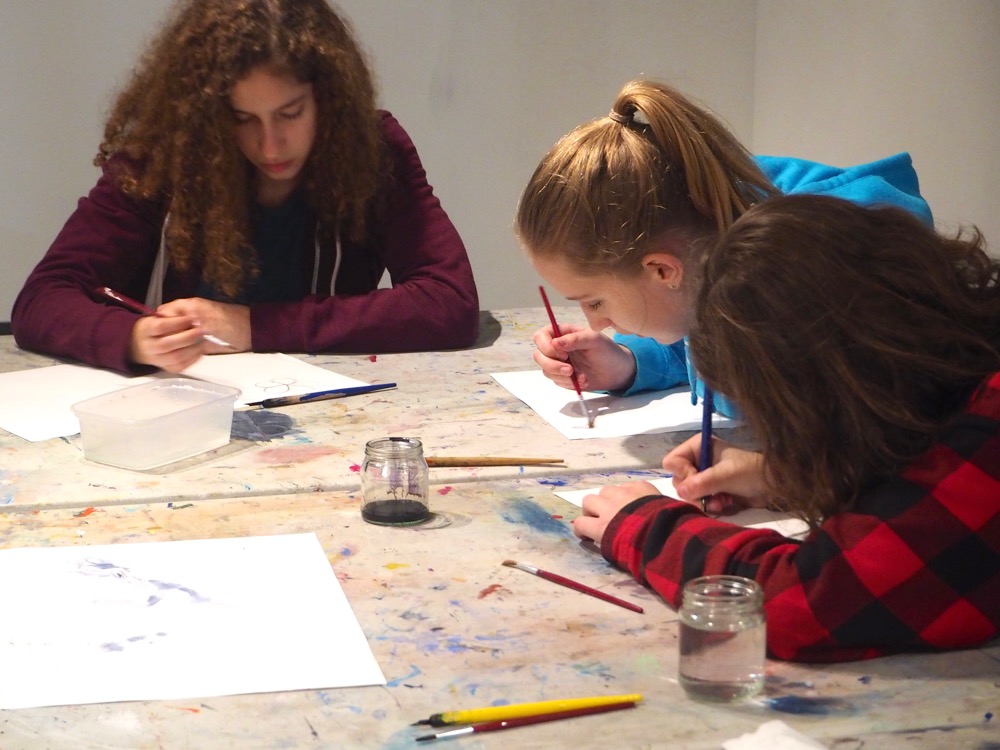
Working with Ink Pens and Brushes

Working with Black Ink

When drawing with graphite, we have the option to sketch out ideas using faint lines, and darkening them by applying more pressure as the composition of the drawing becomes more established.  Working with black ink is more tricky because it’s harder to vary the pressure and create faint lines in the same way. However, there are some techniques which can be used with ink to similarly find the form of a drawing before committing yourself by drawing the black inky lines.

Please log in here to access full content.

Username
Password


Remember me
Forgot Password


To access all content, I would like to join as…
An Individual

Creative practitioners, educators, teachers, parents, learners…


An Organisation…

Schools, Colleges, Arts Organisations: Single and Multi-Users


AccessArt is a UK Charity and we believe everyone has the right to be creative. AccessArt provides inspiration to help us all reach our creative potential.

Magnets and Forces


Two and Four Legged Creatures


The Opposite of Light


Snowflakes


Making your Mark on Small Canvases


Making a “To Scale” Gallery


Installing Artwork in “To Scale” Gallery


Draw, Paint, Build, Make: Gallery Project


Sensory Spaces: An Autism-Friendly Project


5c hidden spaces U

In this series of posts, artist and educator Sarah Evelyn Marsh shares the process of introducing autism-friendly strategies through a series of creative workshops at a contemporary gallery in Gdańsk, Poland.

Sarah developed a six week project for a small group of families whose children were on the autistic spectrum. Through open-ended engagement with constructed spaces and handmade sensory-inspired objects, the workshops explored ideas and activities that developed a creative language and kick-started a dialogue with the gallery to deepen engagement with these families.

Explore the workshops below…

To Connect…

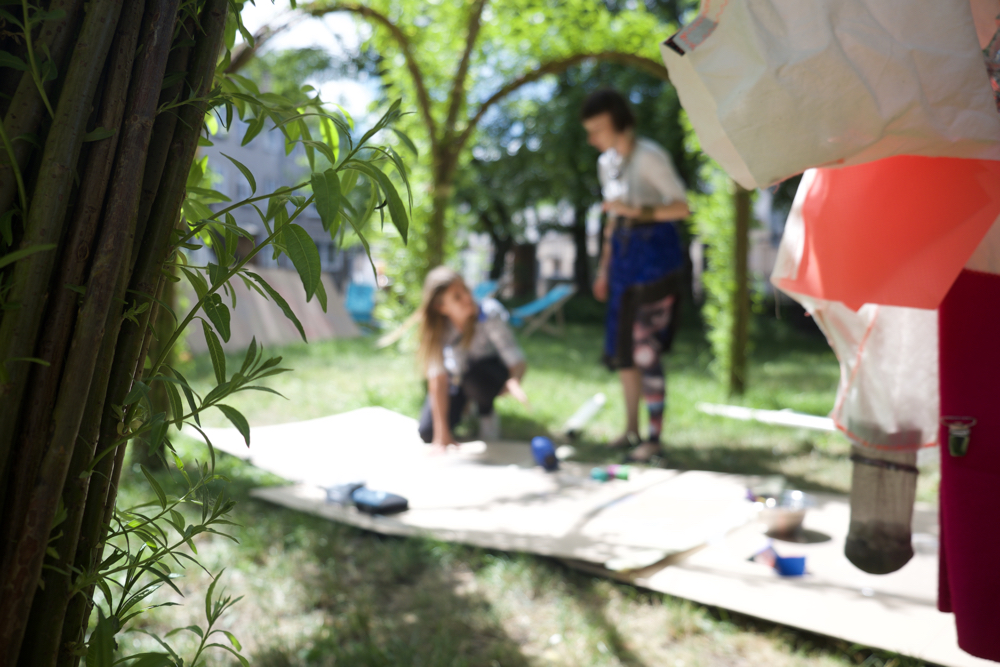
At the beginning of the project it was important to take time getting used to each other, the learning space and the surrounding environment.

Below is a list of considerations you may find helpful to use in your own learning spaces. Be aware of the daily sounds, smells and other textures of life in your learning space; a constant humming noise or flickering light may be stressful for a child with autism.

Allow time for everyone to feel their way in the space; connections may be made through the use of different senses and body parts.

2. a) 0 in the space- blog

Explore To Connect…

To Conceal…

During the six week project, the group explored different themes and actions, some of these were displayed through learning schemas.

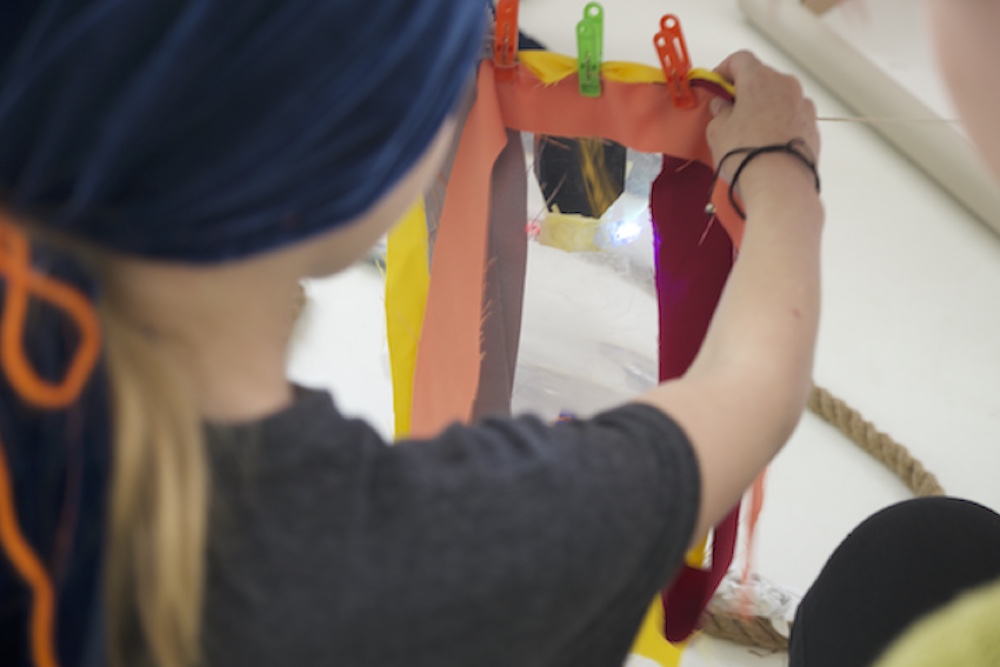
In week 2 we experimented with different ways to conceal ourselves and objects; schemas such as enveloping and enclosure were exhibited by the group.

3b conceal U

Explore To Conceal…

To Colour…

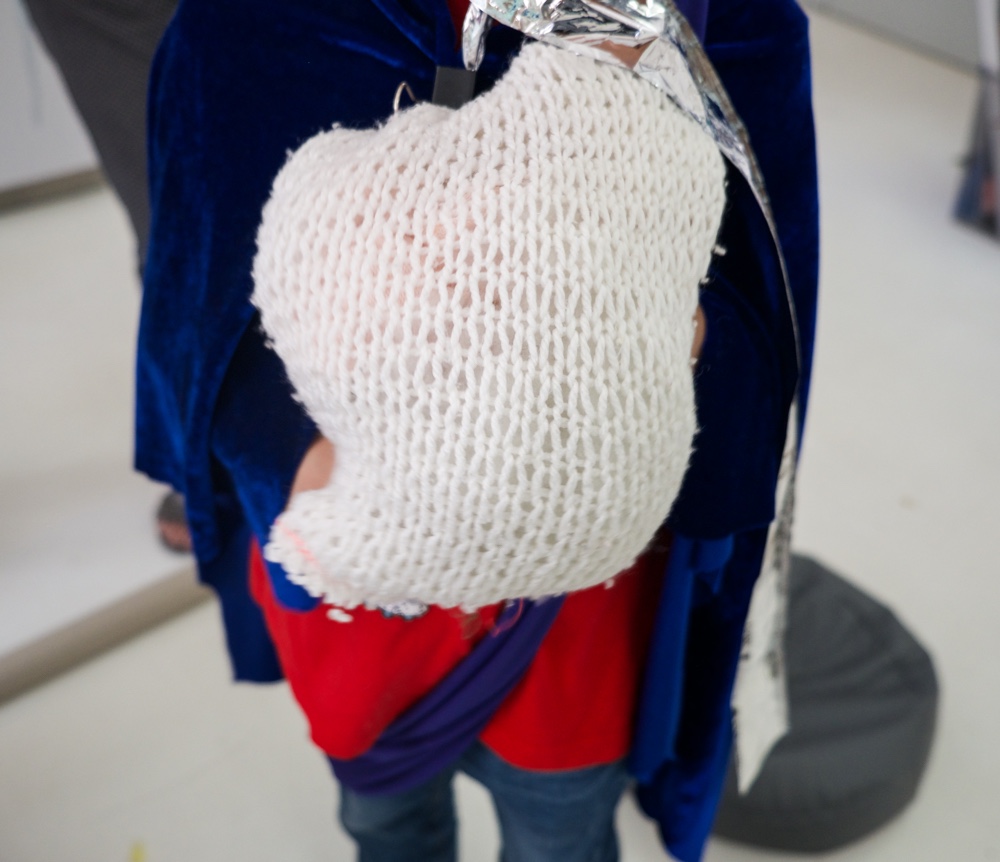
Two of the sessions explored the theme of colour. The first was rather abstract, I asked questions such as; What does colour smell like? What does colour feel like?

For a child on the autistic spectrum, a question like this may be confusing, some autistic people think and understand literally. So instead of directing these questions at the children, I answered and speculated on them myself. These abstract questions became vehicles for the workshops documented below.


12.OHP copy

Explore To Colour…

To Construct…

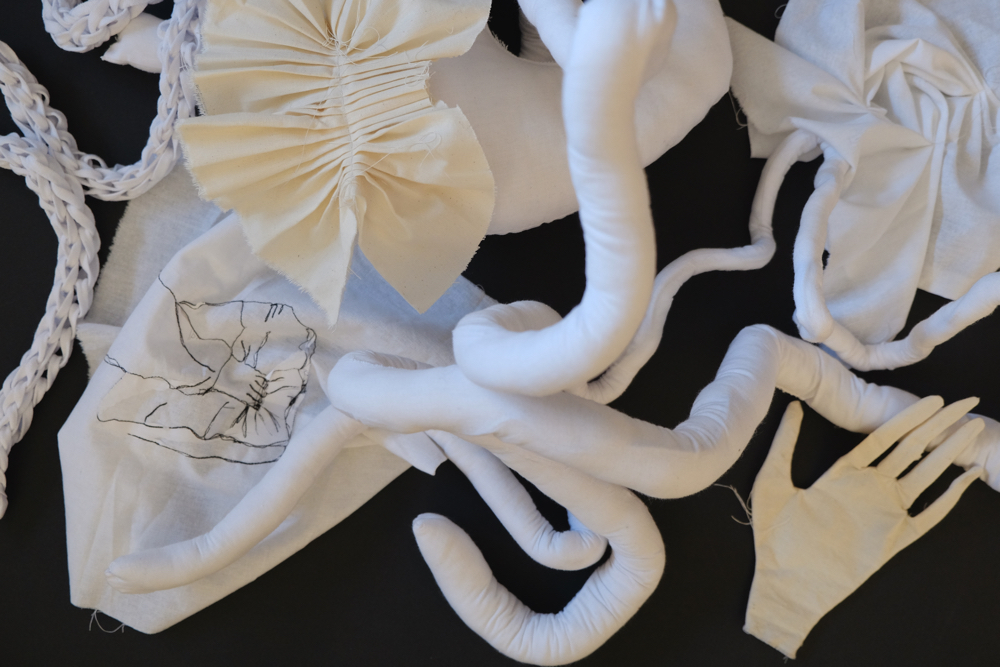
In my final post on the project, I want to reflect on the theme of To Construct… looking at the different ways we constructed during the project.
Please remember this is a personal and artistic reflection, based on the ideas I presented and the (emotional and physical) reactions and responses of the children and their families, who inspired changes and the development of the project as we experienced it. 

8. elements from my creative language toolkit UP

Explore To Construct…


To Conceal….

You May Also Like…

sensory spaces: an autism-friendly project

6a bathed in colour U

Talking Points: Linda BEll

Linda Bell at Arts Fringe

Talking Points: Nnena Kalu

Jennifer Lauren Gallery Work By Nnena Kalu


Composite Still Life Studies in Candlelight


The Winter Tree Challenge: A Combined Sculpture & Drawing Project!


Making an Ink and Wax Village with Pupils in Mansfield


Explore and Draw


Ten Minutes, Five Times a Week

Backwards Forwards Line Drawing

Ten Minutes, Five Times a Week is a simple set of drawing exercises designed to get people drawing. The resources are aimed at a broad audience, but designed particularly with educators in mind.

Each exercise is designed to give non-specialist educators the confidence to approach drawing, by committing to regular, brief drawing activities for just one week.

Find a 45-minute session recording demonstrating the exercises and approaches you’ll find on the page below. 

WHAT ARE THE BENEFITS AND HOW DO WE FIT THE EXERCISES INTO THE DAY?

  • Who can I use the exercises with?

    The exercises are adaptable and suitable to learners in all settings, including EYFS, Primary and Secondary Schools, Health & Community Care, Home Education, Lifelong Learning and Museum and Gallery Education.

  • What might the benefits be?

    Our experience has shown the following benefits from similar projects:

    1. Opening minds as to what a drawing activity can be as both an activity and an outcome

    2. .

    • Improved dexterity (which also helps with handwriting).

    • Helps learners transition between parts of the day.

    • Improved concentration.

    • Improved sense of wellbeing through the mindful element to the exercises.

    • Improved drawing skills and improved creative confidence.

    • Improved confidence amongst non-specialist educators teaching art.

  • How might you fit the exercises into the day?

    Ten Minutes, Five Times a Week would make a great activity to start any session in your educational setting. Try swapping your usual morning activity with this challenge, and see how it impacts the week. You could also use the exercises immediately before any other art session as a way of helping learners transition and tap into their creativity.

    It’s worth noting that it doesn’t need to be a one-off venture: you can repeat the exercises as often as you want, as repetition provides an opportunity for learners to gain meaningful drawing skills over time.

The exercises are adaptable and suitable to learners in all settings, including EYFS, Primary and Secondary Schools, Health & Community Care, Home Education, Lifelong Learning and Museum and Gallery Education.

Our experience has shown the following benefits from similar projects:

  1. Opening minds as to what a drawing activity can be as both an activity and an outcome

  2. .

  • Improved dexterity (which also helps with handwriting).

  • Helps learners transition between parts of the day.

  • Improved concentration.

  • Improved sense of wellbeing through the mindful element to the exercises.

  • Improved drawing skills and improved creative confidence.

  • Improved confidence amongst non-specialist educators teaching art.

Ten Minutes, Five Times a Week would make a great activity to start any session in your educational setting. Try swapping your usual morning activity with this challenge, and see how it impacts the week. You could also use the exercises immediately before any other art session as a way of helping learners transition and tap into their creativity.

It’s worth noting that it doesn’t need to be a one-off venture: you can repeat the exercises as often as you want, as repetition provides an opportunity for learners to gain meaningful drawing skills over time.

Before you start…

Before Each Session: Set Expectations

The following exercises work best if the learners work quietly and with concentration. A quiet atmosphere will help learners tune into close seeing and set a calm and mindful intention for the session.

After Each Session: Reflect

At the end of each session, it’s worth investing two minutes in getting learners to walk around the room to look at each other’s work. This will help them focus and reflect on their experiences and the experiences of others. Reflection also gives learners space to recognise the value of the work that has been made. Learners might comment on what they like about their peer’s work.

At the End of the Week: Revisit

Please make time to revisit the exercises to allow learners to articulate and reflect upon their progress over the week. You may like to ask some questions…

  • What was their favourite exercise to do?

  • Which outcome do they feel was the most successful and why?

  • Is there something they would like to try next, for example, a new material?

You might like to give them a chance to repeat an exercise to allow them to consolidate their experiences and reflections.

The Five Drawing exercises…

Day 1. Continuous Line Drawing

Find out how to do a simple continuous line drawing exercise to start the week.

Find out how to do a simple continuous line drawing exercise to start the week.

Day 2. Backwards Forwards Drawing

The backwards forwards drawing exercise helps develop looking and sketching skills.

The backwards forwards drawing exercise helps develop looking and sketching skills.

Day 3. See 3 Shapes

Explore how to get children to describe an object in just three lines or shapes.

Explore how to get children to describe an object in just three lines or shapes.

Day 4. Thoughtful Mark Making

Find out how encouraging diverse mark making will improve drawing outcomes.

Find out how encouraging diverse mark making will improve drawing outcomes.

Day 5. Making Stronger Drawings

Explore how drawing on different surfaces helps encourage stronger mark making.

Explore how drawing on different surfaces helps encourage stronger mark making.


Inspirational PDF’s to Nurture Creativity!


Show Me What You See: Drawing Inspired by Anglo Saxon Architecture


Sculptures with Personality, Inspired by Anglo Saxon Houses


To Connect…

You May Also Like…

sensory spaces: an autism-friendly project

6a bathed in colour U

Talking Points: Linda BEll

Linda Bell at Arts Fringe

Talking Points: Nnena Kalu

Jennifer Lauren Gallery Work By Nnena Kalu