Why use Warm Up Drawing Exercises?

This resource explores why warm up drawing exercises help improve drawing outcomes and experiences.
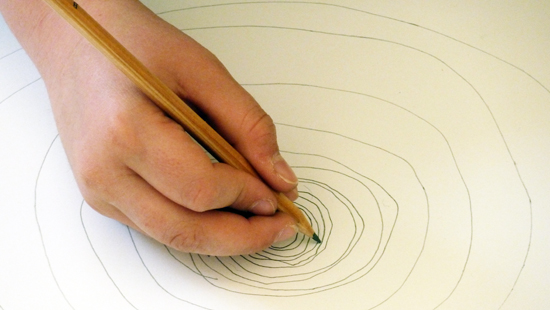
 

Drawing Spirals


When used appropriately, warm up drawing exercises can really affect the type of work children produce during the main part of a drawing session. Here are just some reasons why you should consider incorporating warm up exercises into a drawing project:

  • They help make a clear transition, for example between the rest of the school day and a creative activity.

  • They can be used to introduce new materials.

  • They can set the scene.

  • They can open minds and challenge misconceptions.

  • They can plant seeds of new ideas or ways of working.

  • They provide a way to enable the children to explore through a guided activity.

  • They can help boost confidence.

  • They can demonstrate intention.

  • They help children follow instructions.

  • They can provide a starting point for later reflection.

  • They provide the opportunity for repeated practice

  • They can surprise, wake up, or settle down a jaded class.

Warm ups are also beneficial to the teacher or facilitator: by thinking through which warm up will be most appropriate for your session, you will be forced to clarify and dissect the aims of your drawing session.

Most of the warm ups in our resources will take only five to ten minutes. Like any exercises they can and should be repeated regularly to get the most out of them, and like any skill, the children will quickly improve with practice.

Inventing your own Warm Ups

After a while, you will want to invent your own warm ups to serve your own needs. Consider the following:

  • The outcome of the warm up should help create a bridge to the beginning of the main drawing session. Think about where you want to take the children to in the main session (i.e. is it about a material, a technique, a concept…?) and work backwards from there.

  • Consider potential stumbling blocks both in the main session and in the warm up. Can you split the activities up into smaller stages to help overcome these?

  • Think about where the children are at NOW in terms of experience. What new experiences or foci would you like them to have?

  • Keep it simple, small, short – do not overload a warm up exercise.

  • Do it yourself: what is it really like to do what you’re asking them to do?

  • Leave time at the end for reflection as a group to share experiences.


This is a sample of a resource created by UK Charity AccessArt. We have over 1500 resources to help develop and inspire your creative thinking, practice and teaching.

AccessArt welcomes artists, educators, teachers and parents both in the UK and overseas.

We believe everyone has the right to be creative and by working together and sharing ideas we can enable everyone to reach their creative potential.


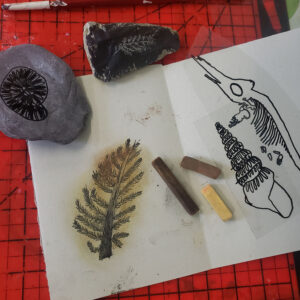
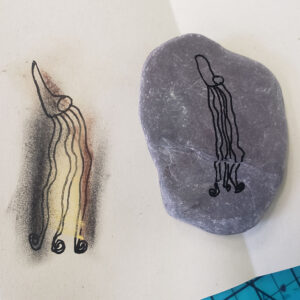
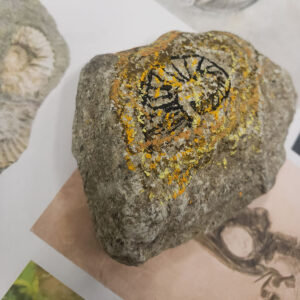
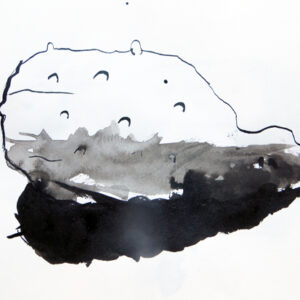
Drawing on Pebbles to Make Treasured Fossils

See This Resource Used in Schools

Philippa McDonald of Creative Days

You May Also Like…

Looking for hope in the small things
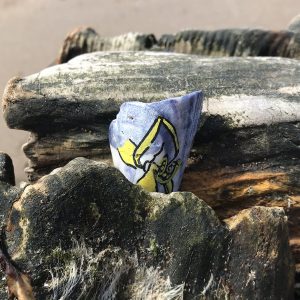
Fragment of mussel shell wedged into a groyne


Using Pastels to Capture Texture


Sculptural Pots


Scraperboard Woodcut Lookalikes


Thinking and Making


Drawing Materials Sample Cards


Painting on Plaster, Inspired by Vincent Van Gogh

See This Resource Used In Schools…
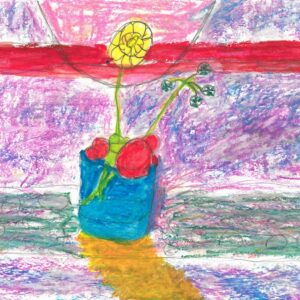
Year 4, Sheffield High School

You May Also Like…

Pathway: Exploring Still Life

This is featured in the 'Explore Still Life' pathway

This is featured in the ‘Explore Still Life’ pathway

Talking Points: Paul Cezanne

image-from-rawpixel-id-2035657-jpeg

talking points: Contemporary still life

Still Life by Nicole Dyer

talking points: Flemish and Dutch Still Life Painters

A Vase with Flowers Artist: Jacob Vosmaer (Dutch, Delft ca. 1584–1641 Delft) Date: probably 1613 Medium: Oil on wood Dimensions: 33 1/2 x 24 5/8 in. (85.1 x 62.5 cm) Classification: Paintings Credit Line: Purchase, 1871


How does the Sculpture Balance?


Layered Colour Gestural Drawing

See This Resource Used in Schools…

Layered Colour Gestural Drawings @smarty.arty18

You May Also Like…

Pathway: Exploring Still Life

This is featured in the 'Explore Still Life' pathway

This is featured in the ‘Explore Still Life’ pathway

See Three shapes

See Three Shapes

Water Soluble Felt-Tips With Complementary Colours

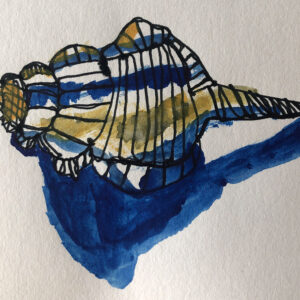
Continuous Line Drawing Of A Shell By Zoe Coughlan


Colour Composition and Ben Nicholson


Cardboard Sculptures

You May Also Like….

Visual Arts Planning Collections: Cardboard and paper

cardboard detail 3b

CARDBOARD ENGINEERING CHALLENGE

Drawing feathers

THE 1KG CHALLENGE WITH ANDEE COLLARD

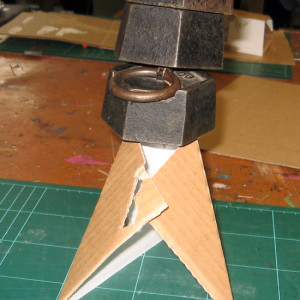
Andee Collard's brief: 'Make a cardboard structure to hold at least a 1KG weight'


Drawing and Making Flowers


Drawing Clouds and Mark Making


Taking Creative Risks


Drawing Out of Your Comfort Zone


Seasonal Drawings: Observation, Composition and Colour


Set Design with Primary Aged Children

See This Resource Used In Schools…
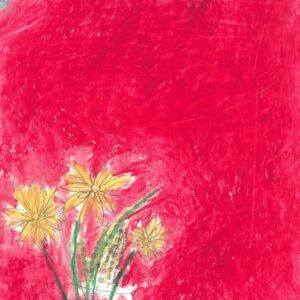
Year 5 Shottermill Junior School
Year 5, Shottermill Junior School

You May Also Like…

Pathway: Gestural Drawing with charcoal

This is featured in the 'Gestural Drawing with Charcoal' pathway

This is featured in the ‘Gestural Drawing with Charcoal’ pathway

Pathway: Set Design

This is featured in the 'Set Design' pathway

This is featured in the ‘Set Design’ pathway

Pathway: Laura McKendry

Laura McKendry

Session Recording: exploring Charcoal

Compressed Charcoal Using Point By Lancelot Richardson

Talking Points: What is Chiaroscuro?

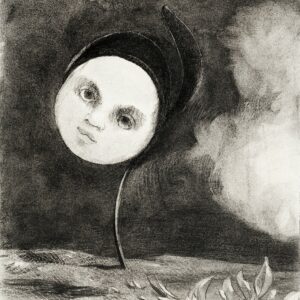
Strange Flower (Little Sister of the Poor) (1880) by Odilon Redon. Original from the Art Institute of Chicago

Talking points: Edgar degas

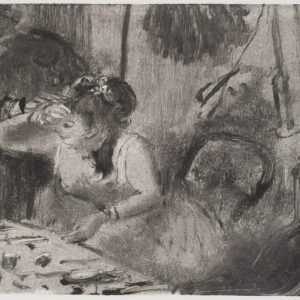
"Edgar Degas (1834-1917), Intimacy, c. 1877-80. kks9159, kks9159" by SMK Statens Museum for Kunst (officiel) is marked with CC0 1.0.

Talking Points: Rae Smith

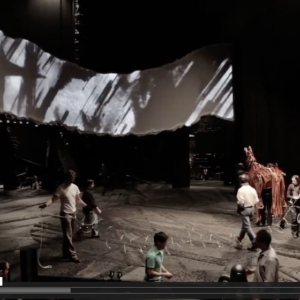
Set of War Horse

Talking Points: Fausto Melotti

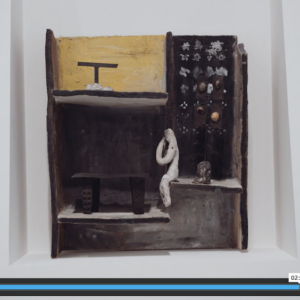
Fausto Melotti: The Deserted City by Hauser & Wirth https://vimeo.com/295357946


Drawing Stories: Illustrations by Children

You May Also Like…

Pathway: Storytelling through drawing
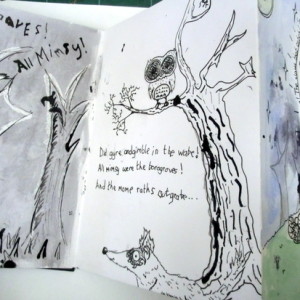
This is featured in the 'Storytelling Through Drawing' pathway

This is featured in the ‘Storytelling Through Drawing’ pathway

Talking Points: Laura Carlin

Laura Carlin The King of the Sky https://vimeo.com/266949422

Talking Points: Shaun Tan
The Arrival by Shaun Tan https://vimeo.com/139679090


Designing Wallpaper!