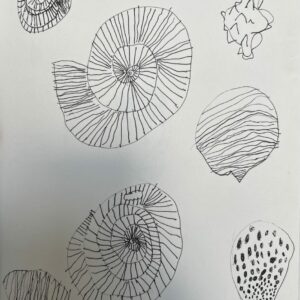
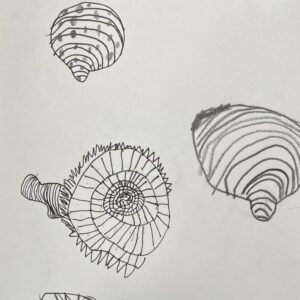
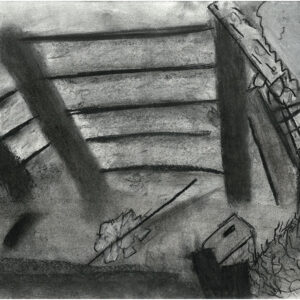
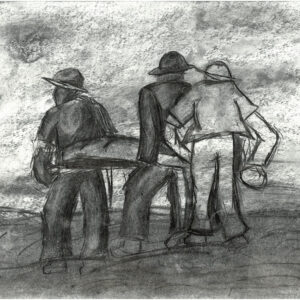
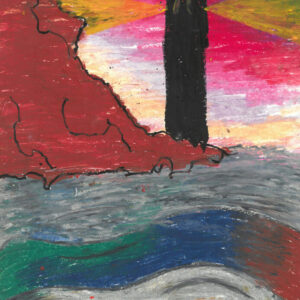
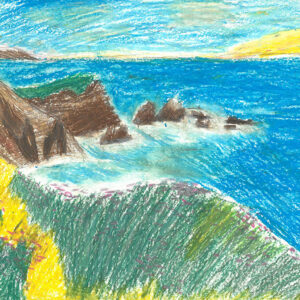
Nests: Observational Ink Drawing

By Mandy Barrett and Jo Blaker

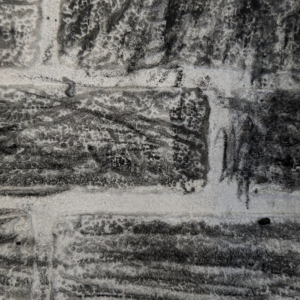
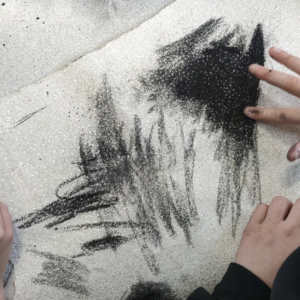
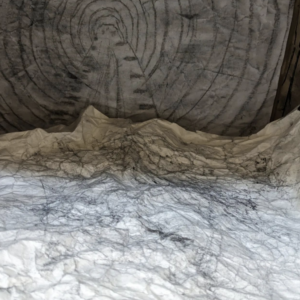
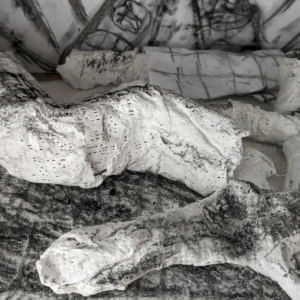
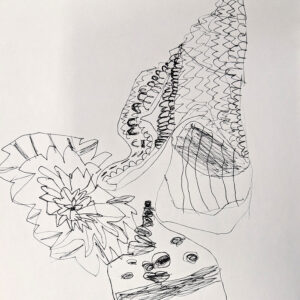
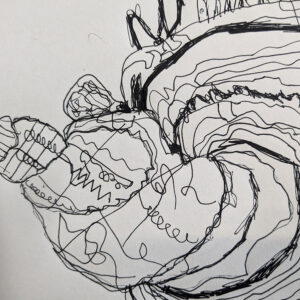
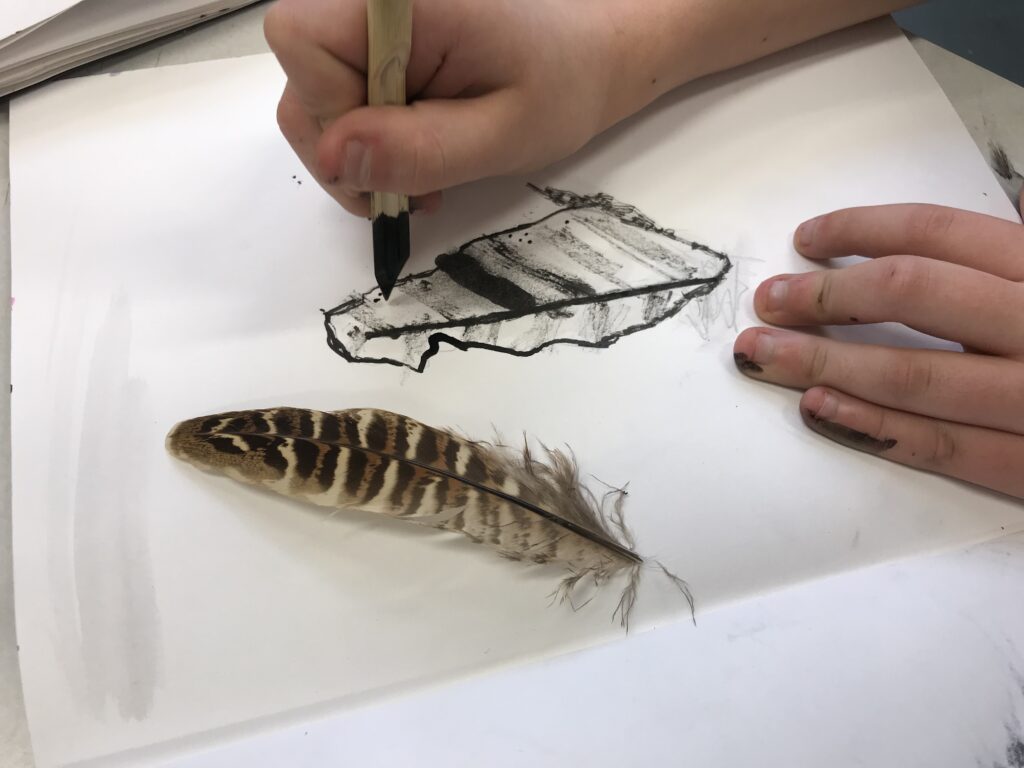
In this second of a series of three posts, Teacher Mandy Barrett and Artist Jo Blaker journey on a project that considers the materials and structures of nests. In this second post the class developed and built upon their earlier mark making work using ink to observe and draw a series of natural objects.

Click on the links to post one: Materials, Tools, Testing and Sketchbooks and post three: Nests with Dry and Wet Media.

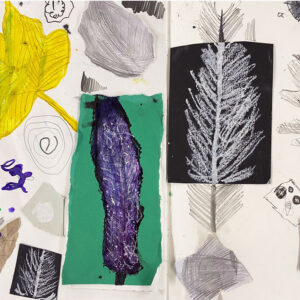
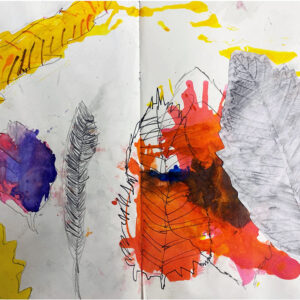
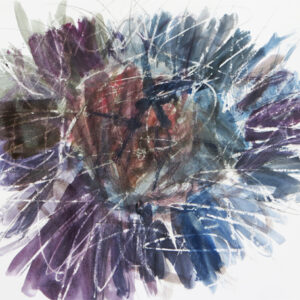
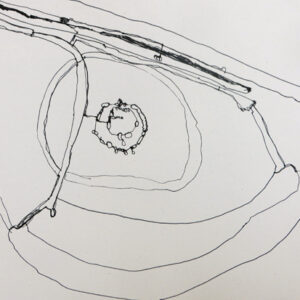
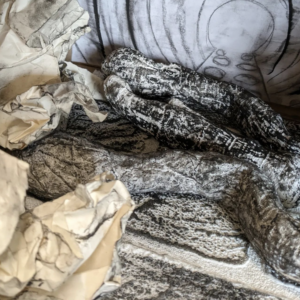
Observational drawing of a feather


Please log in here to access full content.

Username
Password


Remember me
Forgot Password


To access all content, I would like to join as…

An Individual

Creative practitioners, educators, teachers, parents, learners…


An Organisation…

Schools, Colleges, Arts Organisations: Single and Multi-Users


AccessArt is a UK Charity and we believe everyone has the right to be creative. AccessArt provides inspiration to help us all reach our creative potential.


See This Resoucre Used In Schools…

Yr 5 Sutton Valence Preparatory School, Adaptation of Nests Pathway

You May Also Like…

Pathway: Sculpture, Structure, Inventiveness & determination

This is featured in the 'Sculpture, Structure, Inventiveness & Determination' pathway

This is featured in the ‘Sculpture, Structure, Inventiveness & Determination’ pathway

Talking Points: What can we learn from birds

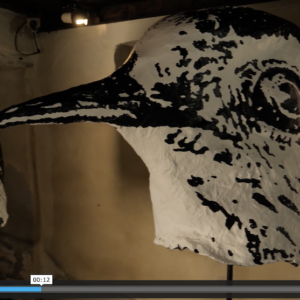
Marcus Coates, Conference of the Birds, 2019, (excerpt) https://vimeo.com/518101698

Drawing source material: nests

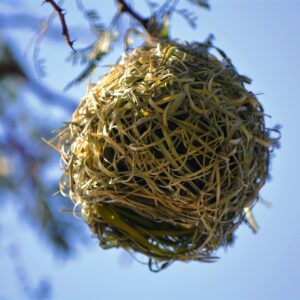
Birds nest in tree, nature photography. Free public domain CC0 image.


Nests: Materials, Tools Testing and Sketchbooks

See This Resource Used In Schools…

Yr 5 Sutton Valence Preparatory School, Adaptation of Nests Pathway

You May Also Like…

Pathway: Sculpture, Structure, Inventiveness & determination

This is featured in the 'Sculpture, Structure, Inventiveness & Determination' pathway

This is featured in the ‘Sculpture, Structure, Inventiveness & Determination’ pathway

Talking Points: What can we learn from birds

Marcus Coates, Conference of the Birds, 2019, (excerpt) https://vimeo.com/518101698

Drawing source material: nests

Birds nest in tree, nature photography. Free public domain CC0 image.


Talking Points: Lubaina Himid

A collection of imagery and sources designed to introduce pupils to the Artist Lubaina Himid.

Please note that this page contains links to external websites and has videos from external websites embedded. At the time of creating, AccessArt checked all links to ensure content is appropriate for teachers to access. However external websites and videos are updated and that is beyond our control. 

Please let us know if you find a 404 link, or if you feel content is no longer appropriate. 

We strongly recommend as part of good teaching practice that teachers watch all videos and visit all websites before sharing with a class. On occasion there may be elements of a video you would prefer not to show to your class and it is the teacher’s responsibility to ensure content is appropriate. Many thanks. 

*If you are having issues viewing videos it may be due to your schools firewall or your cookie selection. Please check with your IT department.*


This resource is free to access and is not a part of AccessArt membership.


ages 9-11
ages 11-14
ages 14-16
free to access

Lubaina Himid

“Born in Zanzibar in 1954, Lubaina Himid is a British painter who has dedicated her thirty-year-long career to uncovering marginalised and silenced histories, figures, and cultural moments. Himid creates paintings, drawings, prints and installations. She paints on a variety of surfaces, including ceramic and wood, often producing objects with performative potential intended to be encountered in a space”. RA

Look closely at the artwork ‘Naming the Money’ on Google Arts and Culture.

Watch the videos below to learn more about Lubaina Himid’s work and ideas.

Note for teachers on adult content: Please be advised that some of Himid’s work contains inappropriate imagery, some of which may be visible in the background of these videos. Please ensure you have watched them first to ensure you are happy to show to your class.

Note for teachers on adult content: We have tried to ensure that all videos below are suitable for use in schools, but please be advised that some of  Himid’s work does address adult themes. Please ensure you have watched these videos first to ensure you are happy to show to your class.

Questions to Ask Children:

What different surfaces does Lubaina Himid work on? What type of paint does she use?

What can you read from the expressions on the two figures in the artwork called ‘Carrot Piece’? What do you think they are thinking or saying?

Do you think the man on the right is turning and standing still or is he walking away? Why might he want to do that?

Lubaina Himid describes the figures as “larger than life” – what do you think it would be like to see such a large artwork in real life? 


Watch the video on Vimeo to find the playbar and controls.

Questions to Ask Children:

What warm or hot colours do you notice in some of the paintings displayed in the video?

Do you agree the paintings are vibrant? Why?

Some of the figures in the paintings appear to be quite flat and almost 2 dimensional. Do you think Lubaina Himid painted them in this way deliberately and what effect does it create?

Watch the video below from 2.00-3.30 minutes.

Questions to Ask Children:

What do you think it would be like to walk in and amongst all the painted wooden figures?

Some of the figures are playing musical instruments – what kind of music do you imagine they are playing?

This Talking Points Is Used In…

Pathway: 2D Drawing to 3D Making

This is featured in the '2D Drawing to 3D Making' pathway

This is featured in the ‘2D Drawing to 3D Making’ pathway

using sketchbooks to make visual notes

Sketchbooks used for observations, research drawing and experimentation.

Show me what you see

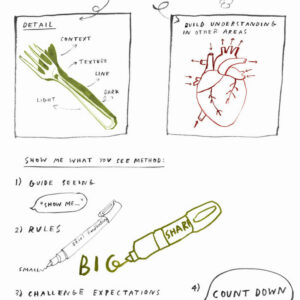
Show Me What You See Method 250 Words by Tobi Meuwissen


Pathway: Typography and Maps

Pathway for Years 5 & 6

Disciplines:
Design: Typography, Drawing, Collage, Sketchbooks

Key Concepts:

  • That when designers work with fonts and layout it is called Typography.

  • That we can use the way words look to help us communicate ideas and emotions.

  • That we can create our own typography and combine it with other visual elements to make artwork about chosen themes. 

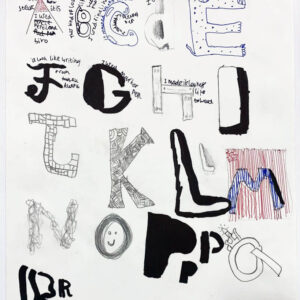
In this pathway children are introduced to typography design and they explore how they can create their own fonts and designs. Children explore how we can use visual letters and other elements to help convey ideas and emotions.

They are introduced to the work of an artist and a designer who have both used lettering combined with maps to produce maps which tell stories. Children then go on to create their own visual and often three dimensional maps. 

Themes:
Identity, Environment, Habitat

Medium:
Pencil, Pen, Paper

Artists: Louise Fili, Grayson Perry, Paula Scher, Chris Kenny

If you use this resource in your setting, please tag us on social media: #InspiredBy @accessart (facebook, twitter) @accessart.org.uk (instagram) and share the url. Thank you!

Typography for children
3-D visual maps
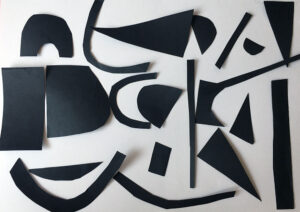
Cut Out Typography By Tobi Meuwissen
ages 5-8
ages 9-11

Teaching Notes

Find the MTP for this pathway here.

Please find the CPD session recording of the Typography and Maps pathway here.


Curriculum Links

Geography: Trade links, digital mapping, ordinance survey maps, detailed sketching of maps.

History: Create maps inspired by your chosen ancient civilisation topic e.g. an Anglo Saxon settlement or village.

Maths: Pictorial representations, 2D / 3D shapes.

PSHE: Collaboration, Peer Discussion.

English: Leaflets, posters


I Can…

  • I have understood that Typography is the visual art of creating and arranging letters and words on a page to to help communicate ideas or emotions. 

  • I have seen how other artists work with typography and have been able to share my thoughts on their work.

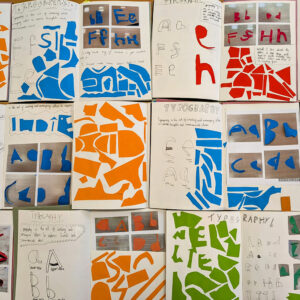
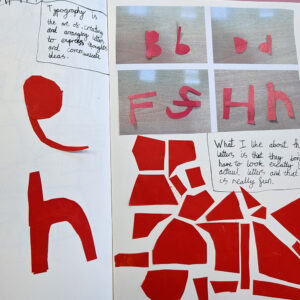
  • I have explored how I can create my own letters in a playful way using cutting and collage. I can reflect upon what I like about the letters I have made.

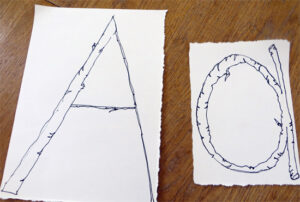
  • I have drawn my own letters using pen and pencil inspired by objects I have chosen around me. I can reflect upon why my letters have a meaning to me. 

  • I have used my sketchbooks for referencing, collecting and testing ideas, and reflecting. 

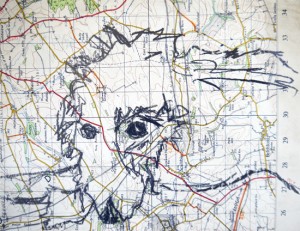
  • I can make my drawings appear visually stronger by working over maps or newspaper to make my marks stronger.

  • I have seen how some artists use their typography skills and drawing skills to make maps which are personal to them. I have been able to reflect upon what I think their maps mean, what I like about them, and what interests me.

  • I can use my mark making, cutting and collage skills to create my own visual map, using symbols, drawn elements and typography to express themes which are important to me.

  • I have shared my work with the class, reflected upon what was successful and been able to give useful feedback on the work of my peers. 


Time

This pathway takes 6 weeks, with an hour per week. Shorten or lengthen the suggested pathway according to time and experience. Follow the stages in green for a shorter pathway or less complex journey.


Materials

Soft B pencils, handwriting pens, cartridge paper, black sugar paper, assorted papers/cards, old maps or newspapers, A1 cartridge paper, assorted small objects and plants, PVA glue, tape, scissors.


Pathway: Typography and Maps

A PDF of this pathway can be found here.

  • Aims of the Pathway

    This pathway aims to give pupils the opportunity to explore the work of designers who work with font and typography. Pupils go on to create their own typography and develop their skills further in a visual map project. 

  • Week 1: Introduce Typography

    What is Typography?

    What is typography

    Visit the free to access “Talking Points: What is Typography” resource. Enable children to understand how typography can be used creatively to express thoughts and communicate ideas visually. Make some “Visual Notes” in sketchbooks.

  • Introduce an Artist

    Louise Fili

    Louise Fili video

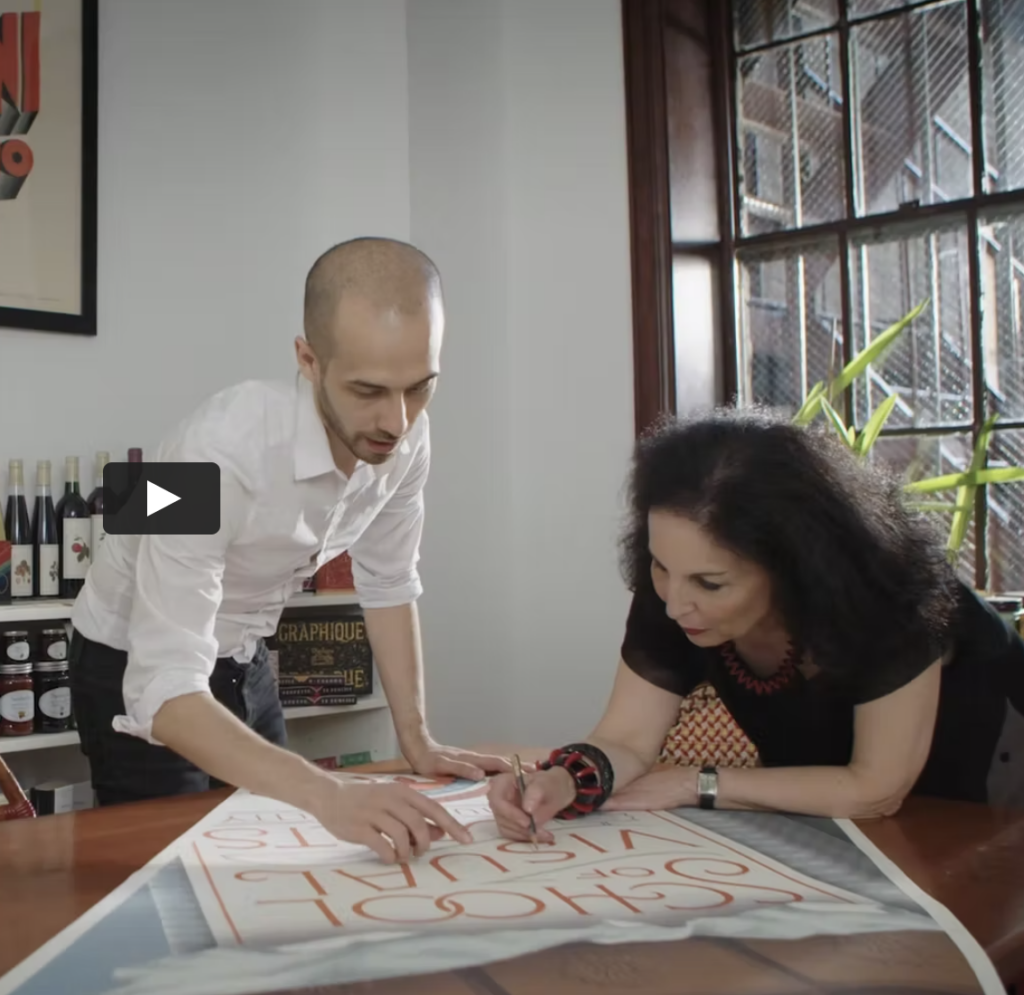
    Explore the work of Louise Fili who is a pioneer in establishing herself as a woman working in Typography. Use the free to access “Talking Points: Louise Fili” resource to see how she and her team created a poster for the New York Subway. 

  • Play & Experiment

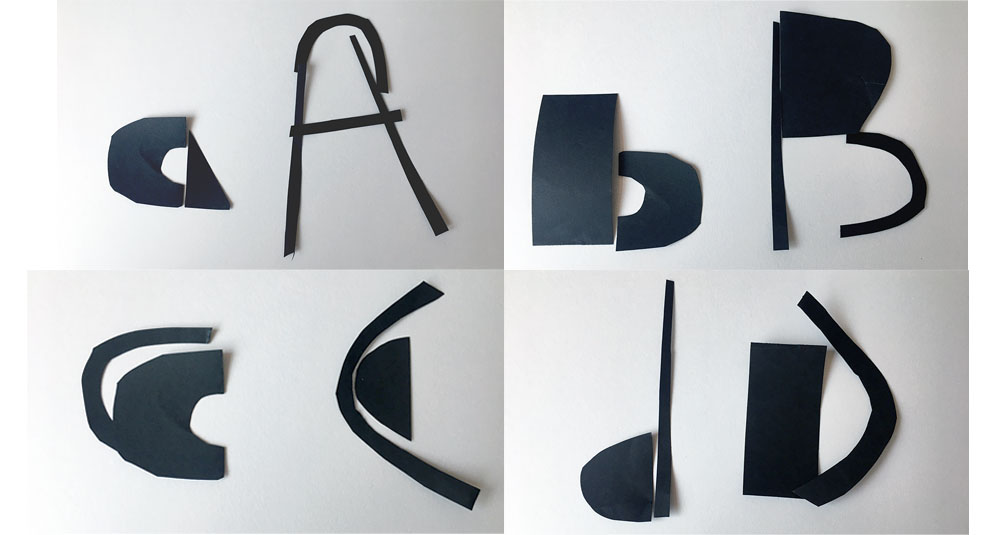
    Play with Cut Out Typography

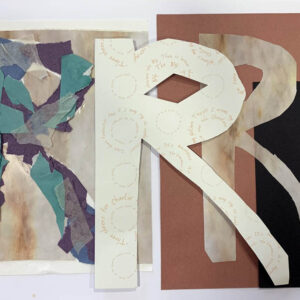
    Invite the children to create their own letters in a playful way to discover arrangements they like. Use the “Cut Out Typography” resource.

    Stick the outcomes in your sketchbook. Think about what you like about the letters you create, and what you might like to develop further.

    Cut Out Typography By Tobi Meuwissen

  • Week 2: Continue Exploring

    Create Your Own Typography

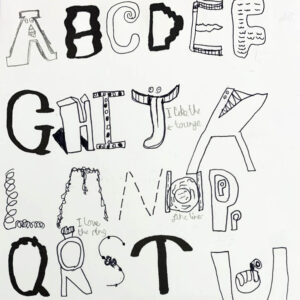
    Create your own letters of a typeface in an intuitive and fun way in the “Create Your Own Typography” resource.

    Work on large sheets or in your sketchbooks. Explore as many variations of letters as you can. 

    If you have time, develop a whole word or even phrase, but pay just as much attention to each letter. 

    Pupils will be drawing on previous knowledge and skills in creating varied mark-making. For a recap on mark-making explore “Finding Marks Made by Artists“.

  • Week 3: Developing Stronger Drawings

    Explore Making Powerful Visual Imagery

    Sometimes we need help to make our drawings visually powerful. 

    Use the “Making Stronger Drawings” resource to help you develop strong mark-making skills. 

    If you don’t have maps to work on you can do the same exercise working on newspaper or other paper which is pre-printed. 

    Making Stronger Drawings

  • Week 4 & 5: Creating a Visual Map

    Messages in Maps

    The next stage of the project is to apply your new typography skills and your powerful drawing skills to make a visual map. 

  • See How Artists Create Maps

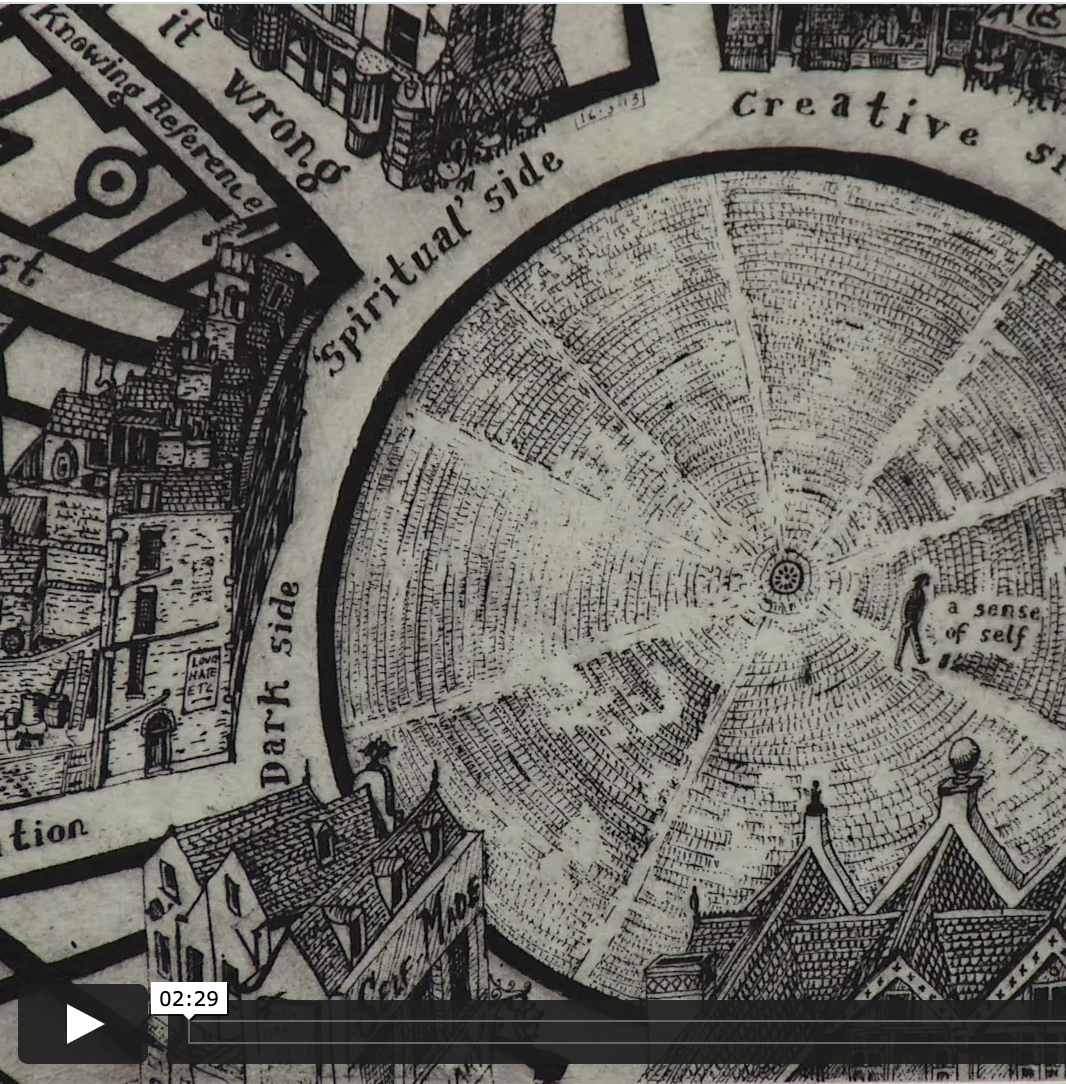
    Grayson Perry & Paula Scher & Chris Kenny (and the Marauder’s Map)

    Maps don’t just have to tell us where to go. They can also be very personal places which reveal things about the artist that made them, or they can be comments about culture, place and time. They can also be a place where messaging is concealed and revealed. They can be based upon reality or imagination, or both.

    A Map Of Days Film

    Introduce children to a selection of artists who use maps in their work to express identity. Create “Visual Notes” in sketchbooks inspired by your choice of artists.

    Choose from the following of free to access Talking Points:

    Or explore the design and typography used in the visual Marauder’s Map using the “Talking Points: Hogwarts’ Maps” resource.

  • Make

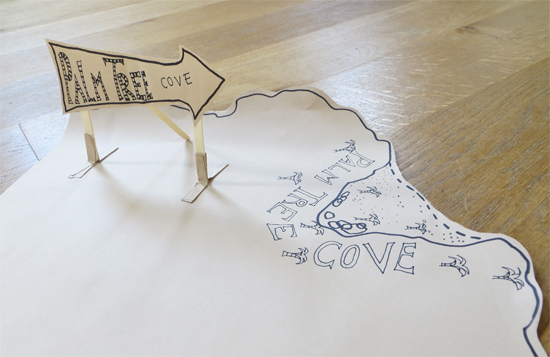
    Begin Making a 3D Visual Map

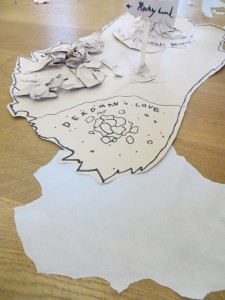
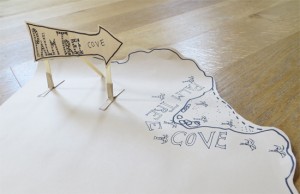
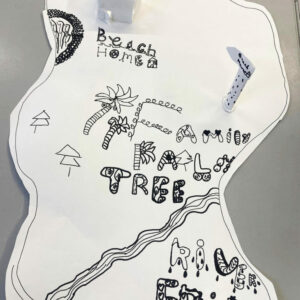
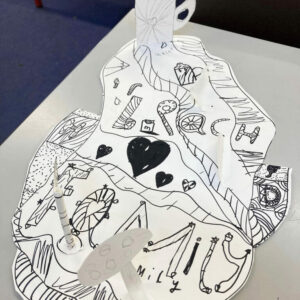
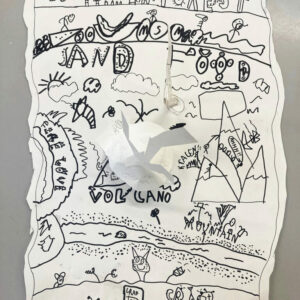
    Using ideas developed from the Typography activity in Week 2, follow the “3D Visual Maps” resource to understand how we build on the idea of creating visual text, and how this can be applied to map making.

    Cutting out the maps, and building relationships with the coast

  • Develop

    Annotate Your 3D Visual Maps

    Ask the children to use explorations of identity to annotate their 3D Visual Maps with typography, references, thoughts, ideas and associations. They can do this both in 2D and 3D, using cut out paper. See “Manipulating Paper from 2d-3d” for inspiration.

    Questions to ask:

    Where am I in my map? Why have I chosen to place myself here and what is around me?

    What words do I associate with home and where I live?

    What things or places am I surrounded by and why is this important to me?

    3-D visual maps

  • Week 6: Reflect and Discuss

    Share and Celebrate the Outcomes

    Lay the maps out on the floor if possible. You could even use the playground or school hall if the weather/space allocation permits.

    Ask the children to walk around each other’s work. Take time to absorb and discuss.

    Use the resource here to help you run a class “crit” to finish the project. 

See the Pathway Used in Schools…

Year 5
Year 5
Year 5
Year 5
Littleport Community Primary School Year 5
St Hilary School, Year 5
Year 4, Stockport Grammar Junior School
Year 5, Bramber Primary School, Worthing
3d Visual Map
3d Visual Map
3d Visual Map
3d Visual Map
3d Visual Map

If You Use AccessArt Resources…
You might like to…

Join our Facebook Group

Join the AccessArt Network group on Facebook and ask questions of others using our resources

Join the AccessArt Network group on Facebook and ask questions of others using our resources

Share and Tag

Share photos of work made by tagging us on social media

Share photos of work made by tagging us on social media

You May Also Like…

inspired by google earth

 Use images from Google Earth as inspiration for drawings

Use images from Google Earth as inspiration for drawings

making illustrated letters

Personalise letters according to interests

Personalise letters according to interests

inspired by google earth: Making

 Use images from Google Earth as inspiration for a sculpture

Use images from Google Earth as inspiration for a sculpture

Making Maps Magical with Thermochromic Paint

Explore thermochromic paints, making maps which reacted to the heat of hands

Explore thermochromic paints, making maps which reacted to the heat of hands


Dance and Drawing


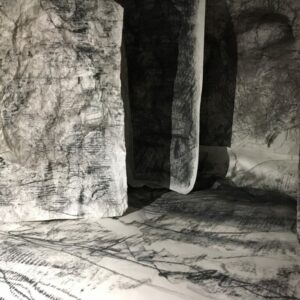
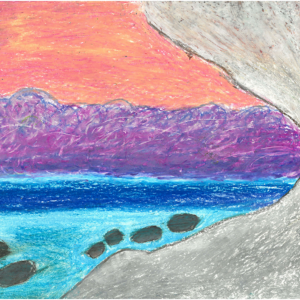
Charcoal Cave

See This Resource Used In Schools…

Year 6, Ruth at Carden Primary School
Year 3, Heaton St Barnabas' C of E Primary School

You May Also Like…

Pathway: Gestural Drawing with charcoal

This is featured in the 'Gestural Drawing with Charcoal' pathway

This is featured in the ‘Gestural Drawing with Charcoal’ pathway

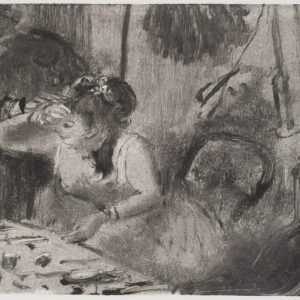
Talking points: Edgar degas

"Edgar Degas (1834-1917), Intimacy, c. 1877-80. kks9159, kks9159" by SMK Statens Museum for Kunst (officiel) is marked with CC0 1.0.

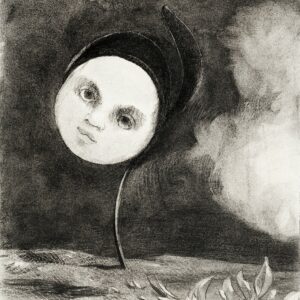
Talking Points: What is Chiaroscuro?

Strange Flower (Little Sister of the Poor) (1880) by Odilon Redon. Original from the Art Institute of Chicago

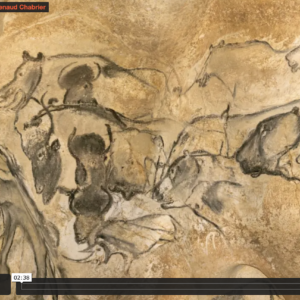
Talking Points: Cave Art

Chauvet Cave https://vimeo.com/171478742

Session Recording: exploring Charcoal

Compressed Charcoal Using Point By Lancelot Richardson


Pathway: Explore & Draw

Pathway for Years 1 & 2

Disciplines:
Drawing, Sketchbooks, Collage

Key Concepts:

  • That artists explore the world, seeing things around them in new ways, and bring things back to their studios to help them make art.

  • That we can go into our own environments, even when they are very familiar to us, and learn to see with fresh eyes and curiosity.

  • That we can use the things we find to draw from, using close observational looking.

  • That we can explore and use art materials, be inventive with how we use them, taking creative risks and enjoying accidents as well as planned successes. 

  • We can use the shape of the page, and the way we arrange elements on the page, to create compositions which we like. 

In this pathway children are introduced to the idea that artists can be collectors: they go out into the world, look at things in new ways, and bring things back to the studio to inspire their art.

Children explore observational drawing and experimental mark making, and think about how they can use composition to create their artwork. 

The exercises and projects in this pathway encourage children to begin to develop hand-eye coordination through slow and paced looking. This is balanced by encouraging children to nurture a playful exploration of media, a curiosity towards the world around them, and to begin to take creative risks/trust instinct. 

Themes:
Natural Forms, Seasonal Changes, Patterns, Symmetry

Medium:
Graphite, Handwriting Pen, Watercolour / Brusho, Wax Resist

Artists: 

Rosie James, Alice Fox

This pathway will take approximately half a term, based upon a weekly art lesson. 

If you use this resource in your setting, please tag us on social media: #InspiredBy @accessart (facebook, twitter) @accessart.org.uk (instagram) and share the url. Thank you!

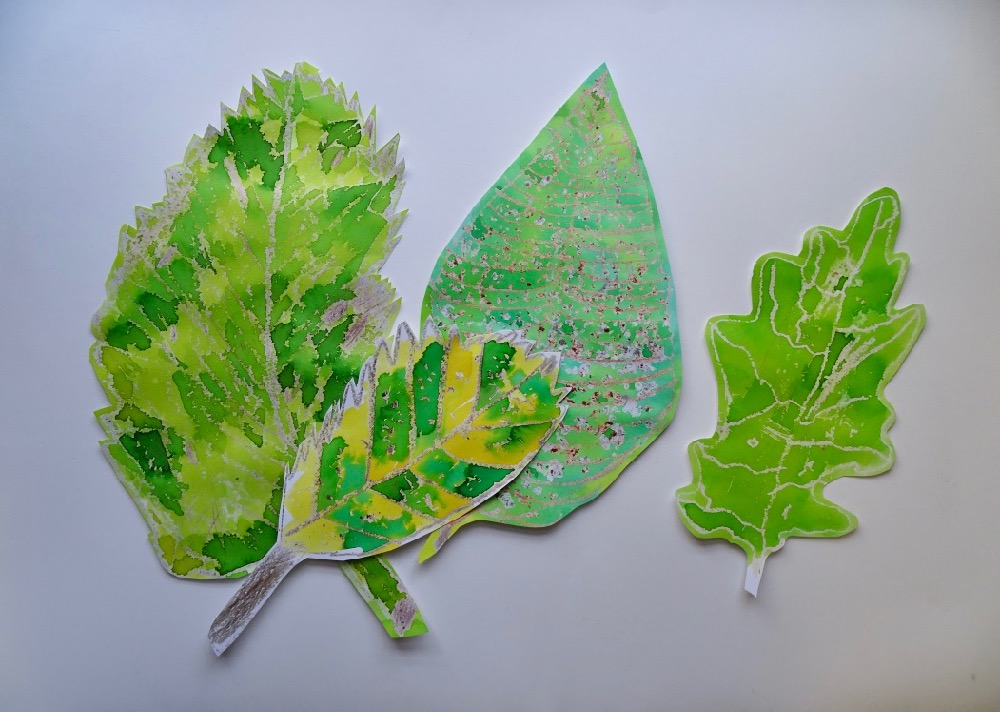
Wax resist leaves by pupils at Dent School, facilitated by Rosie James
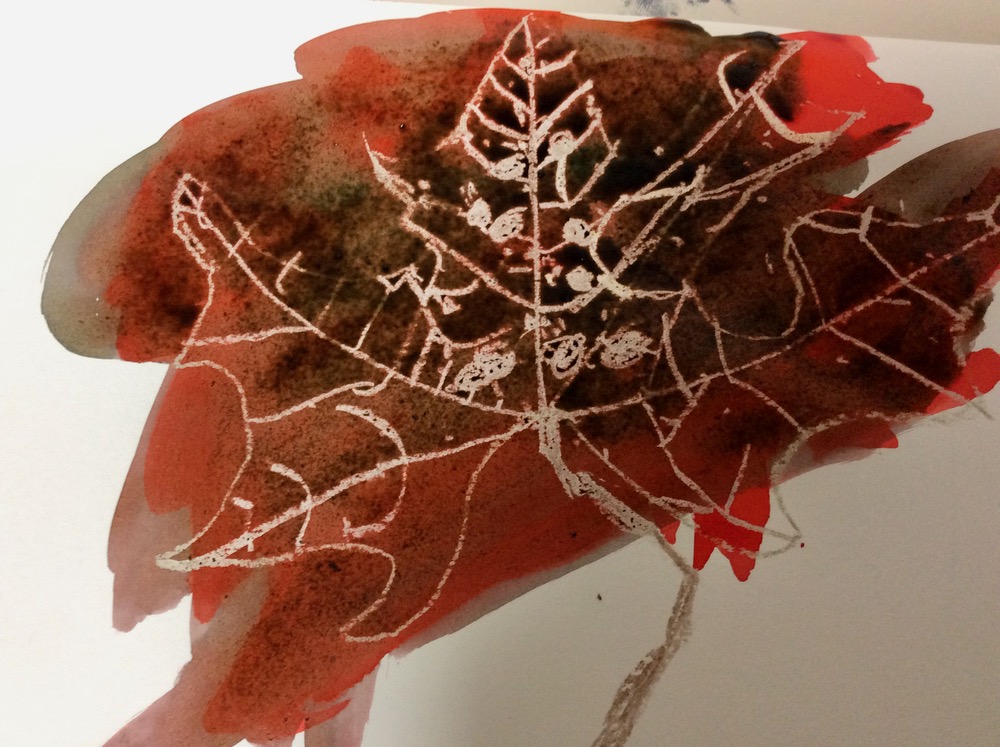
Leaf created with wax crayons and Brush ink with Rosie James
Drawing 1:1 ratio
ages 5-8

Teaching Notes

Find the MTP for this pathway here.


Curriculum Links

Geography: Adapt to explore habitats. 

Maths: Use language to develop understanding of patterns, sequence, symmetry, pictorial representation, repetition. 

Science: Identifying common and wild plants, trees, structures of plants, exploring local environments and habitats, seasons, planting and growing. 

PSHE: Peer discussion, Collaboration. 


I Can…

  • I have seen how some artists explore the world around them to help them find inspiration.

  • I can explore my local environment (school, home, etc) and collect things which catch my eye.

  • I can explore composition by arranging the things that I have collected.

  • I can talk about what I collected, and how and why I arranged the things I collected.

  • I can take photographs of my artwork and I can think about focus and light.

  • I can use careful looking to practice observational drawing, and I can focus for 5 or 10 minutes.

  • I can hold an object and I can make a drawing thinking about the way the object feels. 

  • I can combine different drawing media such as wax resist and watercolour, graphite and water, wax crayon and pencil in my observational drawings.

  • I can work small in my sketchbook and on large sheets of paper, exploring how I can use line, shape and colour in my work.

  • I can cut out and collage to explore composition.

  • I can talk about the work I have made with my classmates, sharing the things I thought were successful and thinking about things I would like to try again.


Time

This pathway takes 6 weeks, with an hour per week. Shorten or lengthen the suggested pathway according to time and experience. Follow the stages in green for a shorter pathway or less complex journey.


Materials

Soft pencils, handwriting pens.

Project 1: Wax Resist Autumn Leaves – A3 cartridge paper, metallic wax crayons, brusho ink.

Project 2: Autumn Floor Drawings – Water colour, graphite, charcoal, soft B pencils, inks, A2 paper.

Pathway: Explore & Draw

A PDF of this pathway can be found here.

  • Aims of the Pathway

    In this pathway pupils are introduced to the idea that artists are inspired by the world around them. Children are empowered to go out into the world, re-see, collect and re-present through drawing. 

  • Week 1: Introduction

    Artists Are Collectors & Explorers

    Introduce children to the idea that artists are often collectors and explorers. 

    artists as collectors

    Visit the “Talking Points: Artists As Collectors & Explorers” resource and choose from one or more artists. Enable children to understand that by exploring our environments with “fresh eyes” and curiosity we can find inspiration for our artwork. 

    Use sketchbooks to make visual lists of places and things you could explore and collect in your school, home and area. 

  • Week 2: Explore and Collect

    Explore and Collect

    selecting the first twigs

    Get active and invite children to go outside into the playground or school area to collect and create “Patterns With Nature”.

    Play with the objects to create new shapes and patterns on the ground, around branches, and on logs. Be curious. Think about how even ordinary things like twigs and pebbles might be interesting when you really look at them.

    Gather the objects back to the classroom and explore composition and arrangements on paper and table tops. Don’t fasten anything down. Just play with the compositions you can make. Can you sort by colour, size, material, type?


  • Photograph Your Work

    Take photographs of the compositions. Ask the children to adapt and change how the objects are arranged or to photograph them from different angles or orientations.

    Remember to reflect on the different elements of the session: active gathering and careful documentation. Discuss how the children found these approaches.

    Create “Digital Collages” using this resource.

    A collage of different photographs.

    Print out the photographs and save them. They can be used later in the project.

  • Week 3: Sketchbook Work

    Two Drawing Exercises

    Working in a sketchbook and using a variety of media (handwriting pen, pencil), try the exercises below, drawing the things you collected the week before as individual items (i.e. not part of a bigger composition). 

  • Exercise One:

    Continuous Line Drawing Exercise

    Continuous line drawing

    Continuous Line Drawings are a great way to get participants to loosen up, get them to look closely, and make new and interesting marks on the paper. With younger children (6 to 10) we sometimes call them “squiggle drawings”.

    For full instructions visit the “Continuous Line Drawing” resource. 

  • Exercise Two:

    Feely Drawings

    Feeling objects behind back before drawing

    Make drawings inspired by sense of touch. This is a fun way to encourage children to be really curious about what they are drawing. How do they use the sense of touch to find the  information they need to make a drawing? Can you forget what you know by sight? And how does this make your drawings look?

    For full instructions visit the “Feely Drawings” resource. 

  • Week 4 and 5: Projects

    Choose a Project

    Choose one of the two projects below to explore how pupils can bring all their skills together into a finished drawing. 

  • Project One:

    Wax Resist Autumn Leaves

    Wax resist autumn leaves by year 3-6 pupils at Dent C of E Primary School in the Yorkshire Dales, Cumbria

    In the “Wax Resist Autumn Leaves” resource, children are introduced to wax resist techniques, inspired by the rich colours and shapes of autumn leaves.

    Begin with observational drawing techniques, using the objects you collected from your environment as subject matter, followed by an immersive exploration of colour and scale using wax crayons and Brusho Crystal Colours. If your pupils collected other objects rather than leaves, simply adapt the resource to suit. 

    You might also like to visit the “What is Composition?” resource to help pupils think about how they might build an awareness of composition in their artwork. 


  • Or…

  • Project Two

    Autumn Floor Drawings

    Squiggle Drawing & Autumn Floor Drawing - Free to Access

    Use the “Autumn Floor Drawing” resource which you can find as the second part of the resource. to give pupils the opportunity to continue practicing their observation and mark-making skills, this time bringing in two added elements:

    1) Thinking about composition. These drawings have no top or bottom as they are inspired by the fallen leaves and twigs on the ground. You might like to talk to pupils about composition using the “What is Composition?” resource. 

    2) Great experimentation with different media. Explore graphite, water soluble graphite, wax resist and watercolour or ink, or a combination of all those media. 


  • Reflect, Share, Talk

    Reflect, Share, Talk

    Time to see the work which has been made, talk about intention and outcome.

    Give the work the respect it deserves and clear a space to see all the work made, including the sketchbook work made earlier. Remind the children of their hard work and enable them to connect all the elements of their learning. 

    If you have class cameras or tablets, invite the children to document their work, working in pairs or teams. 

    You might like to assemble the drawings made in Week 2 and 3 into a “class” Backwards Sketchbook

    Use the resource here to help you run a class “crit” to finish the project. 

See the Pathway Used in Schools…

Penny Kemp, Teacher of Lower School of Inskip St Peters C of E Primary School, Lancashire
Larkfield Primary School
Emma Seaman @mysliceofschoollife and New Silkworth Academy
Ruth at Carden Primary School, Brighton

If You Use AccessArt Resources…
You might like to…

Join our Facebook Group

Join the AccessArt Network group on Facebook and ask questions of others using our resources

Join the AccessArt Network group on Facebook and ask questions of others using our resources

Share and Tag

Share photos of work made by tagging us on social media

Share photos of work made by tagging us on social media

Scroll drawings

Encourage children to experiment with size and ratio

Encourage children to experiment with size and ratio

Larger than life Scroll drawings

Explore drawing objects life sized, using a selection of media

Explore drawing objects life sized, using a selection of media

Help children to draw larger

Explore a more gestural approach

Explore a more gestural approach


World War 1 And The Work Of Paul Nash

See This Resource Used In Schools…

Sheffield High School


An Exploration of Pandora’s Box

You Might Also Like….

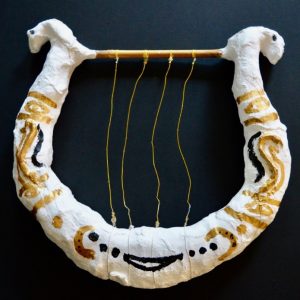
Ancient Greek Lyres

Ancient Greek Lyres

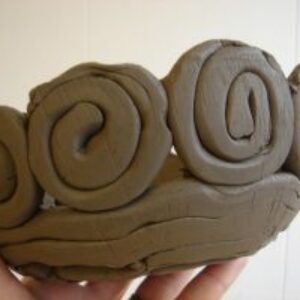
Decorative Coil Clay Pots

Decorative Coil Clay Pots

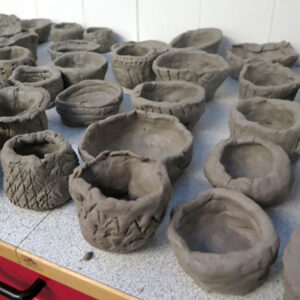
Visual Arts Planning: Clay

Visual Arts Planning: Clay


Making Musical Instruments

What We Like About This Resource….

“It’s great to see music being explored in this way, and combining it with making creates a really interesting immersive project. This activity would work well as part of an extended project looking at musical instruments around the world and some of the natural materials they are made from.” – Rachel, AccessArt

You Might Also Like….

Pathway: Music and art

This is featured in the 'Music and Art' pathway

This is featured in the ‘Music and Art’ pathway

Talking Points: Linda BEll

Linda Bell at Arts Fringe

Talking Points: Nnena Kalu

Jennifer Lauren Gallery Work By Nnena Kalu

talking points: wassily Kandinsky

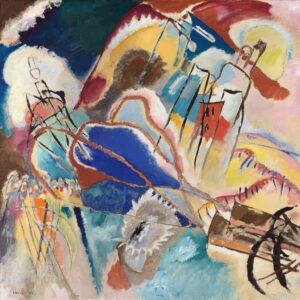
"File:Vasily Kandinsky, Improvisation No. 30 (Cannons), 1913, 1931.511, Art Institute of Chicago.jpg" by Wassily Kandinsky is marked with CC0 1.0.

drawing source material: orchestras

Orchestra

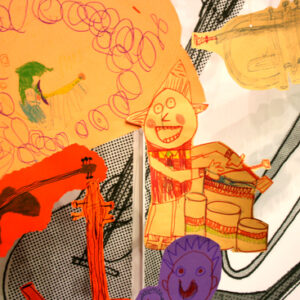
A Cheerful Orchestra

One of our favourite musicians!


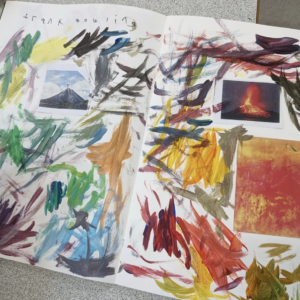
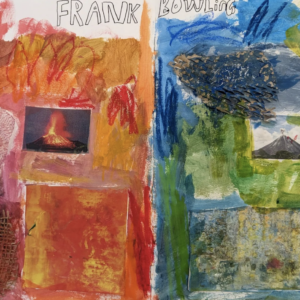
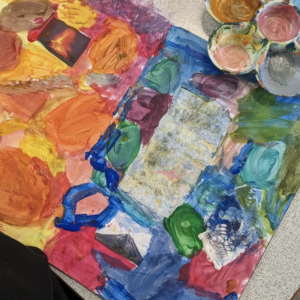
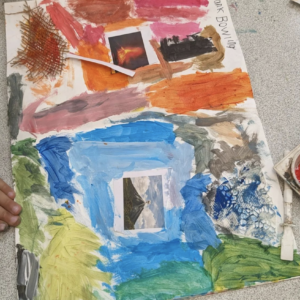
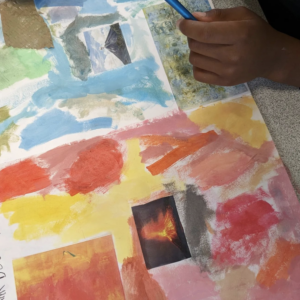
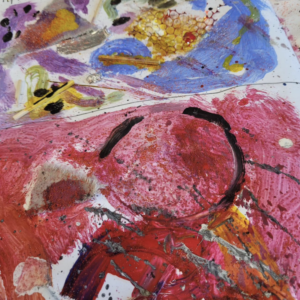
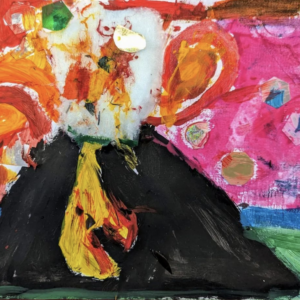
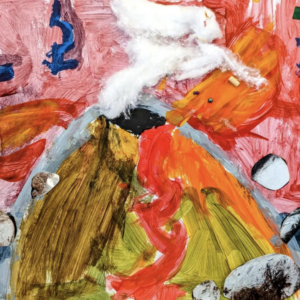
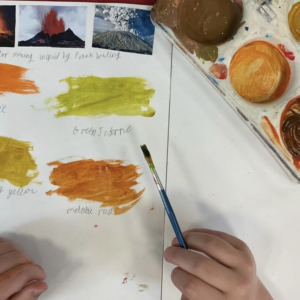
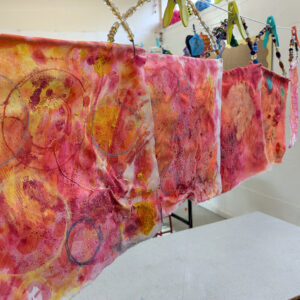
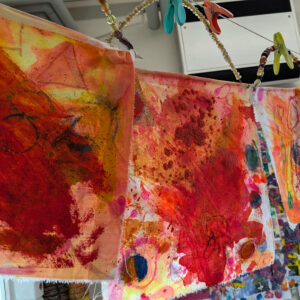
Volcano Painting inspired by Frank Bowling

See This Resource Used In Schools…

Year 3, Ruth at Carden Primary School
Year 5, Goose Green Primary School
Mrs Nicky Davies, Year 4, St Hilary's School
Ruth at Carden Primary School, Brighton

What We Like About This Resource….

“We love how this activity provides an opportunity to explore a well known Artist’s work, through focussing on their materials and techniques. The children looked at Frank Bowling’s work before creating their own individual responses that retained individual ownership – something we advocate as part of a rich and balanced visual arts education. It was also great to see how a professional artist visited the school to further enhance the children’s experience.” – Rachel, AccessArt

You May Also Like…

Pathway: Cloth, thread, paint

This is featured in the 'Cloth, Thread, Paint' pathway

This is featured in the ‘Cloth, Thread, Paint’ pathway

Talking Points: Frank Bowling

Frank Bowling – From Figuration to Abstraction | Artist Interview | TateShots

Talking Points: Hannah Rae

Textiles by Hannah Rae

Talking Points: Alice Kettle

Sea Figure by Alice Kettle


AccessArt Explores Shakespeare

Are you an Upper KS2 or Lower KS3 teacher planning on studying Shakespeare as part of your English Literature curriculum? If so, AccessArt needs your help!

We are thrilled to announce the launch of a brand new project that links the visual arts with Shakespeare – and we are looking for schools to take part in the project pilot to help us gather evidence for a series of inspirational resources that explore new ways to study Macbeth, Romeo & Juliet and A  Midsummer Night’s Dream.

The focus of the project delivery will be through visual arts sessions, but with strong links to aspects of the literacy curriculum such as knowledge and comprehension of language, reconsigning themes, and comparing characters when discussing dramatic literature.

What do you need to do?

  1. Let us know if you would like to take part (see details at bottom of the page)
  2. Be able to deliver a short series of visual arts activities, pre-planned by AccessArt, that explore one of the plays listed above during the Autumn term 2021 or Spring term 2022.
  3. Come along to a drop-in Zoom session/s where we will be providing practical demonstrations of some of the activities that support the project delivery
  4. Document the activities taking place (preferably with a colleague to assist) and send the named and captioned photos to us
  5. AccessArt will then pull all the evidence together to create a series of Shakespeare resources on the website which we can share with our wider UK and international teacher and artist community

Interested? Let us know! Please email rachel@accessart.org.uk answering the following questions:

  • Why you would like to take part in the project and why it appeals to you
  • What Key Stage the participating children would be
  • What your play preference is out of Macbeth, Romeo and Juliet or A Midsummer Night’s Dream


We are looking for approximately 5 schools to take part in this initial pilot. A full project breakdown will be sent to all participating schools and the pre planned sessions will be made available by June 30th

We look forward to hearing from you!

CPD Recording: Drawing and Poetry

You May Also Like…

found poetry

Image0

poetry comics

Finished page 3. Based on the poem "A Day in Autumn" by RS Thomas (c) Elodie Thomas. Art by Irina Richards.

poetry and printing

Cass explores ENVY by Mary Lamb 1764-1847

puzzle purses

An unfolded origami puzzle purse by Eilis Hanson

imagery and poetry

The first poem I chose is called One Good Churn by Michael Tod

Visual poetry zine

Monoprinted pages folded into zine

set design – responding to text

'Ominous' by Eloise

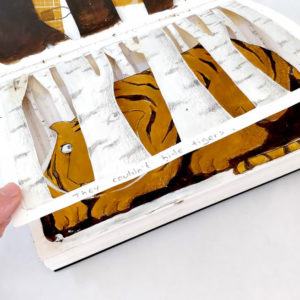
drawable: my tiger sketchbook

Tiger Sketchbook by Inbal Leitner

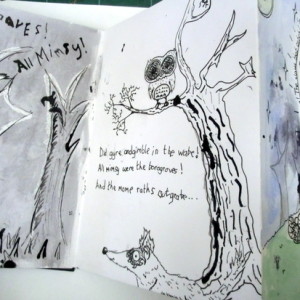
illustrating the jabberwocky

CKJabberwock - Ellie Somerset

cpd recordings: Disciplines and pedagogy

Year 1, Abbey School, Torquay

all recorded cpd sessions

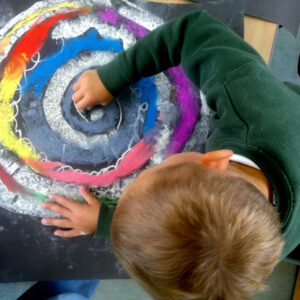
Drawing a spiral with chalks


Movement Maps


Pupil Led Arts Council At Gomersal Primary School


Nature Kaleidoscope


Animal Habitats: An Ecological Mural of Planet Earth


Art Club Cafe


Shadow Puppet Making and Performance


Back – Painted Portraits