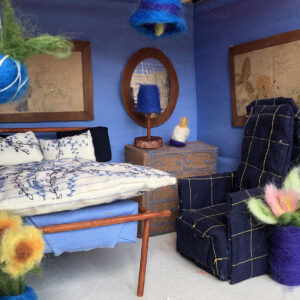
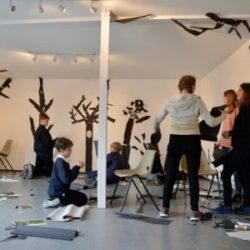
Portrait Club

By Jake Spicer

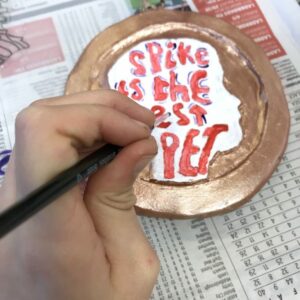
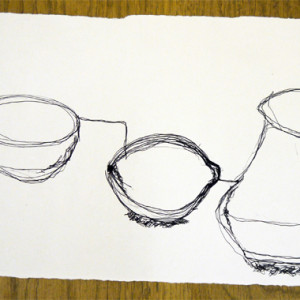
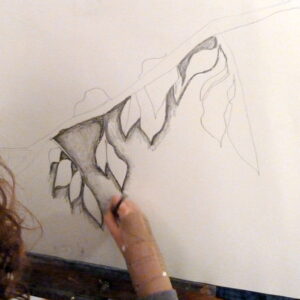
In this resource Jake Spicer, Head Tutor at Draw Brighton, demonstrates how portraiture can be brought into the classroom setting in a light-hearted and flexible way, to encourage intuitive observational drawing. This activity is suitable for all age ranges from young children to adults and can be used as a warm-up or as a dedicated hour long session. Any material can be used throughout the session, however it does work particularly well in cheap media that cannot be erased.

The first rule of Portrait Club: everybody must pose for portrait club.

Portrait Club Sketch by Jake Spicer


Please log in here to access full content.

Username
Password


Remember me
Forgot Password


To access all content, I would like to join as…

An Individual

Creative practitioners, educators, teachers, parents, learners…


An Organisation…

Schools, Colleges, Arts Organisations: Single and Multi-Users


AccessArt is a UK Charity and we believe everyone has the right to be creative. AccessArt provides inspiration to help us all reach our creative potential.


What We Like About This Resource…

“We’re really grateful to Jake from Draw Brighton for sharing this activity which became so well received during lockdown 2020. 

This is the perfect reminder that wherever we are in the digital or physical world, we have our eyes, hands and faces, and drawing provides a wonderful opportunity to come together in small groups to make sketches of each other. Use this activity as an ice breaker before a workshop, or as a transition activity between classes or events. Thank you Jake!” Paula, AccessArt

You Might Also Like…

Pathway: Exploring Identity

This is featured in the 'Exploring Identity' pathway

This is featured in the ‘Exploring Identity’ pathway

Talking Points: Njideka Akunyili Crosby

Njideka Akunyili Crosby

Making Physical or Digital Layered Portraits

Let Me Inspire You by Mike Barrett

Introduction to Portraits

hester berry IMG3-4

Exploring Portraits in Graphite, Collage and Clay

Exploring Portraiture with Eleanor Somerset


AccessArt Explores Shakespeare

Are you an Upper KS2 or Lower KS3 teacher planning on studying Shakespeare as part of your English Literature curriculum? If so, AccessArt needs your help!

We are thrilled to announce the launch of a brand new project that links the visual arts with Shakespeare – and we are looking for schools to take part in the project pilot to help us gather evidence for a series of inspirational resources that explore new ways to study Macbeth, Romeo & Juliet and A  Midsummer Night’s Dream.

The focus of the project delivery will be through visual arts sessions, but with strong links to aspects of the literacy curriculum such as knowledge and comprehension of language, reconsigning themes, and comparing characters when discussing dramatic literature.

What do you need to do?

  1. Let us know if you would like to take part (see details at bottom of the page)
  2. Be able to deliver a short series of visual arts activities, pre-planned by AccessArt, that explore one of the plays listed above during the Autumn term 2021 or Spring term 2022.
  3. Come along to a drop-in Zoom session/s where we will be providing practical demonstrations of some of the activities that support the project delivery
  4. Document the activities taking place (preferably with a colleague to assist) and send the named and captioned photos to us
  5. AccessArt will then pull all the evidence together to create a series of Shakespeare resources on the website which we can share with our wider UK and international teacher and artist community

Interested? Let us know! Please email rachel@accessart.org.uk answering the following questions:

  • Why you would like to take part in the project and why it appeals to you
  • What Key Stage the participating children would be
  • What your play preference is out of Macbeth, Romeo and Juliet or A Midsummer Night’s Dream


We are looking for approximately 5 schools to take part in this initial pilot. A full project breakdown will be sent to all participating schools and the pre planned sessions will be made available by June 30th

We look forward to hearing from you!


Which Artists: We are out of office


Gabby Savage-Dickson: Etching

What We Like About This Resource…

“These are such beautiful and evocative images – certain to inspire. There is a lot of potential for schools to explore Gabby’s work as a way to inspire pupils to create their own imagery inspired by literature, or inspired by imaginative writing by pupils.

Although etching might not be particularly accessible to many schools, there are low tech ways of approaching the process (see below) which mean pupils can explore similar ways of working in the classroom.” Paula, AccessArt

You May Also Like…

Dry Point Etching

Dry Point Etching

Printmaking Using Packaging

Printmaking Using Packaging

MonoPrinting with Carbon Paper

MonoPrinting with Carbon Paper


Gabby Savage-Dickson: Felting & Embroidering Sets

What We Like About This Resource….

“It’s really interesting to see how Gabby works across the different disciplines of textiles and illustration in her work, and you can see how the principles of each are present in these beautifully made felt sets. We enjoyed learning how she went between planning and making – showing that the process of creating isn’t completely linear, and that the journey of idea creation can happen through sketching ideas, but also through making itself” – Andrea, AccessArt

You Might Also Like….

Pathway: Set Design

This is featured in the 'Set Design' pathway

This is featured in the ‘Set Design’ pathway

talking points: negative space by tiny inventions

Explore the work of animation directors Max Porter and Ru Kuwahata.

Explore the work of animation directors Max Porter and Ru Kuwahata.

Making Mini Food

A mini meal of breadsticks, olives and guacamole

Stitched Homes

DSCN4262

Mini World LIght Boxes

Mini World Lightboxes by Anna Campbell


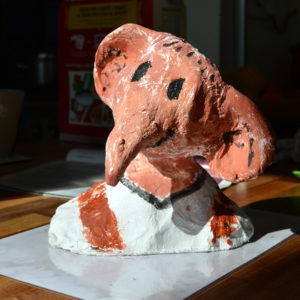
Rosie Hurley: Esio Trot

What We Like About This Resource…

“Rosie highlights the importance of embracing a wide variety of interests and ways of working into our wider creative practice, resulting in wonderfully rich and very personal explorations and outcomes.

There are so many clues in this resource for teachers. Look out for how Rosie slows down her whole process into a series of interconnected stages, which weave in and out of each other. These include time for research (collecting and observing), analysing and revisiting, drawing, making and finally documenting.” Paula, AccessArt

You Might Also like…

Pathway: Telling Stories through drawing and making
This is featured in the 'Drawing Stories Through Drawing and Making' pathway

This is featured in the ‘Drawing Stories Through Drawing and Making’ pathway

Pathway: Set Design

This is featured in the 'Set Design' pathway

This is featured in the ‘Set Design’ pathway

talking points: negative space by tiny inventions

Negative space by Tiny Inventions https://vimeo.com/238590794

Gabby Savage-Dickson: Felting & Embroidering Sets

Felting Details by Gabby Dickson

Year 3 Roald Dahl & Quentin Blake Homework

The BFG by Portia

Draw, Paint, Build, Make: Gallery Project

Making a “To Scale” Gallery by Paula Briggs


Natsko Seki: Making Broadway Market

What We Like About This Resource…

“This resource shows pupils how the experience, background and passions of an illustrator all feed into his or her work.

We like the way Natsko shares how her experience over time informs her work. For example, her background as a “visitor” or person living in cultures which she isn’t initially familiar with, enable her to see that culture through fresh eyes. She takes these observations in through her sketchbooks, and then these inform her work at various points going forward. This is an important concept when facilitating art and developing pupils’ own creativity – and sketchbooks provide the perfect tool for building this experience.” Paula, AccessArt

You Might Also Like…

Creating a Book World with Rose Feather

Creating a Book World with Rose Feather

Illustrating Stories: Creating a Storyboard and First Dummy Book

Illustrating Stories: Creating a Storyboard and First Dummy Book

Illustrating the Jaberwocky

Illustrating the Jaberwocky


Ethos: Learning From Participants


The Art Of Zines

You Might Also Like…

Pathway: Print & Activism

This is featured in the 'Print & Activism' pathway

This is featured in the ‘Print & Activism’ pathway

Talking Points: Luba Lukova

Luba Lukova Vimeo Screenshot https://vimeo.com/34541872

Talking Points: What is a Zine?

The Activist Planners Vimeo Screenshot

Making Large Scale, Screenprinted, Collaged, Co-Created Campaign Posters!

Finished poster

Making an Artist’s Book

Making an Artist's Book by Paula Briggs

Book Artists

Snow Queen Illustration by Su Blackwell


Reciprocal Relationships

By Professor Samantha Broadhead

This response was written after the first meeting of the Creative Pedagogy & Pathways Group

“I think it is really important that those who believe in equitable access to the arts should work together. However, people from different sectors, institutions and organisations are working in art-silos. We need to lift our heads out of our own silo and talk to others who are trying to do the same thing.

I totally agree that differences in language, experience and context are elements  that can impede conversations carrying on. I worry that we are sometimes talking to ourselves and not taking enough time to listen to and ask questions of  others.

I would be interested in having a conversation with someone teaching art in a school and finding out what we have in common and how we could act together. This would need to be a reciprocal relationship. Maybe we need some one-to-one or small group meetings to build this understanding. I have to say that I feel personally excluded from a lot of larger discussions because they tend to  focus on school curricula, when we could also  be asking: how does this work in adult and community education? Or how does this work in further education or HE? How does community arts contribute to the debate?

Maybe a way forward is to start facilitating cross-sector sessions which are about finding commonalities, asking questions and looking outwards?  Then we may understand each other’s values, priorities, hopes and fears.  I can imagine how all the interested arts groups could work together to the benefit of everyone, but I think it needs graft and attention and persistence and leadership.”


Plain English and a Realistic Connection Between Classrooms and Pedagogical Discussion

By Clare Boreham

“I feel that what happens up high in government and Ofsted can become very mistranslated on the ground by SLTs and subjects leads trying to make sense of what they’re supposed to be doing and how. I’ve noticed recently that few young teachers have a great deal of confidence in Art themselves and schools try to use the same pedagogical approaches as in other subjects. In practise, I’ve sometimes felt Art is closer to PE at times. I also feel that what some people in academia think is happening on the chalk face, may not be the case everywhere.

This is why I personally think the visual, easily accessible ‘projects’ AccessArt has, mostly devised by artists, work so very well in schools. It’s not bogged down with learning intentions and success criteria. Or a formulaic pedagogy.

During the discussion, I was glad to hear passionate plea made that ordinary teachers are involved in this group; this is very important. Some language used by academics can also quite abstract. If we are going to have any impact anywhere, on the chalk face, plain english needs to be used. (I’m aware though, that when I talk about ASD, it’s also sometimes very abstract to the uninitiated! So it’s easily done.)

I think one of the issues with the current curriculum is there is so little guidance for Art. Which was a wonderful open ended opportunity, but I feel subconsciously meant it seemed less important in some schools, besides the very packed history curriculum for example, and non specialist Art leads weren’t sure what to do. I have an Art degree and had taught for more than 10 years and I struggled!

Initially I was asked to come up with art units that helped to deliver the enormous amount of history and geography, as apparently many schools were taking that approach. I had to spend time researching my gut feeling that this was wasn’t the right approach for all units. I feel like I’ve had to say ‘No’ an awful lot over the last few years. And spend a lot of time solving the conundrum of what could be happening instead. This is still ongoing!

A little while ago I saw a question in a forum; “I’ve been asked to do a unit on proportion for Y3 linked to Charlotte’s Web…” I feel some Art curriculum leaders have to spend a lot of time doing mental gymnastics. And I think about the children on the other end; how much engagement is a top down formulaic topic actually going to have? A happy child will learn…

My husband is an architect and sometimes teaches second years at the local University. He’s noticed a gradual decline in creative innovation and confidence in the last few years. In terms of creative industries, they’re very much an important one to think about. Practical critical thinking and confident creativity is an incredibly valuable skill that we do risk losing workout risk taking, innovative, evolving approaches to Art Education.”

Any opinions expressed in this communication are personal and do not necessarily represent the position of Benton Dene School in any way


How Can We Evidence Development of Imagination & Creativity

By Paul Carney

This response was written after the first meeting of the Creative Pedagogy & Pathways Group

“A thought came to me in a debate last night. Everyone is obsessed with measuring tangibles – knowledge and skills progression, but how can we evidence the development of imagination and creativity?

What would that look like and would it make a good focus for our project?

It would highlight what is being missed, what is being lost and is the antithesis of what is being done at present.”

Please add your comments below if you would like to contribute to the debate. 


Backbones & Autonomy

By Dr Helen Burns

This response was written after the first meeting of the Creative Pedagogy & Pathways Group

Strengthen our backbone.

“We are all in our own worlds, busily contending with trying to survive and do a good job for people. We don’t get time to think about the big picture or about how we have come to this. I think arts ed practitioners need some kind of CPD which helps us to understand and be able to articulate the context for our work, theoretically and coherently. I think this would need to include a historical perspective of arts in education. This would go right back to Plato and Aristotle and to dualistic ideas which polarise thinking into academic/intellectual as opposed to sensory activities/things we do with our hands – these ideas pervade into todays education system and de-value art.

We should also look at historical, political agendas in relation to arts education and of course, at neoliberalism and how this shapes and negates art education. We then need to look at alternate ways forward. This would include strengthening understanding of a cognitive and metacognitive perspective of the value of art experience (Eisner, Efland etc.). I think we should also look again at imagination and creativity because a lot of what is said about these has become quite rhetorical – with imagination barely understood really. What does this imply for pedagogy (Dewey, Atkinson, Greene etc.).   That’s how I would do this anyway – and within a format where practitioners are creatively constructing their own overview/articulation/model…perhaps as an artwork, from the information provided (I’ve done something like this before, where practitioners constructed a map/image as we went through the ideas). I like your Russian doll idea (I’m a collector)…it’s like building a russian doll where you have put together and related layers of knowledge, to make an intrinsically strong piece of thinking, which has real integrity because it is well-informed, related to your own experience and therefore, you have strong belief in it.

Enabling people to develop autonomy, in and through art.

I imagine some kind of very light touch scheme, which provides just enough structure to support people in school/community settings to set up a project which does not have to comply with official agendas. This is inspired by Keri Facer, who talks about small, grass roots projects as a means of combatting neo-liberal capitalism which is the source of climate emergency – you can’t fight from within the system – you have to find another way. We need to help people find other ways. Other ways to be free to do art but through this, ways to be free to think and to have personal and democratic agency.

Practically, I imagine offering ‘start up’ workshops which equip people to get projects going. Offering help with the project design. Being able to offer a small amount of money for the project, with access to artists, resources etc. Preferably being able to do some research around these projects – but doing research rather than asking for reports etc. There could be a blog or something which connects the projects.

I think that one part of the support should include enabling people to develop an understanding of metacognition, through art experiences, about imagination, creativity and voice/agency.”

Please add your comments below if you would like to contribute to the debate. 


Searching for the Opposite of Fragmentation & Contraction


Connecting With Nature Through Art


CPD Recording: Drawing and Poetry
You May Also Like…

found poetry
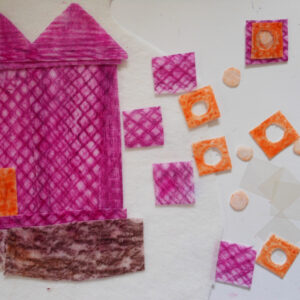
Image0

poetry comics
Finished page 3. Based on the poem "A Day in Autumn" by RS Thomas (c) Elodie Thomas. Art by Irina Richards.

poetry and printing
Cass explores ENVY by Mary Lamb 1764-1847
puzzle purses

An unfolded origami puzzle purse by Eilis Hanson
imagery and poetry

The first poem I chose is called One Good Churn by Michael Tod

Visual poetry zine

Monoprinted pages folded into zine

set design – responding to text

'Ominous' by Eloise

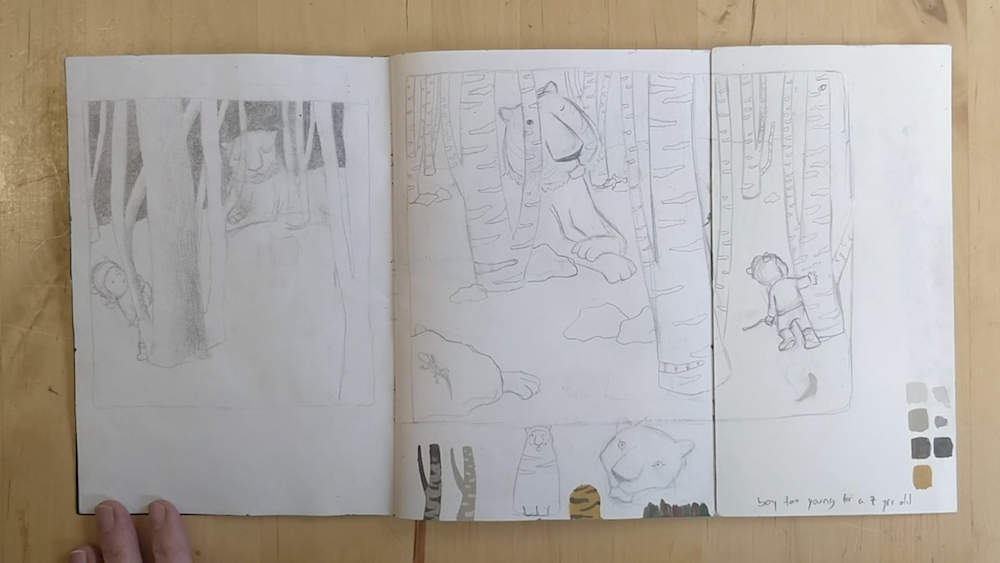
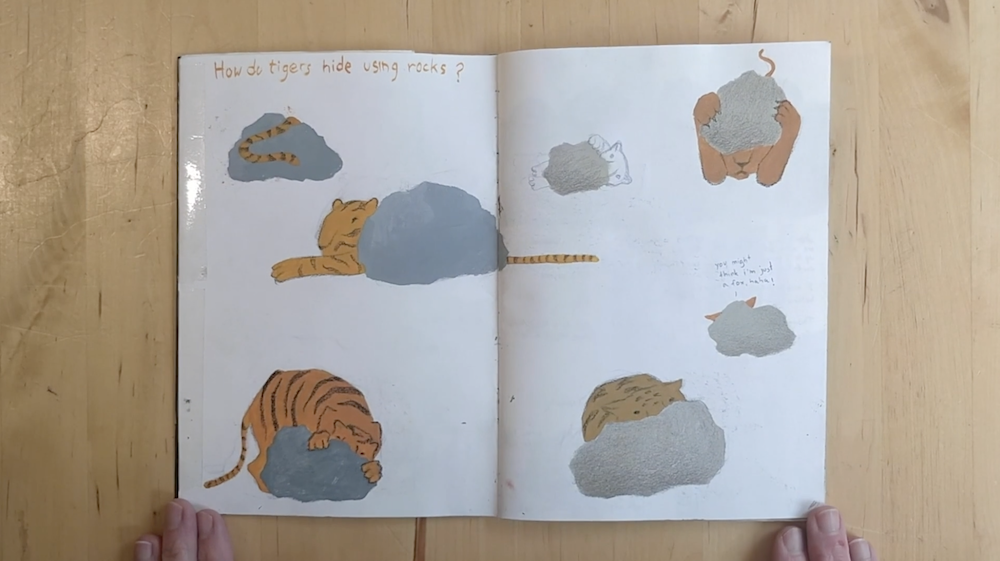
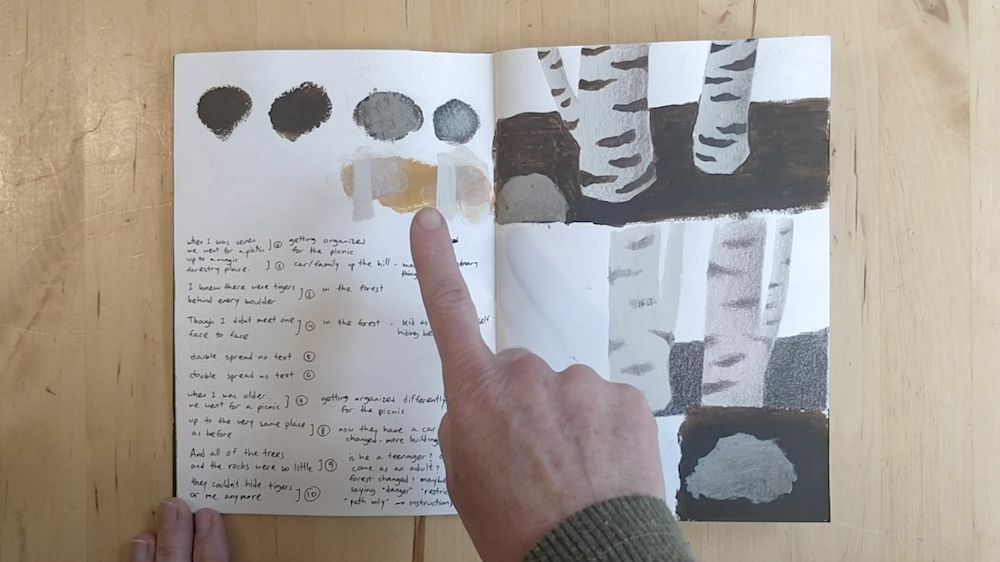
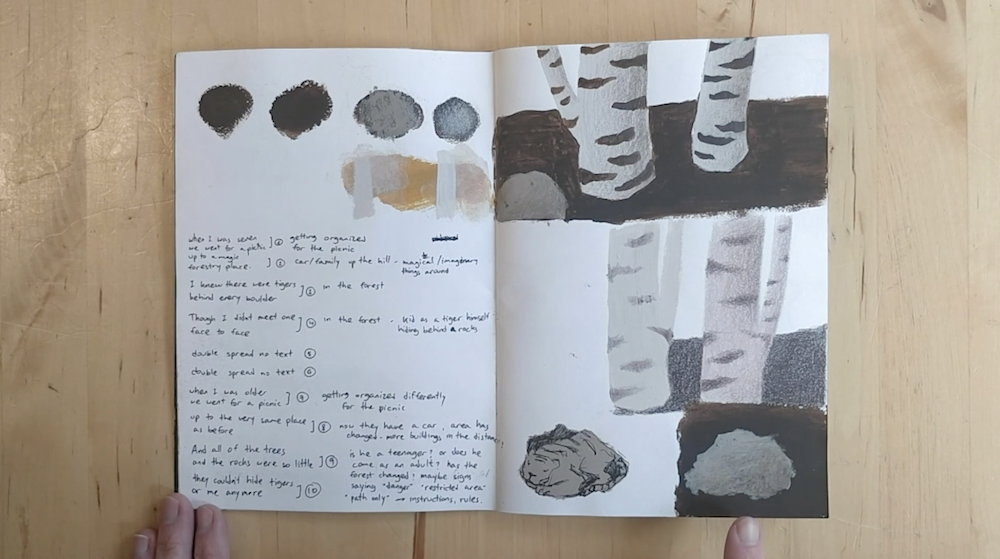
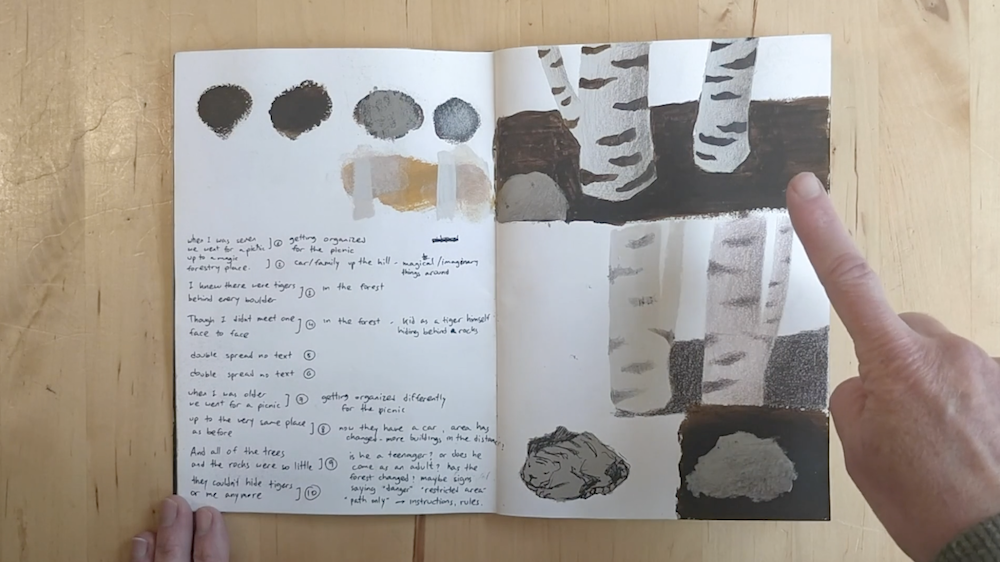
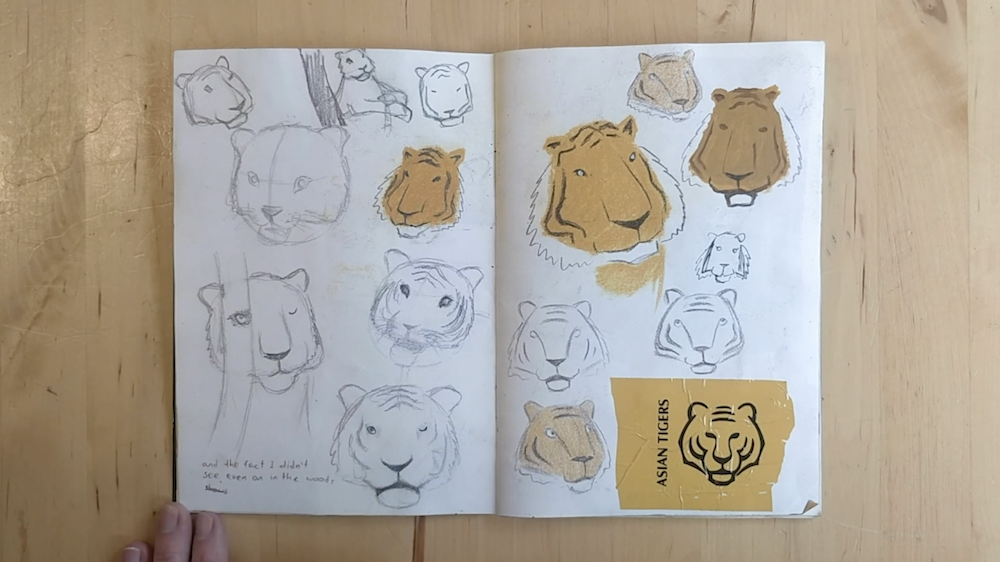
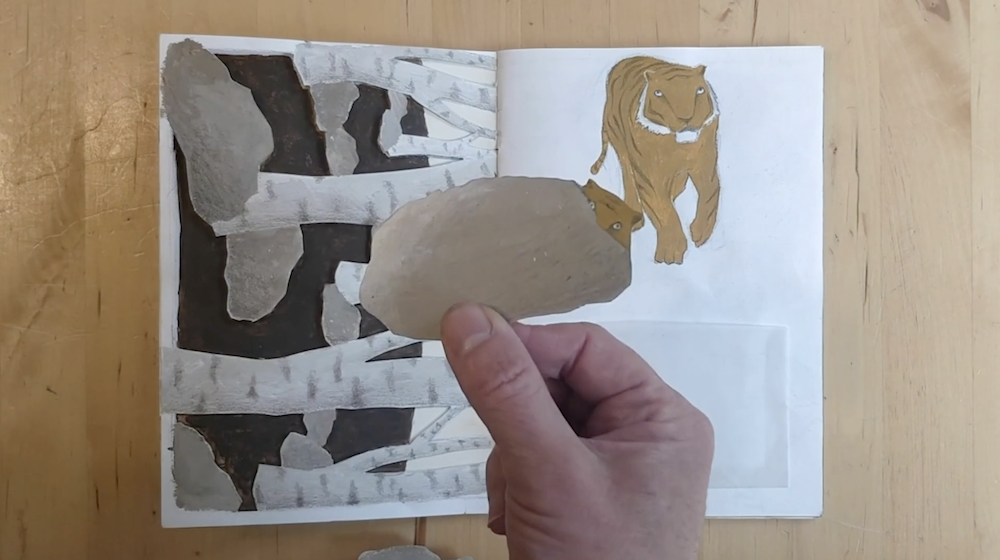
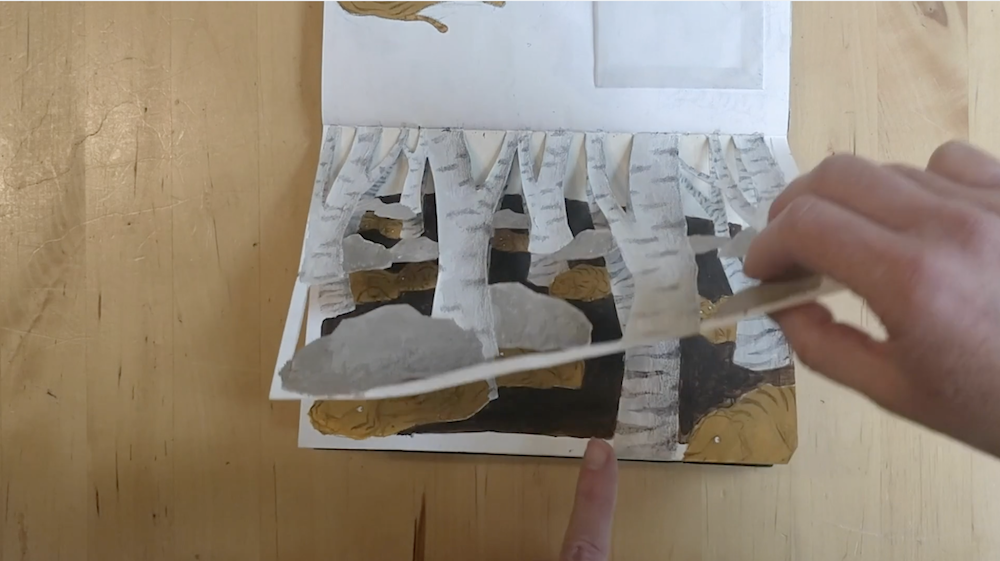
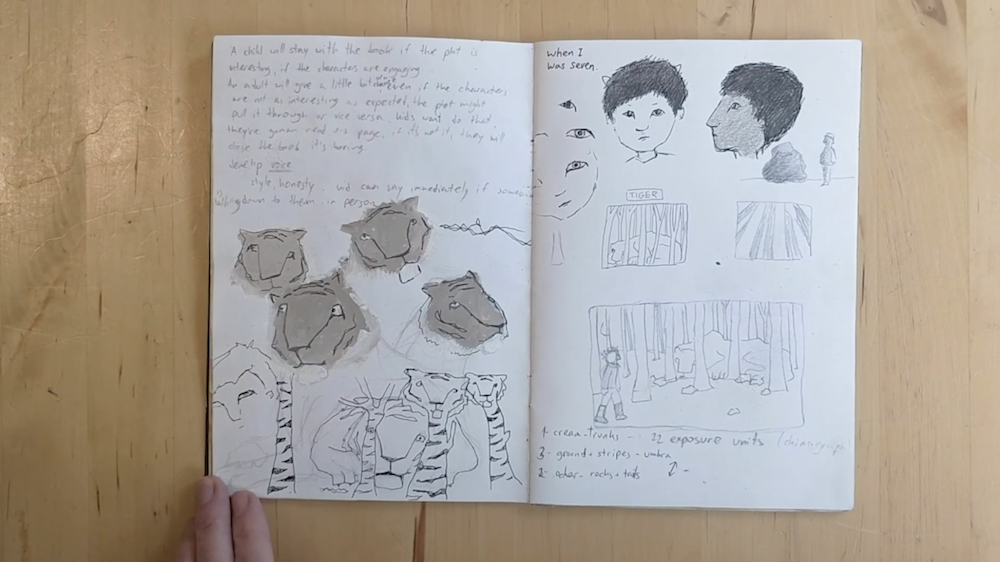
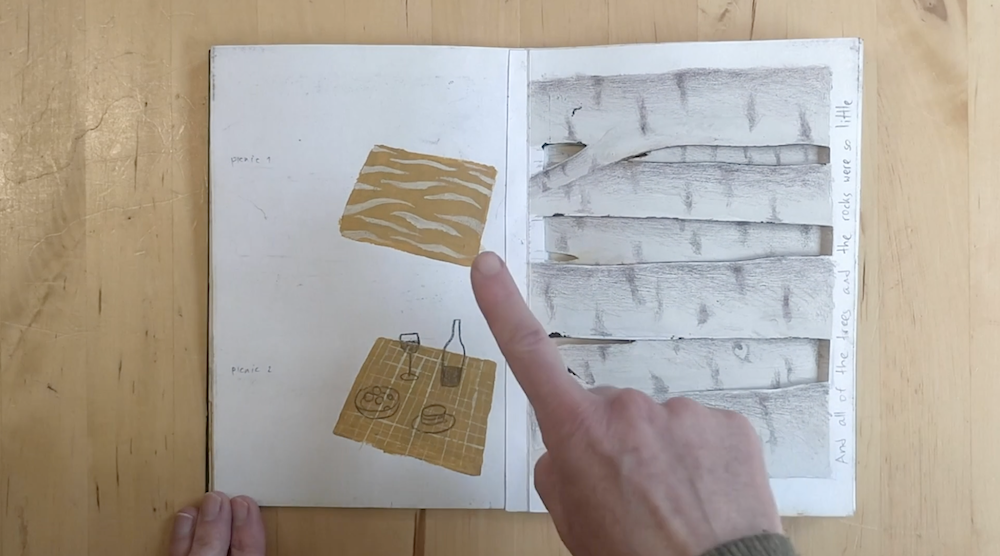
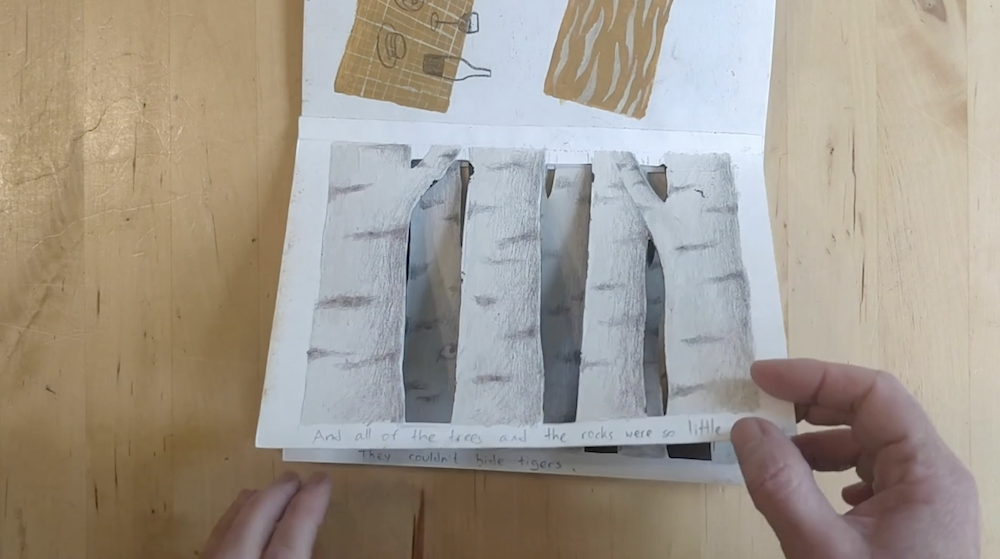
drawable: my tiger sketchbook

Inbal Leitner

illustrating the jabberwocky

CKJabberwock - Ellie Somerset


Lino Printing Inspired by Gestural Drawings


Anthotype Photography: Plant-Based Photography Without a Camera

You May Also Like…

Pathway: using natural materials to make images

This is featured in the 'Using Natural Materials to Make Images' pathway

This is featured in the ‘Using Natural Materials to Make Images’ pathway

Talking Points: What is a cyanotype

Cyanotype of Gorse

Talking Points: Anna Atkins

Spiraea aruncus (Tyrol) by Anna Atkins Purchase, Alfred Stieglitz Society Gifts, 2004


Movement Maps


Catch-on not Catch-up

Fearful For The “Lost Generation” Existing In An Anxious Society Who Need to “Catch-Up”?

Breath. We can step outside the “fear breeds anxiety breeds more fear and more anxiety” cycle.

AccessArt hands making

We have a powerful tool at our disposal to help heal, build confidence and empower. Our own Creativity.

Let’s not perpetuate the “lost generation” myth. These children are unique but not lost. The more we sell the message of the lost generation, the more we perpetuate fear and anxiety. Instead of creating a self-fulfilling prophecy of the “lost generation” let’s be brave and create a “nourished generation”.

We have fingers, heads and hearts. We have senses and emotions. We have imaginations. This generation does not need to catch-up to where they would have been – that is going backwards, instead they need to be enabled to leap forwards through hands, heads and hearts and explore their place in the world, supported by families, teachers and schools who tell them it is safe to do so. Let’s make primary schools a place where creativity can be supported and nourished and children can be enabled to discover their ability to transform the world about them.

We are more creative as a species than we are currently led to believe. Intrinsically, inherently, creative. We need only look back at history to see that, and we value it as an adult skill and yet still many teachers in many schools struggle to find time to invest in the creativity of their pupils without huge effort or apology.

We do not need to worry that it is an either OR scenario. Enabling these children to spend time exploring their creativity will NOT detract from their ability to succeed in “academic subjects” (and that term is a whole other conversation). Quite the opposite; schools where creativity flourishes demonstrate that motivation, ownership of learning and outcomes in other subject areas flourish too. This is not fuzzy thinking where we create a cossetted world full of play and fun (though why not?). Creative thought and action is hard work; you have to be brave to explore, think really hard, learn new skills, battle with materials, take risks, put yourself on the line, figure out what you think, express yourself, share with others, change the world. We’re talking about enabling people to be brave, positive, productive, and act for the benefit of society as well as for the individual. Don’t worry, it won’t be easy. Finger painting isn’t all fun you know.

Let’s switch the message we are telling our children. We are stronger than we perhaps think. If we create a dialogue around this generation of loss, we make them less then. Instead let’s use the power we all have – our creativity – to climb back up. Not catch-up – but catch-on.

So, let’s step back, take a breath, and create a nourished generation, lavished with time to draw, paint, print, make, build, photograph, write, dance, make music and most all – be empowered to explore the world and produce our own creative response. Teachers too.

Thank you to all the teachers in school who know how important creativity is to pupils, and who work long and hard to provide stimulating creative opportunities for their pupils 🙂


Inspirational Case Studies

Gomersal art council - ACC Video making

What did my child make with their hands this week?

make

Planning a creative curriculum

make - 1

AccessArt Exemplar & progression Plans

Pupils building up the drawing with oil pastels

Creativity Connects, Empowers, Transforms

Screen Shot 2016-03-17 at 19.34.47