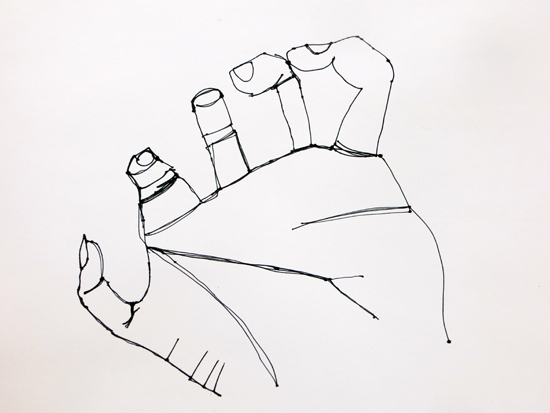
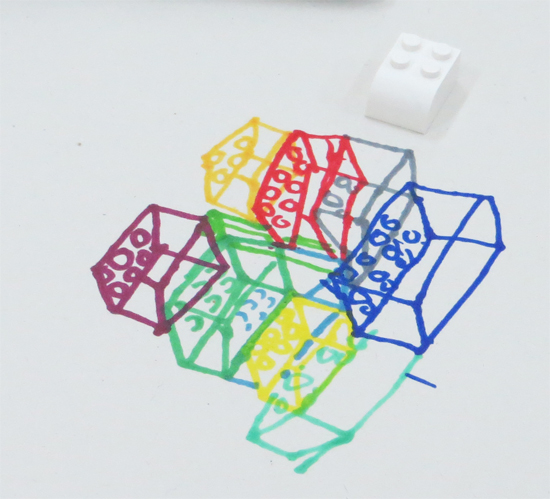
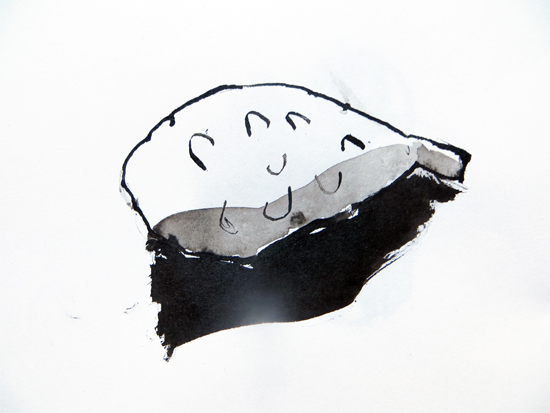
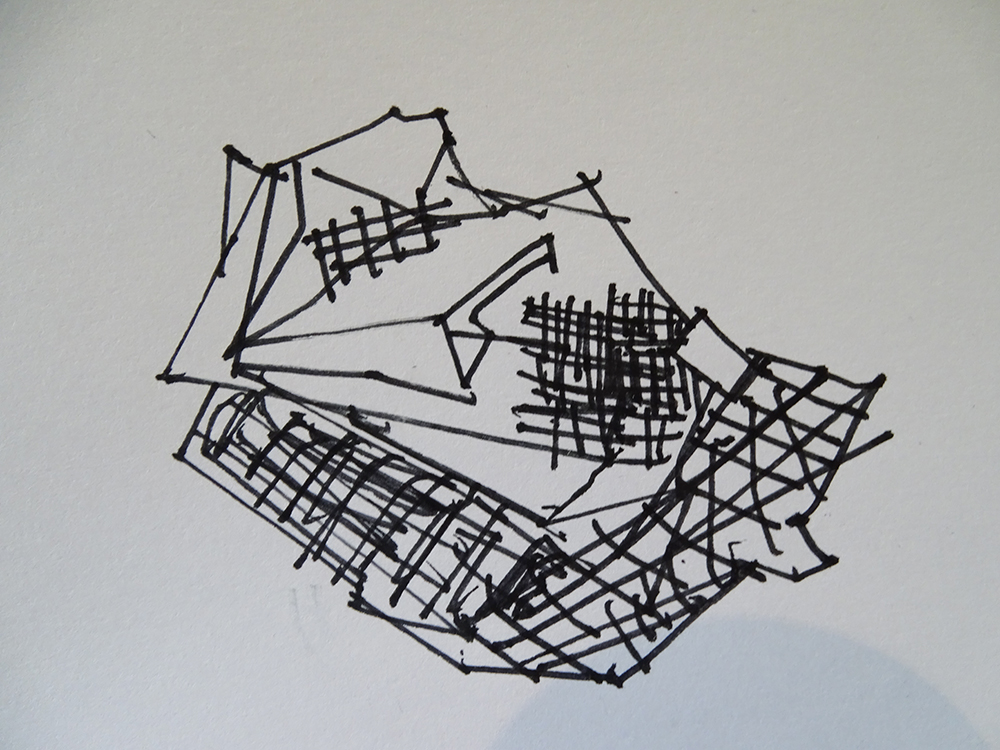
Explore the project below to help pupils consider how they might design trainers based on either Olympic Athletics.
Trainer Design
Aim: To introduce pupils to shoe design with a focus on athletics and trainers. Pupils will get the opportunity to explore innovation and design through drawing and making.
Step 1: Introduce in Sketchbooks
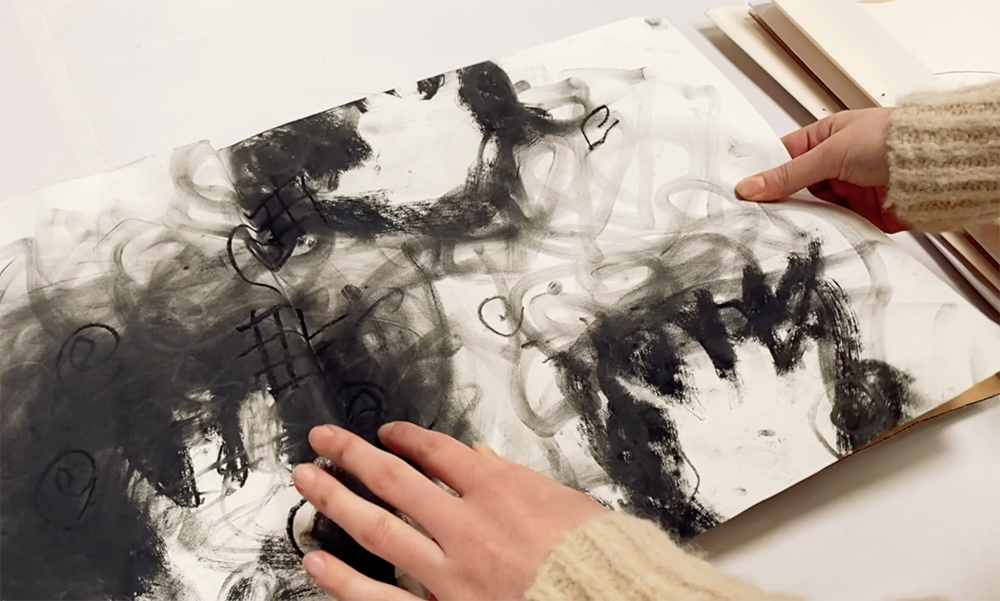
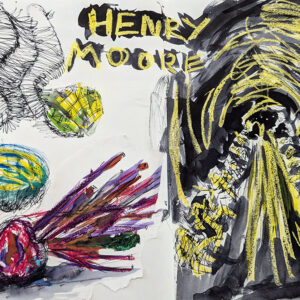
Begin by introducing pupils to trainer design with the “Talking Points: Trainer Design” resource. Show them a series of videos which aim to prompt discussion around innovation, design and environmental implications of shoe design. Invite pupils to create “Visual Notes” in their sketchbooks inspired by what they see.

Step 2: Drawing and Sketchbooks
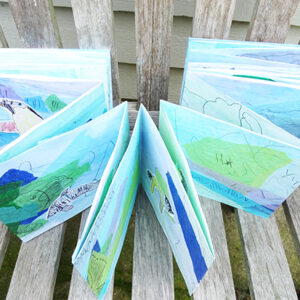
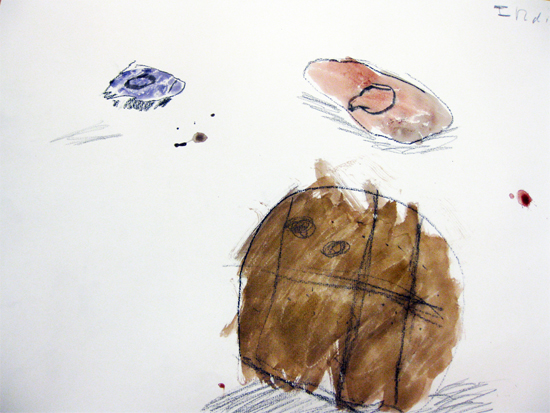
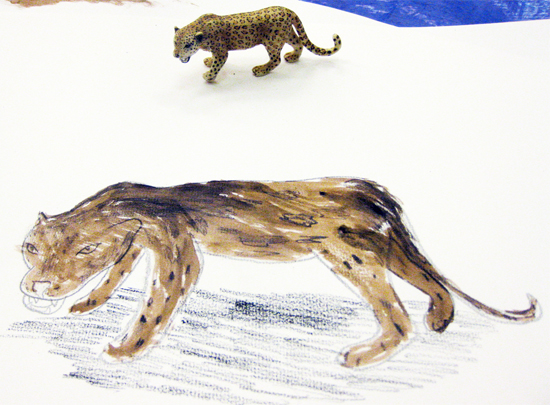
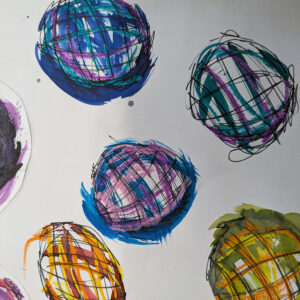
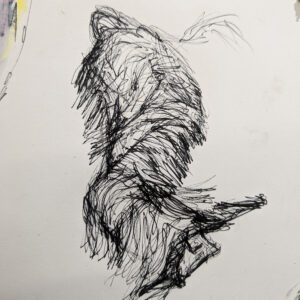
Place a trainer on each table. Invite pupils to create their own “Folded Sketchbook” and set them drawing challenges by adpating the “Using a Folded Sketchbook to Get Drawing” using the shoe as the subject matter. For each different drawing exercise swap the shoes around.
Next, invite pupils to make annotations and adjustments to their drawings based on any invented shoe technology they would like to add to their trainers.

Step 3: Making
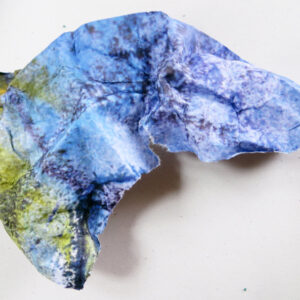
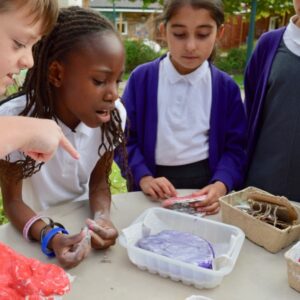
Use air-dry clay to create trainers using the “Shoe La-La” resource. Bring in trainers as inspiration for the clay shoes. Use some of the techniques from the last step to build up the shoes.

Or..
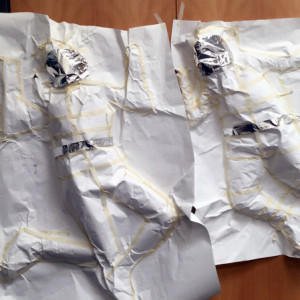
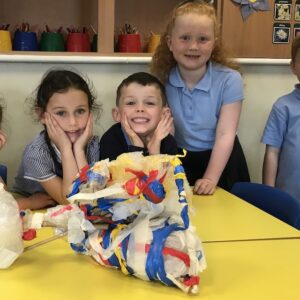
You may like to try creating “Sculptural Modroc Shoes” instead. Ask children to bring in old trainers, or pick up some from charity shops to use at the base for new trainer designs. Make additional features by creating small armatures and incorporating them into the shoe design.

Step 4: Reflect
Invite children to display the work in a clear space on tables or on the wall. Recap with them about the exploration – where they started, what they discovered and what they enjoyed.
If you have class cameras or tablets, invite the children to document their work, working in pairs or teams.


Materials:
Trainers as subject matter
Sketchbooks
A2 Paper
Drawing materials
For Shoe La-La:
Air-drying clay
Rolling pins
Burlap/hessian mat
Wooden battens
Tools for clay
Clay Slip (mix a lump of clay with water to create a creamy consistency and store in a jar with a sealed lid)
Acrylic Paint
PV Glue
For Sculptural Modroc Shoes:
Modroc
An old trainer
Acrylic Paint
Extra materials such as lollysticks or newspaper to make armatures
PVA glue
Adaptations:
You could look into shoe design for sports that don’t require trainers, for example dancing shoes or winter sports shoes.
Explore Other Resources in Athletics:
Explore other olympic themes
history
Values
ceremony
A collection of imagery and sources designed to explore trainer design.
Please note that this page contains links to external websites and has videos from external websites embedded. At the time of creating, AccessArt checked all links to ensure content is appropriate for teachers to access. However, external websites and videos are updated and that is beyond our control.
Please let us know if you find a 404 link, or if you feel content is no longer appropriate.
We strongly recommend as part of good teaching practice that teachers watch all videos and visit all websites before sharing with a class. On occasion there may be elements of a video you would prefer not to show to your class and it is the teacher’s responsibility to ensure content is appropriate. Many thanks.
*If you are having issues viewing videos it may be due to your schools firewall or your cookie selection. Please check with your IT department.*
This resource is free to access and is not a part of AccessArt membership.


Trainer Design
Explore the resources below to start discussions based on design, innovation and the environmental implications of trainer design.
Golden Trainers
Questions to Ask Children
What are the features of these track shoes?
Do you like the gold shoes? Why?
What colour would you like your trainers to be if you were an Olympian?
Tinker Hatfield: Footwear Design
Find highlights of the documentary by exploring the suggested clips below:
Innovation: Predicting Needs for the Future
-
Minute 7:41 – 11:23
-
Minute 16:00 – 18:45
-
Minute 24:36 – 26:20
-
Minute 36:36 – 38:00
Working with Athletes
-
Minute 19:33 – 24:36
-
Minute 27:33 – 29:04
Questions to Ask Children
Which shoe did you like the best? Why?
How can trainer design help with sports performance?
If you could invent some shoes right now, what would they do? Who would they be for?
Sustainability
Find out how manufacturing trainers impacts our environment.
See how design innovation can provide solutions to ease the environmental impact of shoes.
Questions to Ask Children
In pairs, invent some sustainable alternatives that you could use to replace the toxic chemicals used in the production of trainers, e.g. fabrics made from grass – get creative with your inventions!
You May Also Like…
AccessArt Olympic resources
Visual Notes
Show me what you see
Explore the project below to help pupils consider how they might design and build an Olympic and Paralympic stadium for an Olympic Ceremony.
Stadium Design
Aim: To introduce pupils to architecture through stadium design. Pupils will get the opportunity to transform and manipulate materials through model making, thinking about the form and function of a stadium.
Step 1: Introduce in Sketchbooks
Consider asking pupils to make an Olympic project sketchbook using one of the “Making Sketchbooks” resources.
Begin by introducing students to stadiums designed for the Olympics and Paralympics with”Talking Points: Olympic and Paralympic Stadiums“. Invite pupils to create “Visual Notes” in their sketchbooks inspired by the information they see.
© Iwan Baan
Step 2: Drawing and Making
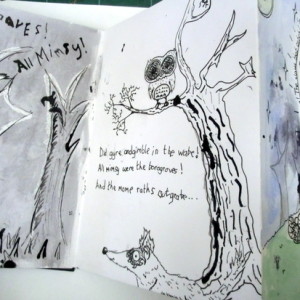
Introduce this short making task “Roots and Shoots” to get pupils to think about how they might get creative with making, attaching and manipulating materials.
Step 3: Making
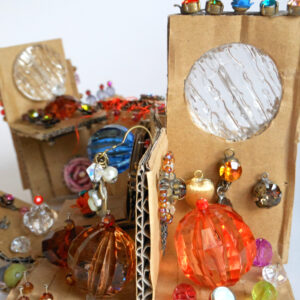
Get pupils to work in pairs or small groups to create “A Model Studio” of a stadium. They may choose to start with designing or making first. Remind them of what they learnt about materials in the previous step.
Alternatively, you may want to build stadiums by adapting “Inspired by google Earth: Making“. Use polystyrene to build the stadium from the ground up.
Extension: Use the “Taking Photos of 3D Artwork” resource to incorporate a digital element into the project. For help with introducing pupils to green screens see the “Exploring Scale with Green Screens” resource.
Step 4: Reflect
Invite children to display the work in a clear space on tables or on the wall. Recap with them about the exploration – where they started, what they discovered and what they enjoyed.
If you have class cameras or tablets, invite the children to document their work, working in pairs or teams.


Materials:
Sketchbooks
A3 Paper
Drawing materials
Making Materials: Card, Coffee stirrers and/or lolly sticks, Twigs, Foam board, Toothpicks, Wire, String, Colour Gels, Polystyrene, Cardboard
PVA Glue
Scissors
Glue Guns
Tablet (Optional)
Green Card (Optional)
Adaptations:
You may like to shift the focus of this project to Ancient Greek architecture and stadiums, to explore structures such as the Parthenon. You may find resources in the “A Sketchbook Pathway, Anglo Saxon Architecture” helpful.
Think about significant buildings or history within the local area that you could integrate elements of into stadiums, forming links to locality.
Explore Other Resources in Ceremony:
Explore other olympic themes
history
Athletics
Values
A collection of imagery and sources designed to explore event mapping.
Please note that this page contains links to external websites and has videos from external websites embedded. At the time of creating, AccessArt checked all links to ensure content is appropriate for teachers to access. However, external websites and videos are updated and that is beyond our control.
Please let us know if you find a 404 link, or if you feel content is no longer appropriate.
We strongly recommend as part of good teaching practice that teachers watch all videos and visit all websites before sharing with a class. On occasion there may be elements of a video you would prefer not to show to your class and it is the teacher’s responsibility to ensure content is appropriate. Many thanks.
*If you are having issues viewing videos it may be due to your schools firewall or your cookie selection. Please check with your IT department.*
This resource is free to access and is not a part of AccessArt membership.


Event mapping is useful way to visualise the event space. It can help organisers to spot any potential issues before the event, plan ahead and track the progress of the planning.
There are different approaches to event mapping you can explore; creating a 3D physical model of a space or working digitally to create a virtual model of a space.
Explore the videos below to focus a discussion about what is possible.
Paris Olympics: OnePlan
You might like to show some clips from the video above on mute to give pupils a feel for the virtual capabilities of digital mapping.
Paris will be hosting the events across the city in historical and cultural venues. Most of the games are being held in pre-existing stadiums. Explore the competition venue concept map for the Paris Olympics and Paralympics.
Questions to Ask Children
Why do you think digital mapping can be useful when planning big events?
Does the digital mapping remind you of anything?
What are the benefits/disadvantages of mapping out an event digitally?
London Olympics 2012
Find out more about Daniel Boyle’s vision for the 2012 Olympic Opening Ceremony here.
Go to minute 3:30 to see specifically how they have used 3D model in their planning.
Questions to Ask Children
After seeing both digital and hand made models for events mapping, which is your favourite and why?
What are the benefits/disadvantages of having a 3D model?
You May Also Like…
AccessArt Olympic Resources
Visual Notes
Show me what you see
Explore the project below to help pupils consider how they might design an Olympic/Paralympic Games in their home town based on the Olympic Ceremony.
Mapping & Modelling
Aim: To see how events can be planned on a large scale using creative solutions. Pupils will create their own event plan based on their town, using sculpture and digital media.
Step 1: Introduce Concept
Consider asking pupils to make an Olympic project sketchbook using one of the “Making Sketchbooks” resources.
Explore “Talking Points: Events Mapping” to see how both software and model making can be used to plan large scale event such as the Olympics.
Invite children to create “Visual Notes” in their sketchbooks as they watch the videos, noting down what they see, hear and think as they watch along.

Step 2: Drawing
Use the “Inspired by Google Maps” resource to create line drawings of your local area, or an area pupils might like to base their Olympic Games. It might be a nice opportunity to see how different locations (countryside or city) might impact planning.
Invite pupils to consider where the ceremony and sports events will be held. Will there be an athletes village? Where will people walk, shop, eat, disabled access etc? Add them to your map.

Step 3: Making
Decide at this point whether you would like to add a digital element to the project or if you would prefer to stick to model making.
Option 1: Create a 3d map by adapting the resource “Inspired by Google Maps: Making“. Invite pupils to create additional blocks representing the facilities they’re creating for their town olympics based on their drawing work and arrange them into their 3d model.
Option 2: Create a 3d map linking to Olympic planning by adapting “Inspired by Google Maps: Making“…
Cover the polystyrene with white tissue paper. Using a projector, project pupils drawings from the google maps drawing activity onto their models (they can hold them up against the whiteboard). Bear in mind the drawings don’t have to be to scale but it will be nice to see the line work projected onto models. Invite pupils to take photos.

Step 4: Reflect
Invite children to display the work in a clear space on tables or on the wall. Recap with them about the exploration – where they started, what they discovered and what they enjoyed.
If you have class cameras or tablets, invite the children to document their work, working in pairs or teams.


Materials:
Sketchbooks
Drawing Materials
Polysterene
PVA Glue
Tissue Paper
Projector (Optional)
Adaptations:
Base your event in a historical context, for example around the ancient Pyramids in Egypt, or the town of Pompeii. How could you incorporate historical landmarks into your event?
Explore Other Resources in Ceremony:
Explore other olympic themes
history
Athletics
Values
Explore the project below to help pupils create a sculptural figure inspired by Olympic Athletics.
Sporting Sculptures
Aim: To introduce pupils to the work of sculptors and painters inspired by human form with a focus on athleticism. Pupils will get the opportunity to create figurative drawings and develop their work through to sculpture.
Step 1: Introduce
Begin by introducing pupils to the sculptures made by Rosa Serra, commissioned for the Seoul 1988 Olympics, with “Talking points: Rosa Serra“.
Invite pupils to create “Visual Notes” in their sketchbooks inspired by the information they see.

Use “Drawing Source Material: Athletes in Action” material for pupils exploring the human form during sports. In the first instance you might want to pause the videos as suitable points to enable the children to carefully look at the main forms and details.
Encourage close and slow looking by talking as they draw – use your voice to attract their attention to features of the athletes.
Invite pupils to draw what they can see in their sketchbooks. See “Show Me What You See” to find out how to run the guided session.

Step 2: Drawing and Sketchbooks
Start the session by introducing choreographer and painter Serge Lifar to pupils using “Talking Points: Serge Lifar“. Use the questions to prompt discussions about how he captures moving forms through line and colour.
Follow on by using the “Exaggerating To Communicate” resource to help children draw from life, and explore how we might use exaggeration as a tool to help us convey the intention of our drawing. Invite children to get into a position relating to a sport they like or they saw in the Drawing Source Material above. You might like to introduce props.

Step 3: Making
Follow on by adapting the “Plinth People” resource, inspired by the work done so far.
Invite pupils to think about a movement they would like to capture in their sculptures and whether this is reflected in a particular sport.
Encourage pupils to think about how they can bring exaggerated form, colour and shape to their sculptures.

Step 4: Reflect
Invite children to display the work in a clear space on tables or on the wall. Recap with them about the exploration – where they started, what they discovered and what they enjoyed.
If you have class cameras or tablets, invite the children to document their work, working in pairs or teams.


Materials:
Sketchbooks
A3 Cartridge Paper
Drawing materials
Watercolour
Soft wire
Wire cutters
Plaster for the plinth
Cardboard
Scrap fabric strips
PVA glue
Adaptations:
If you are working with younger children and would prefer to use modroc instead of clay you can adapt the “Friendship Tower” resource.
Explore Other Resources in Athletics:
Explore other olympic themes
history
Values
ceremony
A collection of imagery and sources designed to explore the work of choreographer and painter, Serge Lifar.
Please note that this page contains links to external websites and has videos from external websites embedded. At the time of creating, AccessArt checked all links to ensure content is appropriate for teachers to access. However, external websites and videos are updated and that is beyond our control.
Please let us know if you find a 404 link, or if you feel content is no longer appropriate.
We strongly recommend as part of good teaching practice that teachers watch all videos and visit all websites before sharing with a class. On occasion there may be elements of a video you would prefer not to show to your class and it is the teacher’s responsibility to ensure content is appropriate. Many thanks.
*If you are having issues viewing videos it may be due to your schools firewall or your cookie selection. Please check with your IT department.*
This resource is free to access and is not a part of AccessArt membership.


Serge Lifar
Serge Lifar was a famous dancer and choreographer born in 1905. Throughout his career as a dancer and choreographer he kept drawings and sketches of the dancers and movements he would choreograph. Later in life he devoted himself to painting.
Find more of Lifar’s paintings here to discuss with the class using questions below.
Questions to Ask Children
Describe what you can see in the paintings.
How has Lifar used colour in his paintings? Why do you think he chose those colours?
Describe the lines you can see. How has Lifar used line to achieve a sense of movement in his paintings?
What do you like/dislike about the painting?
How does the painting make you feel? Why?
Which is your favourite painting and why?
You May Also Like…
AccessArt Olympic Resources
Visual Notes
Show me what you see
A collection of imagery and sources designed to explore the work of sculptor, Rosa Serra.
Please note that this page contains links to external websites and has videos from external websites embedded. At the time of creating, AccessArt checked all links to ensure content is appropriate for teachers to access. However external websites and videos are updated and that is beyond our control.
Please let us know if you find a 404 link, or if you feel content is no longer appropriate.
We strongly recommend as part of good teaching practice that teachers watch all videos and visit all websites before sharing with a class. On occasion there may be elements of a video you would prefer not to show to your class and it is the teacher’s responsibility to ensure content is appropriate. Many thanks.
*If you are having issues viewing videos it may be due to your schools firewall or your cookie selection. Please check with your IT department.*
This resource is free to access and is not a part of AccessArt membership.


Rosa Serra
“Serra is a Spanish sculptor born in 1944. She received the sculpture prize at the III Bilbao Biennial in 1976 and was commissioned by the International Olympic Committee to create sculptures for the 1988 Seoul Olympic Games. She is known for her sculptures influenced by Henry Moore, characterised by risky curves, roundness, and harmony.” –askART
See a selection of Serra’s sculptures from the 1988 Seoul Olympics on Google Arts and Culture.
Questions to Ask Children
Describe what you can see in the sculpture.
How might you describe the form and movement of the piece?
Which sculpture is your favourite and why?
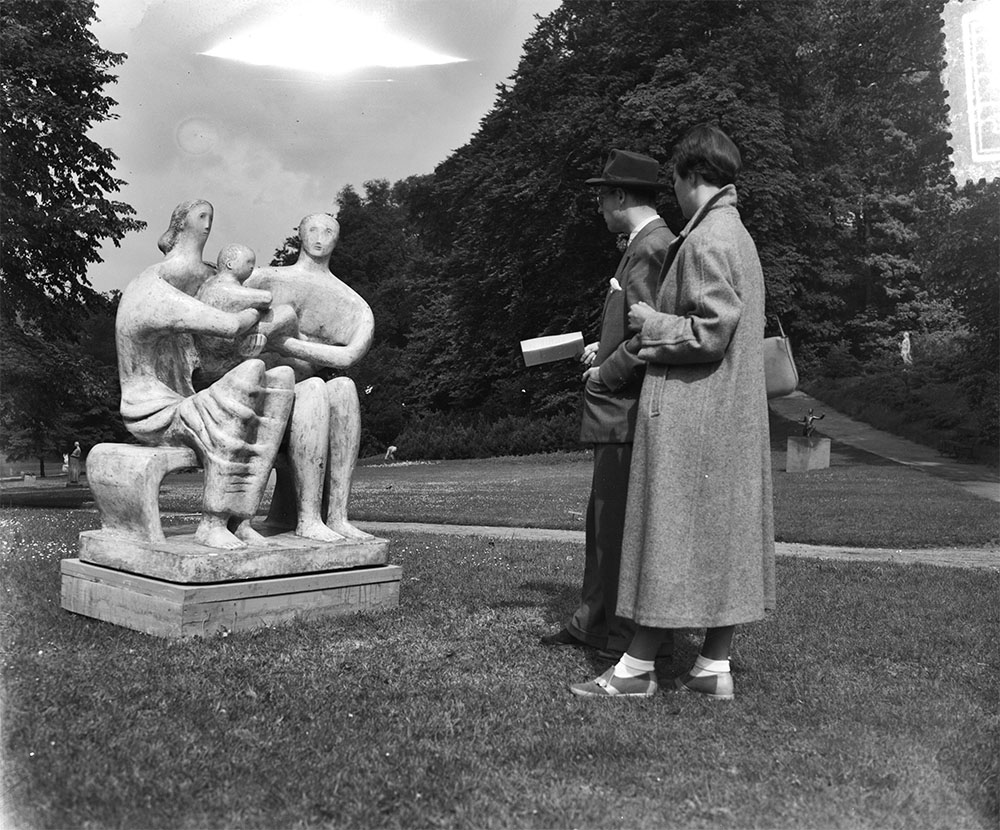
Compare and contrast Serra’s work with the work of Henry Moore.
Mute the video and watch Serra’s process.
Go to 0:20 to see how Serra builds up the mold for her sculpture from armatures.
Questions to Ask Children
What is a cast?
How does Serra create the mold for her sculptures?
You May Also Like…
ACCESSART OLYMPIC RESOURCES
Visual Notes
Show me what you see
Explore the project below to help pupils discover Ancient Greek architecture inspired by Olympic History.
Ancient Greek Architecture
Aim: Pupils will explore Ancient Greek architecture through sketchbooks, collage and sculpture.
Step 1: Introduce in Sketchbooks
Consider asking pupils to make an Olympic project sketchbook using one of the “Making Sketchbooks” resources.
Begin by introducing pupils to the first ever Olympic stadium in Olympia with “Talking Points: Olympic and Paralympic Stadiums“. Use the questions to prompt discussion.
Invite pupils to create drawings inspired by the source material using the “Show Me What You See” method. You can find a case study for this method inspired by Anglo Saxon architecture which will need to be adapted.

Step 2: Drawing
Adapt the “Houses From Around The World” resource to create textured collage drawings inspired by Ancient Greek Architecture. Invite pupils to look at the range of marks and lines made in sketchbooks in the previous session and build upon them.
If you would like to focus on making skills you may like to skip this step.

Step 3: Making
Making “sculptures” rather than “models” enables pupils to grow their ideas in individual directions, using the architecture of Ancient Greek buildings as a starting point.

Step 4: Reflect
Invite children to display the work in a clear space on tables or on the wall. Recap with them about the exploration – where they started, what they discovered and what they enjoyed.
If you have class cameras or tablets, invite the children to document their work, working in pairs or teams.


Materials:
Sketchbooks
A3 cartridge and newsprint paper
Making Materials: Card, Corrugated cardboard, Coffee stirrers, Lolly sticks, Twigs, Toothpicks, Wire (various thicknesses for structure and binding), String, Withies, Hessian, Calico, Felted Wool
PVA Glue
Pliers
Scissors
Glue Guns
Adaptations:
You could invite pupils to create sculptures inspired by a modern Olympic stadium.
Explore Other Resources in History
Explore other olympic themes
Athletics
Values
ceremony
How have the Olympic Stadiums changed over time?
Stadiums have been crucial to the Olympics ever since the first games in 6 B.C with them changing and adapting to reflect the culture, society and needs for the Olympics of that time.
Use the below images and videos to explore the Olympic stadiums and how they are designed, built and have evolved over their long history.
Please Note:
This page includes links and videos from external sites, verified at publication but subject to change.
Teachers should review all content for classroom suitability.
Report any issues, and check school firewall settings if videos don’t play.


Since the first Ancient Olympic games held in Olympia in 6 B.C. Olympic stadiums have developed to hold huge capacities of spectators and house a multitude of different sports.
The Paralympics began in 1948 at the military hospital Stoke Madeville as a way to speed up recovery of paraplegic War Veterans after World War Two. Sir Ludwig Guttmann, a German-British neurologist, came up with the idea of organising a series of sports competitions to be held at the same time as the Olympic Games in London. Since 1988 the Paralympics have always been held in the same city and stadiums as the Olympics. – Paris 2024
Ancient Olympia Stadium
“The stadium of Ancient Olympia was a holy place for the ancient Greeks, where all the sports activities were held dedicated to the god Zeus. Originally, the stadium was constructed in such a manner that spectators could view the events from the slopes of Mount Cronion. But the stadium was gradually moved further east, and eventually, it was placed outside the temple of Zeus.” – Greeka
The first Olympics in 6 B.C. had mud seats made for 20,000 spectators. When the stadium was rebuilt in 5 B.C., it had capacity for 45,000 spectators.
Find out more information about the Olympia Stadium here.
Explore the first Olympic Stadium and surrounding grounds. You may find this resource useful for finding out about the names of the different areas around the stadium.
Questions to Ask Children
Can you picture what the stadium might’ve looked like in 6 B.C. and then again in 5 B.C.?
Why do you think all that’s left is the track field?
What kind of sports do you think the Ancient Greeks would’ve competed in on this track?
Beijing 2008
The Beijing National Olympic Stadium was created by Swiss architect firm Herzog & de Meuron. The stadium housed the opening ceremony of the Olympics in 2008 and the Winter Olympics in 2022. The stadium is nicknamed ‘The Nest’ due to its interesting steel frame. See the development of the stadium here.

© Iwan Baan

© Iwan Baan
Questions to Ask Children
What do you think influenced the shape of the stadium? What is the significance of this?
What are the most notable features of this stadium?
What do you like/dislike about this stadium?
If you designed your own stadium would you make a simple or decorative exterior? Why?
London 2012
Designed by Zaha Hadid – go to minute 15:50 to find out about Hadid’s Aquatic Centre, designed for the 2012 London Olympics.
Populous redesigned the London Olympic Park to make it part of the community for years to come.
Questions to Ask Children
What do you notice about the shapes in Saha Hadid’s Aquatic Centre? Why are they relevant?
Do you like/dislike the Aquatic Centre? Why?
Why do you think it’s important to ensure that these constructions last for a long time?
What do you think a stadium should provide a community with once they are not being used for sporting competitions?
This Talking Points Is Used In…
ACCESSART OLYMPIC RESOURCES
Visual Notes
Show me what you see
A collection of imagery and sources to explore how designers design sportswear.
Please note that this page contains links to external websites and has videos from external websites embedded. At the time of creating, AccessArt checked all links to ensure content is appropriate for teachers to access. However, external websites and videos are updated and that is beyond our control.
Please let us know if you find a 404 link, or if you feel content is no longer appropriate.
We strongly recommend as part of good teaching practice that teachers watch all videos and visit all websites before sharing with a class. On occasion there may be elements of a video you would prefer not to show to your class and it is the teacher’s responsibility to ensure content is appropriate. Many thanks.
*If you are having issues viewing videos it may be due to your schools firewall or your cookie selection. Please check with your IT department.*
This resource is free to access and is not a part of AccessArt membership.


Past and Present Sportswear
Questions to Ask Children
How would you describe sportswear in the past?
How would you describe sportswear today?
Do you prefer old sportswear or new sportswear? Why?
Sportswear and Identity
Questions to Ask Children
How does the design on this football kit represent the team?
What do you like/dislike about the kit? Why?
If you were going to create a design for sportswear based on your local area what symbols might you use? Why?
Giro Cycling Kit
Questions to Ask Children
What is the inspiration for this sportswear?
How has the local area and history of the area impacted the design?
What do you like/dislike about the kit? Why?
How does the design and colour make you feel?
Speedo Collaboration
Questions to Ask Children
What can you see in the designs?
What do you think influenced the designs?
Do you like the swimwear? Which design is your favourite and why?
How does the swimwear make you feel when you look at it?
How would you compare and contrast the Speedo designs to the design in one of the videos above?
You May Also Like…
ACCESSART OLYMPIC RESOURCES
Visual Notes
Show me what you see
A collection of imagery and sources designed to explore fashion in the Olympics.
Please note that this page contains links to external websites and has videos from external websites embedded. At the time of creating, AccessArt checked all links to ensure content is appropriate for teachers to access. However, external websites and videos are updated and that is beyond our control.
Please let us know if you find a 404 link, or if you feel content is no longer appropriate.
We strongly recommend as part of good teaching practice that teachers watch all videos and visit all websites before sharing with a class. On occasion there may be elements of a video you would prefer not to show to your class and it is the teacher’s responsibility to ensure content is appropriate. Many thanks.
*If you are having issues viewing videos it may be due to your schools firewall or your cookie selection. Please check with your IT department.*
This resource is free to access and is not a part of AccessArt membership.


Explore some iconic fashion statements from the Olympic games over the years. Does it make you think differently about what sportswear design can be?
Flo-Jo
Johnny Weir
Cathy Freeman
The Olympic Museum
Explore a 3D Olympic fashion exhibition via The Olympic Museum. Select floor (Etage) 0 to find the fashion exhibition.
Questions to Ask Children
Do you think that sportswear can help with athletic performance? Why?
Think of some words to describe what sportswear can be? (eg colourful, pretty, practical)
What do you think designers have to consider when they design sportswear for olympians?
If you could design sportswear for an Olympic event, which sport would you choose? Why?
You May Also Like…
ACCESSART OLYMPIC RESOURCES
Visual Notes
Show me what you see
Explore the project below to help pupils consider how they might design an Olympic/Paralympic Kit based on either Olympic Athletics or History.
Sportswear Design
Aim: To introduce pupils to sportswear design, what it’s used for and what it can represent. Pupils will get the opportunity to design their own sportswear whilst developing painting and collage skills.
Step 1: Introduce
Begin the session by asking pupils to make an Olympic project sketchbook using one of the “Making Sketchbooks” resources.
Introduce pupils to iconic Olympic Fashion from the past using “Talking Points: Olympic Fashion“. Invite pupils to create “Visual Notes” in their sketchbooks inspired by what they see.

Step 2: Drawing
Give pupils the opportunity to draw figures from life inspired by the “Life Drawing For Children” resource. Borrow some sports equipment from the PE department to inform their poses. Take it in turns to model in an athletic pose related to the sports prop and draw.

Step 3: Introduce
Introduce pupils to the idea that sportswear can be designed to reflect a sport, person, a team, a place etc. Watch the videos on “Talking Points: Designing Sportswear” and use the questions to prompt a discussion about what designers use as inspiration for their designs.

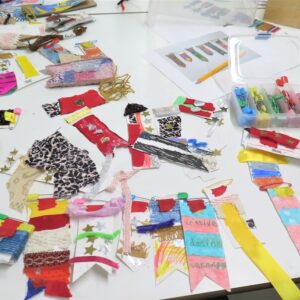
Using paint and collage, invite pupils to create decorated papers which can be transformed into “2d and 3d Fashion Designs“. Adapt the resource slightly to encourage them to think about what motifs/symbols/patterns they might create to reflects their local area, personality, a sport, olympic value, or a focus of your choice.

Step 4: Reflect
Invite children to display the work in a clear space on tables or on the wall. Recap with them about the exploration – where they started, what they discovered and what they enjoyed.
If you have class cameras or tablets, invite the children to document their work, working in pairs or teams.


Materials:
Sketchbooks
A3 and A4 Cartridge Paper
Drawing materials
Sports equipment to use as props
Acrylic Paint
Brushes
Scissors
PVA glue
Mannequins (Wooden or Cardboard)
Clear tape
Adaptations:
You may like to focus on the history of sportswear, creating designs based on historical fashion and sportswear.
Explore Other Resources in Athletics:
Explore other olympic themes
history
Values
ceremony
You May Also Like…
Pathway: Using Art To Explore Global Issues
Drawing Source material: ice
Talking Points: Drawn To Antarctica
Mini world Lightboxes
A collection of imagery and sources designed to introduce children to artist Frances Hatch and her book, Drawn to Antarctica.
Please note that this page contains links to external websites and has videos from external websites embedded. At the time of creating, AccessArt checked all links to ensure content is appropriate for teachers to access. However, external websites and videos are updated and that is beyond our control.
Please let us know if you find a 404 link, or if you feel content is no longer appropriate.
We strongly recommend as part of good teaching practice that teachers watch all videos and visit all websites before sharing with a class. On occasion there may be elements of a video you would prefer not to show to your class and it is the teacher’s responsibility to ensure content is appropriate. Many thanks.
*If you are having issues viewing videos it may be due to your schools firewall or your cookie selection. Please check with your IT department.*
This resource is free to access and is not a part of AccessArt membership.


Drawn to Antarctica by Frances Hatch
Drawn to Antarctica is a book about a journey made by artist, Frances Hatch, who turned 50 and knew she needed to see Antarctica. The trip only lasted a fortnight and yet years on she is still pondering the significance of what she witnessed. Information is gathered here from notes in sketchbooks, photographic records, paintings and drawings.
Current information about Frances’ work as artist and art educator can be found in her website.
Iceberg Collages


Questions to Ask Children
What colours and shapes can you see?
What time of day might it have been when Frances made the collage? Why do you think that?
How do you feel when you look at the artwork?
Compare two of the artworks. What are the differences and similarities? Which do you prefer and why?
Water


Questions to Ask Children
What colours can you see in the water?
What different marks can you see?
Why do you think there are so many colours in the water?
What do you think the weather was like that day?
Imagine you are in the painting. What can you hear, smell, feel?
Which is your favourite and why?
Penguins


Questions to Ask Children
What different lines and marks can you see?
Is this a landscape you’d expect to see penguins in? Why?
How has Frances captured perspective?
How has Frances captured a sense of movement in the drawing?
This Talking Points Is Used In…
Pathway: Using Art To Explore Global Issue
using sketchbooks to make visual notes
Show me what you see
A collection of imagery and sources designed to introduce children to the designers behind the Olympic games.
Please note that this page contains links to external websites and has videos from external websites embedded. At the time of creating, AccessArt checked all links to ensure content is appropriate for teachers to access. However, external websites and videos are updated and that is beyond our control.
Please let us know if you find a 404 link, or if you feel content is no longer appropriate.
We strongly recommend as part of good teaching practice that teachers watch all videos and visit all websites before sharing with a class. On occasion there may be elements of a video you would prefer not to show to your class and it is the teacher’s responsibility to ensure content is appropriate. Many thanks.
*If you are having issues viewing videos it may be due to your schools firewall or your cookie selection. Please check with your IT department.*
This resource is free to access and is not a part of AccessArt membership.


What does designing the Olympics and Paralympics entail?
Questions to Ask Children
What do designers need to create for the Olympics?
Why is it important to have a design that unites the Olympic games across the city?
How might designers present the culture of their city through design?
If you were designing an Olympics in your local area, what might you take inspiration from?
London 2012
See how design can generate discussion.
Questions to Ask Children
Do you think the design for London 2012 represented the UK? Why?
Do you like the design? Why?
Do you think that discussions about whether the logo was suitable is a good thing or a bad thing? Why?
Munich 1972
See how design was used to rebrand post WWII Germany for the 1972 Olympic games.
Questions to Ask Children
Describe the colours and shapes that you saw in the designs for the 1972 Olympics.
What do you like/dislike about the design? Why?
How does the design make you feel?
Do you think the design was successful in rebranding a post war Germany? Why?
Los Angeles 1984
Find out how the design of the Olympics was spread throughout the city with bright and colourful installations.
Questions to Ask Children
Describe the colours and shapes that you saw in the designs for the 1984 Olympics.
How does the design of the 1984 Olympics make you feel?
Do you like the design from the 1984 Olympics? Why?
You May Also Like…
AccessArt Olympic Resources
Visual Notes
Show me what you see
Explore the project below to help pupils consider how they might design an Olympic and Paralympic Medal based on either Athletics, History or Olympic Values.
Medal Design
Aim: To introduce pupils to the Olympic and Paralympic Medals. Pupils will get the opportunity to design and make their own medals through drawing and sculpture.
Step 1: Introduce in Sketchbooks
Consider asking pupils to make an Olympic project sketchbook using one of the “Making Sketchbooks” resources.
Begin by introducing pupils to medals designed for the Olympics and Paralympics with”Talking Points: Olympic and Paralympic Medals“. Invite pupils to create “Visual Notes” in their sketchbooks inspired by the information they see.

Step 2: Drawing and Sketchbooks
Use the medals from the previous session as inspiration for “Making Money! Drawing and Making“. Adapt the resource slightly, inviting pupils to design a medal for their own Olympics/Paralympics. You may like to focus the design process by making links to your local area or individual values/personalities.

Step 3: Making
Make connections between 2D and 3D by transforming the drawn medal designs in clay.
Adapt the “Clay Portrait Miniatures” resource to accommodate the focus of the project. Pupils might like to create medals to celebrate their favourite sport or hobby.

Step 4: Reflect
Invite children to display the work in a clear space on tables or on the wall. Recap with them about the exploration – where they started, what they discovered and what they enjoyed.
If you have class cameras or tablets, invite the children to document their work, working in pairs or teams.


Materials:
Sketchbooks
A3/A2 Paper
Drawing materials
Foam board
Card template
Air-drying clay
Rolling pins
Burlap/hessian mat
Wooden battens
Tools for clay
Soft wire to make a hanging loop
Wire cutters
Small pliers
Adaptations:
You may like to include a historical context, for example Ancient Greece. Use the “Clay Art Medals” resource and create profiles on the medals inspired by Ancient Greek coins.
If you would like to explore the Values of the Olympics you might like to look at War Medals to see how medals can be designed to represent a specific Value.
Explore Other Resources in Values:
Explore other olympic themes
history
Athletics
ceremony
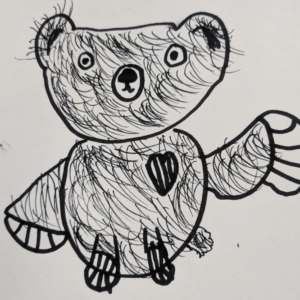
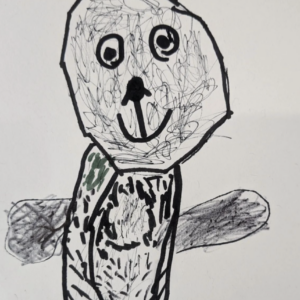
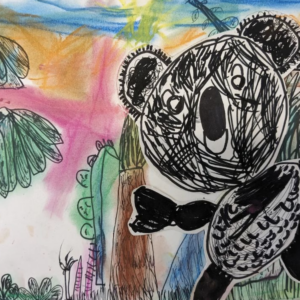
Explore the project below to help pupils consider how they might design an Olympic and Paralympic Mascot based on either Olympic Ceremony or Olympic Values.
Mascot Design
Aim: To introduce children to mascot design and explore how they can make characters that represent either an Olympic Value or your local area through drawing, animation and the use of sketchbooks.
Step 1: Introduce Mascots in Sketchbooks
Begin the session by asking pupils to make an Olympic project sketchbook using one of the “Making Sketchbooks” resources.
Next, explore “Talking Points: Olympic and Paralympic Mascots”. As pupils watch the videos encourage them to create some “Visual Notes” in their sketchbooks, considering the different values of the Olympics and the country designing them, and how this might reflect in the mascots.

Step 2: Character Design
In sketchbooks, either follow on by adapting the resource “A School Full of Characters“. Invite children to choose one of the Olympic Values and think about how they might incorporate the value into their character.

Or you may like to adapt the “Modelling Monsters” resource as inspiration for creating characters inspired by animals.

Step 3: Animating
If you have time, consider introducing pupils to some animation with the resource “Animating a walk cycle” and make their characters come to life.

Step 4: Reflect
Invite children to display the work in a clear space on tables or on the wall. Recap with them about the exploration – where they started, what they discovered and what they enjoyed.
If you have class cameras or tablets, invite the children to document their work, working in pairs or teams.


Materials:
Sketchbooks
Drawing materials
Scissors
Cards
Wooden Skewer
Plasticine (Optional)
Tablet (Optional)
Adaptations:
This pathway supports both the ‘Values‘ and ‘Ceremony‘ topics. Ensure you change the focus of Mascot Design according to the topic you choose.
Think about resources within the local area that you could visit, you may find inspiring artefacts at local museums or galleries nearby.
If you would like to give pupils the opportunity to try animating on Tablets, you might like to see the resource “Explore Digital Animation“.
Instead of animating your mascot, take it into stitch and adapt “Make a Stitched Drawing” to create colourful textiles.
Explore Other Resources in Ceremony:
Explore other olympic themes
history
athletics
ceremony
Explore the project below to help pupils consider how they might create an Olympic Poster inspired by the Olympic Values.
An Olympic Poster
Aim: To introduce pupils to the ethos of the Olympics and create a body of work in response. Pupils will get the opportunity to practise collaging skills to create a poster based on an Olympic value.
Step 1: Introduce in Sketchbooks
Consider asking pupils to make an Olympic project sketchbook using one of the “Making Sketchbooks” resources.
Begin by introducing pupils to the Olympic and Paralympic ethos and the 3 values Friendship, Respect and Excellence with “Talking Points: The Olympic Ethos“.
Follow on by introducing pupils to the idea that each Olympic and Paralympic games has an Olympic Design team who captures the essence of the host city through design. Explore “Talking Points: Olympic Design” and invite pupils to create “Visual Notes“.

Step 2:
Invite pupils to create posters adapting the “Drawing With Scissors” resource. Depending on the abilty of your pupils you can either focus on creating collages and colour mixing, or you can follow the project through to screen printing.
If pupils need any interventions you can introduce them to some of the Olympian artists with “Talking Points: Olympian Artists“.

Step 4: Reflect
Invite children to display the work in a clear space on tables or on the wall. Recap with them about the exploration – where they started, what they discovered and what they enjoyed.
If you have class cameras or tablets, invite the children to document their work, working in pairs or teams.


Materials:
Sketchbooks
Drawing materials
A3 Cartridge paper
A3 Coloured/Sugar paper
Scrap paper (old painted paper)
Acrylic Paint
Scissors
PVA glue
Print screen mesh (optional)
Squeegees (optional)
Printing medium thickener (optional)
Adaptations:
If you would like to screenprint but don’t have the equipment, you can use this simple screenprint hack.
You can focus on historical photographs from the Olympics, encouraging pupils to mix in grey hues or to use their imaginations to make up the colours.
Explore Other Resources in Values:
Explore other olympic themes
history
athletics
ceremony
A collection of imagery and sources designed to introduce children to the Olympic ethos.
Please note that this page contains links to external websites and has videos from external websites embedded. At the time of creating, AccessArt checked all links to ensure content is appropriate for teachers to access. However, external websites and videos are updated and that is beyond our control.
Please let us know if you find a 404 link, or if you feel content is no longer appropriate.
We strongly recommend as part of good teaching practice that teachers watch all videos and visit all websites before sharing with a class. On occasion there may be elements of a video you would prefer not to show to your class and it is the teacher’s responsibility to ensure content is appropriate. Many thanks.
*If you are having issues viewing videos it may be due to your schools firewall or your cookie selection. Please check with your IT department.*
This resource is free to access and is not a part of AccessArt membership.


Olympic Values
“The three values of Olympism are excellence, respect and friendship. They constitute the foundation on which the olympic movement builds its activities to promote sport, culture and education with a view to building a better world.
The original values of Olympism as expressed in the Olympic Charter were to “encourage effort”, “preserve human dignity” and “develop harmony”.
Over time, they have evolved and are now expressed in more contemporary terms as:
-
Striving for excellence and encouraging people to be the best they can be.
-
Demonstrating respect in many different manners: respect towards yourself, the rules, your opponents, the environment, the public, etc.
-
Celebrating friendship, which is quite unique to the Olympic Games – an event that brings people together every few years.
This is the idea of setting your rivalries aside. There is more that unites us than divides us.
Olympism is a philosophy of life, exalting and combining in a balanced whole the qualities of body, will and mind. Blending sport with culture and education, Olympism seeks to create a way of life based on the joy found in effort, the educational value of good example and respect for universal fundamental ethical principles.
The goal of the Olympic Movement is to contribute to building a peaceful and better world by educating youth through sport practiced without discrimination of any kind and in the Olympic spirit, which requires mutual understanding with a spirit of friendship, solidarity and fair play.” – IOC
Download a pdf about Olympisim and the Olympic values.
Questions to Ask Children
How can you bring the values of the Olympics into your everyday life?
Which Olympic value is your favourite and why?
If you could make up your own Olympic value, what would it be and why?
The Olympic Rings
Questions to Ask Children
What do you think the 5 rings represent?
Being an Olympian
Questions to Ask Children
What do you see in these videos?
Can you spot any Olympic Values in action? Where?
How do the videos make you feel? Why?
The Olympian Refugee Team
Questions to Ask Children
Why is it important that there is an Olympic team for refugee communities? What is the purpose and how does it align with the Olympic ethos?
You May Also Like…
ACCESSART OLYMPIC RESOURCES
Visual Notes
Show me what you see