By the Fitzwilliam Museum Learning Department and the Elliot Foundation Academies Trust
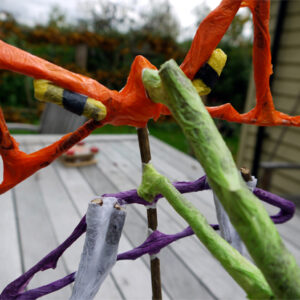
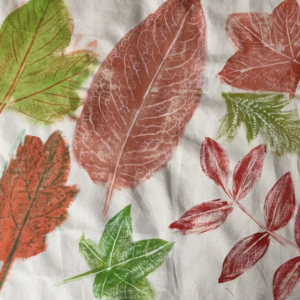
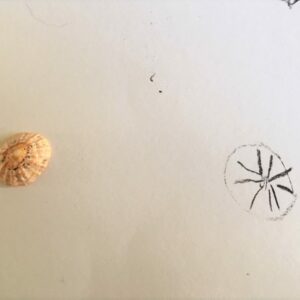
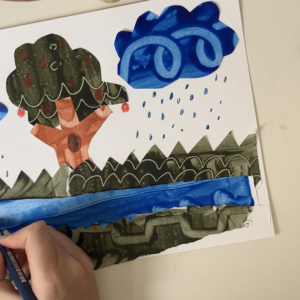
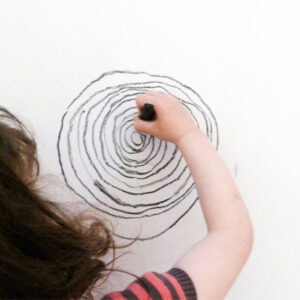
In this post, we highlight a creative collaboration between the Fitzwilliam Museum in Cambridge, and the Elliot Foundation Academies Trust (TEFAT), a multi academy trust specialising in Primary provision. As part of their CPD programme, the Fitzwilliam Museum invited Early Years teachers to participate in a project offering access to the museum’s designated art studio, as well as its collection. Over the course of several months, the teachers took inspiration from their time in the museum to develop and deliver a series of exploratory art lessons in their settings, centred on the theme of the natural world.
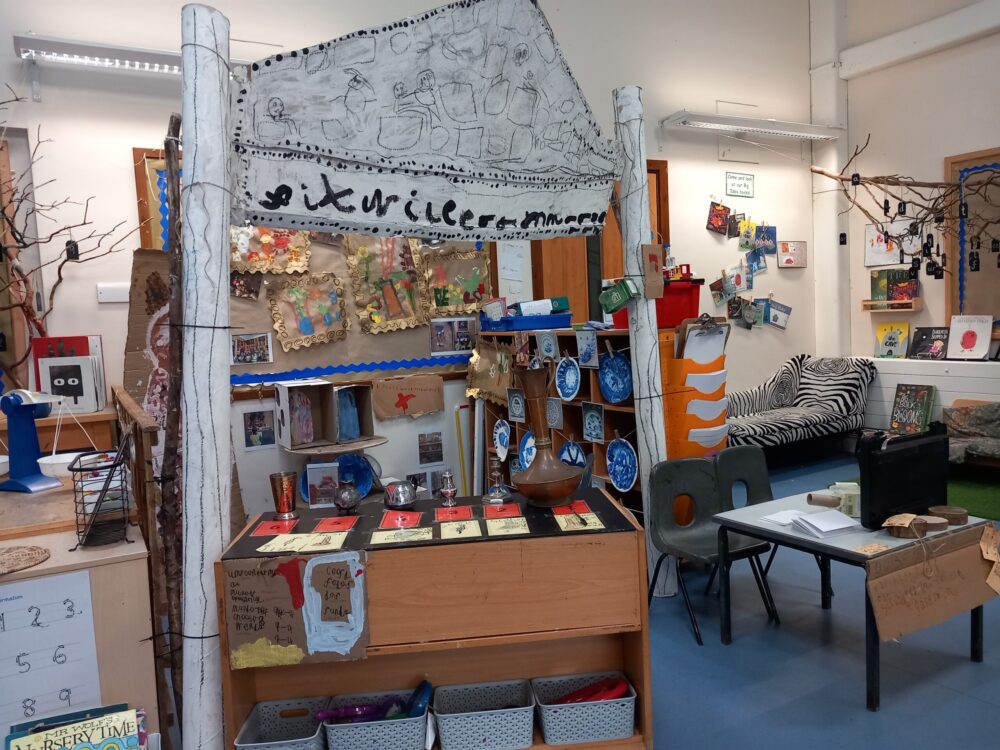
The Fitzwilliam Museum and The Elliot Foundation Academies Trust share a belief in the power of art and creativity to drive transformation, support inclusion, and empower educators and learners to thrive. Both organisations see themselves as having a role in providing a nurturing environment for creative practice in all its forms. Across schools in the Trust and at the Museum, we have witnessed this creativity growing and blossoming as adults and children alike grow bold and adventurous in their activities.
This project grew from a desire to focus specifically on creative practice in the Early Years. The Elliot Foundation is a partner in the Arts Council funded Creativity Collaboratives project, and while this work has led to some interesting developments in practice for older children, it has not involved the Early Years Foundation Stage (EYFS) to such an extent. The Fitzwilliam Museum has a lot of experience working with very young children, so this was the perfect partnership to bring our expertise together and create something new.
All TEFAT schools in East Anglia were invited to take part. Seven schools were involved, with headteachers, phase leaders, and reception teachers leading the project in ways that worked best for their different contexts.
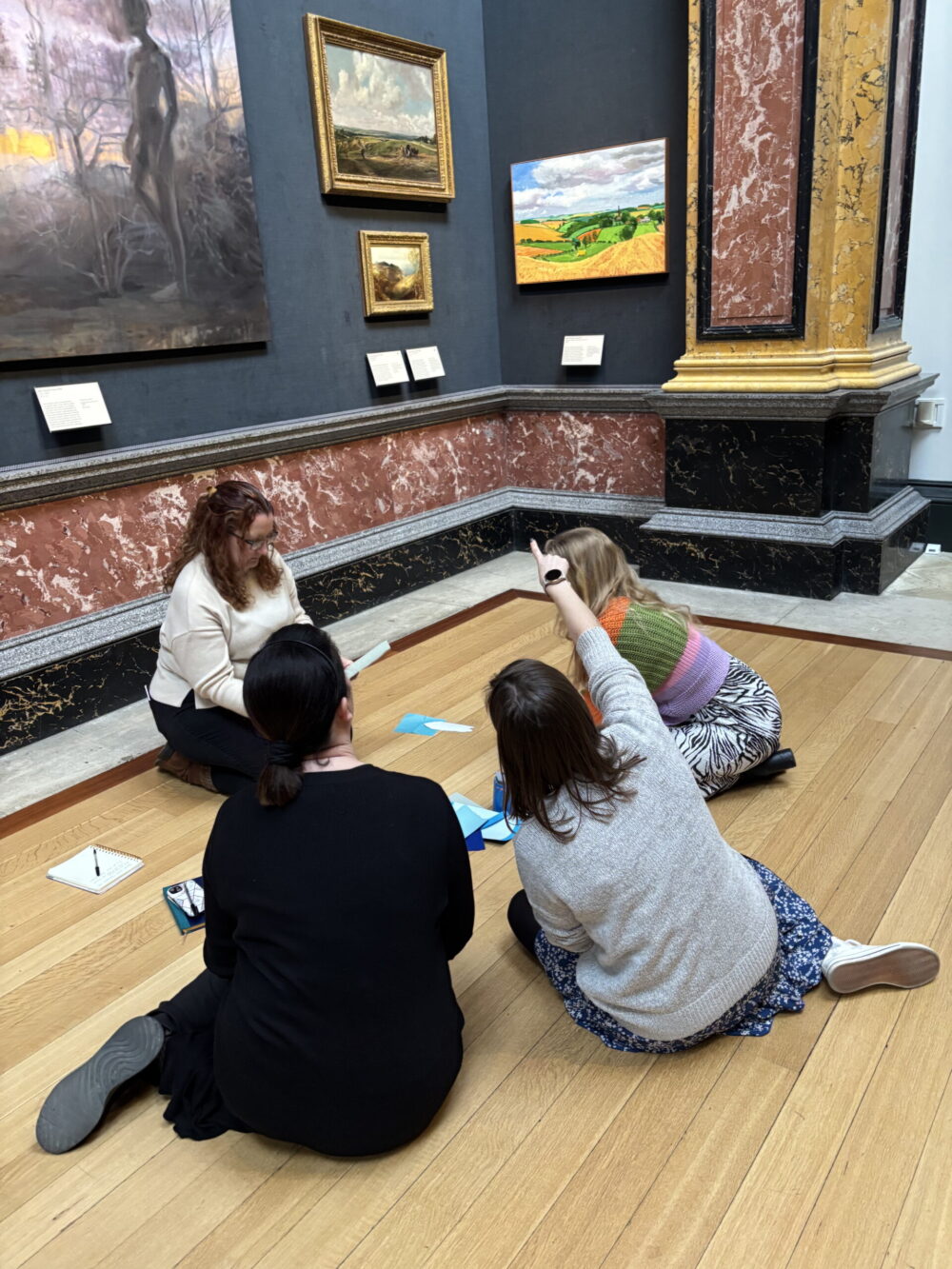
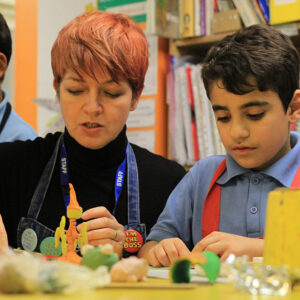
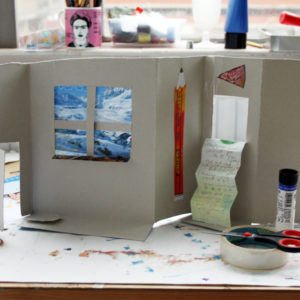
Teachers were invited to the Fitzwilliam Museum for two full day visits across two terms. The Museum Educators introduced them to a range of creative activities designed to inspire them to look closely, think critically, and explore freely. The sessions included a mixture of practical art activities in the creative studio, as well as time spent looking deeply and slowly at works of art and to share responses and reflections.
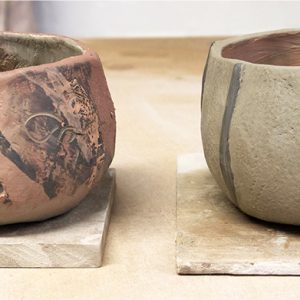
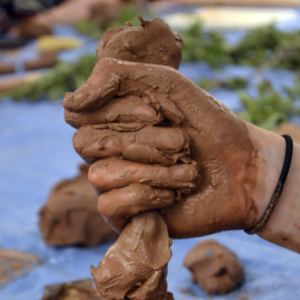
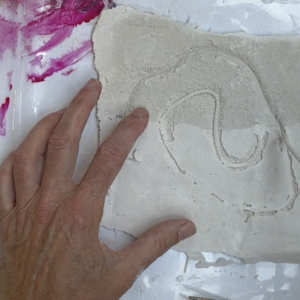
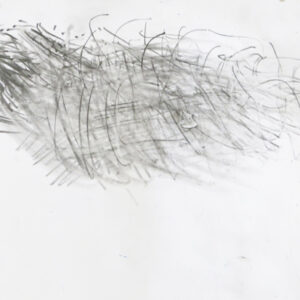
In order to create meaningful links between the young artists in the TEFAT schools and work on display at the Museum, we looked to a common source of inspiration: the natural world. We focused on the way artists such as Monet have engaged with nature from working ‘en plein air’, to mindful observation of natural forms, and the impact of working with natural materials such as clay and charcoal.
We emphasised that the aim was not to offer a menu of activities to simply take back to the classroom, but instead to nourish the teachers’ own professional curiosity and creativity. We wanted them to use their experiences in the Museum to grow their ideas in ways uniquely suited to their own classes and contexts.
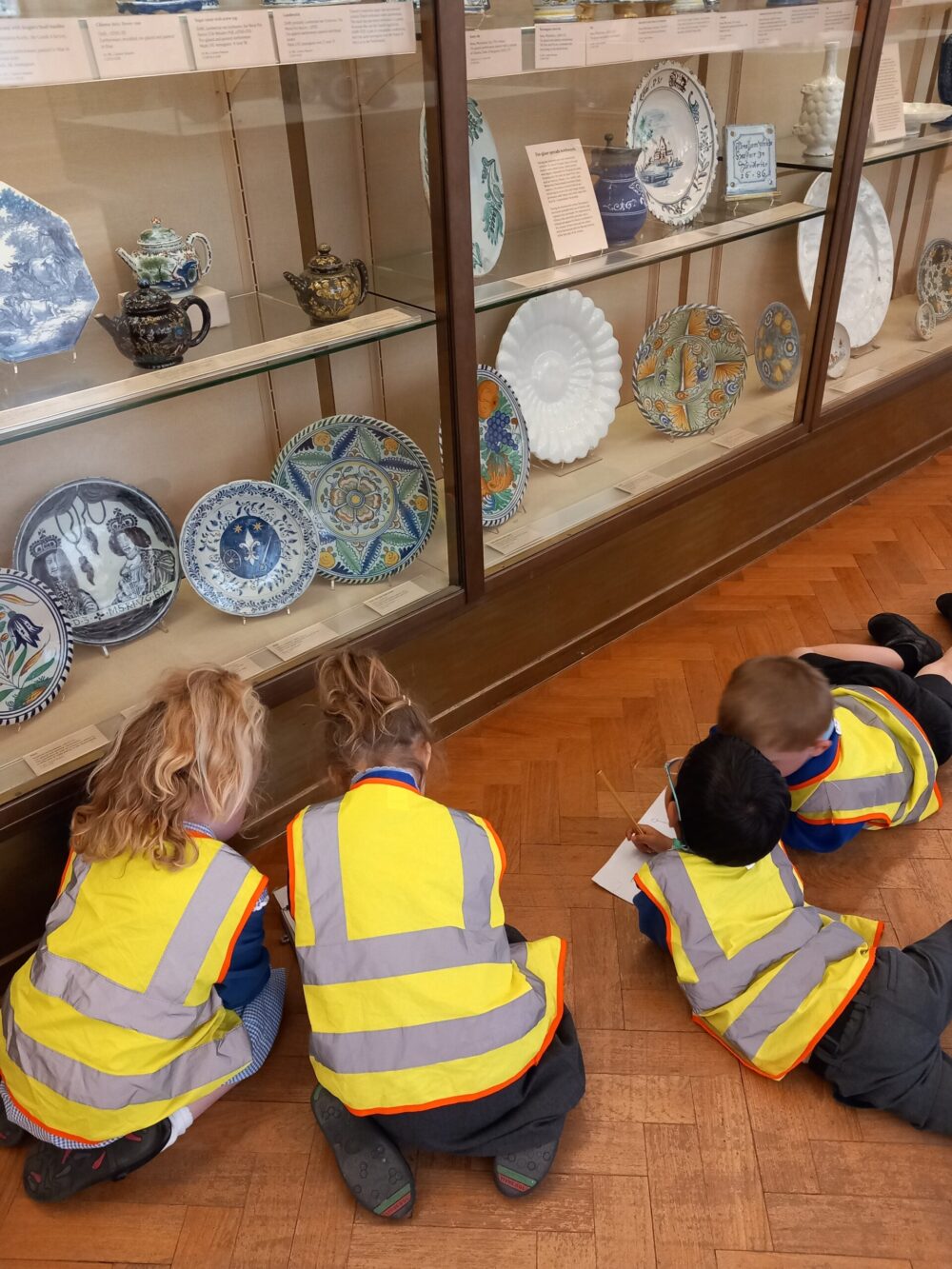
In the following months, we met online as a network with prompts from external speakers such as Professor Victoria Kinsella and her insights from the Creativity Collaboratives project. We also organised opportunities for peer sharing, reflection and support, where the teachers spoke about what they’d been testing out in their classrooms. It was useful for everyone to hear about respective challenges as well as triumphs. Children from two schools in the network were also able to take part in class visits to the Museum, providing them with a valuable opportunity to observe the extensive collection first hand.
Teachers were keen to share how working in this way had had an impact on their own practices and perspectives, as well as on the children.
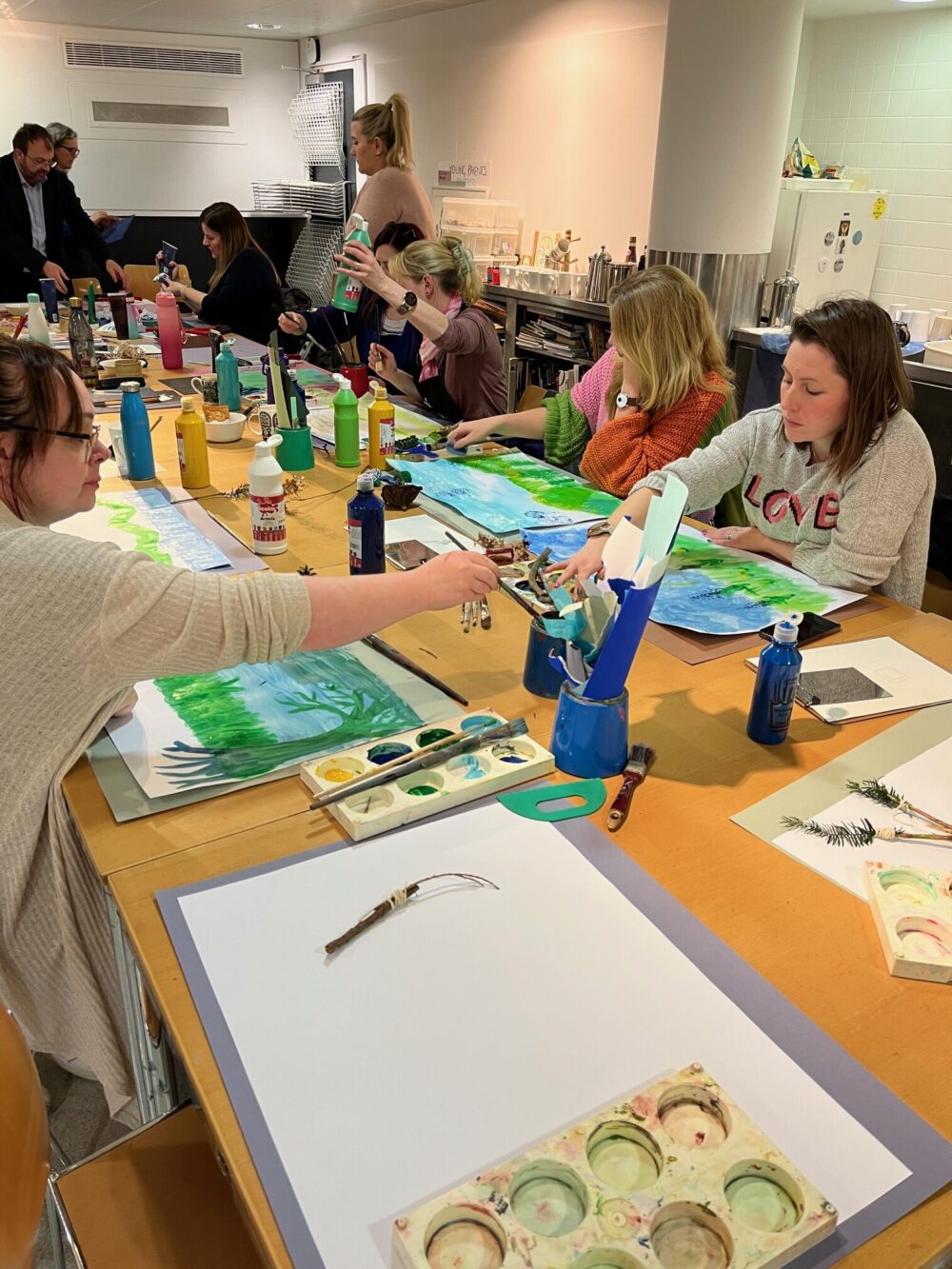
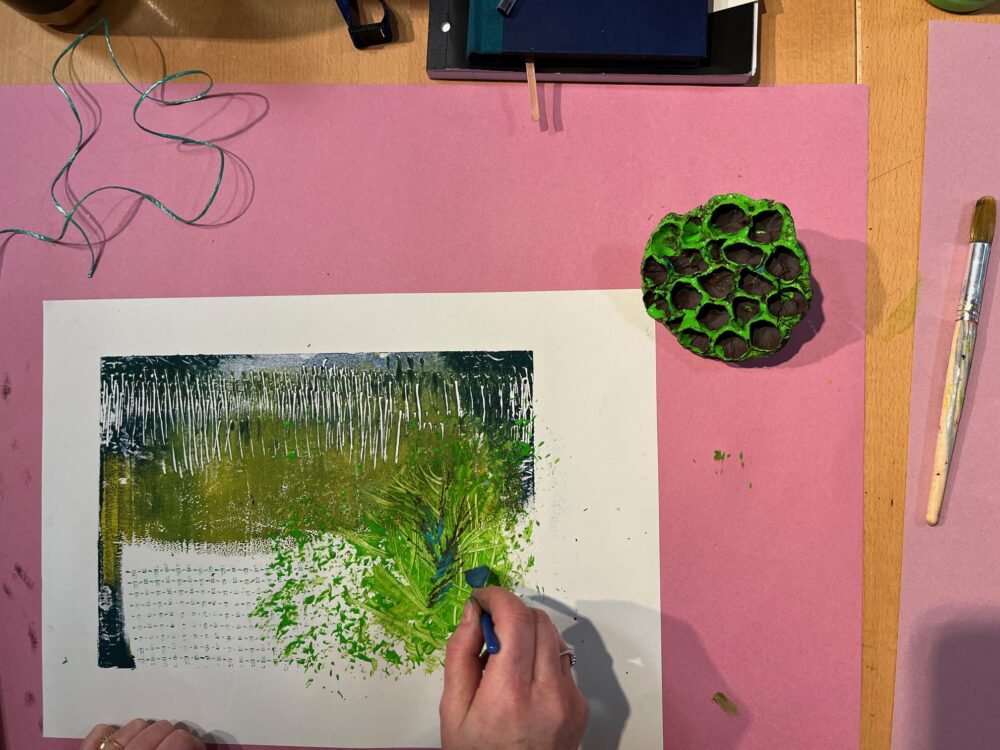
While each school and each teacher built on the experience of taking part in the project differently, there were three broad themes that emerged from the work they developed in response: collaboration, nature, and slowness.
Working Collaboratively
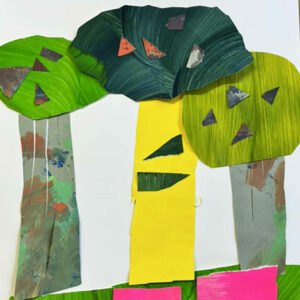
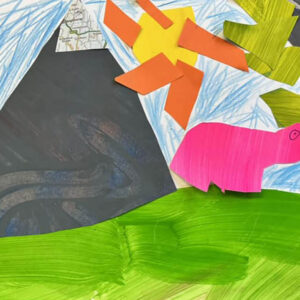
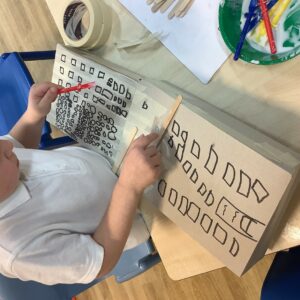
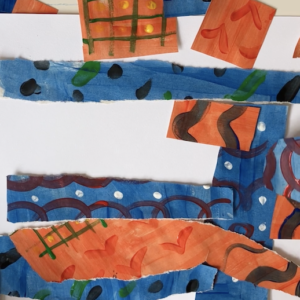
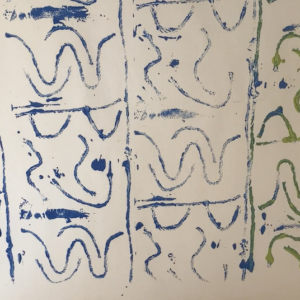
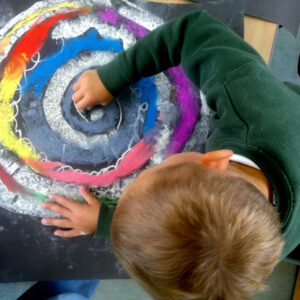
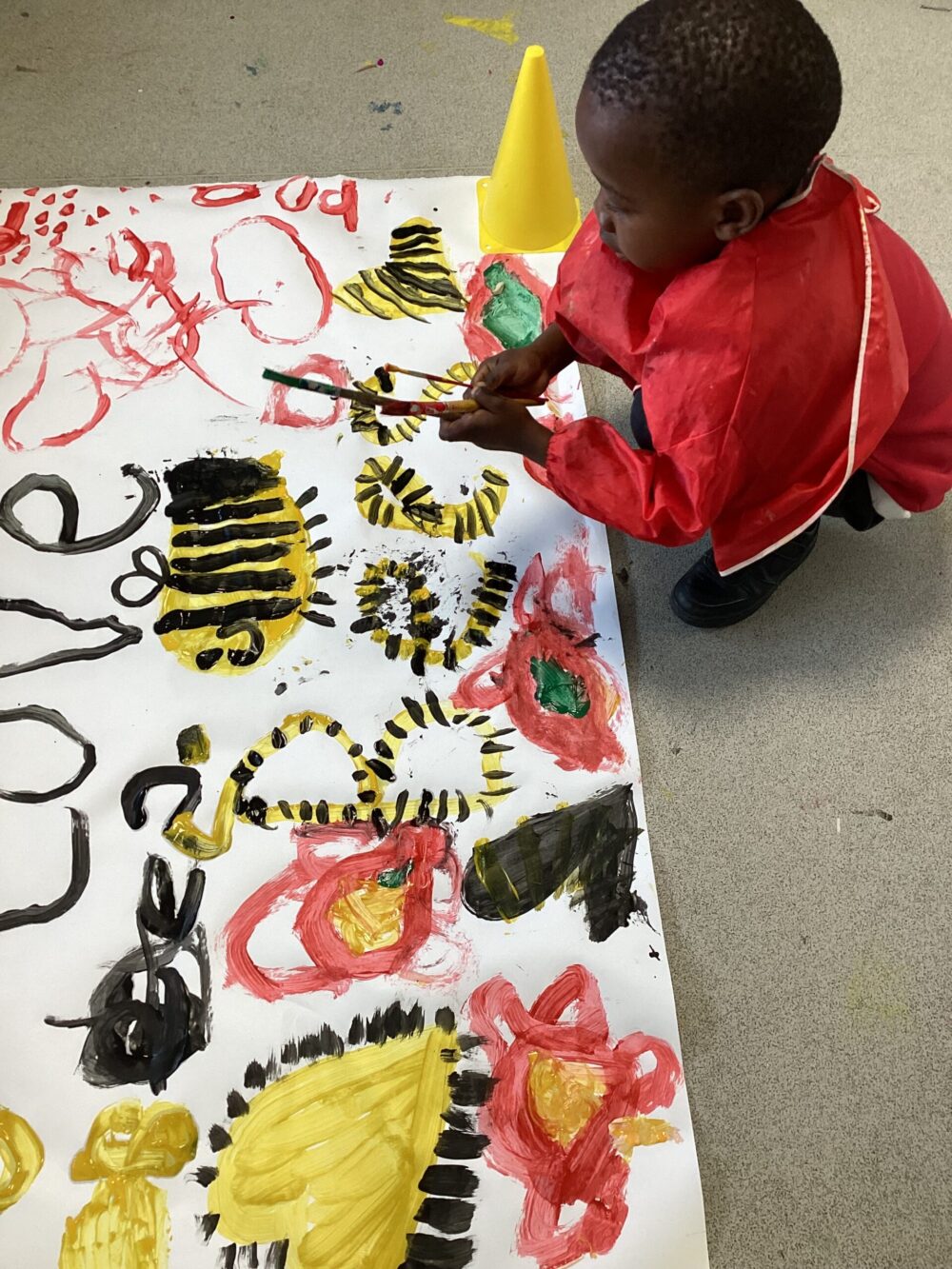
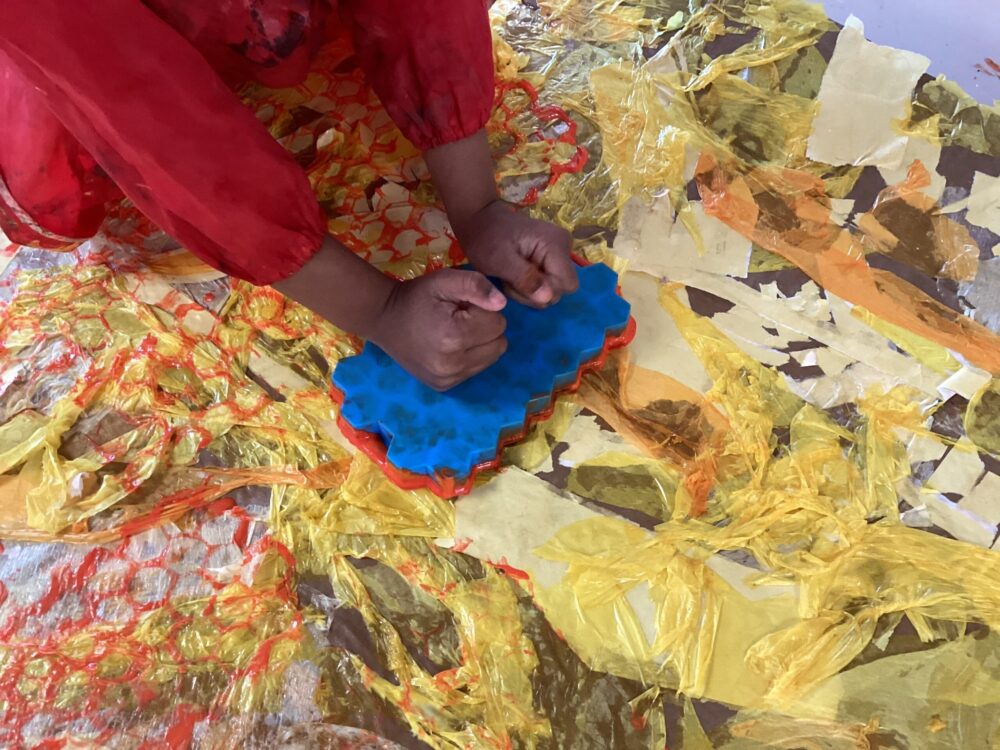
A number of teachers reflected on how much they had learned during the museum visits by working alongside colleagues and engaging in collaborative art-making and discussion activities. They expressed how this was something they wanted to take back into the classroom, and were keen to shift from each child working at a desk, making their own drawing on a piece of A4, to working in a more active way. Several schools introduced working on a larger scale, placing huge sheets of paper on the floor with multiple children creating together. This had a big impact on creative possibilities, as children were able to support each other, build on each other’s ideas, and feel more connected as a community.
‘We really liked the idea of getting all the children involved in one project so that it’s not “my thing” that I’m doing, it was being part of something bigger’ – Katie, Westwood Primary School
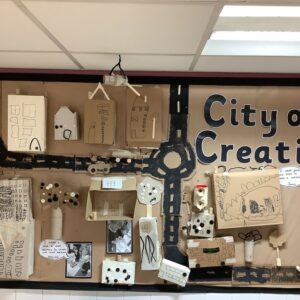
The large scale, beautiful artworks that were created seemed to demand a larger audience beyond the class itself. Some schools created exhibitions for older children in the school or for family members to attend, at which they were able to participate in making activities themselves.
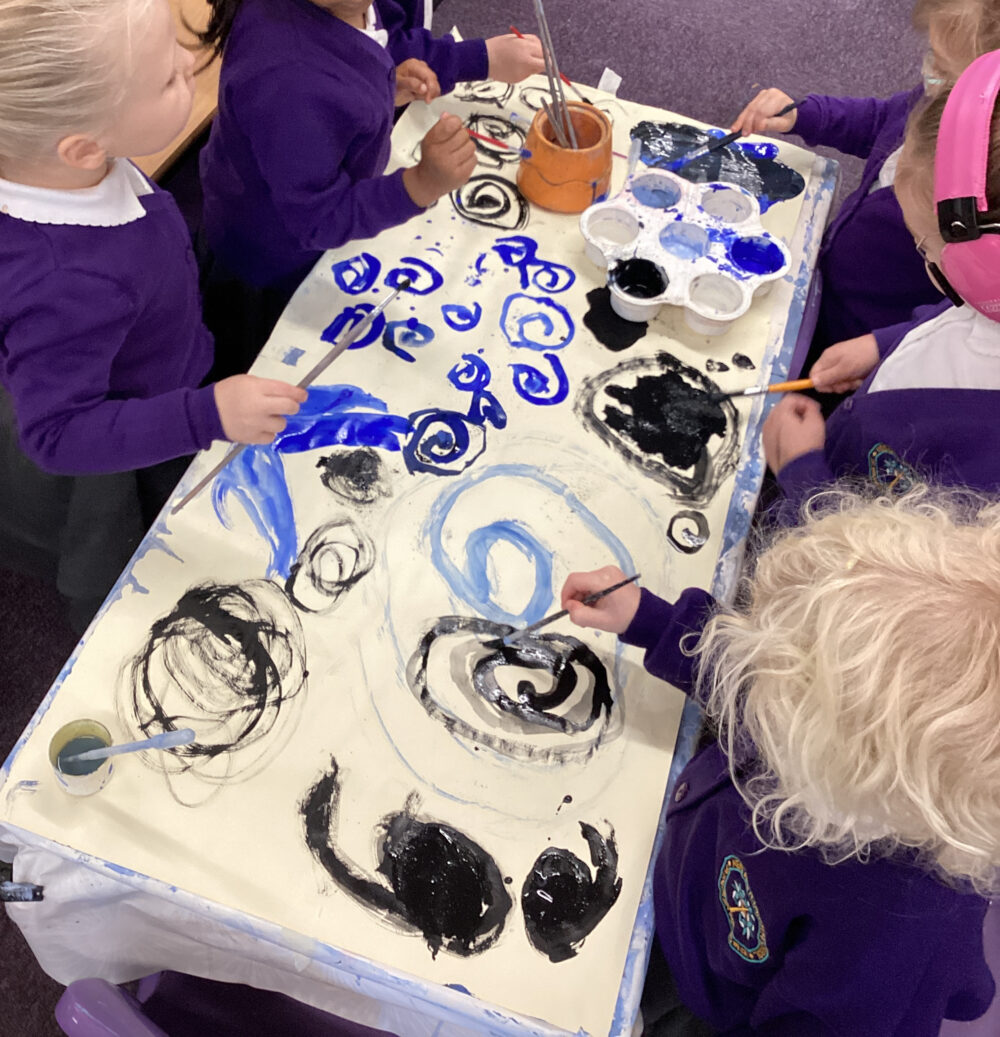
Having seen the impact of collaborative approaches to art-making, teachers are now considering ways to build on this further across the curriculum and in new ways:
‘The collaborative artwork, the bigger pieces, are marvellous. I’m just trying to think how we could extend that, how we could still do the collaborative pieces, but in a different way, trying to think more creatively moving forward.’ – Chloe, Cavalry Primary School.
Connecting With Nature
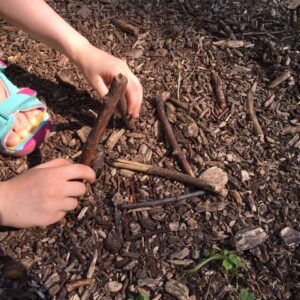
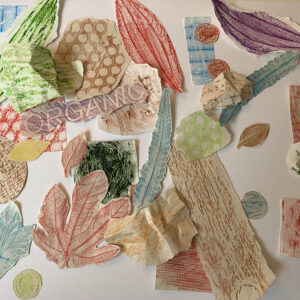
In order to create meaningful links between the young artists in the TEFAT schools, and those with work on display at the Museum, we looked to a common source of inspiration: the natural world. We focused on the way artists have engaged with nature from working ‘en plein air’, to mindful observation of natural forms, and the impact of working with natural materials such as clay and charcoal.
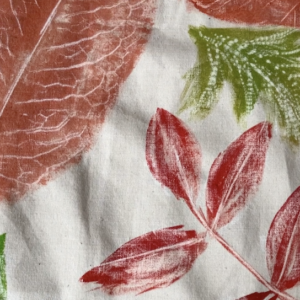
In the school context, teachers found that there was huge potential for cross-curricular learning. As children focused on looking closely, they developed their scientific knowledge of flowers, clouds, and minibeasts, and began thinking about the impact of human activity on the natural world.
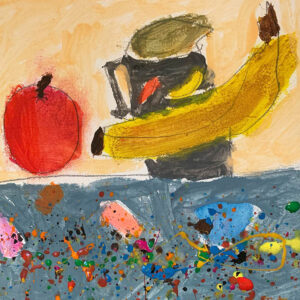
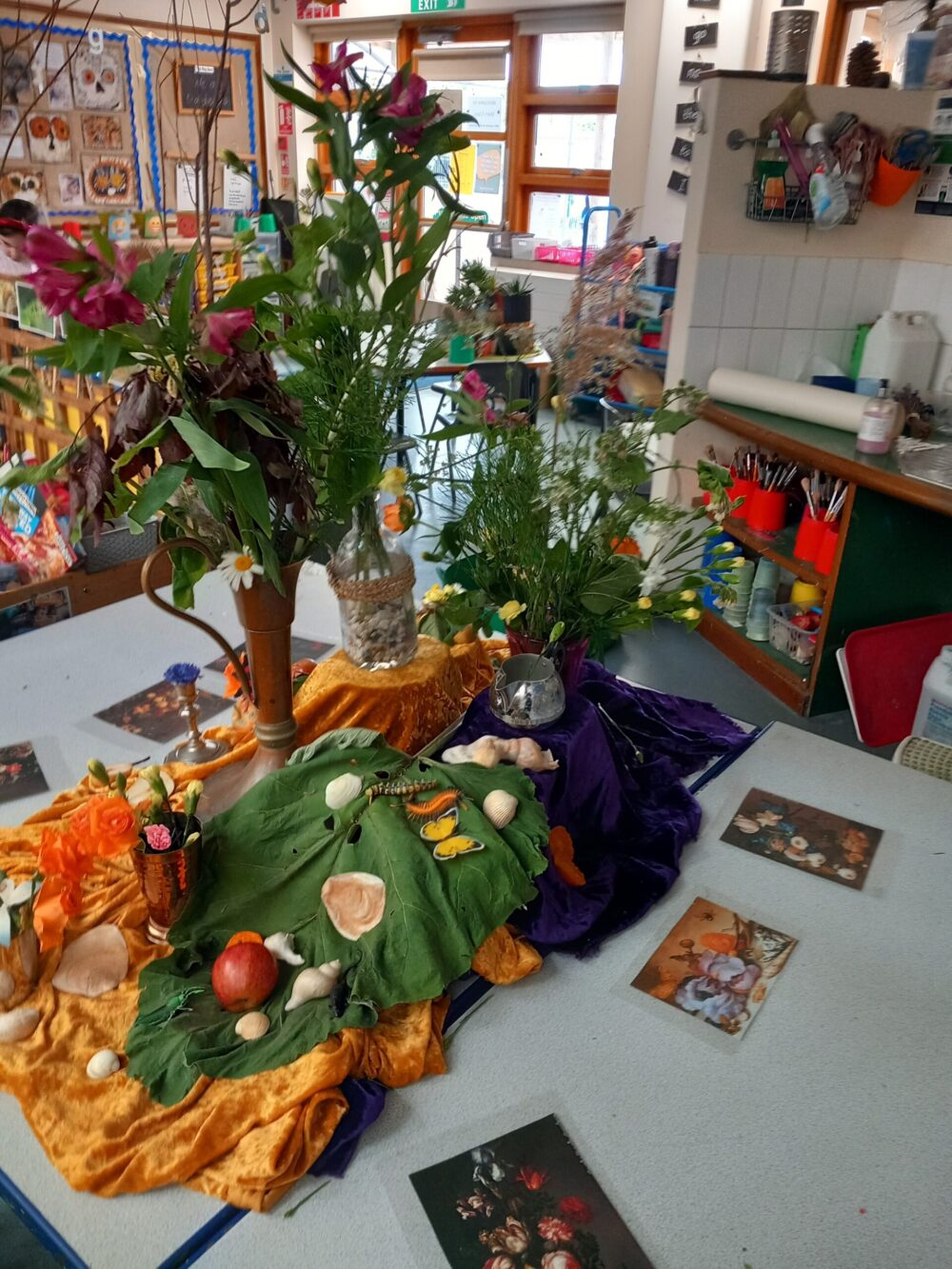
At Millfield Primary, the focus on nature at the Museum became part of their broader topic on Change. The children recreated a still life arrangement using flowers, fruit leftover from the snack table, and items from around the classroom. Over the next few days they observed and reflected on the changes:
‘Some of the flowers are going brown because they are starting to die. They need to be outside because there’s no sunlight in here.’
‘The leaves are closing up and they look drooping down. They look dry and feel crunchy.’- Children from Reception Class at Millfield Primary School.
Slowing The Process
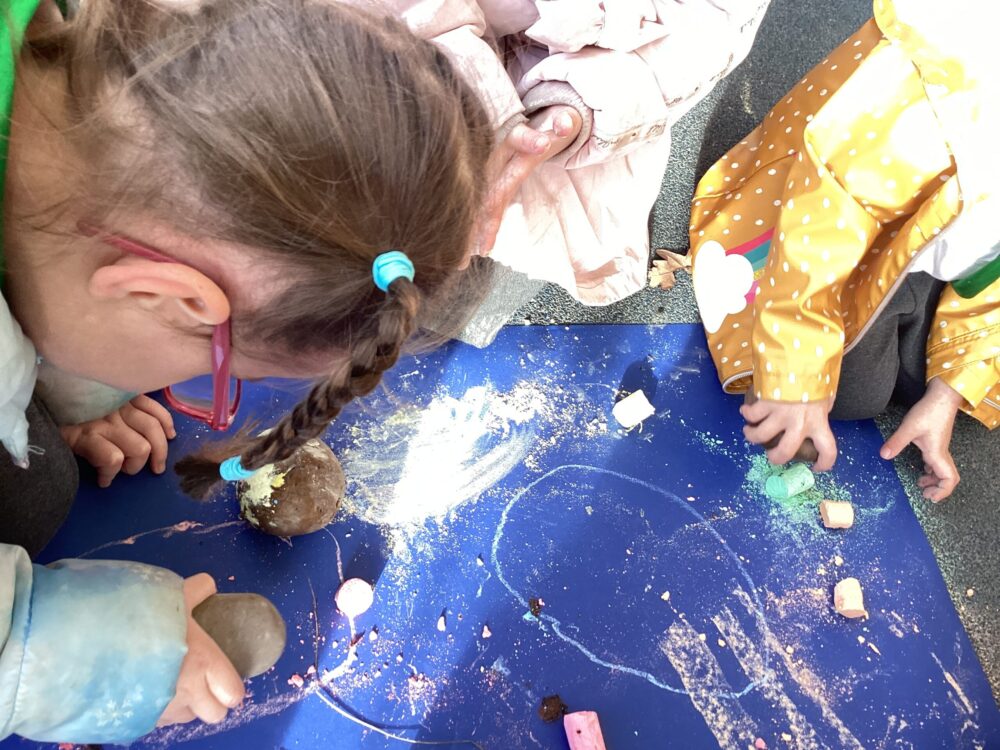
All schools involved adopted a slower approach to learning, inspired by the Museum’s emphasis on valuing learning that happens everywhere, including outside the classroom and between planned outcomes. Sometimes this manifested as children and adults making more time to be together, actively noticing their surroundings as an inspiration. At Highlees, for example, the class spent time together laying on the grass outside and paying attention before starting their making activities, and this time was transformational, with children asking to repeat this later as their class treat.
‘Slowing it down, taking time to look…We lay down with them, spending time together. They crave time [and we’re] valuing that.’ – Vicki, Highlees Primary School.
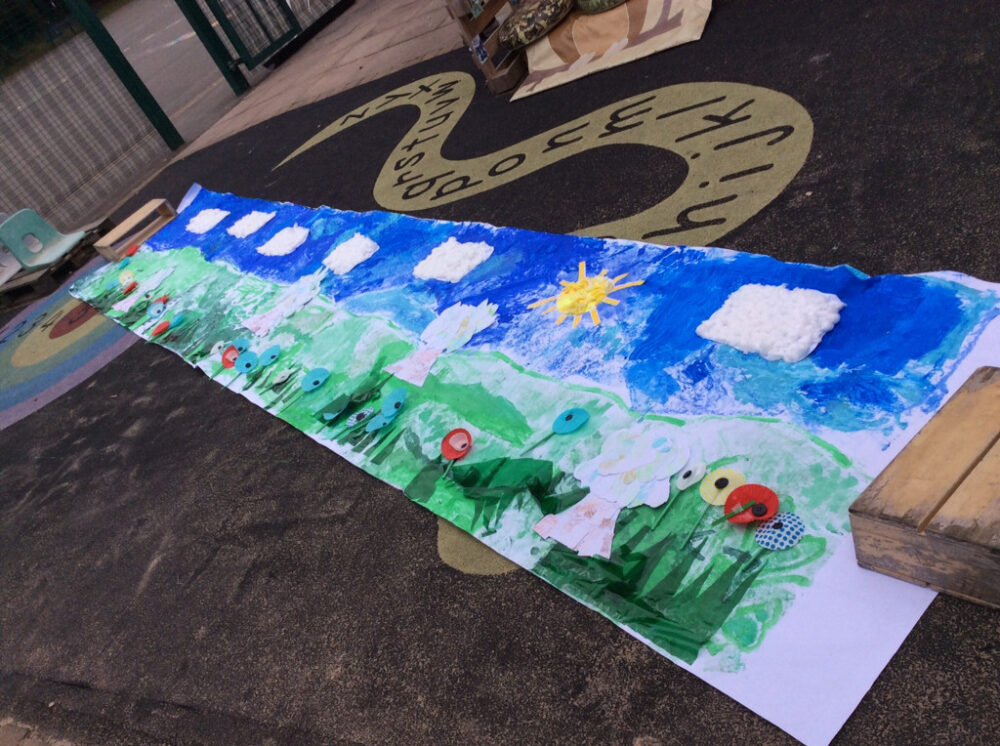
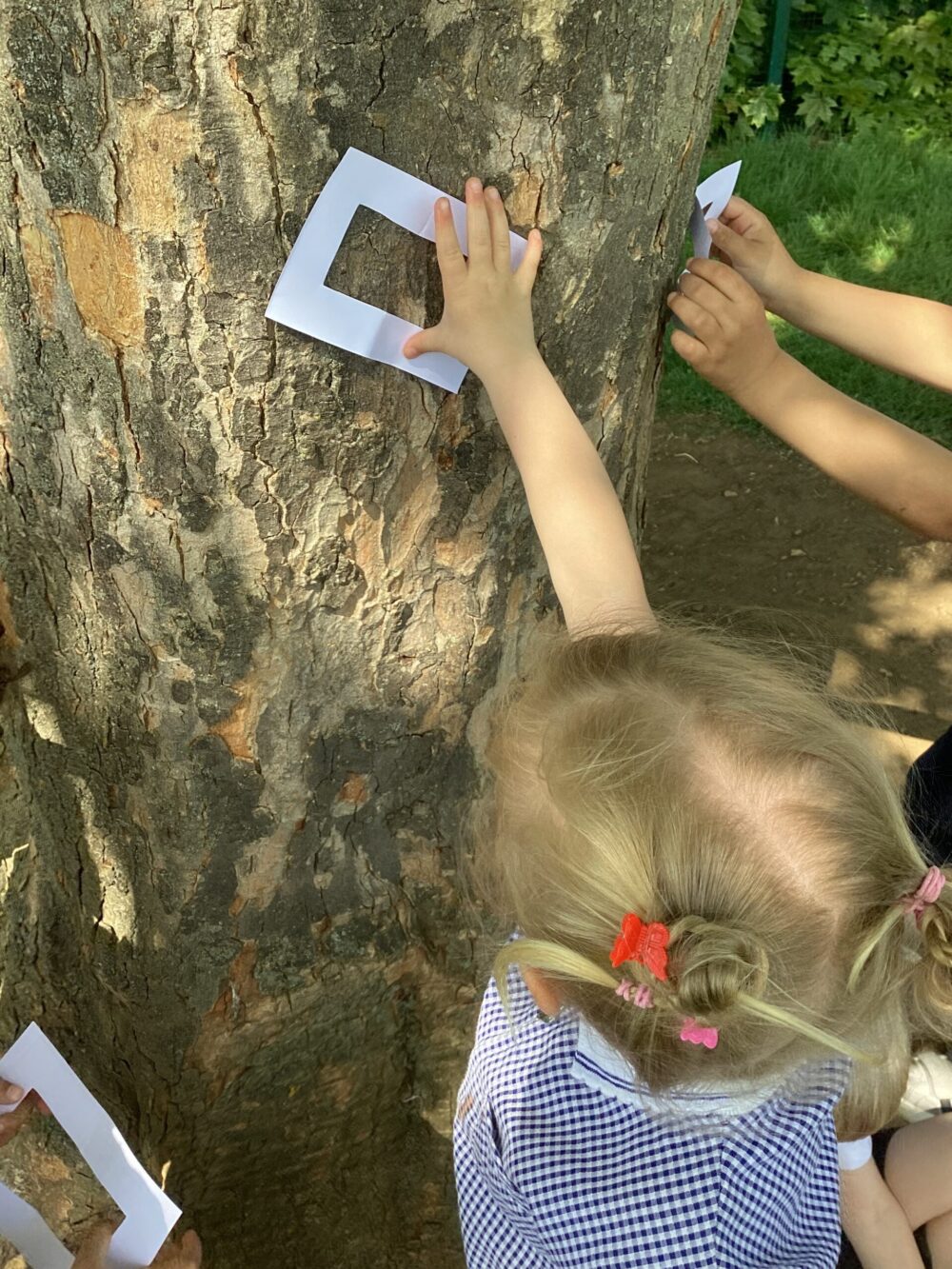
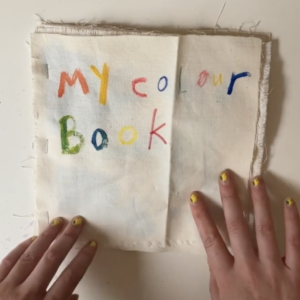
In other settings, slowing down meant that rather than completing artworks in one session, dictated by the clock, teachers adapted so that children could pause their creations and return to them at a later time, incorporating new ideas, materials, or explorations.
‘It’s kind of providing that stimulus and having those resources available so that they can choose their own path… Staff are now finding it easier to let the imagination go and follow the children’s lead.’ – Tracey, Nene and Ramnoth School.
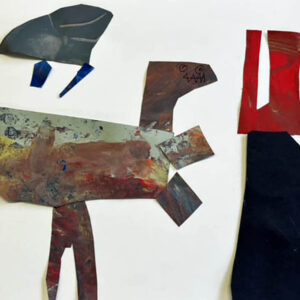
Across the range of schools, teachers found that shifting focus from product to process in creative work, and offering children more choice and time in their decision making resulted in high-quality, thoughtful work that clearly demonstrated learning and progress in the children’s thinking. Despite some initial nervousness about how the children would respond to being given more freedom and independence, the teachers were delighted with the impact, and the opportunities to enable children to shine:
‘I have enjoyed it – I’m getting more creative by doing it. [It’s] lovely to watch them doing something different. I was amazed!’ – Sue, Elm Road Primary School.
Moving Forward
Teachers joined the project with a mixture of excitement and apprehension. They are moving on from it with a renewed belief in their own creative abilities and a willingness to notice the deep learning that children are capable of when they are given time, inspiration and purpose.
All the participants expressed a desire to extend the project in the future, perhaps by bringing their reflections to work with older or younger children in the school, applying them to other areas of the curriculum, or networking with other schools to continue supporting each other with ideas.
There was a clear recognition of the impact of time spent out of the classroom, engaging with artworks, people, and practices of the Museum. Further ideas for development included deepening this connection through more integrated class visits, enabling support staff to engage with this kind of professional development, and working alongside artists to explore materials and their possibilities together.
Now more than ever, when teacher burnout is at an all time high, it’s vital that we harness the power of arts, culture and creativity to inspire and re-energise and set teachers up positively for their vital work.
“I’ve not ever seen myself as a creative person. But now I’m completely the opposite. I can’t wait. I’m very excited about doing it all again.”
Art is about possibility – it can shift our focus, engage our curiosity and ask us to imagine how things could be in the future, and our potential to contribute to change. That’s why this kind of work is so important and why we are keen to continue to develop it.
You May Also Like…
Inspire 2020
Pathway: Flora and Fauna
Exploring Art in Early Years Settings