Exploring A Midsummer Night’s Dream: Creating a Forest Collage Part One

By Rachel Thompson

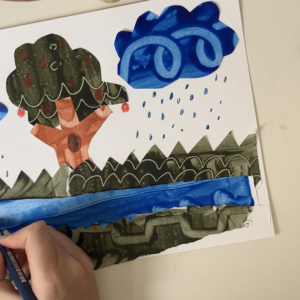
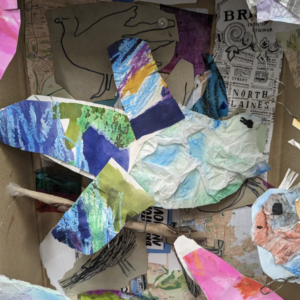
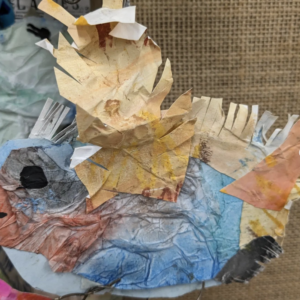
A close up of a paper collage of a forest.

This series of six sessions explores Shakespeare’s A Midsummer Night’s Dream through art and is aimed at upper KS2 children (Years 5 and 6) although could be delivered to younger age groups with some simplification in terms of the use of text. The aim of the series is to introduce children to the work of Shakespeare in a fun and creative way.

In this third in a series of six resources on Shakespeare’s A Midsummer Night’s Dream, we take a closer look at the primary setting of the play: The Forest. The session begins with exploring paper and how it can be torn and cut to make shapes and form, before beginning to make a large scale collage of the forest using different papers and colours. The collage continues into session four where the magical symbol of moonlight is explored.

Go back to session two here.

Session Three: Creating a Forest Collage
Warm up: Approx 20 minutes
Main Activity: 45 minutes – 1 hour
Materials Needed: Large roll or sheets of paper, assorted green or brown sugar and scrap papers/old art work, pencils, paints, brusho, brushes, glue, scissors.
Focus Theme/s: The Natural World

Time to Warm Up! Playing with Collage Papers.

Take some scraps of paper, preferably a mixture of green and brown tones. You will also need some glue and scissors.
Using your sketchbook or some A3 cartridge paper as a background, experiment with ways to tear up pieces of the paper and create pattern and form on the paper.

A selection of collage papers in green and brown.

Try not to think too much about making a ‘picture’ – this is more about finding patterns and paths as you work and following a creative instinct. Does a particular type of paper appeal to you? Do different papers tear in different ways? What happens when you layer them over each other and stick them down?

Experimenting with collage papers.

Now try using scissors to create more angular or precise shapes? Stick these shapes down on your paper and see what shapes you make.
Do you want to repeat patterns or do you want to make more fluid meandering shapes?
Spend about 15 minutes exploring collage in this way.

Tearing strip of paper for collage.


Experimenting with layering paper.

Starter Discussion:
In session three we’ll be looking at the other main setting in A Midsummer Night’s Dream: The Forest, and how this contrasts with the setting of Athens.

The Forest at night creates a dark and confusing environment for some of the characters in A Midsummer Night’s Dream – but not all of them. Which characters do you think use the darkness and night to their advantage?

The woods are a place of mysterious happenings, and the fairies are right at home there. The world of nature is both a place of beauty and a place of danger. We grow our food with the help from natural elements, but these elements, or forces of nature, also have capacity to cause havoc and damage to our lives.

How do you think an Elizabethan production of A Midsummer Night’s Dream could portray the forest without the use of an elaborate sets, lighting, or sound?

Main Activity: Collaborative Forest Collage

NB for teachers: There are a few options on how to deliver this activity and this depends on practicalities in your own setting. You can either use a large roll of paper or a series of large A1 sheets of cartridge paper. You will need to stick the paper onto the wall or lay it out on the floor so everyone can access it. Alternatively, you could make an ‘indoor forest’ by each child tearing and creating a tree separately before sticking them up and around the room. These can then be added to and developed.
The slight disadvantage of this method is that there’s no background to draw on so gaining that sense of perspective and ‘what’s beyond the trees’ is more challenging.
You can either do this as a full class exercise or split the class into small groups depending on practical limits.
Because this activity is more large scale; it’s been split over two sessions, with session 4 also being focused on the forest and how we can develop the effect of light and dark.

Together as a group, you’re going to make your impression of the Forest in A Midsummer Night’s Dream!
Begin by reading the following words spoken by a fairy in Act 2 Scene 1:

‘Over hill, over dale,
Thorough bush, thorough brier,
Over park, over pale,
Thorough flood, thorough fire.
I do wander everywhere
Swifter than the moon’s sphere.
And I serve the fairy queen
To dew her orbs upon the green.
The cowslips tall her pensioners be.
In their gold coats spots you see.
Those be rubies, fairy favors.
In those freckles live their savors.
I must go seek some dewdrops here
And hang a pearl in every cowslip’s ear’.

What imagery does Shakespeare evoke here? Is the pace and rhythm fast or slow? What is the effect of this? Think about who is speaking the words and what being in nature, with all its ‘rhythms’, feels like.

Thinking about the imagery of the forest in A Midsummer Night's Dream

The descriptions Shakespeare uses of the forest here, and elsewhere in the play, create images and enhances contrasts. It demonstrates that just like the human world, the natural world can be unbalanced, inharmonious – and even dangerous.

Make a list of all the natural forms mentioned in this verse. Do any of them contrast? What would you like to include in your collage?

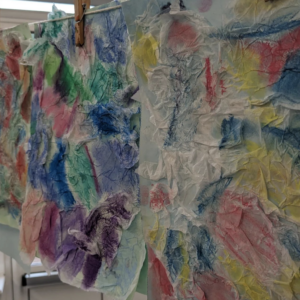
To begin, you need to prepare some large backing paper onto which you will collage your forest. You could draw over the top of newsprint or old magasines with coloured pencils or pastels or working over large sheets of paper with water colour wash. Just be mindful not to make the paper too saturated with water as you will need it dry when you start collaging.
Using water colour wash when creating collage papers.

Try adding brusho to create fluid movement with colour, adding to the ‘other worldly’ feel of the forest.

Adding brusho to paper

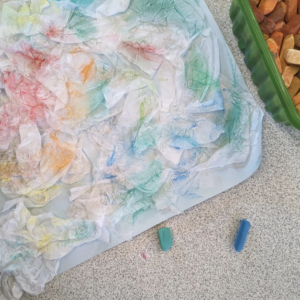
You could use some water spray bottles to apply watered down brusho.

Spraying watered down brusho onto paper


Sprayed brusho on paper.

Using the collage techniques you used in the warm up, begin shaping some trees, leaves, flowers and other natural forms out of different papers. It’s a good idea to use the time while any background papers are drying.

Beginning to form tree shapes for a forest collage.


Using paper to create tree trunks on a mixed green background.

Decide as a group if you will have different sized trees. Do they all look the same or do some have different shaped leaves.

Working in pairs to decide on composition.


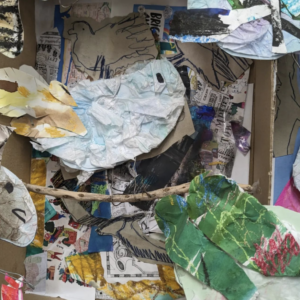
Building layers of collage to create a forest.

Vary the papers as much as possible to create texture and contrast.

Using colour and texture to create a collage of a forest.


Cutting and scrunching paper to make leaves and foliage.

When we are in nature, we are surrounded by hundreds of creatures everywhere, and we can’t see them. How can you show this in your collage? What is hiding behind the leaves?

Using green and brown tones to create a textural forest collage.

Think about light and dark and how the forest might look different at night? Is part of your forest lit by the moon and another part showing the sun just rising? Discuss your ideas as a group. We will be looking at light and dark in more detail in session four.

Layering papers for a forest collage.

Work over the top of the paper forms using felt tip pen. These can be used to create a detail through a variety of lines.

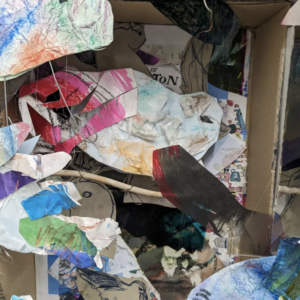
A close up of a paper collage of a forest.


Using texture to create an atmospheric collage of a forest.


Using scissors to cut out leaves for a collage.


Making flowers with coloured paper.


A collection of forest collages together.


Move onto session four here.


This is a sample of a resource created by UK Charity AccessArt. We have over 1500 resources to help develop and inspire your creative thinking, practice and teaching.

AccessArt welcomes artists, educators, teachers and parents both in the UK and overseas.

We believe everyone has the right to be creative and by working together and sharing ideas we can enable everyone to reach their creative potential.


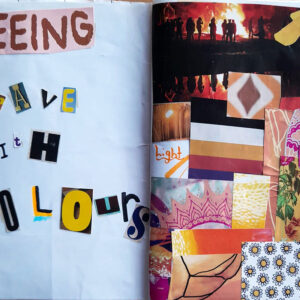
Collecting Colour in my Moodboard Book

What We Like About This Resource…

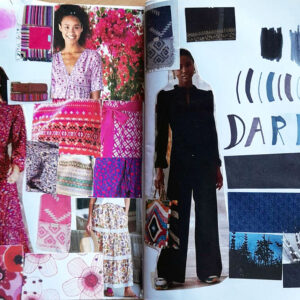
“It’s really nice to see that although Rachel Parker works quite digitally, her process from the beginning is very tactile. Rachels books act as a really great source of inspiration, helping to break down the creative blocks that we all get from time to time. Having a sketchbook dedicated to colour means that as well as working with colours that you already love, you can test new colour palettes and see colours from a new perspective. I especially love how Rachel picks up on the different tones in colours by looking at the way light hits it in order build her colour palette around those supporting tones as well as big statement colours.” – Tobi, AccessArt
You Might Also Like…

Pathway: Brave Colour

Liz West, Our Colour Reflection

Exciting Colour

DashwoodStudio Fabric Design by Rachel Parker

Make Repeat Patterns

Fabric Mockup from Creatsy By Rachel Parker

Which Artists: Rachel Parker

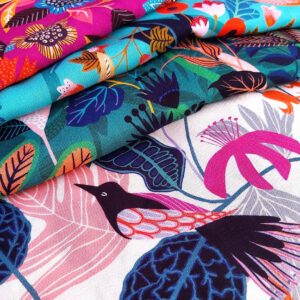
Fabrics for Dashwood Studio by Rachel Parker


Collecting Colour

What We Like About This Resource…

“It’s great to see how a simple exercise such as colour collecting, which can be done in a classroom setting, is also used in a professional capacity. This gives the activity a clear context and purpose. It’s nice to see Rachel’s  decisions being made in real time, it demonstrates how artists are constantly reflecting on and self evaluating their own decisions. Rachel also shows us that she sometimes gets colour palettes from photos that she’s taken herself, this is really exciting because it demonstrates how the artists experience is central to their work. Students will be able to bring their own experience and personality to this activity by having complete control over what their colour moodboard becomes.” – Tobi, AccessArt

See This Resource Is Used in Schools…

Year 6, Whitchurch Primary School
Process Art at HP, Home Education group.

You Might Also Like…

Pathway: Brave Colour

Liz West, Our Colour Reflection

Exciting Colour

DashwoodStudio Fabric Design by Rachel Parker

Make Repeat Patterns

Fabric Mockup from Creatsy By Rachel Parker

Which Artists: Rachel Parker

Fabrics for Dashwood Studio by Rachel Parker


How Colour Collection Inspires My Work

What We Like About This Resource…

“Rachel’s work is so vibrant and full of joy, it’s really exciting to see how she starts to form creative ideas around colour. Rachel highlights the importance of colour trends but also gives herself the opportunity to create her own trends which adds a level of playfulness and personality to her colour exploration. Seeing her colour books translate into fabric demonstrates a real clarity in her decision making process.” – Tobi, AccessArt.

You Might Also Like…

Pathway: Brave Colour

Liz West, Our Colour Reflection

Exciting Colour

DashwoodStudio Fabric Design by Rachel Parker

Make Repeat Patterns

Fabric Mockup from Creatsy By Rachel Parker

Which Artists: Rachel Parker

Fabrics for Dashwood Studio by Rachel Parker


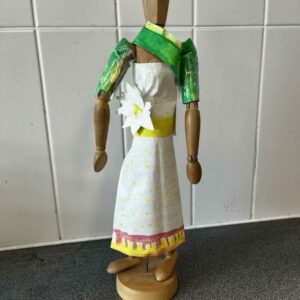
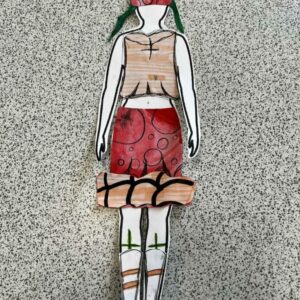
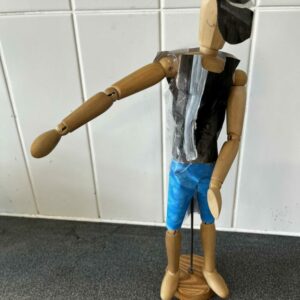
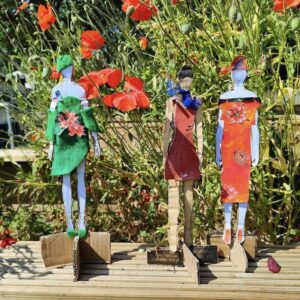
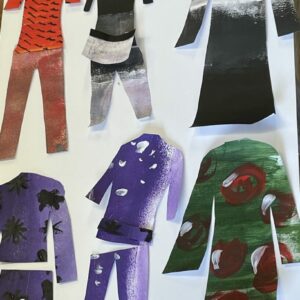
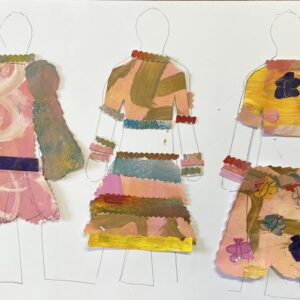
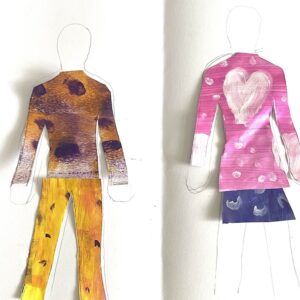
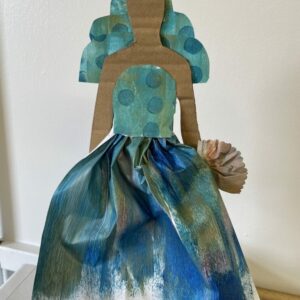
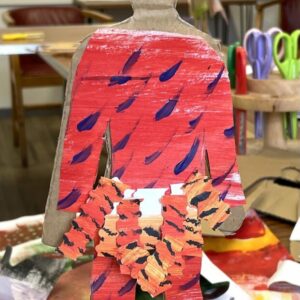
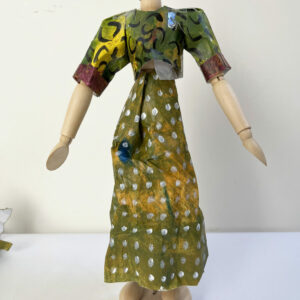
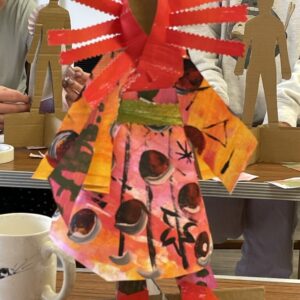
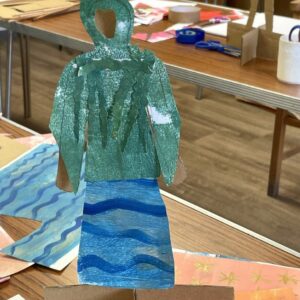
Making 2d & 3d Fashion Designs with Painted and Decorated Paper

See This Resource Used In Schools…

Year 5 Ruth at Carden Primary School, Brighton
Year 5/6, Histon and Impington Brook Primary
Year 6, Senacre Wood Primary School
Sutton Valence Preparatory School
Ruth at Carden Primary School, Brighton
Process Art at HP ages 7 to 13

You May Also Like…

Pathway: Fashion Design

This is featured in the 'Fashion Design' pathway

This is featured in the ‘Fashion Design’ pathway

Talking Points: Hormazd Narielwalla

Hormazd Narielwalla - ‘Anansi Tales’ https://vimeo.com/599547024

Talking Points: Tatyana Antoun

My Point Of View While Working And Sewing By Tatyana Antoun

Talking Points: Alice Fox

A Trip to the Seaside - Alice Fox Graduate Collection https://vimeo.com/428789247

Talking Points: Pyer Moss

PYER MOSS / REEBOK OPEN STUDIOS https://vimeo.com/486916959

Talking Points: Rahul Mishra

Rahul Mishra


A Visual Poetry Zine with Monotype

See This Resource Used In Schools…

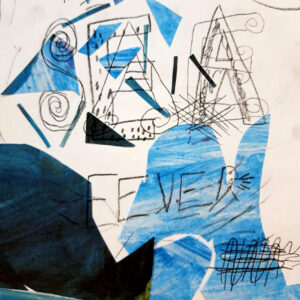
Littleport Community Primary School Year 5 Making Monotypes - these were inspired by Sea Fever the poem by John Masefield

You May Also Like…

Pathway: Making Monotypes

This is featured in the 'Making Monotypes' pathway

This is featured in the ‘Making Monotypes’ pathway

Talking points: What is a monotype?

Monotype Vimeo Screenshot

Talking Points: Kevork Mourad

Kevork Mourad: the making of Seeing Through Babel https://vimeo.com/347106795


Paint Your Corner Shop

See This Resource Used in Schools…

Years 3 & 4, Artivity Studios

You May Also Like…

Pathway: Festival Feasts

This is featured in the 'Festival Feasts' pathway

This is featured in the ‘Festival Feasts’ pathway

Talking Points: Claes Oldenburg

Claes Oldeburg Sculptures https://www.youtube.com/watch?v=3rHKorwuxco&t=36s

Talking Points: Nicole Dyer

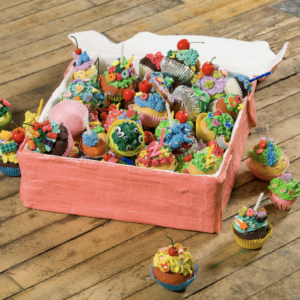
Cupcake Sculpture by Nicole Dyer

Talking Points: Lucia Hierro

@Fountainhead: Lucia Hierro https://vimeo.com/185142596

Drawing source material: Food

Drawing Source Material Food


Making Sculptural Birds

See This Resource Used In Schools…

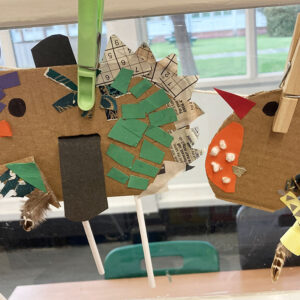
Birds made by Year 3 Selbourne Primary School
Year 4
Year 1
Year 2 Trumpington Park Primary School
Year 2, Aboyne Lodge Primary School
Year 1 at Sydenham High Prep School
Year 2, Ruth at Carden Primary School

You May Also Like…

Pathway: Making Birds

Featured in the 'Making Birds' pathway

Featured in the ‘Making Birds’ pathway

Talking Points: Inspired by Birds

Fulmar Petrel from Birds of America (1827) by John James Audubon


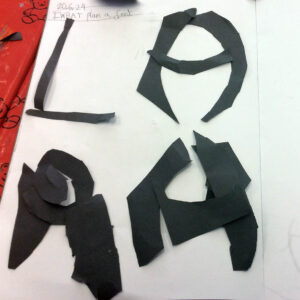
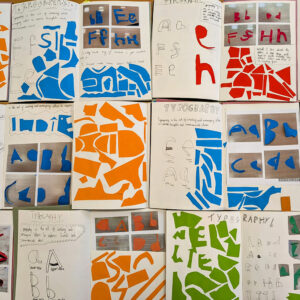
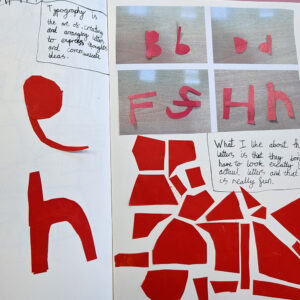
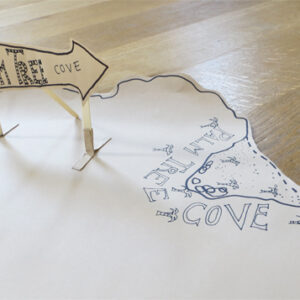
Cut Out Typography

See This Resource Used In Schools…

Year 5
Year 5
Oxley Primary School Typography @oxley_primary
Year 5, Bramber Primary School, Worthing
Year 5, Selborne Primary School
St Hilary School, Year 5

You May Also Like…

Pathway: Typography and Maps

This is featured in the 'Typography and Maps' pathway

This is featured in the ‘Typography and Maps’ pathway

Talking Points: What is typography?

What is typography

Talking Points: Louise Fili

Louise Fili video


Which Artists: Tatyana Antoun

What We Like About This Resource….

“The research phase of a creative project can be presented in many different ways, and can even be an art form in itself. Here, Tatyana demonstrates how her sketchbooks became a medium through which she expressed her thoughts, refined her ideas and explored materials. We believe sketchbooks to be a powerful tool for children to take ownership of their ideas and travel on their own creative journey, without necessarily knowing the destination. Take a look at our sketchbook journey for more sketchbook inspiration” – Rachel, AccessArt.

You Might Also Like….

Sketchbooks and Thinking Skills
Sketchbooks and Thinking Skills
Sketchbooks for Designers - an Introduction for Children
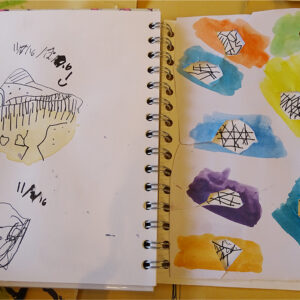
Sketchbooks for Designers – an Introduction for Children

Using Sketchbooks to Take Ownership of Ideas

Using Sketchbooks to Take Ownership of Ideas


Creating Repeat Patterns With Rachel Parker

What We Like About This Resource…

“This is a great activity for really tuning into colour and shape. The process is ultimately quite a refined one (ie making a pattern balanced and repeated ‘correctly’) – but there’s plenty of scope for exploring pattern in a more experiential way prior to the refinement page. Try one of the recommended resources below to introduce pattern and begin with some open ended activities to build skill and confidence.” – Andrea, AccessArt

You Might Also Like…

Pathway: Exploring pattern

This is featured in the 'Exploring Pattern' pathway

This is featured in the ‘Exploring Pattern’ pathway

Talking points: Andy Gilmore

Andy Gilmore

talking points: Louise Despont

Louise Despont

Inspired by Rachel Parker

Wallpaper Mockup Rachel Parker

Teachers Explore Pattern, Shape and Texture

Belvue_INSET -week 1 - SC

Block Printing Repeat Patterns

Andy McKenzie and Jan Ayton stamp printing


Collage Streets

What We Like About This Resource….

“This project provides a real opportunity for children to engage with a range of different processes to produce truly individual final results. Jan Miller is an experienced teacher and connects her projects well with learning outcomes. In this case, children are encouraged to have a loose approach and to make their own creative decisions – which is such a valuable part of any child (or adults!) creative education”. – Rachel, AccessArt

You Might Also Like….

Painted Houses

placing roof over house frame

One Line Street

Teaching Drawing

Responding to Place

Collaged landmarks of Oldham ready for display - Claire Mather


World War I Mail Art

What We Like About This Resource….

“This project links poignant subject matter with meaningful art processes and local history. What we learn about the re purposing of materials, (in this case spent ammunition) re affirms how we can use what is around us as a starting point to making and creating. You could extend or adapt this project by looking at broken pottery, re purposing that into new sculptures that link with Roman or other local historical cultures” – Rachel, AccessArt

You May Also Like….

Henry Moore's Shelter Drawings

Henry Moore’s Shelter Drawings

Remembrance Day Soldiers

Remembrance Day Soldiers

For Remembrance Day

For Remembrance Day


Creativity Medals

See the Resource Used in Schools…

Year 1, Ruth at Carden Primary School, Brighton

What We Like About This Resource….

“The sentiment behind this resource idea is lovely and it provides an opportunity to really develop some fine motor skills as well as independence of approach. Taking ownership of the medal design means the sense of achievement is heightened beyond the children just being given one. You can really imagine the positive energy that would surround this activity within a classroom, with each child working on a shared project but embarking on their own creative journey.”  – Rachel, AccessArt

You May Also Like….

Pathway: Playful Making

Featured in the 'Playful Making' pathway

Featured in the ‘Playful Making’ pathway

Talking Points: Introduction to sculpture

What is Sculpture

Clay Art Medals

Clay Art Medals by Sharon Gale

Talking Points: Nnena Kalu

Jennifer Lauren Gallery Work By Nnena Kalu

Talking Points: Linda BEll

Linda Bell at Arts Fringe


Which Artists: Cas Holmes

What We Like About This Resource….

“The sense of journey and feeling of movement is such an interesting part of Cas’ textile work here. We love how location and place is communicated through the variety of fluid and meandering textile marks used. Cas’ Romani background as well as early experience living in Japan make for a rich cultural backdrop to her work. The themes here could be explored in the classroom by asking children to use memories of places they’ve visited to produce a creative response using fabrics and mixed media” – Rachel, AccessArt

You Might Also Like….

Draw Your Home

Draw Your Home

Working With and In the Landscape

Working With and In the Landscape

Landscape Sculptures

Landscape Sculptures


Which Artists: Nathan Ward


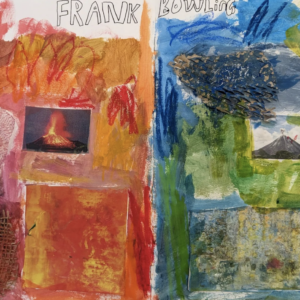
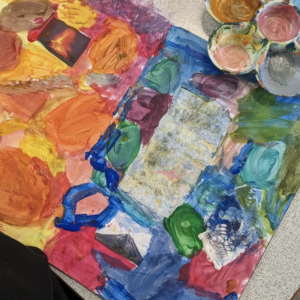
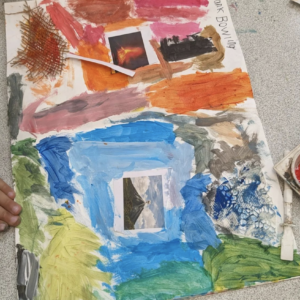
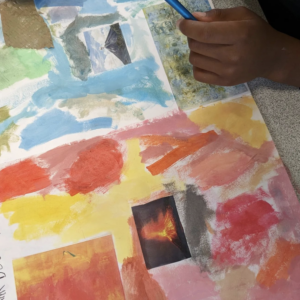
Volcano Painting inspired by Frank Bowling

See This Resource Used In Schools…

Year 3, Ruth at Carden Primary School
Year 5, Goose Green Primary School
Mrs Nicky Davies, Year 4, St Hilary's School
Ruth at Carden Primary School, Brighton

What We Like About This Resource….

“We love how this activity provides an opportunity to explore a well known Artist’s work, through focussing on their materials and techniques. The children looked at Frank Bowling’s work before creating their own individual responses that retained individual ownership – something we advocate as part of a rich and balanced visual arts education. It was also great to see how a professional artist visited the school to further enhance the children’s experience.” – Rachel, AccessArt

You May Also Like…

Pathway: Cloth, thread, paint

This is featured in the 'Cloth, Thread, Paint' pathway

This is featured in the ‘Cloth, Thread, Paint’ pathway

Talking Points: Frank Bowling

Frank Bowling – From Figuration to Abstraction | Artist Interview | TateShots

Talking Points: Hannah Rae

Textiles by Hannah Rae

Talking Points: Alice Kettle

Sea Figure by Alice Kettle


The Art Of Zines

You Might Also Like…

Pathway: Print & Activism

This is featured in the 'Print & Activism' pathway

This is featured in the ‘Print & Activism’ pathway

Talking Points: Luba Lukova

Luba Lukova Vimeo Screenshot https://vimeo.com/34541872

Talking Points: What is a Zine?

The Activist Planners Vimeo Screenshot

Making Large Scale, Screenprinted, Collaged, Co-Created Campaign Posters!

Finished poster

Making an Artist’s Book

Making an Artist's Book by Paula Briggs

Book Artists

Snow Queen Illustration by Su Blackwell


Lino Printing Inspired by Gestural Drawings


Redesigning Food Packaging

You May Also Like…

Pathway: 2D Drawing to 3D Making

This is featured in the '2D Drawing to 3D Making' pathway

This is featured in the ‘2D Drawing to 3D Making’ pathway

Talking Points: Packaging Design

Orange Juice Redesign https://www.youtube.com/watch?v=TzzlNni_K4o&t=364s

What is Typography

What is typography