Sculptural Challenge No 2: Colour, Light and Form

A sculptural challenge to encourage the exploration of colour, light and form.


ages 9-11
ages 11-14

Questions for Children:

Can you imagine what it would be like to be in a room with the installations in the videos above? How would it make you feel? What do they remind you of?

How do you think the colour affects the mood?

Sculptural Challenge! 

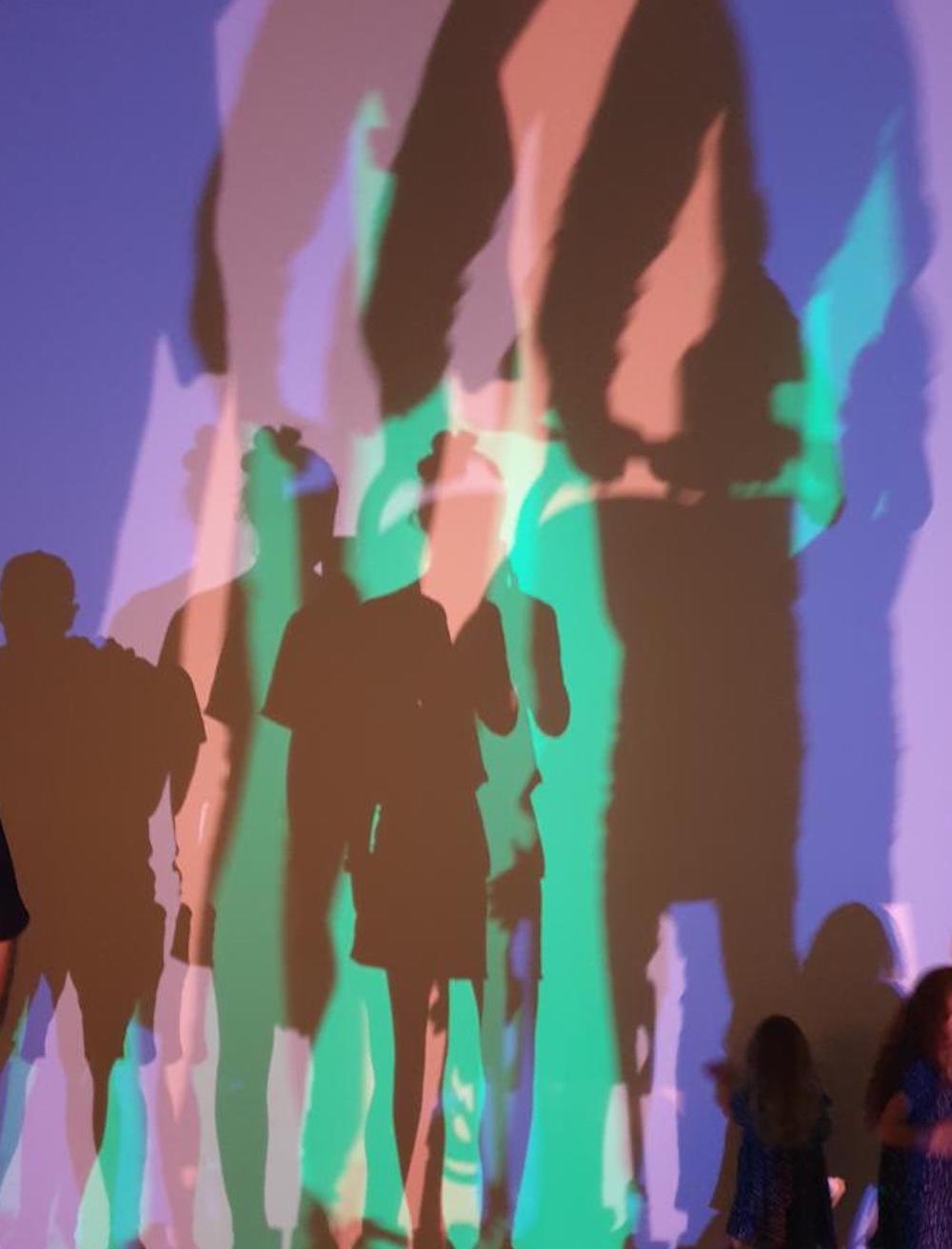
Using the artwork in the videos above as your inspiration, think about how you might design a sculptural installation which involves light, form and colour. 

You won’t be building a life-size sculptural installation (not today anyway!) but instead you can either make a model or create a piece of 2d artwork which shares your vision. Remember, because you are not creating the artwork then you can really be imaginative and dream!

Here are some clues, but you may have your own ideas too:

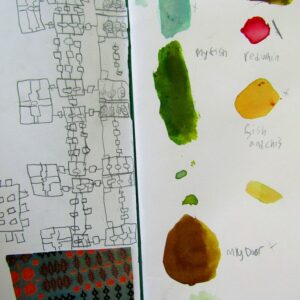
Use your sketchbook to “collect” colours that you like. Find them in magazines by cutting swatches out, find them by mixing paints, find them by mixing other materials. Record them, test them, label them, make notes (what colours did you mix?), name them (the names you give them might help you to describe the affect they have on you).

Think about the kinds of forms (shapes) you would like the coloured light to fall on to. Would you like the coloured light to surround a person, or would you like the person to pass near the objects? How would the person enter the space? Would the space be very small or very large? How would you want the person to feel? Again, use your sketchbook to plot and plan. 

Think too about the space you would like the coloured light to be in. Would you like it to be a dark space so that the lights show up against the darkness, or would you prefer a light space, so that it feels floaty and ephemeral? 

Think about how you would apply your colours to the walls? Would each wall be one colour? Would you introduce pattern? Images? Again, use your sketchbook.

Finally, either make a model using card, paint, fabric etc to share your vision, or make a 2d artwork. If you make a small space, you might like to be inspired by the Mini Art World Resource and use coloured filters and torches to replicate the space. 

You May Also Like…

Pathway: Brave Colour
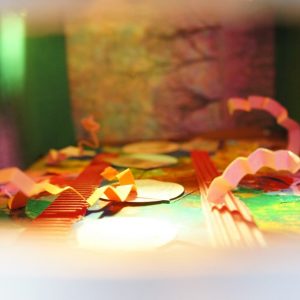
This is featured in the 'Brave colour' pathway

This is featured in the ‘Brave colour’ pathway

Which Artists: Liz West
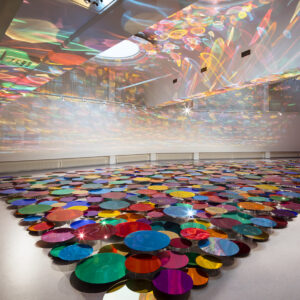
Liz West, Our Colour Reflection, 2020 © Jussi Tiainen : Hyvinkää Art Museum

Talking Points: Carnovsky

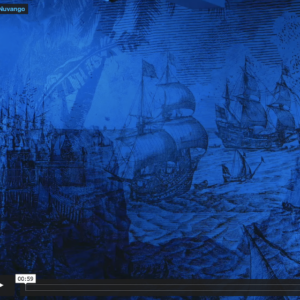
Nuvango Gallery: Carnovsky Opening https://vimeo.com/152368545

Talking Points: Olafur Eliasson
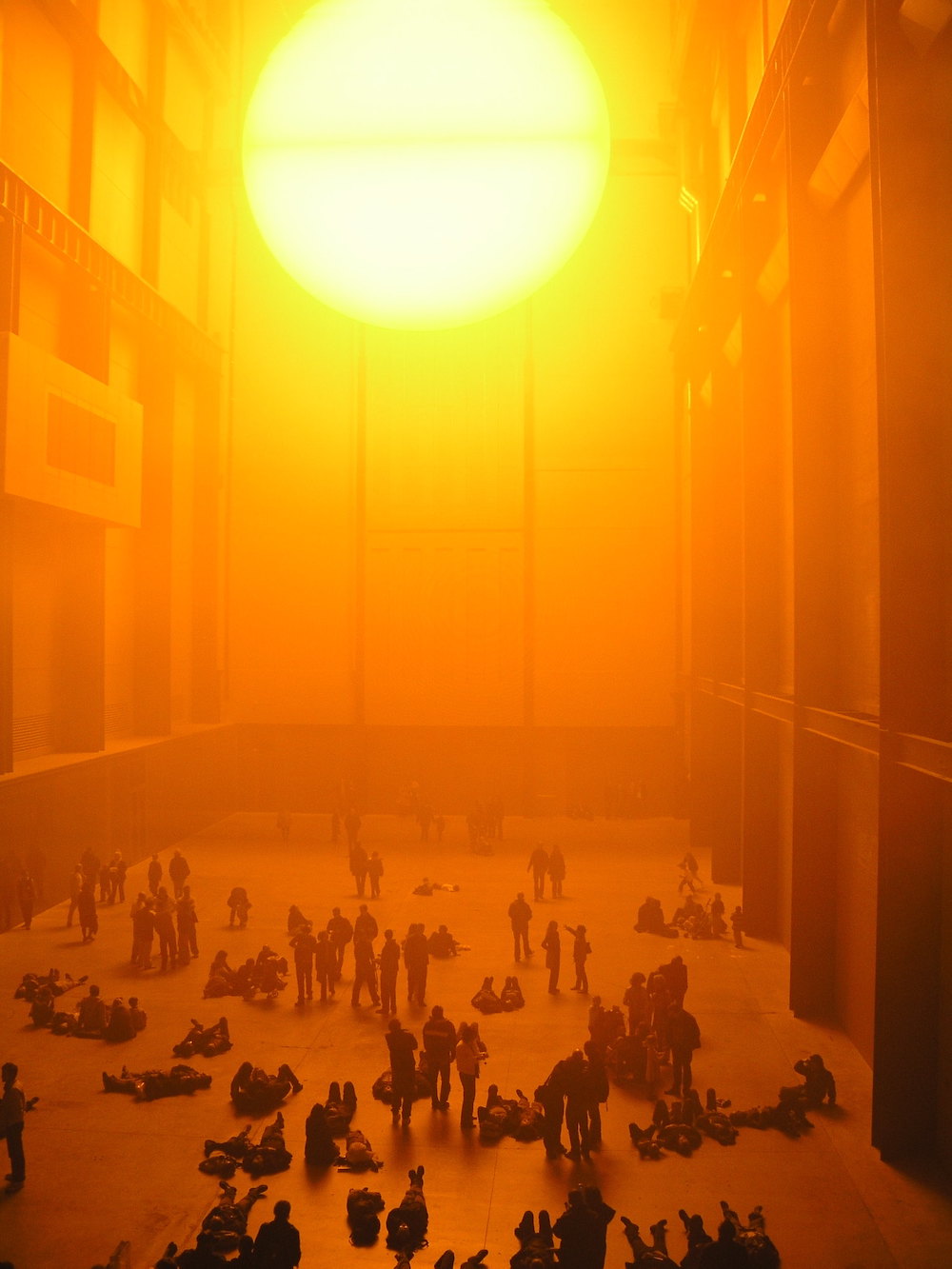
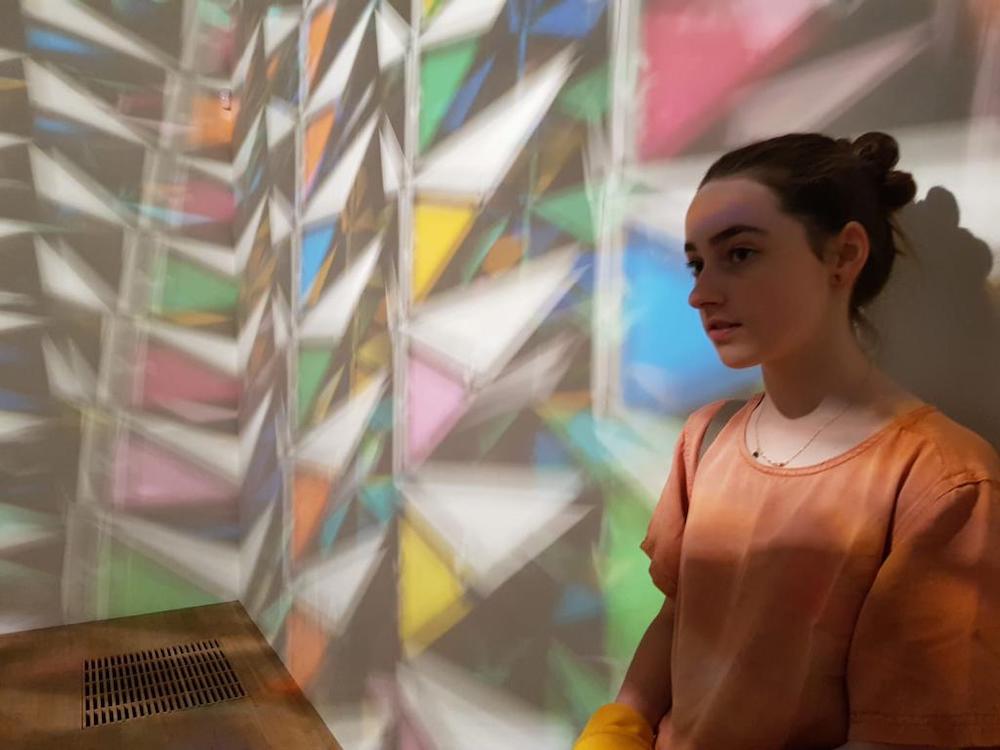
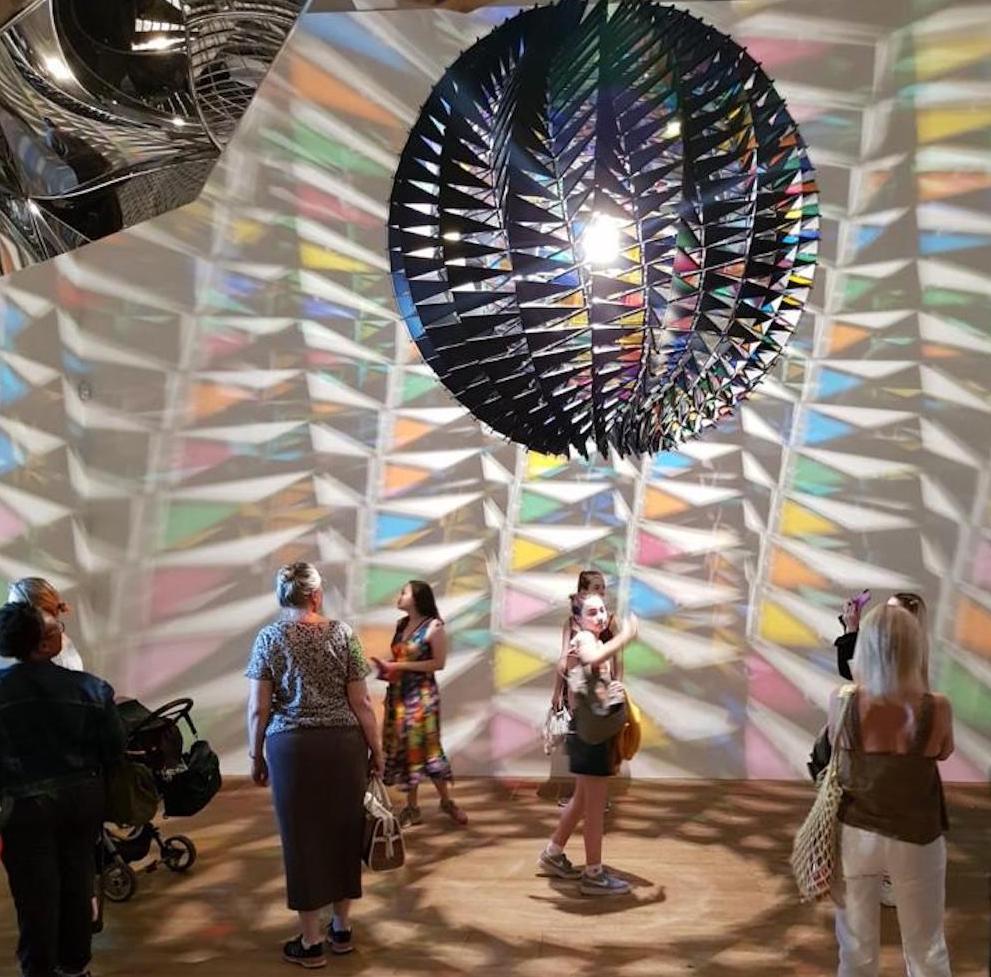
Olafur Eliasson Exhibition at The Tate by Paula Briggs


Talking Points: Olafur Eliasson
How can installation art transform a space and change our relationship with the environment?

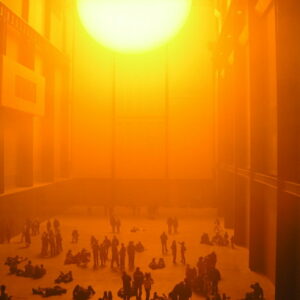
Olafur Eliasson creates large-scale installations that immerse audiences in experiences of light, colour, reflection, and shadow. Using projections, film, photography, and sculpture, he encourages us to think about how we connect with nature and the wider world. His work invites reflection on both everyday changes in our environment and larger issues such as climate change. 

Watch the videos below and use the following questions to begin a discussion about Olafur Eliasson’s work.

Please Note:

This page includes links and videos from external sites, verified at publication but subject to change.

Teachers should review all content for classroom suitability.

Report any issues, and check school firewall settings if videos don’t play.

ages 9-11
ages 11-14
ages 14-16
free to access

Olafur Eliasson

Olafur Eliasson’s interest in light came from growing up in Iceland, where for half of the year the country is in darkness. 

Olafur is known for sculpture and large-scale installation art employing elemental materials such as light, water, and air temperature to enhance the viewer’s experience.

Explore more of Olafur’s work here.

Questions to Ask Children

Describe what you see.

How does this make you feel?

How would it feel to be in that space, interacting with the light?

How do you think the artist creates these playful light installations?

Olafur Eliasson Exhibition at The Tate by Paula Briggs

Questions to Ask Children

Describe what you see.

How do you think it would feel to interact with the light installations?

Does it make you think about space and colour in different ways?

This Talking Points Is Used In…

Pathway: Brave Colour

This is featured in the 'Brave colour' pathway

This is featured in the ‘Brave colour’ pathway

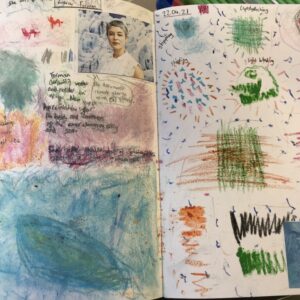
using sketchbooks to make visual notes

Find out how pupils can respond to artists work in sketchbooks

Find out how pupils can respond to artists work in sketchbooks

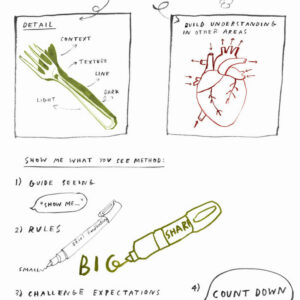
Show me what you see

Enable close looking and drawing with this exercise

Enable close looking and drawing with this exercise


Talking Points: Carnovsky

How can changing an element of our environment make what we see or feel seem different?

Artist duo Carnovsky manipulate light within the environment to change the appearance of flat images. As the light changes, different drawings are revealed, unveiling previously unseen images and allowing a sense of narrative to emerge. New forms appear and then disappear, creating a sense of depth on a 2D surface. 

Watch the videos below and use the following questions to begin a discussion about Carnovsky’s RGB project. 

Please Note:

This page includes links and videos from external sites, verified at publication but subject to change.

Teachers should review all content for classroom suitability.

Report any issues, and check school firewall settings if videos don’t play.

ages 9-11
ages 11-14
ages 14-16
free to access

Carnovsky

Carnovsky is a Milan-based art and design duo comprised of Francesco Rugi and Silvia Quintanilla.

RGB is a work about the exploration of the “surface’s deepness”. 

RGB designs create surfaces that mutate and interact with different chromatic stimulus.

Carnovsky’s RGB is an ongoing project that experiments with the interaction between printed and light colours. The resulting images are unexpected and disorienting. Colors mix, lines and shapes entwine and not completely clear. Through a coloured filter (a light or a transparent material) it is possible to see clearly the layers in which the image is composed. The filter’s colours are red, green and blue, each one of them serves to reveal one of the three layers. Carnovsky

Questions to Ask Children

Describe what you see.

How does it make you feel when you see the image change before your eyes?

How would it feel to be in that space, interacting with the sculpture?

What do you think the artists are trying to do through the artwork?

Why do you think that light has an effect of specific colours?

This Talking Points Is Used In…

Pathway: Brave Colour

This is featured in the 'Brave colour' pathway

This is featured in the ‘Brave colour’ pathway

using sketchbooks to make visual notes

Find out how pupils can respond to artists work in sketchbooks

Find out how pupils can respond to artists work in sketchbooks

Show me what you see

Enable close looking and drawing with this exercise

Enable close looking and drawing with this exercise


Talking Points: Linda Bell

A collection of imagery and sources designed to introduce students to artist, Linda Bell.

Please note that this page contains links to external websites and has videos from external websites embedded. At the time of creating, AccessArt checked all links to ensure content is appropriate for teachers to access. However external websites and videos are updated and that is beyond our control. 

Please let us know if you find a 404 link, or if you feel content is no longer appropriate. 

We strongly recommend as part of good teaching practice that teachers watch all videos and visit all websites before sharing with a class. On occasion there may be elements of a video you would prefer not to show to your class and it is the teacher’s responsibility to ensure content is appropriate. Many thanks. 

This resource is free to access and is not part of the AccessArt Membership.

SEND badge by Tobi Meuwissen
ages 5-8
ages 9-11
ages 11-14
free to access

Linda Bell

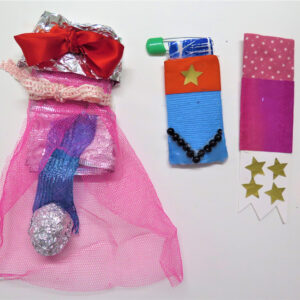
“Linda creates large-scale, interactive, and performative sculptural works. Through her multifaceted, experimental approach, Linda explores the sensory nature of materials, such as foil, paper, and fabric. She transforms the materials as they are reshaped and assembled together. The tactile qualities of the materials are vital. Linda seeks out materials that satisfy her need to create certain movements and shapes, which she then repeats to create multiple forms that expand into larger work.

Linda then transforms the work through rigorous movement, interactions, and impromptu performance. Sharing the movement of her sculptural work and the performative experience is crucial to her practice, for Linda to explore the relationship between herself, her work and the viewer or collaborator.” – ActionSpace

Questions to Ask Students

What can you see?

What do you think Linda’s sculptures feel like to touch?

How does Linda’s work make you feel?

How might you interact with Linda’s work?

This Talking Points Is Used In…

Pathway: Playful Making

This resource is features in the 'Playful Making' pathway

This resource is features in the ‘Playful Making’ pathway

using sketchbooks to make visual notes

An open page spread of a child's sketchbook

Show me what you see

Show Me What You See Method 250 Words by Tobi Meuwissen


Talking Points: Nnena Kalu

A collection of imagery and sources designed to introduce students to artist, Nnena Kalu.

Please note that this page contains links to external websites and has videos from external websites embedded. At the time of creating, AccessArt checked all links to ensure content is appropriate for teachers to access. However external websites and videos are updated and that is beyond our control. 

Please let us know if you find a 404 link, or if you feel content is no longer appropriate. 

We strongly recommend as part of good teaching practice that teachers watch all videos and visit all websites before sharing with a class. On occasion there may be elements of a video you would prefer not to show to your class and it is the teacher’s responsibility to ensure content is appropriate. Many thanks. 

This resource is free to access and is not part of the AccessArt Membership.

SEND badge by Tobi Meuwissen
ages 5-8
ages 9-11
ages 11-14
free to access

Nnena Kalu

Nnena is a practising artist at ActionSpace, a visual arts organisation that supports artists with learning disibilities.

‘Over the last two decades, Nnena Kalu has created a large body of sculptural and two-dimensional work and developed a live, performative element to her art practice, creating site-specific installations.

Nnena’s sculptural installations begin with compact ‘cocoons’ of textiles and paper tightly packed in colourful cellophane. Repeated forms then build with extensive binding and wrapping with layers of paper, tape and lines of unspooled VHS tapes. When exhibited these sculptural forms are created live in- situ, being made and remade throughout live installs.

Nnena’s two-dimensional works are sculptural explorations of space dictated by the length and reach of Nnena’s arms, as well as the size of the paper. In the making of these works, which are often produced in pairs, the second an echo of the first, a rhythm is built up and multiple layers constructed. As with Nnena’s sculptural works, the drawings are an exploration of continuous line, shifting and ever-evolving forms.’-  ActionSpace

Questions to Ask Students

Describe Nnena’s sculptural process.

When you look at Nnena’s drawings, what can you see? How does the rhythm and pace of the drawing effect the lines?

What do you like about Nnena’s sculptures / drawings?

If you were watching Nnena create a live installation, what kind of sounds might you hear?

Imagine you are interacting with the sculptures, what do you think the sculptures would feel like texturally?

How does Nnena’s work make you feel?

Do Nnena’s sculptures remind you of anything?

This Talking Points Is Used In…

Pathway: Playful Making

This resource is features in the 'Playful Making' pathway

This resource is features in the ‘Playful Making’ pathway

using sketchbooks to make visual notes

An open page spread of a child's sketchbook

Show me what you see

Show Me What You See Method 250 Words by Tobi Meuwissen

Adapting AccessArt: Playful Making Inspired by Nnena Kalu

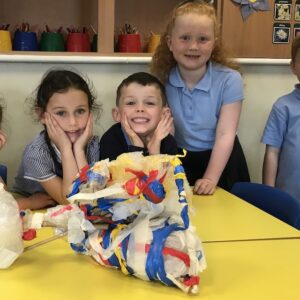
Finished Group Sculptures Inspired by Nnena Kalu by Lorna Greenwood


Talking Points: Njideka Akunyili Crosby

A collection of sources and imagery to explore the work of Njideka Akunyili Crosby.

Please note that this page contains links to external websites and has videos from external websites embedded. At the time of creating, AccessArt checked all links to ensure content is appropriate for teachers to access. However external websites and videos are updated and that is beyond our control. 

Please let us know if you find a 404 link, or if you feel content is no longer appropriate. 

We strongly recommend as part of good teaching practice that teachers watch all videos and visit all websites before sharing with a class. On occasion there may be elements of a video you would prefer not to show to your class and it is the teacher’s responsibility to ensure content is appropriate. Many thanks. 

*If you are having issues viewing videos it may be due to your schools firewall or your cookie selection. Please check with your IT department.*

This resource is free to access and is not a part of AccessArt membership.

ages 9-11
ages 11-14
ages 14-16
free to access

Njideka Akunyili Crosby

Njideka is originally from Nigeria but trained as an artist is America, which is where she now lives. This duality of experience has given Njideka a fresh perspective on the places and cultures that she has experienced.

Njideka’s paintings draw on art historical, political and personal references, Njideka Akunyili Crosby creates densely layered figurative compositions that express the complexity of contemporary experience.

Many of Akunyili Crosby’s images feature figures – images of family and friends – in scenarios derived from familiar domestic experiences: eating, drinking, watching TV.

While the artist’s formative years in Nigeria are a constant source of inspiration, Akunyili Crosby’s grounding in Western art history adds further layers of reference.  – Victoria Miro Gallery

Watch the videos below to find out more. 

Apologies if you cannot watch one of the videos because your school has blocked YouTube. 

Questions to Ask Children

Pause the video at various points where you can see details of Njideka’s paintings, or find an image on Njideka’s website and discuss the following questions…

Describe what you think is happening in this painting/this detail. 

What do you think the person in the painting could be thinking about?

How does Njideka use layers in her work to help her create imagery. 

How does this painting make you feel?

How might the painting reflect Njideka’s identity?

This Talking Points Is Used In…

Pathway: Exploring Identity

This is featured in the 'Exploring Identity' pathway

This is featured in the ‘Exploring Identity’ pathway

using sketchbooks to make visual notes

Sketchbooks used for observations, research drawing and experimentation.

Show me what you see

Show Me What You See Method 250 Words by Tobi Meuwissen


Talking Points: Chhau masks

A collection of sources to explore Chauu masks in performances.

Please note that this page contains links to external websites and has videos from external websites embedded. At the time of creating, AccessArt checked all links to ensure content is appropriate for teachers to access. However external websites and videos are updated and that is beyond our control. 

Please let us know if you find a 404 link, or if you feel content is no longer appropriate. 

We strongly recommend as part of good teaching practice that teachers watch all videos and visit all websites before sharing with a class. On occasion there may be elements of a video you would prefer not to show to your class and it is the teacher’s responsibility to ensure content is appropriate. Many thanks. 

ages 5-8
ages 9-11

Chhau Masks

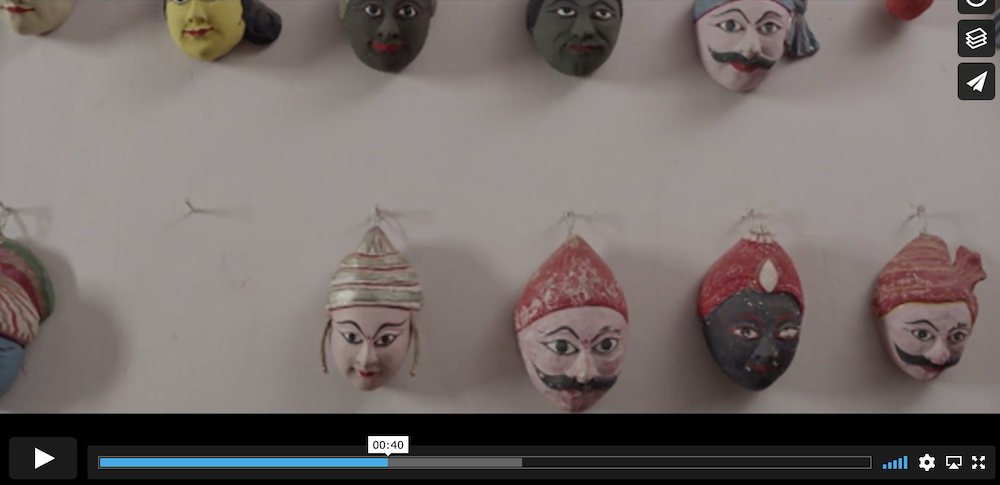
Chhau dance is a semi classical Indian dance with martial and folk traditions. It is found in three styles named after the location where they are performed, i.e. the Purulia Chau of West Bengal, the Seraikella Chau of Jharkhand and the Mayurbhanj Chau of Odisha.

The dance ranges from celebrating martial arts, acrobatics and athletics performed in festive themes of a folk dance, to a structured dance with religious themes. The costumes vary between the styles, with masks being used to identify the characters.

The stories enacted by Chhau dancers include those from  Indian literature.

Find out more about the “Craft of Accessorising for Chhau dancers” and “How the Craft of Mask Making Transforms the Dancers” with Google Arts and Culture.

https://vimeo.com/185429774

Click on the image above to find out more about Seraikella Chhau Dance.

Questions to Ask Children

How do the masks make you feel?

How do you feel watching parts of the performance?

How would you describe the colours?

What kinds of materials are used to make the masks? 


Talking Points: Contemporary Masks

A collection of sources to explore contemporary artists who create masks.

Please note that this page contains links to external websites and has videos from external websites embedded. At the time of creating, AccessArt checked all links to ensure content is appropriate for teachers to access. However external websites and videos are updated and that is beyond our control. 

Please let us know if you find a 404 link, or if you feel content is no longer appropriate. 

We strongly recommend as part of good teaching practice that teachers watch all videos and visit all websites before sharing with a class. On occasion there may be elements of a video you would prefer not to show to your class and it is the teacher’s responsibility to ensure content is appropriate. Many thanks. 

ages 11-14
ages 14-16

Romuald Hazoumè

West African artist Romuald Hazoumé creates contemporary African masks made using discarded plastic containers, in particular petrol canisters. The petrol canisters are used by lots of people in West Africa and represent the artist’s heritage. They also represent his critical vision of political systems.

I send back to the West that which belongs to them, that is to say, the refuse of consumer society that invades us every day.”

Questions to Ask Children

How do the masks make you feel?

Do you like the masks? Why?

What do you think the artist is trying to say through the artwork?

What other recycled or waste materials could we use to make masks? 

Damselfrau

Damselfrau focuses on play and make as few conscious decisions as possible to let the materials lead. Damselfrau design the masks as she makes, responding to materials as opposed to a drawn design.

The masks are perhaps more accurately described as wearable sculptures. The ornate creations fuse the boundaries between fashion and design.

Questions to Ask Children

How do these masks make you feel?

How do these masks compare to Romuald’s masks?

If you encountered someone wearing the of the masks how would you feel?

Thalassic Masks

The Thalassic Masks project focuses on rethinking the protective mask, transforming a medical product, born in a state of emergency, into a design statement expressing contemporary identities.

The artists Filippo Nassetti and Vincezo Reale believe that beyond Covid-19, further implications of climate change and the disruption of ecological environments, such as air pollution and transformations in the atmosphere, may see protective devices become more and more an essential extension of the human body.

Questions to Ask Children

Do you like the Thalassic masks?

How does the mask make you feel?

Do you think that it’s an improvement on the surgical masks you’ve had to wear over the past 2 years?


Talking Points: Exploring Flip Books

A collection of imagery and sources designed to explore different flip books.

Please note that this page contains links to external websites and has videos from external websites embedded. At the time of creating, AccessArt checked all links to ensure content is appropriate for teachers to access. However external websites and videos are updated and that is beyond our control. 

Please let us know if you find a 404 link, or if you feel content is no longer appropriate. 

We strongly recommend as part of good teaching practice that teachers watch all videos and visit all websites before sharing with a class. On occasion there may be elements of a video you would prefer not to show to your class and it is the teacher’s responsibility to ensure content is appropriate. Many thanks. 

*If you are having issues viewing videos it may be due to your schools firewall or your cookie selection. Please check with your IT department.*


This resource is free to access and is not a part of AccessArt Membership.


ages 5-8
ages 9-11
ages 11-14
free to access

Animate the Earth

Animate the Earth uses a book as the foundation for the flip book. Using an old book is a good way to make a flip book quickly. The background text can also add some character to the animation. You could even use the story line or theme of the book to inspire the storyline of your flip book.

Questions to Ask Children

Do you like the background of words on a page? Why?

What is your favourite part of the animation?

Do you think the artist planned what was going to happen next or was just playing with what is possible?


Colibri Flip Book

Graphite and coloured pencil on paper, stainless steel, delrin, motor electronics 10x10x12.7 CM.2011 By J. C. Fontanive

J. C. Fontanive

Fontanive invented the first flip book machine in his bedroom from old bike, car and clock parts and vinyl records. The invention explores moving image, form and structure. Multiple frames are shown in sequence to form the animation. The fluttering of the paper provides a natural soundtrack bring the still images to life.

Quiknesse, 2009 flipbook machine

Questions to Ask Children

What kind of bird do you think that this features in these flip book machines?

Which is your favourite and why?

Does the painted background of Quiknesse add anything to the flip book machine? If so, what?

What bird would you like to see in a flip book machine?

Volume 5 of Harumin Asao’s Cat series

Harumin Asao is a Japanese illustrator who uses flip books as a way to create short and playful animations.

Using small pages for flip books gives a nice control when flipping through as opposed to bigger thinner pages. 

Questions to Ask Children

What your favourite animal?

Think about how that animal might greet you when you get home.

Flip Book Within a Flip Book

The Flippist creates hand drawn flip books as a career, from engagement proposals to more commercial projects the Flippest has made a flip book for every occasion.

Questions to Ask Children

If you could make a flip book for any occasion what would it be?

Whats your favourite part of this flip book and why?

What other objects could replace the volcano and leak out of the flip book?


Mono Printing Session with ‘Change, Grow, Live’

You May Also Like…

Pathway: Exploring the world though mono print

This is featured in the 'Exploring The World Through Mono print' pathway

This is featured in the ‘Exploring The World Through Mono print’ pathway

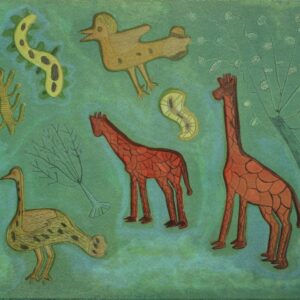
Talking Points: Xgaoc’o Xare

Two giraffe and two birds II 50x65sm by Qhaqhoo Xgaoc'o X'are

Video enabled monoprint resources

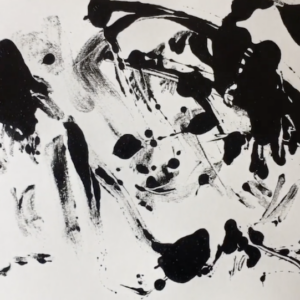
Final Monotype by Tobi Meuwissen


Rainbows and Waves for Grey Days


Talking Points: What is Linocut?

A collection of imagery and sources designed to introduce children to the process of linocut.

Please note that this page contains links to external websites and has videos from external websites embedded. At the time of creating, AccessArt checked all links to ensure content is appropriate for teachers to access. However external websites and videos are updated and that is beyond our control. 

Please let us know if you find a 404 link, or if you feel content is no longer appropriate.

We strongly recommend as part of good teaching practice that teachers watch all videos and visit all websites before sharing with a class. On occasion there may be elements of a video you would prefer not to show to your class and it is the teacher’s responsibility to ensure content is appropriate. Many thanks. 

ages 5-8
ages 9-11
ages 11-14

Linocut

Teachers Notes

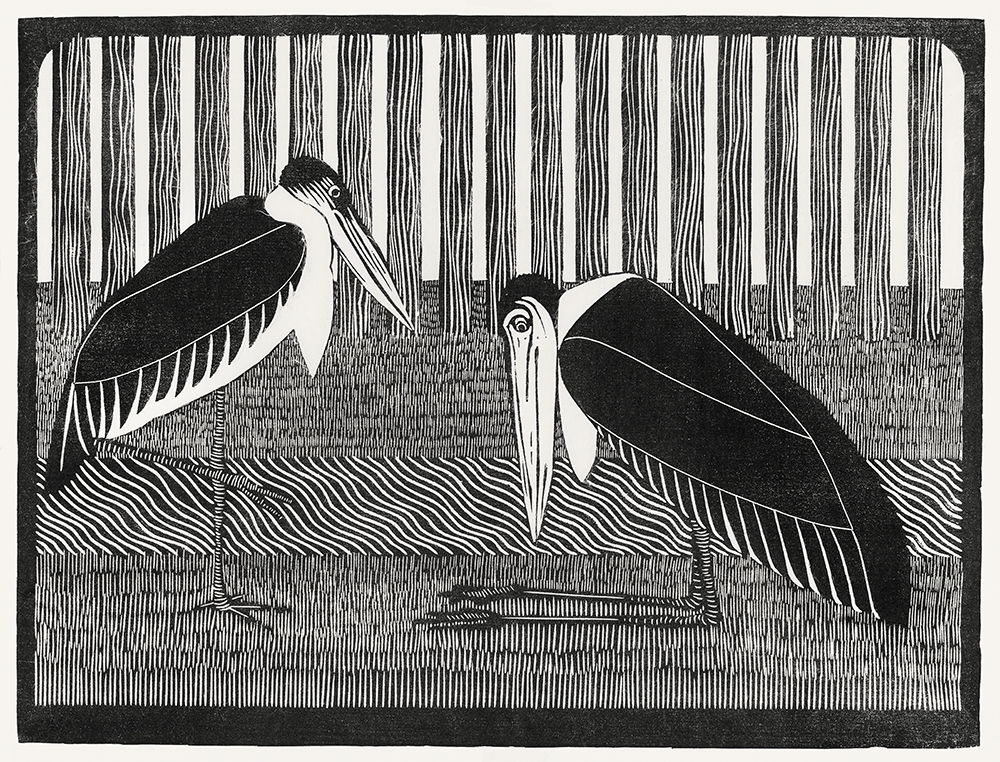
Linocut print is a printmaking technique used for relief printing. The surface of the Linoleum is cut into with sharp V shaped tools to create a design.

Linocut originates from the technique ‘woodcut’. In this process a block of wood is used to carve from instead of linoleum. Woodcut is the oldest form of printmaking with records of its use on textiles from as long ago as the twelfth century.

Two maraboos (Twee maraboes) (c.1914) by Samuel Jessurun de Mesquita. Original from The Rijksmuseum. Digitally enhanced by rawpixel. CC0

Two maraboos (Twee maraboes) (c.1914) by Samuel Jessurun de Mesquita. Original from The Rijksmuseum. CC0


Talking Points: What is Letterpress?

A collection of imagery and sources designed to introduce children to the process of letterpress.

Please note that this page contains links to external websites and has videos from external websites embedded. At the time of creating, AccessArt checked all links to ensure content is appropriate for teachers to access. However external websites and videos are updated and that is beyond our control. 

Please let us know if you find a 404 link, or if you feel content is no longer appropriate. 

We strongly recommend as part of good teaching practice that teachers watch all videos and visit all websites before sharing with a class. On occasion there may be elements of a video you would prefer not to show to your class and it is the teacher’s responsibility to ensure content is appropriate. Many thanks. 

This resource is free to access and is not a part of AccessArt Membership.

ages 5-8
ages 9-11
ages 11-14
free to access

Letterpress

Teachers Notes

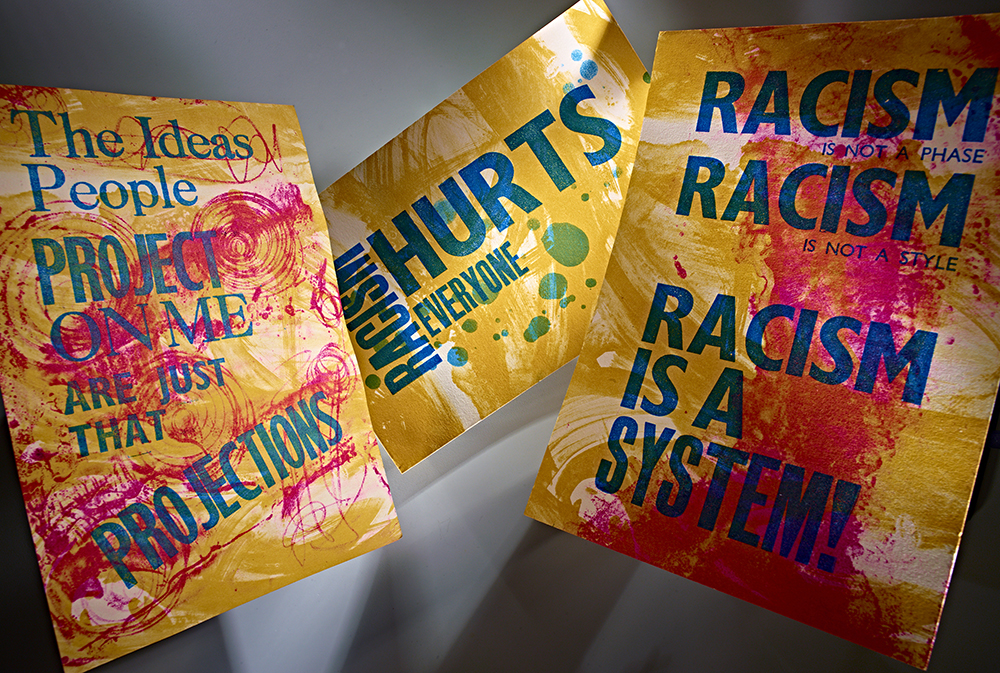
Letterpress is a relief printing technique. For hundreds of years letterpress was the only way to create reproductions of text. The invention of the letterpress in the mid 15th Century meant that information could be more accessible to the masses. Traditionally, the letters are arranged, a roll is inked and the raised surface of the letters are pressed against sheets or a continuous roll of paper. 


Take a online tour of Robert Smail’s Printing Works in Scotland. Founded in 1866 and now part of the Scottish National Trust, the tour walks you through the rooms, different jobs and the machinery used in the victorian era.

A modern day letterpress process.

BLM Collaboration with SMack by Theresa Easton

Alan Kitching, Letterpress artist, talking about his process and inspirations whilst working on a commission for English Heritage

Farewell Etaoin Shrdlu, a 30 minute documentary on the last day of typesetting at The New York Times in 1978, before the switch to computers. 

Features interviews for and against the incoming technology, plus a look at the end showing the contrast between the old typesetting methods and the new computerised version.

Talking Points

What sort of things was letterpress traditionally used for?

What do people still use letterpress?

What differences are there between designing on a computer nowadays and using old methods such as letterpress?

Why do you think there is still an interest in using old technology today?

Can you think of any other old techniques used to make art that are still being used?

Why is (or is?) it important to understand old techniques and ways of making things?

How have computers changed how we make art?

What do you think is next for printing techniques? What comes after computers?


Talking Points: What is Collagraph?

A collection of imagery and sources designed to introduce children to the process of Collagraph.

Please note that this page contains links to external websites and has videos from external websites embedded. At the time of creating, AccessArt checked all links to ensure content is appropriate for teachers to access. However external websites and videos are updated and that is beyond our control. 

Please let us know if you find a 404 link, or if you feel content is no longer appropriate. 

We strongly recommend as part of good teaching practice that teachers watch all videos and visit all websites before sharing with a class. On occasion there may be elements of a video you would prefer not to show to your class and it is the teacher’s responsibility to ensure content is appropriate. Many thanks. 

This resource is free to access and is not a part of AccessArt Membership.

ages 5-8
ages 9-11
ages 11-14
free to access

Collagraph

A collagraph print is made from textured materials collaged together on a piece of card. Lots of materials can be used to make collagraphs including (but not limited to) sand, fabric, bubblewrap, string and cardboard.

The surface of the plate can also be cut away at or into to create different marks. 

Sinclair Ashman

Watch this video to find out about how printmaker Sinclair Ashman found his passion for collagraph.

Karen Wicks

RAF Tangmere by Karen Wicks Medium: Collagraph Paper Type: Fabriano Unica (250gsm) Year: 2022 Print dimensions: 22.5cm x 22cm

RAF Tangmere by Karen Wicks Medium: Collagraph Paper Type: Fabriano Unica (250gsm) Year: 2022.

Explore this resource by Karen Wicks to find out how she makes her prints here.


Talking Points: What is Etching?


Developing Sketchbook Skills & Approaches

Welcome to the Developing Sketchbooks Skills & Approaches online course.

Developing Sketchbook Skills & Approaches aims to inspire and invigorate your sketchbook practice – whether you have been using sketchbooks successfully for several years or are new to sketchbook work. We really hope you find the course useful and we hope you’re excited about your sketchbook journey!

Please read the following carefully as it contains all the information you need to prepare for and access the course. If you have any concerns pls email info@accessart.org.uk

How does it Work?

The Developing Sketchbook Skills & Approaches course is made up of four modules, plus introduction. You can access these modules below:

Introduction

Taking Ownership of your Sketchbook

Collage & Visual Association Exercise

Exercises to Develop Drawing Skills

Giving Your Sketchbook Legs, and Time to Reflect

These exercises have been designed to help introduce you to some basic ideas in terms of sketchbook approaches,  to help develop your “sketchbook habit”, and to provide you with a structured framework in which to practise your skills. The modules contain text, image and video. The video is hosted by YouTube so pls ensure You Tube is not blocked by your provider.

If you would like to print out the module, simple click “Print Friendly” at the bottom of the page.

Tutorial groups and feedback

When you have tried the assignments, you have the option to upload your work for the AccessArt artists and other people on the course to comment on. This is a valuable part of the course so we encourage you to share your work (and your experiences). Please choose any of the tutorial groups marked available at the end of each assignment to upload your work, and follow the instructions below. Please also browse other tutorial groups as we know you’ll find the images posted by other delegates and comments of use. Please feel free to make your comments on the work of others too.

To upload your work

If there is a page in your sketchbook that you would like to share, you can either scan it, or take a photo of it, and save a copy to your computer ready to be uploaded as follows. Please make sure your image is around 500 px wide (not much larger) and is saved as a jpg.

You may upload two images per assignment.

Peer to peer comments are encouraged, and AccessArt artists/tutors will also support you in constructive ways. Equally we would encourage you to comment on other students work if you feel inclined – just hit reply under the image and make your comment. AccessArt will comment on 1 of your images, per assignment.

Comments and images need to be moderated so may not appear straightaway.

Preparation for the course

In preparation for the course, pls ensure you have the following at hand, ready for the assignments.

General:

  • Drawing Materials (black pen, pencil, charcoal, rubber etc)
  • Paper (all kinds depending on preference)
  • Scissors, Glue, Tape, String

Taking Ownership of Your Sketchbook

Either:

  • Assorted papers (can be recycled, white, scrap, tracing, graph…)
  • piece of corrugated cardboard
  • large elastic band
And / Or:
  • A bought sketchbook – any preference.
  • Selection of paper as before (scrap, recycled, tracing, graph, envelops – whatever your preference)

Collage & Visual Association Exercise

It would be good to start collecting a pile of old magazines – if you can get your hands on old gardening supplements or nature magazines, they’ll come in handy and anything from children’s magazines to glamour. The source of imagery for this exercise can be completely random and eclectic, but it would be good to have a nice pile ready for the 25th June.

As well as magazines you can look out for old wrapping paper, printed paper, postcards, old photographs etc..

Exercises to Develop Drawing Skills

Simple drawing equipment as above (pencils and black pen).

Taking your Sketchbook into the World, and Reflecting

No special requirements.


Drawing Small

You May Also Like…

Pathway: Exploring the world though mono print

This is featured in the 'Exploring The World Through Mono print' pathway

This is featured in the ‘Exploring The World Through Mono print’ pathway

Drawing Large

Arthur Beresford Jones


Info for Teachers: Covid-19 Update

Last Updated 28th April 2020

We hope the following information is helpful to teachers looking to use AccessArt to help deliver online learning. Please do get in touch if you have a specific question. 

This will be an evolving list so please bear with us as we respond to a slight change in the type of resources schools now need – but responding we are. We will be releasing new resources over the next few weeks. If you are already registered with AccessArt we will keep you up to date, if you are not registered pls do so. 

There are many more resources available on the AccessArt website than those mentioned below, but we do not want to add unnecessary “noise” at this time, so the resources below have been chosen as starting points for those in an early stage exploration of what AccessArt can offer. 

We have split the resources into “short term: online learning” and “long term: planning”.

Short Term: Online Learning

Firstly, We have created where we will be posting resources we highlight in relation to Covid-19. These are not by any means all the resources our of our 850 which are suitable for home learning; just a highlighted few. These pages will be updated weekly and can be shared directly with staff and parents:

https://www.accessart.org.uk/art-covid-19/

https://www.accessart.org.uk/art-resources-for-home/ 

The above pages are always accessible from the “Covid-19” menu item on every page of www.accessart.org.uk, and contain stand alone projects you may wish to send to children/families.

We have reformatted our online sketchbooks skills course so that it is fully accessible to home users of all ages. You can find this via this page. 

We are also reformatting our “7 steps to drawing” course and “ten minutes five times a day” – which has 5 drawing exercises. They will be ready over the next few weeks. 

Each “course” comprises several elements and realistically could provide a whole terms worth of learning in themselves. Most importantly, when children return to school, they would have learnt valuable skills which will stay with them.

There are lots more resources of course and if you have a particular theme or media in mind then we can respond to that with suggested plan. Drawing and sketchbooks is a great way in for home users though as materials are always at hand (even if its just a biro and an envelop!). 

Long Term: Planning

Many schools are taking the opportunity to plan the art curriculum for when things return to normal. To help with this please visit the page below which houses our Exemplar Plan for EYFS and Primary, plus our Progression Plan. 

https://www.accessart.org.uk/exemplar-primary-art-plan/

You can also find currciulum advice at

https://www.accessart.org.uk/primary_art_curriculum_planning/

(Both the above pages are also accessible from the “I am” menu on the main menu of AccessArt. Choose “Primary Teacher” from the “I am”  menu).

We really hope those links help and we’re very happy to keep talking to help you through this. 

#TeamAccessArt


Printed Houses


Inspired! Re-Creating Cupid and Psyche in Mixed Media by Year Fives at Linton Heights