
Teachers Play with Plasticine to Make Prints in the Education Room at the Fitzwilliam Museum, Cambridge


This resource demonstrates how simple and quick textural prints can be made using plasticine as a printing plate.
This post follows on from Gathering Marks and Tearing Paper to Appreciate Prints by Goya, Turner and Cornelius at the Fitzwilliam Museum, Cambridge and Monoprinting Inspired by Goya, Turner and Cornelius in the Education Room.
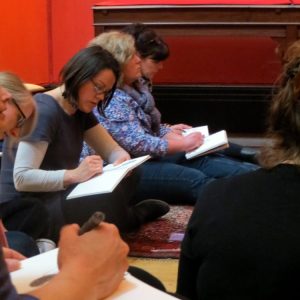
The session was facilitated by Paula Briggs and Sheila Ceccarelli from AccessArt and Kate Noble from the Fitzwilliam Museum, Cambridge.
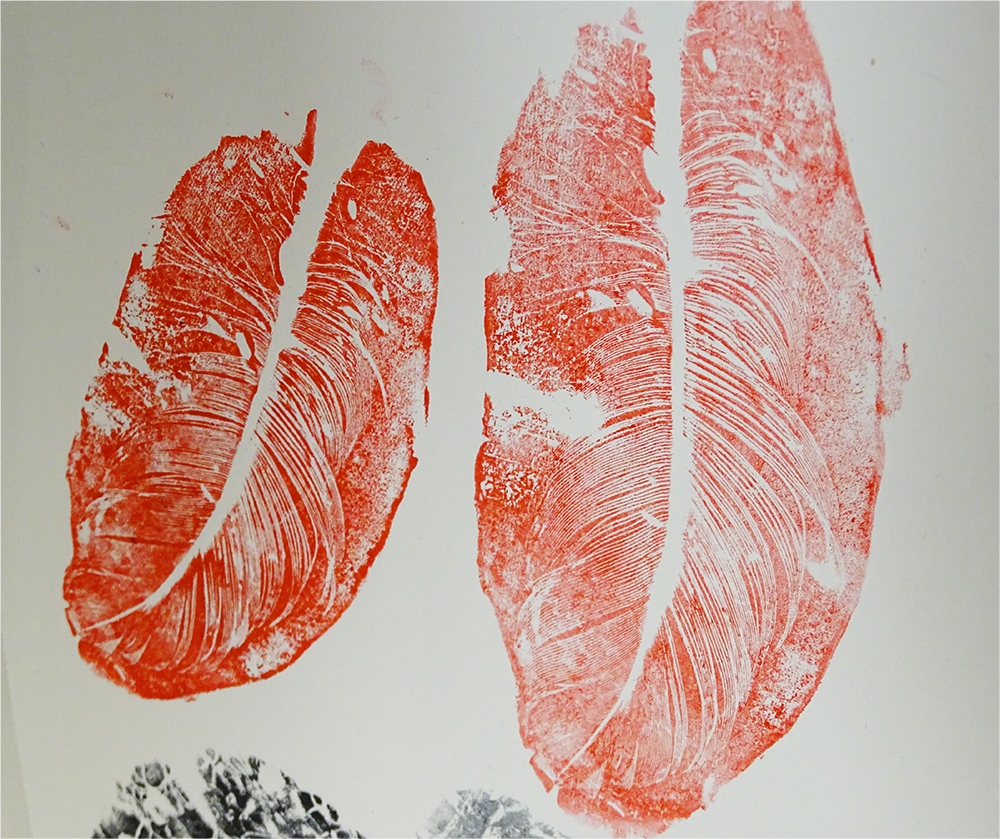
Printing with Plasticine
Following on from exploring Monoprinting, teachers enjoyed the change in scale, back down to a more intimate process. Like Monoprinting, this session relied on an openness to experiment and a ‘trial and error’ approach, to find how to get the best results.
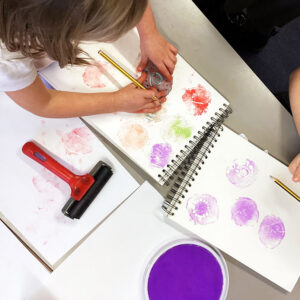
Using plasticine and ink pads, this technique was explored as an accessible and clean printmaking approach, easy to take into the classroom with small groups of children and highly suitable for those working in SEND.
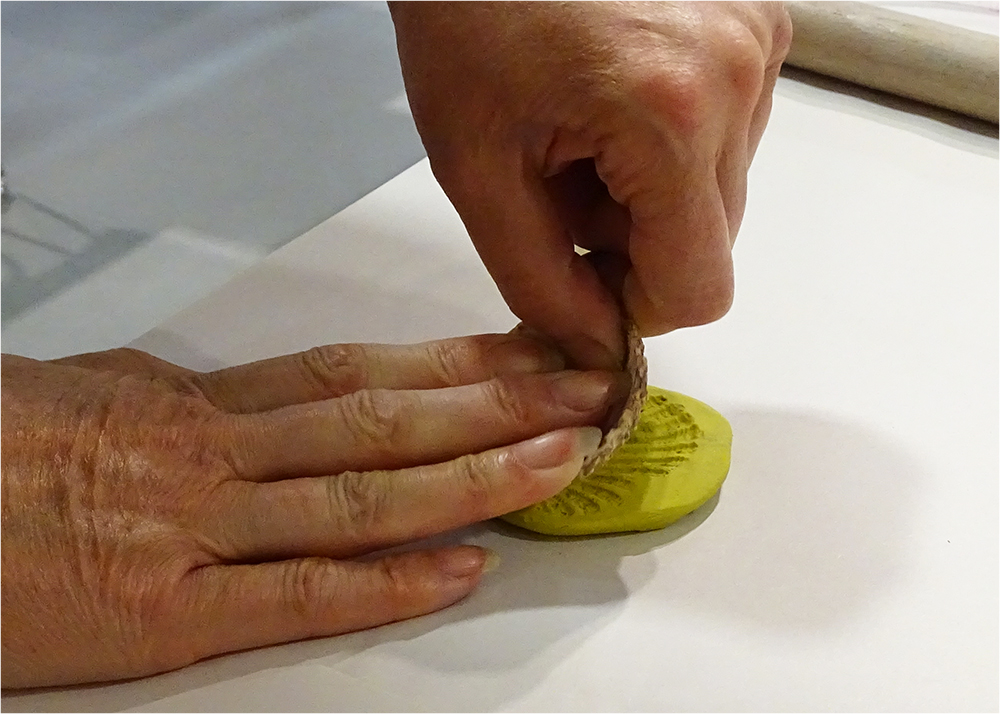
Start by pushing an object into the plasticine.
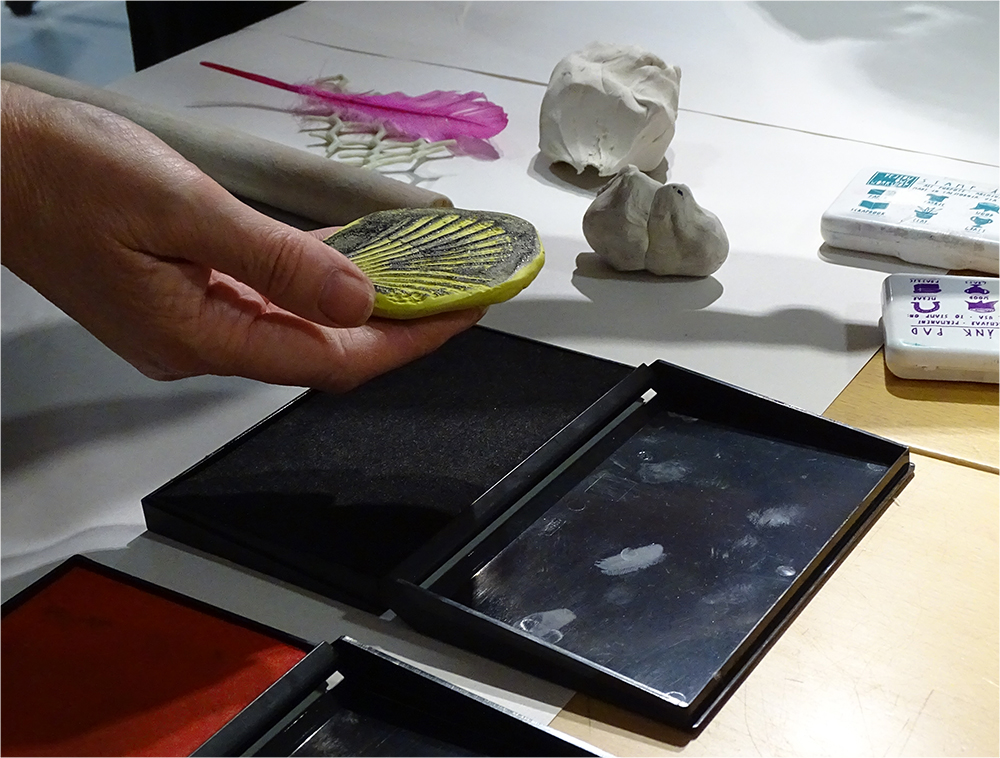
Follow on by pressing the plasticine onto an Ink pad.
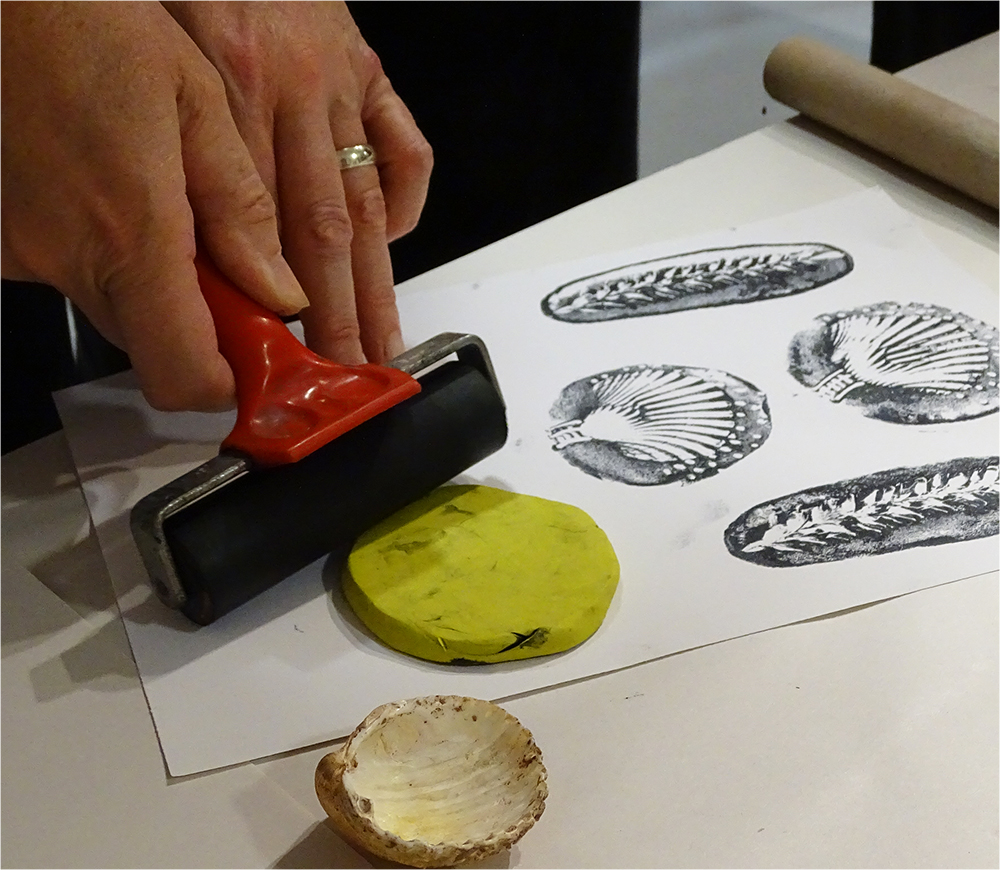
Place the plasticine down onto the paper and use a roller to apply pressure.
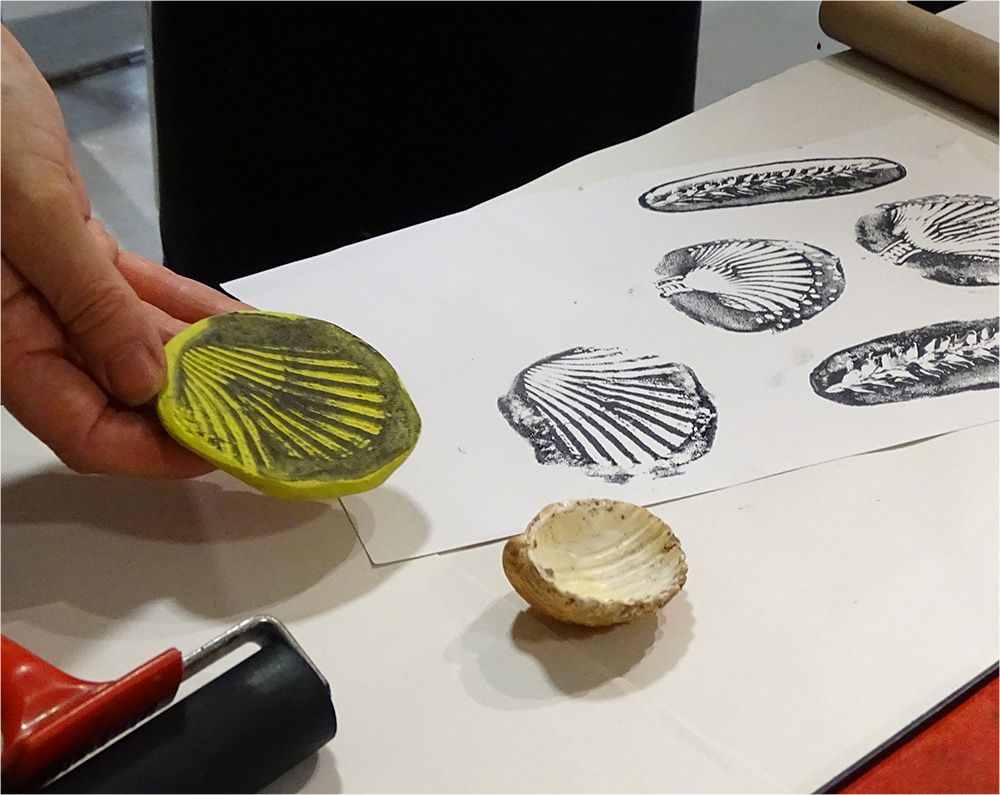
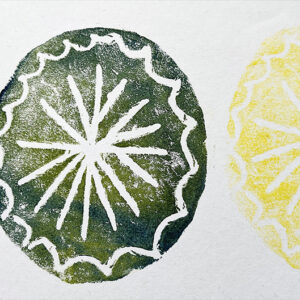
Reveal the print!
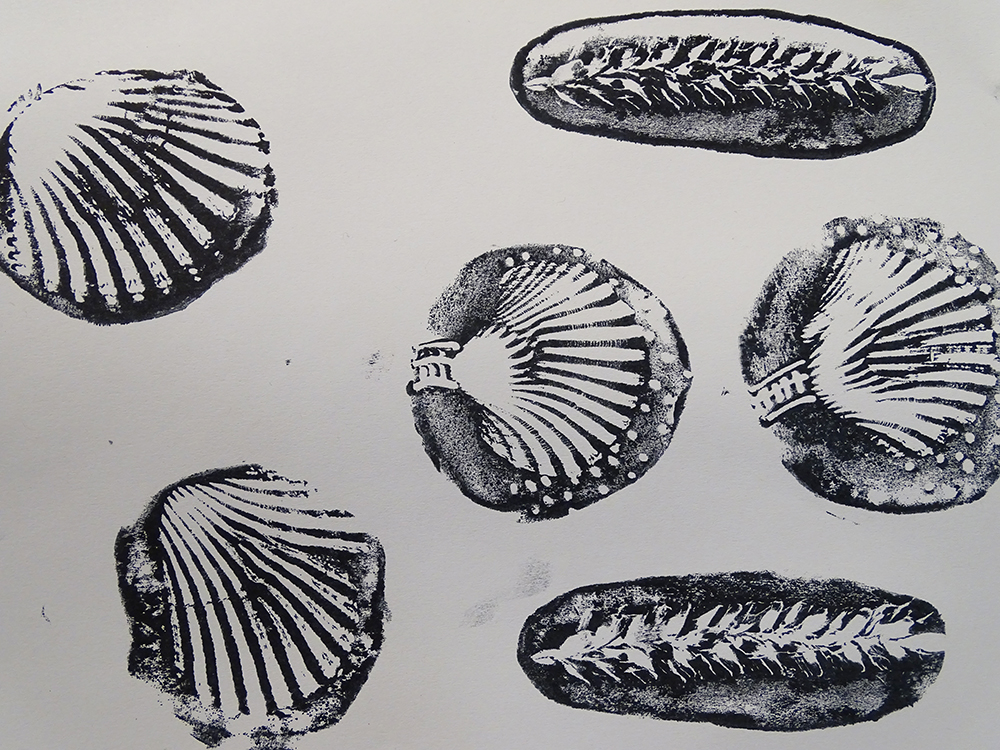
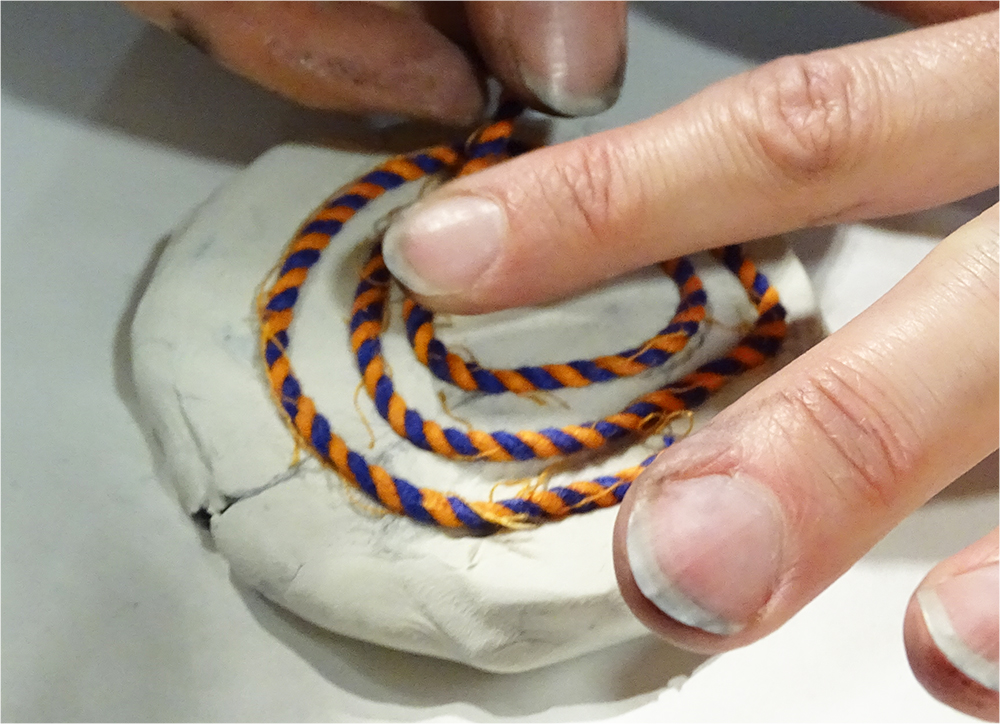
You can experiment with objects like string…
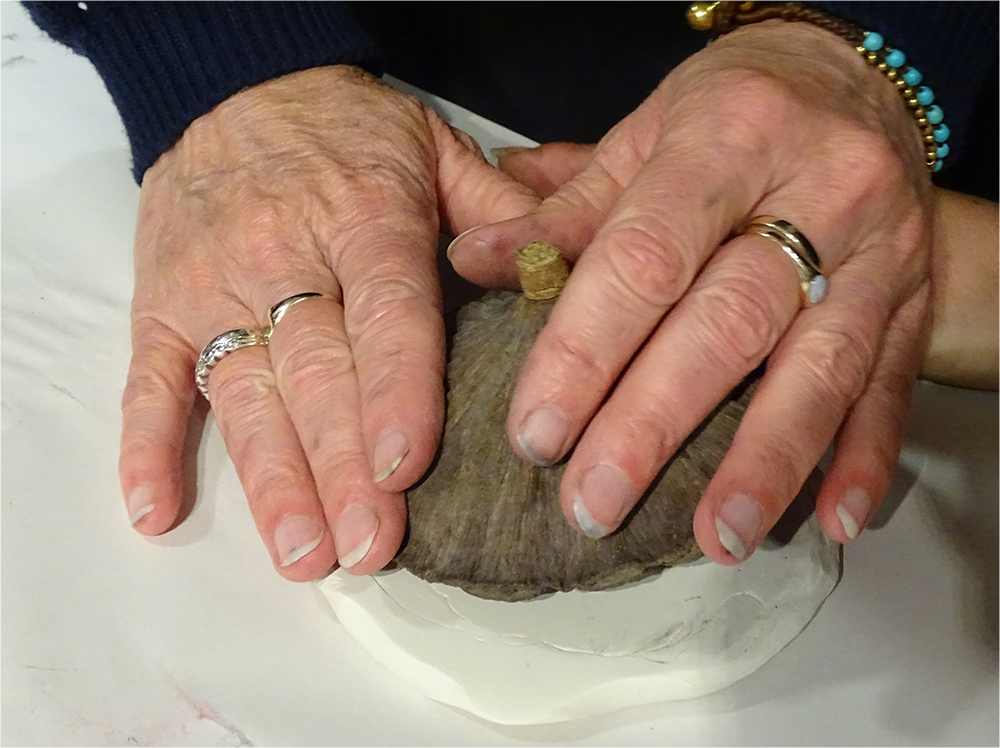
Or seed heads and plants!
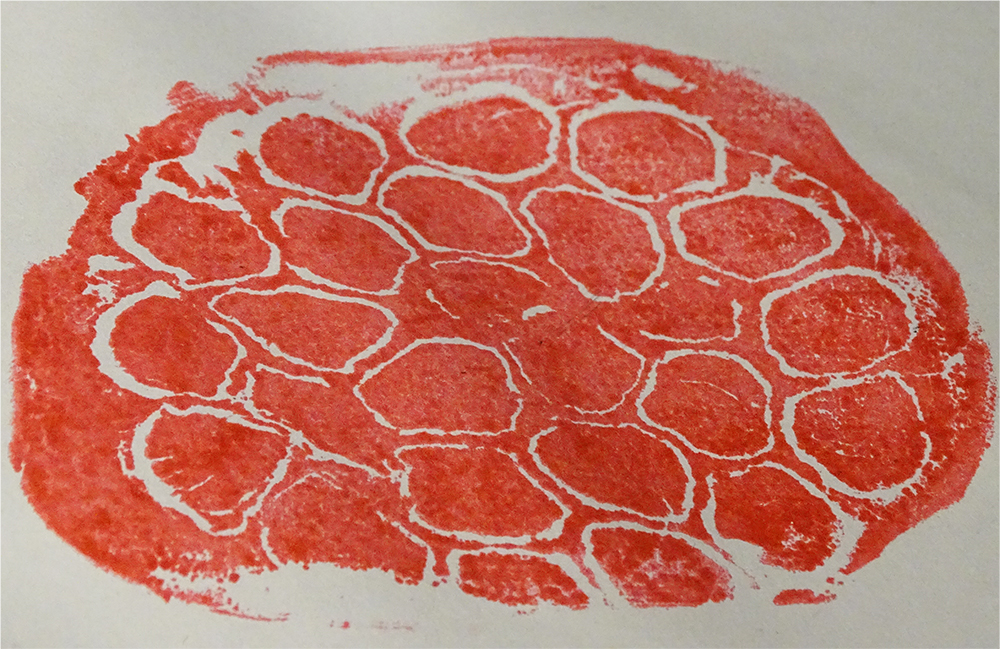
Mould the plasticine into different shapes.
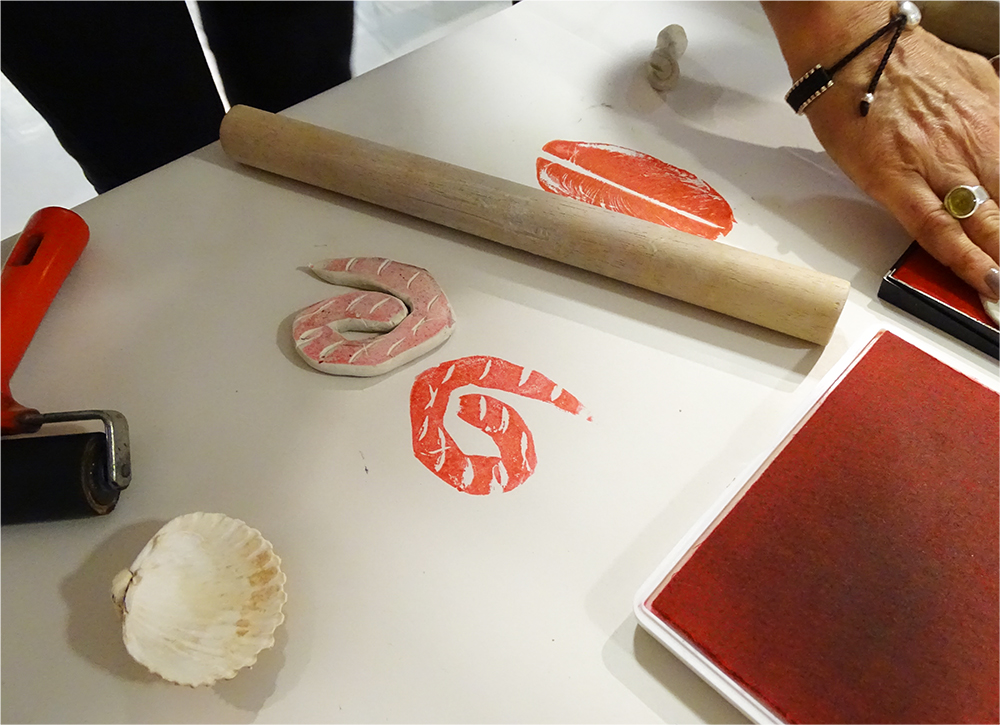
Layer the prints over each other and experiment with different coloured ink pads.
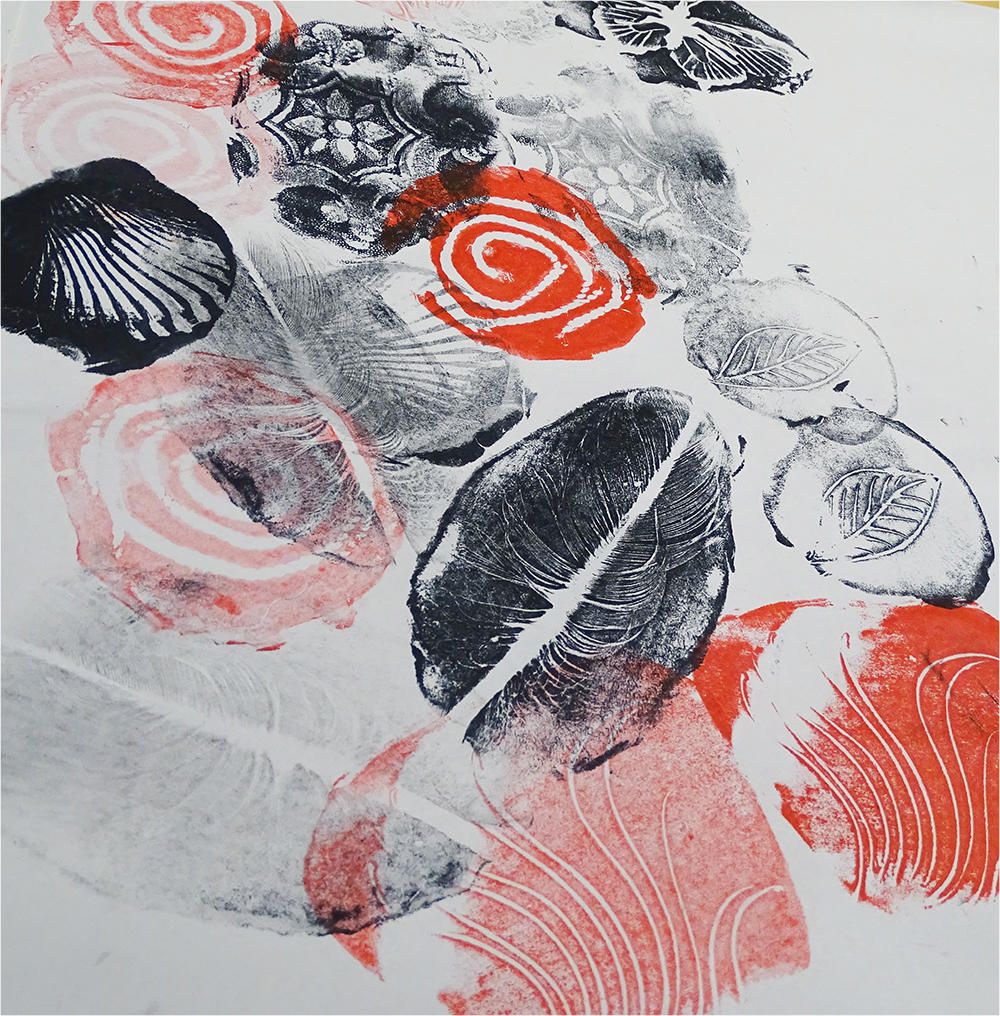
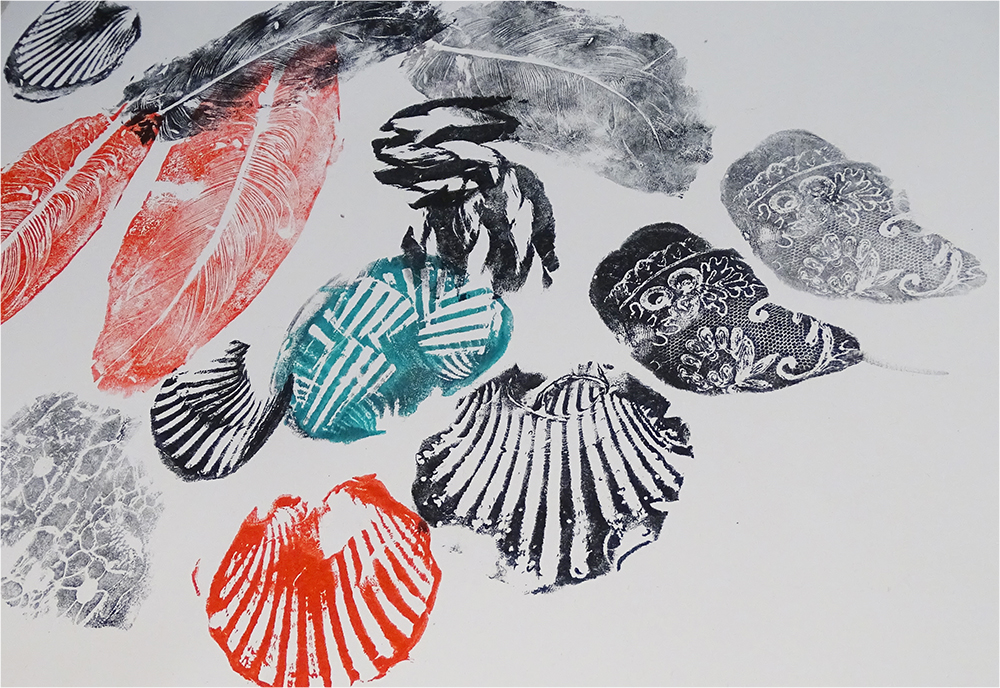
Many thanks to the teachers who participated in this InSET training session for sharing their ideas and processes with AccessArt and the Fitzwilliam Museum, Cambridge.
Many thanks to Ruth Purdy for her work with SEND and for sharing this process with AccessArt.
Photographs by Paula Briggs.
UK Charity AccessArt created this resource in collaboration with the Fitzwilliam Museum, Cambridge.
This is a sample of a resource created by UK Charity AccessArt. We have over 1500 resources to help develop and inspire your creative thinking, practice and teaching.
AccessArt welcomes artists, educators, teachers and parents both in the UK and overseas.
We believe everyone has the right to be creative and by working together and sharing ideas we can enable everyone to reach their creative potential.
See This Resource Used In Schools...
You May Also Like....
PRINTING PROCESSES USING EVERYDAY MATERIALS
TEACHERS EXPLORE ‘LINE AND SHAPE’ AT THE FITZWILLIAM MUSEUM
Susan McKay
March 4, 2022 @ 12:23 pm
Do you clean the plasticine after printing?
Can you use the plasticine again?
And if you can clean it what do you use?
Paula
March 18, 2022 @ 7:02 am
you can always just take an extra “print” from the plasticine to take off excess ink and then wipe it with wet paper towel (assuming ink is water based). Then roll the plasticine in your hand as you would to model with it to freshen it for the next print.
Patrique MAURY
December 31, 2023 @ 8:09 pm
Bonjour, Faut-il précisément de la PLASTICINE pour réaliser les tampons, ou une simple pâte à modeler enfantine suffit ?? Merci.
Rachel
January 8, 2024 @ 2:15 pm
Hi Patrique, you’ll probably find plasticine is best as it has a firmer structure than children’s modelling clay. You could try them both out yourself first to see and then make a decision? Hope that helps!