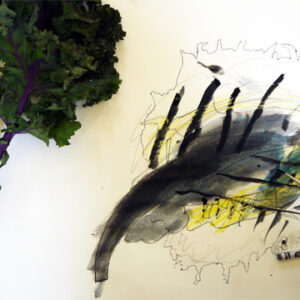
Through drawing we learn to look.
Through drawing we learn to explore.
Through drawing we build our understanding.
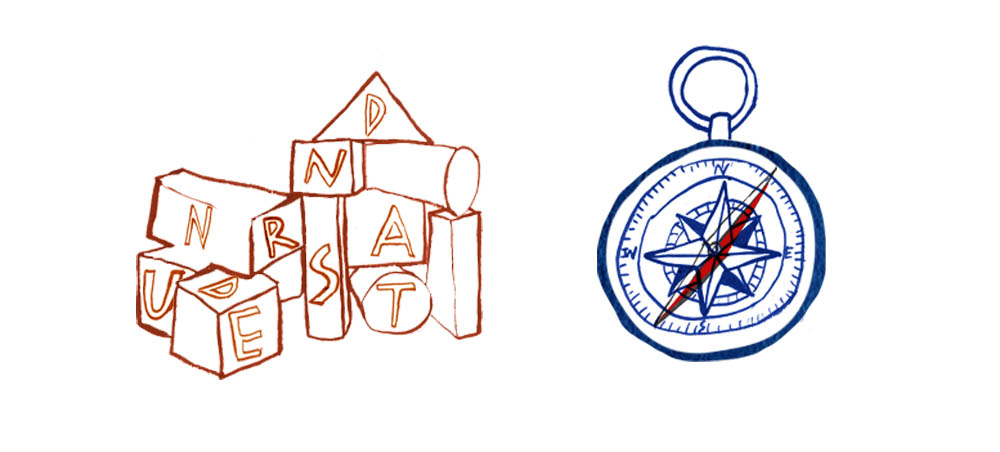
Through drawing we communicate our ideas.
Through drawing we express and share our emotions.
Drawing might be an end in itself, or it might be a starting point towards other creative activities such as painting, sculpture, design and craft.
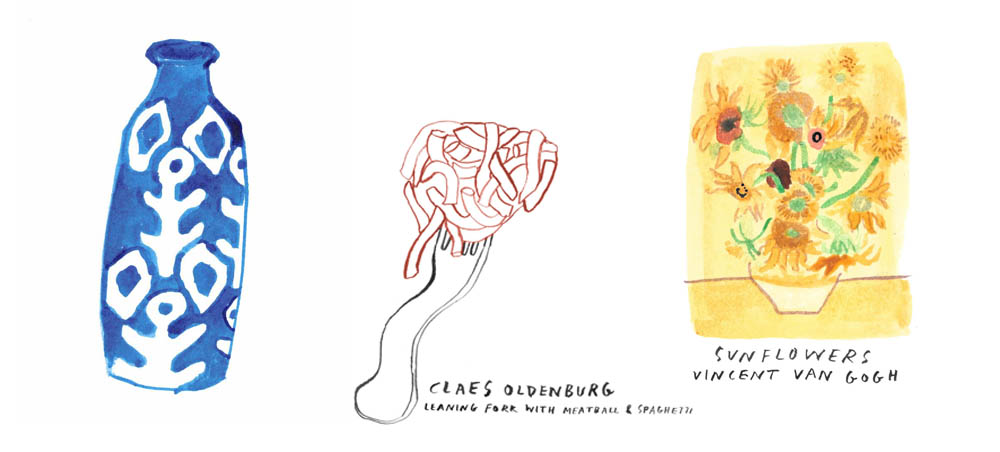
And just as importantly, drawing enables us to assimilate information relating to other curriculum areas too, such as science, history and geography.
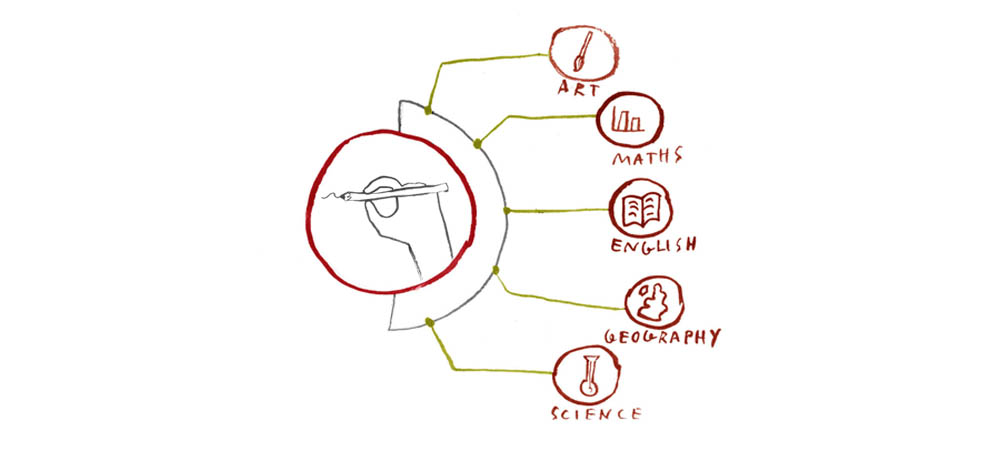
Our urge to draw is as old as we are. Unfortunately, all too often we get persuaded OUT of drawing. But by remembering that drawing serves many purposes, and can be many different things, we can make sure drawing remains useful and enjoyable to as many people as possible.
This is a sample of a resource created by UK Charity AccessArt. We have over 1500 resources to help develop and inspire your creative thinking, practice and teaching.
AccessArt welcomes artists, educators, teachers and parents both in the UK and overseas.
We believe everyone has the right to be creative and by working together and sharing ideas we can enable everyone to reach their creative potential.
What We Like About This Resource…
“This is a great activity for really tuning into colour and shape. The process is ultimately quite a refined one (ie making a pattern balanced and repeated ‘correctly’) – but there’s plenty of scope for exploring pattern in a more experiential way prior to the refinement page. Try one of the recommended resources below to introduce pattern and begin with some open ended activities to build skill and confidence.” – Andrea, AccessArt
You Might Also Like…
Pathway: Exploring pattern
Talking points: Andy Gilmore
talking points: Louise Despont
Inspired by Rachel Parker
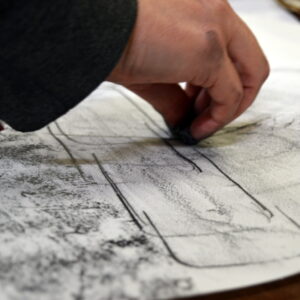
Teachers Explore Pattern, Shape and Texture
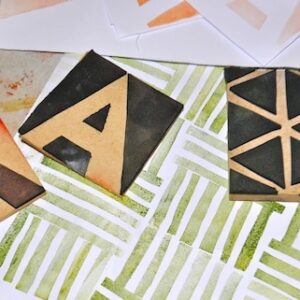
Block Printing Repeat Patterns
You Might Also Like…
Pathway: Music and art
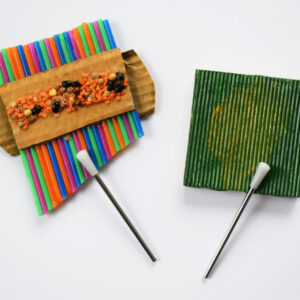
Pathway: Playful Making
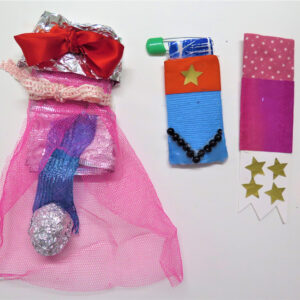
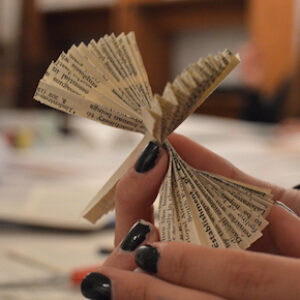
Manipulating Paper
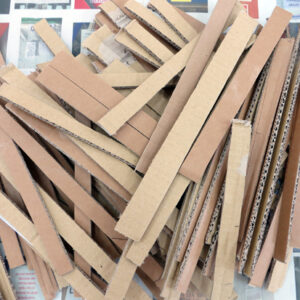
Cardboard Sculptures
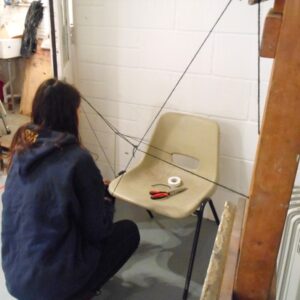
The Chair and Me
What We Like About This Resource….
Working collaboratively towards a shared aim provides an alternative experience to working on individual projects. Creating together encourages listening, peer feedback and creative problem solving – all of which are hugely valuable in all areas of education” – Rachel, AccessArt
You May Also Like….
What We Like About This Resource….
“The life of Madge Gill that Sophie Dutton recounts here gives us real insight into the challenges that Madge Gill experienced, and how these challenges would have been common among women at the time. When we study the work of Artists, it adds a rich context to our experience of their work to consider their personal history, and helps us ask questions like ‘why do you think the Artist painted in this way or was inspired by this subject matter?’ If you introduce your class to Madge Gill, begin with looking back over her younger life to try and better understand her motivations as an Artist” – Rachel, AccessArt
You May Also Like….
See This Resource Used in a Pathway…
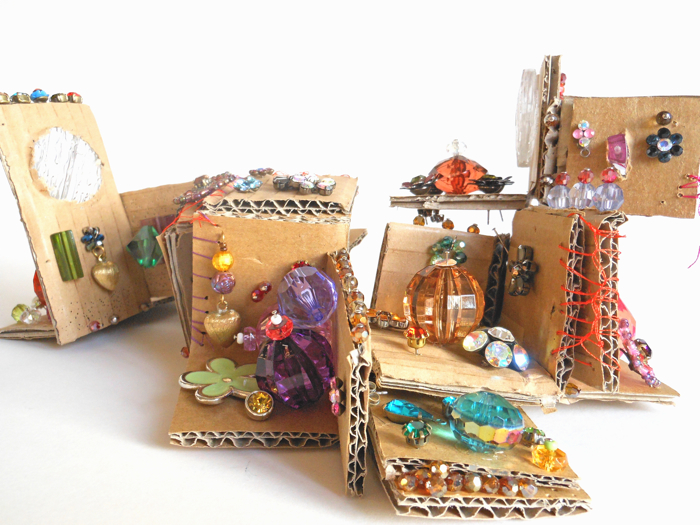
Transforming Materials into Sculpture
This pathway shares how teachers might take inspiration from El Anatsui and encourage pupils to think how they might disassemble objects around them to transform them into sculptural pieces. Read More.
You May Also Like…
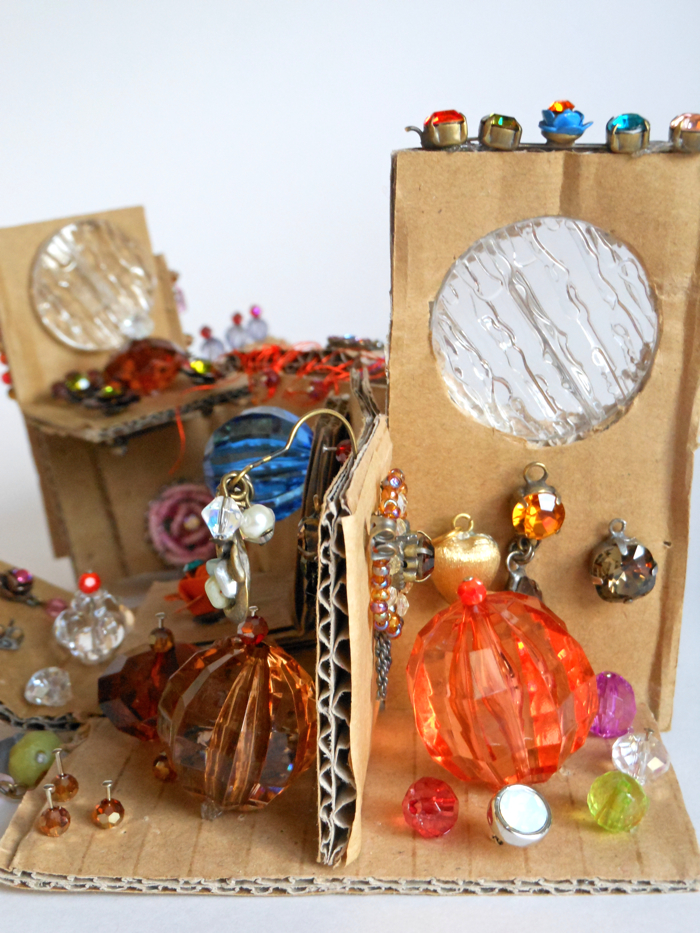
Transforming Cardboard with Andrea Butler
Artist Andrea Butler shows how to explore simple design and construction using cardboard and jewellery. Read More
What We Like About This Resource….
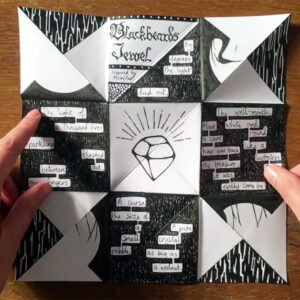
“This activity is a great example of how we can use paper as the focus of creativity. Often we use paper purely for drawing or painting on, but here, it is central to the activity itself. While these particular folded sculptures have their roots in Turkish culture, you could still deliver the activity if looking at things like Origami too, thus linking it across different cultures” – Rachel, AccessArt
You Might Also Like….
Puzzle Purses Part 1
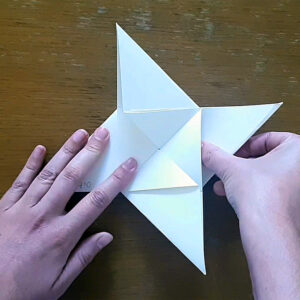
Puzzle Purses Part 2
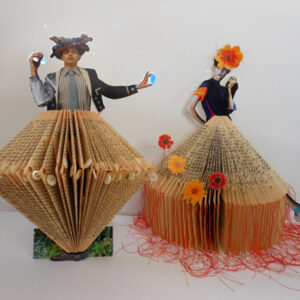
Paperback Figures
What We Like About This Resource….
“It’s really interesting to hear how the interest Liz has in the quality of light comes from a personal place and is something she has responded to since childhood. Seeing how her work has developed over the years is therefore a really positive re enforcement that individual creative journeys, where nurtured, are so central to a rich arts education. We also love hearing Liz is always on the ‘quest for knowledge’ – meaning she is open to her ideas constantly evolving and the process of gathering new information and inspiration never stops!” – Rachel, AccessArt
You May Also Like…
Pathway: Brave Colour
using sketchbooks to make visual notes
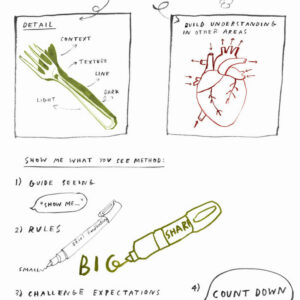
Show me what you see
Lightbulb Art

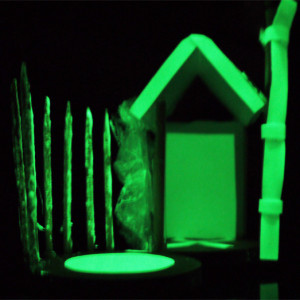
Mini World Light Boxes
Visual Arts Planning: LIght and Dark
What We Like About This Resource….
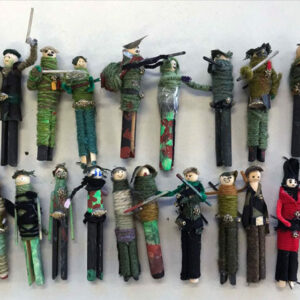
“This project links poignant subject matter with meaningful art processes and local history. What we learn about the re purposing of materials, (in this case spent ammunition) re affirms how we can use what is around us as a starting point to making and creating. You could extend or adapt this project by looking at broken pottery, re purposing that into new sculptures that link with Roman or other local historical cultures” – Rachel, AccessArt
You May Also Like….
What We Like About This Resource….
“We really enjoyed reading about the process of creating art work according to a design brief and how the experience of this differs to when an artist begins with their own idea or concept. That’s not to say an artist can’t approach a brief with their own individual style and ideas, but what this post shows us is that there can be a balance between the two. This would be a great resource to show older KS pupils who may be beginning to consider their options beyond Primary School”. – Rachel, AccessArt
You Might Also Like….
Pathway: 2D Drawing to 3D Making
Talking Points: Packaging Design
What is Typography
Which Artist: Rachel Parker
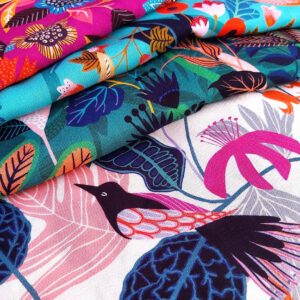
Repeating Patterns
Block Printing Repeat Patterns
What We Like About This Resource….
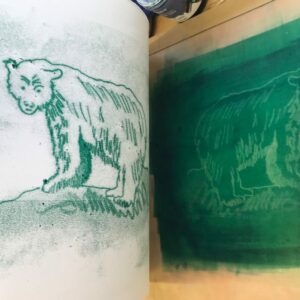
“It’s interesting to hear Theresa describe Printmaking as a social activity, with the shared use of materials and equipment so central to the practice. This could be a positive way of working for lots of children in school, where instead of just working on individual art work, they can collaborate and embrace the creative sharing experience!” – Tobi, AccessArt.
You Might Also Like….

See the Resource Used in Schools…
What We Like About This Resource….
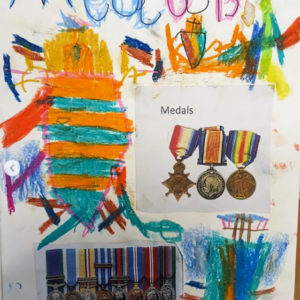
“The sentiment behind this resource idea is lovely and it provides an opportunity to really develop some fine motor skills as well as independence of approach. Taking ownership of the medal design means the sense of achievement is heightened beyond the children just being given one. You can really imagine the positive energy that would surround this activity within a classroom, with each child working on a shared project but embarking on their own creative journey.” – Rachel, AccessArt
You May Also Like….
Pathway: Playful Making
Talking Points: Introduction to sculpture
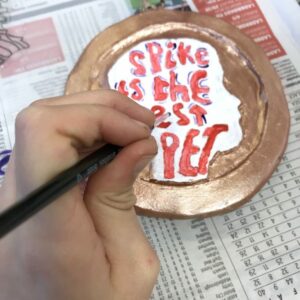
Clay Art Medals
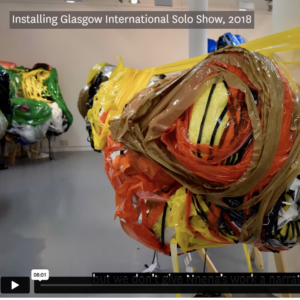
Talking Points: Nnena Kalu
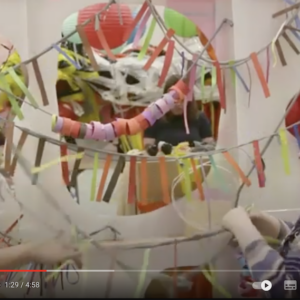
Talking Points: Linda BEll
What We Like About This Resource….
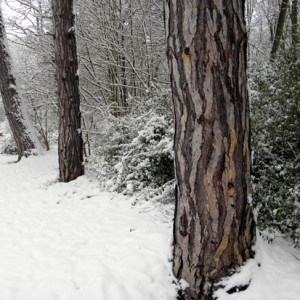
“You can get a real sense of the environment in this post and how this could provide so much inspiration for creative projects. We are aware there the challenges to exploring the outdoors when many schools are in towns and cities. A way around this could be to have a regular collection of natural objects within the classroom and using them as a stimulus to respond creatively in sketchbooks or in extended projects” – Andrea, AccessArt
You Might Also Like….
What We Like About This Resource….
“It’s always so inspiring to hear how different artists work and we particularly like the detailed references Jake makes to his process – marking out the composition using neutral tones; adding and taking away compositional elements and gradually building in more colour and detail. Delivering a still life session in a classroom could begin with this process and encourage the practice of looking at positive and negative space. Some suggested resources below also touch on this”. – Rachel, AccessArt
You Might Also Like….
What We Like About This Resource….
“It’s really interesting to hear how Su’s career path evolved organically, and how experimenting with different disciplines such as ceramics and sculpture whilst studying Textiles at the RCA began her journey towards paper craft and books. We really like how the small book sculptures inspired the larger scale set designs for The Snow Queen. They transfer so effectively to the stage and you can imagine how engaging it would be for a young audience to recognise letters and words on lampposts and other scenic elements”. – Rachel, AccessArt
You Might Also Like….
You May Also Like…
Pathway: Exploring Form Through Drawing
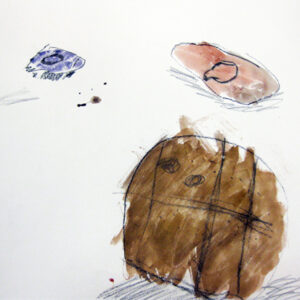
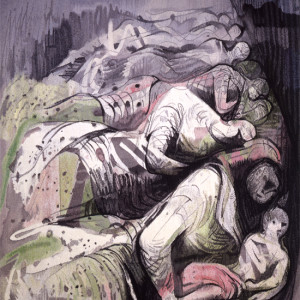
Watercolour Washes Inspired by the Tapestries of Henry Moore