Talking Points: What is a Cyanotype?

How can nature inspire creative processes as well as outcomes?
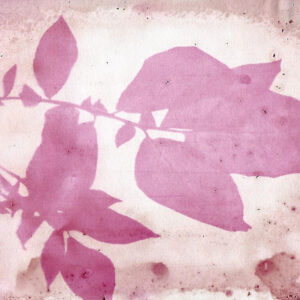
Cyanotype is one of the earliest photographic processes using sunlight to make an image through a chemical reaction. All kinds of objects can be captured using cyanotype, from natural materials to everyday household items, giving us lots of opportunities to experiment with shape, pattern and composition.
Watch the videos below to explore the cyanotype process and discover how sunlight can be used to make an image.
Please Note:
This page includes links and videos from external sites, verified at publication but subject to change.
Teachers should review all content for classroom suitability.
Report any issues, and check school firewall settings if videos don’t play.





What is a Cyanotype?
Cyanotype is a photographic process that produces a cyan (blue) print. The process involves coating a surface with a solution containing iron salts, which is then exposed to ultraviolet (UV) light. The surface is then washed in water, allowing the print to oxidise and develop its distinctive blue colour.
The process was developed in the 1800s and is still used today.
Explore the sources and images below to find out how cyanotypes can be used.
Fabric
Bound Books
This Talking Points Is Used In...
Pathway: using natural materials to make images
using sketchbooks to make visual notes
Show me what you see