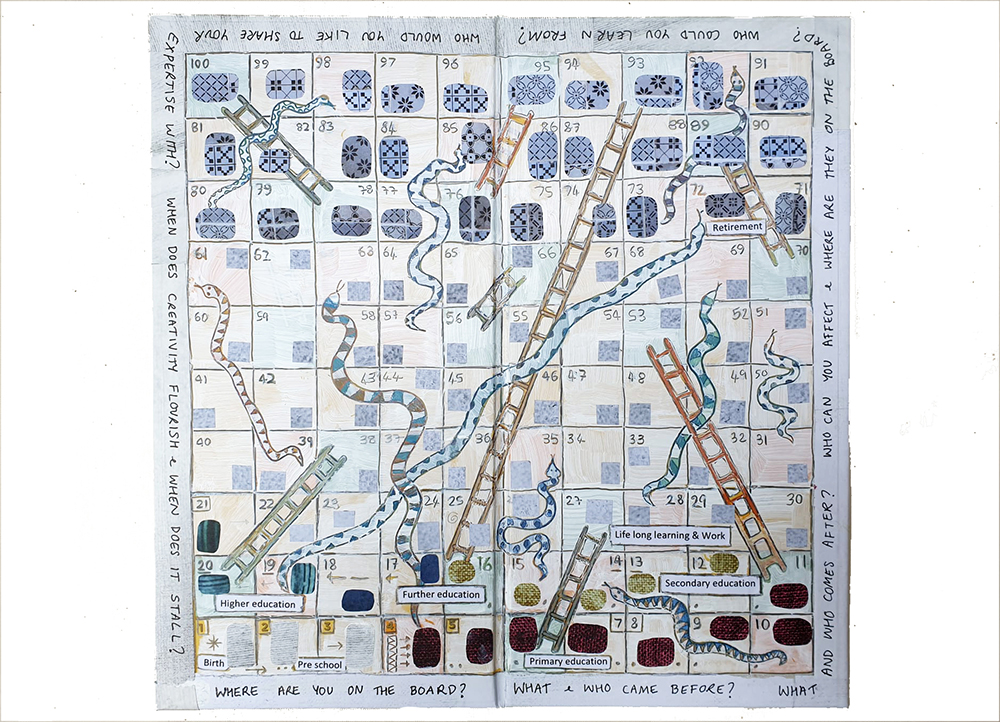
Snakes and Ladders, originally named Moksha Patam, is a game of sheer luck. But the historic version had its roots in morality lessons: the board represented a life journey complicated by virtues (ladders) and vices (snakes). The ladders represented “good karma” (destiny: generosity, faith and humility) and the snakes represented “kama” (desire: lust, anger, murder and theft).
Thinking about the board one day (through the lens which I look at lots of things through at the moment; that of trying to better understand how we can more effectively connect visual arts education from pre school, through to formal education, further and higher education, through to work and life long learning), it struck me that thing thing I had always missed about the board was the simplest thing, that it represented our journey in life from birth to death. Nicely dissected into even units, each year following the next, interrupted only by the fateful throws of the dice, and the things that help and hinder our progress.
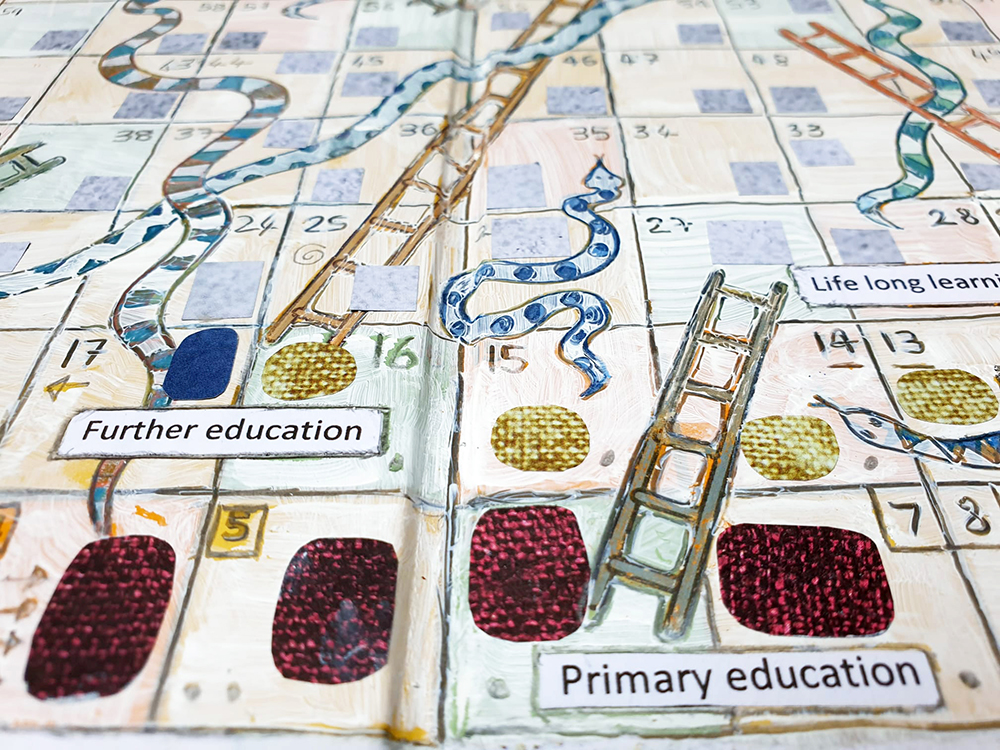
With rarely a week passing when we don’t hear someone refer to the “lost generation” – those whose lives have been temporarily put on hold because of Covid, it struck me, once I had plotted our education system (for those lucky enough) onto the board, that even if we don’t all reach the ripe old age of 100, the time we spend in education, which of course “maps” to the time we spend morphing from baby to adult, is actually a comparatively small amount of our total lifespan. It took the board to make me see this. If the years of 3 to 18, or 3 to 21 if we are really lucky, are the years we commit (as a society) to formal learning, what of the years that follows? If creativity is an essential part of our humanity, how do we nurture and enable creative growth in all individuals beyond their formal education?
A current mantra running through the work of AccessArt at the moment is open out and step back. Open out your thinking, check your preconceptions, look around, and drop back down with renewed focus. We need to be ambitious in our need to redefine lots of things at the moment: Big things like society and health care, and more precise things like currciulum. In all these areas we are best served, at this point, by opening out, looking up and around, and focussing back down. Without panic and without being defensive. Instead to do so in an expansive, joyful, and positive way.
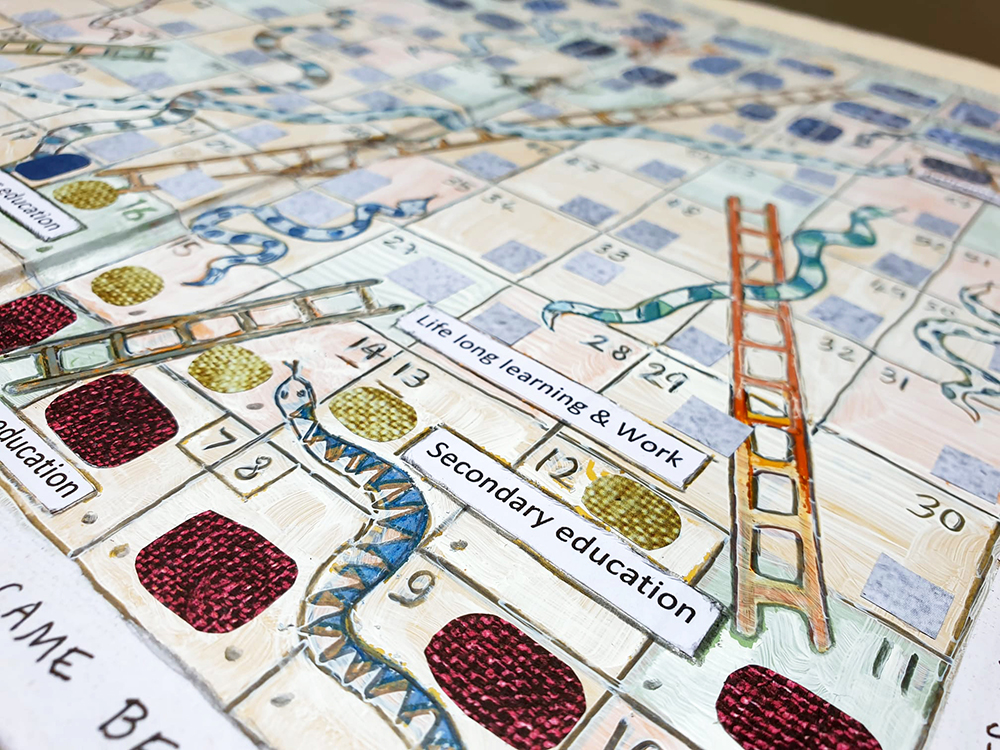
But the snakes and ladders board reminds us we are each units in a bigger picture, and our lives themselves are also split into units, and the gestures we make and the experiences we have are units too. Holding the smallness, the detail, and making small incremental changes on a personal level is perhaps how we make extraordinary changes on a societal level. How small does the unit or incremental change have to be to enable grassroots, accessible, but instrumental change? And how far do we have to look up, before we can clearly see a new vision for the way forward?
The board is finite, and to be blunt, so are our lives. Scattered with the things which help us flow forwards or stop us in our tracks, both the things we encounter, and the snakes and ladders we put in place for others to find.
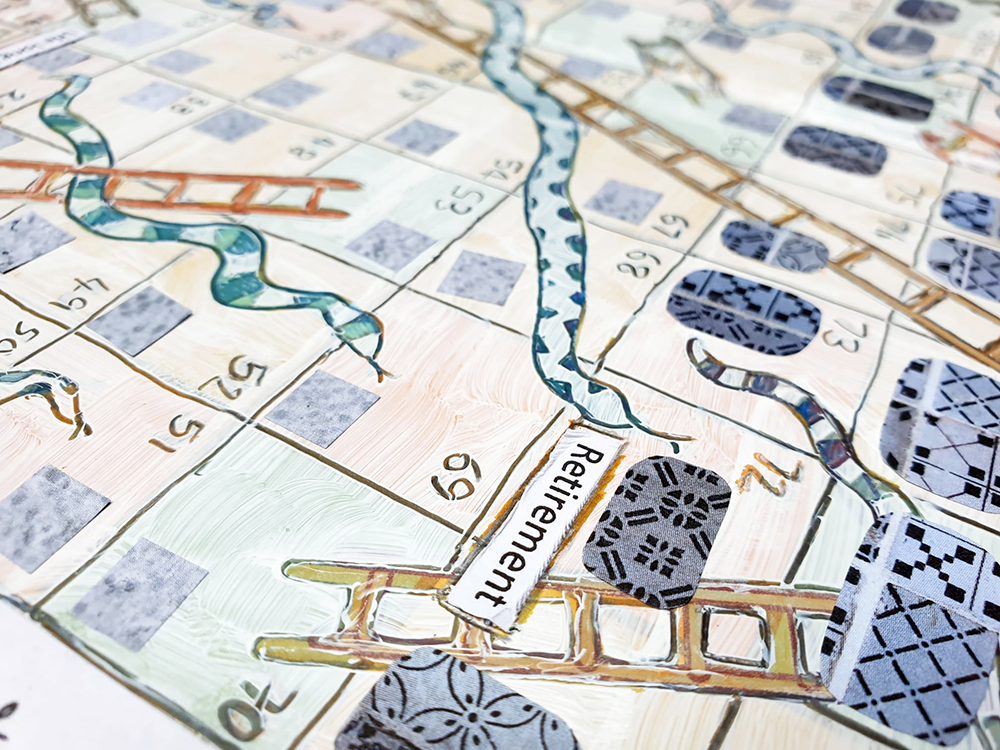
How can we all learn from each other? Here’s what the snakes and ladders board made me think. And you?
-
Where are you on the board? – Wake up!
-
What and who came before you? – Not just immediately, but years before. What stands out? What helped define you?
-
What and who comes after? – What’s ahead? What would you like to be ahead?
-
Who can you affect / inspire and where are they on the board? – Look around and not just at your neighbours. What do you have in common? What sets you apart?
-
Who could you learn from? – Which ages glow for you? Where is your heart?
-
Who would you like to share your expertise with? – Build ladders!
-
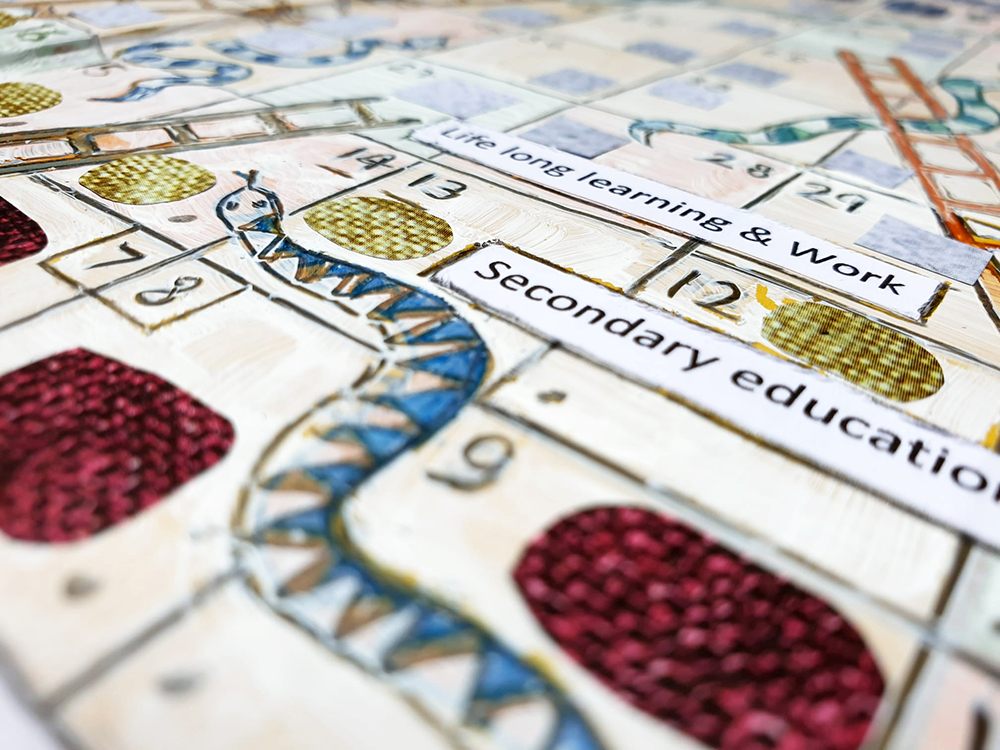
When does creativity flourish and when does it stall? – See the board as a whole journey. The ups and the downs. What does the journey feel like?
Paula Briggs
July 2021
This is a sample of a resource created by UK Charity AccessArt. We have over 850 resources to help develop and inspire your creative thinking, practice and teaching.
AccessArt welcomes artists, educators, teachers and parents both in the UK and overseas.
We believe everyone has the right to be creative and by working together and sharing ideas we can enable everyone to reach their creative potential.
See the Resource Used in Schools…
What We Like About This Resource….
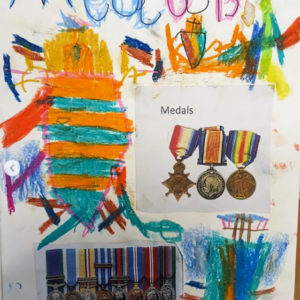
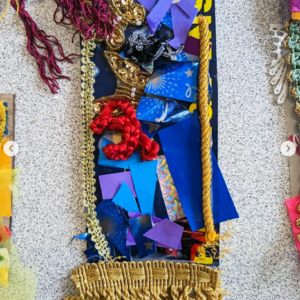
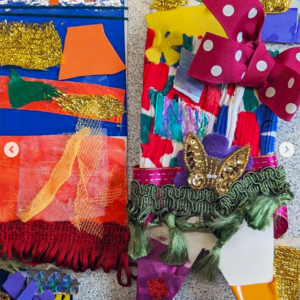
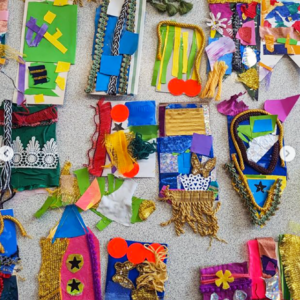
“The sentiment behind this resource idea is lovely and it provides an opportunity to really develop some fine motor skills as well as independence of approach. Taking ownership of the medal design means the sense of achievement is heightened beyond the children just being given one. You can really imagine the positive energy that would surround this activity within a classroom, with each child working on a shared project but embarking on their own creative journey.” – Rachel, AccessArt
You May Also Like….
Pathway: Playful Making
Talking Points: Introduction to sculpture
Clay Art Medals
Talking Points: Nnena Kalu
Talking Points: Linda BEll
What We Like About This Resource….
“It’s great to see music being explored in this way, and combining it with making creates a really interesting immersive project. This activity would work well as part of an extended project looking at musical instruments around the world and some of the natural materials they are made from.” – Rachel, AccessArt
You Might Also Like….
Pathway: Music and art
Talking Points: Linda BEll
Talking Points: Nnena Kalu
talking points: wassily Kandinsky
drawing source material: orchestras
A Cheerful Orchestra
What We Like About This Resource….
“You can get a real sense of the environment in this post and how this could provide so much inspiration for creative projects. We are aware there the challenges to exploring the outdoors when many schools are in towns and cities. A way around this could be to have a regular collection of natural objects within the classroom and using them as a stimulus to respond creatively in sketchbooks or in extended projects” – Andrea, AccessArt
You Might Also Like….
What We Like About This Resource….
“It’s always so inspiring to hear how different artists work and we particularly like the detailed references Jake makes to his process – marking out the composition using neutral tones; adding and taking away compositional elements and gradually building in more colour and detail. Delivering a still life session in a classroom could begin with this process and encourage the practice of looking at positive and negative space. Some suggested resources below also touch on this”. – Rachel, AccessArt
You Might Also Like….
What We Like About This Resource….
“It’s really interesting to hear how Su’s career path evolved organically, and how experimenting with different disciplines such as ceramics and sculpture whilst studying Textiles at the RCA began her journey towards paper craft and books. We really like how the small book sculptures inspired the larger scale set designs for The Snow Queen. They transfer so effectively to the stage and you can imagine how engaging it would be for a young audience to recognise letters and words on lampposts and other scenic elements”. – Rachel, AccessArt
You Might Also Like….
You May Also Like…
Pathway: Exploring Form Through Drawing
Watercolour Washes Inspired by the Tapestries of Henry Moore
What We Like About This Resource
“It’s really interesting to see the combination of hand and digital work in Rachel’s work, and particularly how her hand stitched embroidery is scanned before being used to create patterned products. We love that lots of Rachel’s work begins in sketchbooks and how this really underpins her creative process. For children in school, learning to utilise a sketchbook and discover their potential though drawing and mapping ideas is invaluable. We have a whole Sketchbook Journey section on the AccessArt website (linked below) which explores this in more detail”. – Rachel, AccessArt.
You Might Also Like….
Pathway: Exploring pattern
using sketchbooks to make visual notes
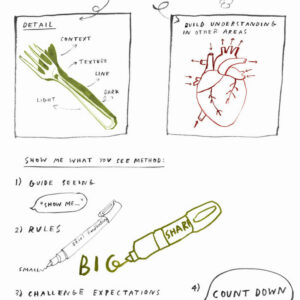
Show me what you see
Inspired by Rachel Parker
Sewn Treasure Box
Felt and Embroidery Sets
What We Like About This Resource….
“The sense of journey and feeling of movement is such an interesting part of Cas’ textile work here. We love how location and place is communicated through the variety of fluid and meandering textile marks used. Cas’ Romani background as well as early experience living in Japan make for a rich cultural backdrop to her work. The themes here could be explored in the classroom by asking children to use memories of places they’ve visited to produce a creative response using fabrics and mixed media” – Rachel, AccessArt
You Might Also Like….
What We Like About This Resource….
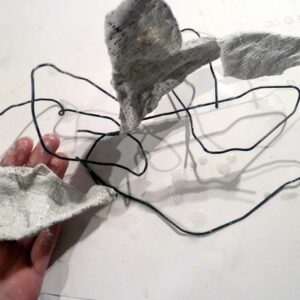
“It’s lovely to see a resource that centres on a particular material and the scope it offers. I particularly like how the dogwood is used here to make wooden beads. This idea could be developed further by looking at how wood has been used to make jewelry throughout history and within many different cultures.” – Rachel, AccessArt.
You Might Also Like….
What We Like About This Resource….
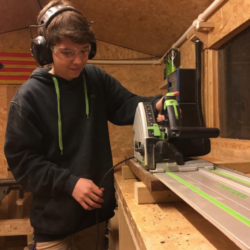
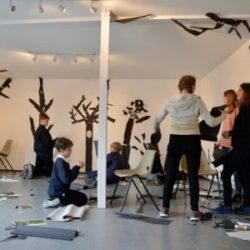
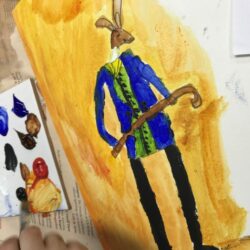
“It’s a really positive thing for an artist to share the concept of the creative journey. At AccessArt we believe journeys are pretty important and we are pleased to show this in action through Toby Pritchard’s post. We particularly like the anthropomorphic element, and how this really brings life to Toby’s work.” – Rachel, AccessArt
You May Also Like….
What We Like About This Resource….
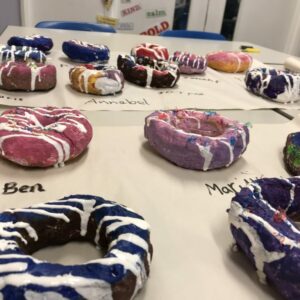
“There’s a really fun element to this activity which is you can imagine all children really enjoying! The idea of food on large scale is a great starter for a sculpture project and an early exploration of working in 3D. What’s really positive to see in this project is how the children used their sketchbooks to design their ice creams prior to working in 3D. They then had the opportunity to re visit and refine their ideas as they worked. This provides a sold foundation for the concept of design development and design through making- both of which underpin any visual arts or design project or profession. For more support on how to develop sketchbook practice in your setting please see our Sketchbook Journey” – Rachel, AccessArt
You Might Also Like….
What We Like About This Resource…
“We’re really grateful to Jake from Draw Brighton for sharing this activity which became so well received during lockdown 2020.
This is the perfect reminder that wherever we are in the digital or physical world, we have our eyes, hands and faces, and drawing provides a wonderful opportunity to come together in small groups to make sketches of each other. Use this activity as an ice breaker before a workshop, or as a transition activity between classes or events. Thank you Jake!” Paula, AccessArt
You Might Also Like…
Pathway: Exploring Identity
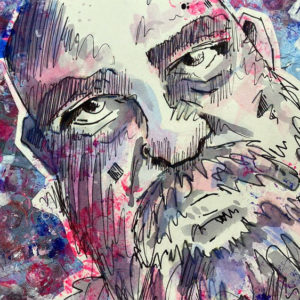
Talking Points: Njideka Akunyili Crosby
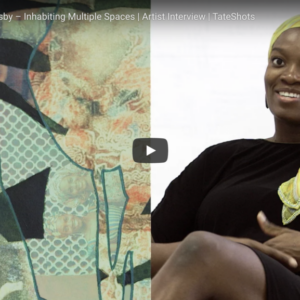
Making Physical or Digital Layered Portraits

Introduction to Portraits
Exploring Portraits in Graphite, Collage and Clay