Talking Points: Paul Nash


How can imagination play a part in landscape painting?
Paul Nash’s paintings reveal his way of transforming real places into strange worlds. His use of colour and dreamlike composition reflects his interest in nature, memory, and the impact of war on the environment. By exploring his landscapes, you can gain insight into his impact on modern British art.
Use the sources provided to explore Nash’s work, then discuss the questions that follow.
Please Note:
This page includes links and videos from external sites, verified at publication but subject to change.
Teachers should review all content for classroom suitability.
Report any issues, and check school firewall settings if videos don’t play.



Paul Nash
‘Paul Nash (11 May 1889 – 11 July 1946) was a British surrealist painter and war artist, as well as a photographer, writer and designer of applied art. Nash was among the most important landscape artists of the first half of the twentieth century. He played a key role in the development of Modernism in English art.
The artworks he produced during World War I are among the most iconic images of the conflict. Later in life, during World War II, he produced two series of anthropomorphic depictions of aircraft, before producing a number of landscapes rich in symbolism with an intense mystical quality.’ – Wikipedia
Show the whole video or select parts to watch in class, to discover Paul Nash’s love for landscape, his work as a war artist and his fascination with WWII planes later in life.
Landscape Paintings
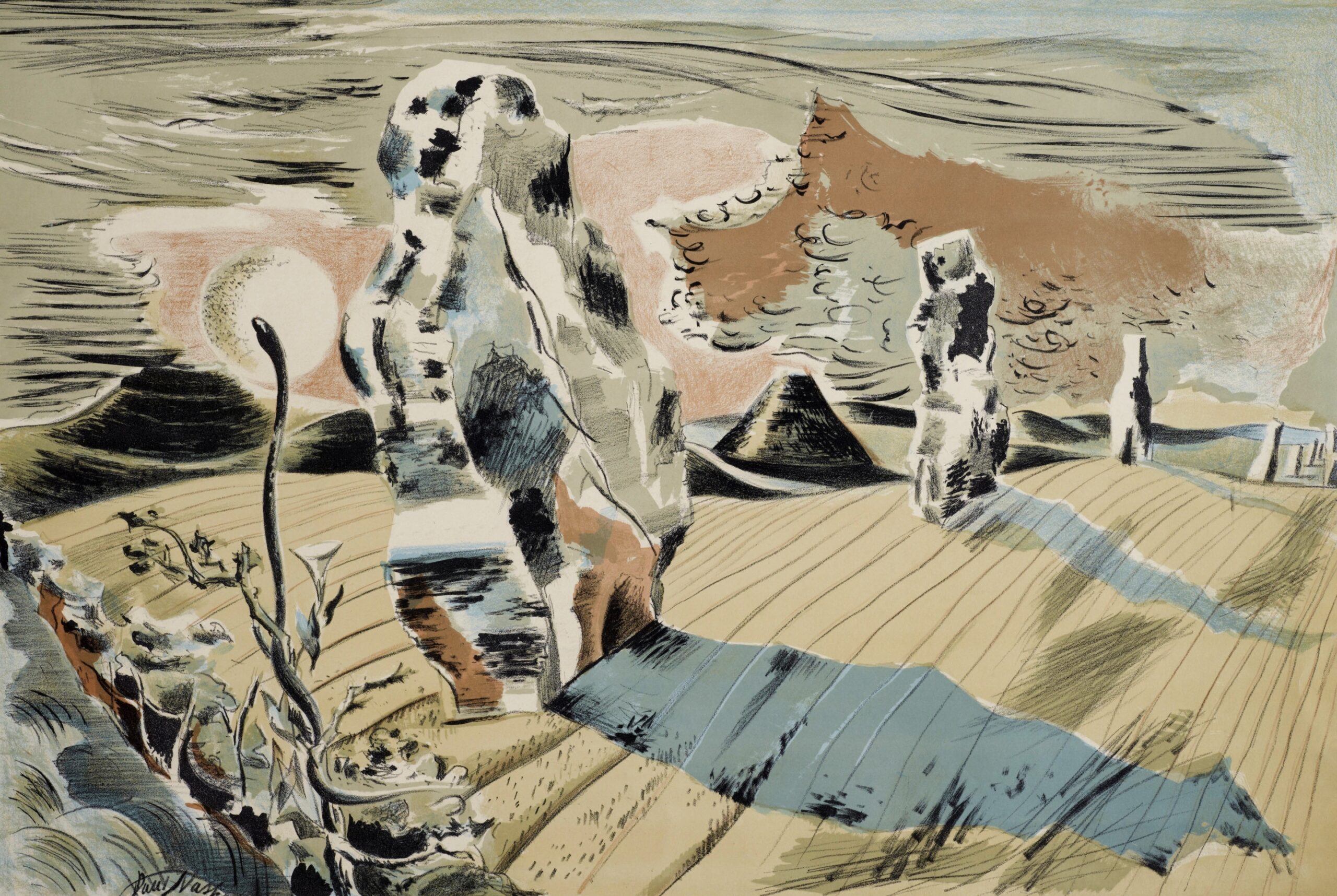
Avebury (1937) by Paul Nash. Original from The Museum of New Zealand. Digitally enhanced by rawpixel.
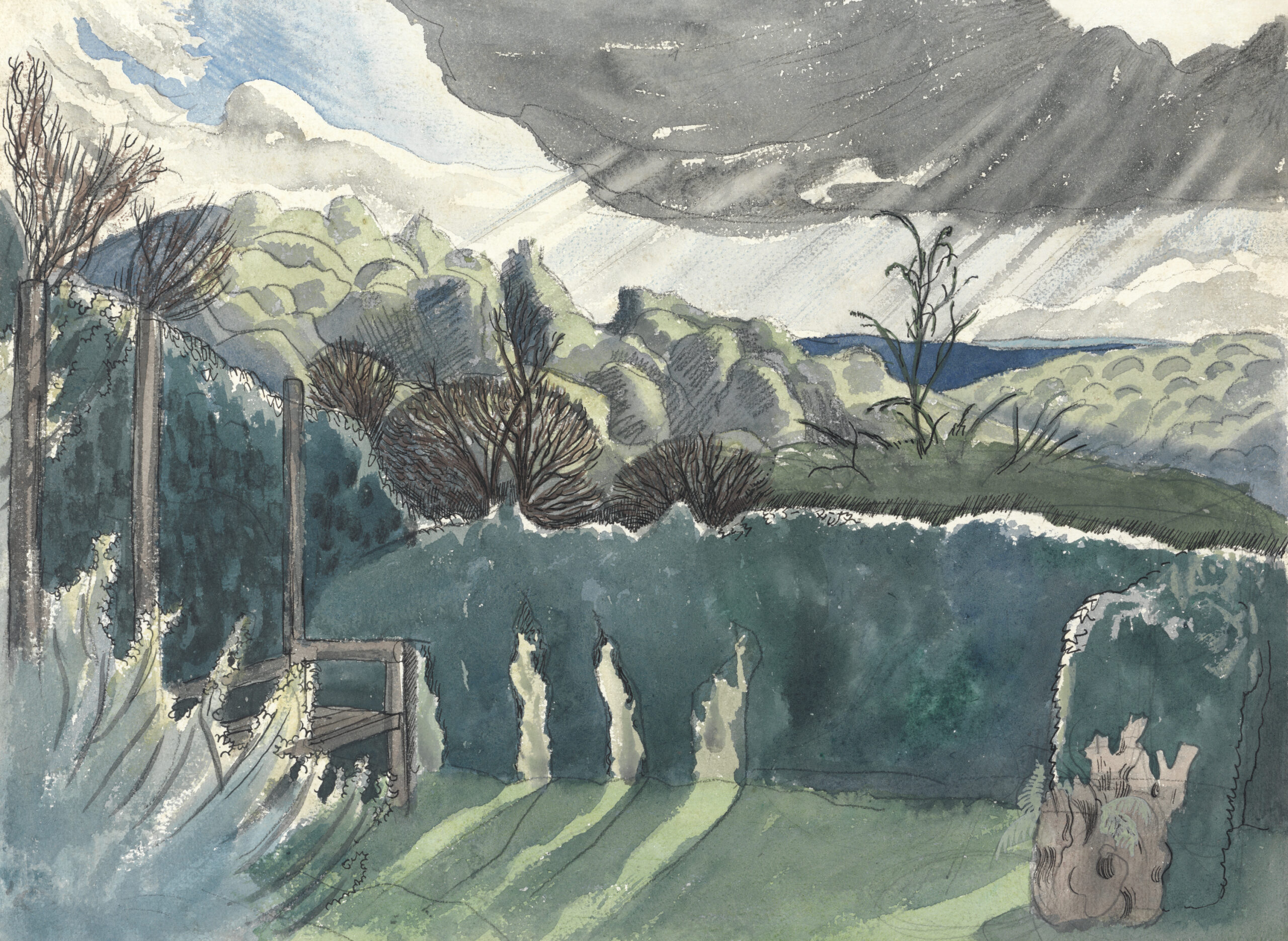
Landscape by Paul Nash. Original from The Yale University Art Gallery.
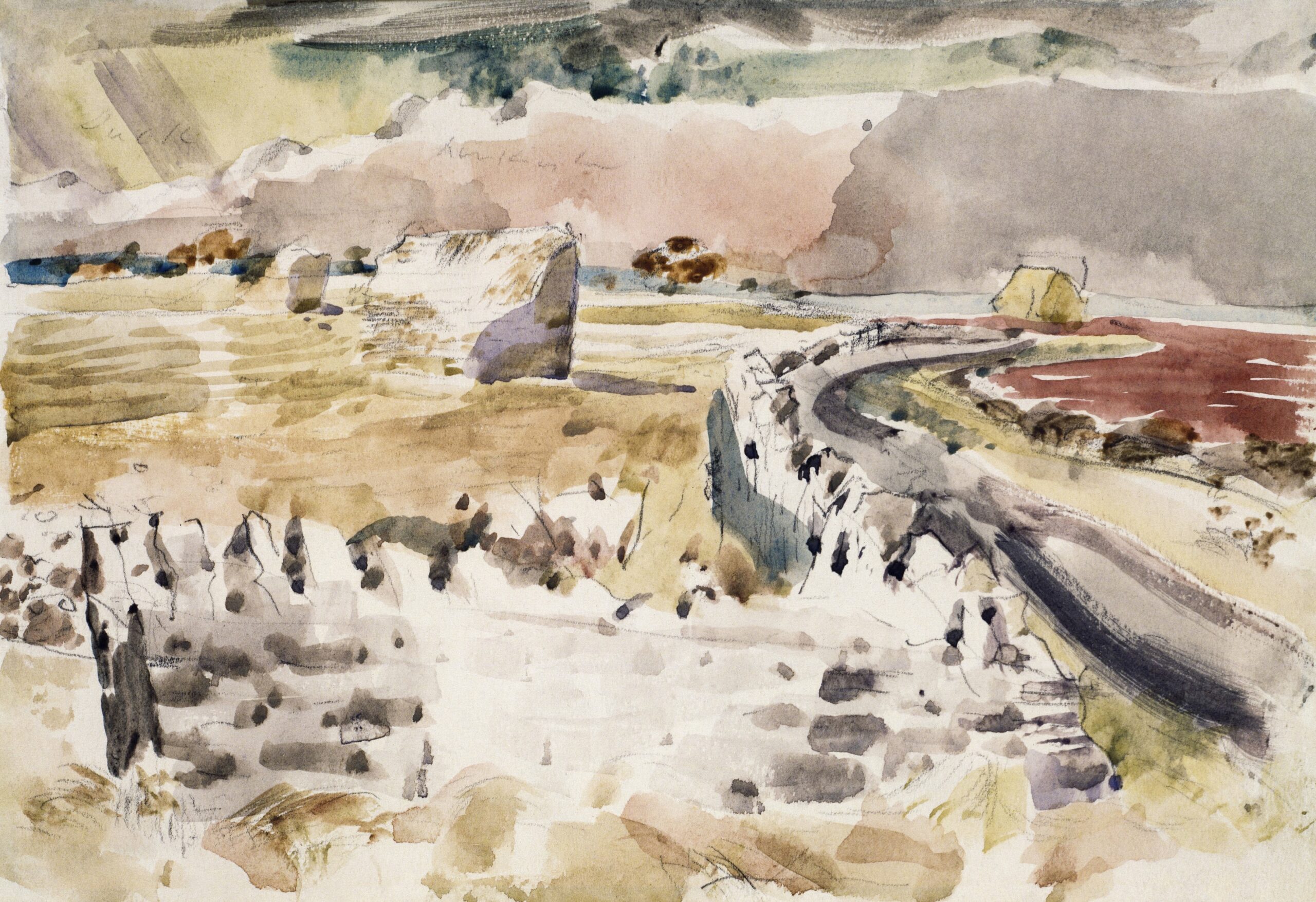
Oxfordshire Landscape (1944) painting in high resolution by Paul Nash. Original from The Birmingham Museum.
Questions to Ask Children
Describe what you can see.
How would you describe the marks in this painting?
How does light, shadow and colour impact the space and atmosphere?
Compare two paintings. What similarities and differences can you see?
How does this painting make you feel?
Which painting do you prefer? Why?
WWII Planes
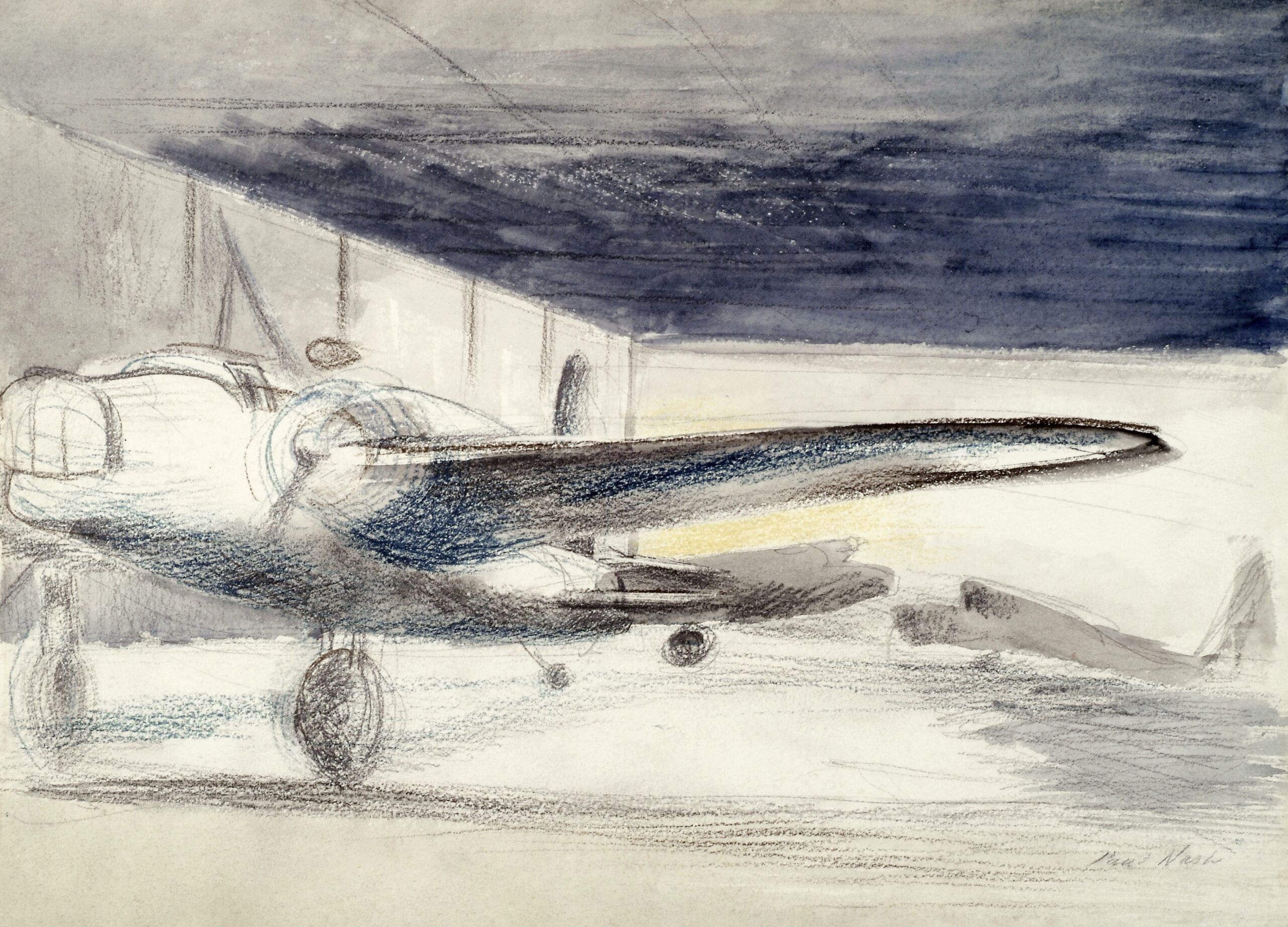
Bomber Lair (1940) painting in high resolution by Paul Nash. Original from The Birmingham Museum.
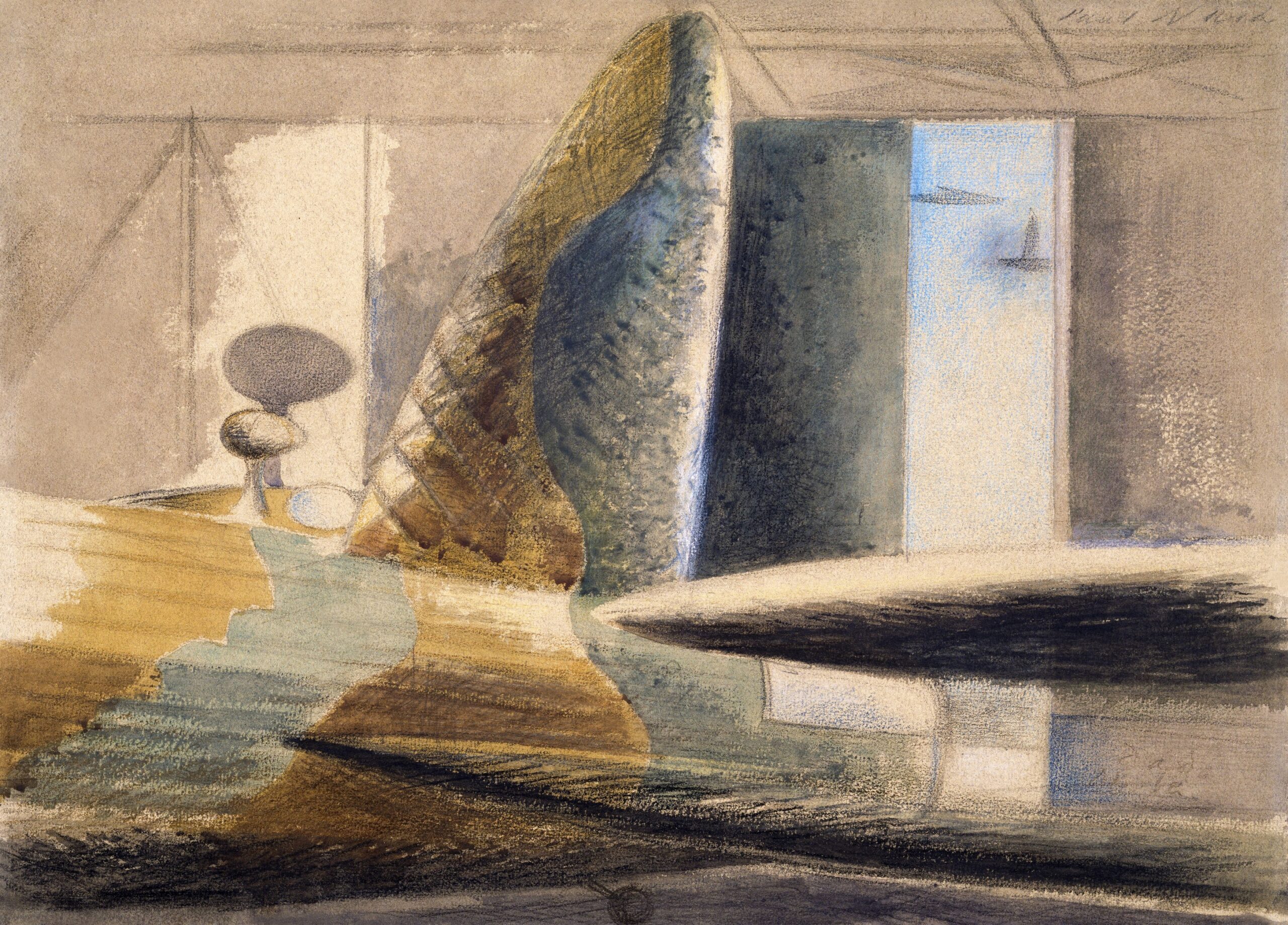
Bomber Lair–Egg and Fin (1940) painting in high resolution by Paul Nash. Original from The Birmingham Museum.
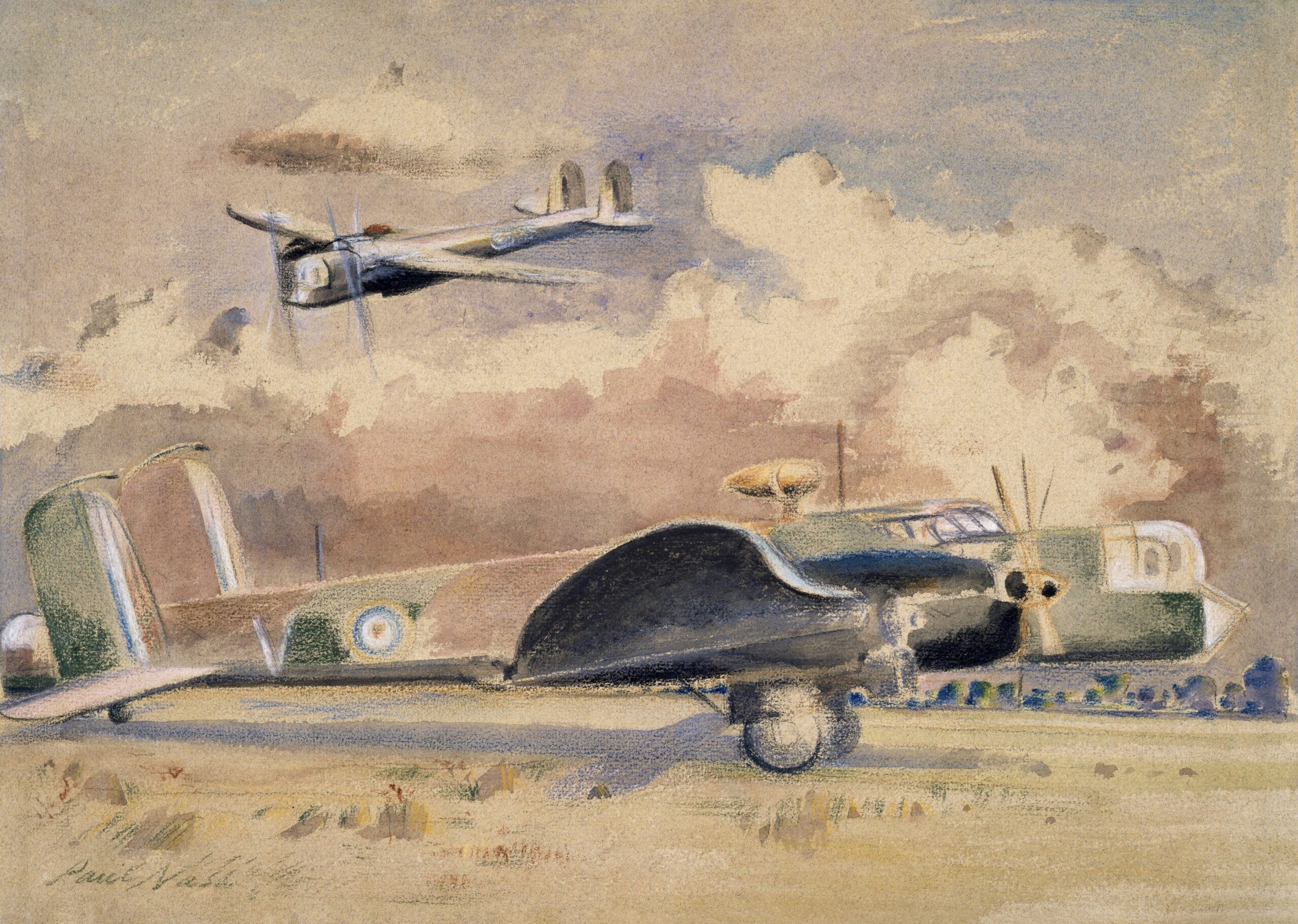
Whitley Bombers Sunning (1940) painting in high resolution by Paul Nash. Original from The Birmingham Museum.
Questions to Ask Children
Describe what you can see.
What materials do you think Nash used?
How has Nash used light and shadow to create a sense of space? Consider foreground and background.
What do you like / dislike about this painting? Why?
How has Nash created a sense of form in this drawings?
You May Also Like...
using sketchbooks to make visual notes