

Creative Collaboration Arts and Culture Enrichment in your School
Looking beyond the art room to other areas of school life such as clubs, subjects and events, can help provide new possibilities for creativity.
Creative collaboration across different spaces, such as sports, music or performance, introduces pupils to experiences they might not otherwise explore and provides them with creative stimuli. Experiencing these spaces through creative activities can help pupils see them differently, make connections between and discover that creative inspiration can come from many places.
Working together in this way can build a sense of community across the school, helping pupils broaden their horizons and find common ground with different passions and perspectives. It also introduces new skills, ideas and approaches to making, giving pupils opportunities to share their strengths and inspire one another.
Explore the following activities to:
Why choose activities from the Creative Collaboration Pathway?
The ideas on this page are designed to help you think about how you can create an exciting enrichment offer in your school.
The ideas in this pathway help schools meet the DfE Enrichment Benchmark:
-
A broad and well-rounded enrichment offer
How might these activities be embedded into your enrichment offer?
In particular, the activities and approaches outlined on this journey are suited to:
-
Art clubs during lunch or after school
-
During extra curricular clubs unrelated to art, e.g. sports or orchestra clubs
-
Smaller group activities within the curriculum who can visit other classes
-
Activities within or beyond the curriculum
Tips!
Think creatively and laterally about where you might find connections between art and other social spaces…
-
Is there a school play that pupils could make costumes or backdrops for?
-
Could sports day provide the perfect opportunity for a reportage illustration activity?
-
Might pupils make marks in response to the choir or orchestra, and create posters for events?
-
Could you invite pupils to make infographics during a debate club to help capture discussions and points of view?
-
Does the school have a pupil-led newsletter that could benefit from illustrations?
Be open-minded about what these relationships might look like, and talk to other teachers about how their specialisms could contribute to wider creative projects.
Enrich learning across clubs, events and subjects
What happens when art connects with a sports club, a choir or a school performance?
When art connects with other creative and academic spaces, pupils encounter a wider range of stimuli, make connections beyond their usual interests and discover different perspectives. These encounters can spark curiosity and help pupils not just experience school in new ways, but start to think beyond their own experiences.
Consider the range of clubs and events in your setting and look for opportunities to collaborate across them.
Collaborate to create new opportunities for learning
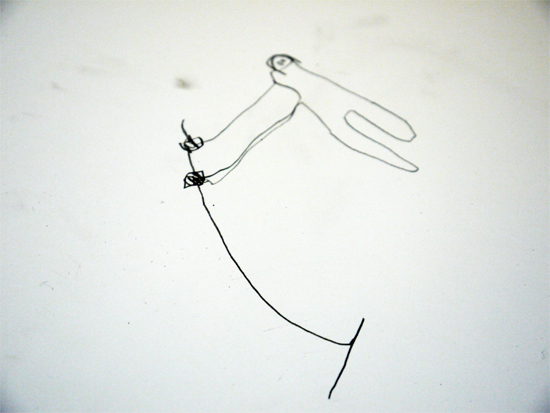
Take inspiration from pupils taking part in activities such as PE, using Life Drawing for Children to capture them in action through reportage illustration. Movements like stretching, throwing and jumping create exciting shapes and poses to explore through drawing. Invite pupils to sit alongside a lesson or club and draw their peers in action, capturing the energy of the body. This could work especially well during gymnastics, dance, athletics or repetitive drills.
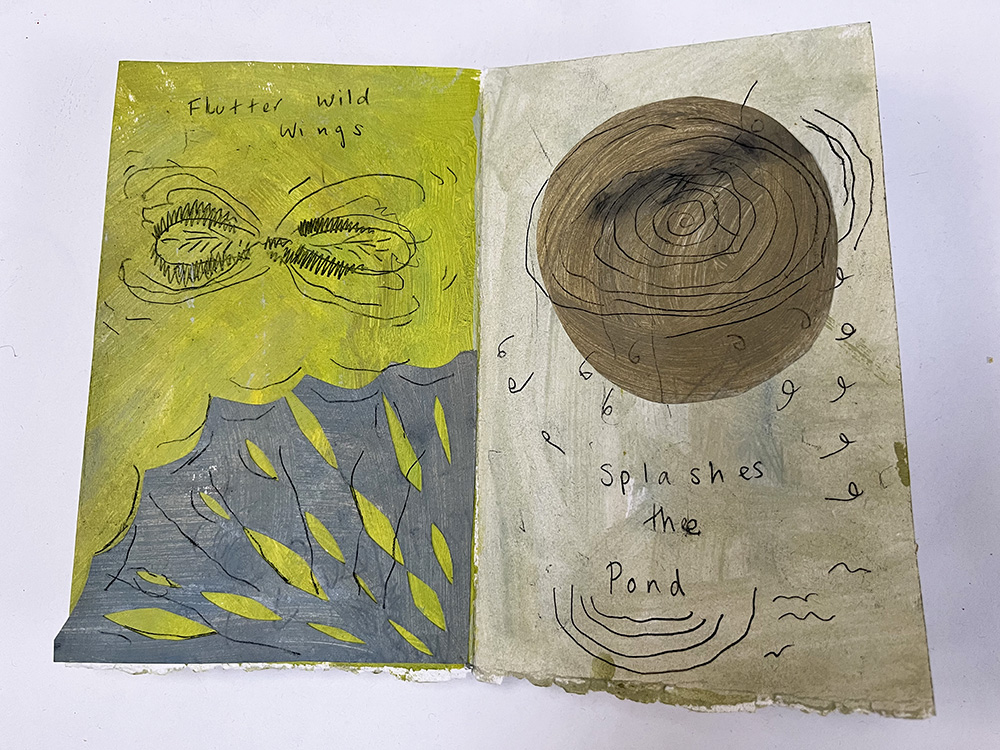
Use a poem or piece of literature pupils are studying to make a Visual Poetry Zine in Monotype. Pupils will have the opportunity to explore the text in more depth, considering the colours, imagery and words that come to mind whilst translating ideas into something visual.
Teaching art through drama gives pupils an opportunity to connect more deeply with an artwork. Role-play a character or the artist, using imaginations to explore what may be happening in the artwork. Co-direct alongside the drama club to create a short performance.
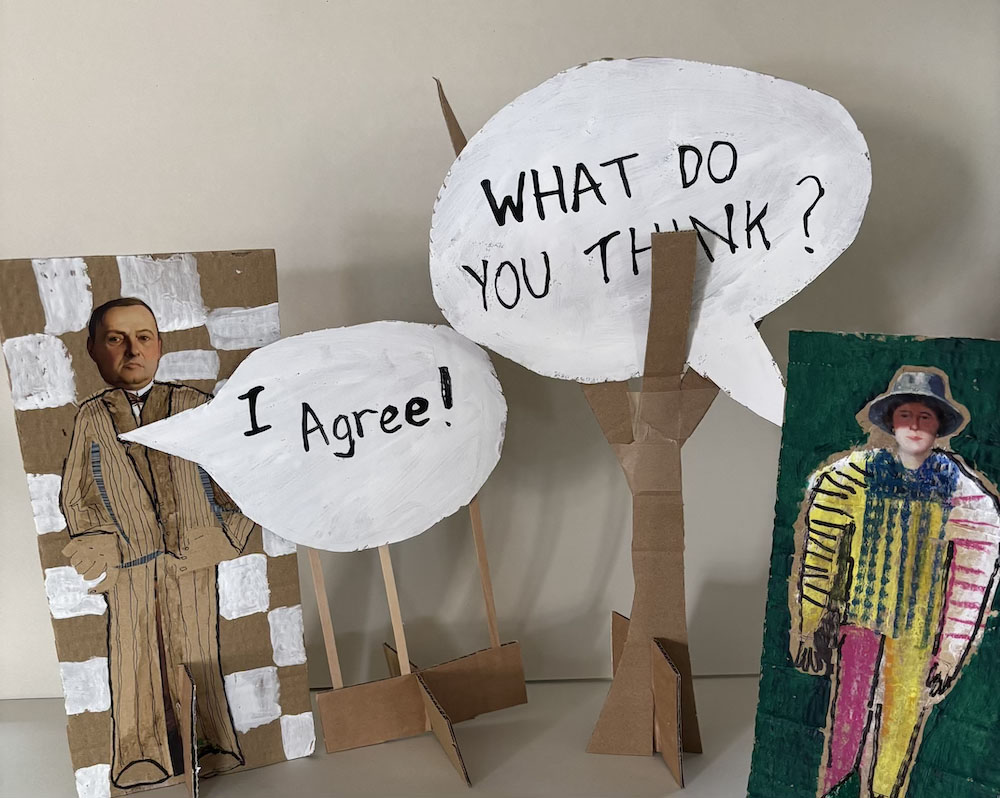
Use the Speech Bubble Challenge to help pupils capture points of discussion during a debate or public speaking club, or use it to help pupils with different passions communicate their interests with each other.
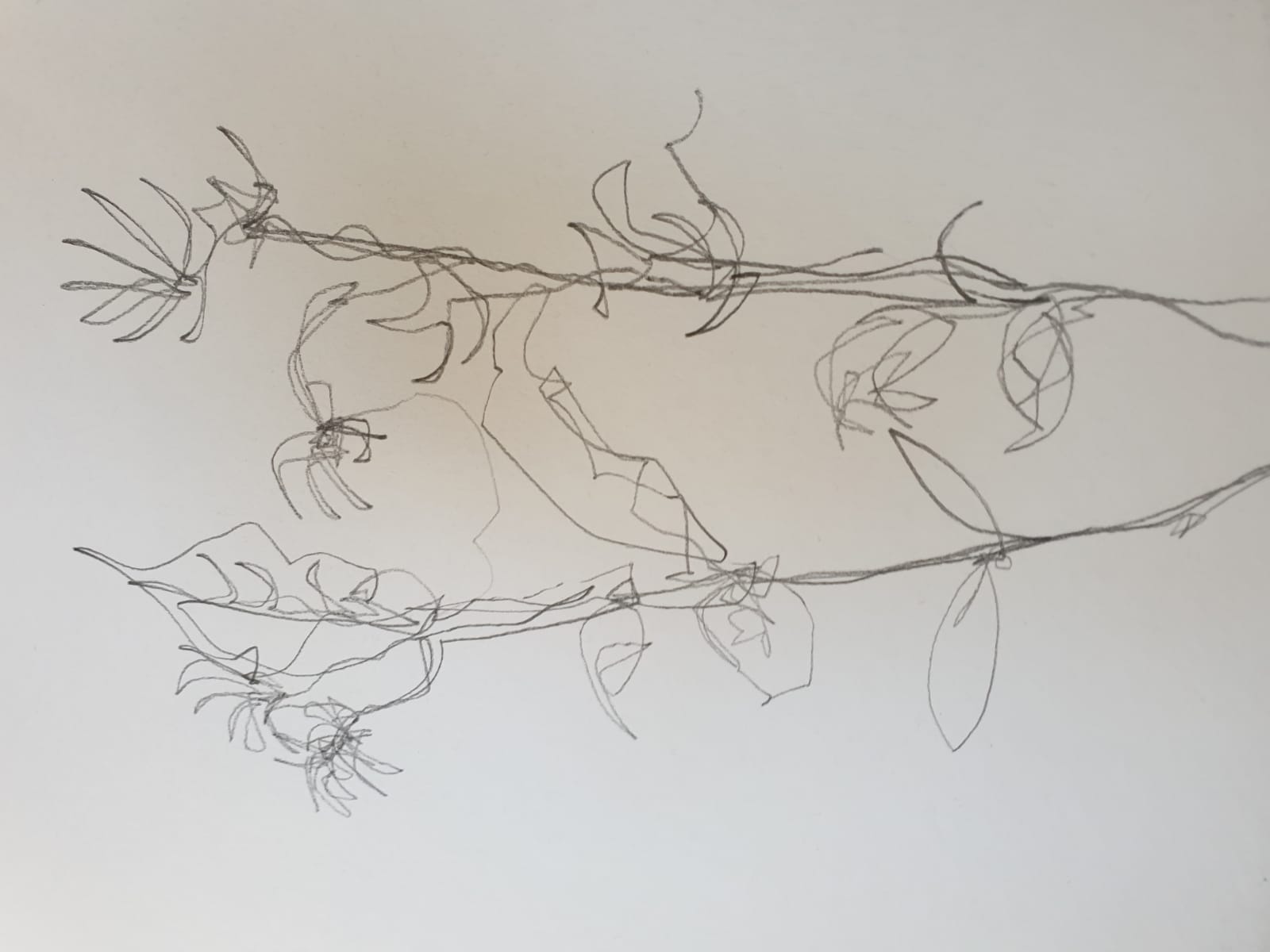
Explore Mark-making and Sound inspired by the school orchestra or choir. Pupils create drawings and marks inspired by the sounds and spirit of the music during rehearsal time. Turn the drawings into posters for a school concert or event.
Create a Cheerful Orchestra in collaboration with the school band or orchestra. Respond to the instruments, the sounds and the music that they play to inspire creative responses in these projects.
Resources
Life drawing for children
a visual poetry zine in monotype
Drama and art

speech bubble challenge
Exercises to explore mark-making and sound
A cheerful Orchestra

Work collaboratively to share ideas
Working with others introduces pupils to new ideas and perspectives, taking their own creativity in unexpected directions. Through conversation, pupils can share and respond to ideas, contribute individually to something larger and experience creativity as a social process, with the opportunity for individuals to bring their strengths.
Provide opportunities for collaboration while supporting wellbeing and social skills
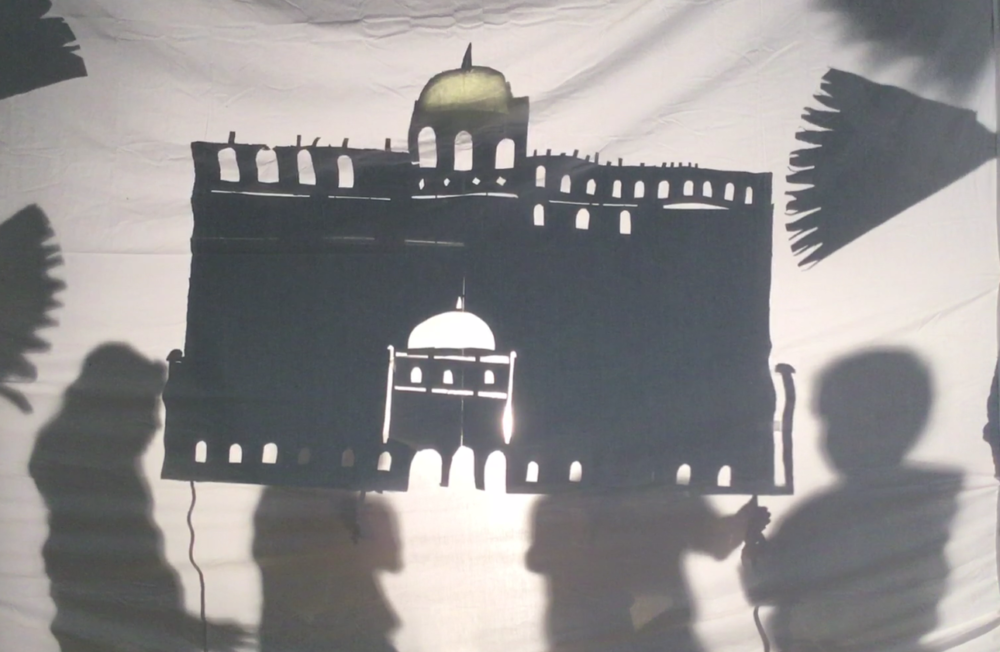
Pupils create a Shadow Puppet Performance, learning the technical skills of puppet-making while working together to develop and perform a story. Choose a topic from another subject to deepen understanding and bring learning to life.
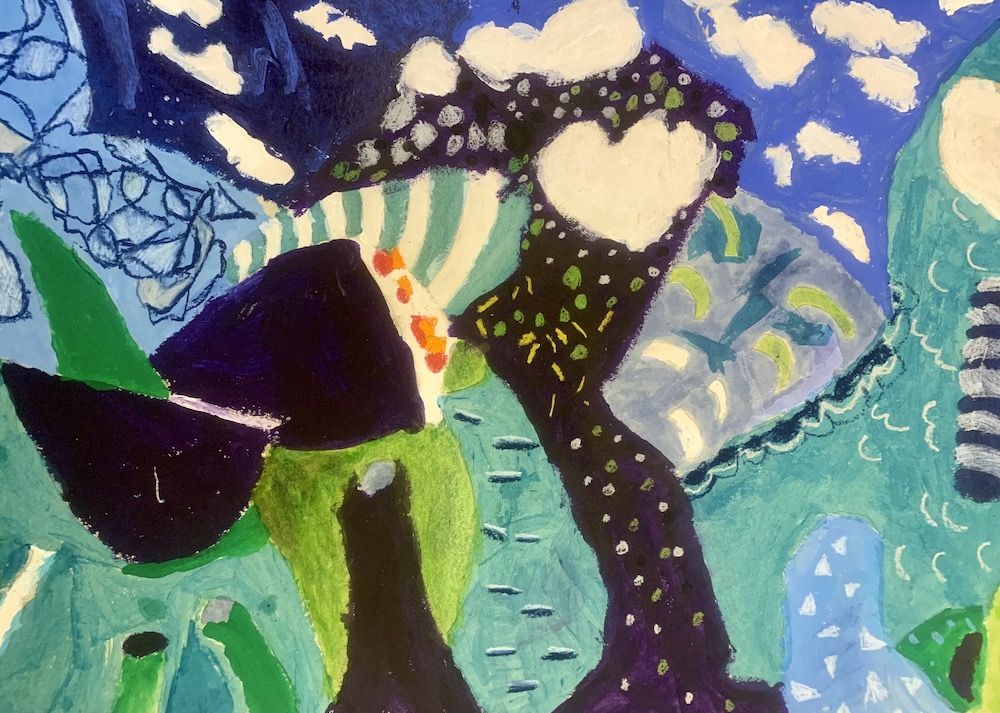
Pupils come together to create large-scale 2D and 3D Sculptural Environments Inspired by Hockney. They work together to discuss choices and adapt ideas inspired by the marks and shapes they discover in an artwork.
In Still and Dynamic Drawings: Making Magic Spells, pupils work independently before combining their drawings into a collaborative piece. Together, they decide how to develop the work, adding to each other’s drawings and shaping the overall composition.
In Drawing and Constructing with Anne Harild pupils respond to the school environment, starting with drawings of the building and bringing them together in a collaborative collage to use as a starting point for sculpture.
Pupils work in pairs to explore some of the challenges sculptors face, such as making sure their sculpture stands up or thinking about how it might be transported. By sharing ideas and skills, they work within set Sculptural Constraints to create a 3D artwork together.
Resources
shadow puppet making and performance
Sculptural Environments Inspired by Hockney
Still and dynamic drawings: Making Magic Spells

Drawing and Constructing with anne harild

sculptural constraints
