To Connect…

By Sarah Evelyn Marsh

Earlier this year, I was invited to introduce autism-friendly strategies, through a series of creative workshops in a contemporary gallery in Gdansk, Poland.

Laznia II (Centre for Contemporary Art), is based in the shipyard area of Nowy Port, Gdansk. Working alongside Learning Manager, Ania Meronk, I developed a six week project for a small group of families whose children were on the autistic spectrum, one of the group also showed traits of Aspergers.

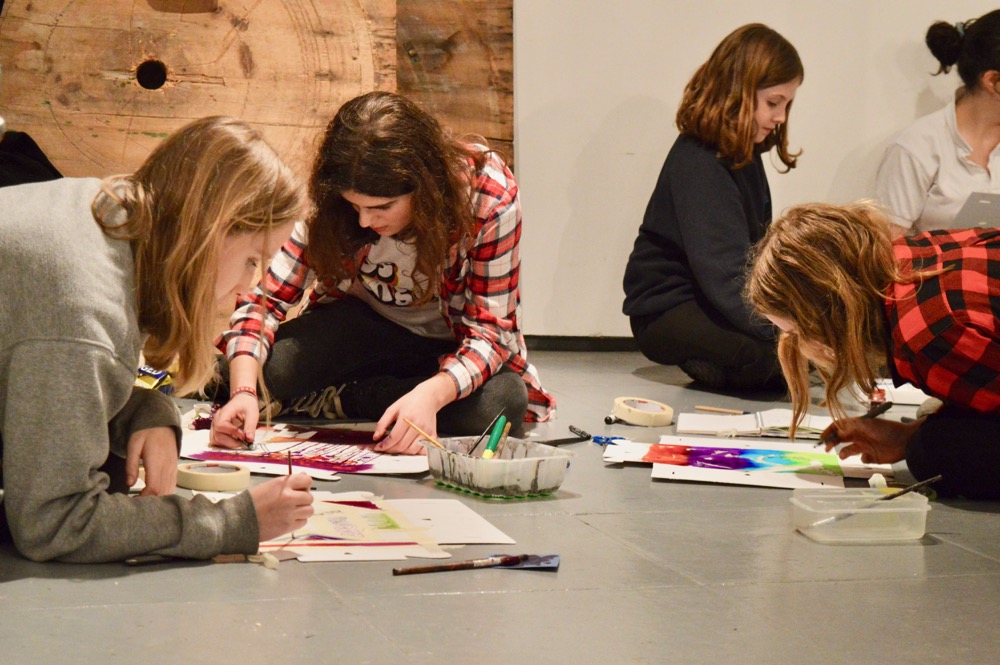
The project was called, Space in the Process, through open-ended engagement with constructed spaces and handmade sensory-inspired objects, we explored ideas and activities that developed a creative language and kick-started a dialogue with the gallery to deepen engagement with these families.

I would like to share a collection of my ideas, observations and experiences, as an artist working in a different country, with a language barrier! Please note that I developed this project as an artist, not as a professionally trained autism specialist.

See all of the workshops by Sarah in this series here.

To Connect by Sarah Evelyn Marsh

To Connect…

At the beginning of the project it was important to take time getting used to each other, the learning space and the surrounding environment. Below is a list of considerations you may find helpful to use in your own learning spaces…

  • Be aware of the daily sounds, smells and other textures of life in your learning space; a constant humming noise or flickering light may be stressful for a child with autism.
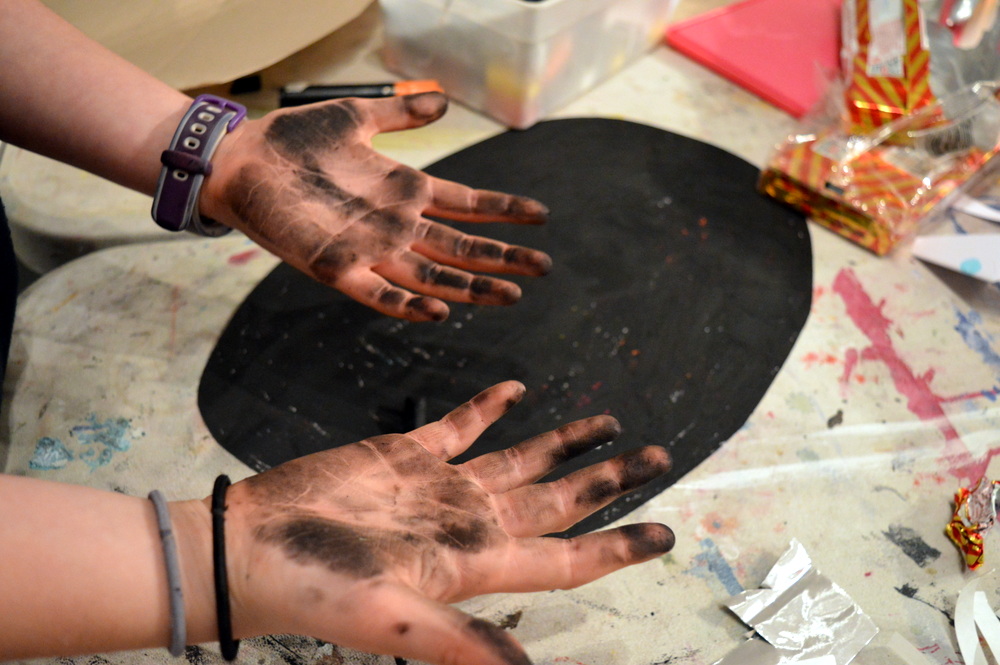
  • Allow time for everyone to feel their way in the space; connections may be made through the use of different senses and body parts.
  • Some children may like to explore through the vibrations of the space by shouting loudly, running around the edge of the room or rolling on the floor.
  • Objects may need to be touched to make that connection, possibly through squeezing or biting.
  • Some children will want to squash themselves into small spaces, climb into boxes or cupboards and wrap fabric tightly around them.
  • To make this comfortable and safe for everyone, ensure that the learning space is suitable and child-friendly, if there are areas or objects that are out of bounds make sure clear visual signs are used, see examples below.

To Connect by Sarah Eveyln Marsh
Visuals!


To Connect by Sarah Evelyn Marsh
Exploring textures


To Connect by Sarah Evelyn Marsh
Texture palette


Connect yourself

I always find it useful to spend time in a learning space on my own; sit and think about what you can hear, smell and see; Are there distracting sounds? How is the lighting? Too dark, too bright? We spent most sessions outside and on blustery days the flapping and snapping noises of suspended paper and fabrics were distracting to me, how could this feel for someone hypersensitive to noise? There were the regular sounds of trams, cars and children in the school next door, I wondered if this would be over-stimulating and stressful for some of the families. But this wasn’t the case; by creating engaging, sensory interventions and concealed mini spaces within the natural environment, the children and adults felt safe, protected and relaxed, this created deeper levels of engagement and interaction as the project progressed.

To Connect by Sarah Evelyn Marsh
O in the space


To Connect by Sarah Evelyn Marsh
A with sculpture


To Connect by Sarah Evelyn Marsh
M with objects


To Connect by Sarah Evelyn Marsh
Binding and knotting


Connections through objects

I produced a collection of handmade objects that the children (and families) used to make connections to the world around them, these ‘prompts and provocations’ explored colour, texture and scents, there were objects to touch, squeeze, shake, smell, bite into, roll into and wrap around. As a textile artist I like to research the sumptuous textures of velvets, corduroys and fabrics that s-t-r-e-t-c-h! We used fabrics to weave, wrap, bind, hide and knot with.

To Connect by Sarah Evelyn Marsh
Using feet to connect


To Connect by Sarah Evelyn Marsh
Using mouth to connect


To Connect by Sarah Evelyn Marsh
Object research


To Connect by Sarah Evelyn Marsh
Smells and touch


Music is an important element to the sessions, I find that emotive music, such as Philip Glass, Midori Takada and Nature sounds can be calming for some children. We played music through silicone, lozenge shaped speakers, now the music became tangible, a collection of vibrations and sounds that could be physically felt and hugged by the children. 

To Connect by Sarah Evelyn Marsh
M with speaker


It was important for the group to explore the playful learning space in their own time, supporting deeper connections with the environment and the objects. I also encouraged the parents to get involved in their own creative experiments, I believe that a holistic approach for the whole family can support everyone involved. Perhaps you could consider parent-focussed events that allow them to feel the benefits of being creative, discover new ways to self-express and make connections.

To Connect by Sarah Evelyn Marsh
Parents working together


To Connect by Sarah Evelyn Marsh
‘Mine’ by a parent

As an artist and gallery educator I have pioneered interactive engagement for children with autism at Manchester Art Galley and supported the Learning Curator at Tate Liverpool to introduce autism-friendly sessions into the holiday programme. I have shared my thoughts and practice with peers at the Royal Academy of Art and I continue to develop my sensory-inspired artwork, through immersive installations and interactive objects.

See more posts from Sarah in this series by following this link: Sensory Spaces: An Autism-Friendly Project

evelynarts.moonfruit.com – work portfolio

evelynartsunique.com  – online shop


This is a sample of a resource created by UK Charity AccessArt. We have over 1500 resources to help develop and inspire your creative thinking, practice and teaching.

AccessArt welcomes artists, educators, teachers and parents both in the UK and overseas.

We believe everyone has the right to be creative and by working together and sharing ideas we can enable everyone to reach their creative potential.
You May Also Like…

Talking Points: Linda BEll


Explore how Linda Bell creates sculptures


Explore how Linda Bell creates sculptures

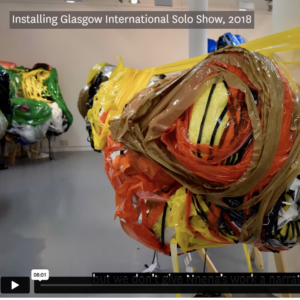
Talking Points: Nnena Kalu


Explore artist Nnena Kalu


Explore artist Nnena Kalu


Making a Lyre Inspired by the Ancient Greeks


Sculpture Project Inspired by Egyptian Wall Painting


Making a Pocket Gallery

You May Also Like…

Pathway: The Art of Display

This is featured in the 'The Art of Display' pathway

This is featured in the ‘The Art of Display’ pathway

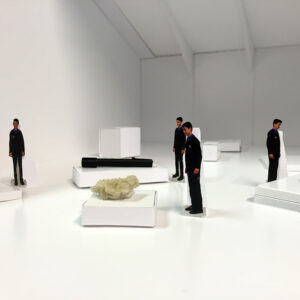
talking points: What is a plinth

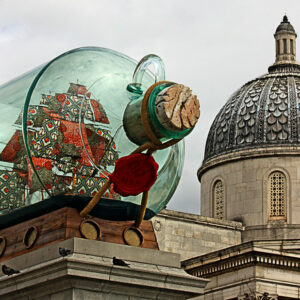
Yinka Shonibare's message in a bottle, Photograph by Feggy Art

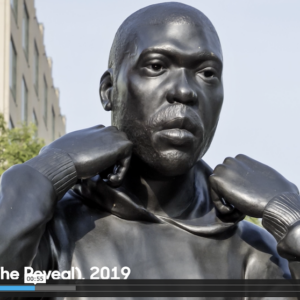
talking points: Thomas J Price

Ordinary Men: Interview with Thomas J Price https://vimeo.com/366788282


Fabulous Fish


Wave Bowls


Ink & Foamboard Architecture

You Might Enjoy…

“The Walls Are Dancing” By Architect Anna Heringer.

Anna share the thinking behind a community created building in Bangladesh. 

You May Also Like…

Pathway: Architecture- Dream big or small?

This is featured in the 'Architecture: Dream Big or Small?' pathway

This is featured in the ‘Architecture: Dream Big or Small?’ pathway

Talking Points: Tiny houses

Tiny houses

Drawing Source Material: Amazing Architectural Homes

Architectural Visualization, Luxury Home Walk-through https://vimeo.com/bergagonzalez/architectural-3d-animation-luxury-house


Under the Ocean Mirrors


Making Shells


Making Boats that Float Out of Everyday Materials

You May Also Like….

Pathway: Playful Making

Featured in the 'Playful Making' pathway

Featured in the ‘Playful Making’ pathway

Talking Points: Linda BEll

Linda Bell at Arts Fringe

Talking Points: Nnena Kalu

Jennifer Lauren Gallery Work By Nnena Kalu

Talking Points: Introduction to sculpture

What is Sculpture


Sculptural Constraints Workshop by Susie Olczak


Conquering SATs Stress with Seats


“Heart-Work” an Arts and Wellbeing Project for Young People

Arts and Minds: Time to Introduce Ourselves – A Sculpture Challenge

Arts and Minds - Week 1 - SC

Arts and Minds: A ‘Heart-Work’ Conversation

Arts and Minds - Cambourne VC - Week Two - SC

Arts and Minds: Asemic Writing and Invented Text

Arts and Minds - Asemic Writing - week three -SC

Feeling Through Drawing

Arts and Minds Cambourne Village College - Week four

Drawing for Mindfulness

Arts and Minds - Cambourne - week five - SC

Arts and Minds: Expressive Monoprinting on a Big Scale

Arts and Minds - Cambourne - week six - monoprinting - SC

Constructing the World with Collage

Collage - Cambourne VC - SC

Building to the Limit

Building - Cambourne - week eight - SC

Manipulating Clay with Water

Clay - Cambourne - week nine- SC


Exploring Casting with Latex Animal Moulds


Quick Guide to Mixing Plaster


Drawing Into Space with Melissa Pierce Murray


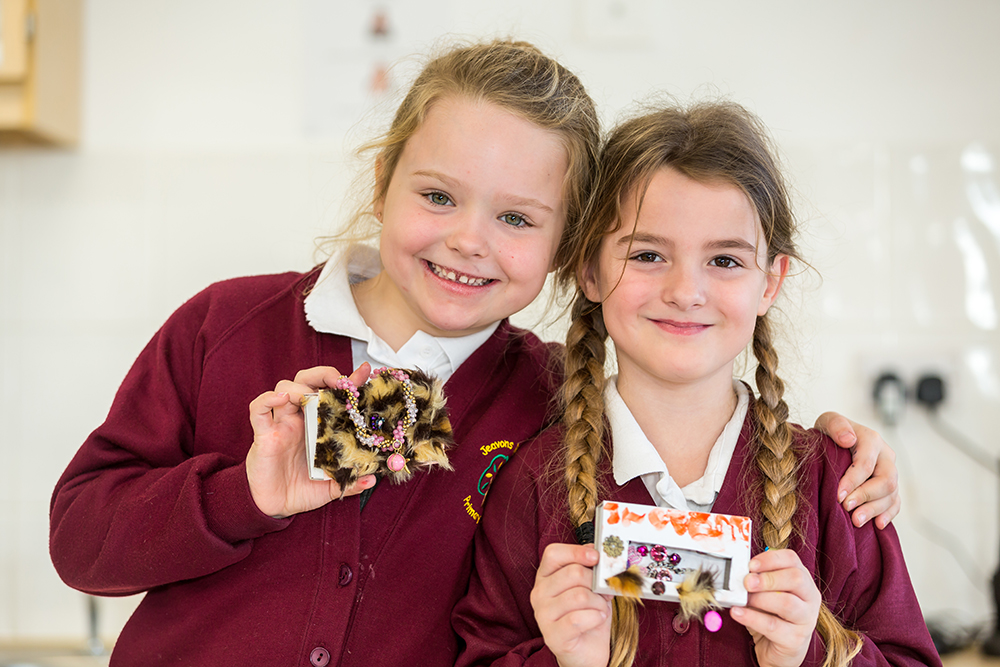
World in a Matchbox

You May Also Like

Visual Arts Planning Collections: Toys, puppets, dolls

Puppet showing the hands

Finger puppets

With Get Arty!

With Get Arty!

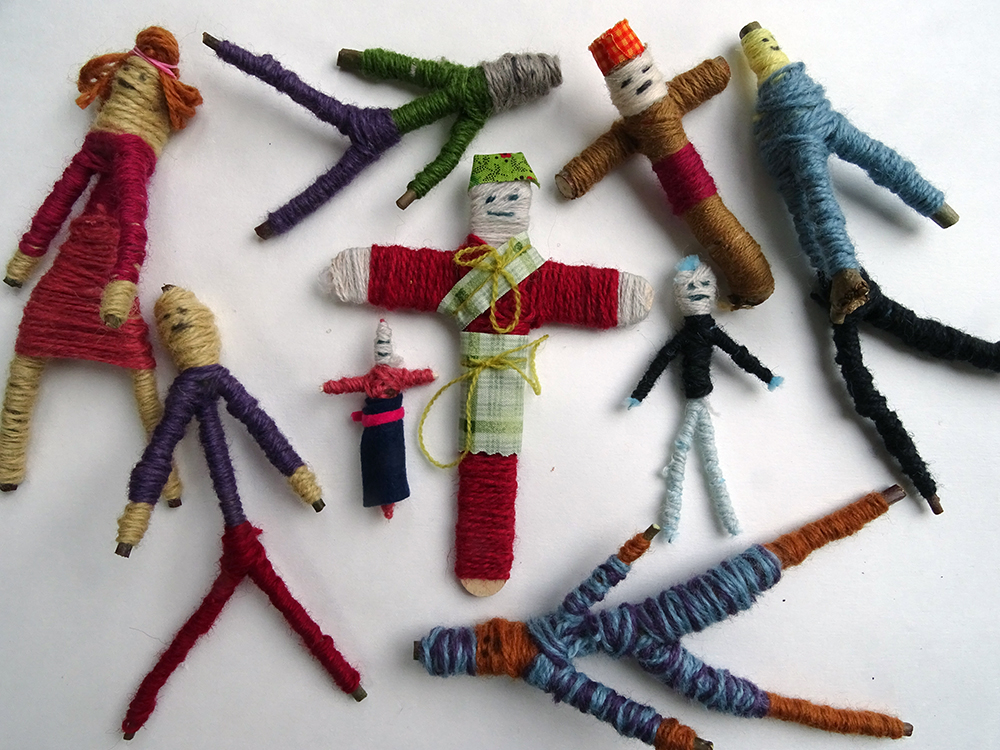
Making Worry Dolls

With Get Arty!

With Get Arty!


Making Finger Puppets

Get Arty!

Get Arty! with Mencap & AccessArt!

Get Arty! with Mencap & AccessArt!

Making Worry dolls

With Get Arty!

With Get Arty!

World in a Box

With Get Arty!

With Get Arty!


Drawing with Objects by Melissa Pierce Murray


Visual Arts Planning: Exploring Line

Continuous Line Drawings (Squiggle Drawings) of Sticks

A great warm-up exercise for all ages - whatever their level of experience, continuous line drawings are a very useful way to get children (and adults) to tune into their subject matter and quieten ready for drawing. A great warm-up exercise for all ages – whatever their level of experience, continuous line drawings are a very useful way to get children (and adults) to tune into their subject matter and quieten ready for drawing.

Drawing hands

Another warm-up exercise that can be done anywhere! Drawing your own or someone else's hand in continuous line can be a very useful way to explore concave shapes for scuptural/making projects such as nests and bowls. Another warm-up exercise that can be done anywhere! Drawing your own or someone else’s hand in continuous line can be a very useful way to explore concave shapes for scuptural/making projects such as nests and bowls.

Warm-Up Drawing Exercise: Drawing Spirals

A great warm-up/ice breaker to use at the start of a drawing workshop for both adults and children. As well as getting participants to start making marks on the paper without worry or mental blocks, this simple exercise aims to introduce participants to the idea that drawing and mark making comes from the finger tip, wrist, elbow, shoulder and whole body. A great warm-up/ice breaker to use at the start of a drawing workshop for both adults and children. As well as getting participants to start making marks on the paper without worry or mental blocks, this simple exercise aims to introduce participants to the idea that drawing and mark making comes from the finger tip, wrist, elbow, shoulder and whole body.

Quick Drawing Exercise: Helping Children to Draw Larger!

A quick 5minute drawing exercise to encourage children to work large and make their drawing fill the page. A quick 5minute drawing exercise to encourage children to work large and make their drawing fill the page.

Right Hand, Left Hand – Non Dominant Hand Drawing Exercise

Practising drawing with your ‘none dominant’ hand, (right hand if you are left handed, left hand if you are right handed), can be a useful strategy for loosening up and for experimenting with the potential of mark making without worrying about the outcome. Another excellent ice-breaker for accessing drawing processes across all mediums. Practising drawing with your ‘none dominant’ hand, (right hand if you are left handed, left hand if you are right handed), can be a useful strategy for loosening up and for experimenting with the potential of mark making without worrying about the outcome. Another excellent ice-breaker for accessing drawing processes across all mediums.

Making a Shy Drawing – Drawing Exercises for Beginners

This resource shares unusual yet accessible drawing exercises for beginners. How can we change the nature of the drawings we make - how would we make a “shy” drawing? These exercises and suggestions provide a focus which enables pupils and teachers to explore different aspects of making a drawing, including sound, action and intention. This resource shares unusual yet accessible drawing exercises for beginners. How can we change the nature of the drawings we make – how would we make a “shy” drawing? These exercises and suggestions provide a focus which enables pupils and teachers to explore different aspects of making a drawing, including sound, action and intention.

Drawing Minibeasts – using a continuous line, graphite and oil pastel

Using images of insects as inspiration, children make 4minute continuous line drawings in pen as a warm-up exercise to encourage close looking and to get their fingers moving. Using images of insects as inspiration, children make 4minute continuous line drawings in pen as a warm-up exercise to encourage close looking and to get their fingers moving.

One Line Street Scene: A Visualisation Warm Up Drawing exercise

Another fun variation on the continuous line warm-up exercise: children made a drawing consisting of a single line, which started at the left hand side of the page, and finished at the right hand side. The subject matter was a street scene, which they visualised by listening to details of the buildings/objects that they would meet. The results were beautiful and the children enjoyed their journey! Another fun variation on the continuous line warm-up exercise: children made a drawing consisting of a single line, which started at the left hand side of the page, and finished at the right hand side. The subject matter was a street scene, which they visualised by listening to details of the buildings/objects that they would meet. The results were beautiful and the children enjoyed their journey!

Simple Perspective Art Lesson for Young Children

Following on from the above exercise, this resource introduces children (aged 6 to 10) to the basics of perspective in relation to drawing architecture. They learn some simple rules of perspective drawing, before being given plenty of opportunity to develop their drawings on their own. Following on from the above exercise, this resource introduces children (aged 6 to 10) to the basics of perspective in relation to drawing architecture. They learn some simple rules of perspective drawing, before being given plenty of opportunity to develop their drawings on their own.

Making a Blind Contour Drawing

This is a classic drawing exercise to use with all ages This is a classic drawing exercise to use with all ages & all abilities and helps you focus upon careful looking, without the worry of what your drawing looks like. In this resource we describe the process and suggest some suitable subject matter and drawing materials.

Minimalising: Using Simple Line Drawings to Explore Sculptural Form

Teenagers explore form using a reductive or minimalising approach to drawing. They were encouraged to create a series of drawings in quick succession, using a limited number of lines to record their objects. For each subsequent drawing, they dropped a line, starting with a seven line drawing and working down to a drawing in one line. This exercise was to get students thinking about essential, sculptural elements in their constructions and drawings. Teenagers explore form using a reductive or minimalising approach to drawing. They were encouraged to create a series of drawings in quick succession, using a limited number of lines to record their objects. For each subsequent drawing, they dropped a line, starting with a seven line drawing and working down to a drawing in one line. This exercise was to get students thinking about essential, sculptural elements in their constructions and drawings.

Exercise to Introduce Foreshortening and Volume in Line Drawings

This workshop introduces children aged 10 to 13 to foreshortening but can be adapted for groups or individuals and is appropriate for all age groups. The activity enables students to find a way to facilitate the development of volume in their line drawings. They work ‘small and quick’ to encourage ‘doing without thinking’ (and worrying!). This workshop introduces children aged 10 to 13 to foreshortening but can be adapted for groups or individuals and is appropriate for all age groups. The activity enables students to find a way to facilitate the development of volume in their line drawings. They work ‘small and quick’ to encourage ‘doing without thinking’ (and worrying!).

Tackling Still Life for Children Part 1 – Continuous Line Drawing

In the first of a three part workshop on painting a still life, children gain familiarity with the objects by making continuous line drawings. As well as tuning into the subject matter, the drawing exercises also encourage the children to consider the shape and dimensions of the canvases right from the start. In the first of a three part workshop on painting a still life, children gain familiarity with the objects by making continuous line drawings. As well as tuning into the subject matter, the drawing exercises also encourage the children to consider the shape and dimensions of the canvases right from the start.

Drawing Skulls in Black Pen

This workshop on drawing skulls was about looking and the re-examination of marks and lines. Students used black pen to create continuous line drawings on A1 paper. This workshop on drawing skulls was about looking and the re-examination of marks and lines. Students used black pen to create continuous line drawings on A1 paper.

Still Life Drawing in a Cubist Style Using Carbon Paper

A fun workshop and a great way to study still life and explore Cubist ideas of ‘temporal frames’ and drawing ‘time and space’. Different views of the same glass objects are captured through drawings made with carbon paper, to produce a composite drawing of a still life. A fun workshop and a great way to study still life and explore Cubist ideas of ‘temporal frames’ and drawing ‘time and space’. Different views of the same glass objects are captured through drawings made with carbon paper, to produce a composite drawing of a still life.

Inspired by Google Earth: Drawing

A session suitable for all ages, continuous line drawings are used to gather information taking inspiration was taken from Google earth images. A variety of media were then explored to extend and develop the drawings, A session suitable for all ages, continuous line drawings are used to gather information taking inspiration was taken from Google earth images. A variety of media were then explored to extend and develop the drawings,

Drawing and Making Flowers

A beautifully structured resource which shares how drawing can be used to enable children to familarise themselves with flower anatomy. Children are given the opportunity to develop their observations and ideas in three dimensions by making flowers with paper and wire. A beautifully structured resource which shares how drawing can be used to enable children to familarise themselves with flower anatomy. Children are given the opportunity to develop their observations and ideas in three dimensions by making flowers with paper and wire.

Quentin Blake’s Drawings as Inspiration!

Taking Quentin Blake’s drawings as a starting point for simple exercises, children make drawings from life using line and explore how they might use exaggeration as a tool to help them convey the intention of their drawing. During the session, the children are encouraged to take risks and try new ways of working. Taking Quentin Blake’s drawings as a starting point for simple exercises, children make drawings from life using line and explore how they might use exaggeration as a tool to help them convey the intention of their drawing. During the session, the children are encouraged to take risks and try new ways of working.

Inspired by Henri Matisse – Repetitive Life Drawing Exercise

This workshop encourages students to challenge pre-conceived ideas of what a drawing should be or what finished drawings should look like. By making drawings of each other they can experiment with line and expression, inspired by the working practice of Henri Matisse, who often drew an object or life pose many times in succession. This workshop encourages students to challenge pre-conceived ideas of what a drawing should be or what finished drawings should look like. By making drawings of each other they can experiment with line and expression, inspired by the working practice of Henri Matisse, who often drew an object or life pose many times in succession.

Red to Green: Patterns in Nature, Line and Wire

One of a series of workshops by Accessart at Red2Green using drawing to explore designs and patterns in nature, followed by a making session using wire to extend ideas into 3D. One of a series of workshops by Accessart at Red2Green using drawing to explore designs and patterns in nature, followed by a making session using wire to extend ideas into 3D.

Drawing Insects in Wire and Tracing Shadows in Black Pen

Students use modelling wire to ‘draw’ an insect from their first drawings in black pen. The purpose of this exercise was to help them see and draw form and to think about the quality of line achievable in black pen. It was also an exercise in simple abstraction or simplification of subject matter. Students use modelling wire to ‘draw’ an insect from their first drawings in black pen. The purpose of this exercise was to help them see and draw form and to think about the quality of line achievable in black pen. It was also an exercise in simple abstraction or simplification of subject matter.

Drawing with Wire

Teenagers in AccessArt's Experimental Drawing Class explore drawing their bodies with wire. They were asked to think about how they feel physically from within and try and find a way of expressing that with wire. The exercise was about finding a way to ‘represent’ physical sensations using form. Teenagers in AccessArt’s Experimental Drawing Class explore drawing their bodies with wire. They were asked to think about how they feel physically from within and try and find a way of expressing that with wire. The exercise was about finding a way to ‘represent’ physical sensations using form.

Drawing with Wire like Calder, and Backwards Forwards Sketching

An exciting resource based on the work of Alexander Calder. Children make drawings of their own toys, which are then interpreted in fine wire – an introduction to the tricky business of drawing in space! An exciting resource based on the work of Alexander Calder. Children make drawings of their own toys, which are then interpreted in fine wire – an introduction to the tricky business of drawing in space!

Standing Up! – Making Vertical Sculptures and Working from the Base

Teenagers are challenged to create sculpture that was able to stand up and to explore how tall the sculpture could be before it fell down. They experimented with elegant solutions to make their wire forms stand, considering also the relationship between its base and the surface it was standing on. This was also an opportunity to explore construction materials and finding the right materials for the job. Teenagers are challenged to create sculpture that was able to stand up and to explore how tall the sculpture could be before it fell down. They experimented with elegant solutions to make their wire forms stand, considering also the relationship between its base and the surface it was standing on.
This was also an opportunity to explore construction materials and finding the right materials for the job.

Reaching the Limit: Making Tall Sculptures and Stretching Materials

Following on from working with the vertical in Standing Up! – Introducing the Vertical and Working from the Base, students were pushed to further develop their understanding of sculptural relationships such as balance, the object’s relationship with the ground and how to build elegant, vertical structures. They were set the challenge of building a sculpture or structure, which was as tall or taller then themselves, working with basic (and quite flimsy) construction materials, in an hour. Following on from working with the vertical in Standing Up! – Introducing the Vertical and Working from the Base, students were pushed to further develop their understanding of sculptural relationships such as balance, the object’s relationship with the ground and how to build elegant, vertical structures. They were set the challenge of building a sculpture or structure, which was as tall or taller then themselves, working with basic (and quite flimsy) construction materials, in an hour.

Landscape Sculptures in Wire and Mixed Media: Working Through Ideas

Teenagers work from the theme of landscape exploring rhythm and movement in wire, drawing from their sculptures and making simultaneously. They were introduced to modelling wire and modroc as construction materials - paper, drawing and collaging materials were also readily available. Teenagers work from the theme of landscape exploring rhythm and movement in wire, drawing from their sculptures and making simultaneously. They were introduced to modelling wire and modroc as construction materials – paper, drawing and collaging materials were also readily available.

Withy Sculptures

Traditionally used for basket weaving and garden sculpture, withies, or willow sticks, are a versatile construction material, ideal for exploring sculptural form and ‘drawing in space’ with line. Traditionally used for basket weaving and garden sculpture, withies, or willow sticks, are a versatile construction material, ideal for exploring sculptural form and ‘drawing in space’ with line.

Drawing with Wire: The Polymeric Approach by Julie de Bastion

Artist Julie de Bastion shares a wonderful workshop that enabled participants to create a “drawing within a drawer” making delightful “Story Boxes” involving 3D drawing with flexible black wire, and drawing with mono-printing. Artist Julie de Bastion shares a wonderful workshop that enabled participants to create a “drawing within a drawer” making delightful “Story Boxes” involving 3D drawing with flexible black wire, and drawing with mono-printing.

Drawing Space/Drawing in Space

In Western art, we use the term ‘negative space’ to talk about the areas between objects on the page/canvas but this tends to convey quite a static idea of space. There is a Japanese word, ‘ma‘ (間), that suggests a more evocative and dynamic spatial experience and it was this concept that inspired this workshop, in which teenagers made three dimensional line drawings to explore the space around them. In Western art, we use the term ‘negative space’ to talk about the areas between objects on the page/canvas but this tends to convey quite a static idea of space. There is a Japanese word, ‘ma‘ (間), that suggests a more evocative and dynamic spatial experience and it was this concept that inspired this workshop, in which teenagers made three dimensional line drawings to explore the space around them.

Teachers Explore ‘Line and Shape’ at the Fitzwilliam Museum, Cambridge with AccessArt

In the spring and summer of 2016, Paula Briggs and Sheila Ceccarelli from AccessArt and Kate Noble from the Fitzwilliam Museum, Cambridge to create and deliver a series of InSET sessions (in-service-training) for primary school teachers. The aim was to fuse top Museum Education practice with practical, hands on learning in Fine Art disciplines including: drawing, printmaking, sketchbooks, collage and sculpture. In the spring and summer of 2016, Paula Briggs and Sheila Ceccarelli from AccessArt and Kate Noble from the Fitzwilliam Museum, Cambridge to create and deliver a series of InSET sessions (in-service-training) for primary school teachers.
The aim was to fuse top Museum Education practice with practical, hands on learning in Fine Art disciplines including: drawing, printmaking, sketchbooks, collage and sculpture.