
The Seven Capabilities Arts and Culture Enrichment in your School
Enrichment sessions can broaden how we think about and measure success by valuing qualities that are harder to measure, such as enjoyment, ownership and joy. Recognising these benefits can support pupils both individually and as part of a wider community.
This pathway gives pupils the opportunity to learn in a more tacit and holistic way, without the pressure of assessment. It offers activities and experiences that value and nurture the seven capabilities identified in the CLA Capabilities Framework: agency, wellbeing, communication, empathy, collaboration, creativity and interpretation.
Explore the following activities to support the CLA’s 3 Pillars:
Why choose activities from the Seven Capabilities Pathway?
The ideas on this page are designed to help you think about how you can create an exciting enrichment offer in your school.
The ideas on this pathway help schools meet DfE Enrichment Benchmarks:
-
A strategically aligned enrichment offer
-
An accessible and engaging enrichment offer
How might these activities be embedded into your enrichment offer?
In particular, the activities and approaches outlined on this journey are suited to:
-
Art clubs during lunch or after school
-
Smaller group activities within the curriculum
-
Art weeks
Tips!
Place emphasis on the journey rather than the outcome, giving pupils space to find joy and develop skills through the process.
Encourage pupils to work with people they wouldn’t normally work with, helping them explore different perspectives and make new connections.

Being, Becoming and Belonging
Being, Becoming and Belonging supports the capabilities of agency and wellbeing. By making work rooted in their own experiences, pupils can explore their identity, build confidence and recognise their ability to make their own choices. The pillar also creates opportunities to slow down and reflect, take pleasure in making, and build resilience through creative problem solving.
Explore resources that support agency (confidence, identity and autonomy)…
Playing with Perspective helps pupils connect with their environment through careful observation. They draw what they see from their own viewpoint and discover how their perspectives can differ from those of others.
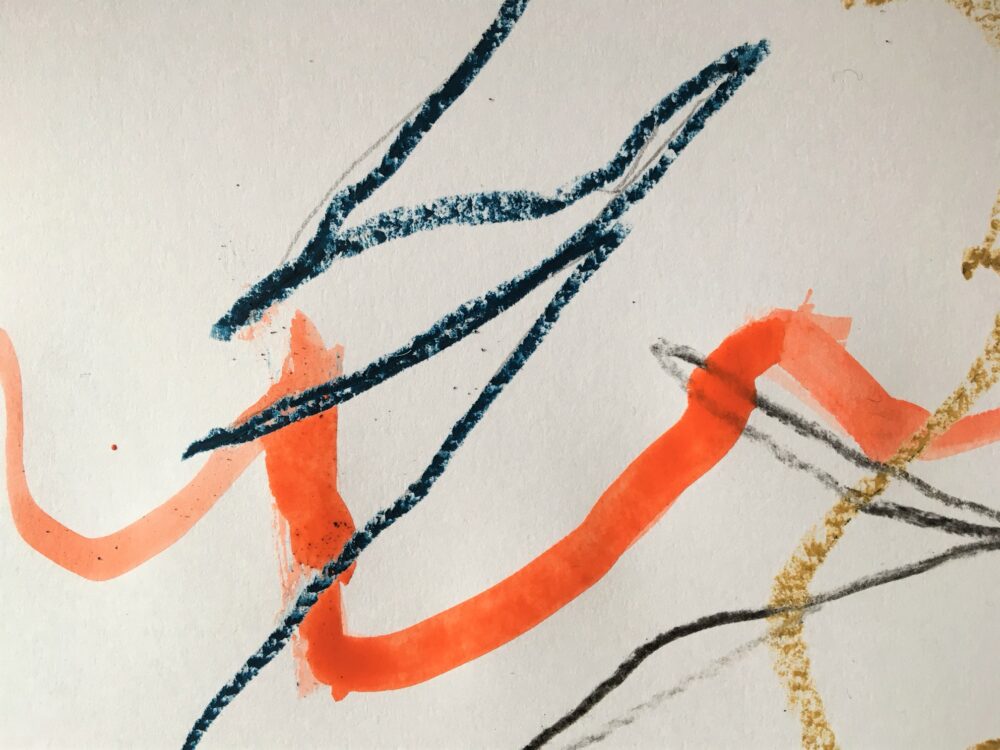
Create large-scale Movement Maps, using lines, marks and patterns to turn personal movement, memories and feelings into visual expression.
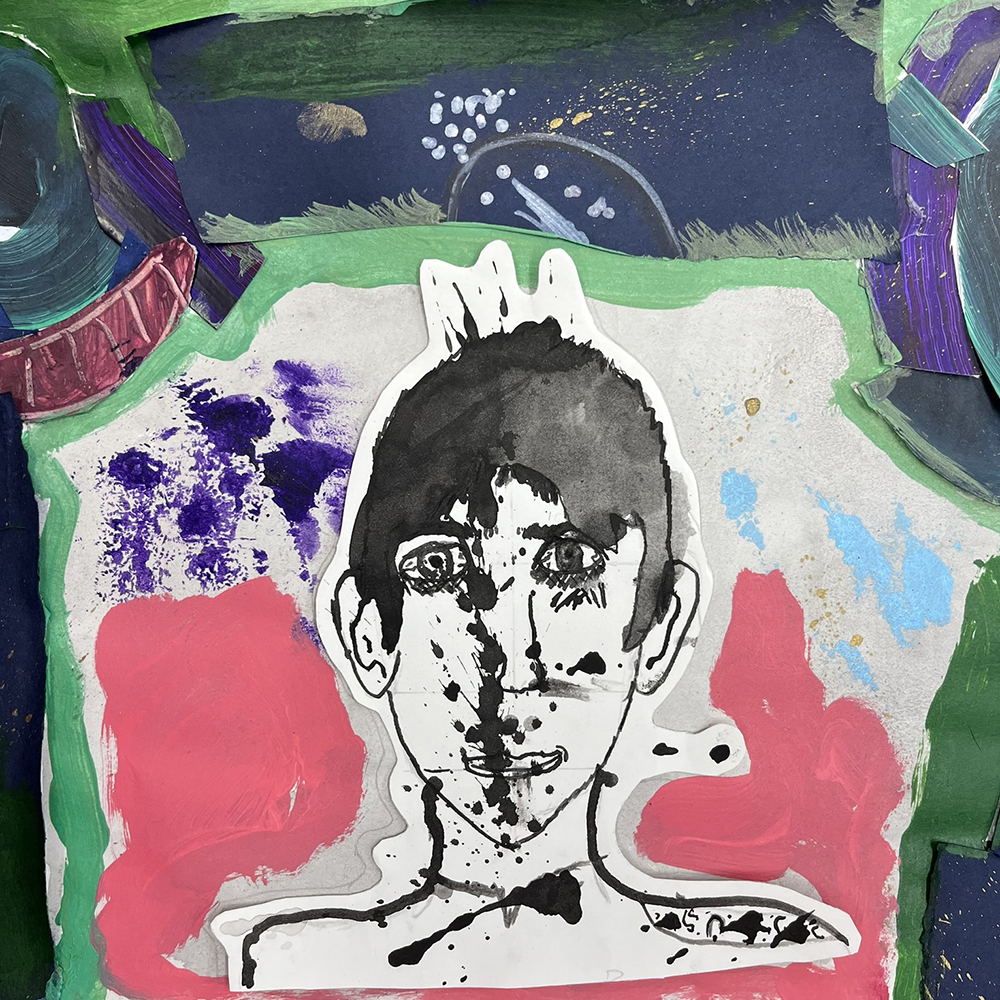
Making autobiographical Portraits inspired by Mike Barrett to help pupils explore how they see themselves and express their personality, interests and passions.
Explore resources that support wellbeing (self-worth, resilience and pleasure)…
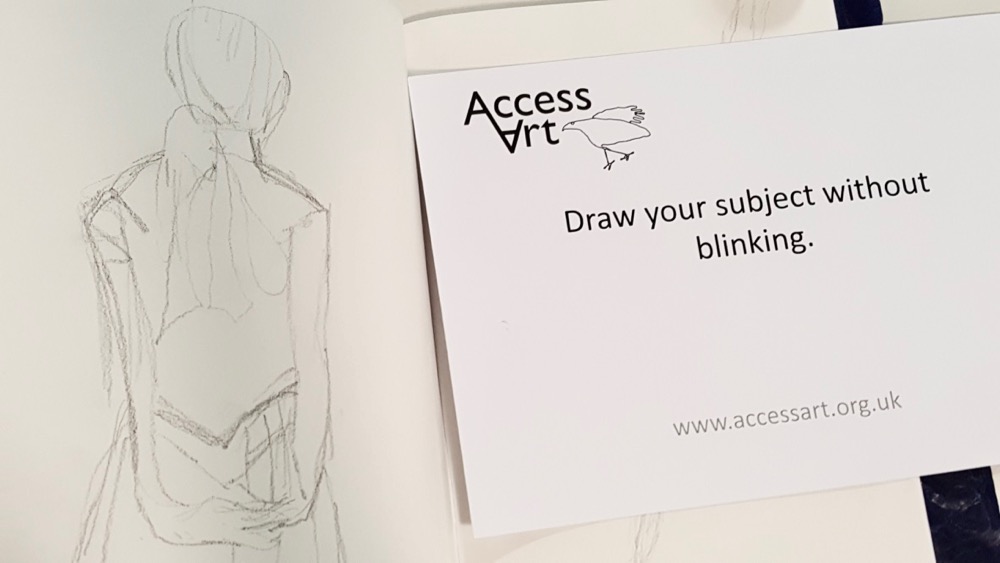
Challenge pupils with drawings prompts that encourage them to think differently. Responding creatively within certain rules can challenge their ideas about drawing, take them beyond their comfort zone and build resilience.
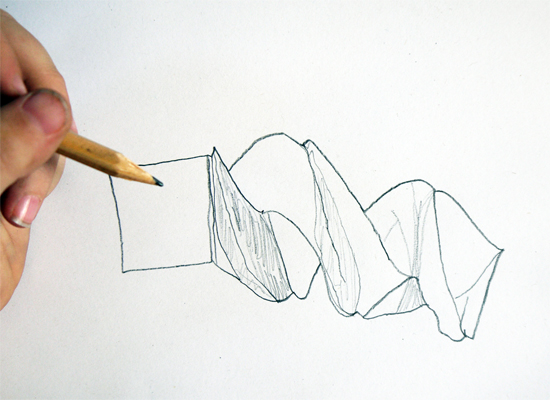
Ground pupils in the present by inviting them to draw to the rhythm of a metronome. The steady pace encourages pupils to slow down, look closely and enjoy the act of drawing, rather than rushing towards an outcome.
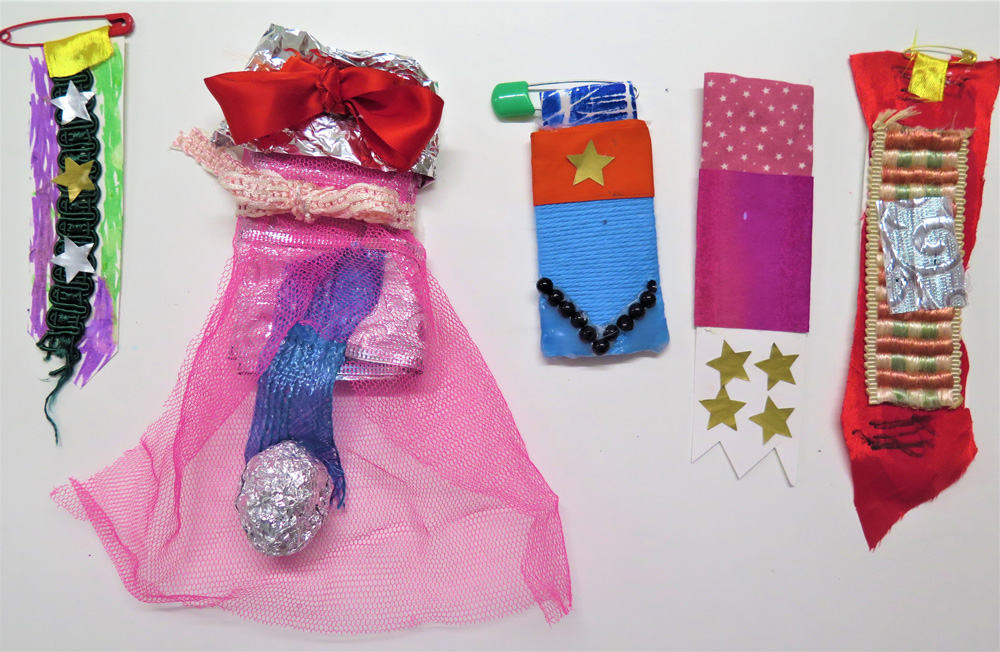
Invite pupils to make Creativity Medals to celebrate something they are proud of, whether it’s a personality trait, a skill they’ve been working on or a challenge they’ve overcome.
Resources
Playing with perspective

movement maps
portraits inspired by mike barrett
drawing prompt cards
Drawing to the Slow Rhythm of a Metronome
Creativity Medals
Relating
The pillar ‘Relating’ supports the capabilities of communication, empathy and collaboration. Creating a safe space for pupils to express themselves, listen and respond to one another helps them recognise different perspectives and develop mutual understanding. As they make and explore ideas together, they learn how to cooperate, navigate differences and build meaningful connections with one another.
Explore resources that build communication skills (self-expression, listening and relationship building)…
Make Talking Heads inspired by meaningful conversation to help pupils find their voice and share their perspective with others.
In Talking with Your Hands, pupils use drawing and making to explore how gesture and body language shape what they say and how they express themselves.
Explore resources that support empathy (compassion, understanding and open-mindedness)…
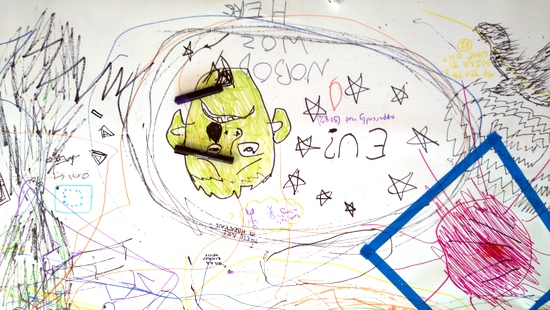
Create a Graffiti Floor to help pupils to share their thoughts, fears and anxieties with each other. Through drawing, pupils can express what is hard to say, helping their feelings to be seen, heard and understood.
Invite pupils to make sculptural Speech Bubbles that give form to their thoughts and opinions, helping them share ideas, open up conversations and understand others point of view.
Explore resources that encourage collaboration (co-operation, participation and connectedness)…
In Buildings and Billboards (coming soon), pupils work together to create cardboard buildings inspired by the architectural and environmental features they see around their community. They then draw on their own experiences to create billboards that imagine what a better future might look like in their local area.
Resources
talking heads
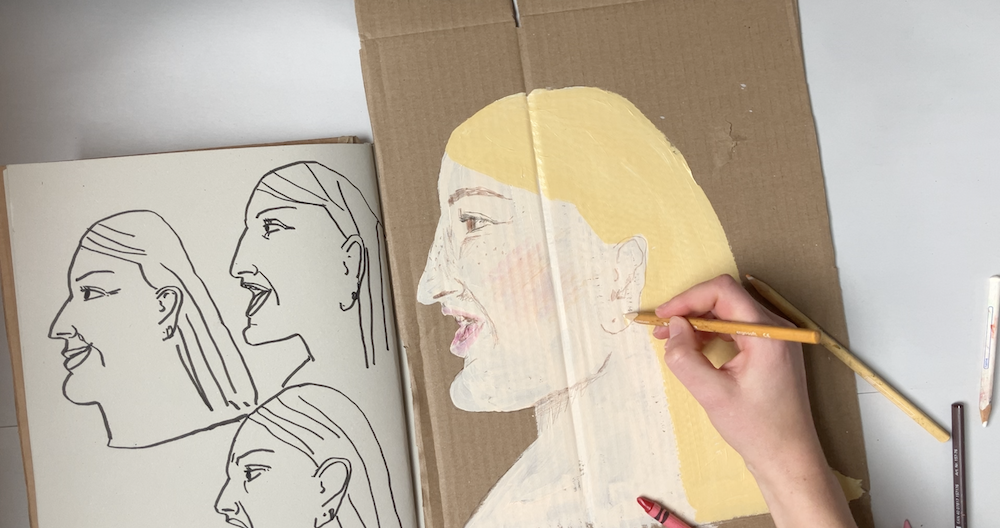
talking with your hands

graffiti floor
speech bubble challenge

buildings and billboards

Creative and Critical Thinking
Creative and critical thinking helps pupils recognise that there are many ways to approach the same thing. Being open-minded, willing to experiment and comfortable not knowing the answer straight away can help pupils create original outcomes.
Art provides a natural space for pupils to develop creative and critical thinking. While some subjects focus on finding the correct answer, art encourages pupils to use their imaginations, explore possibilities and find their own solutions. This helps them build confidence in interpreting what they see, asking questions like ‘why?’ and finding their own meaning.
Explore resources that support pupils creativity (imagination, curiosity and originality)…
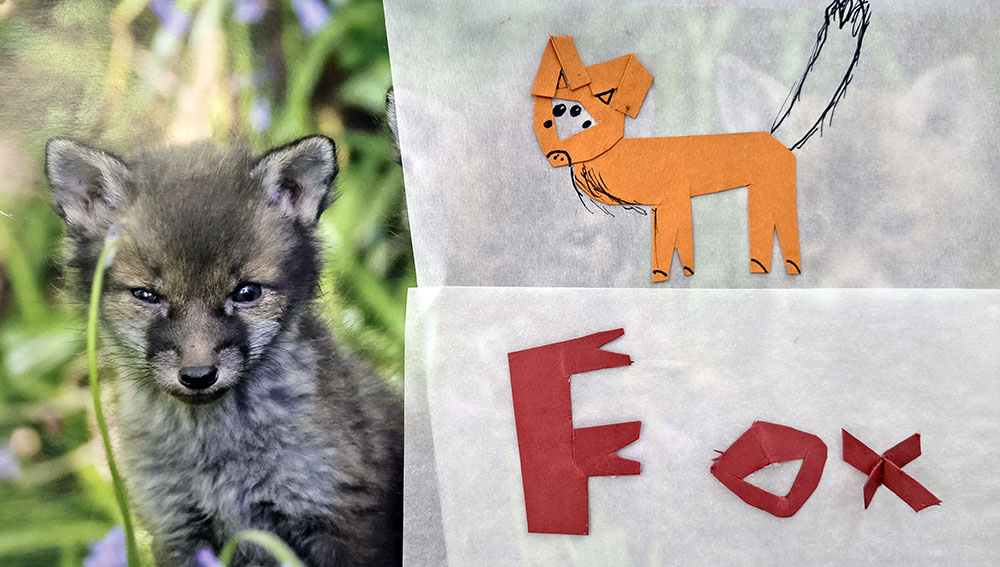
Transforming Letters encourages pupils to think in both creative and analytical ways. They practise generating ideas and solving problems, using their imagination to find creative solutions within set limitations.
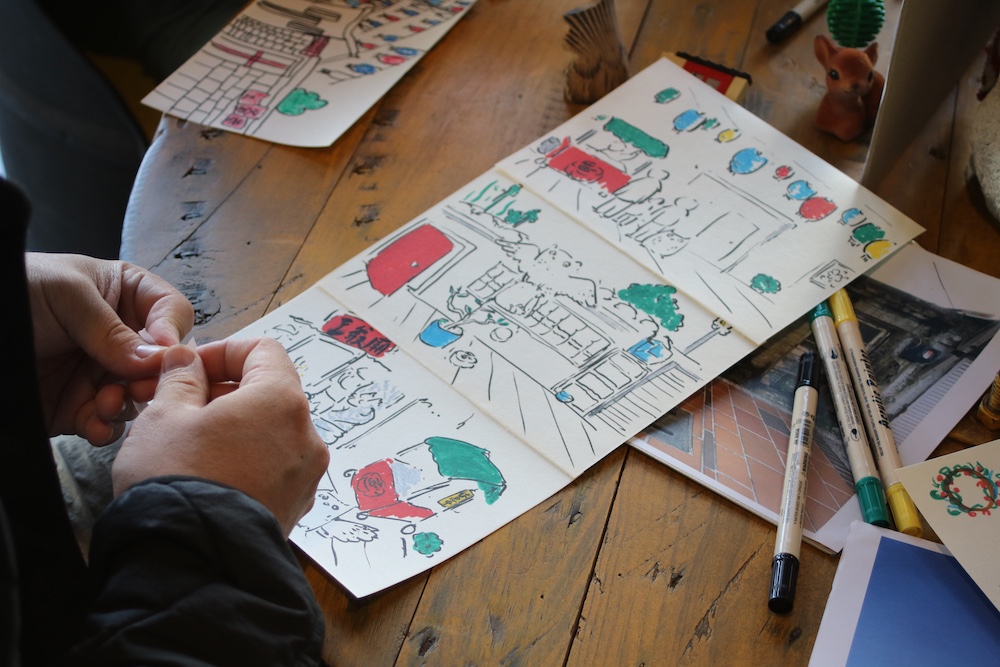
Use images of the local area and encourage pupils to see familiar spaces in new ways with Sequence and Story Building. Through storytelling and character development, pupils use their imagination to create new perspectives.
Explore resources that develop skills in interpretation (independant critical thinking, reflective judgement and meaning making)…
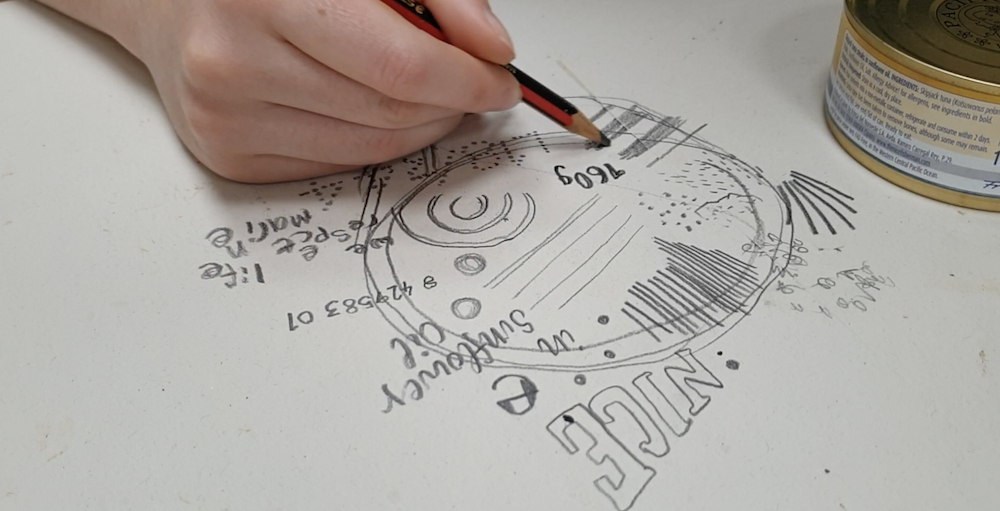
In Deconstructing to Help You See, pupils look closely at familiar objects, breaking them down into marks and shapes to create something new.
In Word and Image: Creating New Narratives pupils explore the relationship between words and images through collage, experimenting with how bringing the two together can shift meaning, change context and create unexpected new narratives.
Use drama techniques to bring paintings to life through a collection of Art and Drama exercises. Pupils immerse themselves in the artwork by stepping into the shoes of its characters, imagining what they might be doing, thinking or feeling.
Resources
Transforming letters
Sequence and Story Building
deconstructing to help you see
Word and Image: Creating New Narratives

Drama and Art
