Valuing the Journey Arts and Culture Enrichment in your School
Enrichment provides an opportunity for pupils to deepen and broaden their experience of art. Our aim is to give pupils permission to be playful, feel less measured and pressured, and engage more deeply with materials, processes and ideas.
The following approaches are useful in helping pupils (and teachers) develop a deeper engagement with art:
Journeyful learning provides opportunities for pupils, teachers and parents to support and inspire one another, learning together through shared exploration.
Why choose activities from the Valuing the Journey Pathway?
The ideas on this page are designed to help you think about how you can create an exciting enrichment offer in your school.
The ideas in this pathway help schools meet two of the DfE Enrichment Benchmarks:
-
A well-communicated enrichment offer that celebrates participation and achievement
-
An accessible and engaging enrichment offer
How might these activities be embedded into your enrichment offer?
In particular, the activities and approaches outlined on this journey are suited to:
-
Art clubs during lunch or after school
-
Smaller group activities within the curriculum
-
Art weeks that give pupils time to really embrace a creative journey
Tips!
Give pupils the opportunity to reflect on their approaches and discoveries by looking at the outcomes together and discussing what they noticed, learned and enjoyed during the process.
Resist the temptation to move too fast, and make sure pupils have plenty of space and know they are not being measured on the outcomes.
Help pupils understand what a creative risk is and how embracing them can positively impact their creativity.
Challenge your own ideas about outcomes, styles and aesthetics, helping pupils stay open to different ways of making art.
Play & Exploration
Play gives pupils the freedom to experiment without pressure, reconnecting them with the curiosity and creativity of early childhood. By revisiting and reframing familiar activities in ways that feel relevant to them now, pupils can begin to see things differently.
See how you can include play and exploration in your enrichment sessions…
1. Offer pupils new perspectives that challenge their understanding
Pupils may already have ideas about what ‘good’ art looks like, which can limit their willingness to explore something new. Showing pupils there are many ways to approach a subject or material creates more space for inclusion and enjoyment, while encouraging them to explore new ideas and processes can deepen their engagement.
The following warm-ups are examples of exercises which can help pupils experience playful exploration. (Find many more on AccessArt here).
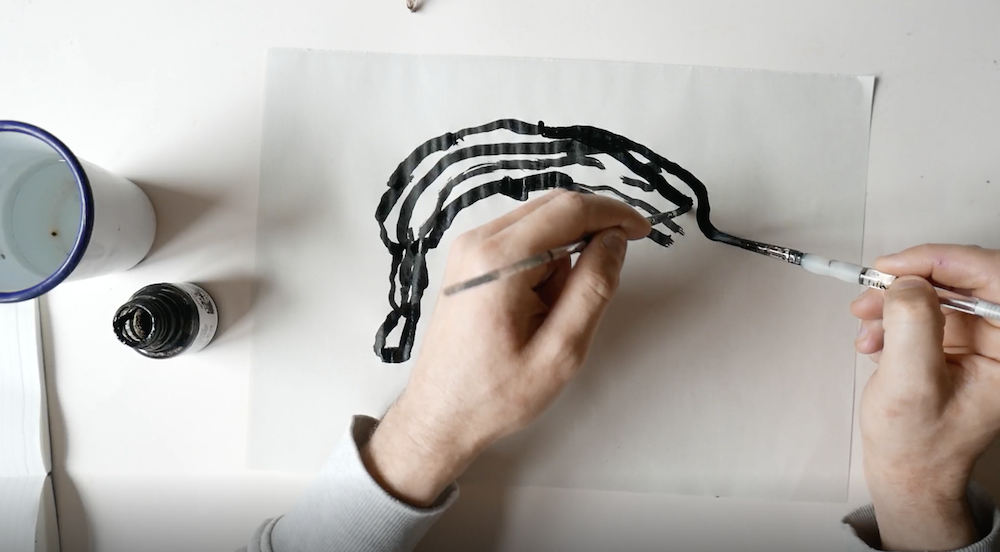
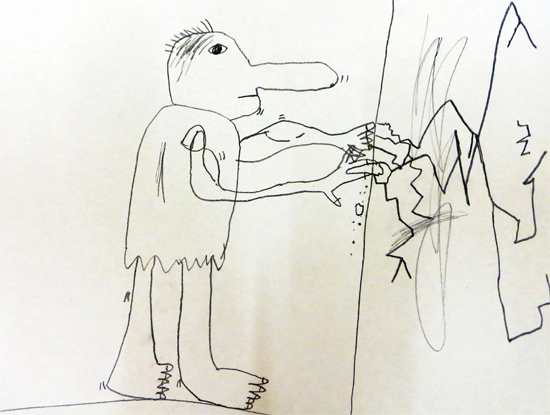
In Drawing with Two Hands, pupils explore making marks with both their dominant and non-dominant hands. The playful exercise encourages focus and opens up conversations about what we expect or value in drawing.
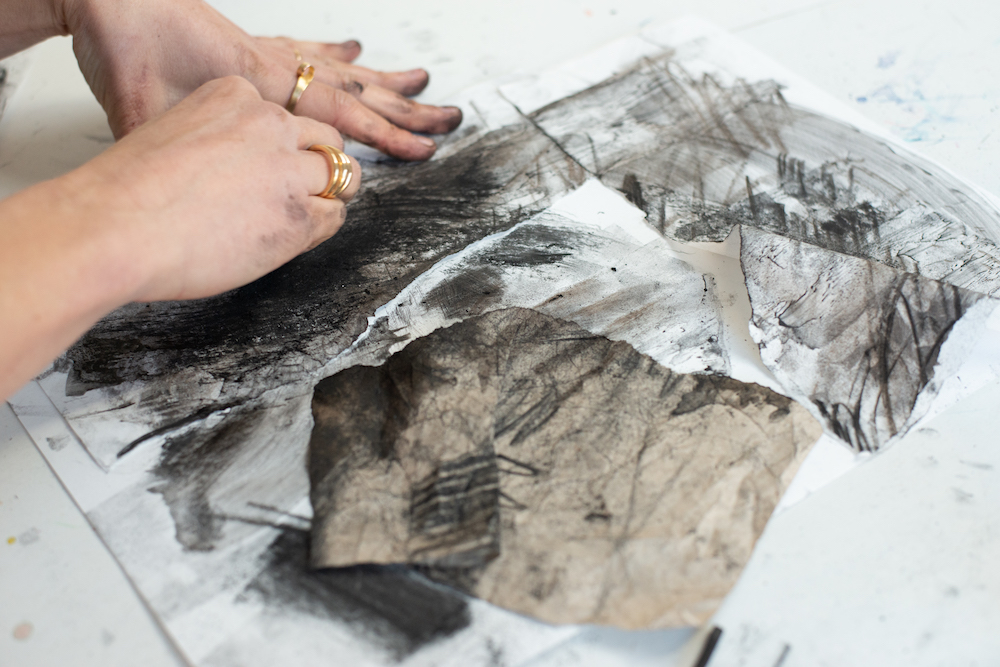
Deconstructing to Help you See encourages pupils to explore mark-making without creating a representational drawing, removing pressure around what the outcome should look like.
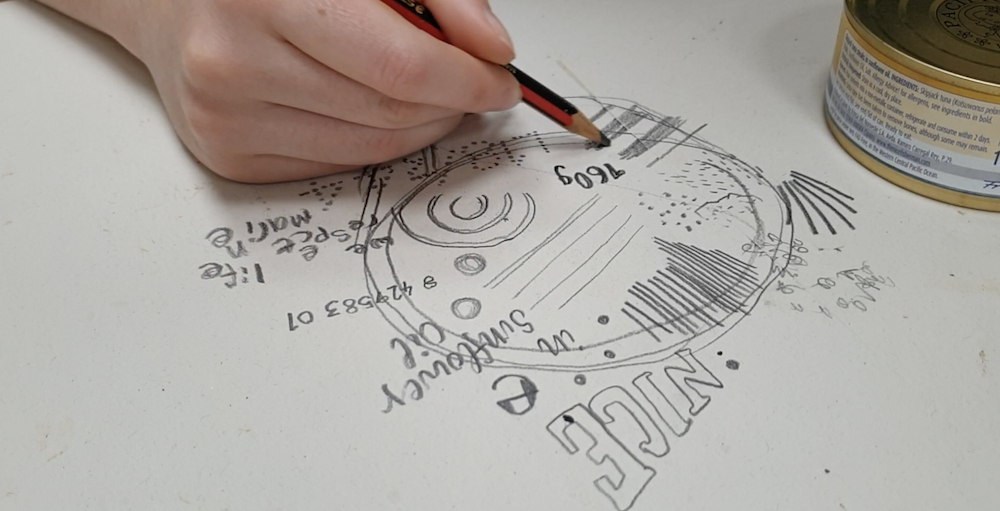
Drawing with Sticks brings energy and movement to drawing. Creating distance between the hand and page encourages pupils to make unexpected marks and embrace a messier creative process.
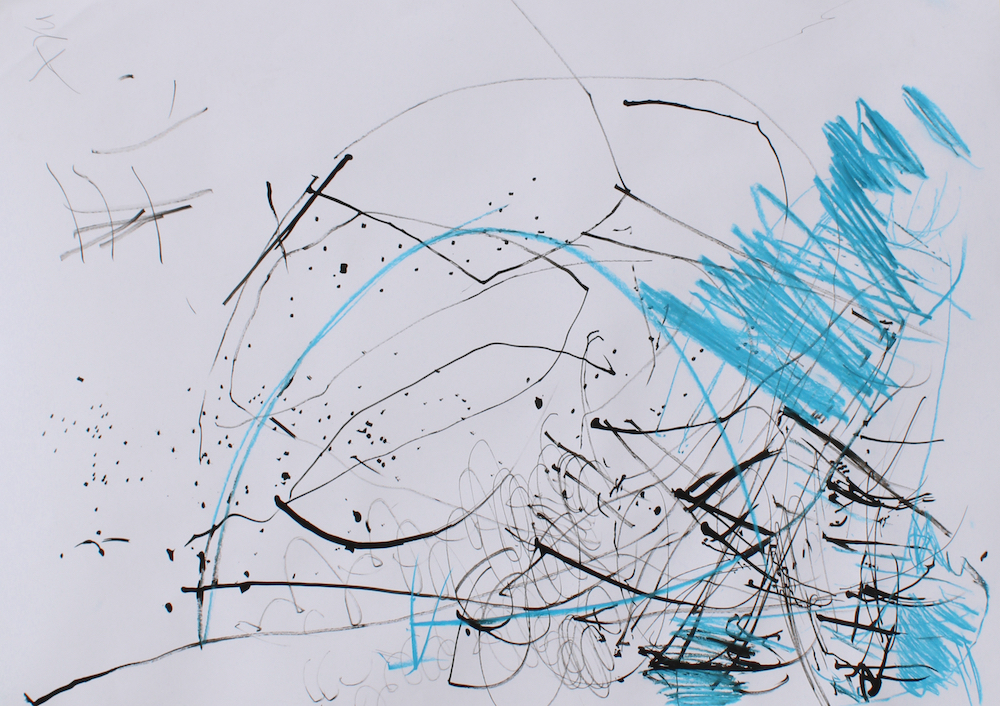
Feely Drawings encourages pupils to explore objects through touch rather than sight. Without the pressure to create an accurate drawing from what they see, they are free to focus on exploration.
2. Give pupils opportunities to revisit activities from when they were younger in ways that feel meaningful and relevant
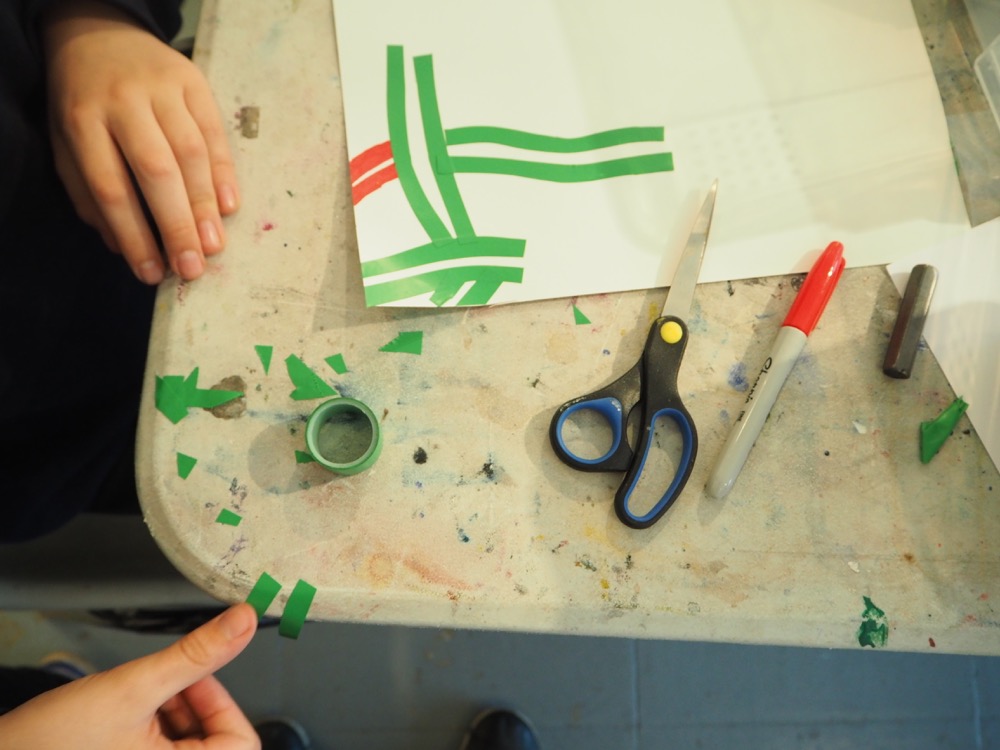
Children are often expected to ‘grow out of’ activities like constructing, cutting and collaging, but these can be freeing and valuable for pupils of all ages to revisit. These activities can be made relevant by choosing themes that suit pupils’ age and ability. The act of making itself, gives pupils of all ages the freedom to use their imagination and have fun.
Feasts from Modroc is a playful way for pupils to explore and transform materials into recognisable forms. Through making, they experiment, solve problems and discover what materials can do.
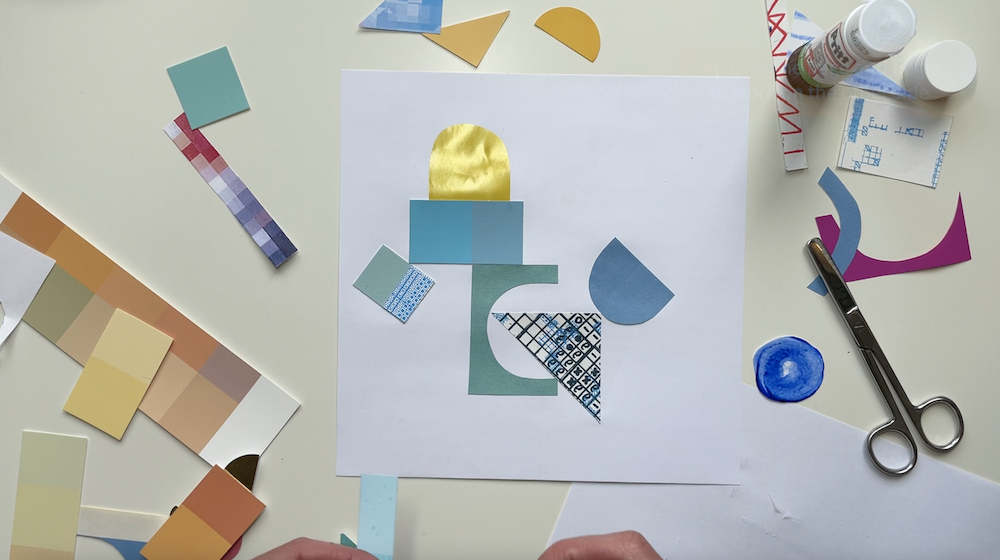
Creating Repeat Patterns encourages pupils to make playful patterns through collage, using techniques inspired by professional pattern designers.
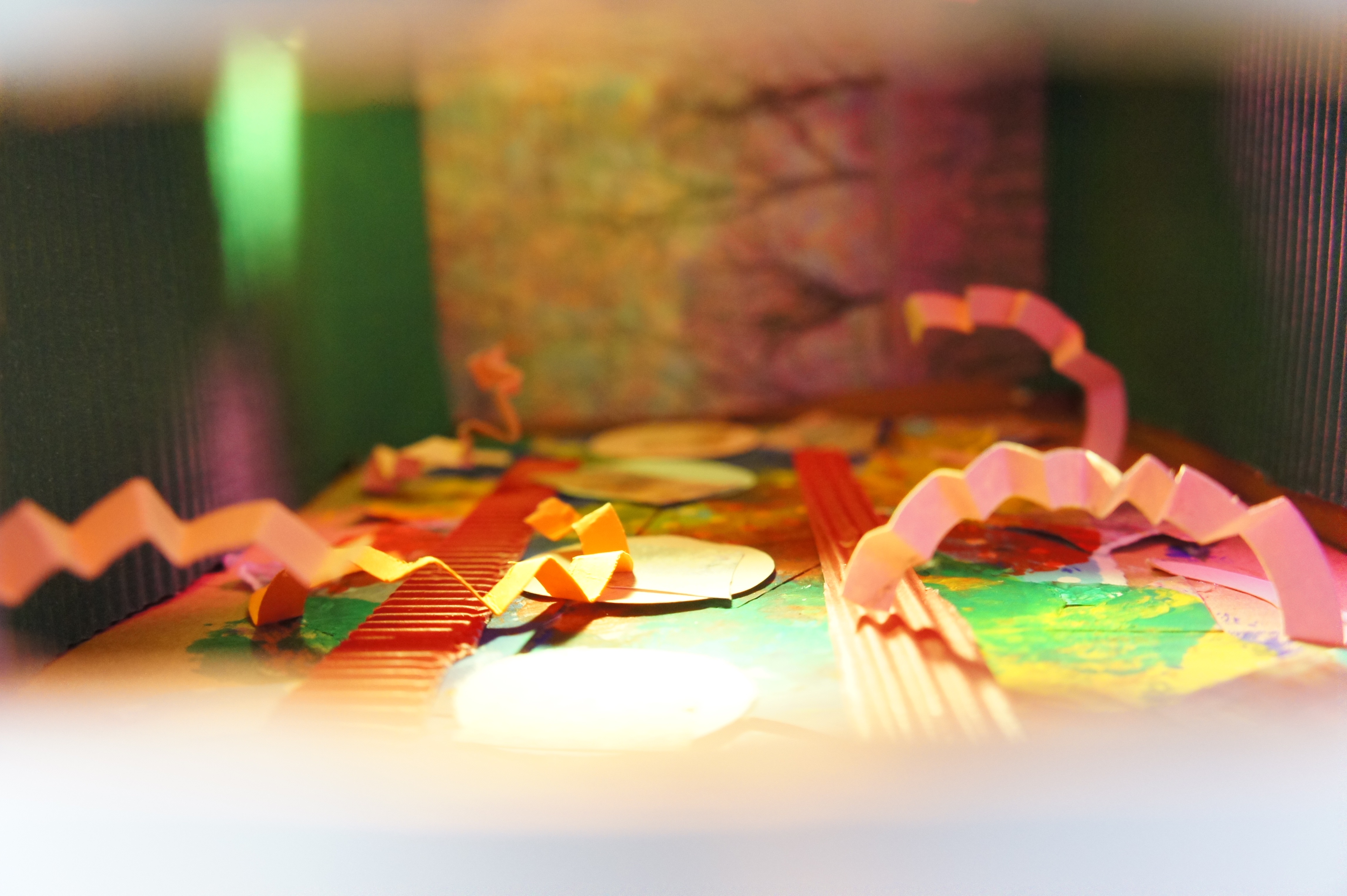
Creating Mini World Light Boxes gives pupils the opportunity to create a playful maquette of an immersive imagined world, filled with textures, colours and hand-built furnishings.
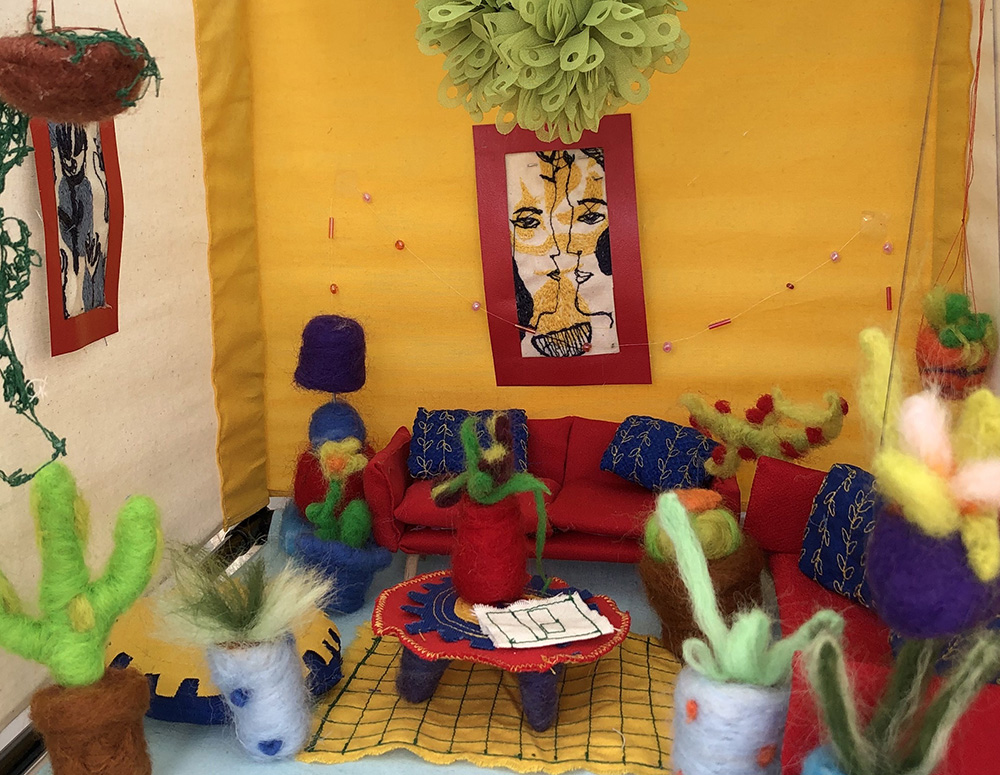
See how an artist creates playful Textile and Felted Sets of imaginary rooms, using maquettes to explore materials, develop ideas and imagine who might live there.
Resources
drawing with two hands
Deconstructing to help you see
drawing with sticks
Feely drawings

Feasts from modroc

creating repeat patterns
Mini world light boxes
Which Artists: Gabby Savage-Dickson
Learning Through Making
Learning through making gives pupils the opportunity to grow their understanding by ‘doing’.
Through making, pupils engage directly with materials, asking questions such as, ‘What happens if I…?’ to develop an understanding of both the materials and their own creative potential. Over time, these experiences help pupils become confident, creative decision-makers.
Offer pupils the opportunity to make to find out…
Giving pupils time to explore how materials behave and what they can do opens up new possibilities for making. By letting go of a fixed outcome and responding to materials as they work, pupils can discover new ideas, unexpected journeys and different ways of making.
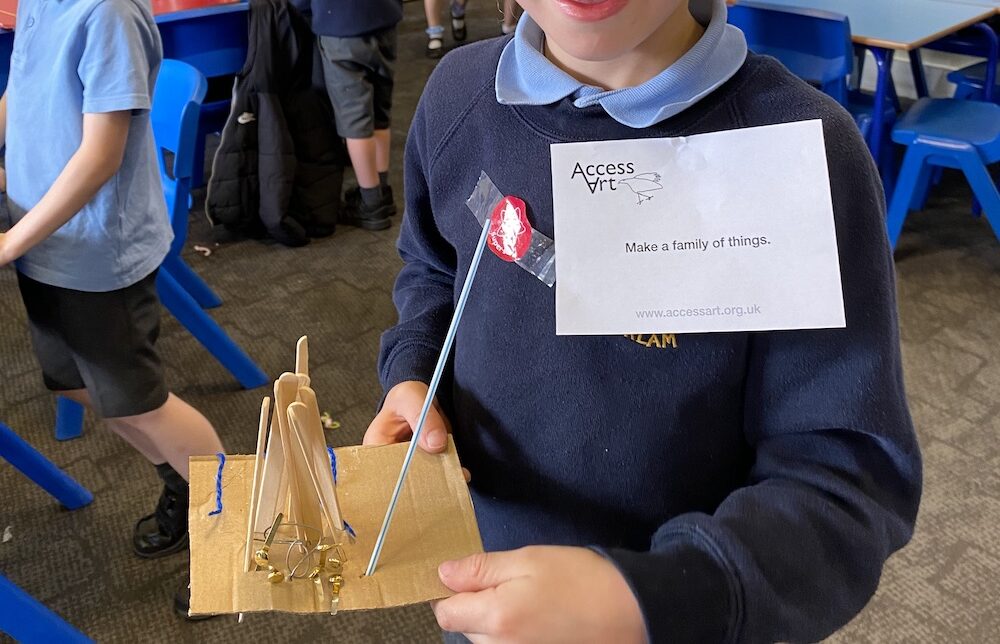
Use AccessArt Prompt Cards for Making as a warm-up, giving pupils just enough inspiration to begin exploring materials with purpose and intention, while discovering creative ways to use them.
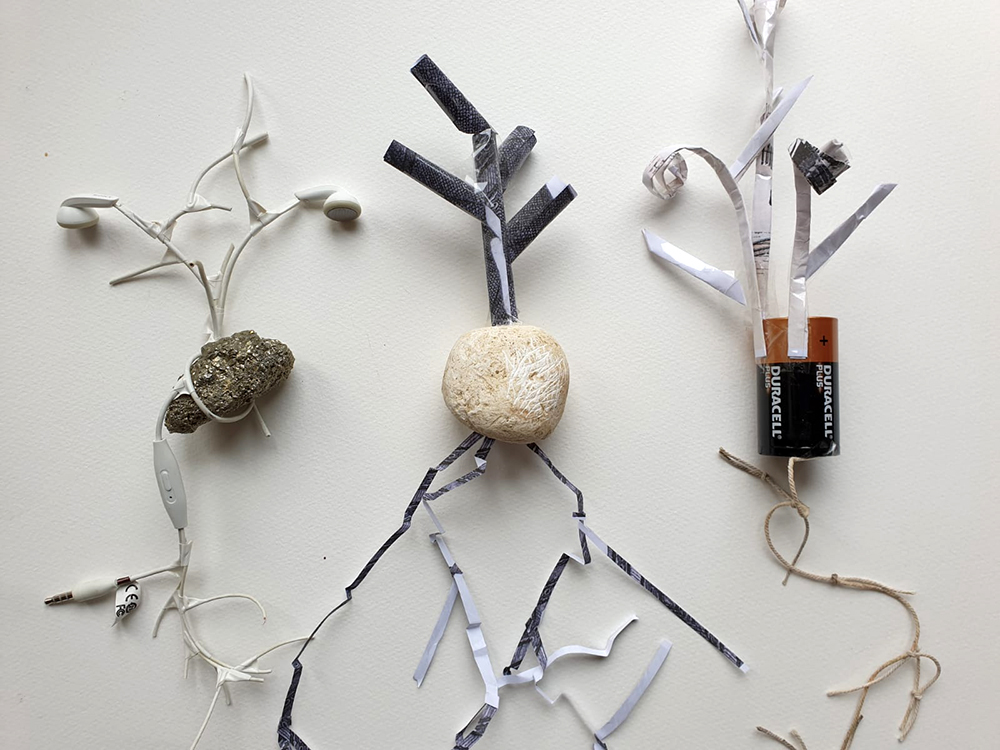
Roots and Shoots encourages pupils to let the materials guide the creative process and encourages inventive thinking without a fixed outcome.
In Time to Introduce Ourselves, pupils create sculptures of their initials, helping them express their personality while exploring materials.
Playful Making Inspired by Nnena Kalu invites pupils to work together, combining their sculptures into a shared artwork that grows as they respond to each other’s ideas.
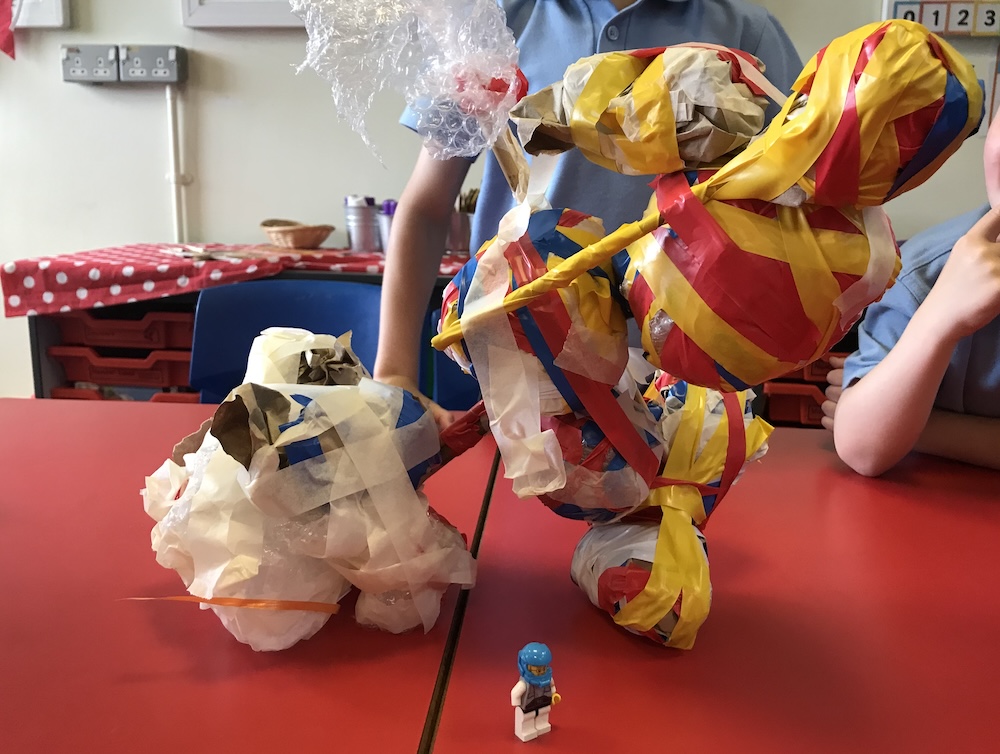
Create Sculptures with Personality. Encourage pupils to explore how different materials can express character and shape the personality of their sculpture.
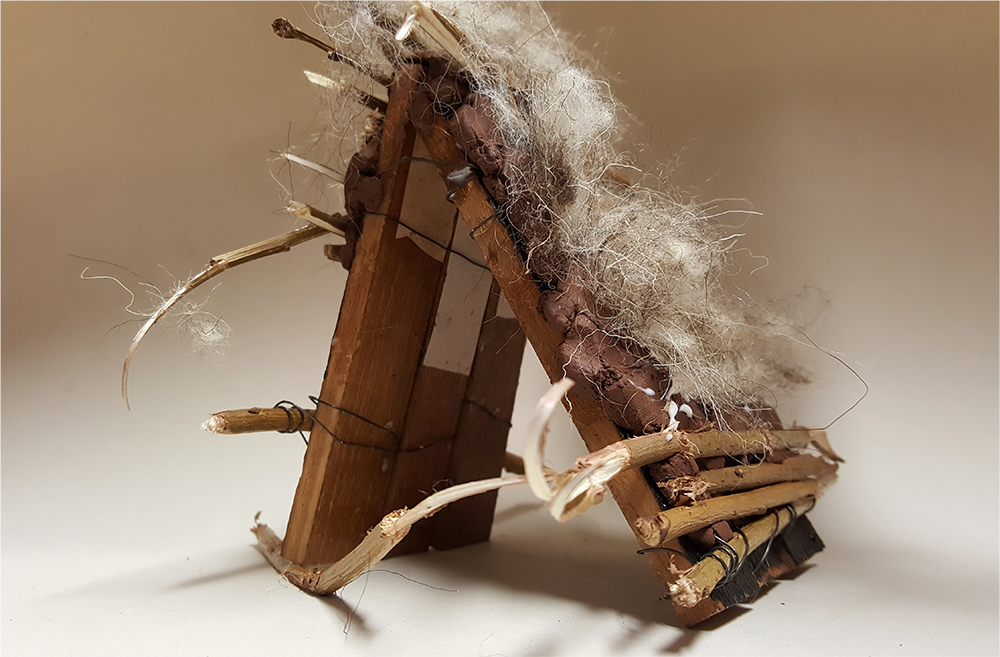
In Heavy/Light Mobiles, pupils develop a deeper functional understanding of materials, movement, balance and weight and the role it plays in building sculpture.
Remember!
AccessArt resources can be adapted to all ages and abilities.
Resources
Accessart prompt cards for making
Roots and Shoots
time to introduce ourselves

playful making inspired by nnena kalu
sculptures with personality
Heavy/light mobiles: Drawing and making

Curiosity & Flow
Curiosity begins with a question, and flow follows when we become absorbed in finding out. Enrichment sessions give pupils time to ask questions and explore in their own way, following the journey that interests them most.
When we centre an exploration around a question and let pupils sit with uncertainty, we give them space to discover in their own way. Staying open-minded about where the journey might lead allows one idea to grow naturally from another.
Offer pupils the space to ask questions, follow their curiosity and embark on their own process of discovery…
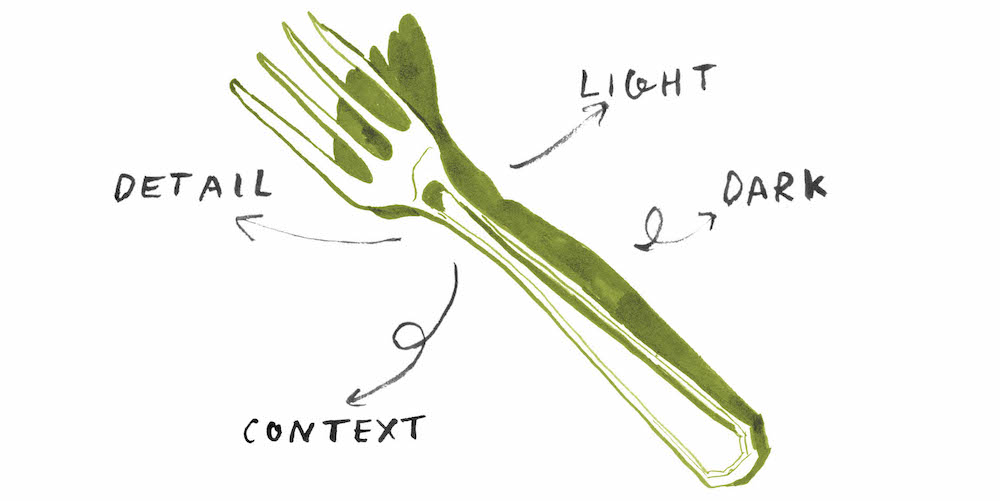
Show Me What You See encourages pupils to make drawings through careful, focused looking, recording what they see and how they interpret it.
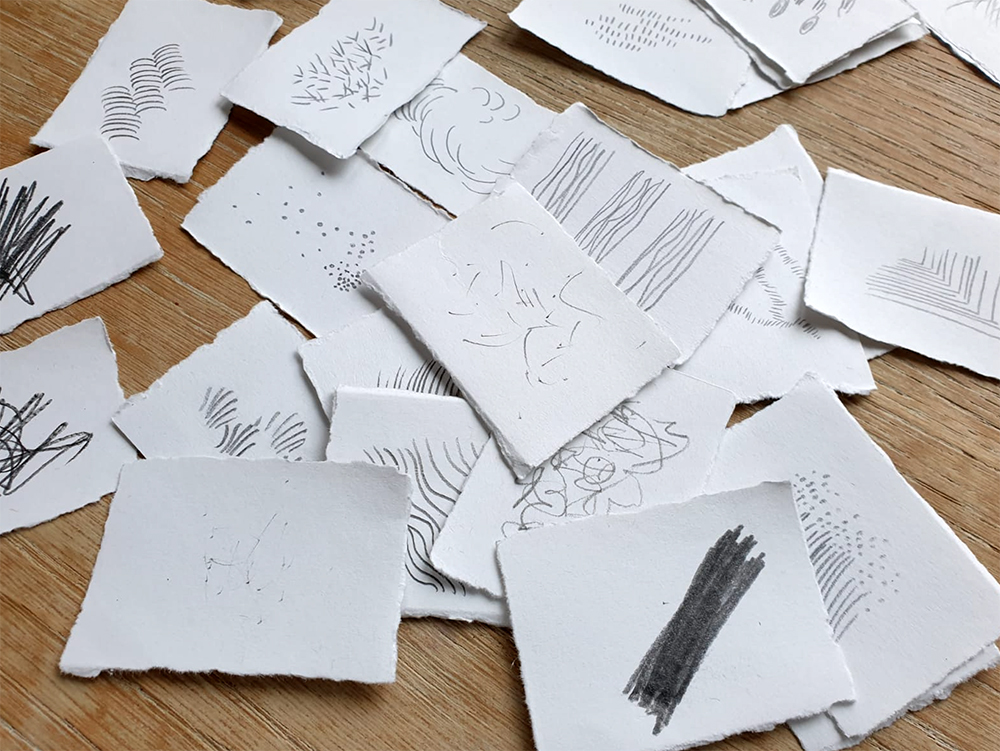
Finding Marks Through Drawings Inspired by Artists helps pupils become curious about artists’ work by looking closely, collecting marks from their drawings and learning how to ‘read’ the artwork.
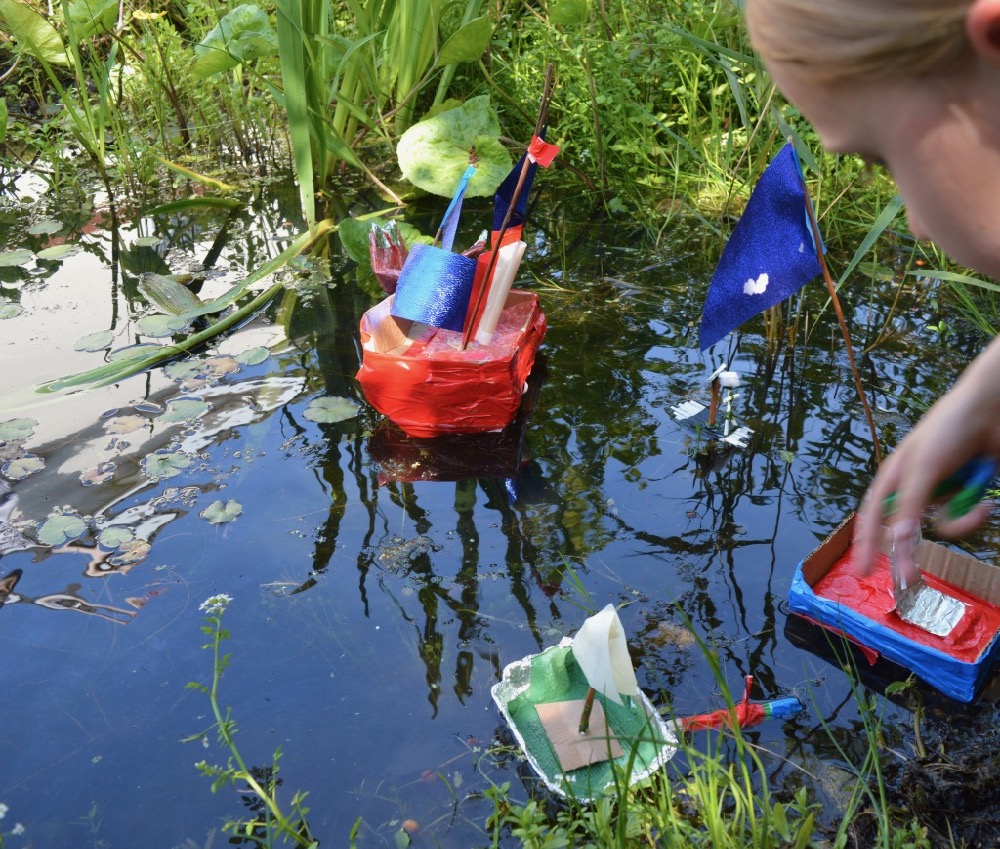
Making Boats that Float begins with a simple question: ‘What makes a boat float?’ As pupils investigate, they discover the properties of different materials and remain open to new ideas as their understanding develops.
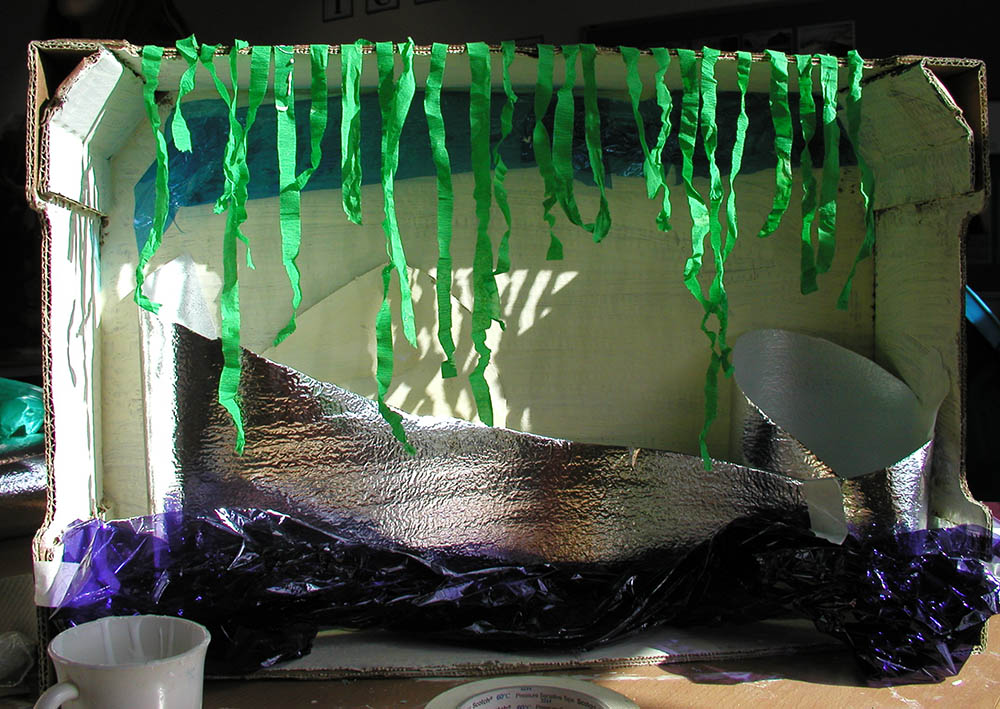
From 2D to 3D invites pupils to explore how one idea can grow as they experiment with different ways of responding across disciplines.
Pupils create an imaginative sculptural interpretation of an Ice World above and below the waterline, exploring melting ice, materials, texture and colour to develop their ideas.
Resources
Show me what you see
Finding Marks Through Drawings Inspired by artists
Making boats that float
From 2D to 3D

Ice worlds
Taking Creative Risks
Enrichment sessions give pupils space to take creative risks, experiment and explore beyond more structured lessons. Focusing on testing ideas rather than the outcome helps pupils feel more confident in taking risks and seeing where the creative process leads. Over time, pupils will develop a deeper understanding of materials and processes, while building skills such as resilience.
Offer pupils the opportunity to feel safe enough to take a risk…
Pupils can sometimes feel unable to take creative risks because they’re worried about making mistakes. Removing grades and assessment from these sessions gives them the confidence to try new things, embrace challenges and respond to unexpected discoveries.
Making Stronger Drawings is a warm-up exercise that guides pupils away from safe mark-making into bold, confident marks.
The Drawing out of your Comfort Zone resource helps pupils understand what a creative risk is and how it might feel to take a risk in drawing.
How Does Sculpture Balance? invites pupils to push ‘safe’ sculptures out of balance, challenging them to find new ways to balance them.
In Drawing to Music, pupils negotiate shared ownership of a drawing, experiencing some discomfort as they embrace the uncertainty of what the other person will do.
In Rules and Resolutions, pupils invent their own simple rules or guidelines for making drawings without knowing what the outcomes will be.
Resources
Making Stronger drawings

drawing out of your comfort zone
how does the sculpture balance?

drawing to music

rules and resolutions