Creative Careers Arts and Culture Enrichment in your School
Introducing pupils to a range of creative careers enriches their experience by placing creativity in the context of future possibilities. Using enrichment sessions in this way can broaden their understanding of what art can be, who makes it, and where creative practice might lead to beyond the classroom.
Government-commissioned research reveals that while nearly one in three (31%) young people aged 11–18 are interested in pursuing a career in the creative industries, nearly half (49%) don’t know what skills or qualifications they need to enter the sector.
Creative careers come in many forms, and it’s important to help pupils see the range of possibilities available and recognise that a creative career could be for them.
Lots of artists experiment across disciplines to inform their practice, while others may describe themselves more specifically as painters, sculptors, photographers, textile artists or animators; as designers working in areas such as print and digital graphics, fashion, product or furniture design; or as craftspeople such as ceramicists, jewellers, prop makers or woodworkers.
Below, you’ll find artists and projects that show pupils the different paths a creative career can take…
Please note, this is not an exhaustive list of creative careers.
Why choose activities from the Creative Careers Pathway?
The ideas on this page are designed to help you think about how you can create an exciting enrichment offer in your school.
The ideas in this pathway help schools meet the DfE Enrichment Benchmark:
-
A broad and well rounded enrichment offer
How might these activities be embedded into your enrichment offer?
In particular, the activities and approaches outlined on this journey are suited to:
-
Art clubs during lunch or after school
-
Smaller group activities within the curriculum
-
An artist visit exploring their creative career
-
Art weeks
Tips!
Using sketchbooks to make visual notes, can help pupils process information as they explore artists’ work.
You may find that pupils have parents who work in creative fields. Invite them into school to give a short presentation about what they do and how they got there.
We recommend introducing pupils to a wide range of creative careers, giving them opportunities to discover something they might connect with. Explore more videos about creative careers and what different creative sectors look like at Discover Creative Careers
Explore the CLA’s Capabilities Framework for Employability to see how their seven evidenced capabilities lead to multiple employability benefits for the economy of today and of the future, across all sectors.
What does a Surface Pattern Designer do?
A surface pattern designer creates artwork for the surfaces of everyday objects. You might find their designs on fabric, mugs, notebooks, wallpaper, furniture, rugs, pencil cases and much more.
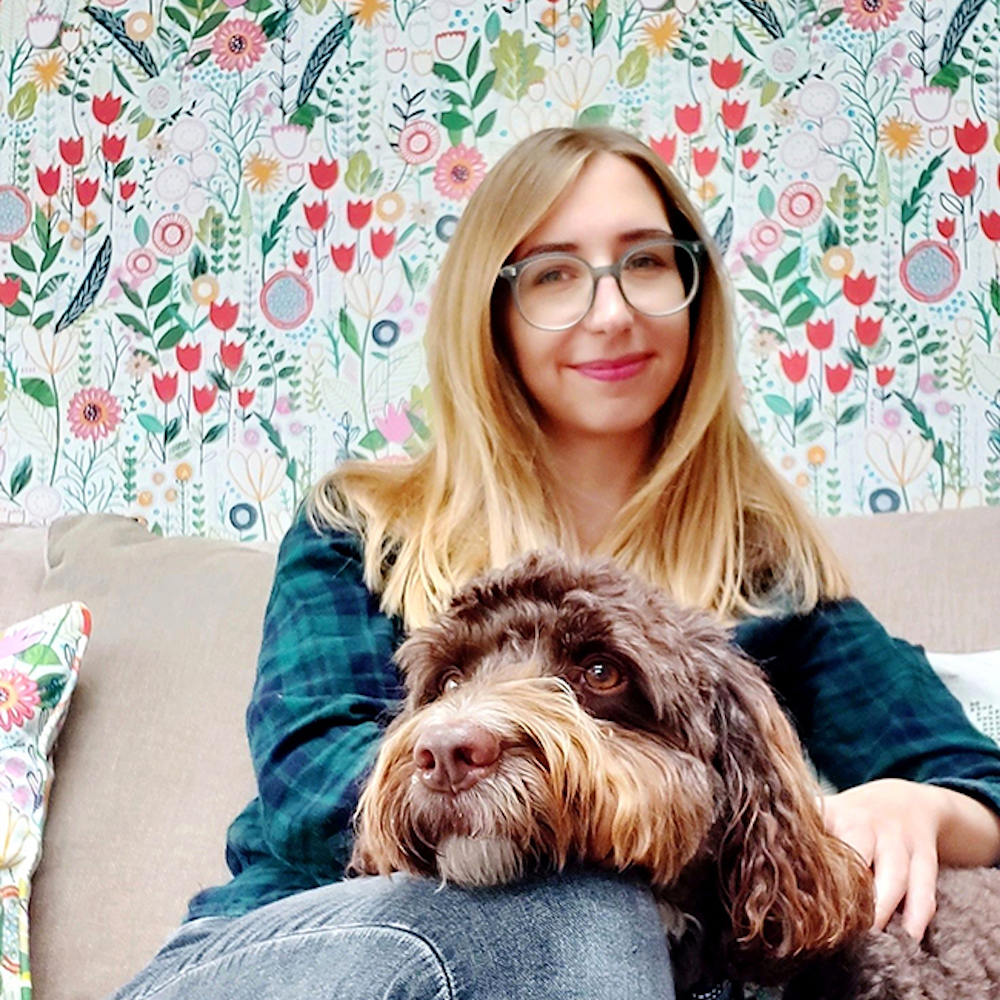
Introduce pupils to Rachel Parker, explore her role as a surface pattern designer and the journey she took to get there with Which Artists: Rachel Parker.
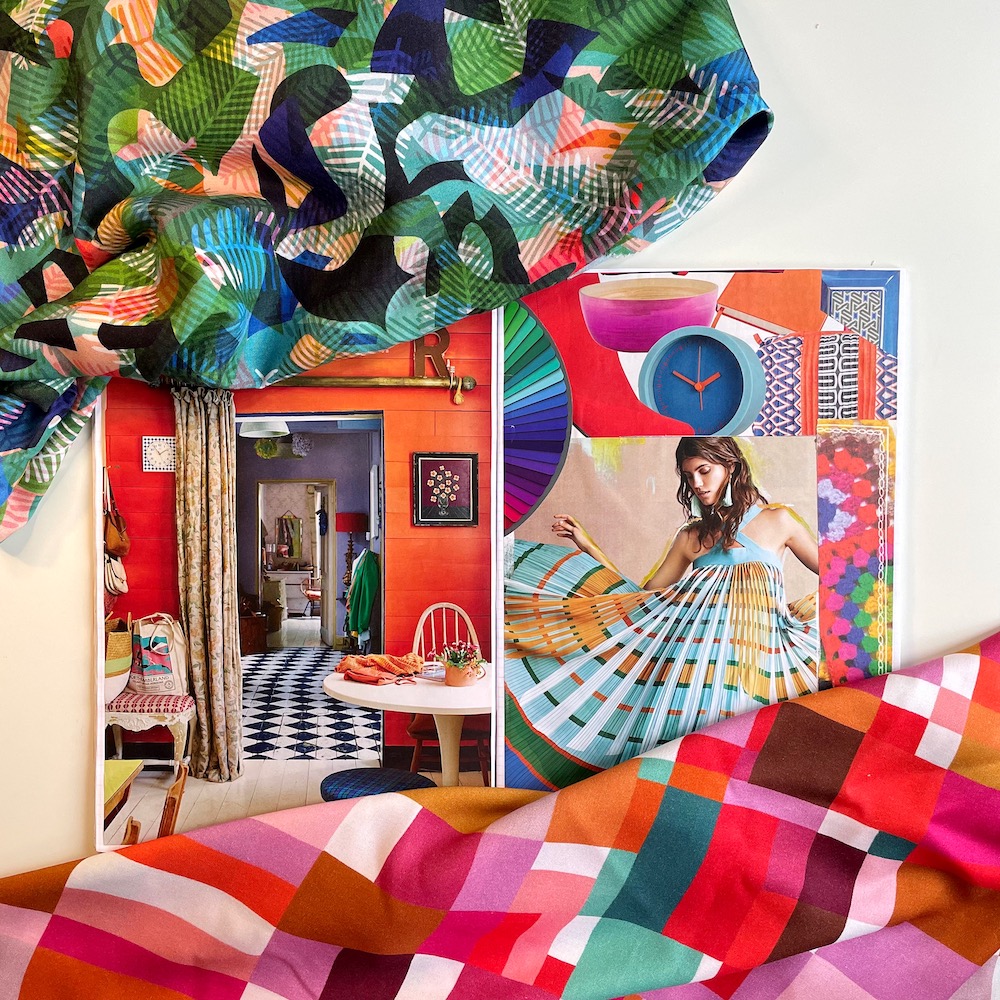
Invite pupils to explore Rachel Parker’s sketchbooks filled with the exciting colour that inspires her surface pattern designs. Use the videos in the resource to help pupils create their own colourful sketchbook collages.
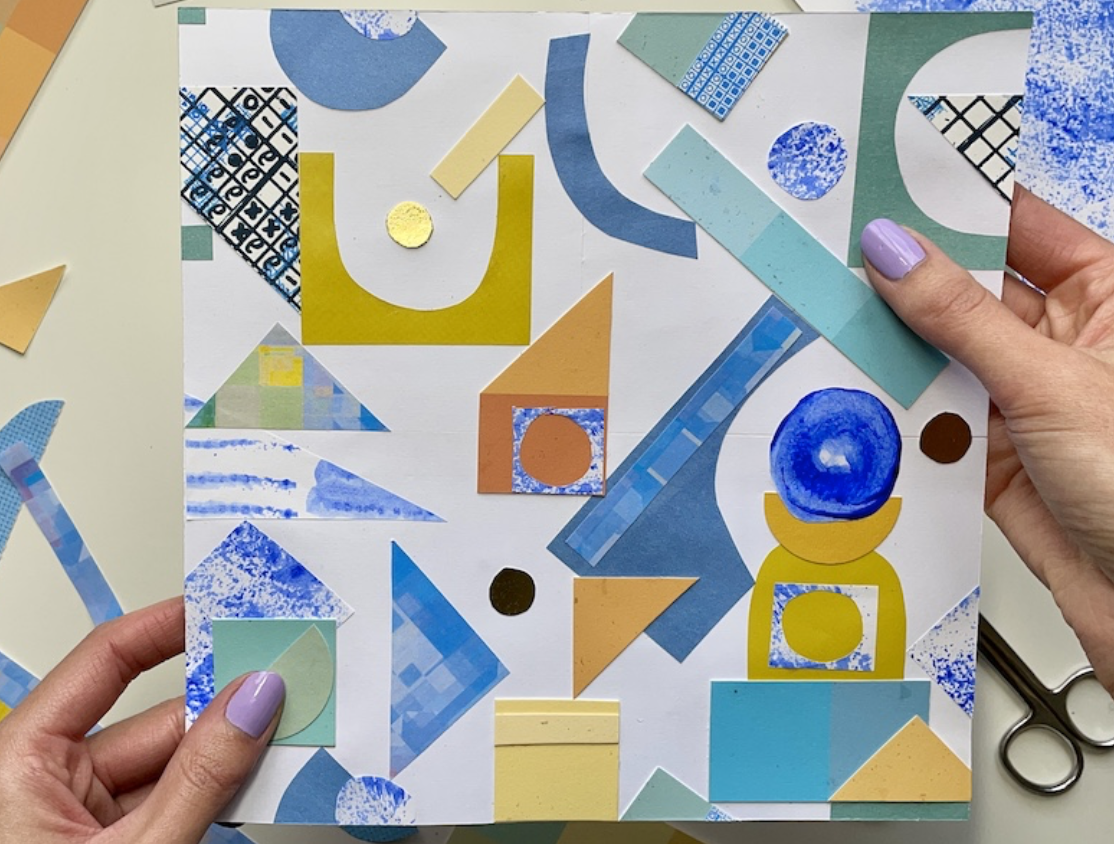
Finish exploring the role of a surface pattern designer by inviting pupils to create repeat patterns, helping them understand how designs are developed for different surfaces. Ask them to refer back to their colourful sketchbook collages to help them choose a colour scheme.
Resources
Which Artists: Rachel Parker
Exciting Colour
Creating Repeat Patterns With Rachel Parker
What does an Illustrator do?
An illustrator’s job is to tell stories and communicate ideas through imagery. They often work with clients to create illustrations that accompany text, for example in books or articles. Illustrators can work on lots of different kinds of projects, often helping to communicate others viewpoints and stories.
Begin exploring the role of an illustrator by seeing how Alice Bowsher uses her sketchbook for both professional and personal projects.
An illustrator who communicates ideas…
Explore Merlin Evans’s journey to becoming a medical illustrator and discover what a creative career for those with interests in both art and science might look like.
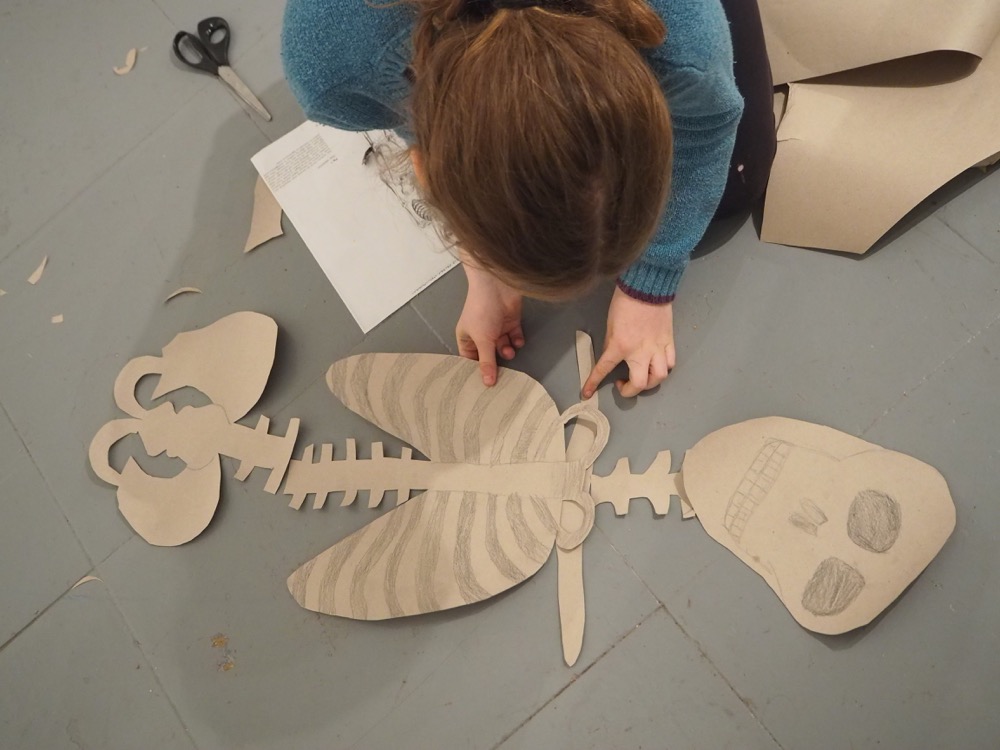
Follow on by inviting pupils to create life-size drawings and collages of skeletons, inspired by real anatomical drawings of human, ape, cat, lion, horse and dog skeletons in the Dancing Bones resource.
An illustrator who tells stories…
Find out how reportage illustrator Olivier Kugler uses illustration to share other people’s stories in Escaping Wars and Waves – Encounters with Syrian Refugees. Explore his creative process from interviews to final illustrations.
Invite pupils to capture a class discussion through Talking Heads, using drawing and painting to record expressions, body language and mood. Encourage them to tell the story through portraits and speech bubbles, capturing different emotions, ideas and viewpoints.
Resources
how i use my sketchbook as an illustrator, by alice bowsher
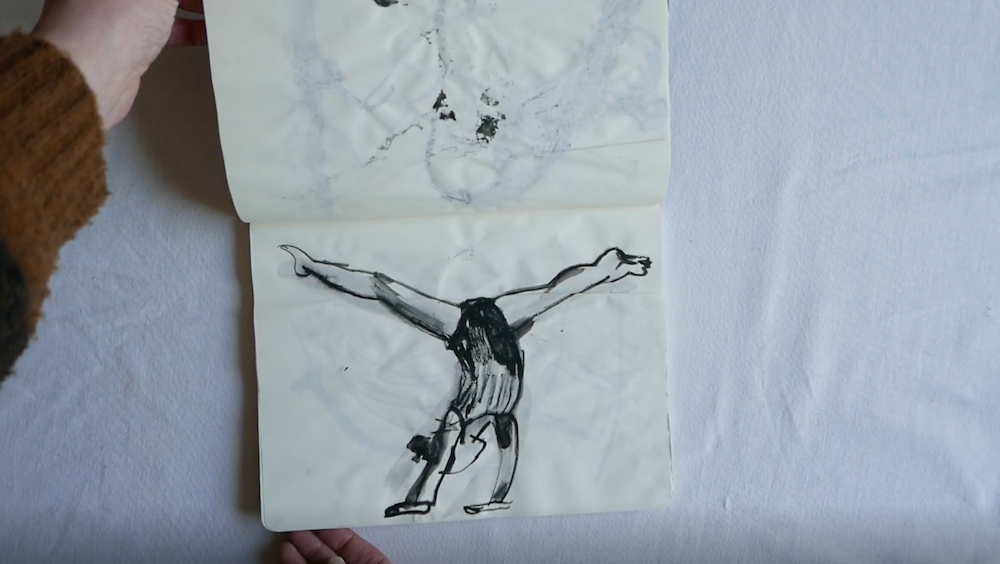
which artists: Merlin Evans

dancing bones
Olivier Kugler: Escaping Wars and Waves

talking heads

What does a Sculptor do?
Sculptors create 3D artworks for public spaces, buildings and galleries. Their work can take many forms, from individual objects to installations. While sculptures are 3D objects, installations transform or respond to the surrounding space, making the viewer’s experience part of the artwork. They might combine sculpture with sound, light, video and other materials.
Explore sculpture…
Introduce pupils to the work of sculptor Faith Bebbington who is best known for her sustainable practise which utilises lots of waste material to create large scale sculptures.
Follow on by inviting pupils to explore polar bears using Drawing, Collaging, Painting and Sculpture.
Explore installation…
Introduce pupils to Do Ho Suh, an artist who explores ideas of home through sculpture and installation. He creates rubbings of places he has lived, transforming them into translucent fabric installations that visitors can walk through and explore in gallery settings.
Invite pupils to create Autobiographical Houses, using sculpture, collage, and printmaking to communicate their personal feelings and associations with home or other safe spaces.
Resources
Which Artists: Faith Bebbington
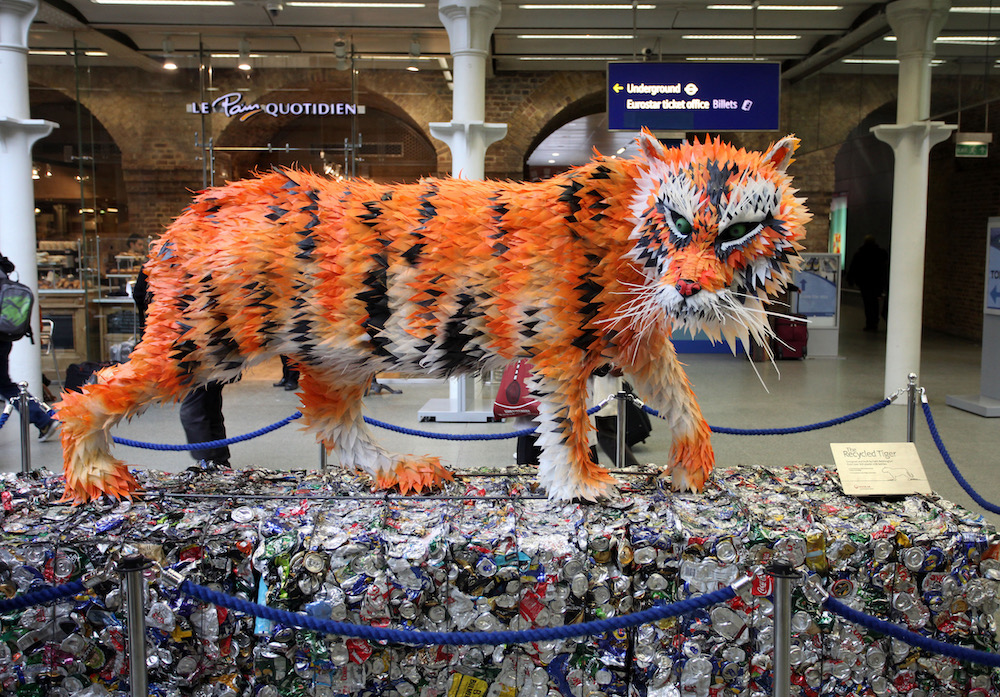
Drawing, Collage, Painting and Sculpture
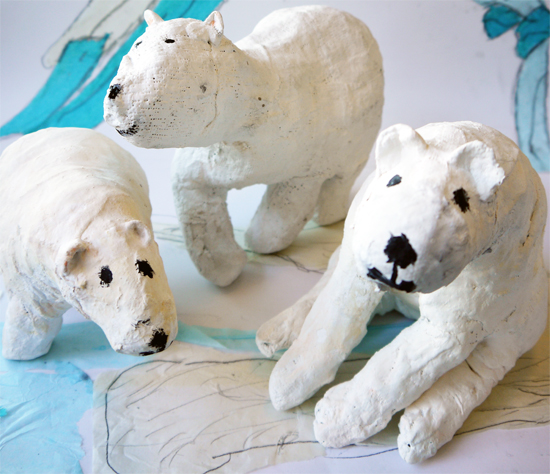
Do Ho Suh

autobiographical houses

What does an Architect do?
An architect designs buildings and spaces, thinking about how they will look, how they will be used and how they can be built safely. They combine creativity with practical skills, bringing together art, design, maths, science and technology.
Introduce pupils to Hundertwasser, a visual artist and architect who was interested in environmental protection. His work is known for its bright colours, handmade decoration and curved lines.
Next, invite pupils to create Sculptures with Personality inspired by both the work of Hundertwasser and a building in the local area. Challenge pupils to redesign the building, giving it a new personality or helping it fit better within its environment.
Resources
hundertwasser

autobiographical houses

What does a Painter do?
A painter creates artwork using paint, exploring things like colour, shape, texture, composition and mark-making. They might paint to express ideas or emotions, tell stories, explore a subject, or simply experiment with materials and processes. Painters’ work is often exhibited in galleries, sold or commissioned by clients.
See how painter Joe Gamble uses his Sketchbook. Explore how he generates ideas, draws from life, experiments with colours and plays with compositions for larger paintings.
Next, see how Joe Manipulates Forms in Landscape Painting to develop his visual language. Invite pupils to respond by breaking down what they can see into simple shapes and forming their own simple composition.
Explore how Joe Gamble explores Colour to create free and expressive landscape studies that capture small details, colours and shapes. Invite pupils to explore the colours of a landscape through oil pastel drawings, paying close attention to simple shapes and forms.
Find out what it is like for an painter Working in a Studio space, and see how the environment itself helps the development of the work.
Resources
how i use my sketchbook as a painter, by joe gamble
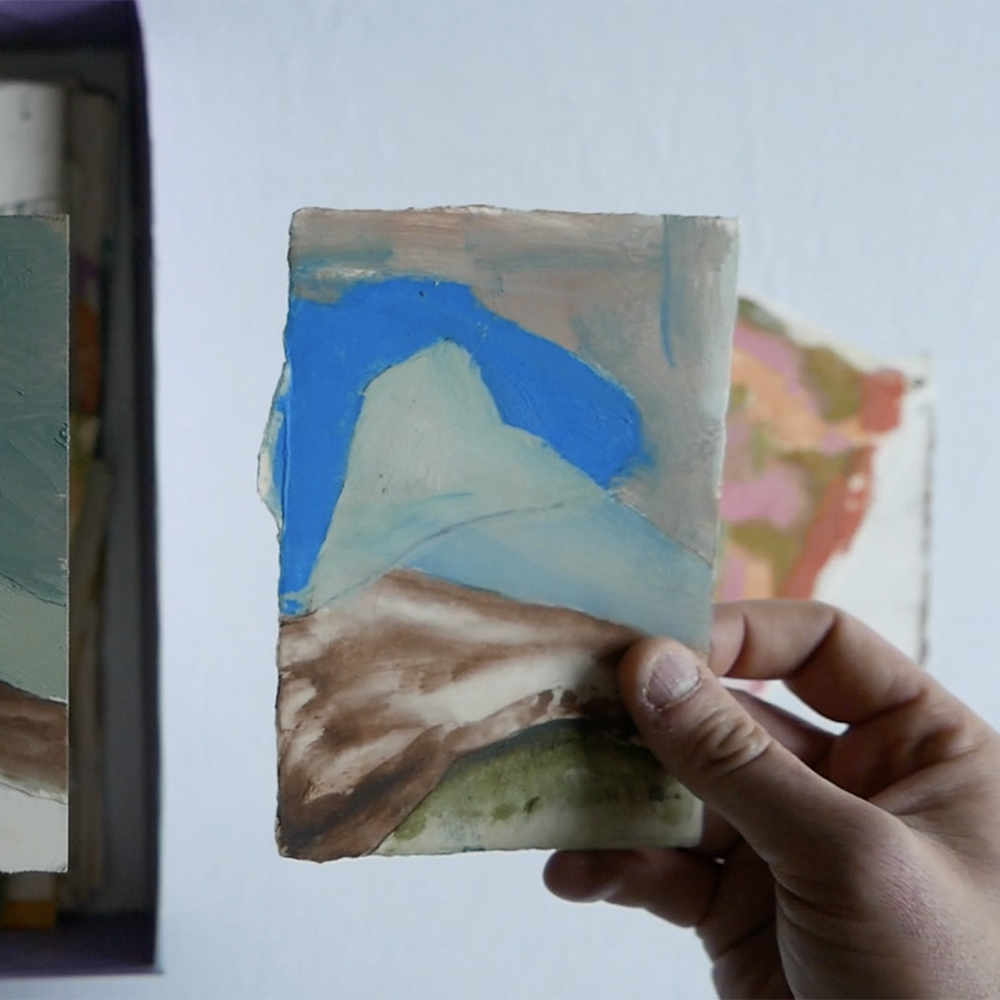
Manipulating forms in landscape painting

changing colour

working in a studio

What does a Set Designer do?
A set designer imagines and designs the environment or space in which a story, performance or experience takes place. They think about how a setting should look, feel and function, and how it can help communicate a story or idea.
They might work in theatre, film, television, animation, exhibitions, events or window displays. Their work can involve researching ideas, sketching, making models, choosing colours and materials, designing scenery and props, and working with other creatives to bring an imagined environment to life.
Introduce pupils to the work of Nathan Ward, an artist who produces crafted paper illustrations, animations, large-scale sets, window displays, and installations from paper sculpture. Explore his creative journey, from GCSE to creative agency.
Next, explore the work of Rae Smith, a set and costume designer who works in theatre. Rae often uses drawing as a tool to create atmospheric designs that help immerse audiences in a space.
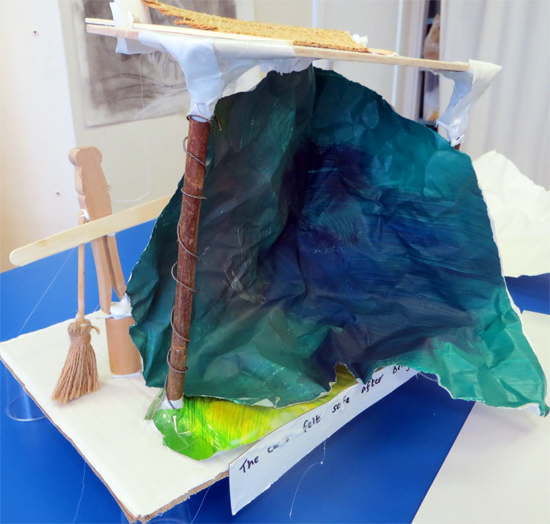
Inspired by both set designers above, invite pupils to create dynamic, energetic drawings in charcoal, then use mixed media to make imaginative, sculptural Set Designs, combining 2D and 3D elements to create atmosphere.
Resources
nathan ward

Rae Smith

Set design
What does a Fashion Designer do?
A fashion designer imagines and creates clothing, accessories or footwear. They think about how their designs will look, feel, move and function, as well as who they are designing for.
Fashion designers might research ideas, draw and develop designs, experiment with colour, pattern, fabric and materials, create samples and prototypes, and work with other creatives and makers to bring their ideas to life.
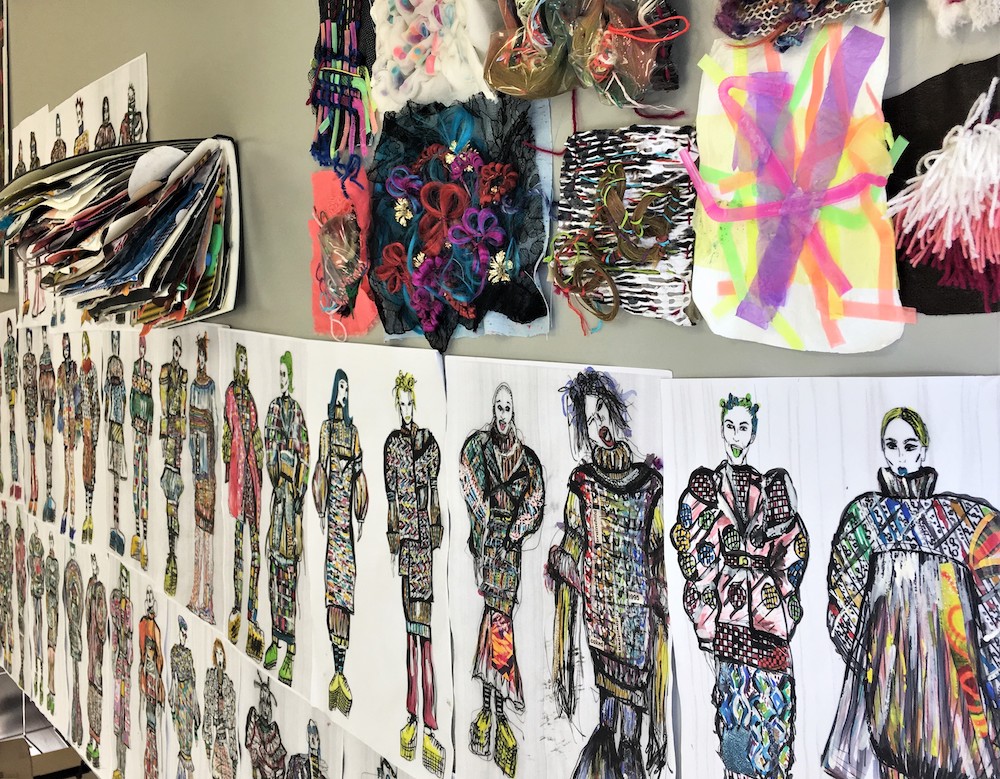
Introduce pupils to the work of Tatyana Antoun and explore the process of developing a fashion collection, from initial sketches and ideas through to finished 3D garments.
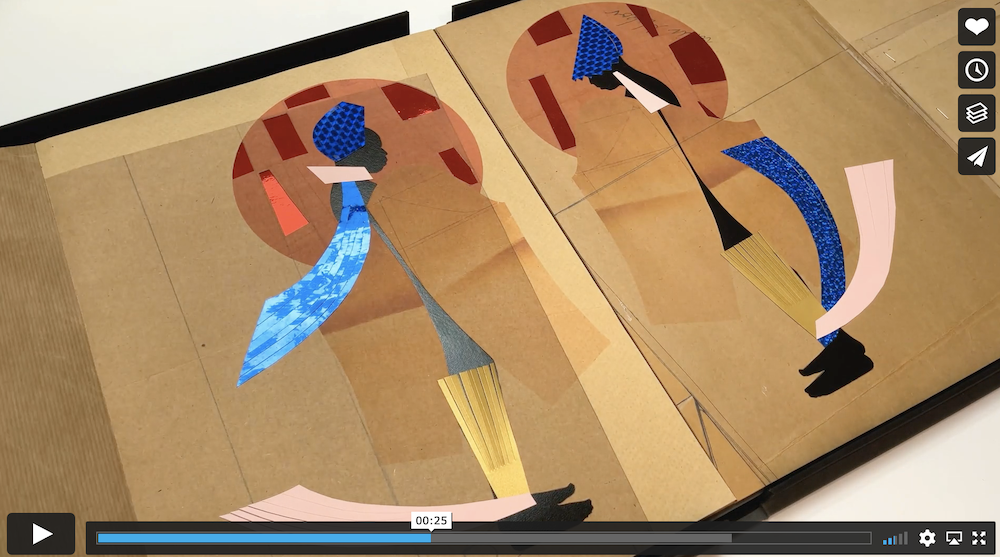
Explore Hormazd Narielwalla’s intricate fashion collages and assemblages, made from discarded tailoring patterns. Discover how designers can find inspiration in the materials around them, and explore the connection between collage and assemblage, pattern cutting and garment making.
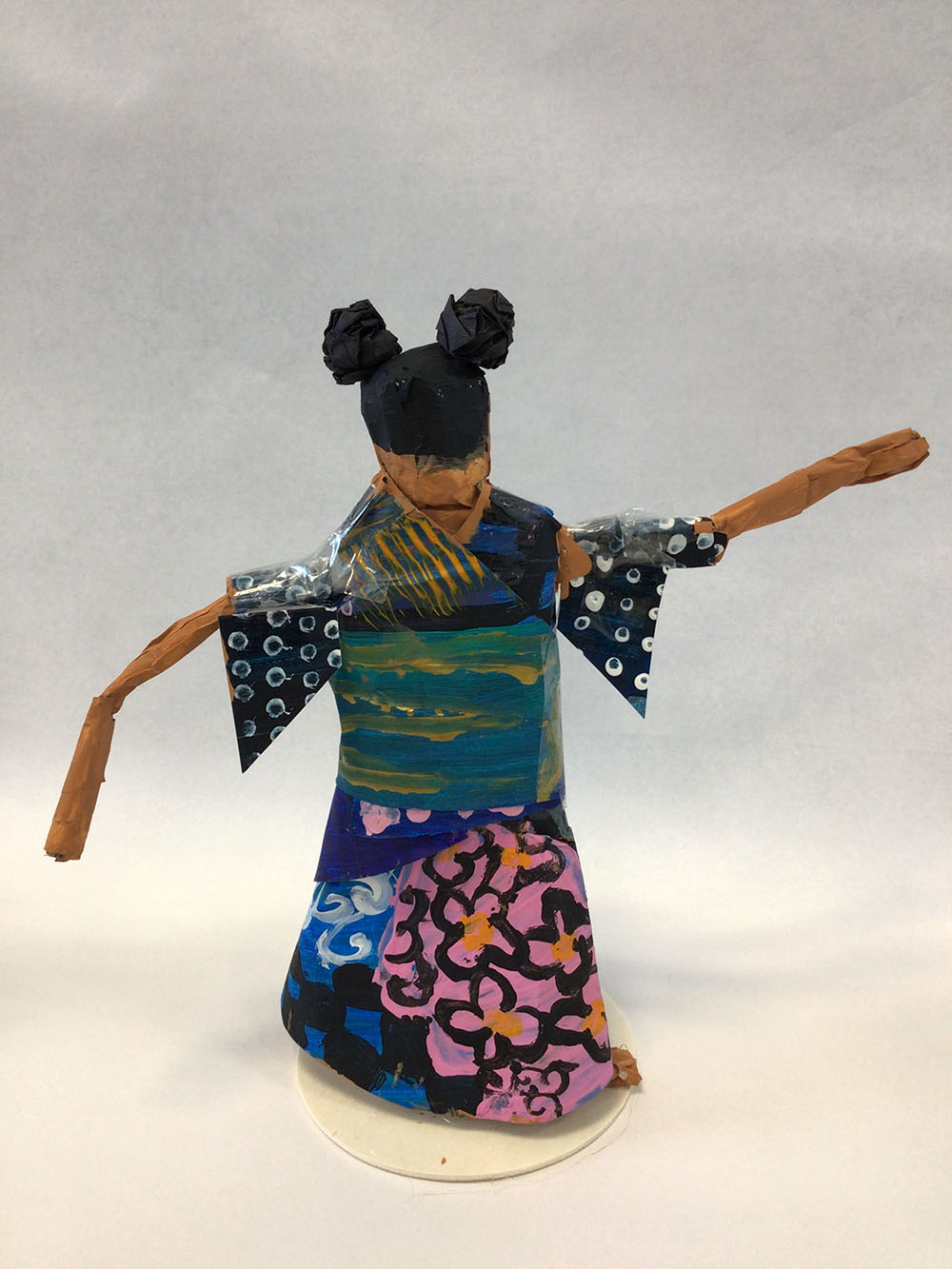
Inspired by the work of the fashion designers above, invite pupils to paint and assemble patterned papers, transforming them into either 2D and 3D Fashion Designs on mannequins.
Resources
tatyana antoun
Hormazd Narielwalla
Making 2d & 3d Fashion Designs with Painted and Decorated Paper