40 Artist Educator Evaluation Space
In 2014, AccessArt was funded by Arts Council England to create 40 resources which highlighted, celebrated and shared the work of diverse artist educators. New relationships were built, new audiences inspired, and new members attracted to AccessArt to ensure the sustainability of the organisation…
Comment by Susan Coles
-
“Reading and viewing the AccessArt 40 Artist Educator Project is a pleasure. To see the resources online and travel along the path of each individual artist educator project is stimulating and exciting.” Read More…
The value of the visual arts in life long learning cannot be questioned. Not only is it essential to growth and development in young people in school, but also the transferable skills that it teaches are skills for life. It develops creative thinking, the ability to reflect, risk taking, enjoyment, pleasure, and it also teaches ‘making’ skills. In the 21st century we must teach people to be visually literate. Art will help them to become viewers, consumers and critics of visual information. We must teach young people to navigate images, to evaluate them and to use them to communicate. Through making art they will learn to create and design meaningful visual information themselves, in both expressive, and innovative ways.
Changes to the educational landscape in recent years have not diminished enthusiasm for visual art but provision has been eroded by curriculum changes and accountability measures. Funding for community-based activities has also been affected. This rich and diverse resource from AccessArt, will support all of those people who are working to engage people in the visual arts. One of the aims was to celebrate the unique approach of each artist to teaching and facilitation. The diversity in approaches and in content and methodology make this resource invaluable in an area where individuality is to be both encouraged and celebrated. These activities have allowed participants to create and design meaningful visual outcomes and information themselves in both an expressive, and innovative way. The activities also value the creative thinking process. They will serve as exemplar materials that can be shared and developed by other artist educators. They will encourage others to aspire to inspire.
It has also involved the artist educators in their own formal professional development through designing a project and creating resources, and acts as a conduit for the professional development of others. This is active and creative networking through an online collection, and a place where comment and conversation can occur. It becomes a professional network, where the individuals who use it are part of a community, which, in itself has strong common beliefs. It values and promotes the visual arts as a learning experience, showcases the diversity of the artist educators and their practices, and becomes a stimulus for those who visit the web space and resource for inspiration. As AccessArt gathers more members, this sense of community and belonging grows and influences. Good teachers are a product of good nurture and it is an ongoing priority that we nurture educators. Keywords in these resources are showcasing and celebrating.
Arriving on the well-designed webpage itself, invites the visitor to enjoy and be inspired. The layout is easy to navigate and to follow. Each of the projects is given its own thumbnail; all of these are visually exciting/inviting and take you into the accessible format of reading the descriptor and then following the project, stage by stage, through photographs (sometimes video) and explanatory text. Context and rationale are also explained. The variety of context is important, there are workshops in primary schools, secondary schools, museums, galleries and public spaces. There are also artists sharing their practice from their studio bases.
Hyperlinks and video links flow well in the design of the pages, and the invite to add a link to a Pinterest page is another way of taking the information to a wider audience. Being able to share via social media, at the click of a button, increases audience range and potential membership.
Connecting to the artist educator though their personal photo image and web links and the short (but useful) biographies are very valuable. This places them as real people who visitors to the webpages can connect to.
One of the stated aims was to celebrate the artists’ unique approach to teaching and facilitation, highlight the value of their contributions
and broaden and enhance educational and creative experiences. This aim has been achieved through the accessibility of the high quality resources, and also through taking some of the activities into the school and community setting, and seeing artist educators work with learners in a “live” brief situation. The benefits of this, to each community, is a legacy of good and creative practice in art, craft and design.
If the audience can be estimated at 60000+ at the time of the evaluation, then I would anticipate seeing this grow as it is disseminated across local, regional, national and international networks and social media platforms. The World Wide Web has created a space for teachers where they can share and where autonomous professional development is supported. The 40 Artist Educator Project is a successful and positive model for such practice. Quality assurance is guaranteed through the knowledge and experience of Paula Briggs and Sheila Ceccarelli. This has also led to a diverse range of practitioner and foci in the collective projects. Small scale, large scale, two-dimensional, three dimensional, permanent, transitionary, traditional, contemporary, individual, group, risk taking and problem solving, all of these (and more) are covered in the 41 projects.
Working with other organisations and partners has also been integral to the success of the Artist Educator Project.
The projects are not just about making, they are about knowledge, evaluation, critical understanding and generating ideas and responses. “Through their active participation pupils learn to explore their imagination, generate ideas, acquire skills and apply judgement.” NSEAD National Curriculum Guidance June 2014. Children’s well-being is enhanced by directly engaging with the visual arts.
From my point of view these resources need to be signposted and shared, with informal evaluations as part of the online/social media conversations. Working with other organisations and partners (local and national) has also been integral to the success of the Artist Educator projects. This will support the dissemination of them.
If the 40 Artist Educator projects are added to, then, I would suggest more gender and ethnicity balance, to reflect life in modern Britain. This balance would continue to build on the social, moral, cultural and spiritual elements of these projects. In an education system, which is heavily slanted towards numeracy and literacy, the visual arts allow children to create their own reflective spaces and to express themselves in a way that develops sense of worth and well-being. Teachers are pushed for time to be creative with their own planning for the subject. AccessArt has created a portal to excellence and ideas, which will inspire them to be more creative teachers.
Susan Coles, Immediate Past President of NSEAD
February 2015
https://twitter.com/theartcriminal
The 40 Artist Educator Project at a Glance
40 Artist Educators Inspired us with their Practice
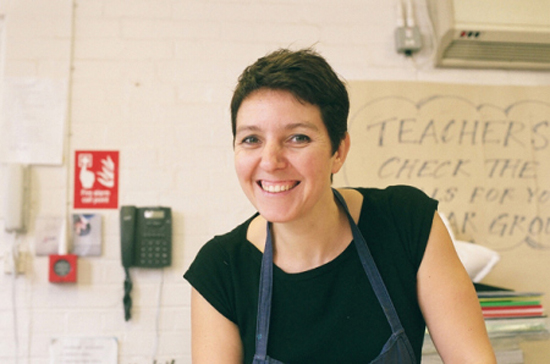
40 inspirational resources covering many aspects of the visual arts
We now have over 950 Members and 9000 Subscribers using the Resources with their Audiences…
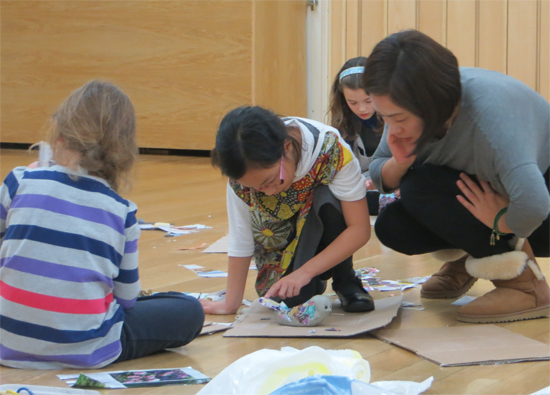
Teachers, artists, facilitators and interested individuals…
We Tested Resources in Four Schools with Six Artists
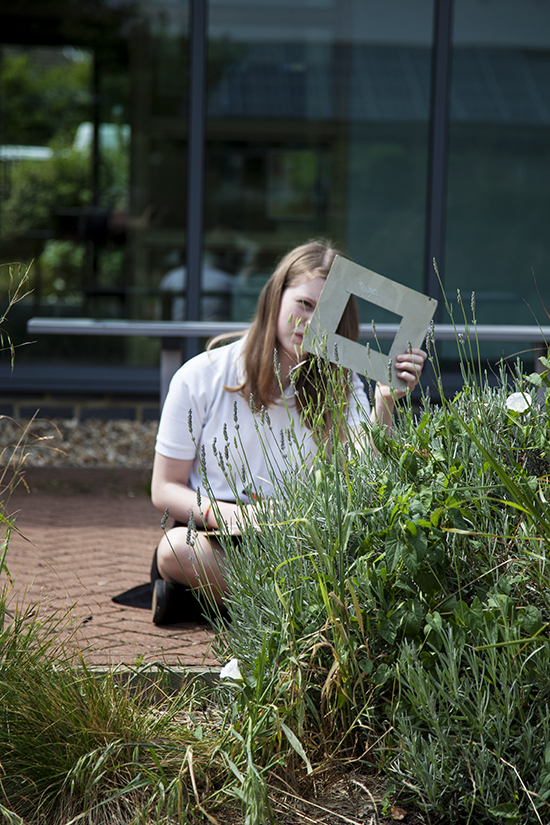
4 schools in Cambridgeshire helped us test our resources
Website ReDesign
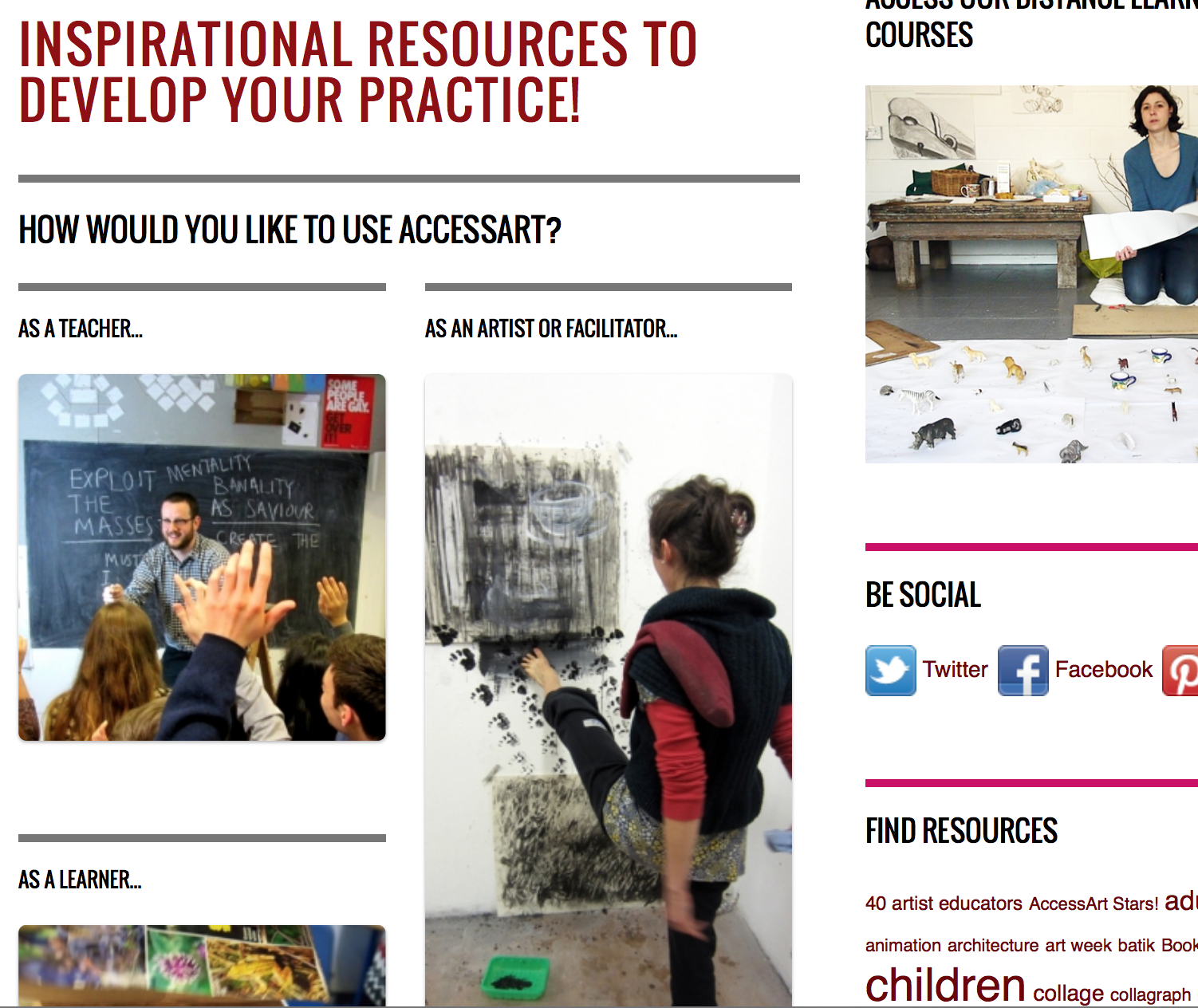
We completely redesigned the AccessArt website to make it mobile responsive and easier to find the info you need…
… and Created another 30 Resources from Applicants to the Project…
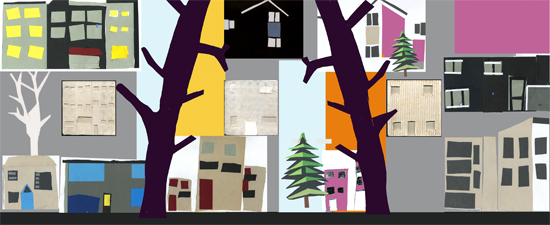
Sometimes we just can’t say no! We worked with many additional artist educator applicants to create extra resources!
And Developed our links with a Number of National Organisations
The project helped us nurture our links with many organisations including NSEAD, Engage, Axis, Campaign for Drawing & Anglia Ruskin University, as well as many museums and galleries and smaller arts organisations
Explore our 40 Artist Educators…
From drawing to photography, printmaking to painting, design to installation art…
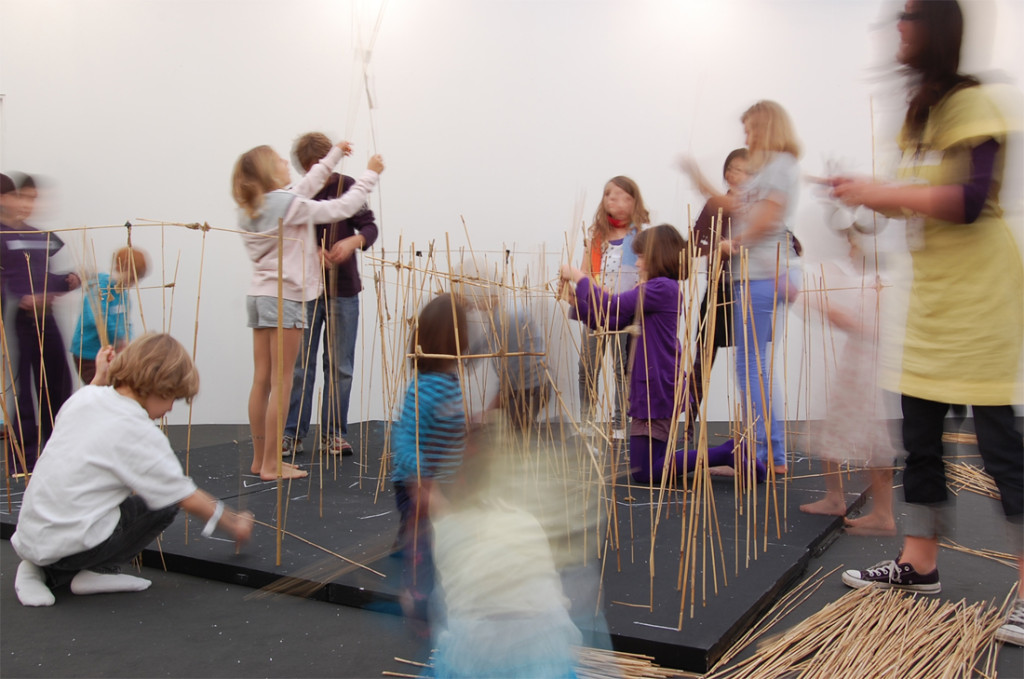
How do the 40 artist educators feel about the project?

“As an art educator who places emphasis on theory, it can sometimes be difficult to place oneself amongst a practice-heavy artist educator group. Paula and Sheila were pleased to represent an Art Historian as one of the 40 Artist Educators. I was also pleased to be present at the 2014 Engage Conference when the programme was highlighted as a case study, which may hopefully lead to future work.” Anna Linch: Putting You in the Picture
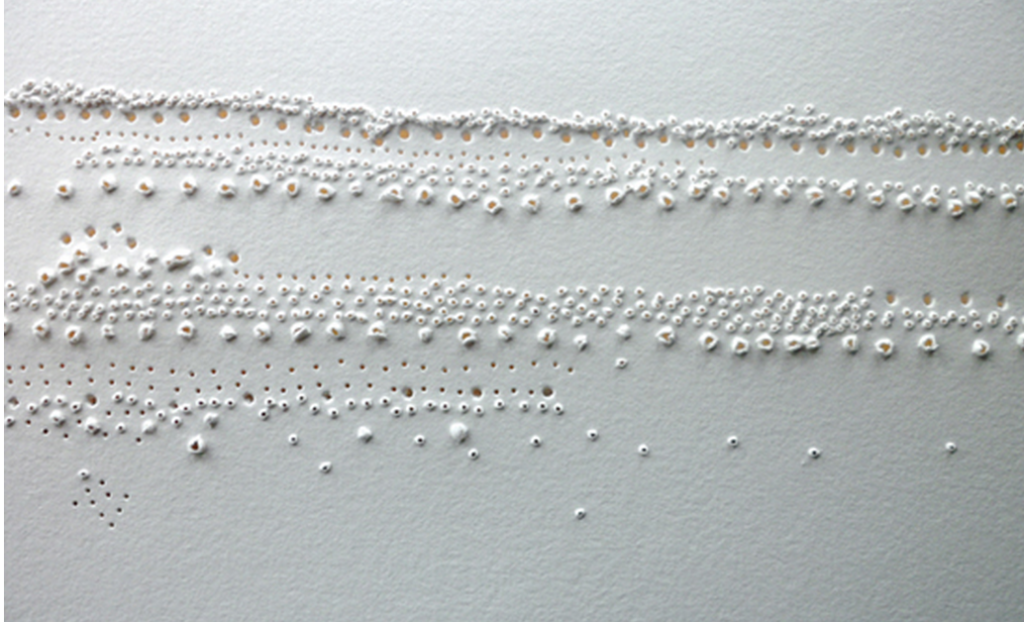
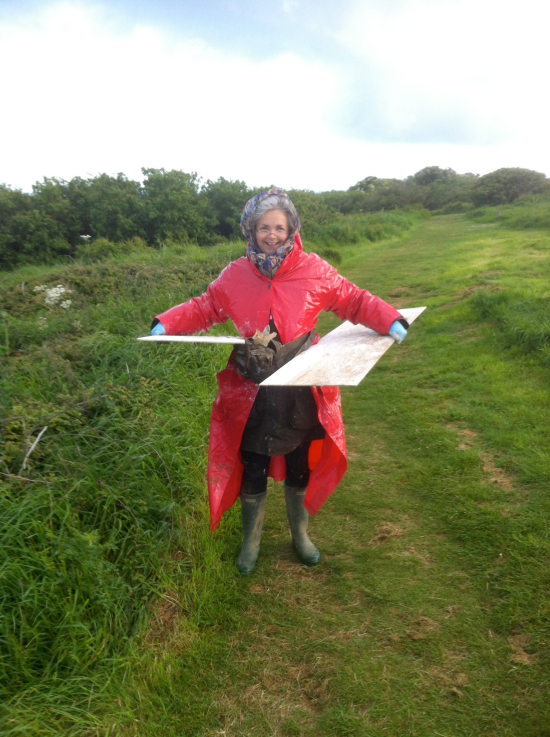
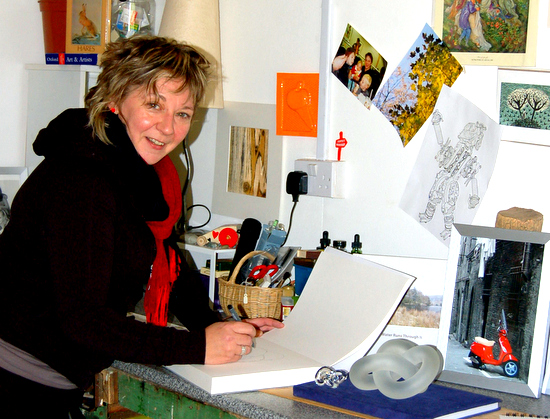
“A rare opportunity to talk about my work with no hindrance. A fantastic way to share best practice and for Artist Educators to be recognised as valuable both creatively and within education. There is an unfortunate layer of snobbery often attached to work done within the realm of “Art Education’ that fails to recognize the importance of arts education for individuals of all abilities. For some pupils the arts are a place of comfort where they can shine and be recognised for their talents, for others it is a pleasurable past time that hopefully will nurture an interest that will last a whole lifetime and for others it is an avenue to expression that they cannot find elsewhere in the curriculum. Whatever a pupil’s ability encouraging and supporting expression in all forms is an envaluable part of creating on going stable and healthy mental well being and as an Arts Educator I take this aspect of my work extremely seriously”
“Paula and Sheila are both incredibly enthusiastic and encouraging – always. I really hope AccessArt continues to receive support and funding as they are creating really valuable resources and a pleasure to work with.” A 40 Artist Educator
“Back Lane Artspace has found AccessArt to be a truly inspirational resource. Finding a thriving organisation with so many interested and interactive members, who share the same values and the same approach to teaching creativity as our own, has inspired and encouraged us to consider how we can provide and promote more high quality arts experiences to more children. As a result we have become “The Children’s Art School”, a non-profit organisation. Our aim now is to provide more art education in more locations and to reach as many children as possible regardless of social status or family income. We are also forging partnerships with more schools, providing bespoke visual and multi-arts experiences and supporting creative approaches to teaching throughout the curriculum.” The Children’s Art School, Holmfirth.
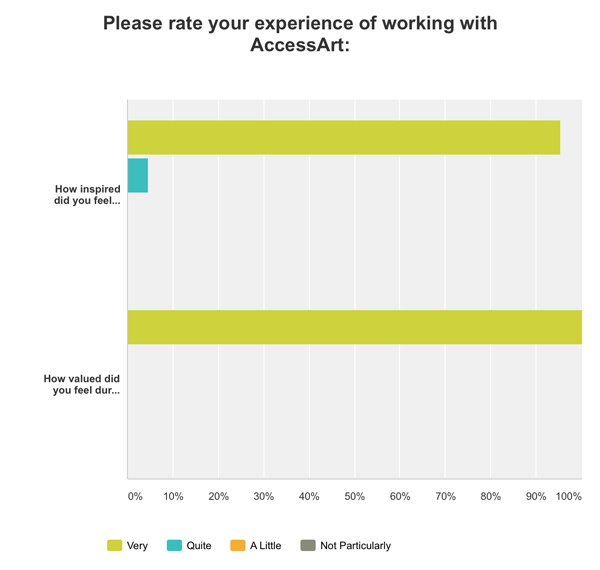
“It has been a pleasure to work with AccessArt. I was very appreciative of the support that Paula and Sheila gave me during the development and editing of the resource and also their care and attention to detail in presenting my resource on the AccessArt website.”
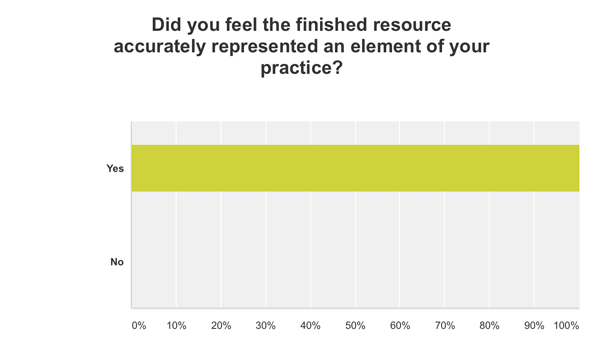
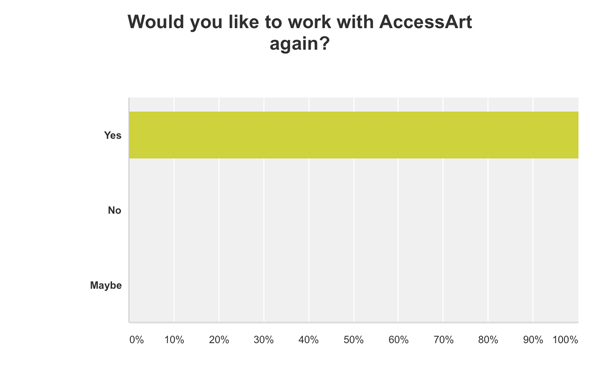
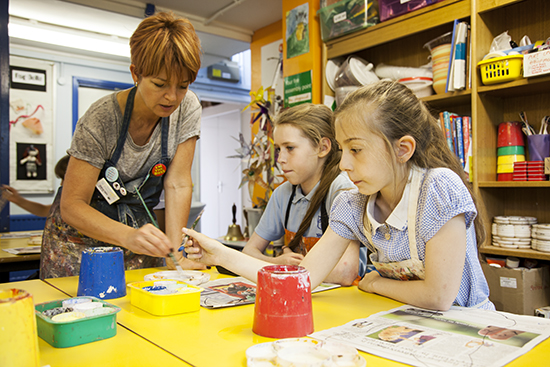
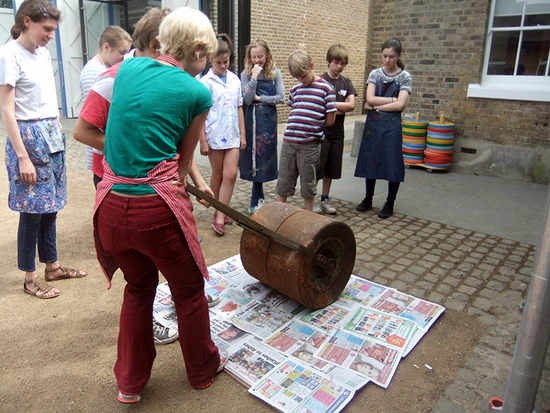
“I had a lot of email correspondence with Sheila who was extremely encouraging and supportive throughout the process.” Ursula Kelly, Artist Educator
Find Out How the Resources were Evaluated in Schools
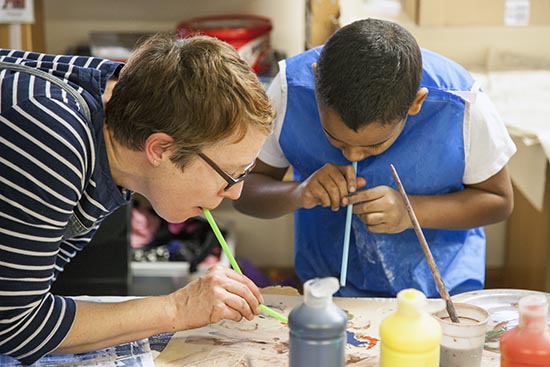
Jo Allen & Rachael Causer at Ridgefield Primary
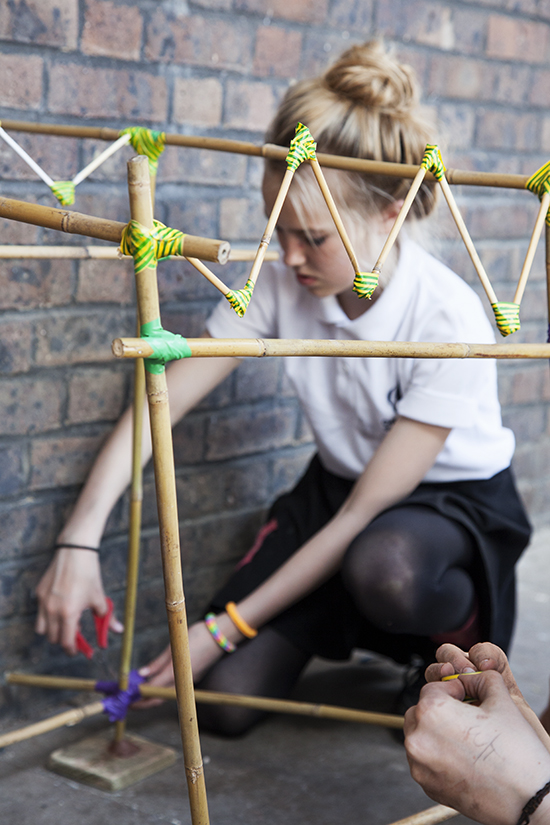
Ann Harild at Chesterton Community College
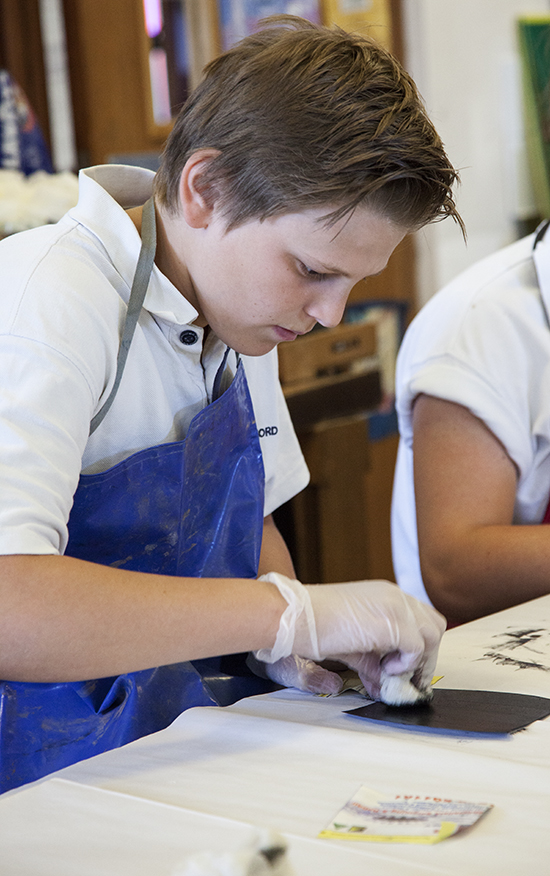
Hannah Webb at Witchford Community College
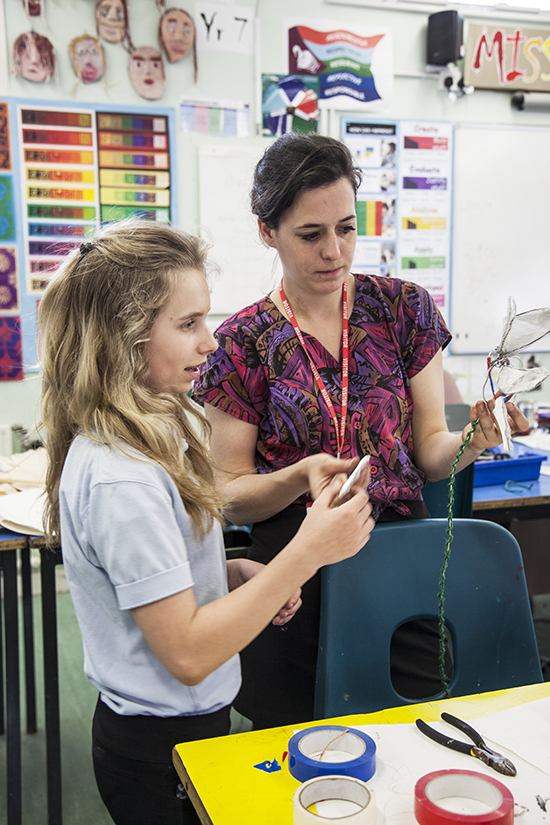
Susie Olczak at Swavesey Village College
Just some of the artists and teachers using AccessArt…
“I love the experiential type of art that is on the website….it is so different from any other website that I have seen. I enjoy looking for new ideas for my 21 art classes that I teach…..Keep up the great work!!”
“I primarily use this site when I need a little inspiration for my teaching. I have been an art teacher for 8 years, but I am always interest in developing and expanding my range of approaches and ideas. I often find that I get a little side tracked on the site and these research tangents occasionally inspire a fresh approach to some element of my own art work.”
Michelle Weeks, Paulet High School
Staffordshire
“I have been using AccessArt for over a year, to help develop my Art teaching and gain new art skills. I originally joined as a way of getting CPD, without having to leave my school. AccessArt has helped in motivating students. We have all acquired new skills both teachers and students. The different approaches to drawing have helped to increase our exam success at Paulet.
I increasingly use the blind drawing techniques as not just warm ups but as the start to longer tasks, getting the students to think outside the box. I loved the quiet drawing techniques students have been drawing in the air, ‘quiet and shy drawings’ have become a partof our department vocab and have helped to build confidence and accuracy when recording from life and memory. Using the ideas from projects and drawing techniques have made drawing fun, students particularly liked the sensory drawing activities – drawing through touch.”
” I continue to find Accessart resources incredibly valuable and I continue to spread the word to friends and colleagues. It is a great springboard for developing ideas.”
Felicty Heath, Adult and Community Learning Surrey
Surrey
“I’ve been looking at the website since about March this year. I am a painter and teach adults. Accessart has helped me develop ideas for teaching when stuck with course planning, and needing to come up with new ways of doing things. I know I can find solutions on your site, which I adapt for adults. It also helps with my confidence as often I’m reminded of things I’ve forgotten, and that I can do successfully.
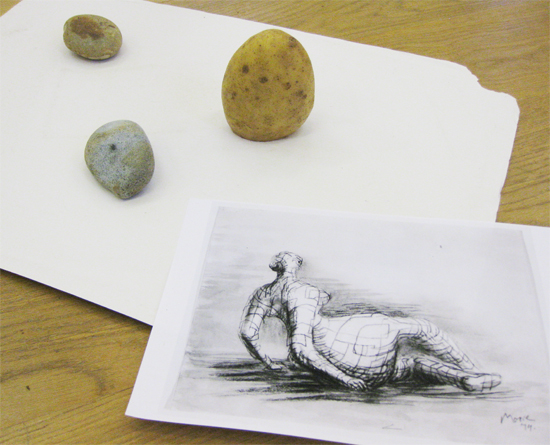
I have introduced a ‘Drawing & Thinking’ project in an adult oil painting class in an attempt to get learners to think differently, enjoy the process and not be judgmental. For this I’ve used some of your drawing ideas – 3 shapes, continuous line drawings and more. They are great for this purpose as they are quick ( but can be expanded), and fun – exactly what I want these learners to have, but with a very definite learning outcome that they can apply to their painting skills. Also taking inspiration from other artists’ work – ‘making drawings with mass’ – Henry Moore’s sheep drawings fitted perfectly into work we were doing about volume.
I can’t remember how I found your site, but it really has been hugely beneficial to my teaching. For myself, it also inspires me to do my own work – just looking at other people’s work can do that for me!”
“As a full time Fine Art student, I aim to work within the community on graduation. The AccessArt site is a fantastic resource which helps to develop my imaginative thought process when I am trying to develop workshops.”
“Great sharing and ideas and easy to use. I really value the teaching and approach to using the gallery as a focus and the variety of community connections that AccessArt makes. I am out of mainstream schools and in a gallery situation where I teach many after school classes. The approach is not curriculum driven and very inspiring and freeing and makes me look closely at what I teach and how I teach it.”
Kate Munro, Artist Educator

I’ve been using AccessArt for about a year, and became a member in June. As a freelance artist and workshop leader it has been almost like having a friend to bounce ideas around with, getting so many balls rolling, and inspiring many projects. Also really good to know there’s a community out there as when you are almost always leading projects alone. Great, thank you.”
“I am planning to develop activities for children for visual arts, for the National Gallery in Kosova, Prishtina. A friend from Edinburgh told me about this website. I am hoping to find ideas about engaging activities for children and making art accessible to young audiences. I have finished MA in Arts and Cultural Management in Edinburgh and temporarily living in Kosovo. Many thanks, Enita Westmoreland”
Maru Rojas
I mostly use AccessArt for ideas when planning art sessions. But often I use it just to browse and pass time as some of the activities on the site are amazing. It has helped me in planning more risk-taking and art-focused workshops. I recently used a drawing resource to create my own plan for a 5-week after school art club. The drawing resource was the starting point to get children thinking about lines, space & colour.
“I love the new look AccessArt, it’s easy to navigate, clear and sharp looking. I am always thrilled with the ideas and projects you post, lots of them infiltrate my teaching to Yrs 5 to 9. Just keep it up. You’re tremendous.”
Rachel Adshead, Castlewood School
Coventry
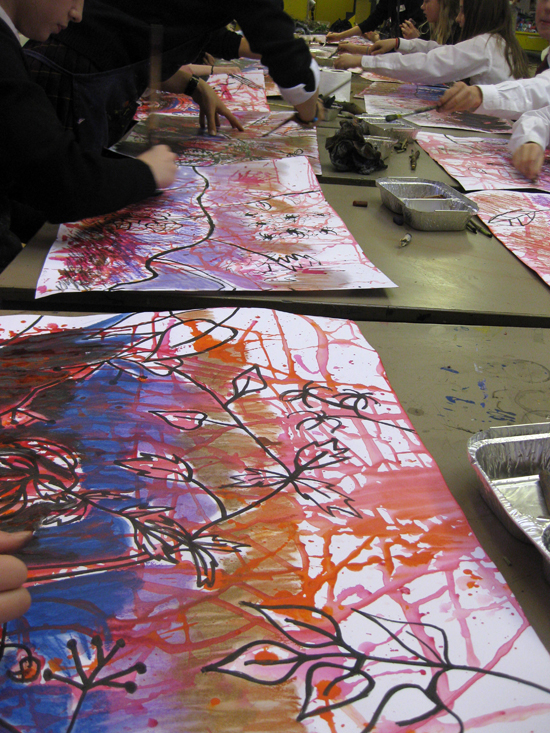
“We have enjoyed intertwining AccessArt into our projects – feeling confident that we are making good progress and enriching the curriculum. I love the sketching – the wildlife / hedgerow painting and have included aspects of this in a natural paint making session at a woodland in which I work. We love the AccessArt projects – they are stunning and inspirational – I have passed them on to other friends and colleagues who are equally impressed. Thank you!”
“I get fantastic explanations and inspiration from this site. I’m a primary teacher and this is the 1st year I’ve taught art to a year 3 class. Great resource. Especially as many of your lessons and ideas needs little specialist equipment.”
“Amazing creative ideas by practicing artists is very inspiring for teachers in schools. I think it is also very refreshing to see something which is not aimed at anything but unlocking creativity. I really love the site.”
“The different approaches to drawing have helped to increase our exam success at Paulet.”
Claire Dean, Bradford College
West Yorkshire
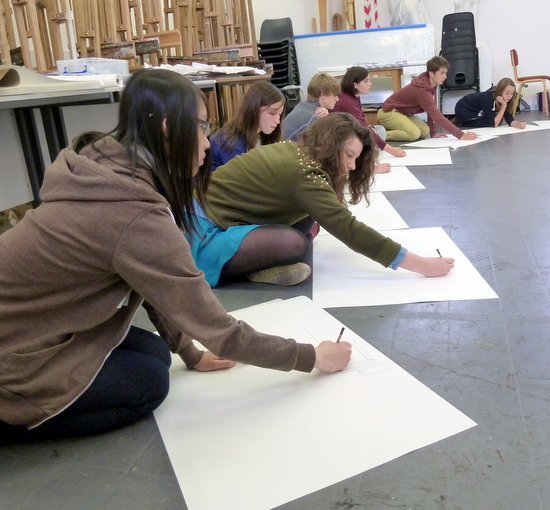
“I have been accessing AccessArt for quite a time now – possibly around 3 plus years. I have used the ideas for working with trainee teachers and to help develop my own art skills. The ideas provided encourage creativity and also provide some degree of security. In other words they allow you to experiment. AccessArt has also encouraged me to try out more techniques in a more open way, thereby developing confidence. My colleague and I have used some of the examples you have provided e.g. shell drawing and large scale drawing to encourage the trainee teachers to work more imaginatively with children and to show how art can link with other subjects such as science without the pressure of realism all the time but capturing important details. The site has developed considerably over the period that I have been using it and there have been many exciting developments with some brilliant resources produced – including the drawing course for teenagers.”
“I believe AccessArt is an incredible concept. The international concept gives insight to other cultures and other artists around the world. Truly inspirational.”
“Its a brilliant site that always fills me with motivation and inspiration to take back to my clients. I always enjoy my visits.”
Mirange Hobson, Bradfield Dungworth Primary School
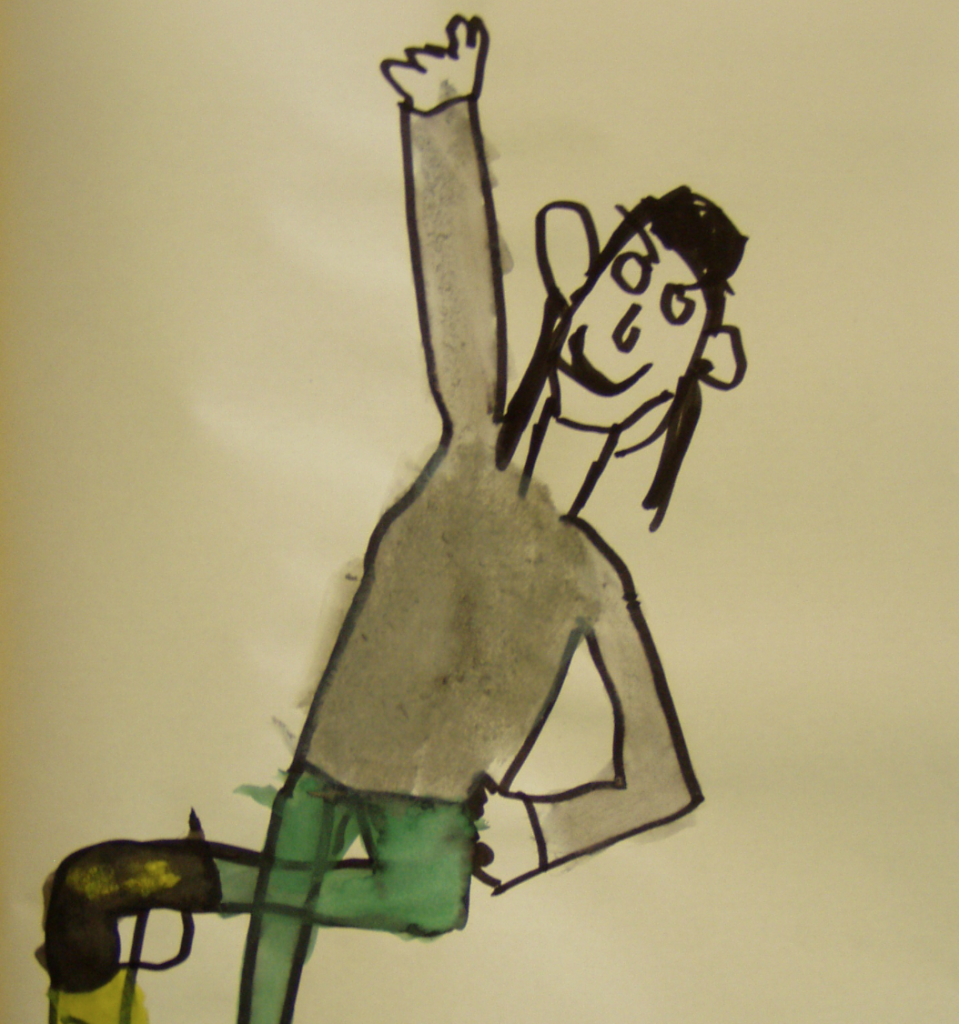
“I first joined AccessArt two years ago, to guide my own creative development. I have also started to use it in the last year to enrich my creative practise in school art education, specifically the after-school art club I run. AccessArt has helped my personal creative development by offering low cost, knowledgable, useable courses and resources in both the fundamentals of art and beyond. The accessibility and friendliness of the site is encouraging and increases in range continually. ”
“It’s BRILL…. a breath of fresh air for me practicing in rural north of England. I hope you continue the good work for many years to come. Thank you.”
“You are a great organisation – much admired and one of the best workshops I took part in. Thanks”
“A simply invaluable resource – I visit your site at least once a week – thank you for all your inspiring ideas.”
” I think you guys are brilliant! I love the easy access to free teaching lessons, and the very economical membership to further lesson plans. Keep up the great work!”
Collaborating Organisations
“The 40 Artist Educator project has enabled collaboration across a wide range of institutions and individuals. The featured projects demonstrate a diverse cross section of projects highlights fascinating and inspiring approaches to teaching art in the 21st century. All too often teachers are tempted to do what has worked in the past, frequently with diminishing returns. This project gives art staff no excuse to rest on their laurels but rather a tool kit to reinvigorate their practice. We look forward to more AccessArt projects in this vein in the future.” Andee Collard. Head of Specialism. Welling School.
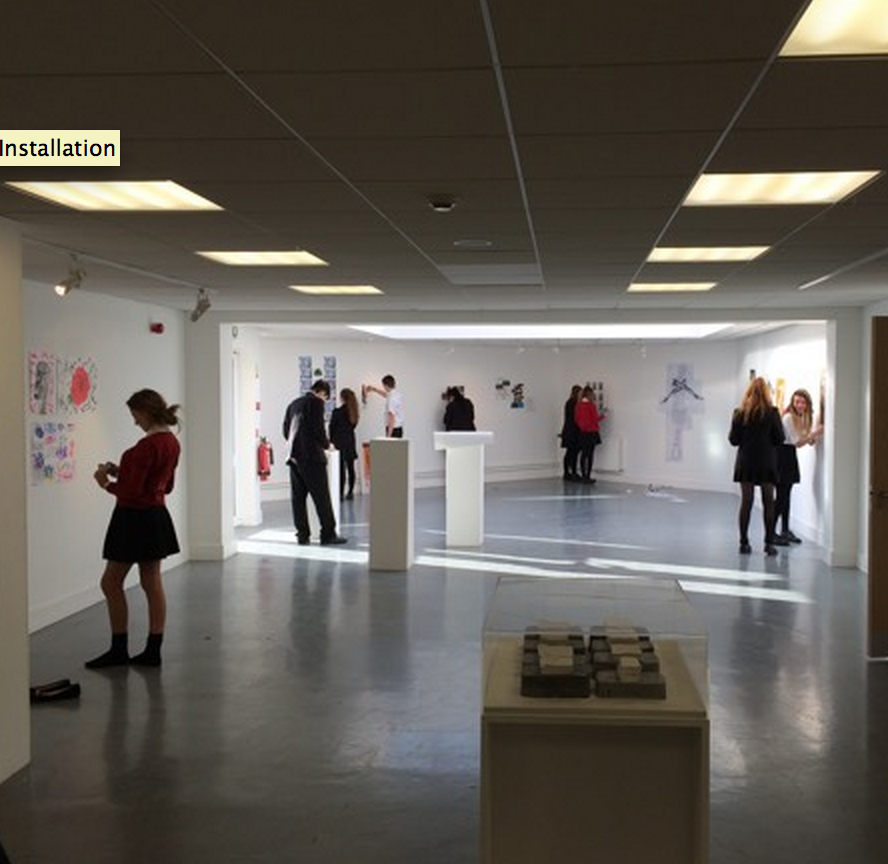
 “The 40 Artist Educators project has been really exciting for everyone involved. At Cambridge School of Art we have been particularly delighted to host an exhibition of some of the work in the Ruskin Gallery, so that both artists and pupils can gain the satisfaction of seeing their work in a professional setting. Simply as an ‘artist in residence’ type project , the 40 artists and their pupils have benefitted they always do in such situations – real artists have inspired children to dare to do things differently, something they will remember for many years to come. Such engagement also inspires the artists to evaluate what they do in new ways. When you add the additional asset that AccessArt brings to art education – dissemination of artwork and practical ideas via the internet and social media – these benefits are of course multiplied. New ideas and activities taking place in a village school in Cambridgeshire have travelled across the world, and created ripples from Yorkshire to as far afield as South Korea. Let’s hope this project can continue in new ways, and that 40 artists can turn into 4000 artists as it grows.” Chris Owen, Head of Cambridge School of Art

“Access Art are a fantastic resource for teachers, providing a wonderful mix of exciting, inspiring ideas and practical advice and support. It is a pleasure to share a case study from our V&A Design Lab programme with the Access Art audience.” Rebecca English, V&A
“The VIVID project has for the last three years linked artists, designers and educators in four countries on either side of the English Channel – France, Belgium, the Netherlands and the UK. Part of the purpose of the project was to develop artistic talent in schools, and AccessArt have made a great contribution to this by bridging the gap between school art lessons and School of Art studios. Besides art and design activities for schoolchildren organised at Cambridge School of Art, the AccessArt on-line drawing modules spread the message across the globe that art matters to young people, and I was delighted that they were able to share the results of this experiment at the final VIVID conference in Breda, in September 2014. ” Chris Owen, Head of Cambridge School of Art
 “AccessArt have been very supportive of what we do at the Art Cabin. Sharing our creative projects through the ’40 Artist Educator’ resource definitely gave the young students involved a real sense of pride.” Sharon Gale, The ArtCabin
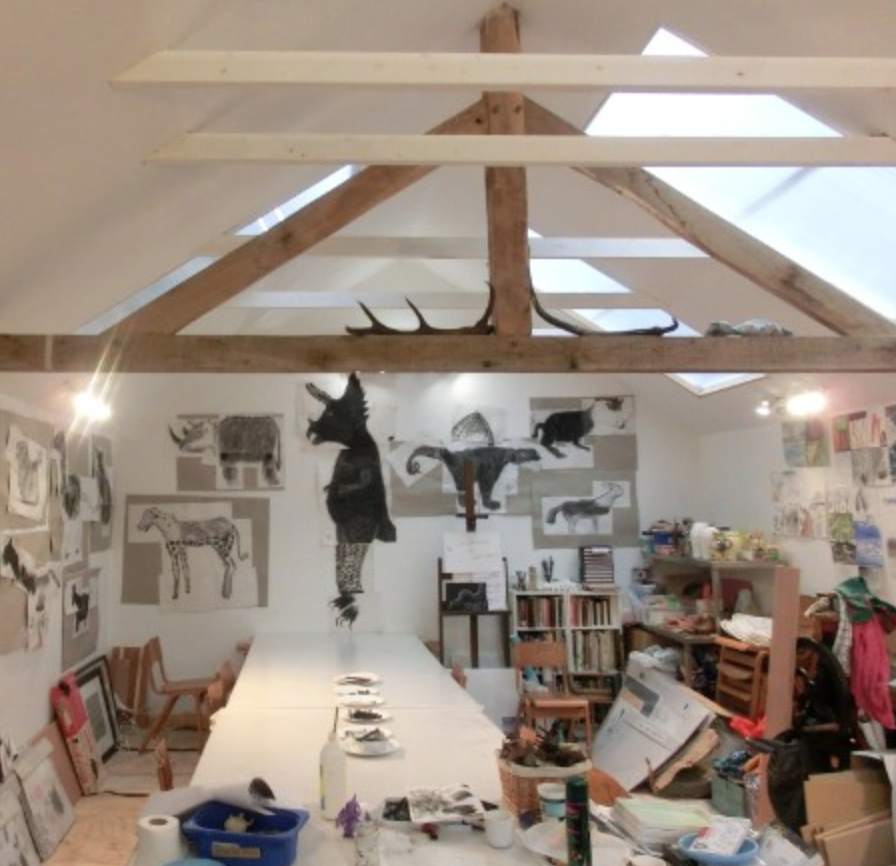
“At the Little Art Studio I have felt really supported both in the work that I do and in what I believe in. Sheila’s and Paula’s steady stream of encouragement has really helped, and being chosen as one of the forty artist / educators has been great. As an an artist I aim always to maintain an openness – and as an educator too – an openess to discovering more about “learning” and “teaching”.
AccessArt is a resource site with real integrity which is also a fundamental necessity in the pursuit of both true education and creative development. They understand the meaning of process and of exploration as a valuable part of the creativity and the importance of showing reflection and time as a crucial step in development. To be linked feels an honour and I will use my “award” to develop my teaching confidently and to support applications for further work within education. To now see the 40 artist / educators project is wonderful – and through it I now feel a part of a rich and diverse collection of artist / educators.” Ellie Somerset, The Little Art Studio
“CCI and AccessArt have long shared a passion for how creative experiences can transform lives so this opportunity to link our work on this brilliant resource was really welcome.”
Inspired to work with AccessArt? Please get in touch!
Although the 40 Artist Educator project is now over, the resources created will remain on the AccessArt website as part of the AccessArt resource bank for years to come, benefiting new audiences.
AccessArt is a UK registered charity and receives no revenue funding. Instead we rely on income from memberships to enable us to continue to meet our aim of inspiring and enabling visual arts education. Membership is open to teachers, facilitators, artists and individuals across the UK and overseas. Please consider becoming a member to benefit your practice and support AccessArt. Membership starts at just £3.50 per month.
We are always looking to work with organisations, artists, teachers and facilitators to develop new content and resources. Please get in touch.
Be Inspired!