
Talking Points: Dancing to Art

How might we respond to art through movement?
Art and dance can both help us express emotions. Just as art can make us feel a certain way, we can use movement to express feelings through dance. We can respond to an artwork by moving our bodies in ways that reflect how it makes us feel. An angry, messy artwork might inspire quick, sharp movements, while a calm landscape might inspire slow, gentle movements.
Watch the video below and use the following images and questions to discuss how we can respond to art through dance.
Please Note:
This page includes links and videos from external sites, verified at publication but subject to change.
Teachers should review all content for classroom suitability.
Report any issues, and check school firewall settings if videos don’t play.






Dancing to Art by Tate Gallery
“Corali, a leader in dance created by artists with a learning disability, have worked with Tate since 1998 and are experts in creatively taking up space in our galleries. We invited Paul, Sherri, Bethan and Dj from Corali to design performances in response to four artworks at Tate Britain. We wanted to show what happens when people have the freedom to enjoy the gallery however they want, and how this can open up new ways of responding to art.” – Tate Youtube
Watch the video with the pupils, and look at the images below. Find out how you can respond to art through dance.
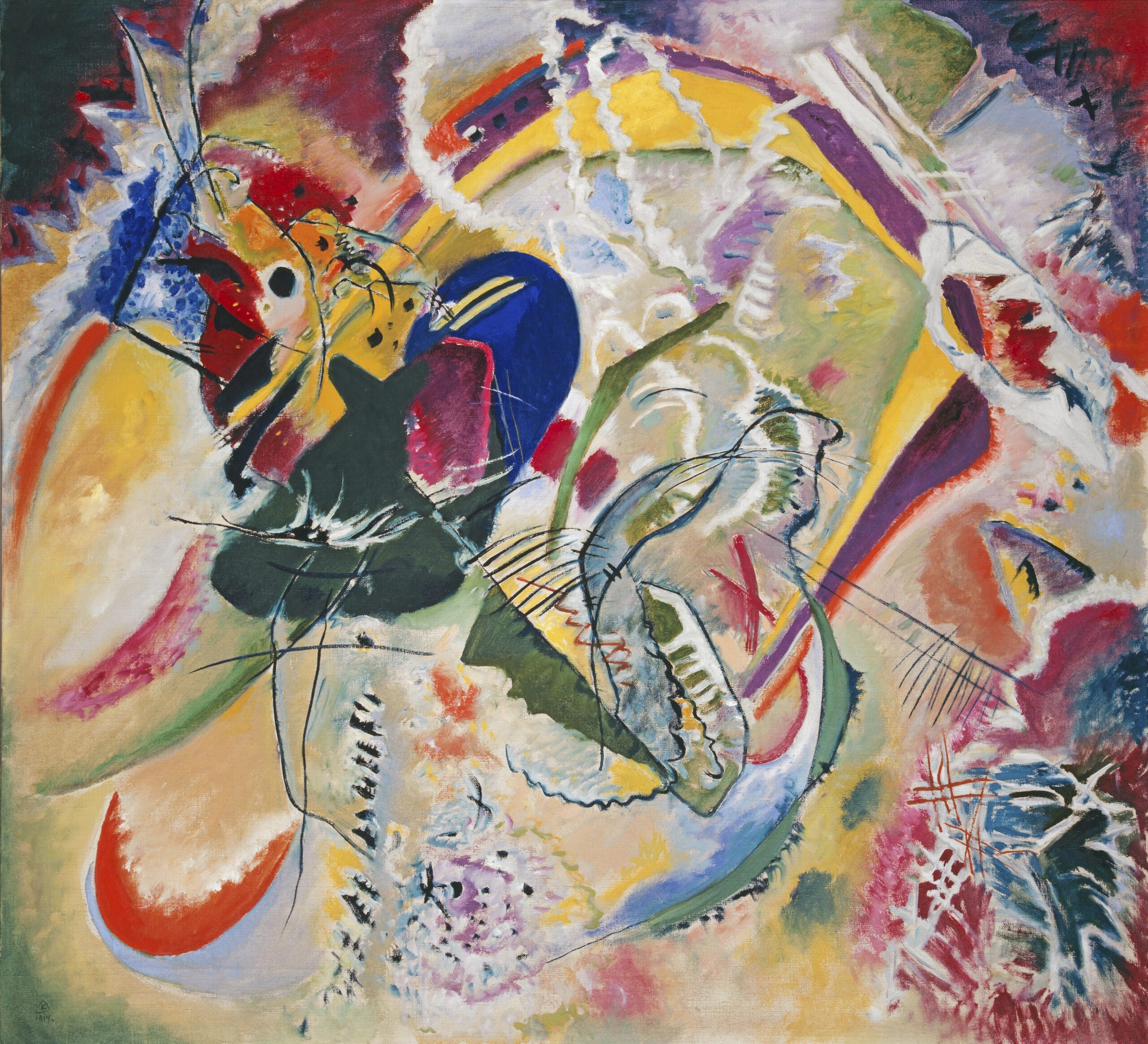
Improvisation 35 (1914) painting by Wassily Kandinsky
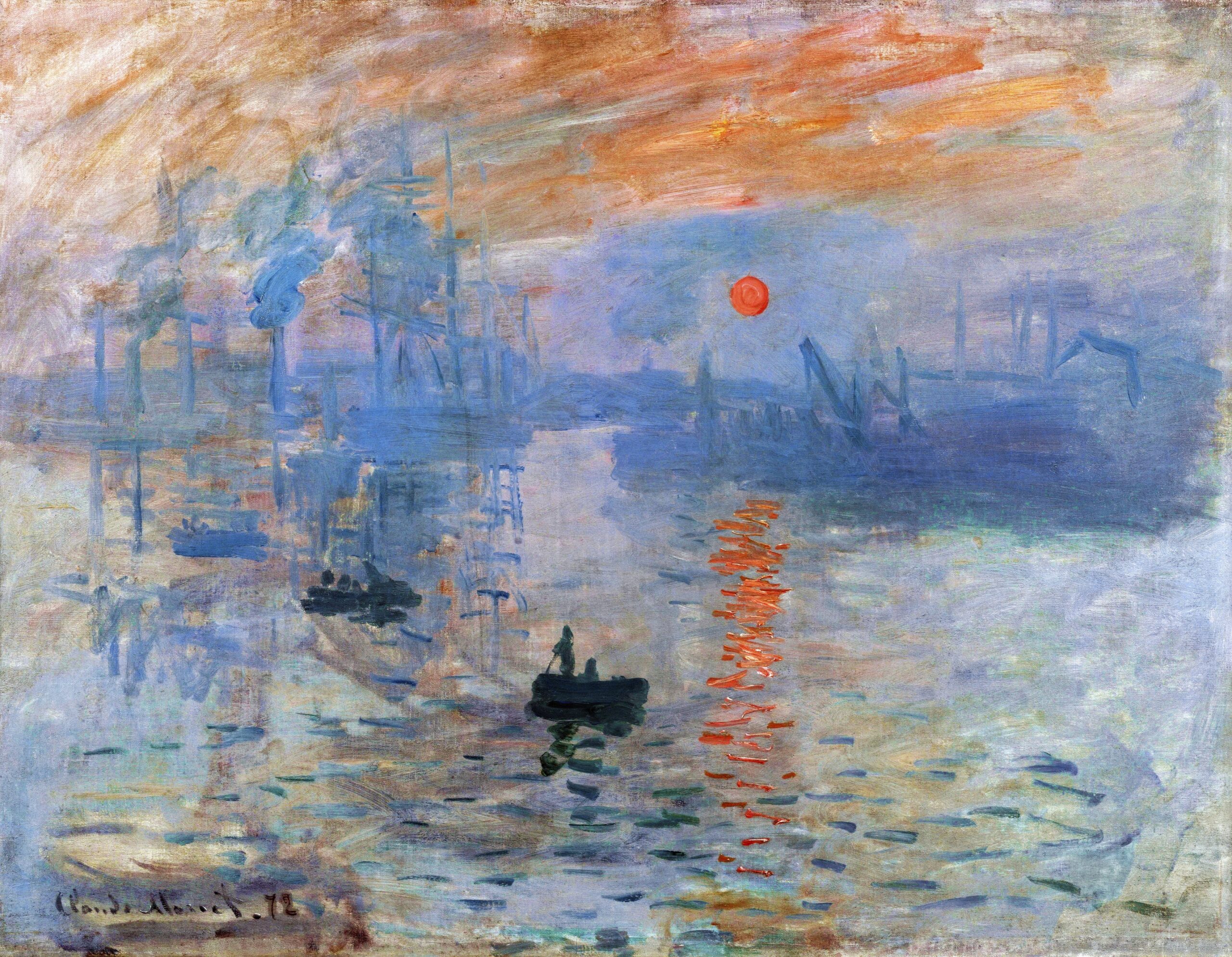
Claude Monet’s Impression, Sunrise (1872) famous painting. Original from Wikimedia Commons.
Questions to Ask Children
What movement might you use to describe a windy day?
What movement would you use in response to the colour red? Blue? Green? Black?
Use your whole body to make a movement that represents an atmosphere or an emotion, such as gloomy, peaceful, excited…
How would you use your body to respond to a spikey / straight / curved line?